多边主义

Search documents
联合国专家:全球治理倡议有助维护多边主义
Xin Hua Wang· 2025-09-20 01:42
Core Viewpoint - The global governance initiative proposed by China is beneficial for maintaining multilateralism and addressing the complexities of the current international order [1] Group 1: Global Governance Initiative - The initiative emphasizes the importance of a UN-centered international system and an international order based on international law [1] - It provides an opportunity for a more balanced international order while also highlighting the risks of division [1] Group 2: Role of China - China's constructive role in maintaining international order and promoting multilateral governance has been highly praised [1] - The independent expert's report reflects a positive assessment of China's contributions to global governance [1]
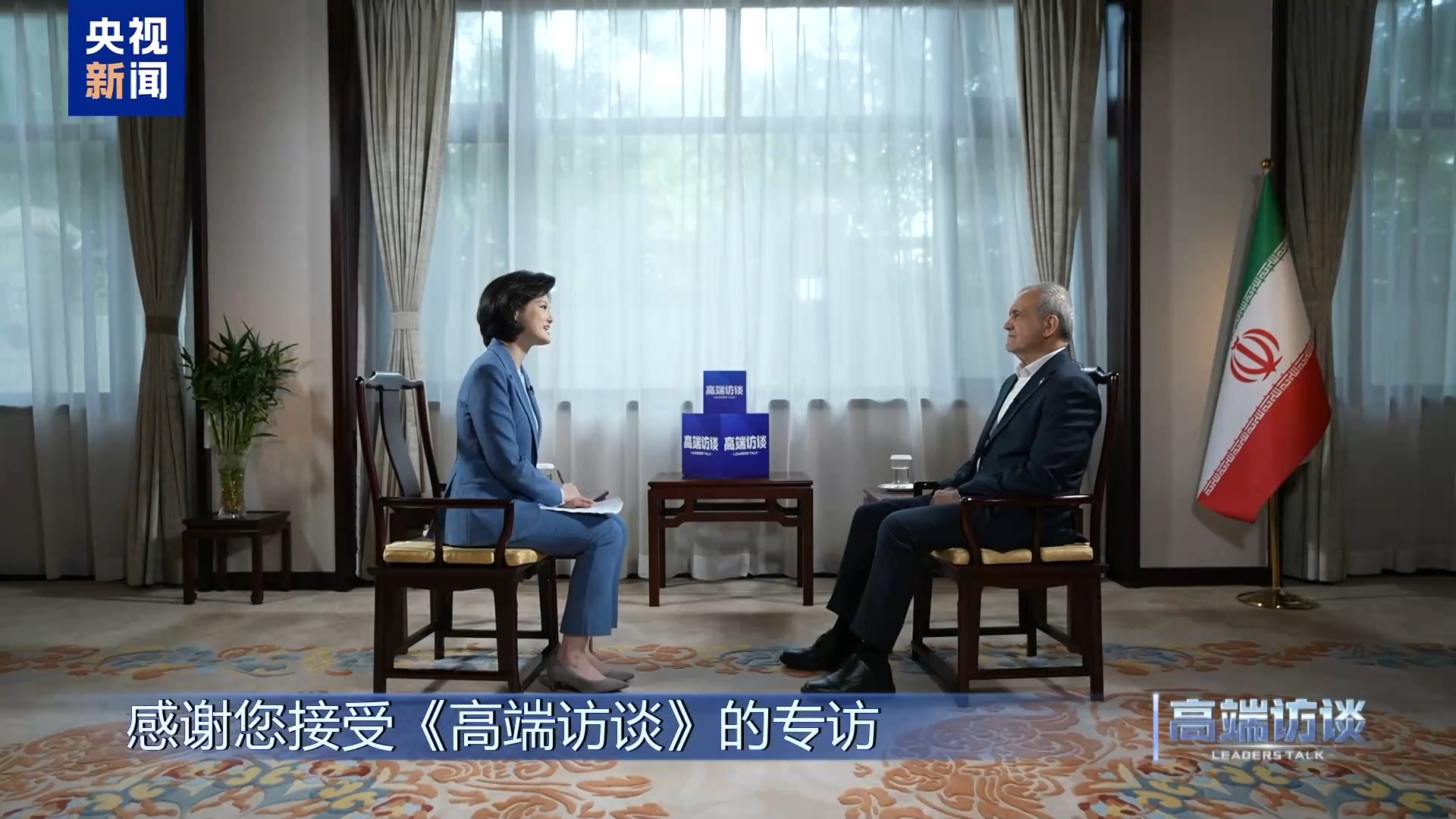
高端访谈丨专访伊朗总统佩泽希齐扬
Yang Shi Xin Wen· 2025-09-19 22:50
Core Viewpoint - The global governance initiative proposed by President Xi Jinping is seen as a model for contemporary international principles, emphasizing mutual respect, cooperation, and the establishment of a just and fair world [1][28]. Group 1: China-Iran Relations - The visit of Iranian President Pezeshkian to China marks his first official visit since taking office, highlighting the importance of strengthening bilateral ties [3]. - The comprehensive strategic partnership established between China and Iran is viewed as significant in the context of evolving global international relations [4][6]. - Pezeshkian emphasizes the historical ties between Iran and China, advocating for deeper cooperation and mutual assistance to build a peaceful and secure world [6][28]. Group 2: Global Governance Initiative - The global governance initiative is described as a systematic approach that encompasses multiple aspects, advocating for respect for international law and equality among nations [8]. - Pezeshkian stresses the need to eliminate double standards in international law and governance, calling for equal treatment of all countries regardless of their wealth or size [8][28]. - The initiative aims to promote a framework for international cooperation that respects sovereignty and territorial integrity [6][28]. Group 3: Middle East Stability - The reconciliation between Iran and Saudi Arabia, facilitated by China, is seen as a step towards achieving regional stability and peace [9]. - Pezeshkian asserts that unity and cooperation among Middle Eastern countries are essential for resolving ongoing conflicts and achieving lasting peace [22]. - The Iranian President expresses concerns over Israel's aggressive actions in the region, which he believes undermine peace efforts and contribute to instability [21][22]. Group 4: Nuclear Policy and International Relations - Pezeshkian reaffirms Iran's commitment to peaceful nuclear energy development, rejecting accusations of seeking nuclear weapons [11][16]. - He criticizes the double standards applied by Western nations regarding Iran's nuclear activities, emphasizing Iran's adherence to international agreements [10][19]. - The Iranian leadership is open to dialogue within the framework of international law, seeking to address concerns while maintaining their rights to develop nuclear technology for peaceful purposes [16][19].

重温联合国成立初心 热议全球治理中国贡献
Ren Min Ri Bao· 2025-09-19 22:08
美国陈纳德航空军事博物馆馆长、美国飞虎队指挥官陈纳德将军外孙女嘉兰惠不久前应邀出席在北京举 行的纪念中国人民抗日战争暨世界反法西斯战争胜利80周年大会。她认为,这一盛大活动唤起人们对二 战的记忆。和平并非与生俱来的馈赠,每一代人都必须奋力守护和平,并为之续写新的篇章。"铭记这 段历史,能让我们看清人类团结所能创造的可能,懂得哪些价值值得坚守,也可以指引当下的政策制 定:要着眼长远,而非追求短期政治利益。"嘉兰惠说。 "中国推动全球携手应对21世纪挑战的努力卓有成效" 日前,以"80载同舟共济:联合国的使命传承与全球治理新路径"为主题的"新时代大讲堂"活动在纽约联 合国总部举行,来自联合国秘书处和各国常驻联合国使团的代表、中外学者等200余人出席。与会人士 认为,在联合国成立80周年之际,重温联合国创立初心、维护联合国核心地位至关重要。中方提出的全 球治理倡议与联合国宪章宗旨和原则一脉相承,符合当今世界的紧迫需求,有利于推动各国携手应对全 球性挑战。 "联合国作为全球治理核心的作用,比以往任何时候都更为关键" 该活动由中国常驻联合国代表团与中国日报社共同主办。中国常驻联合国代表傅聪在主旨演讲中表示, 80年前, ...
中国代表在联合国人权理事会宣介中方主提经社文权利决议
Zhong Guo Xin Wen Wang· 2025-09-19 16:43
中新网日内瓦9月19日电 9月18日,联合国人权理事会第60届会议根据中国主提"消除不平等背景下促进 和保护经社文权利"决议,就联合国人权事务高级专员(人权高专)图尔克提交报告举行互动对话。 (文章来源:中国新闻网) 中国政府代表团副团长李笑梅在发言中表示,确保人人平等享有经社文权利(经济、社会及文化权利), 是实现所有人权的重要目标。在联合国成立80周年之际,要坚持真正的多边主义,在平等和相互尊重基 础上增进对话合作。要秉持人民至上理念,加大对经社文权利投入。要加强团结协作,推动发达国家为 发展中国家提供更大力度支持,确保不让任何人掉队。 各方在对话中高度评价中国在经社文权利领域的引领作用,支持中国再次提出同名决议。该决议立足当 前、着眼未来,旨在弥合理念分歧、采取切实行动,共同寻求合作最大公约数,助力全球人权事业健康 长远发展。(完) ...
中国代表:平等享有经社文权利是实现所有人权重要目标
Xin Hua She· 2025-09-19 12:21
新华社日内瓦9月19日电(记者石松)联合国人权理事会第60届会议18日根据中国主提"消除不平 等背景下促进和保护经社文权利"决议,就联合国人权事务高级专员图尔克提交报告举行互动对 话。 各方在对话中高度评价中国在经社文权利领域的引领作用,支持中国再次提出同名决议。各方称 该决议立足当前、着眼未来,旨在弥合理念分歧、采取切实行动,共同寻求合作最大公约数,助 力全球人权事业健康长远发展。 中国出席联合国人权理事会第60届会议代表团副团长李笑梅发言表示,确保人人平等享有经社文 权利,是实现所有人权的重要目标。在联合国成立80周年之际,要坚持真正的多边主义,在平等 和相互尊重基础上增进对话合作;要秉持人民至上理念,加大对经社文权利投入;要加强团结协 作,推动发达国家为发展中国家提供更大力度支持,确保不让任何人掉队。 ...
世贸组织总干事伊维拉:多边主义受到打击,但还活着
Sou Hu Cai Jing· 2025-09-19 11:46
Core Points - The global trade system has been impacted by unilateral tariff actions from the United States, yet it retains a resilient multilateral core [3][7][8] - Ngozi Okonjo-Iweala, the first female and African Director-General of the WTO, emphasizes the need for reform and addressing key issues within the organization [5][9] - The WTO's Fisheries Subsidies Agreement, which took 21 years to negotiate, has recently come into effect, marking a significant achievement for multilateral trade [7][8] Group 1: Current Trade Environment - The WTO predicts a 0.9% growth in global merchandise trade for the year, a decrease from the pre-tariff forecast of 2.7% [8] - Despite challenges, approximately 72% of global trade is still conducted under WTO rules, down from 80% before the tariffs [7][8] Group 2: Reform and Challenges - Reform is identified as a critical task for the WTO, with a focus on addressing member concerns regarding fairness, transparency, and inclusivity in the trade system [9][10] - The decision-making process within the WTO, which requires consensus among all 166 members, is a significant point of contention, often hindering timely decisions [10] Group 3: Dispute Resolution Mechanism - The WTO's dispute resolution mechanism remains operational despite the suspension of the appellate body since 2019, with ongoing consultations for 16 cases [11][12] - A temporary multilateral appeal arrangement (MPIA) has been established by several members to address the lack of functioning appellate judges, covering 57.6% of global trade [12]

ODS全面淘汰进入冲刺阶段
Zhong Guo Hua Gong Bao· 2025-09-19 06:49
Group 1 - The global community has eliminated nearly 99% of ozone-depleting substances (ODS) production and usage, entering a critical phase for complete ODS phase-out [1] - The 40-year anniversary of the Vienna Convention highlights the successful implementation of the Montreal Protocol, showcasing international cooperation in addressing global environmental issues [1][2] - China has eliminated approximately 628,000 tons of ODS and is expected to achieve an additional 90,000 tons by the end of the year, demonstrating its commitment to ozone layer protection [1] Group 2 - The meeting emphasized the challenges faced in the global compliance efforts, particularly after the Kigali Amendment, which has significantly increased compliance tasks [1] - China is positioned to lead sustainable refrigeration industry actions as the largest producer and consumer of hydrofluorocarbons, contributing to global climate governance [2] - The conference was attended by around 200 participants, including representatives from international organizations, government agencies, and industry experts, indicating a collaborative approach to environmental governance [2]
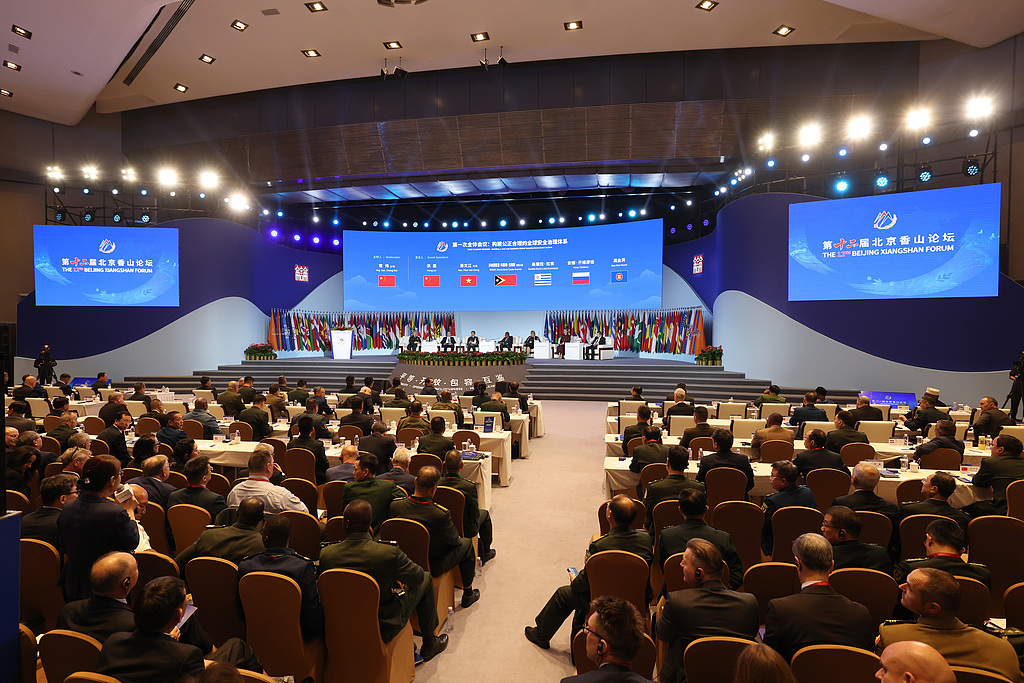
聚焦和平与发展,彰显平等和包容,香山论坛热议全球安全治理
Huan Qiu Shi Bao· 2025-09-18 22:48
Group 1: Forum Overview - The 12th Beijing Xiangshan Forum opened on September 18, focusing on "Safeguarding International Order and Promoting Peaceful Development" [1][4] - The forum featured defense ministers and high-ranking officials from multiple countries, emphasizing the themes of peace and development [1][2] - The forum is recognized as a significant global security dialogue platform, showcasing inclusivity by allowing diverse voices to be heard [1][7] Group 2: Key Themes and Discussions - Chinese Defense Minister Dong Jun highlighted the increasing global division and called for unity among nations, marking the 80th anniversary of the victory in the Anti-Japanese War and World Anti-Fascist War [2][5] - The forum emphasized the importance of multilateralism in addressing both traditional and non-traditional security challenges, with Vietnam's Defense Minister advocating against hegemony and unilateralism [3][4] - The discussions included the role of China in global governance and its responsibility in promoting world peace and development, as noted by various international representatives [6][8] Group 3: Technological Impact on Security - The forum addressed the evolution of warfare towards intelligence-driven methods, with discussions on the implications of artificial intelligence in defense [8][9] - Experts noted the significant impact of AI on national security and the necessity for military adaptation to technological advancements [9] - The development of advanced military technologies, including unmanned systems, was highlighted as a key area of focus for China, reinforcing its commitment to global peace [9]
践行全球治理倡议 共创人类美好未来(大使随笔)
Ren Min Ri Bao· 2025-09-18 22:04
9月1日,习近平主席在"上海合作组织+"会议上郑重提出全球治理倡议,就加强和完善全球治理提出中 国方案。这是继全球发展倡议、全球安全倡议、全球文明倡议之后,中国向国际社会贡献的又一重要公 共产品,体现了习近平外交思想的创新发展。四大全球倡议彼此呼应、相辅相成,共同为构建人类命运 共同体提供战略引领。 全球治理倡议顺应时代呼声。今年是联合国成立80周年,也是习近平主席提出共商共建共享的全球治理 观10周年。当前世界进入新的动荡变革期,联合国和多边主义遭遇逆风。联合国秘书长古特雷斯发 起"联合国80周年改革倡议",旨在推动联合国工作提质增效,应对日益复杂的全球性挑战。在这一关键 时刻,习近平主席站在世界各国安危与共和人类社会发展进步的高度,郑重提出全球治理倡议,为弥合 全球治理赤字、破解联合国面临困境提供了中国智慧,符合当今世界的紧迫需求。倡议一经提出,就得 到国际社会的积极响应和广泛支持。古特雷斯秘书长第一时间对倡议表示欢迎,赞赏倡议以多边主义为 基石,强调维护以联合国为核心的国际体系和以国际法为基础的国际秩序的重要性。 全球治理倡议直面现实关切。全球治理倡议不是对现有国际秩序的推倒重来,也不是另起炉灶,而是聚 ...
政策高频 | 金砖国家领导人线上峰会召开(申万宏观·赵伟团队)
申万宏源宏观· 2025-09-18 16:04
Group 1 - The core viewpoint of the article emphasizes the importance of multilateralism, open cooperation, and collective development among BRICS nations to address global challenges and promote a fair international order [1][2] - The article outlines three key suggestions from President Xi Jinping: uphold multilateralism to defend international justice, maintain an open and win-win international economic order, and strengthen unity and cooperation among BRICS countries [1][2] Group 2 - Vice Premier Zhang Guoqing's research in Sichuan focuses on promoting the deep integration of technological and industrial innovation, enhancing industrial innovation capabilities, and fostering new quality productivity for high-quality development [3][4] - The State Council's approval of the pilot implementation plan for market-oriented allocation of factors in ten regions aims to break down barriers to the free flow and efficient allocation of resources, including traditional and innovative factors [5][6] - The National Development and Reform Commission and the National Energy Administration's implementation opinions on "Artificial Intelligence + Energy" aim to establish a collaborative innovation system by 2027, with a goal of achieving world-leading levels in AI applications within the energy sector by 2030 [7][8] Group 3 - The 17th meeting of the Standing Committee of the National People's Congress highlighted the need to implement policies to unleash domestic demand, promote technological and industrial innovation, and ensure coordinated regional development [9][10] - The Ministry of Industry and Information Technology's meeting emphasized the importance of maintaining a reasonable proportion of manufacturing, enhancing supply chain resilience, and accelerating the development of emerging industries [11][12] - The State Council's opinions on releasing sports consumption potential aim to build a modern sports industry system, with a target of exceeding 7 trillion yuan in total scale by 2030 [13][14] Group 4 - The "Power Equipment Industry Growth Stabilization Work Plan (2025-2026)" sets a target for traditional power equipment revenue growth to maintain around 6% annually, while ensuring effective supply and promoting key equipment breakthroughs [15][16]