世界模型

Search documents
游戏ETF(516010)开盘涨超1.4%,游戏公司AI应用布局不断
Mei Ri Jing Ji Xin Wen· 2026-01-20 06:36
Group 1 - The core viewpoint of the article highlights the significant application of AI in the gaming industry, particularly in areas such as social companionship, dating games, and nurturing games [1] - The gaming ETF (516010) tracks the anime and gaming index (930901), which selects listed companies involved in anime production, game development, content distribution, and platform operation to reflect the overall performance of the anime and gaming industry [1] - The index focuses on various segments of the anime and gaming industry chain, emphasizing the performance of growth-oriented companies with innovation capabilities and market potential, primarily within the media and entertainment sector [1] Group 2 - AI companionship is exemplified by Minimax's Talkie, which represents a typical application of AI in creative role-playing and programming assistance [1] - The world model, commercialized by Fei-Fei Li in November, continues to advance, with important applications in gaming, VR content, and robotics [1]
2026 年AI 应用的胜负手:多模态,从AI视频到机器人
2026-01-20 03:54
Summary of Conference Call on AI Applications and Multimodal Models Company and Industry Overview - The conference call focused on the AI applications and advancements in multimodal models, particularly in the context of the computer and technology industry, with specific emphasis on companies like Google, OpenAI, and domestic players like ByteDance and Minimax [1][21][30]. Core Points and Arguments 1. **Transition to AI 2.0**: The industry is entering a 2.0 phase characterized by a focus on scalable AI application scenarios, particularly in multimodal models [1][3]. 2. **Key Growth Areas**: Two primary areas identified for growth are AI in finance and taxation, and AI video applications, with a notable emphasis on the latter due to its larger global market potential [2][3]. 3. **Rapid Growth in AI Video**: There has been explosive growth in AI-generated short dramas and videos, with expectations of significant increases in production and quality over the next year [3][21]. 4. **Technological Advancements**: The evolution of large models is shifting from text-based to multimodal capabilities, with significant developments in dynamic understanding and generation [5][20]. 5. **Emergence of World Models**: The concept of world models is gaining traction, which could enhance applications in robotics and autonomous driving, although it is still in the experimental phase [18][28]. Additional Important Insights 1. **Cost Reduction in AI Video Production**: The cost of producing high-quality AI videos has significantly decreased, with estimates suggesting costs for 1080P quality videos are now in the range of 1,000 to 3,000 yuan [23][30]. 2. **Domestic Model Development**: Domestic models are expected to catch up with international counterparts by mid-2024, with companies like ByteDance and Minimax leading the charge [22][27]. 3. **Investment Opportunities**: Key investment opportunities identified include companies involved in AI video production, such as Zhaochi and Kunlun Wanwei, as well as those developing AI tools and platforms [25][30]. 4. **Market Growth Projections**: The AI video market is projected to experience exponential growth, with estimates suggesting it could exceed 1 trillion yuan, driven by both supply and demand factors [24][30]. 5. **Focus on Multimodal Applications**: The emphasis on multimodal applications is expected to drive significant advancements in AI technologies, particularly in video generation and understanding [29][30]. This summary encapsulates the key discussions and insights from the conference call, highlighting the transformative potential of AI applications and the strategic focus on multimodal models within the industry.

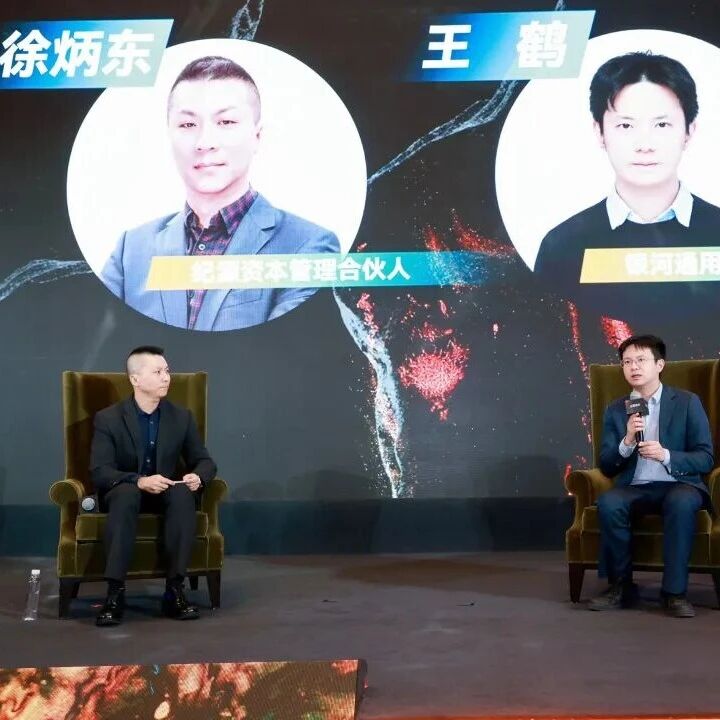
纪源资本对话银河通用机器人:让具身智能真正实现可落地
创业邦· 2026-01-20 03:29
Core Viewpoint - GGV Capital's recent annual meeting highlighted advancements in AI, intelligent manufacturing, digital healthcare, and embodied intelligence, showcasing the importance of data in the development of embodied intelligence technologies [5][7]. Group 1: Embodied Intelligence and Data Challenges - The company recognizes that embodied intelligence faces a significant challenge known as "data cold start," as there are not enough users generating data for training models, unlike large language models that benefit from abundant internet data [9][11]. - GGV Capital's strategy involves using over 99% synthetic data combined with less than 1% real-world data to overcome the data scarcity issue and enable practical applications of embodied intelligence [11]. Group 2: Definition and Differentiation of Embodied Intelligence - Embodied intelligence is defined as distinct from traditional robotics, emphasizing adaptability and self-management in response to tasks and environments, which is driven by data [12][13]. - The company believes that the core of embodied intelligence lies in human-like adaptability, which can be achieved through advanced modeling techniques [15][16]. Group 3: Current Capabilities and Future Aspirations - GGV Capital's robots are currently operational in various retail environments, capable of complex tasks such as navigating crowded areas and interacting with customers [17][18]. - The company aims to expand its capabilities from single skills to a broader range of functionalities, with ongoing developments in dexterous manipulation and operational efficiency [20][24]. Group 4: Market Position and Strategic Path - The company sees a strategic advantage in the Chinese market due to a complete hardware supply chain, strong data accumulation capabilities, and a large domestic market that can support the commercialization of embodied intelligence [24][25]. - GGV Capital plans to initially focus on the retail sector, where the demand for labor is high and the risk of errors is manageable, before expanding into industrial and healthcare applications [22][24]. Group 5: Societal Impact and Labor Market Evolution - The development of embodied intelligence is viewed as a means to address potential labor shortages in the future, particularly as the number of university graduates in China is expected to decline significantly after 2040 [25][26]. - The company believes that the evolution of embodied intelligence will not lead to immediate job losses but will instead provide a gradual transition to a new labor landscape, allowing society to adapt to changes in workforce dynamics [26].

机器人行业周报:1XTechnologies发布世界模型,SkildAI获14亿美元融资
GUOTAI HAITONG SECURITIES· 2026-01-20 03:15
Investment Rating - The report assigns an "Overweight" rating to the robotics industry, indicating a projected performance that exceeds the Shanghai and Shenzhen 300 Index by more than 15% [5][26]. Core Insights - The robotics industry is experiencing significant advancements with the release of the "World Model" by 1X Technologies, which enables the NEO robot to achieve autonomous learning, marking a pivotal step towards embodied intelligence [5][7]. - There is a robust demand in the investment and financing market, with notable funding rounds such as Skild AI securing $1.4 billion to develop a general-purpose robot "brain" [5][13]. - The domestic market is witnessing a surge in new products and applications, with companies like Matrix Super Intelligence and Kepler Robotics making strides in humanoid robot capabilities [5][8][10]. Summary by Sections Industry News and Company Developments - 1X Technologies launched the "World Model" for its NEO humanoid robot, allowing it to autonomously learn and execute tasks based on real-world physics [7]. - Humanoid and Schaeffler announced a strategic partnership to integrate humanoid robots into manufacturing, enhancing industrial automation [7]. - The CES 2026 showcased significant participation from Chinese humanoid robot companies, highlighting advancements in technology and applications [12]. Investment and Financing Dynamics - Skild AI raised $1.4 billion from major investors including SoftBank and NVIDIA, emphasizing a shift in focus from hardware to the cognitive capabilities of robots [13]. - The domestic company Self-Variable Robotics completed a 1 billion yuan A++ financing round led by ByteDance, indicating strong investor interest in the sector [13]. - The first robot leasing platform, "Qingtian Rent," successfully completed seed financing, demonstrating a growing business model in the robotics market [13]. Investment Recommendations - The report recommends focusing on both complete robot manufacturers and core component suppliers, including actuators, motors, reducers, and sensors, with specific companies highlighted for investment [5][18]. - Key recommended companies include Zhaowei Electromechanical, Mingzhi Electric, and Jiechang Drive for actuators and motors, and others for reducers and precision components [18].


地平线再下一城......
自动驾驶之心· 2026-01-20 00:39
Core Viewpoint - The article discusses the collaboration models between automotive manufacturers and suppliers in the autonomous driving sector, highlighting the establishment of joint ventures as a strategic approach to enhance product development and brand positioning [4][6][14]. Group 1: Joint Venture Formation - Beijing Zhiyu Technology Co., Ltd. was established as a joint venture between BAIC and Horizon Robotics, with BAIC holding a 65% stake and Horizon 35%, focusing on intelligent assisted driving products [4]. - The joint venture model allows manufacturers to maintain brand identity while leveraging supplier expertise, enhancing the overall value proposition [7]. - This model also enables manufacturers to have greater control over the development process, ensuring alignment with their strategic goals [8]. Group 2: Product Ownership and Development Models - There are primarily two models for product ownership: a one-time buyout where the manufacturer owns the developed product, and a licensing model where the supplier retains ownership and charges per unit sold [9][10]. - The licensing model is becoming more prevalent due to its efficiency and adaptability in a rapidly changing market [11]. - Products developed through joint ventures are typically owned by the joint venture itself, allowing manufacturers to exert more influence over the development process [12]. Group 3: Industry Trends and Challenges - Many traditional manufacturers struggle with in-house development of autonomous driving technologies, often leading to partnerships with suppliers or the formation of joint ventures [18][19]. - The article suggests that as the industry evolves, the trend of forming joint ventures will likely increase, with manufacturers potentially abandoning in-house development in favor of supplier solutions [21]. - The challenges faced by manufacturers include limited technical capabilities and the need for substantial data to effectively develop and iterate autonomous driving models [20].
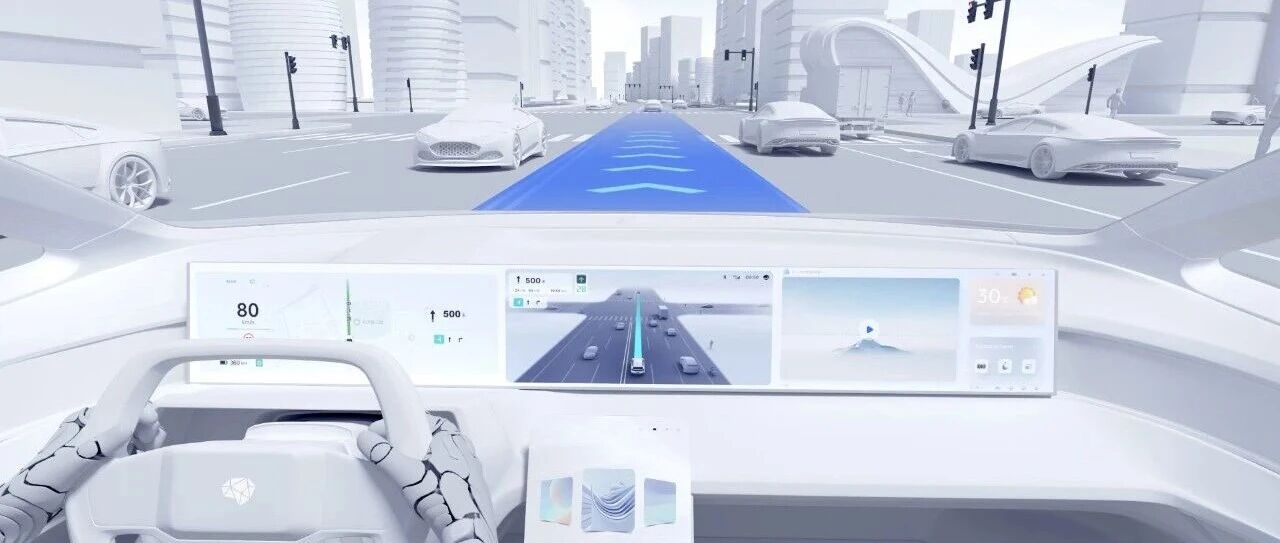
L4数据闭环 | 模型 × 数据:面向物理 AI 时代的数据基础设施
自动驾驶之心· 2026-01-19 09:04
Core Viewpoint - The article emphasizes that in the pursuit of general physical intelligence, the model serves as the ceiling while the data infrastructure acts as the floor, highlighting the importance of both elements working in tandem as a competitive barrier [1]. Group 1: Shift in Talent Demand - There has been a noticeable shift in the automatic driving and AI sectors, with a growing emphasis on recruiting talent for "data infrastructure" [2]. - Leading companies like Tesla and Wayve are now focusing on extracting data from large-scale fleets rather than relying solely on manually written rules [3]. - The consensus is that while model algorithms are becoming rapidly replaceable, the foundational infrastructure for data extraction and defining quality remains a significant competitive advantage [5]. Group 2: Evolution of Physical AI - The article outlines three evolutionary stages of "Physical AI" using references from popular anime, illustrating the progression from early simulation to advanced world models [7]. - The first stage involves basic simulation and remote teaching, while the second stage incorporates augmented reality with real-world data [10][11]. - The third stage envisions a world model that allows for accelerated training in a virtual environment, significantly enhancing AI learning capabilities [13]. Group 3: Data Infrastructure Layers - The article describes a multi-layered approach to building a robust data infrastructure for autonomous driving, which includes metrics for physical world perception, data classification, and automated evaluation systems [16][20][22]. - The first layer focuses on creating a metric system to gauge physical world interactions, while the second layer emphasizes transforming raw data into structured, high-value information [18][20]. - The third layer involves tagging data for specific scenarios, enabling the creation of a comprehensive "question bank" for training AI models [21]. Group 4: Future of Physical AI - The article posits that as the industry moves towards end-to-end solutions and physical AI, the foundational infrastructure becomes increasingly valuable [27]. - Unlike text-based models, physical AI requires real-world data to avoid catastrophic errors, necessitating a closed-loop system for calibration [28]. - The future development model is expected to rely on a world model as a generator and the data infrastructure as a discriminator, ensuring that AI systems are guided by real-world parameters [29][36].

华为哈勃入股具身智能世界模型研发商流形空间
Zheng Quan Shi Bao Wang· 2026-01-19 08:55
人民财讯1月19日电,企查查APP显示,近日,北京流形空间科技有限公司发生工商变更,新增华为旗 下深圳哈勃科技投资合伙企业(有限合伙)等为股东,同时,注册资本增至约252.4万人民币。企查查信息 显示,该公司成立于2025年5月,法定代表人为武伟,经营范围含人工智能基础软件开发、人工智能应 用软件开发、信息技术咨询服务等。公开信息显示,流形空间是一家聚焦世界模型与具身智能领域的公 司。 ...
李飞飞的World Labs联手光轮智能,具身智能进入评测驱动时代!
量子位· 2026-01-19 03:48
Core Viewpoint - The collaboration between World Labs, led by Fei-Fei Li, and Guanglun Intelligent, a leading synthetic data company, aims to address the long-standing issue of "scalable evaluation" in the field of embodied intelligence, marking the entry into an evaluation-driven era for this technology [1][2][3]. Group 1: Companies Involved - World Labs is founded by Fei-Fei Li, a prominent figure in AI, known for her work on ImageNet and as a former chief AI scientist at Google Cloud [4][5]. - Guanglun Intelligent is recognized as a hot company in the embodied intelligence infrastructure sector, having established a strong partnership with NVIDIA and contributing to the development of simulation systems [54][55]. Group 2: Technological Innovations - World Labs is set to launch its first product, Marble, by the end of 2025, which can generate high-fidelity 3D worlds from minimal input [8][9]. - Marble aims to provide a visualized world model, allowing users to create and export 3D environments efficiently, thus serving as a productivity tool for visual effects and game developers [15][16]. Group 3: Challenges in Evaluation - The rapid advancement of models in embodied intelligence has outpaced existing benchmarks, creating a need for new evaluation methods [20][22]. - Traditional evaluation methods are inadequate for assessing the capabilities of embodied intelligence, necessitating the use of simulation as a scalable solution [29][30]. Group 4: Strategic Collaboration - The partnership between World Labs and Guanglun Intelligent is crucial for developing a comprehensive evaluation framework that integrates environment generation and physical interaction [37][49]. - Guanglun Intelligent's role is to provide the necessary physical assets and evaluation loops, ensuring that the simulated environments can support real physical interactions [49][50]. Group 5: Future Directions - The collaboration signifies a pivotal moment in the embodied intelligence sector, as it transitions into an evaluation-driven era, with the potential to shape research directions and identify technological bottlenecks [71][72][76]. - The establishment of robust evaluation standards, such as RoboFinals, highlights the industry's shift towards scalable and credible assessment frameworks for advanced robotic models [63][64].

华为靳玉志:ADS 4比旧版本安全多了,说“我们智驾靠堆代码”是胡扯
Jing Ji Guan Cha Wang· 2026-01-18 15:28
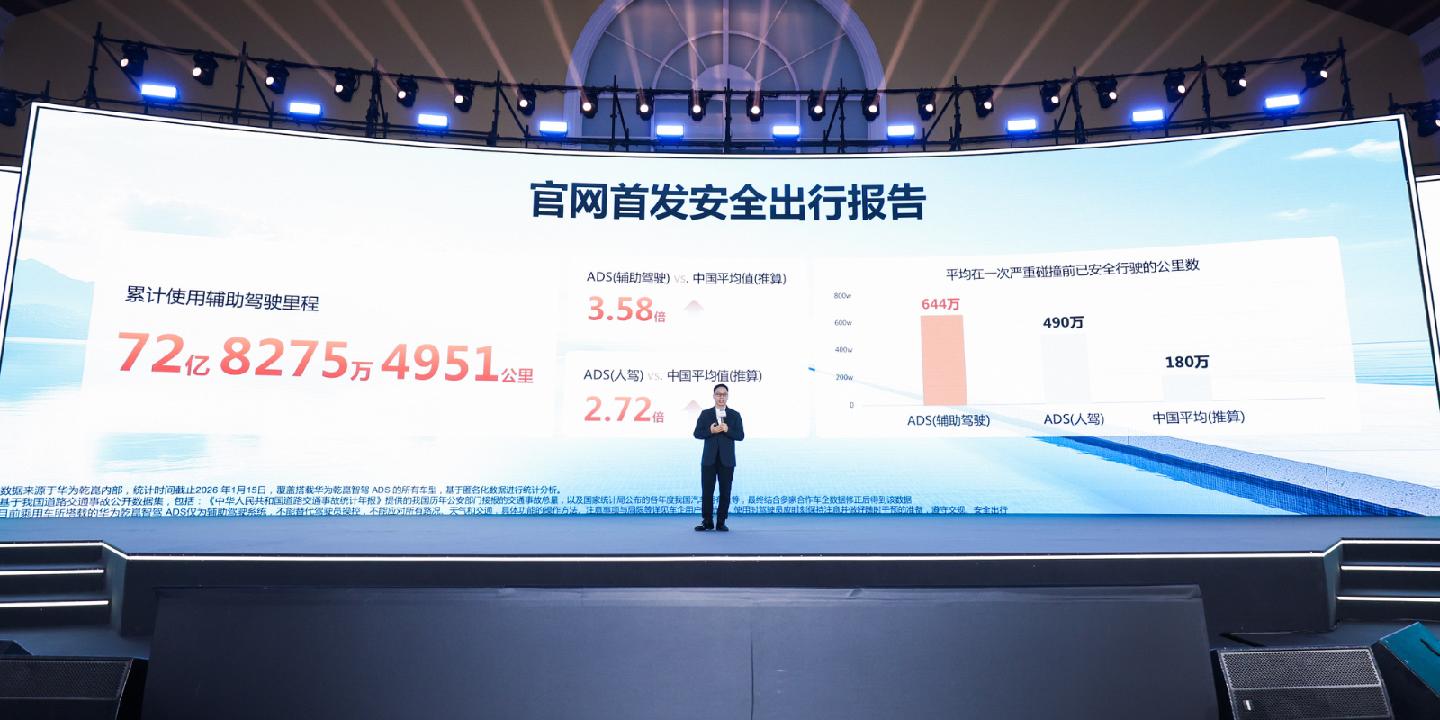
Core Insights - Huawei's CEO of Intelligent Automotive Solutions, Jin Yuzhi, addressed recent criticisms regarding Huawei's intelligent driving system, emphasizing that claims about the system being merely rule-based are unfounded [2] - The company plans to launch the next version of its intelligent driving system, ADS 5, by the end of 2026, with expectations of over 80 vehicle models equipped with the system and a total of 3 million units deployed [3] Group 1: Product Development and Performance - Huawei's intelligent driving system, QianKun ADS, is set to be released in April 2024, with version 4 expected in April 2025 [2] - In the last quarter of 2025, vehicles equipped with Huawei's QianKun ADS sold over 100,000 units for three consecutive months [2] - The safety of ADS 4 has improved by 50% compared to ADS 3.3, with user engagement in urban scenarios increasing [2] Group 2: User Engagement and Feedback - The QianKun app, launched at the 2025 Guangzhou Auto Show, has surpassed 1 million downloads and 660,000 users within two months [4] - Users have submitted 15,000 wish lists for future optimizations of the QianKun intelligent driving features through the app [4] Group 3: Industry Positioning and Technology - Huawei's QianKun ADS has accumulated over 7.2 billion kilometers of assisted driving mileage, demonstrating a safety record that is 3.58 times better than human drivers before a serious collision occurs [3] - The intelligent driving industry is diverging into two technical routes: VLA large models and "world models," with Huawei representing the "world model" approach [3] - Huawei supports the use of LiDAR in its multi-modal fusion hardware solutions, arguing that it enhances safety in extreme conditions where visual sensors may fail [3]
智源发布 2026 十大 AI 技术趋势:世界模型成 AGI 共识方向
AI前线· 2026-01-18 05:32
Core Viewpoint - The core viewpoint of the article is that a significant paradigm shift is occurring in artificial intelligence (AI), moving from a focus on language learning and parameter scale to a deeper understanding and modeling of the physical world, as highlighted in the 2026 AI technology trends report by the Beijing Zhiyuan Artificial Intelligence Research Institute [2][5]. Summary by Sections AI Technology Trends - The competition in foundational models is shifting from the size of parameters to the ability to understand how the world operates, marking a transition from "predicting the next word" to "predicting the next state of the world" [5][9]. - The year 2026 is identified as a critical turning point for AI, transitioning from the digital world to the physical world, driven by three main lines: cognitive paradigm elevation, embodiment and socialization of intelligence, and dual-track application value realization [8]. Key Trends - **Trend 1: World Models and Next-State Prediction** There is a consensus in the industry moving towards multi-modal world models that understand physical laws, with the NSP paradigm indicating AI's mastery of temporal continuity and causal relationships [9]. - **Trend 2: Embodied Intelligence** Embodied intelligence is moving from laboratory demonstrations to real industrial applications, with humanoid robots expected to transition to actual production and service scenarios by 2026 [10]. - **Trend 3: Multi-Agent Systems** The resolution of complex problems relies on multi-agent collaboration, with the standardization of communication protocols like MCP and A2A enabling agents to work together effectively [11]. - **Trend 4: AI Scientists** AI is evolving from a supportive tool to an autonomous researcher, significantly accelerating the development of new materials and drugs through the integration of scientific foundational models and automated laboratories [12]. - **Trend 5: New "BAT" in AI** The C-end AI super application is becoming a focal point for tech giants, with companies like OpenAI and Google leading the way in creating integrated intelligent assistants, while domestic players like ByteDance and Alibaba are also actively building their ecosystems [13]. - **Trend 6: Enterprise AI Applications** After a phase of concept validation, enterprise AI applications are entering a "disillusionment valley," but improvements in data governance and toolchains are expected to lead to measurable MVP products in vertical industries by the second half of 2026 [15]. - **Trend 7: Rise of Synthetic Data** As high-quality real data becomes scarce, synthetic data is emerging as a core resource for model training, particularly in fields like autonomous driving and robotics [16]. - **Trend 8: Optimization of Inference** Inference efficiency remains a key bottleneck for large-scale AI applications, with ongoing algorithmic innovations and hardware advancements driving down costs and improving energy efficiency [17]. - **Trend 9: Open Source Compiler Ecosystem** Building a compatible software stack for heterogeneous chips is crucial to breaking the monopoly on computing power, with platforms like Zhiyuan FlagOS aiming to create an open and inclusive AI computing foundation [18]. - **Trend 10: AI Safety** AI safety risks are evolving from "hallucinations" to more subtle "systemic deceptions," with various initiatives underway to enhance safety mechanisms and frameworks [19]. Conclusion - The Zhiyuan Research Institute emphasizes that the ten AI technology trends provide clear anchors for future technological exploration and industrial layout, aiming to promote a stable transition of AI towards value realization [21].