
商保创新药目录

Search documents
“罕见病第一股” 今年涨幅超1400%
Mei Ri Jing Ji Xin Wen· 2025-08-13 11:43
Group 1 - On August 13, Beihai Kangcheng's stock price surged by 25.75% after announcing a strategic financing deal and an exclusive commercial service agreement with Baiyang Pharmaceutical [1][2] - Baiyang Pharmaceutical will act as the exclusive contract sales organization (CSO) to promote several of Beihai Kangcheng's products in mainland China, Hong Kong, and Macau [1][2] - Beihai Kangcheng's stock has increased over 1400% this year, highlighting strong market interest in rare disease treatments [1][4] Group 2 - The strategic investment amounts to 100 million HKD, with Baiyang Pharmaceutical acquiring approximately 17.65% of Beihai Kangcheng's existing shares [2] - The funds will be used to advance the commercialization of existing products and improve operational efficiency [2] - Beihai Kangcheng currently has three commercialized products targeting rare diseases, including Hai Ruisi, Mai Ruibei, and Wei La Gan En [2][3] Group 3 - The company faces challenges in market access for rare disease drugs, which are often priced high due to the limited patient population [3][6] - Despite being the leading drug for MPS II, only about 10% of diagnosed patients have used Hai Ruisi [6] - The company is exploring international markets and advocating for a specialized rare disease fund to support drug development [7]
“罕见病第一股”今年涨幅超1400%!
Mei Ri Jing Ji Xin Wen· 2025-08-13 10:52
Core Insights - North Sea Kangcheng's stock price surged by 25.75% on August 13, following the announcement of strategic financing and an exclusive commercial service agreement with Baiyang Pharmaceutical [1][2] - The company has seen a stock price increase of over 1400% this year, driven by the inclusion of its products in the national insurance innovation drug directory [1][4] Financing and Strategic Partnerships - North Sea Kangcheng announced a share subscription agreement with Baiyang Pharmaceutical, issuing shares at HKD 1.34 each, raising a total of HKD 100 million, which represents 17.65% of the current issued share capital [2] - The funds will be used to advance the commercialization of existing products and improve operational efficiency [2][5] Product Portfolio and Market Potential - The company has three commercialized products targeting rare diseases: Hai Ruisi (approved in September 2020), Mai Ruibei (approved in June 2023), and Weila Ganase (approved in May 2023) [2][3] - These products are aimed at treating specific rare diseases, with Hai Ruisi for Mucopolysaccharidosis Type II, Mai Ruibei for Alagille Syndrome, and Weila Ganase for Gaucher Disease [3] Market Challenges and Opportunities - Rare disease drugs face significant market access challenges, with high pricing and limited patient populations [6][7] - Despite being the leading drug for Mucopolysaccharidosis Type II in urban coverage, only about 10% of diagnosed patients have used Hai Ruisi [6][7] - The company is exploring international markets for rare disease drugs and advocating for a dedicated rare disease fund in China to support drug development [7]


多款百万一针抗癌药,入围商保创新药目录初审名单
21世纪经济报道· 2025-08-13 07:18
Core Insights - The article discusses the announcement by the National Medical Insurance Administration regarding the preliminary review of 534 drugs for the 2025 National Basic Medical Insurance, Maternity Insurance, and Work Injury Insurance drug catalog, along with 121 drugs included in the commercial insurance innovative drug catalog [1][2]. Group 1: Drug Catalog Adjustments - The 2025 drug catalog adjustments implement a "dual-track system," focusing on basic insurance for essential drugs while providing supplementary coverage for "exclusive new drugs" or "rare disease medications" through the commercial insurance innovative drug catalog [1][2]. - A total of 718 applications were received for the basic medical insurance catalog, with 534 approved, while 141 applications were received for the commercial insurance innovative drug catalog, with 121 approved [1][2]. Group 2: CAR-T Therapies - CAR-T therapies, which are personalized cancer treatments, have gained attention due to their high costs, with prices exceeding 1 million yuan per injection for several products [1][2]. - The article highlights that CAR-T therapies are among the first specialty drugs to be included in commercial insurance coverage, with various regions like Jiangsu and Shanghai incorporating them into their insurance plans [2]. Group 3: Drug Composition and Approval Process - The approved drugs are predominantly Western medicines, with over 98% of the list, and only two traditional Chinese medicines included [3]. - The approval of drugs through preliminary review does not guarantee inclusion in the basic medical insurance or commercial insurance catalogs, as further expert evaluations and price negotiations are required [3]. Group 4: Pricing and Negotiation - Approximately 80 drug varieties passed the preliminary review for both the basic medical insurance and commercial insurance catalogs, indicating potential for simultaneous negotiations [3]. - Drugs that exceed the basic insurance pricing limits may still qualify for the next evaluation stage, but their final inclusion depends on successful negotiations [3].

121种药通过初审 国家医保局将首次制定商保创新药目录
Yang Shi Xin Wen· 2025-08-13 06:09
Group 1 - The adjustment of the national medical insurance drug catalog for 2025 has been initiated, including the establishment of a commercial health insurance innovative drug catalog for the first time by the National Healthcare Security Administration [1] - The preliminary review of the first version of the commercial health insurance innovative drug catalog has been published, with 141 drug applications received, and 121 drug names passing the initial review [2] - The basic medical insurance system covers 1.326 billion people in 2024, maintaining a coverage rate of 95%, with total fund expenditure reaching 2.97 trillion yuan [3] Group 2 - The overall funding level of basic medical insurance is low, with an average funding of 1,070 yuan per person, of which about two-thirds comes from various levels of fiscal subsidies [5] - In 2024, the original insurance premium income of commercial health insurance in China reached 977.3 billion yuan, a year-on-year increase of 8.2%, approaching the total funding level of residents' medical insurance [7] - The establishment of the commercial health insurance innovative drug catalog is expected to enhance the integration of basic medical insurance and commercial health insurance funds, providing better economic support for innovative drug development [9]
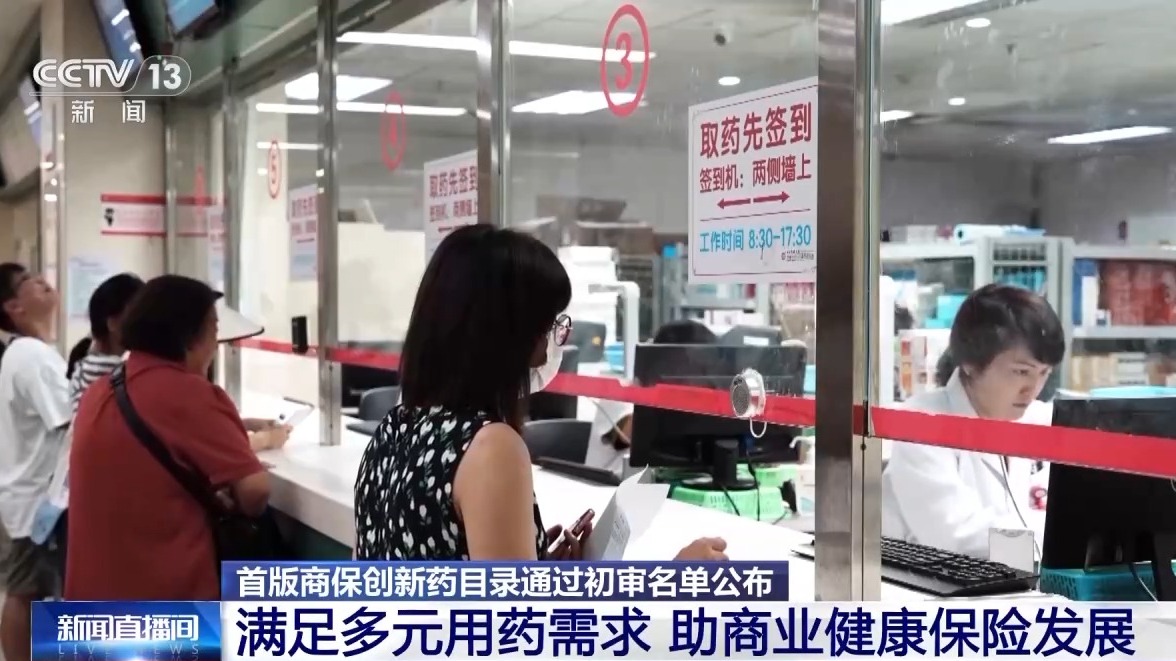
商保创新药目录药品初审名单公布,多款百万抗癌药在列
2 1 Shi Ji Jing Ji Bao Dao· 2025-08-13 05:43
Core Insights - The National Healthcare Security Administration (NHSA) announced the preliminary review results for the 2025 National Basic Medical Insurance, Maternity Insurance, and Work Injury Insurance drug catalog, revealing 534 drugs passed the review, with 121 drugs included in the commercial insurance innovative drug catalog [1][2] Group 1: Drug Catalog Adjustments - The 2025 adjustments mark the first implementation of a "dual-track system," focusing on basic insurance for essential drugs while providing supplementary coverage for "exclusive new drugs" or "rare disease medications" through the commercial insurance innovative drug catalog [1][2] - A total of 718 submissions were received for the basic insurance catalog, with 534 approved, while 141 submissions were made for the commercial insurance catalog, with 121 approved [1][2] - The number of drug names excluded from the catalog increased from 249 in 2024 to 310 [1] Group 2: CAR-T Therapies - CAR-T therapies, which are personalized cancer treatments, have gained attention due to their high costs, with prices exceeding 1 million yuan per injection for several products [1][2] - The commercial insurance catalog will include CAR-T therapies in upgraded coverage plans in various regions, with Shanghai's "Huibao" covering up to 500,000 yuan for patients [2] - Over the past three years, more than 80 lymphoma patients have received treatment through this channel, with total reimbursements exceeding 40 million yuan [2] Group 3: Drug Composition and Approval Process - The approved drugs are predominantly Western medicines, with over 98% representation, and only two traditional Chinese medicines included [3] - Notable cancer drugs include those from major pharmaceutical companies, alongside innovative domestic products like gene therapy for hemophilia B and PD-1 monoclonal antibodies [3] - Passing the preliminary review does not guarantee inclusion in the final catalog, as further expert evaluations and price negotiations are required [3][4] Group 4: Submission Conditions - Unique drugs meeting specific criteria can apply for both the commercial insurance innovative drug catalog and the basic catalog simultaneously [4]

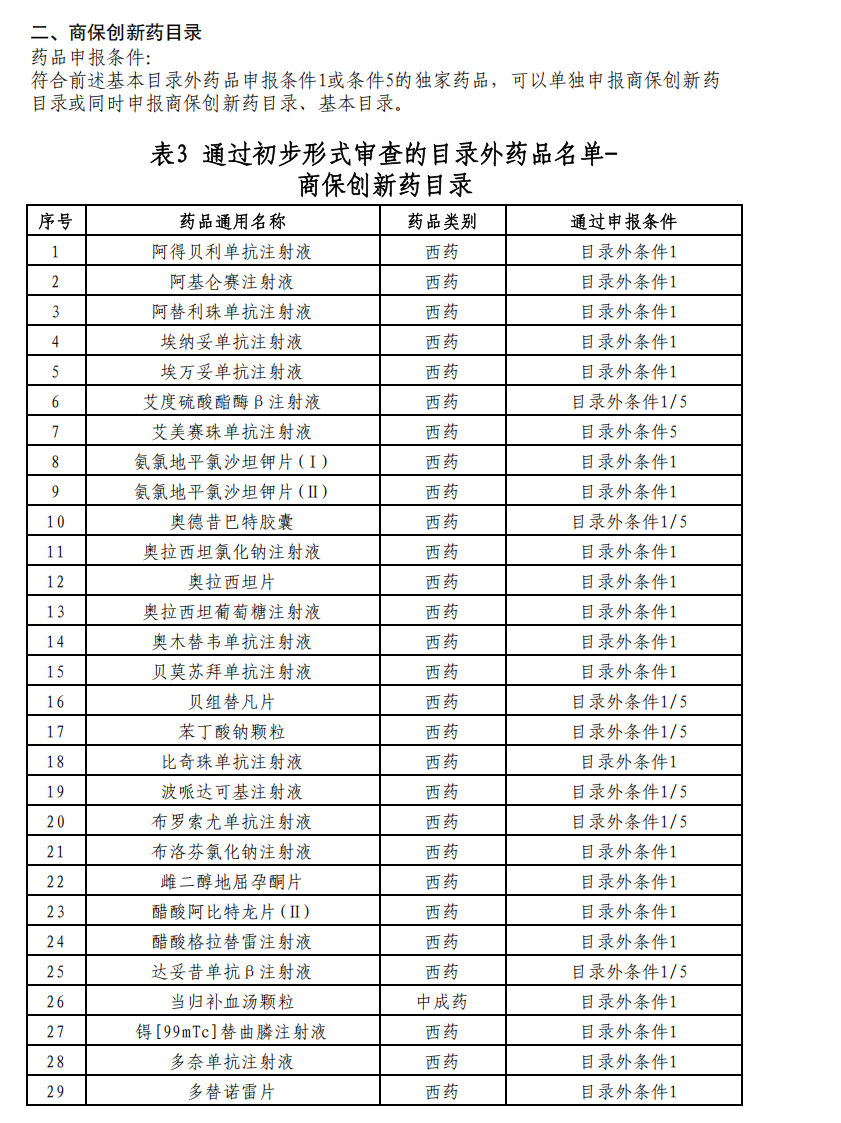
商保创新药目录新进展!医药板块迎发展新机遇,港股通医疗ETF(520510)现涨近2.5%
Mei Ri Jing Ji Xin Wen· 2025-08-13 03:12
Group 1 - The Hong Kong stock market showed positive performance on August 13, with the innovative drug sector experiencing fluctuations but maintaining investor interest [1] - According to Wind data, as of August 12, the pharmaceutical and biotechnology sector was the top recipient of southbound capital net purchases over the past week, indicating strong market focus on innovative drugs [1] - The Hang Seng Pharmaceutical ETF (159892) rose nearly 1.5%, while the Hong Kong Stock Connect Medical ETF (520510) increased by approximately 2.5% [1] Group 2 - The National Healthcare Security Administration announced the preliminary review results for the 2025 National Basic Medical Insurance, Maternity Insurance, and Work Injury Insurance drug catalog, with 121 drug generic names passing the initial review for the commercial insurance innovative drug catalog [1] - The inclusion of innovative drugs in the commercial insurance category signifies an enhanced role of commercial insurance in the multi-tiered medical security system [1] - Guoyuan Securities believes that the expansion of the commercial insurance innovative drug catalog will create more development opportunities for the innovative drug industry [1]
医保商保“双目录”初审揭幕,创新药如何跨过支付“门槛”?
2 1 Shi Ji Jing Ji Bao Dao· 2025-08-13 01:33
Core Points - The National Healthcare Security Administration (NHSA) has published the preliminary results of the review for the 2025 National Basic Medical Insurance (BMI) and commercial insurance innovative drug directories, with 534 drug names approved for the BMI directory and 121 for the commercial insurance directory [1][2] - The review process includes initial review, public announcement of results, re-evaluation, and final announcement, with the initial review being the first step in the overall directory adjustment process [1][2] Summary by Sections Initial Review Results - A total of 718 submissions were received for the BMI directory, involving 633 drug names, with 534 passing the initial review [2] - The number of drugs passing the initial review from outside the directory increased significantly from 249 in 2024 to 310 in 2025 [2] - The approved drugs cover various fields, including oncology, chronic diseases, and rare diseases, with notable CAR-T products and antibody-drug conjugates (ADCs) included [2][3] Pricing and Evaluation - Some high-priced drugs, such as CAR-T therapies and enzyme replacement therapies, have passed the initial review but may not meet the BMI's implicit pricing thresholds [3] - The NHSA emphasizes that passing the initial review does not guarantee inclusion in the BMI directory, as further evaluations and negotiations are required [3][4] Payment Mechanisms and Sustainability - The need for differentiated payment mechanisms to support innovative drugs while ensuring sustainable development is highlighted [4][5] - The introduction of the commercial insurance innovative drug directory aims to enhance service attributes and drive transformation in the commercial insurance sector [5][6] Dual Directory System - The commercial insurance directory received 141 submissions, with 121 drug names passing the initial review, indicating a strong focus on innovative and high-value drugs [5][6] - The dual directory system is expected to foster innovation in drug development and improve patient access to treatments [7]
121个药品通用名通过商保创新药目录初步形式审查
Zhong Guo Zheng Quan Bao· 2025-08-12 21:06
Group 1 - The National Healthcare Security Administration (NHSA) announced that 534 drug generic names passed the preliminary formal review for the 2025 National Basic Medical Insurance, Maternity Insurance, and Work Injury Insurance Drug Catalog, a significant increase compared to the previous year [1][2] - A total of 718 submissions were received for the basic medical insurance catalog, with 633 drug generic names involved, and 534 passed the preliminary review, indicating a notable rise from 249 in 2024 [1][2] - The introduction of a commercial insurance innovative drug catalog alongside the basic medical insurance catalog reflects an enhancement of the role of commercial insurance in the multi-tiered medical security system [3] Group 2 - The formal review process is designed to ensure that submitted drugs meet the necessary conditions and that the information provided is complete and accurate, which is crucial for subsequent evaluation and assessment stages [2] - The NHSA emphasized that passing the preliminary formal review only indicates eligibility for further processes and does not guarantee inclusion in the drug catalog [2][3] - Feedback received during the public notice period will be used to verify the information of the drugs and finalize the list of those that passed the formal review [3]
医保、商保协同发力 破解创新药“支付难”瓶颈
Jin Rong Shi Bao· 2025-08-08 08:01
7月1日,国家医保局联合国家卫生健康委出台的《支持创新药高质量发展的若干措施》(以下简称 《若干措施》)发布。其中提出的"增设商业健康保险创新药品目录"备受关注。 在当日国家医保局举行的新闻发布会上,国家医保局医药管理司司长黄心宇表示:"基本医保和商 业健康保险都是我国多层次医疗保障体系的重要组成部分。《若干措施》提出了加强对创新药研发支 持,支持创新药进入医保药品目录和商保创新药目录,鼓励创新药临床应用,提高创新药多元支付能 力,以及强化组织保障等5方面16条具体举措。未来一段时间,将为支持我国创新药的高质量发展提供 积极助力。" 《若干措施》提出,适应多层次医疗保障体系发展需要,增设商业健康保险创新药品目录,重点纳 入创新程度高、临床价值大、患者获益显著且超出基本医保保障范围的创新药,推荐商业健康保险和医 疗互助等多层次医疗保障体系参考使用。 商保重要性日益凸显 数据显示,我国基本医保体系已覆盖超过13亿人,参保率稳定在95%。2024年,医保基金支出达 2.97万亿元,为医疗体系运行和医药产业发展提供了坚实保障。自2018年以来,149种创新药(主要为1 类创新药)纳入医保目录,占新增药品数量的17%。 ...
“国谈”价格保密进入第七年,引入创新药目录后将有哪些变化
Di Yi Cai Jing· 2025-08-05 12:21
Core Insights - The article discusses the challenges and opportunities faced by innovative drug companies in China, particularly in relation to pricing strategies and market access for CAR-T therapies [1][2][3] Pricing Strategies - Innovative drug companies are experiencing a significant pricing gap between domestic and international markets, with some drugs priced 20 to 30 times higher abroad compared to China [1][2] - The introduction of a dual directory system for insurance coverage, including a commercial insurance directory for innovative drugs, aims to enhance pricing confidentiality and improve patient access [9][11] Market Dynamics - There is a trend of local innovative drug companies shifting their focus to overseas markets, which may impact their competitiveness in China and the benefits to domestic patients [2][7] - The average time for innovative drugs to be included in the national insurance directory has decreased from around 5 years to approximately 1 year, with 80% of new drugs entering the directory within two years of launch [6][8] Regulatory Environment - The National Healthcare Security Administration (NHSA) has been implementing a price confidentiality mechanism since 2019, with the proportion of companies requesting non-disclosure of negotiation prices rising from under 50% in 2019 to over 70% in 2022 [3][4] - Despite the introduction of price confidentiality, there are concerns about the effectiveness of these measures in practice, particularly during the distribution and procurement phases [4][5] Future Outlook - The article highlights the need for improved regulatory frameworks to support innovative drug pricing strategies, especially as China becomes a more prominent market for new drug launches [7][10] - The potential for innovative payment models, such as risk-sharing agreements, is discussed as a way to enhance the sustainability of innovative drug pricing while maintaining confidentiality [10][11]