
固态电池

Search documents
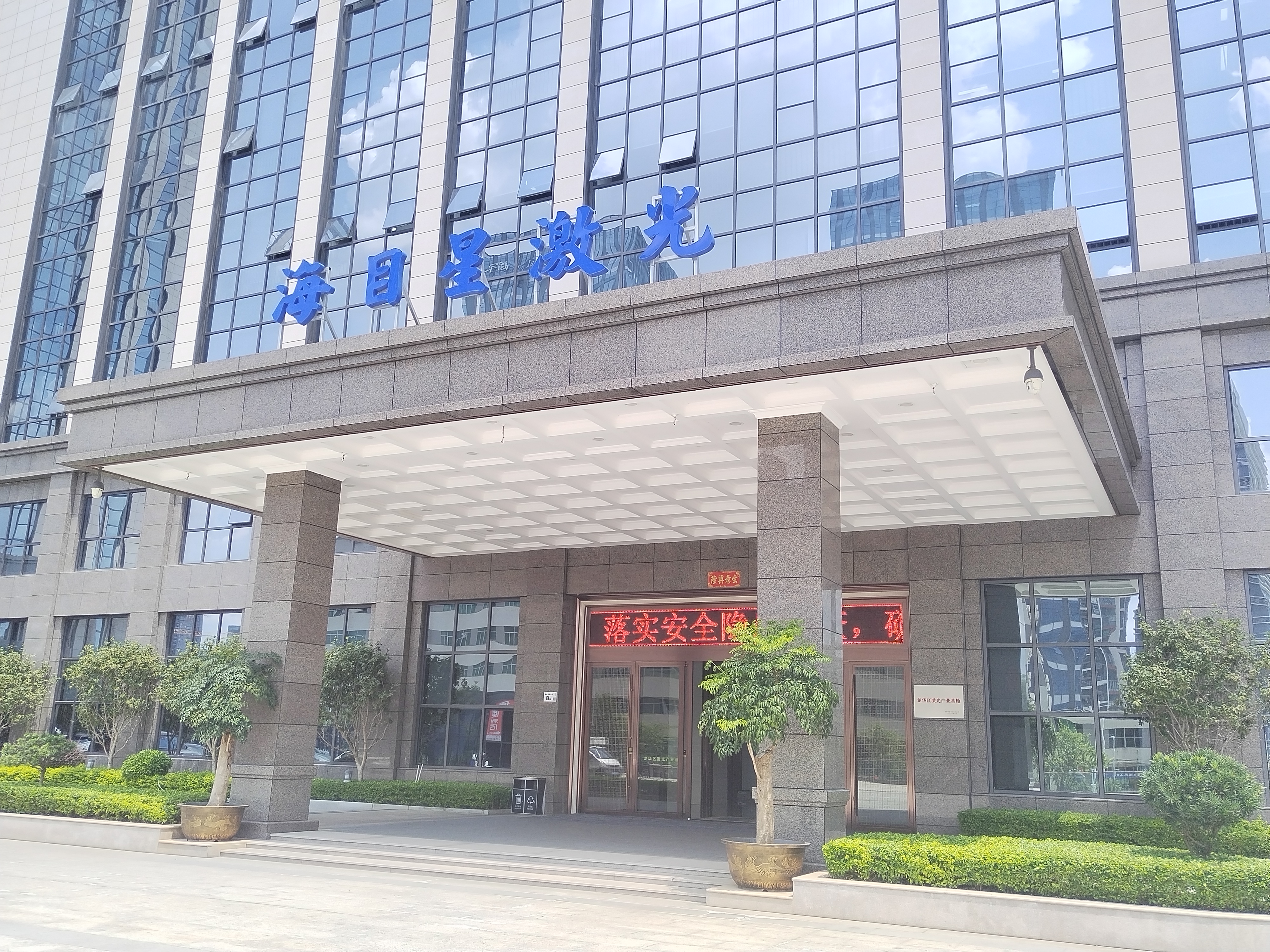
海目星1月新签锂电设备订单超10亿元,生产基地全面满产
Ju Chao Zi Xun· 2026-02-26 02:31
Core Insights - The company, Hai Muxing, signed new orders for lithium battery production equipment exceeding 1 billion yuan in January, with production bases in Changzhou and Jiangmen operating at full capacity to ensure delivery schedules [3]. Group 1: Business Focus - Hai Muxing specializes in providing laser and automation solutions for various types of batteries, including power batteries, energy storage batteries, and consumer batteries [3]. - The main products include advanced equipment for different manufacturing processes, such as coating machines, rolling machines, laser cleaning machines, and assembly equipment [3]. Group 2: Clientele - The company's primary clients include major players in the new energy battery and automotive manufacturing sectors, such as BYD, CATL, and Tesla [3]. Group 3: Technological Advancements - The company is actively expanding into solid-state battery technology and is the first in the industry to pursue both "oxide + lithium metal anode" and "sulfide + silicon-carbon anode" technology routes [4][5]. - Hai Muxing has developed proprietary technologies for solid-state battery equipment, including ultra-fast laser technology for enhancing battery cycle life and performance [5]. Group 4: Innovative Techniques - Key innovations include: 1. Micro-embossed ultra-thin coating technology, achieving coating thickness of 0.5-4μm, which is critical for improving energy density in solid-state batteries [6]. 2. Ultra-thin multi-layer coating technology that reduces the thickness of silicon-carbon anode coatings to 7.5-15μm, over 80% thinner than traditional methods [6]. 3. Non-contact processing of lithium metal anode sheets using ultra-fast laser technology, addressing issues related to traditional cutting methods [6].


时间节点超预期,海外锂矿主要供应国发布出口禁令
Xuan Gu Bao· 2026-02-25 23:39
Industry Insights - Zimbabwe has announced an immediate suspension of lithium ore and raw mineral exports, marking a significant step in the country's strategy to localize mineral processing [1] - The Minister of Mines, Polite Kambamura, stated that the ban is effective immediately, with the lifting of the ban dependent on mining companies meeting government requirements, although no specific timeline was provided [1] - Zimbabwe aims to officially ban lithium ore exports by 2027 to promote local value-added processing, with the recent ban indicating a faster-than-expected implementation of this strategy [1] - Zimbabwe holds an estimated lithium resource reserve of 126 million tons, ranking among the top globally and possessing the largest lithium reserves in Africa [1] Company Developments - Chuaneng Power has focused on upstream resources in its lithium battery segment, establishing a "lithium mine-lithium salt" industrial chain, with the Lijiagou lithium mine project already in production [3] - Zhongwei New Materials has strategically positioned itself at the bottom of the industry cycle, acquiring two salt lake lithium mines in Argentina at low costs, expected to control over 10 million tons of lithium carbonate equivalent (LCE) [3] - The company has also indicated that its sodium battery materials have entered the commercialization phase [3] Market Trends - According to Dongfang Securities, the decline in lithium prices over the past two years has suppressed global capital expenditure expansion in lithium resources, leading to a systematic delay in new project supply [1] - The heightened focus on strategic metal resources by various countries has introduced risks of structural supply contraction, while demand driven by energy storage is expected to create growth spikes [1] - The forecast for lithium prices from 2026 to 2028 suggests a gradual upward trend, driven by sustained demand growth outpacing supply [2] - Energy storage is identified as a key driver of demand growth, with the continuation of installation rhythms directly impacting industry prosperity [2]

先导智能:公司已向国内外头部电池客户、知名车企和新兴电池客户交付了各工段的固态电池核心设备
Mei Ri Jing Ji Xin Wen· 2026-02-25 12:49
Core Viewpoint - The company, Xian Dao Intelligent (300450.SZ), is a fully independent provider of all-solid-state battery production line solutions, actively engaging in collaborations with leading clients in the solid-state battery sector [1] Group 1: Company Developments - The company has made significant progress in solid-state battery technology, having developed core equipment for solid-state batteries and successfully delivered it to major domestic and international battery clients and well-known automotive manufacturers [1] - The company has received high recognition from clients for its solid-state battery production line solutions, leading to repeat orders and expectations for continued volume growth in the future [1] Group 2: Industry Context - Multiple automotive companies have recently announced patents and production plans for solid-state batteries, indicating a growing interest and investment in this technology within the industry [1]

聚杰微纤(300819)首次覆盖报告:国内超细纤维龙头 技术突破开启转型新程
Xin Lang Cai Jing· 2026-02-25 12:41
Core Viewpoint - The company, as a leading player in the domestic microfiber industry, is undergoing a transformation towards high-end industrial applications such as synthetic leather materials and cleanroom products, marking a value inflection point. It is also strategically investing in cutting-edge technologies like solid-state batteries and embodied intelligence to capture future growth opportunities [1]. Investment Highlights - The company has over 20 years of experience in the microfiber fabric industry, with significant breakthroughs in technology that are expected to drive rapid profit growth as it shifts its revenue structure from traditional textiles to new industrial materials [2]. - The transformation towards high-end industrial applications is expected to create a value inflection point. In 2021, the company successfully developed eco-friendly impregnated microfiber leather, which is now being used in high-end industrial applications such as consumer electronics and automotive interiors [2]. - The company has entered the Apple supply chain for consumer electronics, with stable growth in the Apple casing market and additional demand from foldable phones and VR products. In the automotive sector, it has passed strict supplier certifications and is expected to see rapid growth in high-end vehicle interiors [2]. - The company possesses a Class 1 cleanroom, producing advanced microfiber cleanroom wipes that are widely used in high-end wafer fabs and PCB industries, positioning it for high-speed growth through technological advantages and domestic substitution [2]. Strategic Technology Investments - The company is leveraging its deep expertise in microfiber to explore future opportunities in cutting-edge technologies. It is addressing the fragility of solid-state battery materials with its structural membranes, tapping into a market worth billions, with initial small-scale product deliveries already underway [3]. - The company is also developing artificial muscle fibers in collaboration with the Chinese Academy of Sciences, aimed at applications in bionic muscles and robotic interfaces. The traditional textile business is expected to gradually shrink while providing stable cash flow [3]. - The company maintains a dividend payout ratio of around 70%, ensuring continued returns to investors [3]. Financial Projections - The company anticipates a gradual increase in revenue from industrial new materials, surpassing traditional textile business, leading to a "scissors gap" inflection point and continuous improvement in overall gross margins. Projected revenues for 2025-2027 are expected to be 590 million, 650 million, and 750 million yuan, with year-on-year growth rates of -1.2%, +10.2%, and +14.8% respectively. Net profits are projected to be 65 million, 89 million, and 117 million yuan, with growth rates of 1.1%, 35.9%, and 32.6% respectively [3]. - Using the PEG valuation method, the company is assigned a PEG of 4.2X, leading to a target price of 62.85 yuan per share, with an initial "buy" rating [3].
马年投资锦囊|平安基金莫艽:深度研究丈量价值,以终局思维穿越周期
Sou Hu Cai Jing· 2026-02-25 10:31
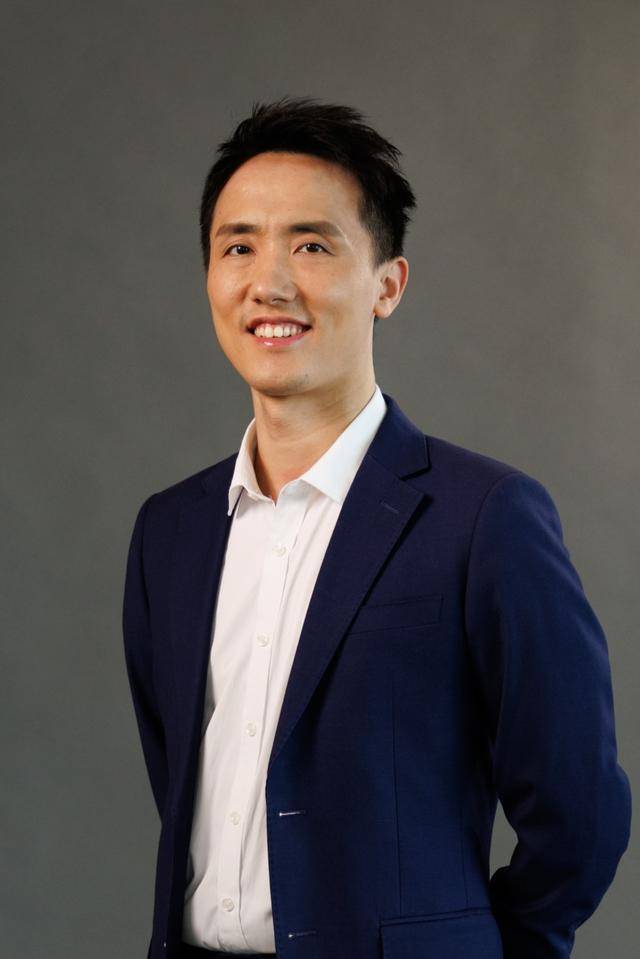
Core Viewpoint - The interview with Mo Qiao, a fund manager at Ping An Fund, emphasizes the importance of deep research and a robust investment framework to navigate market noise and identify investment opportunities [3][4]. Group 1: Fund Performance - Mo Qiao's representative fund, Ping An Enjoy Flexible Allocation Mixed Fund, achieved a return of 21.18% in 2024, ranking in the top 5% among 425 funds, while the CSI 300 index rose by 14.5% and the equity mixed fund index by 3.5% during the same period [3]. - In 2025, during a challenging market for value-style products, the fund maintained a positive return of 24.57% [3]. - The maximum drawdowns for the fund were 15.8% in 2024 and 12.8% in 2025 [3]. Group 2: Investment Philosophy - Mo Qiao aims for an annualized return of 15% over the next decade, highlighting that few fund managers achieve this consistently [4]. - He identifies five core areas for investment: artificial intelligence, autonomous driving, robotics, commercial aerospace, and solid-state batteries [4]. - The investment strategy is described as "using DCF as the principle and four methods as the tools," focusing on deep research to define value ranges [4][5]. Group 3: Research Methodology - The DCF model's effectiveness relies on accurately predicting future growth variables, which necessitates extensive research to clarify a company's intrinsic value range [5]. - Mo Qiao emphasizes that intrinsic value is not a single point but a range, and deep research is essential to refine this understanding [5]. - He follows the Kelly Criterion for dynamic position adjustment based on stock prices relative to their intrinsic value range, advocating for a flexible approach to investment [5][6]. Group 4: Value Investment Strategy - Mo Qiao critiques the focus on low P/E and P/B ratios, warning that it can lead to "value traps," and asserts that price comparisons to intrinsic value are more critical [6]. - He insists on investing only in high-quality companies, as they have a higher probability of maintaining excellence compared to poor companies [6]. - The strategy includes a focus on "absolute left-side investment," prioritizing undervalued quality companies, especially in sectors with low economic sentiment [9]. Group 5: Research Impact - Mo Qiao's research approach is characterized by detailed documentation, producing extensive reports that cover all aspects of a company, from business models to competitive dynamics [7][8]. - This method allows for a deep understanding of various industries, even those previously unexamined, enabling quick adaptation to new market conditions [8]. - The investment style, combining deep research with flexible strategies, has garnered trust from both institutional and individual investors, creating a self-reinforcing cycle of research, cognition, and trust [9].
聚杰微纤:首次覆盖报告国内超细纤维龙头,技术突破开启转型新程-20260225
GUOTAI HAITONG SECURITIES· 2026-02-25 10:25
Investment Rating - The report assigns a rating of "Accumulate" to the company with a target price of 62.85 RMB per share, while the current price is 53.38 RMB [5]. Core Insights - The company is a leader in the domestic ultra-fine fiber industry, transitioning its main business towards high-end industrial applications such as synthetic leather materials and cleanroom products, marking a value inflection point [2][11]. - The company is deeply engaged in cutting-edge technologies like solid-state batteries and artificial muscle fibers, aiming to capture future growth opportunities [2][11]. - The revenue structure is expected to shift from traditional textiles to new industrial materials, driving rapid profit growth [11]. Financial Summary - Total revenue projections for 2023A to 2027E are as follows: 685 million RMB, 600 million RMB, 592 million RMB, 653 million RMB, and 749 million RMB, with year-on-year growth rates of 13.1%, -12.5%, -1.2%, 10.2%, and 14.8% respectively [4]. - Net profit attributable to the parent company is projected to be 74 million RMB, 64 million RMB, 65 million RMB, 89 million RMB, and 117 million RMB for the same years, with growth rates of 102.5%, -13.4%, 1.1%, 35.9%, and 32.6% respectively [4]. - Earnings per share (EPS) are expected to be 0.50 RMB, 0.43 RMB, 0.44 RMB, 0.59 RMB, and 0.79 RMB from 2023A to 2027E [4]. Industry Overview - The company has established itself as a core supplier for international brands, leveraging over 20 years of experience in ultra-fine fiber materials [15]. - The ultra-fine fiber market is characterized by its high performance and environmental advantages, making it suitable for high-end applications in consumer electronics and automotive interiors [20][24]. - The cleanroom fabric market is projected to grow significantly, driven by the increasing demand from high-end manufacturing sectors such as semiconductors and electronics [36]. Strategic Developments - The company has successfully penetrated the Apple supply chain, with its ultra-fine fiber materials being used in products like iPhone cases and iPad covers, contributing to a revenue scale exceeding 100 million RMB [29]. - The company is positioned to benefit from the growing market for cleanroom materials, with its products meeting international standards and having a competitive edge in the domestic market [41]. - Strategic investments from major automotive players like SAIC Group are expected to enhance the company's presence in the high-end automotive interior market, which is projected to grow significantly [44].
聚杰微纤(300819):首次覆盖报告:国内超细纤维龙头,技术突破开启转型新程
GUOTAI HAITONG SECURITIES· 2026-02-25 09:22
Investment Rating - The report assigns a rating of "Buy" to the company with a target price of 62.85 CNY per share, while the current price is 53.38 CNY [5]. Core Insights - The company is a leader in the domestic ultra-fine fiber industry, transitioning its main business towards high-end industrial applications such as synthetic leather materials and cleanroom products, marking a value inflection point [2]. - The company has made significant advancements in solid-state battery technology and embodied intelligence, positioning itself to capture future growth opportunities [2]. Financial Summary - Total revenue is projected to be 685 million CNY in 2023, with a forecasted decline to 600 million CNY in 2024, followed by a gradual recovery to 749 million CNY by 2027 [4]. - Net profit attributable to shareholders is expected to rise from 74 million CNY in 2023 to 117 million CNY in 2027, reflecting a growth rate of 102.5% in 2023, followed by fluctuations in subsequent years [4]. - Earnings per share (EPS) is forecasted to increase from 0.50 CNY in 2023 to 0.79 CNY in 2027 [4]. Industry Overview - The company has established itself as a core supplier for international brands, leveraging over 20 years of experience in ultra-fine fiber material processing and application [15]. - The ultra-fine fiber market is characterized by its high absorption, softness, durability, and environmental friendliness, making it suitable for high-end applications in consumer electronics and automotive interiors [16][20]. Business Segments - **Consumer Electronics**: The company has successfully entered the Apple supply chain, with products used in iPhone and iPad accessories, and anticipates significant growth driven by new product launches in the foldable phone and VR markets [29][33]. - **Cleanroom Materials**: The company produces high-end cleanroom wipes essential for semiconductor manufacturing, with a market size of approximately 292.4 billion CNY in 2023, showing stable growth [36]. - **Automotive Interiors**: The company is positioned to benefit from the growing demand for high-end automotive interiors, having secured strategic investments from SAIC and passed stringent supplier certifications [42][44]. Future Opportunities - The company is exploring advanced technologies such as solid-state battery support membranes, which are expected to address industry challenges and tap into a market projected to reach 50 billion CNY by 2030 [50]. - The development of artificial muscle fibers in collaboration with research institutions aims to enhance robotics applications, potentially leading to significant performance improvements in future products [52].
【新能源周报】新能源汽车行业信息周报(2026年2月9日-2月22日)
乘联分会· 2026-02-25 08:38
Industry Information - In Dongguan, Guangdong, a total of 42 companies will receive subsidies amounting to 51.52 million yuan for electric vehicle charging infrastructure in 2023 [6] - The 2026 China All-Solid-State Battery Industry-Academia-Research Collaborative Innovation Platform annual meeting was held in Beijing, focusing on advancements and challenges in solid-state battery technology [6] - Shenzhen's industrial output of 39 types of products, including integrated circuits and industrial robots, accounts for over 10% of the national total [6] - CATL's subsidiary, Times Intelligent, has formed a strategic partnership with Horizon Robotics to enhance intelligent driving capabilities [7] - During the 14th Five-Year Plan period, Shenzhen has built over 1,098 supercharging stations and more than 530,000 charging piles [6] - The Ministry of Commerce held a meeting with automotive companies to optimize the implementation of trade-in policies and promote consumption reform [6] - In January, Shanghai South Port exported 82,000 vehicles, with a significant increase in new energy vehicle exports [6] - Wuhan signed an investment agreement for an 80GWh new energy battery production project with Chuangneng [6] - The National Energy Administration plans to implement a new energy system and sector-specific energy planning [6] Policy Information - Xi'an has released the implementation details for the 2026 automobile trade-in subsidy, providing financial support for consumers purchasing new vehicles [29] - Hubei has also published its 2026 automobile trade-in subsidy guidelines, similar to those in Xi'an [30] - The Ministry of Commerce aims to enhance the automotive consumption market through policy support and reform initiatives [10] Company Information - BYD has officially entered the Egyptian market with the launch of three models, including the Seagull [5] - NIO plans to build 1,000 battery swap stations this year, expanding its charging network [5] - Xiaomi's automotive division has received authorization for a new patent related to door opening technology [5] - Xpeng Motors has announced the successful issuance of a carbon-neutral green ABS worth 1.3 billion yuan [5] - CATL and Chery have established a joint venture to focus on battery manufacturing and sales [25] - Weilan has completed a C3 round financing of 1 billion yuan, bringing its total financing in this round to nearly 2 billion yuan [26]




东兴证券晨报-20260225
Dongxing Securities· 2026-02-25 07:45
Core Insights - The report highlights the strategic initiatives of the company to expand its product lines in the refractory materials sector and emerging technologies, particularly through a planned capital increase of up to 1.034 billion RMB for new projects and overseas expansion [6][11]. Company Developments - Changxin Bochuang signed a letter of intent to acquire 93.81% of Shanghai Honghui Light Communication Technology Co., Ltd. for approximately 375 million RMB, aiming to enhance its product line in the optical communication field [5]. - Tongwei Co., Ltd. is planning to acquire 100% of Qinghai Lihua Qingneng Co., Ltd. through a combination of share issuance and cash payment, with the transaction expected to not alter the control of the company [5]. - Yutong Optical received acceptance from the Shenzhen Stock Exchange for its application to issue shares to specific investors, pending further approvals [5]. - Maoyan Entertainment forecasts a revenue of up to 4.7 billion RMB for the fiscal year 2025, representing a growth of approximately 15.1% compared to 2024 [5]. - Conch Cement's major shareholder plans to increase its stake in the company by investing between 700 million and 1.4 billion RMB within six months [5]. Industry Insights - The report emphasizes the resilience of small and medium-sized enterprises (SMEs) in China's industrial economy, with a 6.9% year-on-year increase in value added for SMEs in 2025, outperforming the overall industrial growth rate by 1.0 percentage points [2]. - The construction of a new production line for zirconia and zircon-based materials is expected to yield a post-tax internal rate of return of 29.35% and a payback period of 4.89 years, indicating strong potential for profitability [7][8]. - The establishment of a production base in Vietnam is part of the company's strategy to enhance its overseas operations, targeting the growing demand in Southeast Asia, particularly in Vietnam [9].



半固态电池关键材料锆,市场生变
Xin Lang Cai Jing· 2026-02-25 06:11
Core Viewpoint - The zircon market is experiencing stabilization in prices due to changes in supply and demand dynamics, particularly driven by the acceleration of solid-state battery commercialization and ongoing supply constraints from major mining regions [1][9]. Supply and Demand Dynamics - The demand for zircon-based materials is shifting from traditional ceramics to core materials for new energy applications, particularly in solid-state batteries [1][9]. - Global zircon resources are highly concentrated, with Australia, South Africa, and Mozambique controlling over 80% of the reserves. China remains a major consumer and importer of zircon products, with an import dependency exceeding 80% [2][10]. - Supply bottlenecks are becoming more pronounced as major Australian mines face resource depletion risks, with expected reductions in production starting this year. Frequent strikes in South Africa are further disrupting global supply [2][10]. Price Trends - Current prices for zircon sand are approximately 12,000 CNY/ton in Australia and 11,800 CNY/ton in South Africa. Domestic prices for zircon oxide are stable at 43,000 CNY/ton, while sponge zircon is around 145,000 CNY/ton [2][10]. Emerging Opportunities in Solid-State Batteries - 2026 is anticipated to be the year of large-scale production for semi-solid-state batteries, with zircon-based materials being critical for oxide and halide electrolytes. The demand for zircon oxide is expected to increase significantly, with estimates suggesting a usage of about 2,133 tons of zircon oxide per GWh of solid-state battery, over ten times that of traditional liquid batteries [3][11]. - By 2030, global demand for zircon oxide in solid-state electrolytes and cathode materials is projected to reach 78,000 tons and 12,000 tons, respectively, with zircon sand demand expected to hit 1.489 million tons [3][11]. Geopolitical Impact - The Chinese government's recent announcement to strengthen export controls on dual-use items to Japan, including zircon and its alloys, may impact Japanese zircon manufacturers while benefiting Chinese zircon powder and ceramic block manufacturers by expanding their market share overseas [4][12]. Industry Developments - Leading domestic companies are proactively positioning themselves in the market. For instance, Dongfang Zircon has secured long-term agreements with major firms like CATL, locking in about 60% of its production capacity. The company plans to invest 737 million CNY to build a new production facility for battery-grade zircon [6][13]. - Sanxiang New Materials is diversifying its product offerings in various zircon-related fields and has become one of the largest industrial sponge zircon producers in Asia, with an annual production capacity of 5,000 tons [6][13]. Technological Advancements - Sanxiang New Materials is also developing zircon-hafnium separation technology to break foreign monopolies, with plans to invest up to 300 million CNY in a new project expected to add 20,000 tons of zircon-hafnium series products annually [7][14].

