AI玩具

Search documents
AI 陪伴玩具市场升温 机遇与挑战交织
Mei Ri Shang Bao· 2025-08-04 00:30
Core Insights - The AI companion toy market is rapidly growing, with products designed for both children and adults, providing emotional support and interaction [1][2][4] - Major companies, including ByteDance, OpenAI, and JD.com, are entering the AI toy space, indicating a competitive landscape [3][4] - Despite the growth potential, the market faces challenges such as high price points and product homogeneity, which may limit widespread adoption [4] Market Overview - The AI toy market in China is projected to exceed 10 billion by 2030, with an annual growth rate of over 70% [4] - AI toys like "AI Magic Star" and "Cupboo" are gaining traction among consumers, with features that enhance interaction and companionship [2][4] Competitive Landscape - Tech giants and traditional toy manufacturers are increasingly collaborating to integrate AI into toys, enhancing their capabilities [3] - Companies like ZTE and JD.com are launching products that focus on emotional companionship, indicating a trend towards more personalized experiences [3] Challenges and Concerns - High pricing of AI companion toys, such as the Japanese brand LOVOT priced over 30,000, poses a barrier to mass market penetration [4] - There is skepticism regarding the practical value of AI toys, with discussions on social media questioning their ability to replace real human interaction [4] - The current market is characterized by a lack of differentiation, as many products rely on generic models without specific optimizations for user experience [4]
2025年AI玩具消费趋势白皮书-京东&深圳市玩具行业协会
Sou Hu Cai Jing· 2025-08-02 03:40
Core Viewpoint - The white paper discusses the AI toy industry, covering its current development status, consumer insights, technological support, best practices, and future trends. It highlights the rapid growth of the AI toy market, driven by favorable government policies and technological advancements, with a significant market presence on platforms like JD.com [1][8][12]. Group 1: Current Development Status - AI toys represent a fusion of AI and traditional toys, utilizing large models and various technologies for intelligent interaction, with 2025 seen as a pivotal year for the industry [1][24]. - The global and Chinese AI toy markets are experiencing rapid growth, with JD.com leading the online market [1][50]. - The industry chain features a technology-intensive upstream, a manufacturing-focused midstream, and a diverse downstream channel structure [1][51]. Group 2: Consumer Insights - AI toys differ significantly from traditional toys in interaction methods, providing emotional companionship and educational value [1][59]. - The consumer demographic has expanded from children to all age groups, with varying motivations and usage scenarios, such as Z-generation parents focusing on education and companionship, while single adults seek emotional support [1][66][70]. Group 3: Technological Support - The technology framework consists of a software layer and a hardware layer, with advancements in real-time communication and sensor modules [1][12]. - The integration of cognitive interaction systems is a notable trend, with JD.com's JoyInside technology offering multimodal interaction advantages [1][12]. Group 4: Best Practices - Successful products like LING Universe and companies like LuKa Doctor have demonstrated strong sales and marketing performance, leveraging technological and resource integration [1][12][14]. Group 5: Future Trends - The commercialization of the industry is in its early stages, with potential for diverse revenue channels in both B2B and B2C sectors [2][12]. - The AI toy market is projected to reach over 100 billion yuan by 2030, with a compound annual growth rate (CAGR) exceeding 70% in China [1][49][50].


AI玩具最大的敌人,是「七天无理由退货」
36氪· 2025-08-01 10:15
Core Viewpoint - The AI toy industry is facing significant challenges, including high return rates and a lack of product-market fit, leading to skepticism about its future viability [5][7][22]. Group 1: Market Feedback and Challenges - The current return rate for AI plush toys is between 30% and 40%, indicating consumer dissatisfaction with the products [5][12]. - Many AI toys are priced between 300-400 yuan, but their production costs are generally under 100 yuan, leading to high consumer expectations that are often unmet [19][20]. - Common issues reported by consumers include heavy AI characteristics, response delays, complex interactions, and connectivity problems, which detract from the intended experience of having an emotional and engaging companion [6][15]. Group 2: Product Development and Market Dynamics - Most AI toys on the market are simple in design, typically consisting of a plush toy and a voice interaction box, which has led to a crowded and competitive market [9][11]. - The reliance on e-commerce platforms and their return policies can be detrimental to companies that fail to deliver satisfactory product experiences [12][22]. - Many companies in the AI toy sector are still operating at a loss and depend on financing to sustain their operations, highlighting the financial strain within the industry [7][18]. Group 3: Future Directions and Innovations - New entrants in the AI toy market are exploring differentiated products that incorporate multi-modal interactions and emotional value, targeting a broader audience beyond just children [27][28]. - Companies are beginning to recognize the limitations of current AI toys and are adjusting their designs to improve user experience, such as integrating voice boxes into the toys themselves and enhancing interaction capabilities [25][26]. - The ultimate goal for many AI toy companies is to create personalized AI companions, which requires sustained user engagement and interaction to refine the AI's capabilities [23][24].

京东要给“Labubu们”装AI大脑
Shen Zhen Shang Bao· 2025-07-31 18:08
Group 1 - The core viewpoint of the article highlights the rapid growth potential of AI toys, with the Chinese AI toy market expected to exceed 100 billion by 2030, growing at an annual rate of over 70% [2] - JD.com hosted the "2025 AI Toy Conference" in Shenzhen, gathering over 600 toy and smart hardware manufacturers to discuss methodologies for creating successful AI toy products [2] - Many Shenzhen toy companies showcased their latest AI toy products at the conference, indicating a strong recognition and practice of AI integration within the local toy industry [2] Group 2 - JD.com’s JoyInside platform aims to enhance the capabilities of embodied intelligence companies by expanding AI from basic functions to more complex interactions, enabling toys to engage in conversations and provide emotional support [3] - Several mainstream robot and AI toy brands have integrated with JD.com’s JoyInside, including Fuzozo, Huohuo Rabbit, and others, indicating a growing ecosystem of AI toy products [3] - A strategic collaboration was announced between JD.com and various brands, including Huohuo Rabbit, which successfully launched a product featuring the character "Nankong Grandpa" that achieved over one million sales within 30 days [3] Group 3 - JD.com has recently invested in several embodied intelligence companies, such as Zhiyuan Robotics and Qianxun Intelligent, which has garnered significant attention in the industry [4]
京东举办首届AI玩具大会 携手品牌打造百款“百万新品”
Zhong Guo Jin Rong Xin Xi Wang· 2025-07-31 07:59
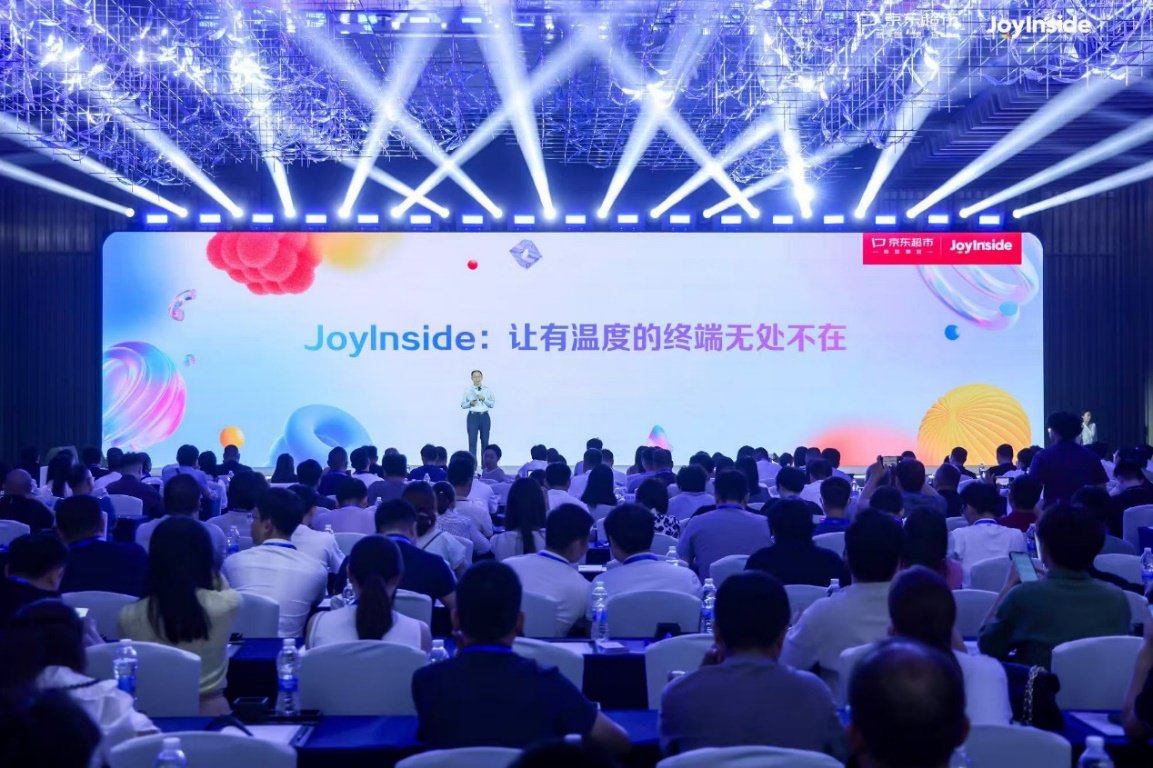
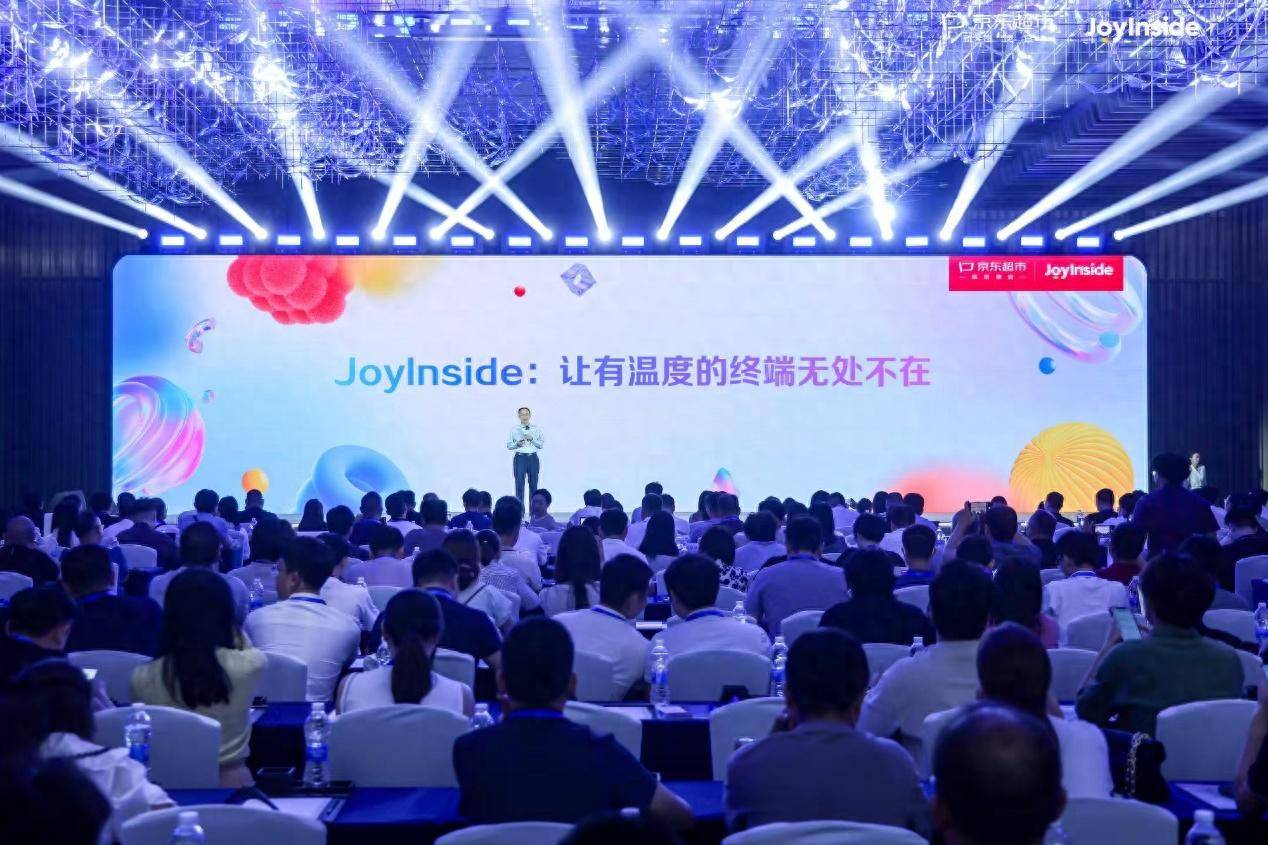
转自:新华财经 7月30日,京东在深圳举办"2025·京东AI玩具大会",联合600余家玩具和智能硬件企业,共同探索AI玩具发展新路径,助力传统玩具产业迈向智能化、个性 化、场景化升级。 据悉,京东JoyInside平台面向玩具与机器人品牌,提供端到端的技术解决方案,覆盖智算底座、语音优化、游戏交互、内容生态、交互策略等多个维度,旨 在赋予硬件产品以"有温度的灵魂",提升终端用户体验。目前,已有Fuzozo芙崽、火火兔、元萝卜、心大陆等数十家品牌率先接入。 京东集团高级副总裁、京东集团探索研究院副院长何晓冬在大会上表示,京东正在将JoyInside平台的能力,探索在不同硬件中应用,如机器人、机器狗、玩 具等,为不同的硬件载体赋予智慧,让有温度的终端交互无处不在。 据悉,京东将持续推进AI与消费场景的深度融合。在即将于8月8日开幕的2025世界机器人大会上,京东集团探索研究院还将携手京东零售发布面向机器人 生态的更多技术与产品方案,进一步拓展智能硬件应用边界。(李妍、杨璐嘉) 会上发布的AI玩具行业报告显示,中国AI玩具市场正处于快速增长期,预计2030年市场规模将突破百亿元,年均增速超过70%。但当前多数品牌 ...
打造AI时代的“Labubu”,京东聚集了大半个玩具朋友圈
Zhong Jin Zai Xian· 2025-07-31 02:15
Core Insights - JD.com is positioning itself as a leader in the AI toy market by launching the JoyInside platform, which aims to facilitate the development of AI-powered toys and robots through advanced technology solutions [1][4][10] - The company plans to create 20 "ten-million sales" products and 100 "million sales" products, establishing itself as an incubator for AI toy brands [3][11] Group 1: JoyInside Platform - JoyInside offers end-to-end AI technology solutions, integrating capabilities such as customer service, digital interaction, and product development for toy and robot brands [4][6] - The platform has already partnered with several mainstream brands, including Fuzozo, Huohuo Rabbit, and Yuanluobo, to enhance their AI capabilities [7][9] Group 2: Market Potential - The AI toy market in China is projected to exceed 10 billion by 2030, with an annual growth rate of over 70% [4] - JD.com aims to leverage its insights into consumer trends and its extensive distribution channels to create a robust AI ecosystem [3][11] Group 3: Technological Advantages - JoyInside incorporates advanced technologies such as retrieval-augmented generation (RAG), text-to-speech (TTS), and large language models (LLM) to provide a comprehensive solution for brands [5][6] - The platform is designed to cater to different age groups, offering tailored interactive experiences for children from infancy to adolescence [6] Group 4: Strategic Collaborations - JD.com has announced strategic collaborations with various brands to enhance technology, content, sales, and marketing efforts in the AI toy sector [7][10] - The company is providing limited-time free access to the JoyInside platform to help more brands capitalize on AI technology [10]
京东JoyInside率先落子玩具行业 百亿AI玩具产业迎拐点
Zhong Jin Zai Xian· 2025-07-31 01:55
继大模型之后,AI行业的下一个风口是具身智能。近期,京东宣布进入当前大热的具身智能赛道,推 出"附身智能"品牌JoyInside。 京东的JoyInside通过向智能终端品牌提供JoyAI大模型,使得机器人、电子宠物等终端设备能与人进行 深度交互。这样的能力可以运用于娱乐、教育、工业等多个场景,在7月30日召开的京东首届AI玩具大 会上,京东超市宣布JoyInside率先落子AI玩具产业。 通过接入JoyInside,传统玩具就具备了"有温度"的交互能力,不仅能高情商陪聊,还能成为消费者的专 属AI伙伴——玩具可以扮演你喜欢的角色,能听懂你的话、看懂你的动作,实现养成系的陪伴。 目前,JoyInside已经接入了AI潮玩Fuzozo、教育机器人火火兔和心大陆等数十家头部机器人和AI玩具品 牌。为了赋能更多玩具厂商,当天会上,京东超市还同步推出了一系列扶持举措,为玩具产业注入全新 活力。 对于10后这代"AI原住民"来说,京东JoyInside将为他们打造出以前无法想象的"AI玩伴",让越来越多的 机器人和玩具,能够成为孩子们朝夕相伴的朋友、贴心的生活助手,甚至家庭成员。而对于玩具产业链 上下游而言,一场深刻的 ...
京东在深聚集大半个玩具朋友圈 欲造AI时代的“Labubu”
Sou Hu Cai Jing· 2025-07-30 15:08
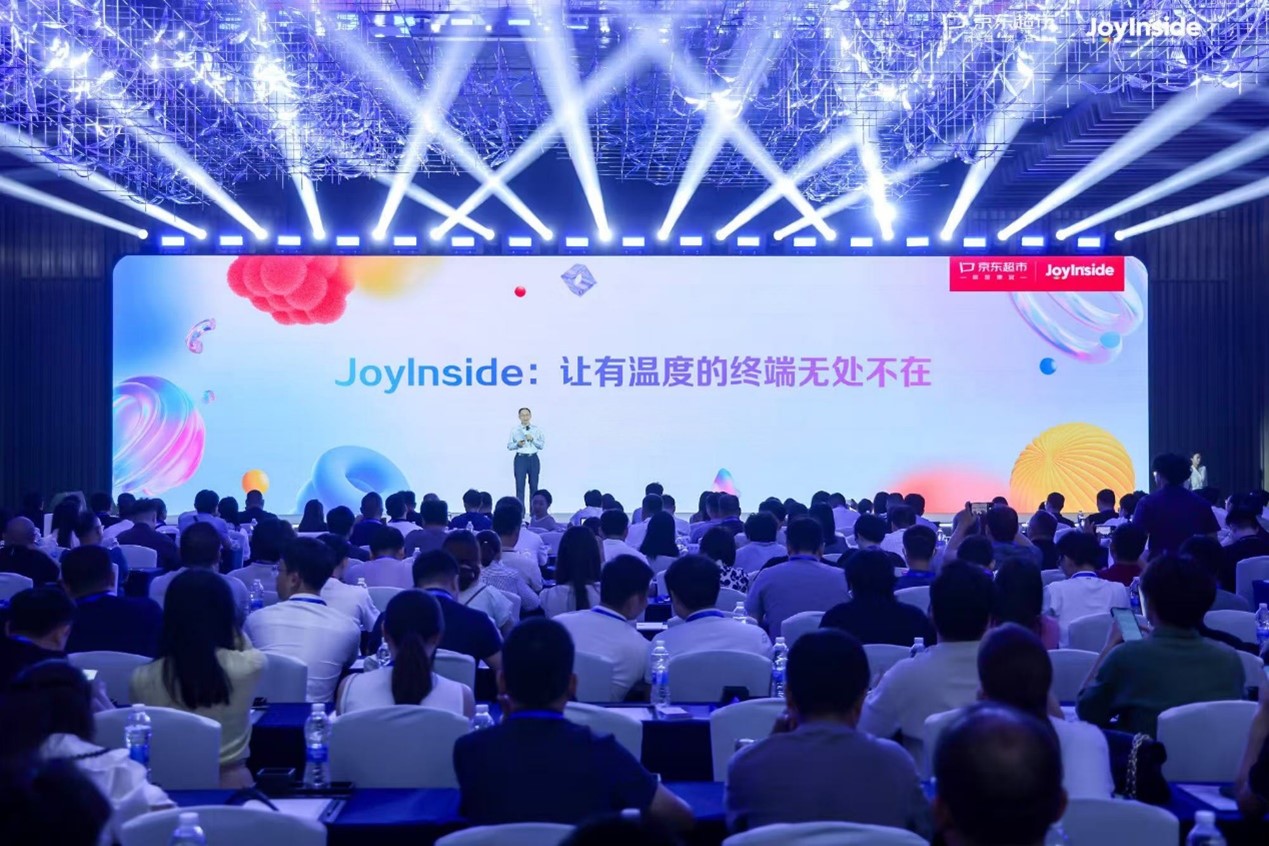
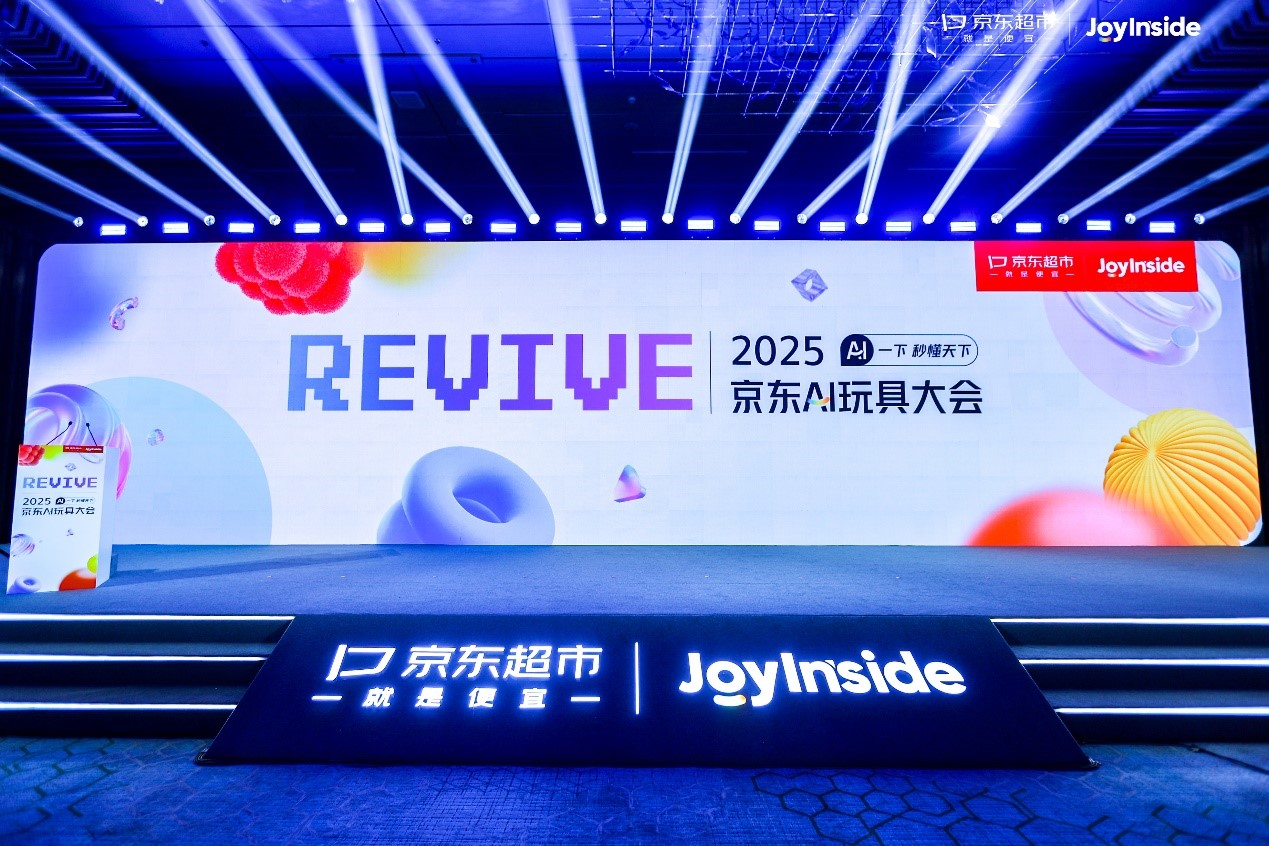
京东零售为品牌打造出"爆品方法论":涵盖消费需求洞察、市场容量梳理;"运营陪跑+亿级流量"等重磅扶持,计划打造出20款"千万包销新品"和100款"百 万新品",成为AI玩具品牌的孵化器。 京东附身智能JoyInside面向玩具和机器人品牌,提供与消费者对话能力,并开放限时免费接入,提供端到端技术解决方案。目前已经有数十家主流品牌合 作,包括被外界视为"AI版Labubu"的Fuzozo芙崽;教育机器人火火兔、噜咔博士、元萝卜、心大陆等。 深圳商报•读创客户端记者 陈姝 实习生聂玥 如何批量制造AI时代的"Labubu"爆品?京东给出了产业答案。7月30日,京东在深圳举办"2025 AI玩具大会",邀请600余家玩具和智能硬件厂商,共话AI玩 具爆品"方法论"。 "我们正在将JoyInside平台的能力,探索在不同硬件中应用,如机器人、机器狗、玩具等,为不同的硬件载体赋予智慧,让有温度的终端交互无处不在。" 京 东集团高级副总裁、京东集团探索研究院副院长何晓冬表示。 "京东既能洞察消费趋势,又具备AI消费场景和覆盖全国的终端渠道。我们将通过与各大品牌方协同研发、数据共创、全渠道部署,合力打造'懂消费者'的 AI ...
打造AI时代的“Labubu”,京放大招
Zhong Guo Ji Jin Bao· 2025-07-30 12:52
Core Insights - JD.com is collaborating with toy brands to create a hundred AI-driven products, leveraging free AI access and significant traffic support to drive innovation in the toy industry [1][2] Group 1: AI Toy Market Development - JD.com hosted the 2025 AI Toy Conference, inviting over 600 toy and smart hardware manufacturers to discuss methodologies for creating AI toy bestsellers [2] - The company aims to develop 20 "ten-million sales" products and 100 "million sales" products, positioning itself as an incubator for AI toy brands [2][8] - The AI toy market in China is projected to exceed 10 billion by 2030, with an annual growth rate exceeding 70% [4] Group 2: JoyInside Platform - JD.com introduced the JoyInside platform, offering a comprehensive end-to-end AI technology solution for toy and robot brands, which includes customer service, digital human interaction, and sales support [3][4] - JoyInside provides four key advantages: high emotional intelligence in dialogue, adaptability to various scenarios, a wide range of character options, and consistent behavior [4][5] - The platform integrates multiple AI capabilities, including retrieval-augmented generation (RAG), text-to-speech (TTS), automatic speech recognition (ASR), and large language models (LLM) [5] Group 3: Strategic Partnerships and Collaborations - Several mainstream brands, including Fuzozo and educational brands like Huohuo Rabbit and Yuanluobo, have already integrated with JD.com's JoyInside [6][7] - Fuzozo achieved significant sales success during the JD 618 event, selling out 3,000 units, while Yuanluobo's AI chess robot increased user interaction by 148% [7] - JD.com is offering limited-time free access to the JoyInside platform to help more brands leverage AI technology [8]
汤姆猫股价微跌0.36% 《汤姆猫总动员2》海外下载量突破1100万次
Jin Rong Jie· 2025-07-30 01:01
Core Viewpoint - The stock price of Tom Cat is reported at 5.56 yuan as of July 29, 2025, reflecting a slight decline of 0.02 yuan or 0.36% from the previous trading day [1] Group 1: Company Performance - Tom Cat's main business focuses on the mobile internet cultural industry, developing various casual games and derivatives around the "Talking Tom and Friends" IP [1] - The new game "Talking Tom Gold Run 2" launched overseas on July 15 has shown impressive performance, achieving over 11 million downloads within two weeks [1] - The game ranks in the top ten on the Google Play platform across 70 countries/regions and has reached the top of the download charts in app stores in 31 countries, including the United States and the United Kingdom [1] Group 2: Market Activity - The trading volume on the reporting day was 1.391 million hands, with a transaction amount of 773 million yuan [1] - The company is actively expanding into the AI toy sector, launching AI companion robot products based on its own IP [1]