
全国统一大市场

Search documents
“向高攀登”动能增强 “试验田”先行先试大市场动力满满 | 观察·要素市场化改革提速
Yang Shi Wang· 2025-09-12 05:54
Core Viewpoint - The comprehensive reform pilot plan for market-oriented allocation of factors was released on September 11, aiming to construct a high-level socialist market economy and accelerate the establishment of a unified national market, facilitating the aggregation of advanced factors in key areas and promoting the development of new productive forces [1][3]. Group 1: Reform Overview - The State Council approved the pilot program in 10 regions to empower local economies, enhance factor security in advantageous areas, and stimulate economic development and innovation [3]. - The pilot regions include Beijing's urban sub-center, key cities in Jiangsu's southern region, Hangzhou and Ningbo in Zhejiang, Hefei in Anhui, Fuzhou, Xiamen, and Quanzhou in Fujian, Zhengzhou in Henan, Changsha-Zhuzhou-Xiangtan in Hunan, nine cities in the Guangdong-Hong Kong-Macao Greater Bay Area, Chongqing, and Chengdu in Sichuan [4]. - The pilot program will last approximately two years, with tasks expected to be completed by 2027, focusing on differentiated reform explorations in various factor fields [4][5]. Group 2: Objectives and Expected Outcomes - The pilot program aims to facilitate the free flow and safe sharing of factors across regions, which is crucial for advancing the construction of a unified national market [5]. - Approximately 20 tasks will be deployed in each pilot region, including promoting technological collaboration, revitalizing inefficient construction land, and accelerating the sharing of public data [6]. - The reform is expected to enhance the market environment, create more employment and entrepreneurial opportunities, and improve social welfare, ultimately contributing to GDP growth [8]. Group 3: Focus on Traditional and New Factors - The reform is anticipated to achieve breakthroughs in traditional factor areas such as land, capital, and labor, which have lagged behind in market construction compared to goods and services [10]. - The pilot will also explore the market-oriented allocation of new factors, including data, with initiatives to open high-value data sets to the public and integrate data assets into management systems [12][14]. - Specific initiatives include optimizing land use in Beijing's urban sub-center and exploring innovative management models in the Greater Bay Area [11]. Group 4: Economic Impact and Future Prospects - The pilot regions are projected to account for about 28% of the national GDP, with the market-oriented reform expected to inject significant new momentum into the Chinese economy [22]. - The successful implementation of these reforms could lead to the emergence of new industries and sectors, particularly in data, green energy, and other innovative resources [22]. - The reform is likened to nurturing seeds in soil, where the unified market serves as the soil, and the factors are the water and nutrients necessary for different industries to thrive [20].

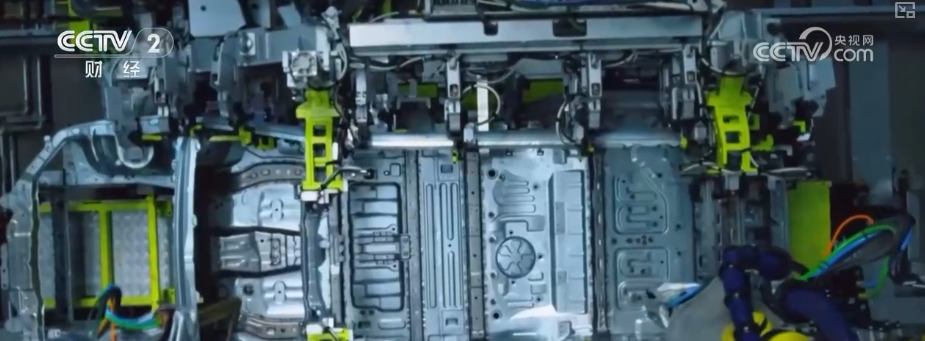
实现资源配置效率最优化、效益最大化
Sou Hu Cai Jing· 2025-09-12 05:34
郑州中央商务区。 河南日报社全媒体记者 宋亚猛 摄 本报讯(河南日报社全媒体记者 聂辉)9月11日下午,国务院新闻办公室在北京举行国务院政策例行吹风 会,介绍全国部分地区实施要素市场化配置综合改革试点有关情况。国家发展改革委副主任李春临介绍,国 务院批准开展要素市场化配置综合改革试点的10个地区均是发展基础较好、经济增长支撑作用强的城市群、 都市圈或者中心城市,改革基础条件较好,具有较强代表性。 记者在吹风会现场了解到, 为深入贯彻党中央、国务院关于深化要素市场化改革、构建更加完善的要素市场 化配置体制机制有关部署,近期,经国务院常务会议审议通过,批准在10个地区开展要素市场化配置综合改 革试点,试点实施方案已经全文向社会公布。 在吹风会上,李春临表示,深化要素市场化配置改革,是建设全国统一大市场的关键环节,是构建高水平社 会主义市场经济体制的重要内容。 改革开放以来,我国绝大部分商品和服务都已实现了市场定价、自由流动,但要素市场体系建设相对滞后, 发育还不充分,不利于发挥市场在资源配置中的决定性作用。 李春临介绍,此次改革试点是深入推动要素市场化配置改革的重要举措,具有试点地区范围广、要素领域覆 盖全、试点 ...

【广发宏观王丹】要素市场化配置改革试点启动
郭磊宏观茶座· 2025-09-12 03:36
Core Viewpoint - The article discusses the approval of a pilot program for the market-oriented allocation of factors in various regions of China, emphasizing the need for reform in the factor market to enhance economic efficiency and productivity [1][8]. Group 1: Reasons for Initiating Factor Market Reform - The factor market in China is less developed compared to commodity and service markets, necessitating reform to improve market efficiency [1][8]. - The pilot program is set to last for two years, aiming for completion by 2027, following previous top-level designs and plans established in 2020 and 2022 [1][8]. Group 2: Selected Pilot Cities - The pilot cities include key regions such as Beijing, Suzhou, Hangzhou, and the Guangdong-Hong Kong-Macau Greater Bay Area, aligning with national strategic development goals [1][9]. - The selected cities collectively account for over 25% of the national economic output in 2024, indicating their significant influence and potential for reform [1][10]. Group 3: Elements Involved in Marketization Reform - The reform encompasses various factors including technology, land, labor, data, capital, resources, and new types of factors such as computing power and spectrum [2][10]. - Specific initiatives include promoting technology transfer, deepening industrial land market reforms, facilitating labor mobility, and enhancing data application scenarios [2][10]. Group 4: Data Factor Marketization - The main approach for data factor marketization involves exploring circulation mechanisms and application scenarios to realize value [2][12]. - Key tasks include enhancing public data resource sharing, fostering collaborative innovation in data applications, and establishing data circulation trading mechanisms [2][12][14]. Group 5: Technology Factor Marketization - The focus is on creating a unified national technology market, including establishing regulatory frameworks and promoting interconnectivity among technology trading platforms [3][15]. - Initiatives include developing financial products to support technology transfer and enhancing international technology cooperation [3][15][16]. Group 6: Land Factor Marketization - The reform aims to increase flexibility in land resource usage, including deepening land management reforms and innovating industrial land supply [4][18]. - Strategies involve revitalizing underutilized land and promoting mixed-use land management to meet diverse industrial needs [4][19]. Group 7: Human Resource Factor Marketization - The reform emphasizes improving talent evaluation and compensation systems, enhancing public employment services, and fostering a conducive environment for talent mobility [6][20]. - Key initiatives include expanding job opportunities, strengthening employment services, and optimizing the market environment for human resources [6][21][22]. Group 8: Economic Impact of Factor Marketization Reform - The reform is seen as a crucial step in building a high-standard market system in China, addressing supply-demand imbalances, and enhancing micro-efficiency [7][23]. - It is expected to stimulate long-term investment opportunities in areas such as data asset formation, technology innovation, and land utilization [7][23].

激发经济发展内生动力和创新活力 国务院批准在10个地区开展要素市场化配置综合改革试点
Jin Rong Shi Bao· 2025-09-12 02:01
Core Viewpoint - The State Council has approved a pilot program for comprehensive reform of factor market-oriented allocation in 10 regions, aiming to enhance resource allocation efficiency and promote high-quality economic development [1][2]. Group 1: Pilot Regions and Characteristics - The 10 approved regions for the pilot program include Beijing Urban Sub-center, Jiangsu Su-Nan Key Cities, Zhejiang Hangzhou-Ningbo-Wenzhou, Anhui Hefei Metropolitan Area, Fujian Fuzhou-Xiamen-Quanzhou, Henan Zhengzhou, Hunan Chang-Zhu-Tan, Guangdong Greater Bay Area, Chongqing, and Sichuan Chengdu [2]. - These regions are characterized by strong economic growth and development foundations, making them representative for the reform [2]. Group 2: Reform Measures and Goals - The pilot program will focus on various reform measures tailored to local conditions, including stimulating technological innovation, promoting efficient land allocation, guiding human resource mobility, and enhancing capital service capabilities for the real economy [2][3]. - The program aims to improve factor coordination efficiency, explore new allocation methods, and foster new productive forces [3]. Group 3: Financial Support and Initiatives - The People's Bank of China is committed to supporting the pilot program by enhancing financial services and promoting green finance initiatives, including the issuance of a new green finance support project directory by 2025 [4][5]. - As of the second quarter of 2025, over 1.38 trillion yuan in carbon reduction loans have been issued, and green loan balances reached approximately 42.4 trillion yuan, indicating significant financial backing for green and innovative projects [5]. Group 4: Data Resource Utilization - The National Data Bureau plans to enhance the value of public data resources in the pilot regions, addressing issues such as data quality and circulation [7][8]. - The focus will be on developing data sharing and transaction mechanisms while ensuring data security, with specific tasks assigned to regions like Fuzhou-Xiamen-Quanzhou and the Greater Bay Area [8].
十地区开展要素市场化配置综合改革试点
Jing Ji Ri Bao· 2025-09-12 01:11
在传统要素领域改革外,此次试点还围绕数据、空域、频谱轨道等新型要素配置、服务业领域改革等部 署了一批重点改革试点任务。李春临介绍,随着经济社会发展,很多新兴领域涌现出新的生产要素,新 型要素发展呈现出很多有别于传统要素的新特征,要素配置方面也面临着很多新情况。要探索形成新的 市场和配置规则,增强新业态新领域要素保障,推动生产要素创新性配置,希望通过试点能够进一步打 破新型要素进入行业体系和产业体系的准入壁垒,推动更多新型要素加速向新质生产力转化。 当前,全国统一大市场建设不断向纵深推进,如何更好吸引和配置优质要素成为一项重要课题。"试点 方案充分考虑地方发展特点与实际,支持试点地区以更加开放灵活的方式利用各类创新资源,提出加快 推进国际先进技术应用、允许具有境外国际通行职业资格的专业人员按相关规定取得工作许可后提供专 业化的服务、深化国际互联网数据专用通道应用等任务,实现技术、人才、数据等关键战略要素高效配 置,为全国统一大市场建设和经济社会高质量发展提供更加丰富的要素支撑。"李春临说。 (责任编辑:朱赫) 从国务院新闻办公室11日举行的国务院政策例行吹风会上获悉,全国10个地区从即日起2年内开展要素 市场化 ...
第七届海峡两岸暨港澳物流业创新大会在郑开幕
Zheng Zhou Ri Bao· 2025-09-12 00:46
Core Insights - The 7th Cross-Strait and Hong Kong-Macao Logistics Innovation Conference is being held in Zhengzhou from September 11 to 13, focusing on the forefront changes in the logistics industry and discussing new opportunities for development [1] Group 1: Conference Overview - The conference theme is "Integrating Central Plains and Linking Global Markets - Accelerating Integration into the National Unified Market" and is hosted by the Henan Provincial Association for Science and Technology [1] - Nearly 500 participants from various sectors including logistics education, cold chain transportation, low-altitude economy, and port supply chains are attending the event [1] Group 2: Agenda and Activities - The conference features a "1+4" core agenda, with a comprehensive forum addressing the construction of a national unified market and four thematic forums covering key areas [1] - Participants will engage in academic visits to enterprises to connect with industry needs [1] Group 3: Thematic Forums - Specific thematic forums such as "Intelligent Chain Future: Innovation in Henan's Cold Chain Industry" and "Logistics Development Models and Pathways under Low-altitude Economy" will focus on practical demands [1] - Representatives from companies like Zhengzhou Kaixue Cold Chain and Fujian Xue Ren Group will collaborate with experts from universities to discuss technology implementation cases and transformation pathways [1] Group 4: Industry Development Initiatives - The conference will release documents such as the "Port and Shipping Supply Chain Forum's First Release of Henan's Port Economic Planning" and "AI Large Model Empowering Smart Logistics Technology" to promote high-quality development in the logistics industry and support the upgrade of Henan's cold chain industry [1]
开展郑州等10个要素市场化配置综合改革试点
Zheng Zhou Ri Bao· 2025-09-12 00:39
Core Points - The State Council has approved a pilot program for the market-oriented allocation of factors in ten regions, including Beijing's urban sub-center and the Guangdong-Hong Kong-Macao Greater Bay Area, to be implemented over the next two years [1][2] - The pilot program aims to enhance the efficiency of factor allocation, explore new allocation methods, and promote high-quality development in the service sector [2] Group 1 - The pilot program will focus on breaking down institutional barriers that hinder the free flow and efficient allocation of production factors, ensuring equal legal protection for various ownership economies [1] - The implementation of the program will be guided by Xi Jinping's thoughts on socialism with Chinese characteristics for a new era and will align with the spirit of the 20th National Congress of the Communist Party [1][2] Group 2 - Provincial governments are tasked with taking primary responsibility for the pilot program, emphasizing problem-oriented approaches and tailored strategies based on local conditions [2] - The National Development and Reform Commission will lead the coordination and guidance of the pilot regions, ensuring effective risk management and the summarization of successful practices for broader application [2]
苏州试点要素市场化配置综合改革 国务院批复同意 包括北京城市副中心、苏南重点城市等10个地区
Su Zhou Ri Bao· 2025-09-12 00:28
Group 1 - The State Council approved a comprehensive reform pilot plan for market-oriented allocation of factors in ten regions, including Suzhou, effective for two years starting from September 11 [1] - The plan aims to deepen the reform of factor market allocation, improve market systems and rules, and eliminate institutional barriers to the free flow and efficient allocation of factors [1] - The pilot areas in Suzhou include Nanjing, Wuxi, Changzhou, Suzhou, and Zhenjiang, focusing on seven aspects, including the market-oriented allocation of technology factors and improving land allocation efficiency [1] Group 2 - The implementation plan emphasizes digital transformation in cities, leveraging Suzhou's development of a smart city brain based on AI and 5G technology [2] - Support for the construction of new digital, networked, and intelligent urban infrastructure, promoting the integration of "Internet + advanced manufacturing" [2] - Exploration of digital services and regulatory platforms for asset securitization in the financial sector, including the management of asset-backed securities [2]
要素市场化配置改革迈向纵深
Zhong Guo Xin Wen Wang· 2025-09-12 00:03
9月11日,《全国部分地区要素市场化配置综合改革试点实施方案》公布。国务院批准自即日起2年内在 北京城市副中心、苏南重点城市、杭甬温、合肥都市圈、福厦泉、郑州市、长株潭、粤港澳大湾区内地 九市、重庆市、成都市等10个地区,开展要素市场化配置综合改革试点。 为什么要选这10个地区? 若把它们在地图上圈出来,答案其实很直观,这10地2024年经济总量合计超过全国的四分之一,发展基 础较好,影响力大,牵引性强。 在这些地区开展试点,有助于探索各类要素资源更大范围、更广领域高效配置的路径,也为支持经济大 省挑大梁提供重要改革支撑。 在中国宏观经济学会会长徐善长看来,这背后还有更深的考量:试点地区覆盖京津冀、长三角、粤港澳 大湾区、成渝等重大战略区域,兼具东、中、西部地区代表性,既有利于破解区域要素流动共性难题, 又有利于疏通要素在城市群内部、跨区域间的流动堵点,为加快建设全国统一大市场、做强国内大循环 提供坚实支撑。 为什么要专门搞这一次试点? 这背后藏着经济发展的深层需求。8月29日召开的国务院常务会议指出,深化要素市场化改革是构建高 水平社会主义市场经济体制的重要举措,是推进全国统一大市场建设的重要内容。 10个 ...
国务院批复要素市场化配置综合改革试点 郑州入选全国十大改革试点
He Nan Ri Bao· 2025-09-11 23:39
Group 1 - Zhengzhou has been selected as one of the ten pilot cities for comprehensive reform of factor market-oriented allocation, which will be implemented over the next two years [1][2] - The reform will cover traditional factors such as land, labor, and capital, as well as innovative factors like technology and data [1][2] - The initiative aims to break regional market barriers, optimize resource allocation efficiency, and promote high-quality economic development [1][3] Group 2 - Zhengzhou's strategic location as a central city and international transportation hub enhances its role in the national unified market construction [2] - The city has established a data trading center that has completed nearly 1,500 transactions with a total transaction value exceeding 3.8 billion [2] - The pilot implementation plans emphasize tailored approaches based on local strengths and national needs [2] Group 3 - The reform plan for Zhengzhou focuses on promoting innovation in technology factors and increasing financial support for original, technological, and industrial innovations [3] - It includes initiatives to enhance cooperation between local equity trading centers and national securities markets, as well as support for public data asset registration and pricing mechanisms [3] - The reform is expected to create a fairer market competition environment and stimulate economic development and innovation [3][4]