
可持续发展

Search documents
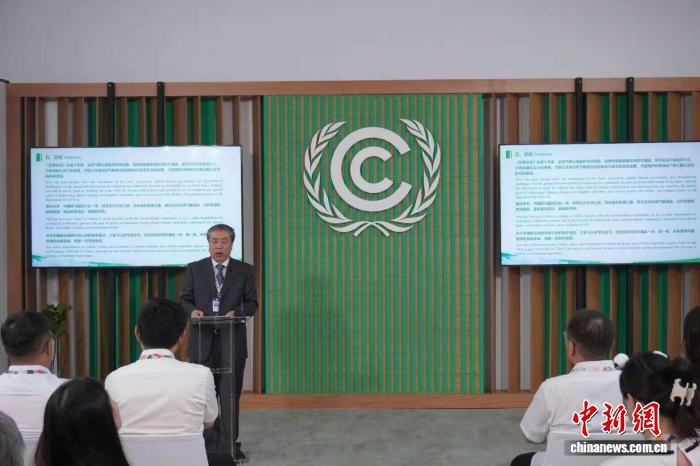
王善成:中国一直是全球气候治理的坚定行动派、重要贡献者
Zhong Guo Xin Wen Wang· 2025-11-14 12:32
Core Viewpoint - China is a steadfast action-oriented contributor to global climate governance, having explored a new path for sustainable development through its efforts [1][3]. Group 1: Policy and Achievements - China has established the most systematic and comprehensive carbon peak and carbon neutrality policy framework globally, integrating these goals into ecological civilization and overall economic and social development [3]. - The country has built the largest and fastest-growing renewable energy system in the world, with installed wind and solar power capacity exceeding 1.69 billion kilowatts, more than three times that of 2020, contributing approximately 80% of new power installations since 2020 [3]. - By the end of 2024, new energy storage capacity is expected to reach 73.76 million kilowatts, which is 20 times that of 2020, accounting for over 40% of global installed capacity [3]. Group 2: Economic Impact - The "three new" economy (new industries, new business formats, and new models) is projected to account for over 18% of GDP in 2024, an increase of 1.2 percentage points since 2020 [4]. - China has become the largest market for new energy vehicles, with a total of 36.89 million electric vehicles by mid-2025, representing over half of the global total [4]. - The penetration rate of new energy passenger vehicles in the domestic market reached 52.2% from January to September 2025, ranking first among major economies [4]. Group 3: Energy Efficiency and Circular Economy - China is one of the fastest countries in the world to reduce energy intensity, with a cumulative decrease of 11.6% in energy consumption per unit of GDP from 2020 to 2024 [5]. - The country has developed the most complete and efficient circular economy system globally, with a comprehensive utilization rate of major solid waste reaching 59% by 2024 [5]. - The annual utilization of major recycled resources exceeds 400 million tons, with the production of recycled non-ferrous metals reaching 19.15 million tons, maintaining the top position globally for 15 consecutive years [5]. Group 4: Environmental Contributions - China has achieved the fastest and largest increase in greening globally, with a forest coverage rate of 25.09% and a forest stock volume of 20.988 billion cubic meters by 2024 [5]. - The country has successfully realized "zero growth" in land degradation and a dual reduction in desertified and sandy land areas, contributing to a quarter of the world's new green area [5]. - China provides high-quality green low-carbon products to the world, supplying 70% of wind power equipment and 80% of photovoltaic components globally, significantly reducing costs in these sectors [5].

新消费派丨Z世代重塑珠宝行业发展逻辑 顺应趋势方能脱颖而出
Xin Hua Cai Jing· 2025-11-14 12:00
Core Insights - The domestic jewelry consumption is shifting from a "value preservation tool" to an "emotional carrier," driven by the rise of young consumers and the expansion of high-net-worth individuals [1][5] - The jewelry industry is expected to experience multiple development trends, including high-end, personalized, and digitalization [1][5] Industry Growth Opportunities - The 2024 China Jewelry Industry Development Report indicates that jewelry e-commerce will continue its high growth, with retail sales reaching 298.26 billion yuan, a year-on-year increase of 16.4% [2] - Live streaming sales have emerged as a significant growth driver, with major e-commerce platforms accelerating their focus on potential markets like pearls and lab-grown diamonds [2] - The colored gemstone market is gaining popularity among consumers aged 18 to 35, with average price increases of 30% to 50% expected by 2025 for all categories of colored gems [4] Consumer Trends - The consumer base is becoming younger, with millennials and Gen Z viewing jewelry as an extension of personal expression rather than just for traditional occasions [5] - There is a growing demand for original designs and modular jewelry, prompting brands to innovate and offer products that combine artistic and practical elements [5] Digital Transformation - The integration of online and offline channels is accelerating, with virtual try-ons, live streaming, and social e-commerce becoming mainstream [5] - Brands are leveraging technologies like AI and blockchain to enhance product transparency and customer experience, making omnichannel retail a key competitive factor [5] Challenges Facing the Industry - The jewelry market is experiencing a clear division between high-end and mass markets, necessitating precise targeting of different consumer segments [9] - Geopolitical changes and trade policies may impact the industry's import and export dynamics, requiring companies to prepare for potential supply chain risks [9] - The pressure for digital transformation is significant, as traditional retail expansion slows and companies must enhance their online operations [9] Future Trends - The market is expected to further segment, with high-end jewelry demand continuing to grow, particularly for traditional items like gold and diamonds, while the mass market focuses on cost-effectiveness and personalization [10] - The second-hand jewelry market is anticipated to thrive as sustainability and circular economy concepts gain traction [10] - Digitalization and AI are set to drive industry development, with social e-commerce becoming a core purchasing channel for younger consumers [10][12]

《“十五五”规划建议》解读:纺织服装行业的升级路径:科技创新与绿色转型
Lian He Zi Xin· 2025-11-14 11:28
Investment Rating - The report indicates a positive outlook for the textile and apparel industry, emphasizing the need for technological innovation and green transformation as key drivers for future growth [1][3]. Core Insights - The textile and apparel industry is undergoing significant changes due to weakened cost advantages and increased environmental requirements, necessitating a shift towards technological innovation and green transformation [1][3]. - The "14th Five-Year Plan" highlights the importance of smart and green development paths, positioning the industry for modernization and enhanced competitiveness on a global scale [3][10]. - The report outlines two main development paths: smart upgrade through technological innovation and green transformation for sustainable development [4][7]. Summary by Sections Smart Upgrade - The report emphasizes the need for traditional technology upgrades and the promotion of intelligent manufacturing to enhance production efficiency and reduce operational costs [4][5]. - By 2027, significant improvements in production efficiency and cost reductions are expected in various sectors, including a 5% to 10% decrease in comprehensive costs in the dyeing industry [5]. - Leading companies are already investing in product innovation and technology development, leveraging digital and intelligent technologies to enhance competitiveness [4][6]. Green Transformation - The textile industry is characterized by high energy and water consumption, with the dyeing process accounting for over 10% of industrial water usage [7][8]. - From 2005 to 2024, the industry has seen a cumulative energy consumption reduction of over 65% per unit of output, with a 12% annual growth in the recycling of used textiles [8]. - The report identifies challenges in achieving comprehensive green transformation, including insufficient investment in environmental equipment by small and medium enterprises and the high costs of producing green fibers [8][9]. Policy Outlook - The report outlines the evolution of policies from focusing on technology and equipment innovation to emphasizing intelligent manufacturing and high-quality development [10][12]. - The "14th Five-Year Plan" establishes a dual focus on smart and green development, setting the macroeconomic tone for the next five years [10][12].
戴德梁行发布《绿色收益:通过可持续发展解锁商业地产价值》报告
Sou Hu Cai Jing· 2025-11-14 05:27
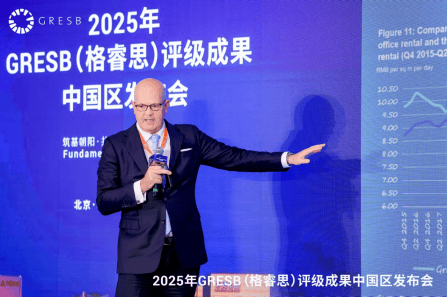
Core Insights - The report by JLL emphasizes the impact of sustainability on the operational performance, asset value, and investment decisions in China's commercial real estate sector [1][3] - The demand for sustainable commercial buildings in China is steadily increasing due to strict regulatory policies, investor expectations, and tenant requirements [1][3] Market Demand for Sustainable Commercial Buildings - Sustainability encompasses energy conservation, user well-being, corporate ethics, and climate change resilience throughout the real estate lifecycle [1] - Sustainable assets are gaining recognition in the market for their long-term value, risk mitigation, and competitive differentiation [1] Sustainable Development and Asset Performance - Sustainability is now a core driver of asset performance in commercial real estate, influenced by evolving expectations from investors, regulators, and tenants regarding ESG [3] - The transition towards sustainable development in commercial real estate is being accelerated by national policies, urban planning priorities, and the rise of green finance in China [3] Challenges and Strategies - The industry faces challenges such as renovation costs, data transparency, and inconsistent regulations [3] - Leading companies are addressing these challenges through targeted strategies, real estate technology applications, and enhanced stakeholder collaboration [3] Future Outlook - The landscape of sustainable real estate is rapidly evolving, driven by stricter regulatory requirements, growing investor demand, technological advancements, and deepening climate commitments [6] - Governments, cities, and enterprises are increasingly committing to net-zero emissions, setting new standards for the real estate sector [6] - Technologies like artificial intelligence, data analytics, and digital twin technology will play a transformative role in enabling smarter and more efficient sustainable development decisions [6] Investment Considerations - Investors are progressively upgrading GRESB ratings from mere benchmarking tools to core decision-making criteria for risk pricing and capital allocation [6] - Companies that integrate sustainability into their core operations and investment decisions are likely to unlock significant green revenue potential and enhance their market competitiveness [6]
联合国开发计划署:继续深化对华合作 携手推动可持续发展
人民网-国际频道 原创稿· 2025-11-14 03:39
Core Points - The UNDP celebrated its 60th anniversary and the 46th anniversary of its China office, emphasizing continued cooperation with China to promote sustainable development [1][2] - The UNDP highlighted the importance of collective action among countries, businesses, and society to address global challenges such as conflict and climate change [1] - The new UNDP China Country Programme for 2026-2030 aims to elevate the partnership between UNDP and China, focusing on innovation and comprehensive solutions [2] Group 1 - The UNDP has implemented nine country programs and over 1,000 projects in collaboration with China, contributing to poverty alleviation, agriculture, environmental protection, and digitalization [1] - UNDP's acting administrator stressed that no single country can tackle global challenges alone, and called for unity in advancing sustainable development goals [1] - The UNDP aims to enhance its role as a bridge between China and global partners, promoting multilateral cooperation [2]
坚定看好中国市场——科莱恩高管谈在华投资和可持续发展
Zhong Guo Hua Gong Bao· 2025-11-14 02:39
Core Insights - Clariant's recent investment in China marks a significant step forward, with the inauguration of a high-performance surfactants and halogen-free flame retardants expansion project in Huizhou, Guangdong, showcasing the company's commitment to the Chinese market [1] Financial Performance - Clariant reported a notable increase in its EBITDA margin, rising from 16.4% in the same period last year to 18.0%, driven by performance improvement plans and effective pricing and cost management [2] - The company has achieved an average annual revenue growth of 4% since 2021, with EBITDA margins expected to reach 15.8% in FY2024, up from 13.9% in FY2023, and projected to further increase to 17%-18% in FY2025 [2] Sustainability Initiatives - The new production lines emphasize sustainable development, with a focus on upgrading pharmaceutical production capacity and enhancing capabilities in the electric mobility and electronics sectors [3] - Clariant aims to reduce direct and indirect emissions by 46% by 2030, up from a previous target of 40%, and increase supply chain emissions reduction targets from 14% to 28% [3] Strategic Importance of China - China is identified as a core strategic market for Clariant, with plans to increase the sales proportion from approximately 10% to 14% by 2027 [4] - The company emphasizes local innovation and supply chain resilience as key competitive advantages in the Chinese market, which is projected to account for over 40% of global chemical market share [5]
坚定看好中国市场——科莱恩高管谈在华投资和可持续发展
Zhong Guo Hua Gong Bao· 2025-11-14 02:31
Core Insights - Clariant's recent investment in China marks a significant step forward, with the inauguration of a high-performance surfactants and halogen-free flame retardants expansion project in Huizhou, Guangdong, showcasing the company's commitment to the Chinese market [1] Financial Performance - Clariant reported a notable increase in its EBITDA margin, rising from 16.4% in the previous year to 18.0% in the third quarter of fiscal year 2025, driven by performance improvement plans and effective pricing and cost management [2] - The company has achieved an average annual revenue growth of 4% since 2021, with EBITDA margins projected to reach 15.8% in fiscal year 2024 and further increase to 17%-18% in 2025, indicating strong growth over three consecutive years [2] Sustainability Initiatives - The new production lines focus on upgrading pharmaceutical capacity and enhancing the company's position as a leading supplier of active pharmaceutical ingredients (APIs) in China, emphasizing sustainability as a core theme in all innovations [3] - Clariant aims to reduce direct and indirect emissions by 46% by 2030, up from a previous target of 40%, and increase supply chain emissions reduction goals from 14% to 28% [3] Strategic Importance of China - China is identified as a core strategic market for Clariant, with the CEO highlighting the importance of local innovation and supply chain resilience in navigating the complex market environment [4] - The company plans to increase the proportion of sales from China from approximately 10% to 14% by 2027, with about 50% of products for the Chinese market currently produced locally and 80% of required raw materials sourced locally [4][5] - Clariant recognizes China as the largest chemical market globally, accounting for over 40% of the market share, and anticipates that more than half of global chemical production growth in the next five years will come from China [5]
中国微生物蛋白市场现状研究分析与发展前景预测报告
QYResearch· 2025-11-14 01:15
Core Viewpoint - Microbial protein, also known as single-cell protein (SCP), is derived from microorganisms and is considered a sustainable solution to global protein shortages, with applications in food, feed, and functional ingredients [2]. Group 1: Market Size and Growth Trends - The microbial protein market in China is projected to grow from 2.108 billion yuan in 2024 to 60.005 billion yuan by 2031, with a compound annual growth rate (CAGR) of 65.50% from 2025 to 2031 [4]. - The industry is characterized by short production cycles, high resource utilization efficiency, and environmental friendliness, making it a strategic solution for sustainable food development [4]. Group 2: Product Types and Applications - Fungal microbial protein is expected to generate the highest revenue among the four types of microbial protein, with a market size of 1.024 billion yuan in 2024, accounting for approximately 48.59% of the product types [5]. - Animal feed is the largest application area for microbial protein, projected to reach 1.608 billion yuan in 2024, representing about 76.25% of the market [5]. Group 3: Competitive Landscape - Major players in the Chinese microbial protein market include Alltech, Calysta, Unibio, Metanica, and Sophie's Bionutrients, collectively holding over 76.16% market share in 2024 [5]. - The competition in the industry is expected to intensify in the coming years as more players enter the market [5]. Group 4: Supply Chain Analysis - The upstream supply chain includes fermentation substrates, carbon sources, and nitrogen sources, which are critical for microbial growth and protein synthesis [11]. - The midstream involves microbial cultivation, fermentation processes, and protein extraction, which are key to determining protein yield and quality [11]. - The downstream focuses on protein purification, drying, packaging, and end-use applications, with product safety and functionality being paramount [11]. Group 5: Development Drivers - Global protein demand is rising due to population growth and increased living standards, making microbial protein a vital alternative to traditional animal protein [12]. - Environmental pressures from livestock farming, such as carbon emissions and resource consumption, are driving the shift towards sustainable protein solutions like microbial protein [13]. - Advances in synthetic biology and fermentation technology are reducing production costs and enhancing the competitiveness of microbial protein [13]. Group 6: Development Constraints - High production costs and energy consumption associated with specialized fermentation equipment and purification processes pose challenges for large-scale commercialization [14][15]. - Consumer acceptance remains limited due to psychological barriers regarding the "microbial source" of these proteins, particularly in food and beverage applications [14]. - Regulatory complexities and varying standards across regions can delay market entry for microbial protein products [16].

国泰持续深耕内地市场,携四大核心业务三赴进博会
第一财经· 2025-11-13 12:39
Core Viewpoint - Cathay Pacific Group showcases its strategic investments and commitment to sustainable development at the third consecutive China International Import Expo, emphasizing its role in connecting Hong Kong, mainland China, and the global market [1][19]. Cargo Operations - Cathay Pacific's cargo division has played a crucial role in global logistics, with a focus on flexibility and professionalism to address uncertainties in the market [3][4]. - The company operates 20 Boeing 747 freighters, highlighting its commitment to cargo operations, with a model of a 747 freighter prominently displayed at the expo [5]. - In the first half of the year, cargo revenue increased by 2.2% to HKD 11.141 billion, with a volume growth of 11.4% to 801,000 tons [7]. - The cargo team utilizes digital technology and AI to enhance operational efficiency, including an online booking platform and real-time tracking systems for sensitive shipments [6][8]. Passenger Operations - Cathay Pacific has expanded its passenger network, surpassing 100 global destinations, with a focus on increasing flight frequencies to mainland China [8][9]. - The airline has launched new routes, including a daily flight between Hong Kong and Changsha, marking its 24th destination in mainland China [9][11]. - The company aims to increase its mainland routes to over 30, enhancing connectivity between Hong Kong and the mainland [11]. Future Developments - Cathay Pacific is preparing to celebrate its 80th anniversary, focusing on improving customer experience and sustainable development [14]. - The airline is investing in new aircraft and cabin products, including the introduction of new business class offerings and sustainable aviation fuel initiatives [15][18]. - The company has set ambitious sustainability goals, including reducing single-use plastics and waste generated per passenger by 30% by 2030 [16][18].

国泰持续深耕内地市场,携四大核心业务三赴进博会
Di Yi Cai Jing· 2025-11-13 12:04
Core Business Overview - Cathay Group has showcased its four core business segments: premium travel, low-cost aviation, efficient cargo, and lifestyle products at the China International Import Expo, emphasizing its strategic investment planning and commitment to sustainable development [1][3] - The company is in a phase of recovery, reconstruction, and comprehensive development, reflecting its strategy of being rooted in Hong Kong, backed by the mainland, and connected to the world [1] Cargo Operations - Cathay's cargo operations have played a crucial role in global logistics connectivity, with a focus on showcasing its capabilities in timely, temperature-controlled, and special cargo transportation [3][4] - The company operates 20 Boeing 747 freighters, highlighting its commitment to cargo services, which includes significant transport tasks like moving giant pandas and cultural artifacts [4][5] - In the first half of the year, cargo revenue increased by 2.2% to HKD 11.141 billion, with a volume growth of 11.4% to 801,000 tons [5] Passenger Services - Cathay has expanded its global passenger route network, surpassing 100 destinations, with a focus on increasing flight frequencies to mainland China [6][7] - The company aims to add more routes and increase flight frequencies, particularly to major cities like Beijing, Shanghai, Guangzhou, and Chengdu [7][10] - Cathay Pacific has become the airline with the most flights between Hong Kong and mainland China, operating over 330 round-trip flights weekly [10] Sustainable Development Initiatives - The company is committed to achieving net-zero carbon emissions by mid-century, focusing on sustainable aviation fuel (SAF) and circular economy practices [14][16] - Cathay has partnered with Airbus to invest up to USD 70 million to promote the development of SAF by 2030, and is collaborating with state-owned enterprises to advance SAF applications in mainland China [14] - Efforts to reduce plastic usage include a target to decrease single-use plastic items per passenger from 7.7 to 1.5 by 2025, and to reduce waste generated on flights by 30% by 2030 [16][17] Future Outlook - Cathay Group is set to celebrate its 80th anniversary next year, with ongoing efforts to enhance customer experience and sustainable development [12] - The company plans to introduce new cabin products and improve existing services, including the launch of new aircraft and cabin designs [13][14] - Cathay aims to continue expanding its route network and innovating its products and services while contributing to China's high-level opening-up and international cooperation [18]
