
中国特色金融文化

Search documents
以合规护航金融高质量发展
Jin Rong Shi Bao· 2025-11-26 01:40
Core Insights - During the "14th Five-Year Plan" period, China's financial industry has achieved significant growth, with total assets of banking and insurance sectors exceeding 500 trillion yuan, reflecting an annual growth rate of 9% over five years [1] - The financial environment is undergoing profound changes, with increasing compliance requirements for financial institutions due to geopolitical tensions and domestic economic challenges [1][2] - The importance of compliance in the financial sector is emphasized, as it is crucial for maintaining industry integrity and consumer trust [2][3] Group 1 - The total assets of China's banking and insurance sectors reached over 500 trillion yuan, with banking institutions' total assets amounting to 474.3 trillion yuan by the end of Q3 2025 [1] - The financial industry faces heightened compliance pressures due to external factors such as geopolitical conflicts and internal challenges like real estate market regulation and local government debt [1][2] - Regulatory authorities are enforcing stricter compliance measures, including increased penalties for violations and a dual penalty system for institutions and individuals [2] Group 2 - The establishment of a robust legal framework for financial operations, including new laws and regulations, aims to enhance compliance and risk management within financial institutions [3] - Financial institutions are encouraged to integrate compliance culture into their operations, ensuring that compliance becomes a fundamental aspect of their business practices [3][4] - Various financial institutions are actively promoting compliance through education, performance assessments, and knowledge competitions, shifting the mindset from mandatory compliance to voluntary adherence [4]
中证协修订证券分析师外部评选规范 拟纳入社会责任考核 要求主办方提交承诺函
Shang Hai Zheng Quan Bao· 2025-11-25 18:14
Core Viewpoint - The recent revision of the "Regulations on Securities Analysts' Participation in External Evaluations" aims to enhance the accountability and ethical standards of securities analysts in China, incorporating social responsibility and adherence to Chinese financial culture into their evaluation criteria [1][3]. Summary by Sections Revision Overview - The revised regulations clarify that they apply to securities companies, their research departments, teams, and analysts, and also extend to securities investment advisors participating in evaluation activities [2]. - New evaluation requirements for securities companies regarding the organizing institutions of evaluations have been introduced, emphasizing the need for compliance, experience, and fairness in the evaluation process [2]. - Organizers of external evaluations must submit a commitment letter to the China Securities Association (CSRC) before conducting evaluations, with the acceptance of this letter being verifiable on the CSRC's official website [2]. Analyst Evaluation Criteria - Securities companies are now required to include analysts' fulfillment of social responsibilities and adherence to Chinese financial culture in their performance assessment metrics [2][3]. - This change signifies a shift in the evaluation of analysts, moving beyond mere external rankings and performance metrics to include their contributions to the real economy and positive industry influence [3]. Impact on the Industry - The revisions are expected to further curb the utilitarian tendencies in evaluations and promote a healthier and more sustainable development of the securities research industry [3].
清廉铸魂护发展 平凡坚守显担当
Nan Fang Du Shi Bao· 2025-11-24 23:11
Core Viewpoint - The article emphasizes the importance of integrity and compliance in the financial industry, highlighting the role of compliance officers at China Life Insurance's Shenzhen branch in safeguarding the company's development through rigorous oversight and education [2][6][7] Group 1: Compliance Education - Compliance officers conduct morning meetings to educate employees on compliance requirements, using relatable examples to ensure understanding of key concepts such as "integrity in business" and "customer information protection" [2] - The officers meticulously verify training records to ensure comprehensive coverage of compliance education [2] Group 2: Risk Management - A thorough risk inspection is conducted post-education, focusing on the meticulous management of documentation, confidentiality measures, and information management at workstations [3] - The officers stress that attention to detail is crucial for preventing risks, reinforcing the idea that small actions can prevent larger issues [3] Group 3: Proactive Risk Intervention - Compliance officers utilize a sales risk monitoring system to identify potential risks, conducting weekly assessments to address anomalies [4] - They engage in constructive dialogues with marketing partners to help them recognize and mitigate business risks, promoting a culture of early intervention [4] Group 4: Community Engagement - The compliance initiative extends beyond internal controls, with officers leading community outreach programs to educate the public on anti-money laundering and fraud prevention [6] - These activities not only enhance the company's public image but also demonstrate its commitment to social responsibility [6] Group 5: Supervision and Governance - The establishment of a specialized compliance officer team aims to ensure that party discipline and governance requirements are effectively implemented at all levels [7] - Officers participate in decision-making meetings to prevent violations and ensure that operations remain within regulatory frameworks [7]


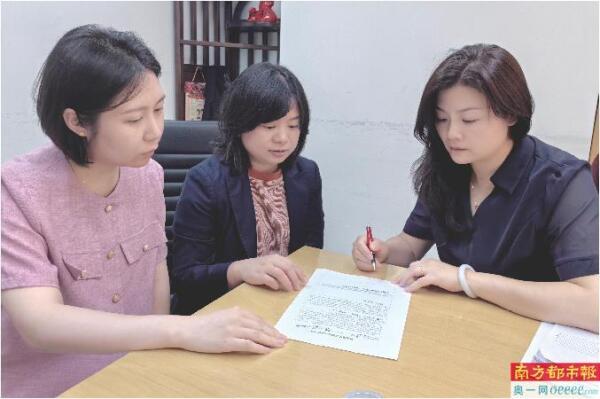
国泰君安期货:以“五要五不要”深化中国特色金融文化建设
Qi Huo Ri Bao Wang· 2025-11-24 02:26
Core Viewpoint - The article emphasizes the importance of cultivating a distinctive Chinese financial culture as a guiding principle for the healthy development of the financial industry, highlighting values such as honesty, integrity, and a balance between ethics and profit [1][2][3] Group 1: Honesty and Integrity - The concept of "honesty and integrity" is highlighted as a traditional virtue of the Chinese nation, with a call for financial institutions to align their goals with national development and the mission of serving the country [1] - The company, Guotai Junan Futures, is committed to political loyalty and aims to integrate traditional cultural values with the modern financial service ethos [1] Group 2: Ethics Over Profit - The principle of prioritizing ethics over profit is emphasized, with a focus on balancing moral responsibilities and financial gains to maintain a healthy economic cycle [2] - Guotai Junan Futures has implemented 260 "insurance + futures" projects across 24 provinces, providing risk management services for 940,000 tons of agricultural products, covering a value exceeding 5.8 billion yuan, and compensating farmers and cooperatives with 13.5 million yuan [2] Group 3: Prudence and Stability - The article stresses the importance of a prudent and stable approach in the financial industry, advocating for long-term vision over short-term gains [3] - Guotai Junan Futures maintains a "steady progress" approach, ensuring no systemic financial risks occur while promoting a culture of cautious and sustainable growth among its employees [3]
迈向一流投资机构!这份倡议书勾勒北京公募基金高质量发展新蓝图
Zhong Guo Zheng Quan Bao· 2025-11-19 08:49
Core Viewpoint - The Beijing Securities Association has issued a "High-Quality Development Initiative" for the public fund industry, calling for comprehensive implementation of national strategies and regulatory requirements to enhance the sector's performance in the new era [1][3]. Group 1: Industry Development Requirements - The initiative emphasizes the importance of aligning with national development goals, focusing on areas such as technology finance, green finance, inclusive finance, pension finance, and digital finance to achieve high-quality growth [1]. - It advocates for a shift from prioritizing scale to emphasizing returns, promoting a multi-strategy investment research system, and enhancing investor engagement to improve their experience [1]. - The initiative encourages long-term and value investment principles, increasing the range and innovation of equity fund products, particularly those aligned with national strategic directions [1]. Group 2: Compliance and Risk Management - The initiative stresses the need for a compliance-driven approach to create value, enhancing corporate governance and internal controls to balance business growth with risk management [2]. - It calls for the establishment of robust risk monitoring and emergency response mechanisms to strengthen the industry's resilience against potential risks [2]. Group 3: Financial Culture and Talent Development - The initiative promotes the cultivation of a strong financial culture, emphasizing ethical standards and professional capabilities in talent development [2]. - It encourages fund managers to take a leading role in the industry, fostering strategic collaboration among institutions to create a synergistic development environment [2]. Group 4: Series of Activities - Since its launch on September 8, the "High-Quality Development Series Activities" has engaged over forty industry institutions and mainstream media, creating a comprehensive communication framework [3]. - The conclusion of the series marks a significant consensus on high-quality development within the Beijing public fund industry, reflecting a proactive response to policy initiatives and industry transformations [3].
夯实文化软实力 积极履责显担当 | 浙商证券党委书记、董事长、总裁钱文海:高举党建引领火炬,谋划证券行业文化建设新篇章
Zhong Guo Zheng Quan Bao· 2025-11-19 04:17
Core Viewpoint - The 20th Central Committee's Fourth Plenary Session has approved the "14th Five-Year Plan" proposal, emphasizing the optimization of financial institutions and the importance of cultural construction and social responsibility for high-quality development in the securities industry [1][2]. Group 1: Financial Institutions and High-Quality Development - The proposal aims to guide financial institutions, including securities companies, to focus on their core business and improve governance for high-quality development [1]. - The year 2026 marks the beginning of a new phase of high-quality development for China's capital market [2]. Group 2: Cultural Construction and Governance - Zhejiang Securities has established a system integrating "Party leadership, cultural foundation, and governance" to promote high-quality development [2]. - The company has implemented a three-dimensional guarantee system for cultural construction, including ideological guidance, strategic collaboration, and responsibility transmission [3]. Group 3: Mechanism Innovation - Zhejiang Securities has innovated its organizational structure to enhance party organization coverage and established a three-tier management system [4]. - The company has created a cultural talent matrix combining full-time and part-time roles to strengthen its cultural capabilities [5]. Group 4: Cultural Engineering Initiatives - The company has launched five cultural projects to enhance its comprehensive competitiveness, including political leadership, employee engagement, professional training, and brand influence [7][8][9]. - The "Zhejiang Red" brand has been recognized as a national exemplary case in party-building innovation, reflecting the company's commitment to cultural and social responsibilities [9]. Group 5: Value Creation and Social Responsibility - The integration of party leadership and cultural construction has led to improvements in brand value, operational efficiency, and social benefits [9][10]. - The company emphasizes the importance of aligning political and professional aspects to ensure sustainable development and adherence to national strategies [10][12].

交通银行青岛分行:深耕中国特色金融文化建设奋力书写精彩“五篇大文章”
Xin Lang Cai Jing· 2025-11-19 02:35
Core Viewpoint - The establishment of a strong financial culture rooted in Chinese characteristics is essential for the development of a financial powerhouse, emphasizing the importance of integrating traditional culture into modern financial practices [1][2]. Financial Culture Development - The Qingdao Branch of Bank of Communications emphasizes the cultivation and promotion of Chinese financial culture as a key task, integrating it into all aspects of its operations [2][3]. - The bank's leadership prioritizes the establishment of a unified leadership structure to enhance compliance and governance, ensuring adherence to laws and regulations [2][3]. Compliance and Risk Management - The bank has made compliance culture a top priority, conducting extensive education and training on internal controls and compliance, fostering a culture of compliance among all employees [3][4]. - Regular analysis of typical cases and the creation of warning materials are employed to educate employees on correct operational and risk perspectives [4]. Innovation and Service Quality - The bank focuses on "guarding integrity while innovating," ensuring that financial services remain grounded in real economic needs while continuously innovating products and services [5][6]. - As of August, the bank's loans to technology enterprises reached 24.987 billion, with a year-to-date increase of 4.418 billion, reflecting a growth rate of 21.48% [6]. Green and Inclusive Finance - The bank actively supports green finance initiatives, with green loan balances exceeding 32 billion as of August, and is involved in projects that integrate clean energy with modern agriculture [7]. - The bank's inclusive finance strategy has resulted in a 27% increase in inclusive loans, demonstrating its commitment to supporting small and micro enterprises [8]. Rural and Elderly Financial Services - The bank has tailored its services to support rural revitalization, with agricultural loans increasing by over 10% year-to-date, significantly outpacing other loan categories [8]. - The bank has developed a comprehensive pension financial service system, opening 344,600 personal pension accounts and increasing loans to the elderly care industry by over 83% [12]. Digital Financial Services - The bank enhances customer experience through digital financial services, including the establishment of a comprehensive online platform for public services, facilitating over 80 self-service transactions [9]. - The bank has implemented a leading digital RMB payment system, expanding its application scenarios in the local economy [9]. Commitment to Social Responsibility - The bank adheres to the principle of "finance for the people," serving nearly 4.95 million citizens, which is about 50% of the local population, and has been recognized for its consumer rights protection efforts [11][13]. - The bank has introduced innovative services for flexible employment and retirement, receiving national recognition for its contributions to social security [12].

浙商证券党委书记、董事长、总裁钱文海:高举党建引领火炬 谋划证券行业文化建设新篇章
Zhong Guo Zheng Quan Bao· 2025-11-19 00:15
Core Viewpoint - The article emphasizes the importance of integrating political advantages into cultural construction within the financial industry, particularly for enhancing soft power and core competitiveness in the securities sector as it transitions to a new phase of high-quality development in 2026 [1][14]. Group 1: Cultural and Political Integration - The company aims to build a cultural framework centered on party leadership, cultural development, and governance, creating a cohesive ecosystem that promotes high-quality party building and financial culture [1][4]. - A three-dimensional guarantee system has been established, focusing on ideological guidance, strategic collaboration, and responsibility transmission to ensure the integration of party leadership throughout cultural construction [4][12]. Group 2: Mechanism Innovation - The company has implemented a "three pillars" approach to strengthen the foundation of party culture integration, which includes organizational, talent, and institutional innovations [5][7]. - A "three-level management system" has been created to enhance party organization coverage across dispersed branches, ensuring comprehensive representation [6][7]. Group 3: Cultural Projects and Competitiveness - Five cultural projects have been initiated to transform party momentum into cultural development, including political leadership enhancement, employee engagement, professional training, cultural heritage promotion, and brand influence expansion [8][10]. - The company has successfully integrated cultural initiatives with business expansion, achieving significant milestones such as the acquisition of Guodu Securities and surpassing a bond underwriting scale of 100 billion [11]. Group 4: Value Creation and Social Responsibility - The company emphasizes the dual focus on internal development and external outreach, creating a value cycle that enhances brand reputation and industry influence while fulfilling social responsibilities [13][14]. - The integration of party leadership with cultural initiatives is seen as essential for navigating the challenges of the evolving capital market and contributing to national financial strategies [12][14].
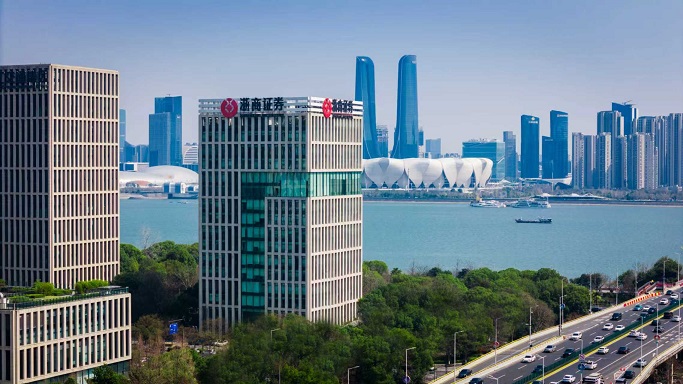
浙商证券党委书记、董事长、总裁钱文海: 高举党建引领火炬 谋划证券行业文化建设新篇章
Zhong Guo Zheng Quan Bao· 2025-11-18 22:22
Core Viewpoint - The integration of party leadership and cultural construction is essential for enhancing the soft power and core competitiveness of the securities industry, especially as China’s capital market enters a new phase of high-quality development in 2026 [1][11]. Group 1: Party Leadership and Cultural Construction - The company emphasizes the importance of the party's leadership as the foundation of state-owned enterprises, integrating it throughout the cultural construction process [2]. - A three-dimensional guarantee system has been established, focusing on ideological guidance, strategic collaboration, and responsibility transmission [2]. - The company has implemented a normalized political training mechanism, conducting multiple learning sessions to deepen understanding of key financial work theories [2][3]. Group 2: Mechanism Innovation - The company has created a "three pillars" structure for cultural construction, addressing the unique challenges of the securities industry [3]. - A "three-level management system" has been established to enhance organizational coverage and support for party members across various branches [3]. - Specialized party affairs personnel have been appointed to improve the professional capabilities of party work [3][4]. Group 3: Talent Development and Cultural Integration - A "dual cultivation" mechanism has been introduced to develop business professionals into party members and vice versa, enhancing the cultural talent matrix [4]. - The company has implemented a cultural team capability enhancement plan, including specialized training for brand promotion personnel [4]. - Cultural values are embedded into business processes through over 40 institutional regulations [5]. Group 4: Cultural Projects and Competitive Strength - The company has launched five cultural projects to transform party momentum into cultural construction energy, including initiatives to strengthen political leadership and enhance employee cohesion [6][7]. - The "Zhejiang Merchant Spirit" is being promoted through various activities, reinforcing the company's cultural identity [7][8]. - The company has achieved significant brand value growth, ranking 16th in the securities industry, and has been recognized for its innovative cultural construction practices [8][11]. Group 5: Social Responsibility and Value Creation - The company actively engages in social responsibility initiatives, including educational support and community development projects [8][9]. - A value creation cycle has been established, focusing on internal development and external outreach to enhance brand reputation and industry influence [10]. - The integration of party leadership and cultural construction is seen as a pathway to support national strategies and contribute to the financial sector's development [11].
高举党建引领火炬 谋划证券行业文化建设新篇章
Zhong Guo Zheng Quan Bao· 2025-11-18 20:05
Core Viewpoint - The integration of party leadership and cultural construction is essential for enhancing the soft power and core competitiveness of the securities industry, especially as China’s capital market enters a new phase of high-quality development in 2026 [1][10]. Group 1: Cultural Construction Framework - The company aims to build a cultural framework centered on party leadership, cultural integration, and governance, creating a system that supports high-quality party building and financial culture [1][2]. - A three-dimensional guarantee system has been established, focusing on ideological guidance, strategic collaboration, and responsibility transmission [2]. Group 2: Mechanisms and Innovations - The company has implemented a normalized political training mechanism, conducting 25 sessions of "first topic" learning and 8 sessions of theoretical study in 2025 [2]. - A "three-level responsibility closed loop" has been created to ensure accountability in cultural construction, integrating it into the party building assessment system [2][4]. Group 3: Cultural Engineering Initiatives - Five cultural engineering initiatives have been launched to transform party momentum into cultural construction energy, including the "Flag Raising" project to enhance political leadership [4][5]. - The "Nurturing New Talent" initiative focuses on training and developing young employees through various programs and competitions [6][7]. Group 4: Brand and Social Responsibility - The company has successfully enhanced its brand value, ranking 16th in the securities industry, and has been recognized for its cultural construction efforts [8]. - Social responsibility initiatives include building schools and supporting local communities, reflecting the company's commitment to societal impact [8][10]. Group 5: Future Directions - The company emphasizes the need for a unified approach to political and professional aspects, ensuring that cultural construction aligns with national strategies and economic service [9][10]. - The focus on both inheritance and innovation in cultural practices aims to invigorate the company's cultural vitality and enhance its market position [9].