
对外开放

Search documents
我国将有序扩大服务领域自主开放
Xin Lang Cai Jing· 2025-12-19 22:31
Core Viewpoint - The 2025 Central Economic Work Conference emphasizes "expanding openness and promoting win-win cooperation in multiple fields" as a key task for China's economic work in the coming year, with a specific focus on "orderly expansion of autonomous openness in the service sector" [1][2] Group 1: Service Sector Expansion - The expansion of the service sector is a crucial part of China's overall openness and an important support for economic development [1] - China's goods trade has ranked first globally for eight consecutive years, and the service trade scale is expected to exceed $1 trillion in 2024, ranking second globally [1] - High-end productive services and sectors such as sports, elderly care, and childcare are experiencing significant growth, indicating substantial potential in service trade [1] Group 2: Keywords "Orderly" and "Autonomous" - The deployment highlights the keywords "orderly" and "autonomous," emphasizing the need for a balanced approach to service sector openness while ensuring national security [2] - "Orderly" refers to advancing openness in a phased manner, with careful consideration of what can be opened, what should be cautiously opened, and what must be precisely regulated [2] - "Autonomous" stresses the importance of proactive measures based on China's development stage, industrial structure, and innovation capabilities, avoiding a reactive approach [2] Group 3: Impacts of Service Sector Openness - The opening of the service sector has strong spillover effects, with recent reductions in negative lists leading to orderly expansion in key areas such as finance, telecommunications, healthcare, education, culture, and tourism [2] - Increased predictability in policies is expected to attract more high-quality foreign investment in China's service sector, while also compelling domestic companies to enhance their professional capabilities and service quality [2] - A higher level of openness is seen as a "catalyst" for promoting mutually beneficial cooperation between China and the world, transitioning from a focus on manufacturing to a dual-driven model of goods and service trade [2]
“全岛封关”,“封”字何解?
Ren Min Ri Bao· 2025-12-19 11:38
这两天,大家一定被"海南自贸港启动全岛封关"的新闻刷屏了。但不少人也产生了疑惑:不是强调开放 吗,咋还给"封"上了?这个"封"字怎么解?进出海南岛会变麻烦吗? 这个"封"字,容易被直观误解为"封闭",其实它的含义很丰富。 "封"字的原义是培土种树,在古代表示土堆上种树以划分疆界,引申为分封土地、划定疆界。海南自贸 港封关,是指用海关的手段划定全岛作为一个海关监管特殊区域,在区内实施区别于内地的自由港差别 化进口税收等优惠政策。对于大多数的商品实行对境外"一线放开"、对国内其他地区"二线管住"、对全 岛"区内自由"的贸易模式。 我再打个比喻,你就更明白了。 假如把整个中国就看成是你家的大宅院,现在你想要进一步敞开大门,欢迎全世界的资金、货物更自由 地来你家汇集、融通。为此,你把你家前院,也就是海南岛,专门开辟出来作为自贸港,实施更自由的 海关进出政策、更低的关税等。这就是"一线"放开。 接下来的问题在于,前院的门开得足够大了,但其他院子暂时还没实行这些政策呢,怎么办?于是,就 要在前院和其他院子之间设一道海关,假如货物等要素要进入这些院子,也就是进入内地,就还按照一 般的海关政策和关税来执行。这就是"二线"管住 ...


听,高质量发展新脉动丨对外开放开创共赢新局面
Xin Hua Wang· 2025-12-19 10:00
Group 1 - The Hainan Free Trade Port officially launched its island-wide customs closure on December 18, 2025, marking a significant step in China's commitment to high-level opening-up and the construction of an open world economy [1] - Hainan's provincial secretary, Feng Fei, emphasized the acceleration of alignment with international high-standard economic and trade rules, aiming to showcase China's expanding openness and the significant opportunities it presents [3] - The central economic work conference identified "maintaining openness and promoting multi-field win-win cooperation" as a key task for the upcoming year, highlighting the importance of reform and high-quality development [5] Group 2 - The first batch of "zero tariff" petrochemical raw materials, weighing 179,000 tons, successfully cleared customs at the Yangpu Port following the launch of the Hainan Free Trade Port [7] - China is actively aligning with international high-standard economic and trade rules, having established 22 free trade pilot zones and the Hainan Free Trade Port, which aims to reduce trade costs and enhance the flow of factors [7] - The Ministry of Commerce reported that over 110 pilot measures have been introduced in key areas such as trade, investment, and intellectual property, with the goal of replicating successful experiences across a broader scope [9] Group 3 - The central economic work conference called for steady progress in institutional opening-up and the expansion of service sector openness, alongside the promotion of the Hainan Free Trade Port [14] - China is progressively reducing the foreign investment negative list and has eliminated restrictions on foreign investment in the manufacturing sector, demonstrating a commitment to institutional opening [11] - The establishment of the global digital trade center in Yiwu signifies a shift from traditional trade models to a digital trade ecosystem, with expectations of significant sales growth [21][23] Group 4 - The central economic work conference emphasized the need to deepen reforms in foreign investment promotion systems and enhance comprehensive overseas service systems [27] - Multinational companies are increasingly investing in China, with notable projects including Airbus's second A320 assembly line in Tianjin and Siemens Medical's high-end R&D base in Shenzhen [27] - China's commitment to opening up is expected to create new opportunities for global economic growth and collaboration [29]

打造引领新时代对外开放的重要门户
Jing Ji Ri Bao· 2025-12-18 22:40
12月18日,海南自由贸易港启动全岛封关,3万多平方公里的海南岛正式成为海关监管特殊区域,由此 开启"'一线'放开、'二线'管住、岛内自由"的新篇章。这是中国坚定不移扩大高水平对外开放、推动建 设开放型世界经济的标志性举措。高密度、高含金量的政策,更大范围、更深层次的开放,海南自由贸 易港全岛封关势将改写我国对外开放的格局。 自由贸易港是当今世界最高水平的开放形态,强调以规则、规制、管理、标准等为主要内容的制度型开 放。建设中国特色自由贸易港,更是一项前无古人的开创性事业,向前的每一步,都诠释着改革开放与 时俱进的深刻内涵。 "建设海南自由贸易港的战略目标,就是要把海南自由贸易港打造成为引领我国新时代对外开放的重要 门户。"习近平总书记的重要讲话,阐明了海南自由贸易港之于我国对外开放的战略地位和历史责任。 这是顺应发展大势的战略主动—— 一个更好联通国内和国际两个市场的海南,日益成为全球企业投资的热土。2020年6月,《海南自由贸 易港建设总体方案》发布。5年多来,海南实际使用外资1025亿元、年均增长14.6%,境外直接投资97.8 亿美元、年均增长97%,新设外资企业8098家、年均增长43.7%,货物贸 ...
国际锐评丨海南封关“圈粉”全球
Sou Hu Cai Jing· 2025-12-18 11:57
Core Viewpoint - The official launch of the Hainan Free Trade Port on December 18 marks a significant step towards establishing Hainan as a key gateway for China's new era of openness and international cooperation [4]. Group 1: Economic Impact - The closure of the Hainan Free Trade Port is expected to enhance the liberalization and facilitation of trade and investment, significantly increasing the number of "zero tariff" goods and types of imported products, thereby reducing import costs [4][5]. - The tax policies in Hainan will be more favorable, with companies registered on the island required to pay only 15% corporate tax until 2027, and the number of duty-free product categories increasing from 1,900 to 6,600, raising the proportion of duty-free items from 21% to 74% [5]. - In the first three quarters of this year, actual foreign investment in Hainan grew by 42.2%, indicating strong interest from foreign investors in the opportunities presented by the Free Trade Port [5]. Group 2: Tourism and Global Positioning - Hainan is becoming an international consumption and tourism center, benefiting from duty-free policies and visa exemptions for citizens from 86 countries, which enhances its attractiveness for tourists [7]. - The geographical advantage of Hainan, located at the crossroads of the Pacific and Indian Oceans, positions it as a hub for investment that can serve the entire Chinese market and the Asia-Pacific region [7]. - The establishment of the Hainan Free Trade Port is seen as a stable platform for international economic cooperation amid rising global economic uncertainties and protectionism [7]. Group 3: Future Developments - The recent Communist Party meetings have emphasized the high-standard construction of the Hainan Free Trade Port as a key task for promoting openness in the coming year [8]. - Hainan is expected to continuously expand its open fields and improve its policy system, aiming to become a crucial hub connecting domestic and international dual circulation [8].
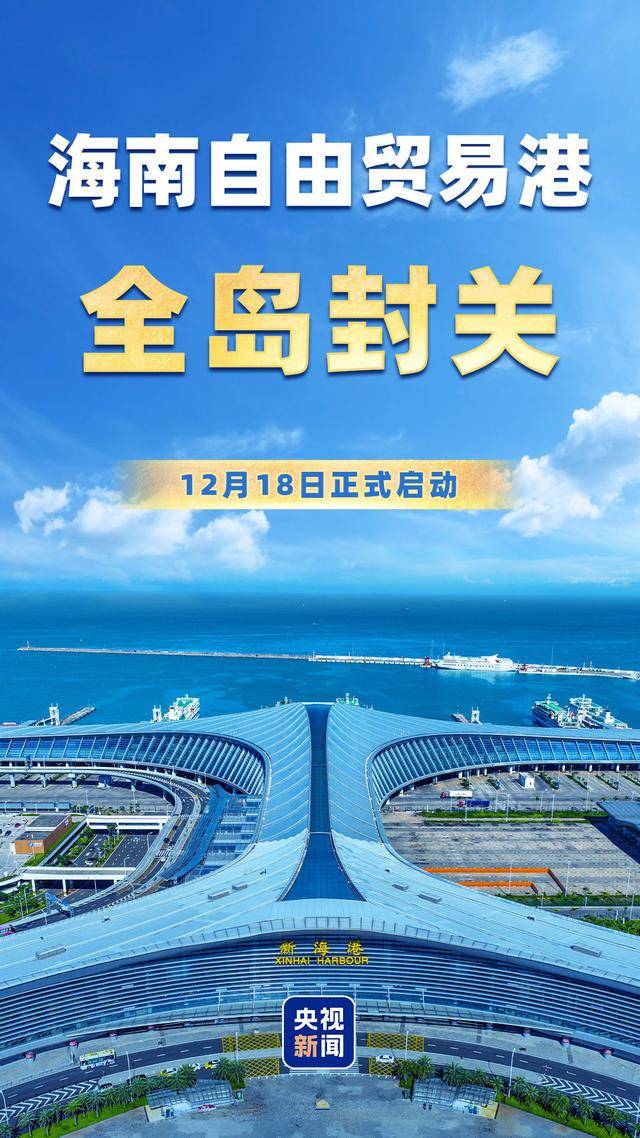
凝心聚力开新局 以经济强基筑牢复兴伟业
Xin Hua Wang· 2025-12-18 10:36
Group 1 - The core viewpoint emphasizes that high-quality development is laying a solid foundation for national rejuvenation, with the 2025 Central Economic Work Conference providing clear direction [1] Group 2 - The conference highlights the importance of domestic demand as a driving force, aiming to build a strong domestic market. Retail is rapidly transforming towards quality and service, with successful initiatives like appliance trade-ins and vibrant rural live-streaming sales [3] Group 3 - The conference stresses the need for innovation in foreign trade and expanding an open new pattern. It focuses on win-win cooperation across multiple fields, with cross-border live streaming and the continuous operation of the China-Europe Railway Express [5] Group 4 - The conference underscores the importance of people's livelihoods, aiming to do more practical things for the public. Stability in livelihoods, employment, income growth, and social security are emphasized to ensure a solid safety net [7] Group 5 - The conference advocates for a green transition, leading with the "dual carbon" goal to promote comprehensive green transformation. Green development is reshaping the economic ecology, with solar panels and new energy buses contributing to low-carbon urban transport [9]
视频丨多国人士:海南自贸港全岛封关释放投资便利 共享中国市场新机遇
Yang Shi Xin Wen Ke Hu Duan· 2025-12-18 09:50
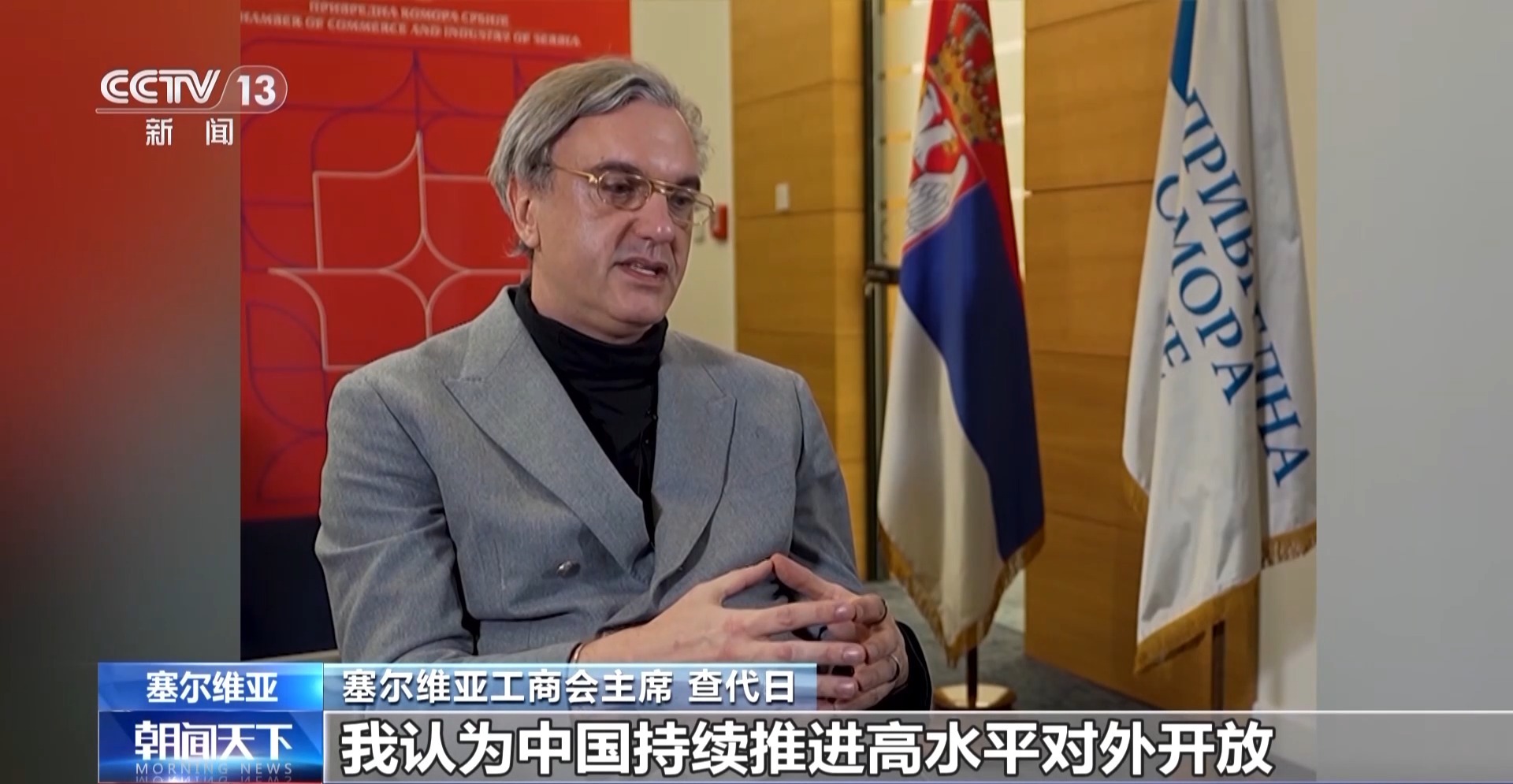
Core Insights - The Hainan Free Trade Port's full island closure operation officially started on the 18th, providing a more convenient environment for international trade and investment, and offering a practical path for deepening cooperation with Chinese enterprises [1][3]. Group 1: International Perspectives - Philip Laird, Vice President of Trinity Western University, stated that the full closure of Hainan Free Trade Port is a significant step in China's deepening of opening-up under President Xi Jinping's leadership, representing a high level of institutional innovation [3]. - Chadej, President of the Serbian Chamber of Commerce, emphasized that China's continuous high-level opening-up brings a foundation for certainty in an uncertain global environment, creating a more favorable business environment for enterprises [5]. - Marcos Pires, an international issues scholar at the University of São Paulo, highlighted the importance of the Hainan Free Trade Port platform for developing new markets, particularly for Brazilian coffee and other products from developing countries [7]. Group 2: Economic Opportunities - Gladys Hernández, Director of the International Finance Department at the Cuban World Economy Research Center, noted that Hainan offers attractive conditions such as tariff reductions, aligning closely with China's long-term development goals, and is expected to become a significant commercial and logistics center [9]. - Neville Marchi, CEO of a South African branding agency, pointed out the steady growth of Chinese investment in South Africa and the increasing collaboration, particularly in enhancing South Africa's exports to China [11]. - Manuel Mamba, Vice Governor of Cagayan Province in the Philippines, described the initiative as an effective way to break down protectionist barriers, promoting smoother global trade in goods and services [13].
决心!机遇!多国人士话封关·海南自贸港全岛封关为外企对华合作拓展现实路径
Yang Shi Wang· 2025-12-18 03:24
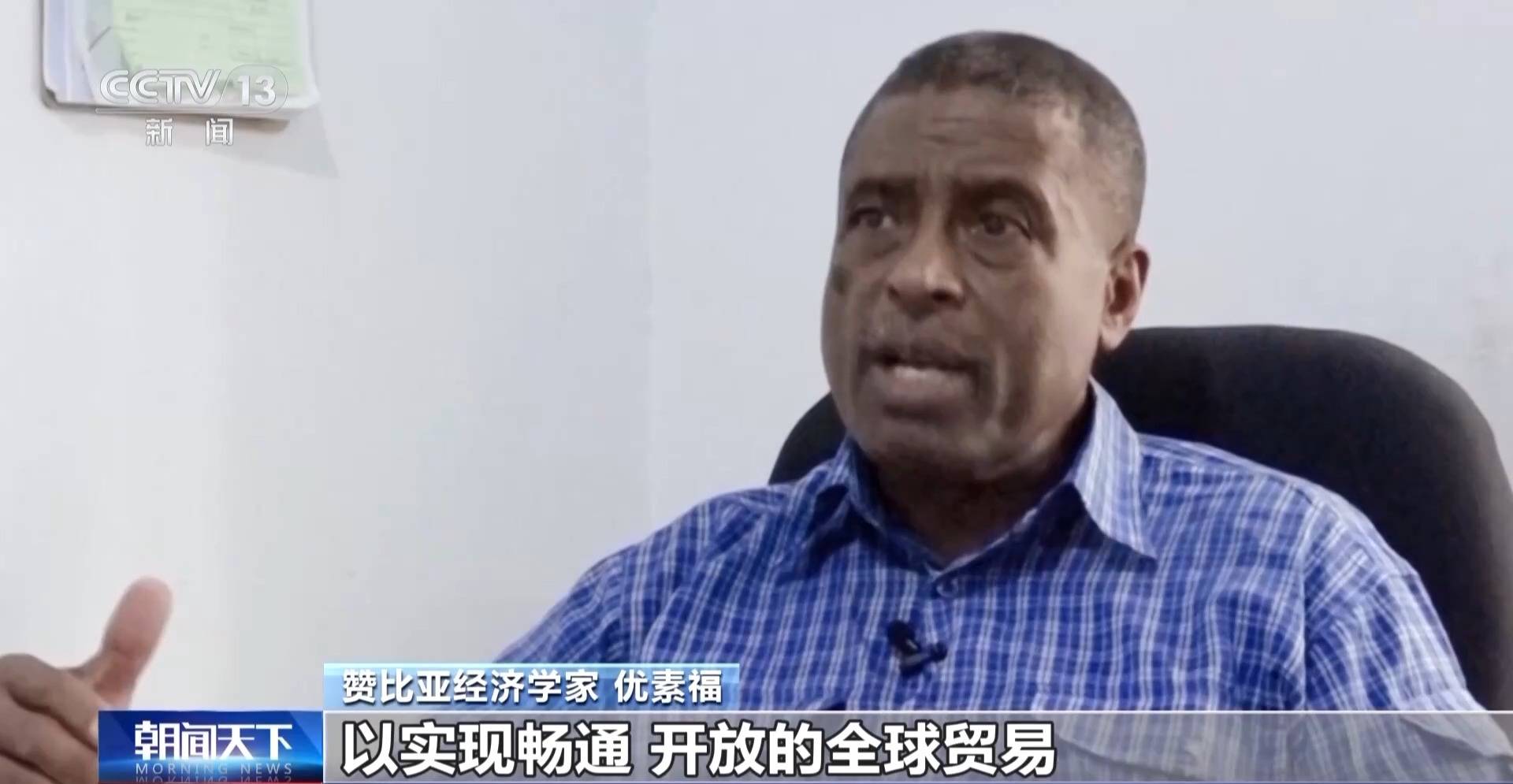
央视网消息:多国人士表示,海南自贸港全岛封关运作体现了中国坚定不移扩大高水平对外开放、推动建设开放型世界经济的决心,为国际经 贸合作营造了开放、包容的环境。 巴西圣保罗州立大学教授保利诺表示,中国采取的这项措施(海南自贸港全岛封关运作)彰显了中国致力于对外开放的决心。当一些国家采取 保护主义措施损害世界经济时,中国却大力推进对外开放。其双重目标是一方面通过进口,增加国内消费者获得新产品的机会。另一方面通过 进一步开放其庞大的市场与国际经济开展合作。 赞比亚经济学家优素福表示,习主席着眼于构建区域一体化,以实现畅通、开放的全球贸易,中国在其中扮演着重要角色。海南自贸港全岛封 关运作,使货物进出口可以实现高效、低成本流动。 伊拉克经济学家萨迪克表示,海南自贸港对于中国和全世界都具有重要意义,海南自贸港之所以备受关注,在于其具备吸引国际贸易,推动经 贸和文化发展的巨大潜力。 美国经济学家威廉·李表示,在21世纪余下的时间里,贸易的开放、资本流动的开放,以及人员往来的开放都将至关重要,这也将成为中国成 功的关键。继续保持这种开放,把海南自贸港作为一次实践是一个良好的开端。 封关释放投资便利 共享中国市场新机遇 多国人 ...
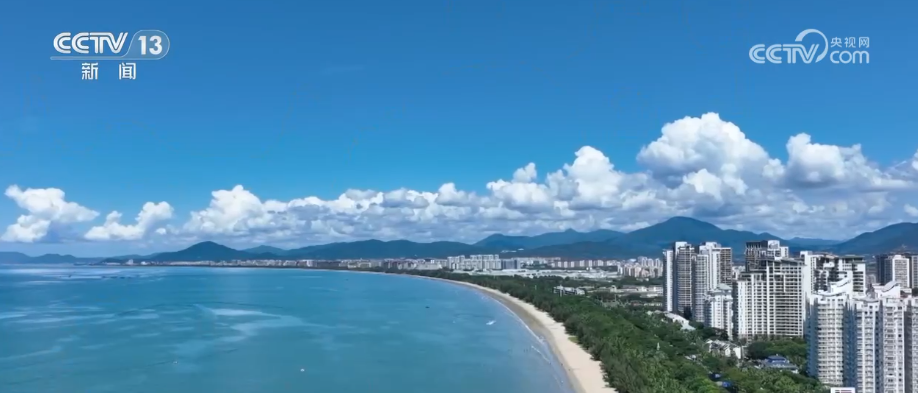
视频丨多国人士:海南自贸港全岛封关体现中国坚定对外开放决心
Sou Hu Cai Jing· 2025-12-18 02:11
Core Viewpoint - The official launch of the Hainan Free Trade Port's full island closure operation signifies China's commitment to expanding high-level openness and fostering an open world economy, creating an inclusive environment for international economic cooperation [1][3]. Group 1: Economic Impact - The operation of the Hainan Free Trade Port demonstrates China's determination to open up, contrasting with other countries that adopt protectionist measures, thereby enhancing domestic consumer access to new products through imports and facilitating international economic collaboration [1]. - The Hainan Free Trade Port enables efficient and low-cost movement of goods for import and export, contributing to regional integration and global trade [3]. Group 2: Business Environment - The Hainan Free Trade Port creates a high-tech and diversified business environment that allows overseas enterprises to quickly establish operations and facilitates exports, providing core experiences in promoting regional free trade [5]. - The port's significance lies in its potential to attract international trade and promote economic and cultural development, highlighting its importance for both China and the global community [7]. Group 3: Future Outlook - The openness of trade, capital flow, and personnel movement will be crucial in the remaining years of the 21st century, with the Hainan Free Trade Port serving as a practical example of maintaining this openness [9].
把“全世界都没有现成经验”的事干好
Hai Nan Ri Bao· 2025-12-18 01:57
张成林 金昌波 1978年—2025年。 改革开放47年,历史在海南又一次完成了新跨越! 2025年12月18日,海南自由贸易港正式启动全岛封关。 "在这么大范围实施封关运作,全世界都没有现成经验。"一个多月前的11月6日,习近平总书记亲 临海南并听取自由贸易港建设工作汇报时这样指出,同时强调"这是我国坚定不移扩大高水平对外开 放、推动建设开放型世界经济的标志性举措"。 1992年10月,上海市浦东新区设立; 47年前的12月18日,党的十一届三中全会开启了改革开放和社会主义现代化的伟大征程。如今,在 12月18日这一天启动海南自由贸易港全岛封关,具有重要象征意义,这是向世界展示我国坚定不移扩大 高水平对外开放的决心和信心。 凭海听风,心潮澎湃。以全岛封关为重要里程碑,海南自由贸易港实现"关键一跃",迈上了高水平 对外开放的新起点。 (一) 为什么是海南? 答案要在历史深处去追寻。 1978年,新中国的关键转折点,当年12月18日,党的十一届三中全会召开,作出实行改革开放的历 史性决策。 1980年8月,党和国家批准在深圳、珠海、汕头、厦门设置经济特区,为中国经济融入世界打开大 门。 1988年4月,七届全国 ...