数据安全

Search documents
电科网安2025年12月26日涨停分析:密码安全+数据安全+政策支持
Xin Lang Cai Jing· 2025-12-26 02:10
Group 1 - The core point of the news is that 电科网安 (Electric Science Cybersecurity) reached its daily limit up on December 26, 2025, with a price of 20.33 yuan, marking a 10.01% increase and a total market capitalization of 17.192 billion yuan [1] - The company has over 20 years of experience in the password security field and possesses national-level password technology innovation capabilities, indicating significant advantages in the industry [2] - The company has established the first online data compliance service platform in China and secured a three-year order worth 120 million yuan in collaboration with Century Huatong, demonstrating good expansion in the data security business and a broad market space [2] Group 2 - Recent policy changes, such as the revision of the Commercial Password Management Regulations, have led to a strong regulatory environment, resulting in sustained demand growth and providing policy support for the company's development [2] - The company has streamlined its governance structure by revising its articles of association and simplifying decision-making layers, which is beneficial for long-term development [2] - On the market performance side, the cybersecurity sector saw some stocks become active on the same day, creating a certain degree of sector linkage effect, with significant net inflows from large orders contributing to the stock's limit-up [2]

高盛就外部律师事务所数据泄露向部分另类基金客户发出警告
Xin Lang Cai Jing· 2025-12-26 01:00
Core Viewpoint - Goldman Sachs has warned investors in some of its alternative investment funds about potential data breaches due to a cybersecurity incident at its external legal advisor, Fried Frank Harris Shriver & Jacobson LLP [1][2]. Group 1: Incident Details - On December 19, Goldman Sachs received notification from Fried Frank regarding a "cybersecurity event" that may have compromised data related to multiple alternative funds [1][2]. - Fried Frank has stated that they took swift action to control the incident and have engaged leading external data security experts to assist in addressing the situation [3]. Group 2: Response and Security Measures - Goldman Sachs confirmed that its own systems were not affected by the incident and remain secure, emphasizing its commitment to protecting client data [1][2]. - Fried Frank reported that the vulnerability leading to the data breach has been fixed and that any leaked data is "unlikely to be disseminated or misused" [2][3]. - Goldman Sachs is conducting an independent assessment of Fried Frank's security controls to verify the effectiveness of their remedial measures [2][3].

网络聊天像“裸奔” 谁在买卖职场“监控神器”?
Xin Lang Cai Jing· 2025-12-25 16:20
Core Viewpoint - The article highlights the ethical and legal concerns surrounding a monitoring software that is being sold on social media platforms, which allows companies to surveil employees without their knowledge, potentially infringing on their rights and privacy [1][2]. Group 1: Software Functionality and Market Presence - A monitoring software named "Guoxin Security Control Platform" is being sold for under 300 yuan, claiming to have powerful surveillance capabilities that are undetectable by employees [1]. - The software can capture all communications, including text, images, videos, and files sent via platforms like WeChat, without the employee's awareness [1]. Group 2: Ethical and Legal Implications - The software's design promotes a model where employees are treated as default surveillance subjects, which raises significant ethical concerns regarding employee rights [2]. - The potential misuse of this software by malicious actors could lead to serious violations, such as data theft and privacy breaches, highlighting the urgent need for strict sales and usage regulations [2]. Group 3: Long-term Consequences - Continuous and covert monitoring can result in severe repercussions, including personal information leaks, erosion of trust, and accumulation of compliance risks, ultimately leading to a deterioration of corporate governance [3]. - Companies that engage in such practices risk losing their institutional boundaries and respect, which could hinder their growth and sustainability [3].
数字金融创新提速:让技术监管技术 让数据“可用不可见”
Mei Ri Jing Ji Xin Wen· 2025-12-25 14:57
Core Insights - Digital finance is rapidly transforming the financial system and is becoming a key driver for high-quality economic development, but data security risks must be addressed [1] - The application of AI and other technologies in financial services is reshaping the industry, with a focus on customer-centric innovations and personalized financial products [2][3] - Regulatory bodies emphasize the importance of balancing innovation with risk management to ensure market stability [4] Digital Finance Development - Digital finance is a core pillar of the digital economy, leading to innovations such as digital wallets and facial recognition payments [1] - Financial institutions are increasingly adopting AI technologies to enhance service delivery and operational efficiency, with examples including ICBC's "AI+" initiative and the deployment of AI assistants at China Merchants Bank [2] Data Security Challenges - The integration of advanced technologies like generative AI, blockchain, and quantum computing presents multifaceted security challenges, including data privacy risks and potential vulnerabilities in AI systems [5][6] - The unique nature of financial data means that breaches can lead to significant systemic risks, necessitating robust security measures [5][6] Expert Recommendations for Risk Mitigation - Experts suggest a multi-faceted approach to data security, including enhancing protective measures, developing regulatory technology, and establishing comprehensive data governance frameworks [8] - The implementation of privacy-enhancing technologies and the establishment of unified data security standards are critical for safeguarding sensitive information [9]
数字金融狂奔下的创新与风险博弈:让技术监管技术,让数据可用不可见
Mei Ri Jing Ji Xin Wen· 2025-12-25 14:57
Group 1 - The concept of "digital finance" is becoming a core pillar of the digital economy, rapidly restructuring the financial system and driving high-quality economic development [1] - Data security risks in digital finance are a significant concern, as the leakage of core financial data can threaten the stability of the financial system and public interests [1] - Small and medium-sized financial institutions often lack robust security measures, complicating risk prevention and posing challenges to the industry's security governance [1] Group 2 - The development of digital finance is a key national strategy, with recent policies emphasizing the importance of digital finance in enhancing China's digital economy [2] - Financial institutions are undergoing digital transformation, focusing on customer-centric business model innovations and personalized financial products [2] - By mid-2025, major banks like ICBC are implementing AI initiatives to enhance various business areas, showcasing the integration of technology in financial services [2] Group 3 - AI applications in retail banking are expanding, with banks like China Merchants Bank and Postal Savings Bank utilizing AI to enhance customer service and operational efficiency [3] - The use of generative AI and other advanced technologies presents multifaceted security challenges, including data privacy risks and potential vulnerabilities in AI systems [5][6] - Experts suggest that the risks associated with generative AI and blockchain can be managed through improved technology and regulatory frameworks [7][8] Group 4 - Financial institutions are encouraged to adopt new technologies for risk management while ensuring market stability [5] - The integration of privacy-enhancing technologies and robust data governance frameworks is essential for addressing data security risks [8][9] - Industry-wide collaboration on data security standards and threat intelligence sharing is necessary to prevent isolated security challenges among institutions [9]
数字金融创新提速:让技术监管技术,让数据“可用不可见”
Mei Ri Jing Ji Xin Wen· 2025-12-25 14:49
Core Insights - Digital finance is rapidly transforming the financial system and is becoming a key driver for high-quality economic development, but it also brings significant data security risks [1][4] - The application of technologies like AI, blockchain, and quantum computing in finance presents complex security challenges that require comprehensive risk management strategies [5][6] Group 1: Digital Finance Development - Digital finance is a core pillar of the digital economy, reshaping financial services such as digital wallets and face recognition payments [1] - Financial institutions are innovating business models to be customer-centric, offering personalized financial products and integrating services into various life scenarios [2] - Major banks like ICBC and China Merchants Bank are leveraging AI to enhance customer service and operational efficiency, with ICBC launching over 100 AI applications [2][3] Group 2: Data Security Risks - Data security risks in digital finance are characterized by high concentration, rapid cross-industry transmission, and strong concealment of technical means [1] - The application of generative AI and other technologies can lead to dual risks, including unauthorized data scraping and potential leaks of sensitive financial information [5][6] - The financial sector faces challenges from API misuse, third-party cooperation vulnerabilities, and the inherent risks of emerging technologies like blockchain and quantum computing [6][7] Group 3: Regulatory and Risk Management - Regulatory bodies emphasize the importance of balancing innovation with risk control, ensuring that financial markets remain stable and orderly [4] - Experts suggest that financial institutions should enhance their data protection measures, develop regulatory technology, and establish comprehensive data governance frameworks [8][9] - There is a call for the establishment of unified data security standards and collaborative capabilities across the industry to avoid security silos [9]

信源密信AI平台——智能办公高效解决方案
Xin Lang Cai Jing· 2025-12-25 12:40
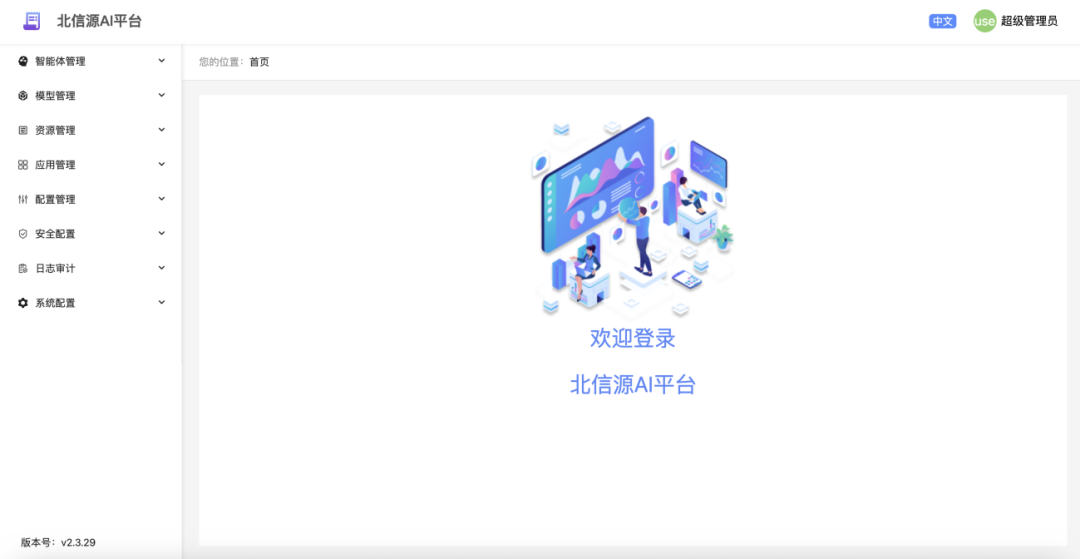
方案背景 在AI重塑千行百业的今天,政企单位在应用AI技术时普遍面临多重困境:对接国内外主流大模型需重复开发接口,耗时耗力;内部知识库与敏感数据在 调用AI时存在泄露隐患,合规压力巨大;业务人员缺乏技术背景,难以将AI能力融入实际工作流程;系统权限管理松散,易触碰数据安全"红线";私有化 部署成本高企,维护难度大……这些问题如同"隐形枷锁",阻碍了AI价值的充分释放。 为了解决这些难题,信息安全龙头企业北信源(股票代码:300352)自主研发的智能化解决方案信源密信AI平台(以下简称平台),以"一站式智能化底 座"破局行业痛点,为政企单位提供从对接、开发到安全管控的全链路解决方案,助力企业在保障数据主权的同时,轻松拥抱AI生产力。 信源密信AI平台六大特色 私有部署 自主研制 完全自主知识产权实现数据自主可控,保障核心业务数据不出域,满足政企客户对数据安全和合规性的最高要求。 模块架构 智能选体 技术架构采用模块化设计,灵活接入技术工具或适配复杂环境;智能匹配引擎精准选择智能体高效响应每一次提问。 语言交互 专词识别 支持语音识别、语音合成私有模型技术,保障数据安全,并可以针对特定名词进行修复处理,提升交互精 ...


他们为何急于注销携程?
Xin Lang Cai Jing· 2025-12-25 11:43
前文回顾:新华社炮轰直播带货了 炒股就看金麒麟分析师研报,权威,专业,及时,全面,助您挖掘潜力主题机会! 来源:智识漂流 出来混,迟早要还的。过去在灰色地带游走积累的怨气,在此刻完成了总清算。 ------ 柬埔寨要免签,携程忙签约。 但一纸旅游推广协议,没等来"说走就走"的浪漫,倒先炸出了"说删就删"的决绝。 这两天,互联网上疑似最壮观的迁徙,不是去哪个景点打卡,而是用户扛着数据铺盖卷,连夜从携 程"出逃"。 卸载、注销、解绑,一气呵成,仿佛一场数字时代的静默起义。 面对这场"信任雪崩",携程终于出来"郑重声明"了。声明一如既往地"严谨":合作是纯广告,不涉数 据;投放已暂停,绝无泄露;协议已上交,欢迎核查。 字里行间,透着大厂特有的沉稳与规范,仿佛在说:这只是个误会,大家别慌。 可用户用脚投票的速度,比声明跑得快多了。 1 网上流传着"48小时卸载量飙升217%"、"300万人点击注销"的说法。 但往深了看,这是新仇勾起了旧账。2014年的支付漏洞、2018年的数据过度收集,每一次安全"前科", 都像埋在信任里的地雷,只等一个契机被踩响而已。 柬埔寨的合作,恰好成了那根导火索。 这数字应是过于夸张了,但恐 ...


近六成受访者用智能家居家电曾遇麻烦,比例最高的是扫地机器人
Yang Zi Wan Bao Wang· 2025-12-25 10:48
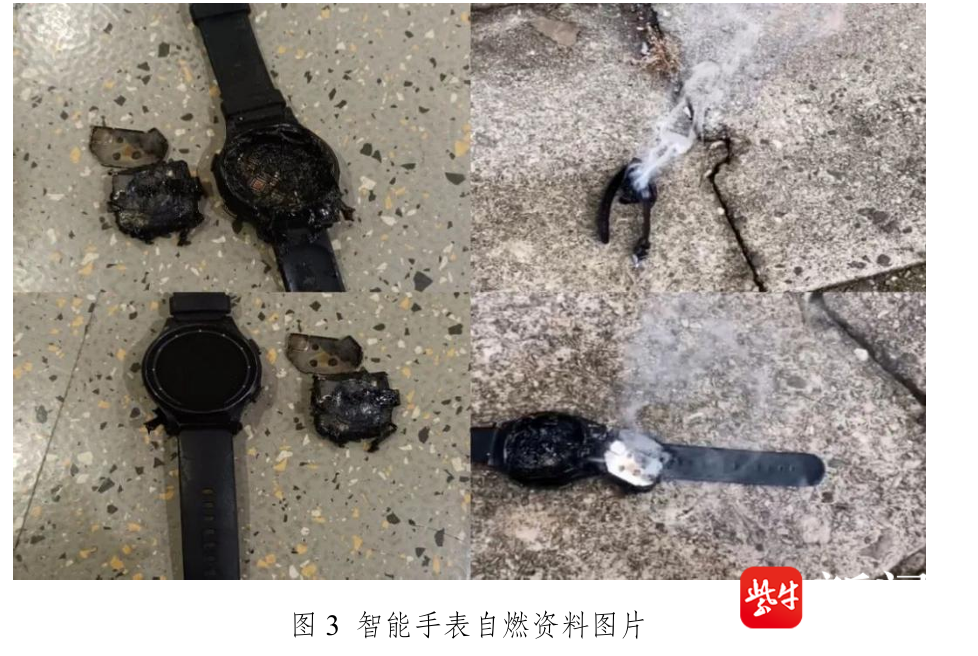
Core Insights - The report by Jiangsu Consumer Protection Committee highlights significant consumer concerns regarding smart home appliances, particularly issues related to product quality and data privacy risks [1][3][11] Group 1: Consumer Satisfaction and Issues - Over 80% of respondents expressed satisfaction with smart home appliances, with 34.96% very satisfied and 46.88% somewhat satisfied [2] - Among the 10 popular smart home products surveyed, the highest issue rate was reported for robotic vacuum cleaners and floor washers at 47.76%, followed by smart washing machines at 34.60% and smart locks at 28.12% [9][10] - A total of 59837 consumer protection complaints related to smart home appliances were recorded in Jiangsu from January 1 to November 30, 2025 [2] Group 2: Privacy and Security Concerns - Analysis revealed that some smart home products pose data leakage risks, with reports of unauthorized access to camera feeds and personal data [3][4] - Specific incidents included a brand of smart camera being remotely activated while in sleep mode, leading to unauthorized video recordings [3] Group 3: Product Quality and Functionality - Issues with product quality were noted, including a case where a smart watch caused burns to a user due to malfunction [5] - Consumers reported difficulties with device compatibility, leading to a fragmented user experience where multiple apps are required for different devices [7][11] - For robotic vacuum cleaners, 64.67% of users reported problems with objects getting stuck, and 47.58% faced issues with navigation functionality [10] Group 4: Recommendations for Improvement - The Jiangsu Consumer Protection Committee recommends that manufacturers enhance data security measures, simplify app interfaces, and ensure compatibility across different brands to improve user experience [11]

网络聊天像“裸奔”,谁在买卖职场“监控神器”?
Xin Jing Bao· 2025-12-25 09:39
Core Viewpoint - A monitoring software named "Guxin Security Control Platform" is being sold on social media for under 300 yuan, allowing companies to secretly monitor employees' computer screens without their knowledge [4][5]. Group 1: Software Features and Sales - The software can be installed on both laptops and desktops, and it operates without any visible notifications to employees, making it undetectable during its operation [4]. - Sales personnel have demonstrated the software's capabilities, claiming it can capture all communications, including text, images, videos, and files sent via platforms like WeChat [4]. - Multiple companies, including a well-known domestic IT service provider, have reportedly purchased this monitoring software [4]. Group 2: Ethical and Legal Concerns - The software's design violates ethical standards by not requiring prior notification to employees, thus infringing on their rights [5]. - Monitoring should be limited to work-related content, and the software's capability to access personal communications raises significant privacy concerns [5]. - The potential misuse of such software by malicious actors could lead to serious legal violations, including data theft and privacy breaches [6]. Group 3: Regulatory and Compliance Issues - The existence of this software is often viewed as operating in a gray area, but current laws clearly define the requirements for collecting and using personal information [7]. - Companies using such software may face reputational risks and compliance issues, as long-term covert monitoring can lead to trust erosion and governance failures [7]. - The pursuit of data security and efficiency should not rely on invasive monitoring tools, as they can undermine the organizational structure and ethical standards of a company [7].