消费者权益保护

Search documents
一文解读|银监法迎20年来最大修订,如何重塑银行业监管格局?
2 1 Shi Ji Jing Ji Bao Dao· 2025-12-28 03:33
21世纪经济报道 记者郭聪聪 日前,十四届全国人大常委会第十九次会议对《银行业监督管理法(修订草案)》(下称《修订草 案》)进行了审议,并正式向社会公开征求意见。 一、《修订草案》如何强化股东、实际控制人监管? 实践中有的银行业机构的主要股东、实际控制人不当越位、干预经营,甚至虚假出资、抽逃资本,搞不 当关联交易和利益输送等情况,为加强银行业金融机构股权管理,本次《修订草案》落实中央金融工作 会议关于穿透式监管的要求,进一步延伸监管链条,将机构主要股东、实际控制人纳入监管范围,建立 事前、事中、事后全流程监管制度。 上海金融与发展实验室首席专家、主任曾刚分析道:"本次修订法案的一个重要变化就是,监管关注的 重心,正从'只盯住持牌机构'逐步延伸到'围绕机构运行所依赖的关键关系与关键环节'。因此,《修订 草案》将理财公司、消费金融公司、汽车金融公司、货币经纪公司等纳入列举范围,使法律适用对象与 当前持牌体系更一致。这样做的直接意义是统一监管依据、减少适用争议,也为监管资源配置与检查边 界提供更明确的法律坐标。" 与此同时,《修订草案》明确主要股东、实际控制人准入标准,强化穿透审查。新增主要股东、实际控 制人文件报 ...

德意志银行彭彦杰:海南自贸港为跨境金融产品与服务创新提供了独一无二的试验田
Zheng Quan Shi Bao Wang· 2025-12-27 13:34
Core Viewpoint - The establishment of a free trade port in Hainan presents new opportunities for the wealth management industry, with unique policies facilitating innovation in cross-border financial products and services [1] Group 1: Wealth Management Opportunities - The free trade port policies in Hainan provide favorable conditions for establishing flexible and international trust structures, utilizing tools such as family trusts and insurance to achieve asset isolation, risk prevention, and smooth inheritance [1] - There is potential to design RMB-denominated fund management products that meet investor needs, leveraging the pilot program for cross-border asset management [1] Group 2: Sustainable Development and Consumer Protection - Wealth management should be based on ESG sustainable development principles and integrated with substantial consumer rights protection, promoting healthy market development through continuous engagement and investor education [1] Group 3: Charitable Trusts and Impact Investing - Charitable trusts and impact investing are important avenues for wealth to benefit society, with Hainan having issued relevant guidelines to foster a transparent and regulated charitable finance ecosystem [1]

消协换届启新程 消费维权再发力
Xin Lang Cai Jing· 2025-12-25 19:22
本报12月25日讯 (记者 李国萍)12月24日,内蒙古自治区消费者协会在呼和浩特市召开理事会换届选 举暨第七届理事会一次会议。会议依法依章程表决产生了新一届理事会成员,选举产生了新一届理事会 领导机构,审议通过了新修订的《内蒙古自治区消费者协会章程》,标志着自治区消费者权益保护工作 迈入新阶段,开启新征程。 消费者协会是依法成立的对商品和服务进行社会监督、保护消费者合法权益的社会组织,是党和政府联 系广大消费者的重要桥梁纽带。2021年至2025年10月,内蒙古各级消协组织及12315平台累计受理消费 者投诉 【下载黑猫投诉客户端】87.3万件、咨询115.97万件,投诉办结率超98%,涉及争议金额18.1亿 元,为消费者挽回经济损失5.28亿元。5年来,各级消协组织不仅充分发挥12315投诉平台作用,畅通投 诉渠道,简化投诉流程,而且凝聚消费维权合力,加强部门协同共治,构建起消费维权新格局。为激发 消费活力,全区各级消协组织深入开展放心消费环境创建工作,2023年打造放心消费街区(商圈)90 家,2025年启动放心消费承诺活动,目前已培育放心消费承诺单位869家。 消费者权益保护既是调解消费纠纷的"关键小 ...
凝聚多方智慧,护航消费安全| 省局调研组莅临我市调研
Sou Hu Cai Jing· 2025-12-25 11:45
Group 1 - The core viewpoint of the article emphasizes the importance of gathering grassroots opinions for the revision of the Henan Province Consumer Rights Protection Regulations [2][4] - The research team conducted on-site visits to local businesses, including a shopping mall and a food production company, to understand consumer rights protection practices and challenges [2][4] - The discussions highlighted key issues such as the identification of profit-driven complainants, regulation of prepaid consumption, distribution of costs for consumer dispute detection, applicability of punitive damages, and supervision of new consumption formats [4][6] Group 2 - The research team established a communication bridge between regulatory authorities, market entities, and consumers, ensuring that the regulation revisions align with grassroots realities and public needs [6] - The local market supervision bureau plans to actively follow up on the regulation revision process and prepare for the implementation of new rules to better protect consumer rights [6]

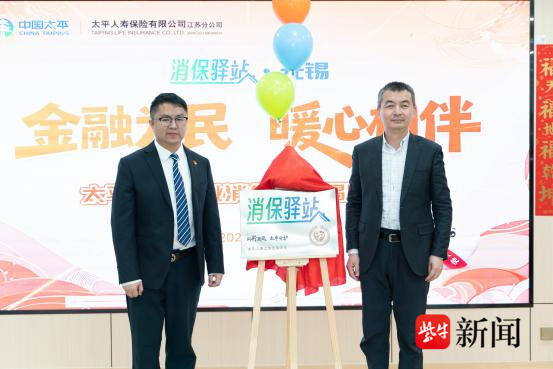
太平人寿江苏分公司“消保驿站”无锡站揭牌 打造“一站式”金融为民服务新阵地
Yang Zi Wan Bao Wang· 2025-12-25 05:42
Core Viewpoint - The establishment of the "Consumer Protection Station" by Taiping Life Insurance in Wuxi, Jiangsu, represents a significant step in enhancing consumer rights protection and upgrading convenient service systems, aiming to integrate financial services with consumer rights protection into community life [1][3]. Group 1: Functions of the Consumer Protection Station - The station combines four main functions: financial education, insurance service processing, consumer rights protection, and community innovation co-construction, creating a "nearby, warm, one-stop" service front [3]. - The "Financial Education Zone" serves as a "financial knowledge charging station" for community residents, promoting financial literacy and risk awareness through various outreach activities [6]. - The "Insurance Service Zone" focuses on providing convenient and personalized services for in-person clients, particularly catering to the needs of foreign nationals, the elderly, and individuals with disabilities through bilingual services and accessible facilities [6]. Group 2: Consumer Rights Protection and Community Engagement - The "Rights Protection Zone" aims to preemptively address disputes by establishing mediation stations in collaboration with regulatory bodies, ensuring efficient and fair resolution of consumer complaints [6]. - The "Innovation Co-construction Zone" offers community amenities such as microwaves and charging stations, while also organizing skill training and festive activities to foster interaction between the company and the community [6]. - Following the unveiling ceremony, a traditional Chinese medicine free clinic was well-received, indicating the community's positive response to the station's initiatives [8].

保险业举办消保专题培训
Xin Lang Cai Jing· 2025-12-24 23:57
(来源:湖州日报) 转自:湖州日报 本报讯 市保险行业协会近日组织举办消费者权益保护专题培训,全市40家保险公司及3家专业中介公司 参加。 本次培训特邀专业执业律师,围绕《商业保险纠纷与调解实务》进行授课,紧扣行业消保工作实际难 点。培训聚焦退保、理赔、保险欺诈等常见争议类型,结合真实案例解读相关法律适用要点,细致讲解 纠纷调解实用技巧,帮助参训人员直观掌握矛盾化解方法。同时,课程强调风险前置管理与销售行为规 范化的重要性,致力于从源头防范纠纷、减少投诉,为湖州保险业消保工作提供了专业、可落地的思路 指引。 "此次培训内容务实、案例鲜活,既夯实了参训人员的法律基础,也提升其纠纷化解与消保实务能力, 实现了以训赋能、以学促干的目标。"市保险行业协会消保专委会呼吁行业从业人员以此次培训为契 机,持续加强专业学习、提升履职能力,熟练运用调解机制高效化解保险纠纷,进一步推动湖州保险业 消费者权益保护工作提质增效,共同营造健康有序、诚信规范的保险市场环境,守护消费者合法权益。 记者 自牧 ...
除了12315,这些正规投诉途径你知道吗?高效维权指南
Xin Lang Cai Jing· 2025-12-24 06:19
Core Viewpoint - The article emphasizes the importance of a multi-layered and diversified consumer dispute resolution system in China, highlighting various effective complaint channels beyond the official 12315 platform [1][9]. Group 1: Complaint Channels - **Industry Supervisory Departments and Associations**: These channels are specialized and have a strong understanding of industry regulations, allowing for precise problem resolution [10][14]. - **Large Internet Platforms and Media-Hosted Public Complaint Platforms**: These platforms, such as the Black Cat Complaint platform, serve as communication bridges and amplify consumer voices through social supervision [14][15]. - **Market Entities' Own Complaint Channels**: Businesses and platforms often have their own customer service systems that can provide direct and efficient resolutions [15][16]. - **Consumer Organizations**: Organizations like the China Consumers Association play a crucial role in social supervision and protecting consumer rights [16][19]. Group 2: Effective Utilization Strategies - **Initial Contact**: Consumers should first attempt to resolve issues through official channels like apps or customer service, as this is often the quickest method [18][20]. - **Evidence Collection**: Maintaining clear evidence such as order screenshots and communication records is essential for effective complaint resolution [20]. - **Reasonable Claims**: Claims should be based on factual and legal grounds to facilitate resolution, avoiding excessive demands [20]. - **Parallel Approaches**: For complex disputes, consumers can simultaneously engage multiple channels to increase pressure on the issue [20]. Group 3: Conclusion - The diversification of complaint channels reflects the maturity and progress of modern consumer society, with 12315 serving as a strong support but not the only option available [8][20].
开通“一键直达” 取消“九曲十八弯”
Xin Lang Cai Jing· 2025-12-23 20:12
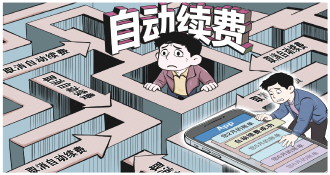
提醒方式不够醒目 (来源:法治日报) 转自:法治日报 □ 本报记者 孙天骄 □ 本报见习记者 王宇翔 "本想只开一个月会员,却被悄无声息扣费两年""开通会员 一键操作,取消却要闯'迷宫'"……如今,视频、阅读、快递、网盘各类App的会员服务已渗透日常生活 的各个角落,"首月低价""连续订阅享优惠"等低价营销话术,吸引了不少消费者开通自动续费。 然 而,《法治日报》记者近日调查发现,优惠背后,不少平台暗藏"猫腻":有的仅以不显眼的站内消息推 送扣费通知,并未以显著方式提前提醒续费;有的则设置复杂的取消路径,为消费者设下重重障 碍,"开通'一键直达',取消'九曲十八弯'"成为常态。 不少受访的消费者直言,自己仿佛"掉进了消费迷 宫",在不知不觉中持续支付了数月甚至数年的会员费用,直到查询账单时才发现;还有消费者感慨, 看似"省心"的自动续费,实则成了"甩不掉的负担",一旦想要维权,过程费时费力。 11月中旬的一天,北京市民刘女士收到一条银行扣费短信,显示App Store(苹果手机自带App应用商 城)扣款53元。 "这是哪来的扣费?"带着困惑,刘女士查看了付款银行卡的交易信息,但收款方一栏 仅显示App Sto ...
高额退订费成消费“隐形陷阱”
Xin Lang Cai Jing· 2025-12-23 20:12
Core Viewpoint - The article highlights the challenges consumers face regarding refund policies in the online service industry, particularly in travel, entertainment, and hospitality sectors, where strict no-refund policies and high penalties for cancellations are prevalent [1] Group 1: Consumer Experiences - A consumer named Chen faced a non-refundable policy for a tour package, despite the cancellation not affecting the travel agency's ability to regroup [1] - Another consumer, Guo, encountered difficulties in obtaining a refund for movie tickets, with the platform initially refusing to process the request based on its own rules, which were later contradicted by the cinema [1] - Wang, who had to cancel a hotel reservation due to a medical emergency, was initially denied a full refund by the platform but succeeded after directly contacting the hotel [1] Group 2: Legal and Regulatory Insights - A court case in Haidian District ruled against a strict no-refund policy, emphasizing that businesses should not impose excessive penalties when consumers cannot fulfill their contracts due to unforeseen circumstances [1] - Legal experts argue that consumer protection laws prohibit unfair terms that limit consumer rights, suggesting that clauses stating "no cancellations under any circumstances" are invalid [1] - Recommendations include the establishment of tiered refund policies by industry associations or regulatory bodies to balance consumer rights and business costs, promoting fair practices in the industry [1]
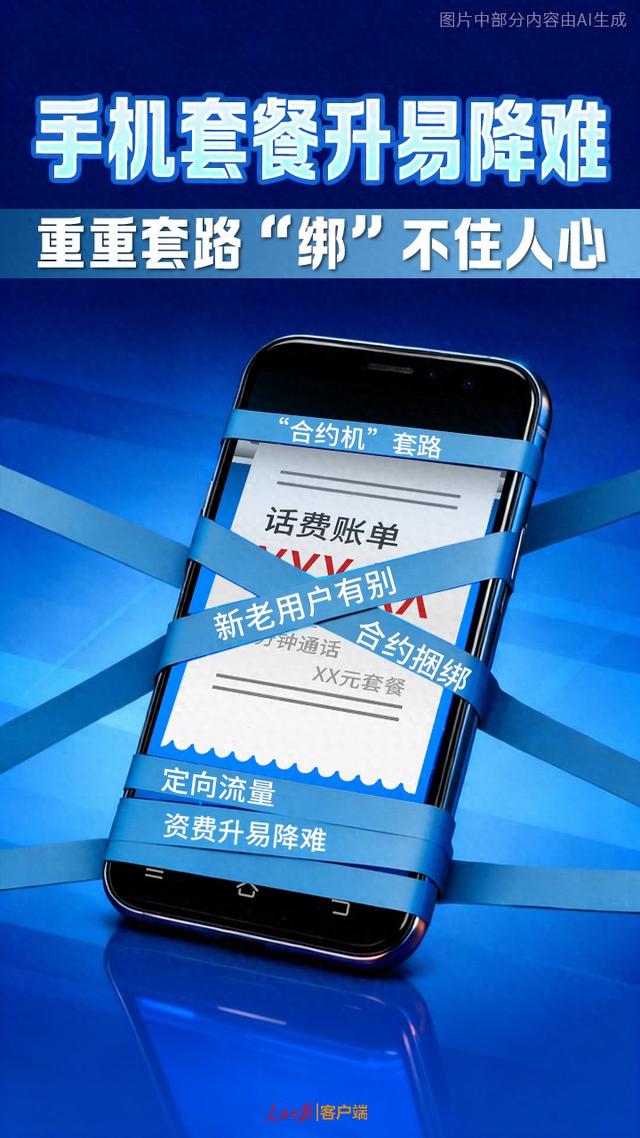
手机套餐升易降难,重重套路“绑”不住人心
Xin Lang Cai Jing· 2025-12-23 12:55
Core Viewpoint - Despite the long-standing promotion of "speeding up and reducing fees" in mobile communication, consumers still face significant obstacles when trying to change their service plans, particularly when downgrading [1][4]. Group 1: Consumer Challenges - Consumers encounter difficulties when attempting to switch to lower-priced plans, often facing penalties or being told they cannot change due to "new and old user differences" [4]. - Many users express frustration over the need to abandon long-held phone numbers to save money, as they are often stuck in high-priced plans with limited options [4]. - Some operators engage in misleading advertising, claiming unlimited data while providing mostly "targeted data" that cannot be used freely [4]. Group 2: Regulatory and Legal Framework - The Consumer Rights Protection Law of the People's Republic of China guarantees consumers the right to choose products or services freely [5]. - The Telecommunications Regulations prohibit operators from restricting users to specific services, indicating that practices like making upgrades easy but downgrades difficult may violate consumer rights [5]. - There is a call for more detailed regulations and oversight to prevent operators from using deceptive practices and to ensure consumers can easily change their plans [5]. Group 3: Recommendations for Improvement - It is suggested that operators should simplify the process for consumers to select suitable plans based on their needs, rather than creating barriers to keep them in high-priced packages [6]. - Operators are encouraged to shift their performance evaluation models to focus on understanding market demands and providing better customer service, which would respect consumer rights [6]. - The importance of transparent pricing, quality networks, and fair transactions is emphasized as essential for building long-term trust and support from consumers [6].