
手机套餐

Search documents
工信部撑腰,降套餐不用跑了
猿大侠· 2026-02-07 04:09
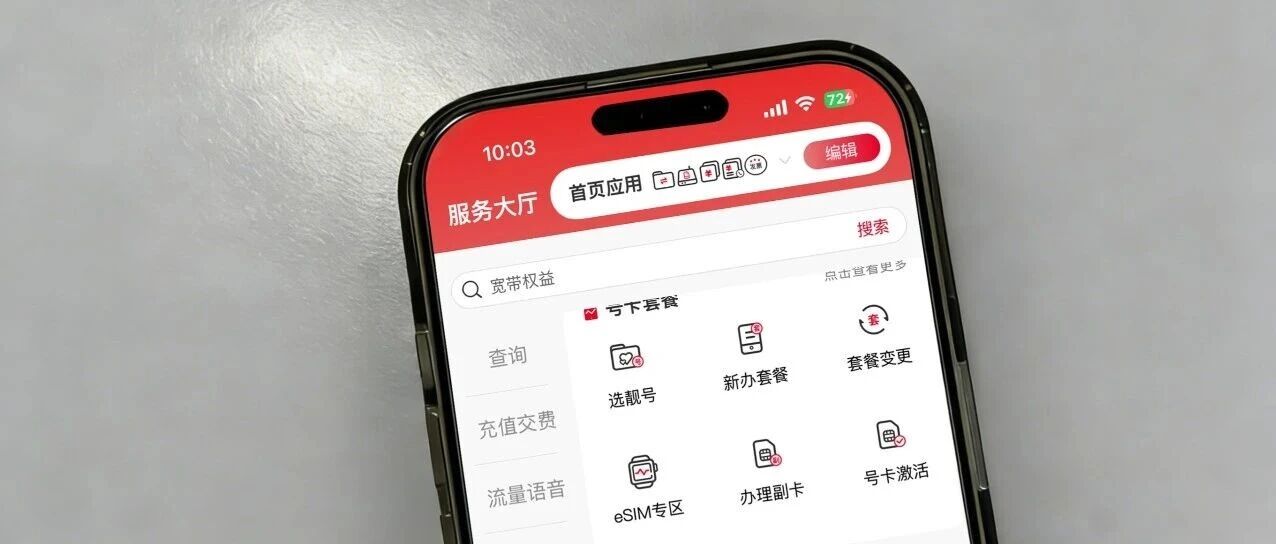
Core Viewpoint - The article discusses the implementation of the Ministry of Industry and Information Technology's (MIIT) initiative "Clear Handling, Safe Use" for telecom services, which aims to simplify package changes and enhance transparency in pricing starting from January 1, 2026 [1]. Group 1: Implementation of New Regulations - Telecom operators are required to provide equal convenience for online and offline package changes, allowing users to downgrade their plans through mobile apps without needing to visit physical stores [1][2]. - Users can easily navigate the official app to find options for changing their packages, including low-cost basic plans [2]. Group 2: Customer Service Improvements - If users cannot find the option to downgrade in the app, they can contact online customer service and reference the new regulations to expedite the process [4][5]. - Mentioning the possibility of filing a complaint with the MIIT often leads to immediate resolution of issues with customer service [5]. Group 3: Transparency in Pricing - The new regulations mandate telecom operators to clearly display pricing information, including monthly fees, data limits, and contract terms, in a dedicated section of their apps [5]. - Following the MIIT's initiative, complaints in the telecom sector decreased by 21.74% in the second half of 2025, indicating improved customer satisfaction [5][6]. Group 4: Consumer Empowerment - Users have reported successfully downgrading their plans to significantly lower prices, demonstrating increased consumer autonomy in managing telecom services [6].




手机套餐要涨价了?中国移动们税率上调,eSIM或缓解成本压力
3 6 Ke· 2026-02-03 09:45
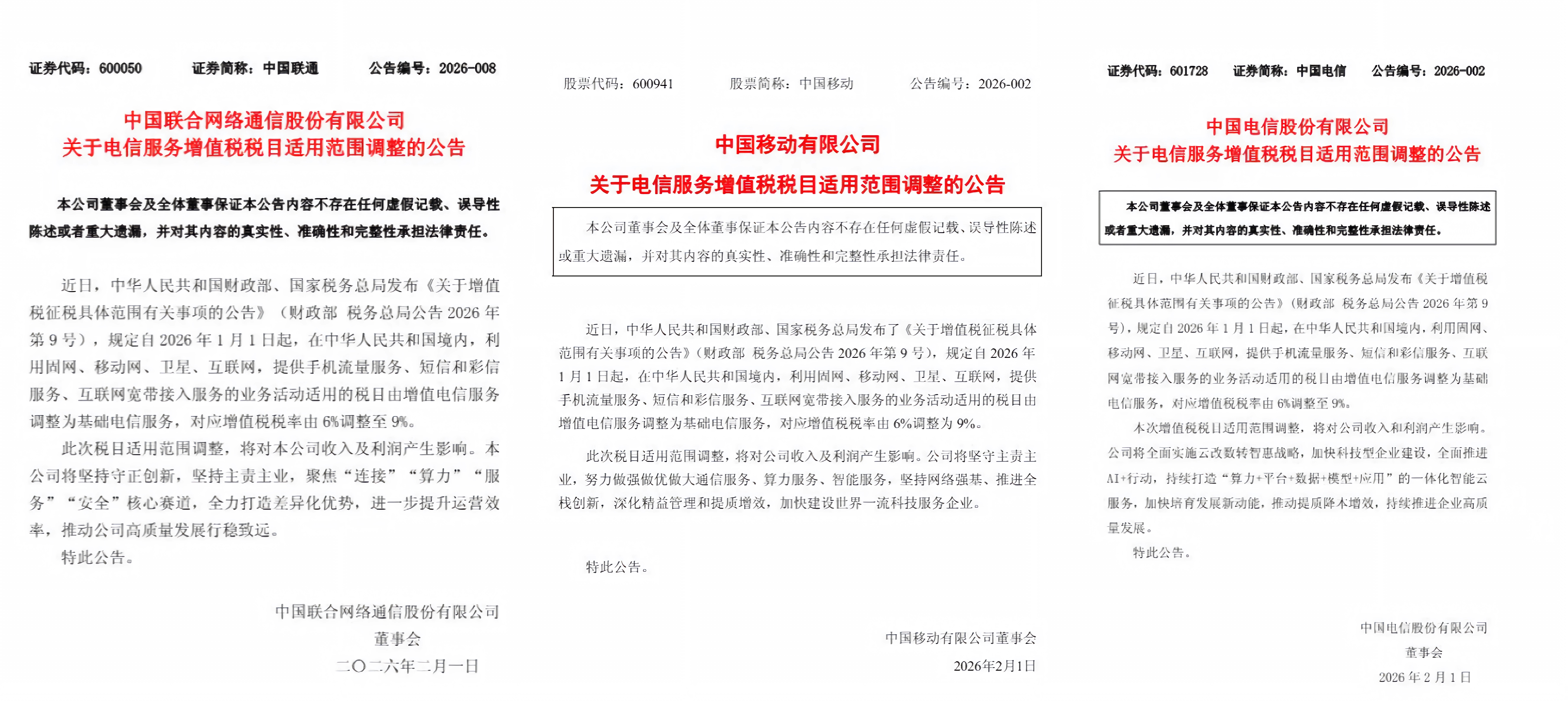
Core Viewpoint - The recent adjustment of the value-added tax (VAT) rate from 6% to 9% for telecom services by China's three major operators is expected to impact their revenue and profit, leading to potential price increases for consumers in the future [1][3][12]. Group 1: Tax Rate Adjustment - The adjustment of the VAT rate will affect the income and profit of telecom companies, as they have explicitly stated in their announcements [3][5]. - The classification of telecom services will change from "value-added telecom services" to "basic telecom services" starting January 1, 2026, indicating that services like mobile data and broadband are now considered essential [3][5]. - The increase in VAT does not mean an immediate price hike for consumers, but it will reduce the net income that operators can retain from the same amount of revenue [5][14]. Group 2: Pricing Dynamics - Despite the tax increase, the overall trend in mobile data pricing has been downward, making it challenging for operators to raise prices without risking customer dissatisfaction [8][9]. - The competitive landscape among telecom operators, including the ease of number portability, complicates the decision to increase prices, as it could lead to customer churn [8][12]. - Historical data shows that high pricing strategies have not been sustainable, as seen with the introduction of 5G services, which initially had high costs but have since seen significant reductions in pricing to encourage adoption [9][11]. Group 3: Future Growth Strategies - The operators are facing pressure to find new growth avenues due to limited user growth and shrinking profit margins, exacerbated by rising operational costs and tax adjustments [12][14]. - Innovations like eSIM technology are being explored as potential new revenue streams, allowing for more flexible pricing models and the ability to attract new users without the need for physical SIM cards [14][15]. - The market is cautious about any price increases, as consumer sensitivity to pricing has heightened, making it essential for operators to carefully consider their strategies moving forward [12][14].


除了12315,这些正规投诉途径你知道吗?高效维权指南
Xin Lang Cai Jing· 2025-12-24 06:19
Core Viewpoint - The article emphasizes the importance of a multi-layered and diversified consumer dispute resolution system in China, highlighting various effective complaint channels beyond the official 12315 platform [1][9]. Group 1: Complaint Channels - **Industry Supervisory Departments and Associations**: These channels are specialized and have a strong understanding of industry regulations, allowing for precise problem resolution [10][14]. - **Large Internet Platforms and Media-Hosted Public Complaint Platforms**: These platforms, such as the Black Cat Complaint platform, serve as communication bridges and amplify consumer voices through social supervision [14][15]. - **Market Entities' Own Complaint Channels**: Businesses and platforms often have their own customer service systems that can provide direct and efficient resolutions [15][16]. - **Consumer Organizations**: Organizations like the China Consumers Association play a crucial role in social supervision and protecting consumer rights [16][19]. Group 2: Effective Utilization Strategies - **Initial Contact**: Consumers should first attempt to resolve issues through official channels like apps or customer service, as this is often the quickest method [18][20]. - **Evidence Collection**: Maintaining clear evidence such as order screenshots and communication records is essential for effective complaint resolution [20]. - **Reasonable Claims**: Claims should be based on factual and legal grounds to facilitate resolution, avoiding excessive demands [20]. - **Parallel Approaches**: For complex disputes, consumers can simultaneously engage multiple channels to increase pressure on the issue [20]. Group 3: Conclusion - The diversification of complaint channels reflects the maturity and progress of modern consumer society, with 12315 serving as a strong support but not the only option available [8][20].
手机套餐升易降难,重重套路“绑”不住人心
Xin Lang Cai Jing· 2025-12-23 12:55
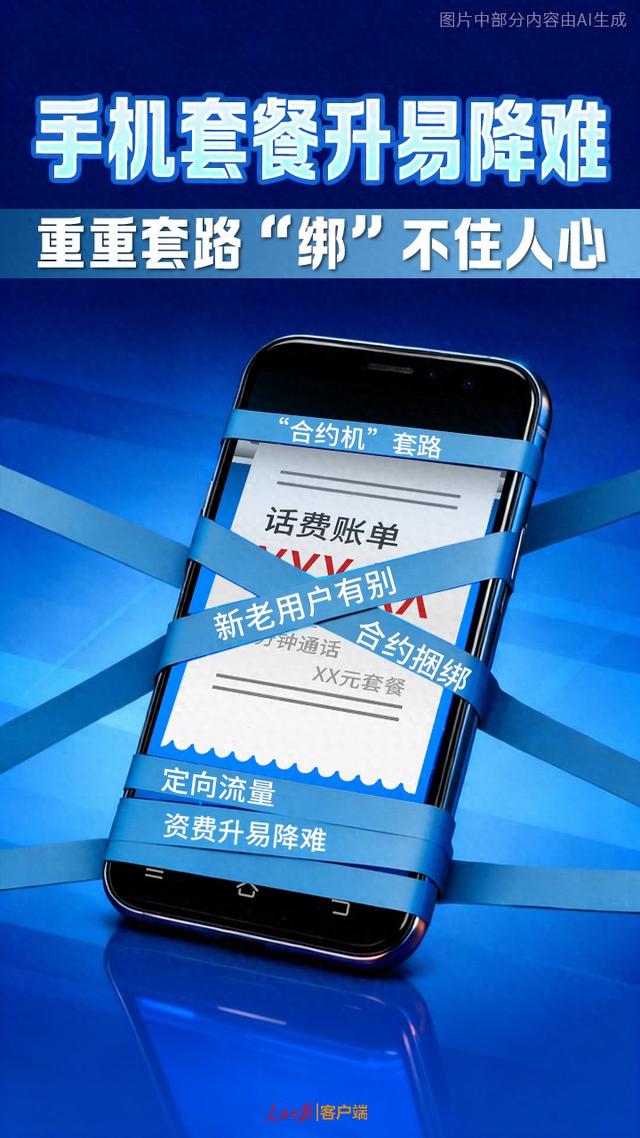
Core Viewpoint - Despite the long-standing promotion of "speeding up and reducing fees" in mobile communication, consumers still face significant obstacles when trying to change their service plans, particularly when downgrading [1][4]. Group 1: Consumer Challenges - Consumers encounter difficulties when attempting to switch to lower-priced plans, often facing penalties or being told they cannot change due to "new and old user differences" [4]. - Many users express frustration over the need to abandon long-held phone numbers to save money, as they are often stuck in high-priced plans with limited options [4]. - Some operators engage in misleading advertising, claiming unlimited data while providing mostly "targeted data" that cannot be used freely [4]. Group 2: Regulatory and Legal Framework - The Consumer Rights Protection Law of the People's Republic of China guarantees consumers the right to choose products or services freely [5]. - The Telecommunications Regulations prohibit operators from restricting users to specific services, indicating that practices like making upgrades easy but downgrades difficult may violate consumer rights [5]. - There is a call for more detailed regulations and oversight to prevent operators from using deceptive practices and to ensure consumers can easily change their plans [5]. Group 3: Recommendations for Improvement - It is suggested that operators should simplify the process for consumers to select suitable plans based on their needs, rather than creating barriers to keep them in high-priced packages [6]. - Operators are encouraged to shift their performance evaluation models to focus on understanding market demands and providing better customer service, which would respect consumer rights [6]. - The importance of transparent pricing, quality networks, and fair transactions is emphasized as essential for building long-term trust and support from consumers [6].
“闹”了才能降!《人民日报》点名运营商:手机套餐少些套路
猿大侠· 2025-12-21 04:11
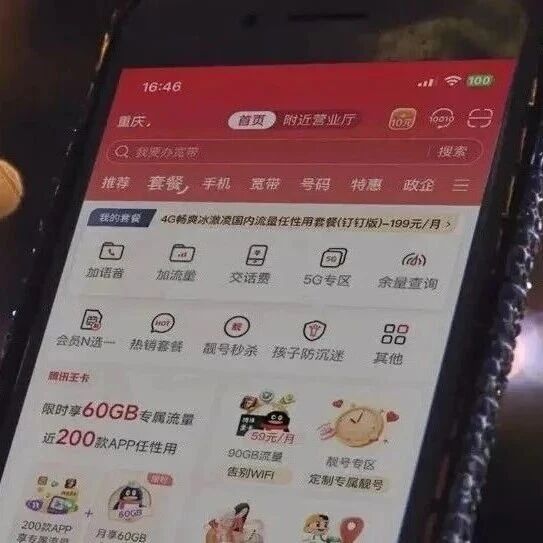
Core Viewpoint - The article criticizes telecom operators for making it easy to upgrade but difficult to downgrade mobile plans, highlighting issues such as "hidden traps" in contracts and the preferential treatment of new users over existing ones [1][4][17]. Group 1: User Experience Issues - Users find it straightforward to upgrade their plans through proactive marketing from operators, but face significant hurdles when attempting to downgrade, often being redirected to physical stores or encountering unhelpful customer service [3][5][6]. - Existing users often feel disadvantaged as attractive low-cost plans are typically available only to new customers, leading to frustration and abandonment of attempts to switch [4][5][7]. Group 2: Contractual Tactics - Operators frequently use "contract bundling" as a strategy to retain high-paying customers, offering incentives like free phones while binding users to expensive plans through long-term contracts [8]. - Users may face obstacles when trying to switch back to lower-cost plans, as operators cite contract obligations or claim that the desired plans are no longer available [9][18]. Group 3: Misleading Advertising - There are numerous complaints regarding misleading advertisements for low-cost plans, where promised data allowances are often significantly lower than advertised, and many come with hidden fees or conditions [10][12][13]. - Users report discrepancies between the plans they sign up for and what they actually receive, including unexpected charges and limitations on data usage [15]. Group 4: Regulatory and Consumer Response - Despite repeated criticisms from media and regulatory bodies, the issue of difficult downgrades persists, largely due to operators' focus on maintaining revenue in a stagnant user growth environment [17][18]. - Legal experts suggest that regulatory bodies should conduct special investigations into common complaints, and consumers should be vigilant about promotional language in telecom offers [18].
手机套餐 少些套路
Ren Min Ri Bao· 2025-12-19 11:18
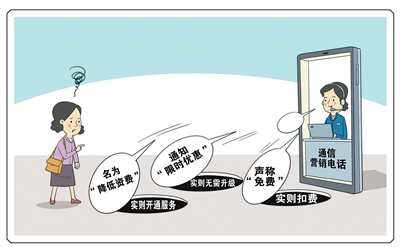
Core Viewpoint - The article highlights the difficulties consumers face when trying to change their mobile communication plans, despite the ongoing push for lower prices and better services in the telecommunications industry. It emphasizes the challenges posed by high exit costs, contract bundling, and the preferential treatment of new users over existing customers [1][11]. Group 1: Consumer Experiences - Consumers like Mr. Huang and Mr. Wang express frustration over the inability to switch to lower-priced plans without incurring penalties or being restricted to less favorable options [1][2][4]. - Many users report being misled during the initial contract signing, with important details about penalties and contract terms not clearly communicated [6][7][8]. Group 2: Industry Practices - The article reveals that telecommunications companies often employ tactics such as contract bundling and preferential pricing for new users to retain high-paying customers [8][9]. - There is a noted discrepancy in how customer service representatives handle requests from existing versus new customers, often complicating the process for those wishing to downgrade their plans [4][10]. Group 3: Regulatory and Consumer Rights - The article references the Consumer Rights Protection Law and the Telecommunications Regulations, which assert that consumers have the right to choose their services without undue restrictions [11][13]. - Regulatory bodies are beginning to take action to address these issues, including initiatives to simplify plan offerings and ensure clearer communication of terms to consumers [12][13].
手机套餐 少些套路(民生探针)
Ren Min Ri Bao· 2025-12-18 22:17
Core Viewpoint - The article highlights the difficulties consumers face when trying to change their mobile communication plans, emphasizing that while it is easy to sign up for new plans, switching to more affordable options is often complicated by hidden fees and restrictive contracts [1][6][12]. Group 1: Consumer Experiences - Consumers like Mr. Huang and Mr. Wang express frustration over being unable to switch to lower-priced plans without incurring penalties or being restricted to options that do not meet their needs [1][2]. - Many consumers report being unaware of the existence of early termination fees and other binding clauses when they initially signed up for their plans, leading to dissatisfaction when they attempt to change [6][7][8]. Group 2: Industry Practices - The article reveals that telecom operators employ tactics such as differentiating between new and existing customers, making it easier for new users to access discounts while keeping existing users locked into higher-priced plans [6][10]. - There is a noted trend of "contract bundling," where consumers are tied to long-term agreements that make it difficult to switch plans or cancel services without incurring significant costs [8][9]. Group 3: Regulatory and Legal Framework - The article references the Consumer Rights Protection Law and the Telecommunications Regulations, which state that consumers should have the right to choose their services freely and be informed about all terms and conditions [10][11]. - Experts suggest that regulatory bodies need to enhance oversight and create clearer guidelines to protect consumers from misleading sales practices and ensure transparency in service agreements [12][13]. Group 4: Recommendations for Improvement - The article discusses ongoing initiatives by regulatory authorities to simplify service offerings and improve customer service response times, aiming to ensure that consumers can easily change their plans within a specified timeframe [12][13]. - Legal experts recommend that consumers remain vigilant about promotional offers and be aware of the potential pitfalls associated with long-term contracts, encouraging them to report any violations of their rights [13][14].
除了12315,还有哪些正规高效的投诉维权途径?
Xin Lang Cai Jing· 2025-12-17 11:13
Core Viewpoint - The article discusses various effective and accessible complaint channels for consumers beyond the official 12315 hotline, highlighting the importance of these alternatives in protecting consumer rights [1][7]. Group 1: Industry Regulatory Complaint Channels - Complaints related to specific industries can be addressed directly to the relevant regulatory bodies for more professional and quicker responses [2][8]. - The Ministry of Industry and Information Technology (MIIT) provides a complaint platform for telecommunications issues, where complaints can be submitted via their official website or by calling 12300, ensuring high response rates from telecom operators [2][11]. - The State Post Bureau's complaint website is the most efficient channel for issues related to express delivery, with results directly impacting the assessment of delivery companies [9][12]. - Financial disputes involving banks, insurance, and securities can be addressed to financial regulatory bodies, such as the National Financial Supervision Administration, through their official websites or local offices [9][12]. Group 2: Internet Platform Complaint Channels - Internet platforms, particularly those operated by large companies, have emerged as convenient and rapid avenues for consumer complaints, especially among younger demographics [3][13]. - The Black Cat Complaint platform exemplifies a comprehensive online consumer dispute resolution platform, allowing users to submit complaints easily through various digital channels, including its website and mobile applications [3][13]. - The platform features a transparent and visual complaint tracking system, enabling users to monitor the progress of their complaints and receive notifications at each stage [4][14]. - Black Cat Complaint also aggregates collective complaints against the same business, increasing visibility and pressure on companies to respond [4][14]. Group 3: Consumer Association Organizations - Consumer associations, such as the China Consumers Association, play a unique role in resolving disputes due to their public trust and non-binding mediation results [6][15]. - Consumers can file complaints through phone, mail, or official websites, and associations may organize mediation between consumers and businesses [6][15]. - For significant or widespread issues, consumer associations can issue warnings, support litigation, or even initiate public interest lawsuits against unscrupulous businesses [6][15]. Group 4: Choosing and Combining Channels - For clear, small, and evidence-supported disputes, internet platforms like Black Cat Complaint should be prioritized for their quick response mechanisms [10][16]. - For issues requiring specialized industry adjudication, regulatory complaint channels are often the most effective [10][16]. - In cases involving significant rights or illegal activities, consumers should report through the 12315 platform to initiate administrative enforcement [10][16]. - Seeking social support and public opinion through consumer associations can be effective for typical issues or unreasonable industry practices [10][16]. Group 5: Conclusion - The modern consumer rights protection landscape has developed into a multi-layered and comprehensive network of channels, providing consumers with more options and empowerment in defending their rights [17].
【环球财经】日本实际家庭消费连续2个月环比下滑
Xin Hua Cai Jing· 2025-12-05 04:32
Core Viewpoint - Japan's household consumption is experiencing a significant decline due to rising prices outpacing income growth, leading to a drop in real consumption for two consecutive months [1] Group 1: Consumption Data - In October, the average monthly consumption expenditure for households with two or more members was 306,900 yen (approximately 1,980 USD), showing a nominal year-on-year increase of 0.3% [1] - However, after adjusting for inflation, real consumption unexpectedly dropped by 3% year-on-year, which was much worse than the industry expectation of a 1% increase [1] - On a month-on-month basis, the adjusted real consumption decreased by 3.5%, indicating a further widening of the decline [1] Group 2: Spending Categories - Among ten major consumption categories, seven, including food, housing, utilities, and transportation, saw a year-on-year decrease in spending [1] - Conversely, spending on education, healthcare, and clothing increased [1] - The most significant factor contributing to the decline in monthly consumption was a 9.3% year-on-year drop in automobile spending, as consumers shifted towards purchasing microcars and used cars [1] Group 3: Trends and Projections - Mobile communication fees have also been on a downward trend, decreasing year-on-year for four consecutive months as users switch to lower-priced plans [1] - Data from the Ministry of Internal Affairs and Communications indicates that Japan's real average monthly household consumption has been declining for two consecutive years in 2023 and 2024 [1] - Experts suggest that with ongoing price increases and declining real wages, it is challenging to expect an increase in real consumption [1]
手机套餐不应“升易降难”
Jing Ji Ri Bao· 2025-11-15 21:45
Core Points - The difficulty consumers face when downgrading mobile plans compared to the ease of upgrading highlights a significant issue in the telecom industry [1] - A report from the China Consumers Association indicates a 99.1% year-on-year increase in complaints related to telecom services, with downgrading plans being a major concern [1] - Telecom operators prioritize high-revenue upgrade services over downgrades, which undermines consumer rights and fair trading [1] Industry Practices - The telecom industry should ensure that the process for downgrading plans is as straightforward as upgrading, including making necessary information easily accessible on official platforms [1] - Customer service representatives should be empowered with more authority to facilitate the downgrading process, ensuring a seamless experience both online and offline [1] - Regulatory bodies need to enhance service assessment standards to improve overall service quality in the telecom sector [1] Consumer Rights - Respecting consumer autonomy and fair trading practices is essential when offering multiple plan options in the market [1] - The industry must focus on service quality and consumer satisfaction to foster sustainable business growth [2] - Avoiding complex procedures and prioritizing consumer needs will enhance overall satisfaction and trust in telecom services [2]