
物价上涨

Search documents
美联储Bostic:不急于降息,预计物价会上涨
news flash· 2025-06-24 10:16
Core Viewpoint - The President of the Atlanta Federal Reserve, Bostic, indicates that there is room and time to observe how tariff policies evolve, suggesting a cautious approach to monetary policy adjustments [1] Summary by Relevant Categories Monetary Policy - A single interest rate cut of 25 basis points is expected by the end of 2025 [1] - Inflation remains a risk factor that could influence future monetary policy decisions [1]
6月24日电,美联储官员BOSTIC称不急于降息,预计物价会上涨。
news flash· 2025-06-24 10:14
Core Viewpoint - Federal Reserve official BOSTIC stated there is no urgency to cut interest rates and expects prices to rise, indicating there is room and time to observe how tariff policies evolve [1] Summary by Relevant Categories Economic Outlook - BOSTIC's comments suggest a cautious approach towards interest rate cuts, reflecting confidence in potential price increases in the economy [1] Tariff Policy - The statement highlights the importance of monitoring the evolution of tariff policies, which may impact economic conditions and inflation [1]
日本大米价格5月再创纪录新高,CPI年率超100%……
news flash· 2025-06-20 10:51
Core Insights - Japan's rice prices reached a record high in May, contributing to a Consumer Price Index (CPI) year-on-year increase exceeding 100% [1] Group 1: Price Trends - The price of rice in Japan has hit a new all-time high in May, indicating significant inflationary pressures in the agricultural sector [1] - The CPI in Japan has surpassed 100%, reflecting broader economic challenges and rising costs of living [1] Group 2: Economic Implications - The surge in rice prices and the CPI increase may lead to heightened concerns regarding food security and consumer spending in Japan [1] - These developments could impact monetary policy decisions as the government and central bank assess inflationary trends [1]
压力测试来了!石破茂还需闯过这一关
第一财经· 2025-06-15 09:50
Group 1 - The upcoming Tokyo Metropolitan Assembly election is seen as a precursor to the national Diet's House of Councillors election, with voting scheduled for June 22 [2][4] - The Liberal Democratic Party (LDP), led by Prime Minister Shinzo Abe, is under scrutiny to maintain its seats in the Tokyo Assembly, as no party holds an absolute majority [4] - Recent polls indicate a rise in support for Abe, with one poll showing a 6% increase to 39% and another showing a 7% increase to 34%, up from around 20% previously [4] Group 2 - Approximately 300 candidates are contesting in the Tokyo Assembly election, marking the highest number in over 30 years [4] - The main issues in the election include rising prices, political scandals, and demographic challenges such as aging and declining birth rates [6] - The Consumer Price Index (CPI) in Japan rose by 3.5% year-on-year in April, exceeding the Bank of Japan's target of 2% [6] Group 3 - Abe has pledged to increase nominal GDP to 1,000 trillion yen by 2040 and aims for a 50% increase in average wages, requiring an annual growth rate of approximately 2.74% [8] - The LDP is considering cash handouts to citizens to alleviate the impact of rising prices [9] - The price of rice in Japan has doubled compared to the previous year, with the average price for a 5 kg bag reaching 4,223 yen [9] Group 4 - Japan's government is facing pressure from U.S. tariffs, with a significant decline in business confidence reported among large enterprises [11] - The confidence index for large companies dropped from 2.0 to -1.9 in the second quarter, with the manufacturing sector particularly affected [11] - The steel industry confidence index fell to -29.1, while the automotive sector index was at -16.1, indicating severe challenges [11]

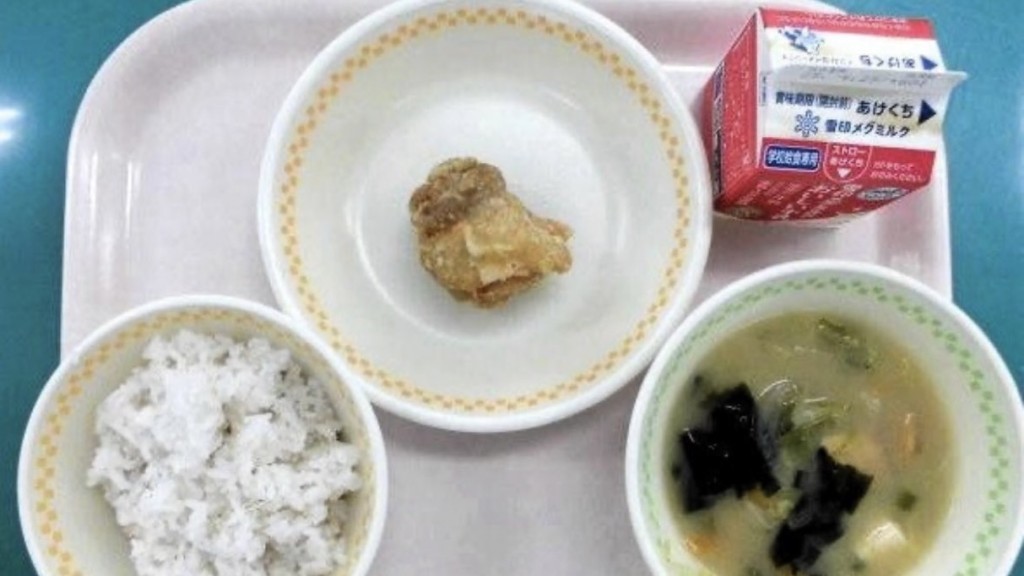
“午餐仅一块炸鸡,太少了”!日本福冈一小学回应“校餐寒酸”:一直这样
Huan Qiu Shi Bao· 2025-06-09 22:36
【环球时报报道 记者 刘雅婷】在物价持续高涨的背景下,日本各地的"寒酸校餐"近日在社交媒体上引发热议。今年4月,福冈市某小学一份仅有 一块炸鸡块的午餐就被日本网民吐槽"太少了""太寒酸"。但相关负责人回应称,这就是传统日式校餐。 尽管福冈市是日本九州地区财政实力名列前茅的城市,但面对不断上涨的物价,其在校餐供应方面也面临着巨大压力。福冈市西区石丸小学负责 学生营养指导和管理的教员阪井裕美表示:"如今同样的预算,已无法制定出和过去一样丰盛的菜单了。"为控制成本,学校采取了多种措施,包 括将原料换成其他肉类部位、对价格较高的青葱或欧芹按克精准计算调整用量、避免使用单独包装的面包等。相关负责人透露,福冈市校餐预算 为每人每天一餐289.47日元(100日元约合4.98元人民币),他们最担忧的是学年末出现预算不足的情况。因此,在新学年伊始的4月和5月,通常 会严格控制成本,精简餐食。若预算充足,到学年末,校餐便会更加丰盛多样。 据报道,为缓解物价上涨带来的影响,福冈市已大幅增加应对物价上涨的对策预算,从2022财年的约4亿日元提升至2025财年的约12亿日元。该市 还宣布从今年夏天开始实行学校免费供餐政策。针对民众对 ...
【环球财经】美联储“褐皮书”显示经济活动小幅下降
Xin Hua Cai Jing· 2025-06-04 23:03
Group 1 - The core viewpoint of the report indicates that high levels of economic and policy uncertainty are negatively impacting businesses and households, with tariff increases leading to rising costs and prices [1][2] - Economic activity has shown a slight decline since late April, with half of the districts reporting mild or moderate decreases in economic activity [1][2] - Consumer spending is mixed, with most districts experiencing slight declines or no change, although some districts have seen increased spending on items expected to be affected by tariffs [1][2] Group 2 - The overall economic outlook remains slightly pessimistic and uncertain, unchanged from the previous report [2] - Employment levels have seen minimal changes, with most districts reporting stable employment conditions, but there are widespread discussions about hiring delays due to uncertainty [2] - Price levels have experienced moderate increases since late April, with widespread expectations of faster future price increases due to rising costs, particularly from tariff hikes [2]
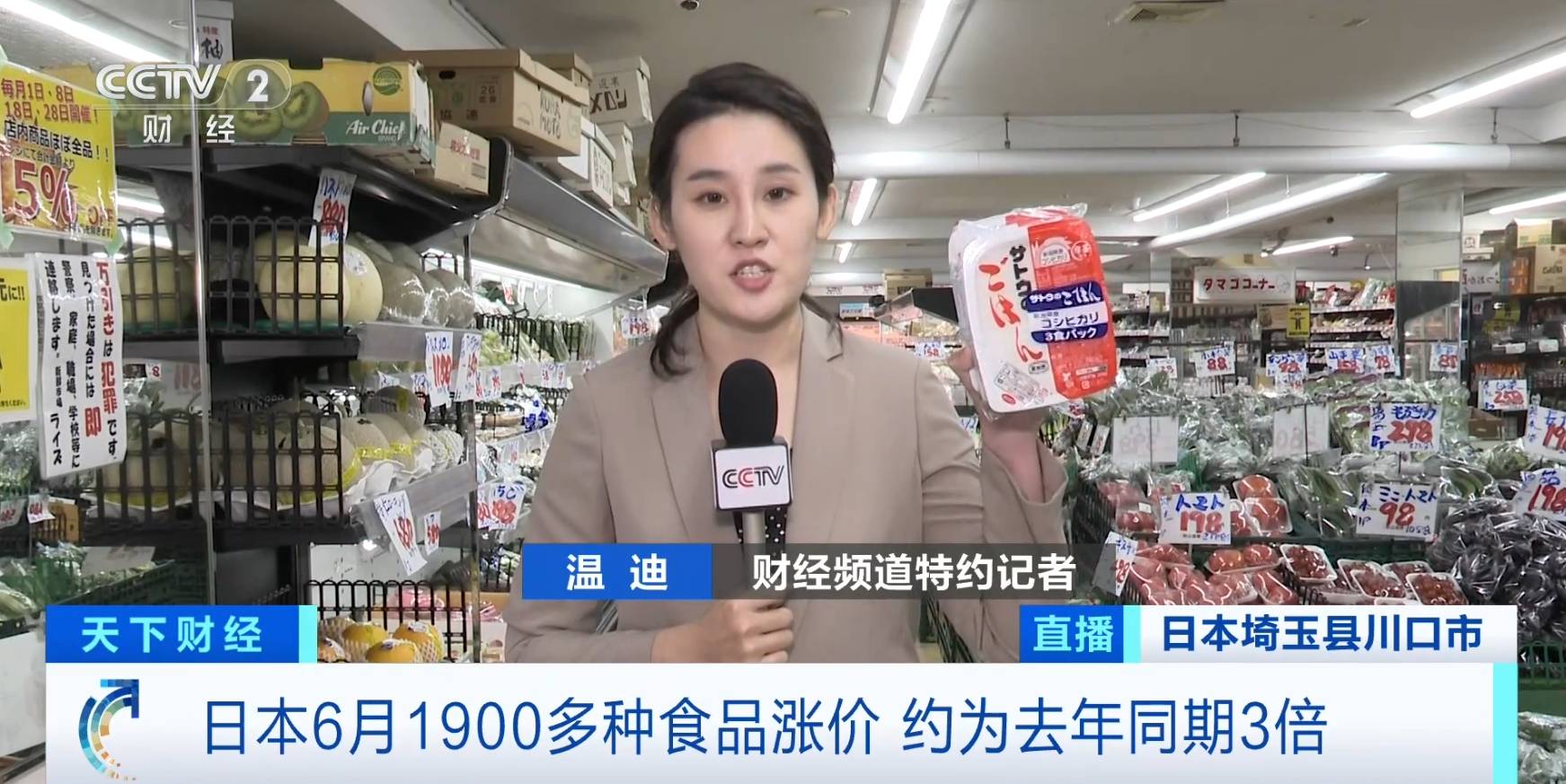
日本6月1900多种食品涨价 约为去年同期3倍
Sou Hu Cai Jing· 2025-06-02 11:17
Group 1 - The core point of the article highlights a significant increase in food prices in Japan, with the number of price hikes reaching 1,932 types in June, approximately three times that of the same period last year [1][3]. - In Saitama Prefecture, the price of popular instant rice has risen by over 10%, with around 116 types of rice-related products experiencing price increases this month [3][5]. - The most affected category in the price hikes is condiments, accounting for nearly half of the total number of price-increased food items [3]. Group 2 - Japan's core Consumer Price Index (CPI) has consistently shown a year-on-year increase of over 3% this year, surpassing the Bank of Japan's target of 2% [7]. - In April, the core CPI rose by 3.5%, marking the largest increase in over two years, with rice prices soaring by 98.4%, setting a record for seven consecutive months [7]. - A forecast suggests that the total number of food price increases in Japan for the year could exceed 20,000, surpassing last year's figures [7].
“美联储传声筒”:美联储会议纪要凸显对物价上涨的担忧
news flash· 2025-05-28 18:45
金十数据5月29日讯,"美联储传声筒"NickTimiraos表示,美联储官员在本月早些时候的会议上表示,他 们担心大幅提高关税会推高物价,并可能引发更高的通胀。最新的会议纪要显示,政策制定者基本上一 致认为,经济不确定性加剧,失业率和通胀风险增加,不应改变他们的观望政策立场。会议纪要表 示:"与会者一致认为,经济前景的不确定性进一步增加,因此在政府政策一系列变化的净经济影响变 得更加清晰之前,采取谨慎态度是合适的。"在3月中旬至5月初的官员会议期间,特朗普提高了对大多 数美国贸易伙伴的关税,随后暂停了一些最激进的加税。 "美联储传声筒":美联储会议纪要凸显对物价上涨的担忧 ...