生态治理

Search documents
故乡山水丨山川不语 青绿作答
Yang Guang Wang· 2025-08-10 00:47
Core Viewpoint - The ecological restoration of the Daqingshan area in Inner Mongolia has shown significant progress over the past decade, transforming a previously degraded environment into a thriving natural habitat, which has also positively impacted local communities and economies [1][3]. Group 1: Ecological Restoration Efforts - The Daqingshan area was heavily exploited for mineral resources, leading to severe environmental degradation, with over 200 quarries operating by the 1990s [2][3]. - In 2012, a comprehensive ecological protection project was initiated, which included shutting down all mining operations, reforestation, and land rehabilitation efforts [3]. - As of the end of 2024, the area has achieved a forest area of 1.422 million acres and grassland area of 1.7145 million acres, with 80% of the land in the front slope of Daqingshan undergoing ecological greening [3]. Group 2: Biodiversity and Community Impact - The Daqingshan Nature Reserve has become a breeding ground for rare species such as the milu deer and Przewalski's horse, enhancing biodiversity in the region [3][4]. - Local villages have capitalized on the improved environment by developing agritourism and homestay industries, leading to increased visitor numbers and economic benefits [4]. - The use of advanced technology, such as drones and infrared cameras, has improved wildlife monitoring while minimizing disturbance to the animals [4].
生态治理引鸟来:以“鸟”聚客擦亮生态旅游“金字招牌”
Yang Shi Wang· 2025-08-08 08:50
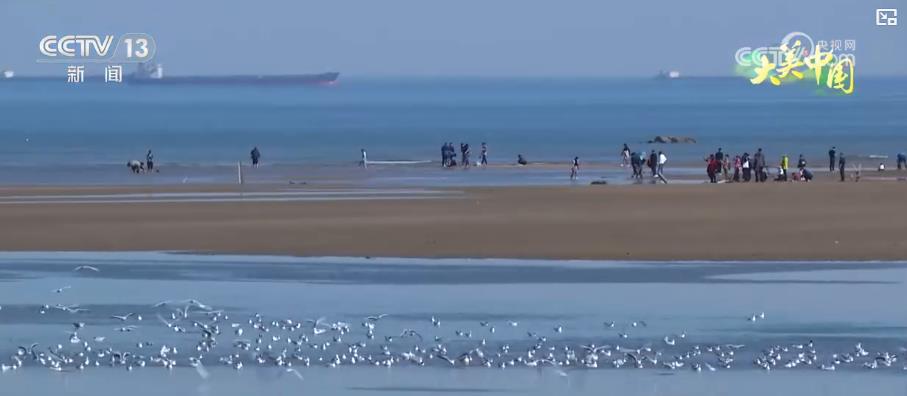
央视网消息:在河北秦皇岛,众多游客相聚美丽海岸,观鸟、赏景与大自然亲密接触,感受生机盎然的生态画卷。 在北戴河大潮坪湿地,观鸟爱好者们早早就赶到位于岸边的观鸟区域。碧海蓝天间,白鹭、斑嘴鸭、鸬鹚、遗鸥等众多野生 鸟类在此觅食栖息、嬉戏玩耍,灵动的身影与海岸相互映衬,显得生机勃勃。 大家纷纷按下快门,记录鸟儿们飞翔、戏水的精彩瞬间。 近年来,秦皇岛市持续推进近岸海域生态治理,净化入海河流,修复海洋生态,确保近岸海域水质保持在一类标准;同时, 充足的鱼虾饵料资源也让这里成为鸟类的乐园。 随着生态保护意识的不断提升,东方白鹳、丹顶鹤、黑鹳等鸟类开始光临这里。目前,秦皇岛鸟类名录增至513种,以"鸟"聚 客已经成为当地生态旅游的"金字招牌"。 ...

绿色保险“解锁”生态治理新密码
Jin Rong Shi Bao· 2025-08-08 07:04
Core Viewpoint - The integration of ecological governance and green finance is essential for addressing the challenges faced by forest resources in Shanxi Province, particularly in the context of risk management and insurance solutions [3][4][5]. Group 1: Ecological Challenges - Shanxi Province has rich forest resources but faces significant ecological challenges, including insufficient ecological risk protection, low social awareness, and weak risk reduction management [3]. - The existing insurance coverage primarily focuses on public welfare forests, leaving many commercial forests and forest economy sectors without effective risk protection against new complex risks such as pests and extreme weather [3]. Group 2: Insurance Solutions - China Life Property & Casualty Insurance in Shanxi has expanded its insurance offerings beyond public welfare forests, providing risk coverage for 44.1 billion yuan across 40.28 million acres of ecological forests [5]. - Innovative insurance products have been developed, including ancient tree insurance, wildlife damage compensation insurance, and forest carbon sink remote sensing index insurance, to address specific risks in forestry [5]. Group 3: Risk Management and Social Responsibility - The insurance company emphasizes the importance of proactive risk management and social governance responsibilities, moving from post-disaster compensation to preemptive risk control [6][7]. - A significant portion of the insurance premiums is allocated to biological pest control and forest fire prevention, with investments in a comprehensive monitoring network that integrates satellite, tower, and drone inspections [7]. Group 4: Impact on Forest Management - The collaboration between the insurance company and forest management entities has led to an increase in risk coverage from 285 million yuan to 343 million yuan for the forest area in the coming years [7]. - The implementation of advanced monitoring technologies has improved risk assessment and management, contributing to a healthier forest ecosystem and better support for forest rangers [7][8].

从漫天黄沙到茫茫绿草:内蒙古牧民致富经里的自然信仰
2 1 Shi Ji Jing Ji Bao Dao· 2025-08-07 14:46
Core Viewpoint - The "Photovoltaic Great Wall" project in Inner Mongolia aims to combine green energy production with ecological restoration, significantly improving the region's vegetation coverage and combating desertification [1][2]. Group 1: Project Overview - The "Photovoltaic Great Wall" spans 400 kilometers and is expected to generate an annual electricity output of 200 billion kilowatt-hours, which can supply power to major urban areas like Beijing and Shanghai [1]. - The project utilizes solar panels not only for energy generation but also for ecological benefits, such as preventing sand dune movement and providing shade for plant growth [2]. Group 2: Ecological Impact - The vegetation coverage in Dalate Banner has increased from 17% in 2000 to 58.4% currently, while the desertification control rate in the Kubuqi Desert has improved from 61% to 79.5% over the same period [2]. - The project incorporates soil improvement techniques, allowing for the cultivation of medicinal herbs and economic crops beneath the solar panels [2]. Group 3: Local Perspectives - Local residents express a deep respect for nature, balancing economic development with ecological preservation, reflecting a cultural reverence for the environment [2].
好生态让山南群众富起来(辉煌60载 魅力新西藏)
Ren Min Ri Bao· 2025-07-25 22:02
Group 1: Agricultural Development - The company Green Source Modern Agricultural Technology Co., Ltd. has improved over 1,200 acres of sandy land using local livestock manure, creating fertile soil suitable for growing various crops like asparagus and melons [2] - The company has established 18 smart glass greenhouses and 20 picking sheds, providing employment for over 50 local workers and increasing the income of 380 local households by an average of 20,000 yuan each [2] - In the Zhaqi Township, the introduction of dwarf apple trees has led to the establishment of a 4,000-acre apple base, with an annual production of nearly 3,000 tons, benefiting over 600 fruit farmers [3] Group 2: Environmental Restoration - The Longzi County has successfully planted over 82,000 acres of sea buckthorn trees, creating the world's largest contiguous artificial sea buckthorn forest, which has significantly improved the local ecology [4][6] - The average yield of black barley has increased from over 300 jin to 650 jin per acre, with an annual production exceeding 14,000 tons due to improved soil conditions [6] - The local government is extending the sea buckthorn industry into health products, pharmaceuticals, and cosmetics, while also integrating the "Four Black" industries with tourism to enhance local economic development [6]
辉煌60载 魅力新西藏——水润山绿 看拉萨河岸新美景
Ren Min Wang· 2025-07-23 09:04
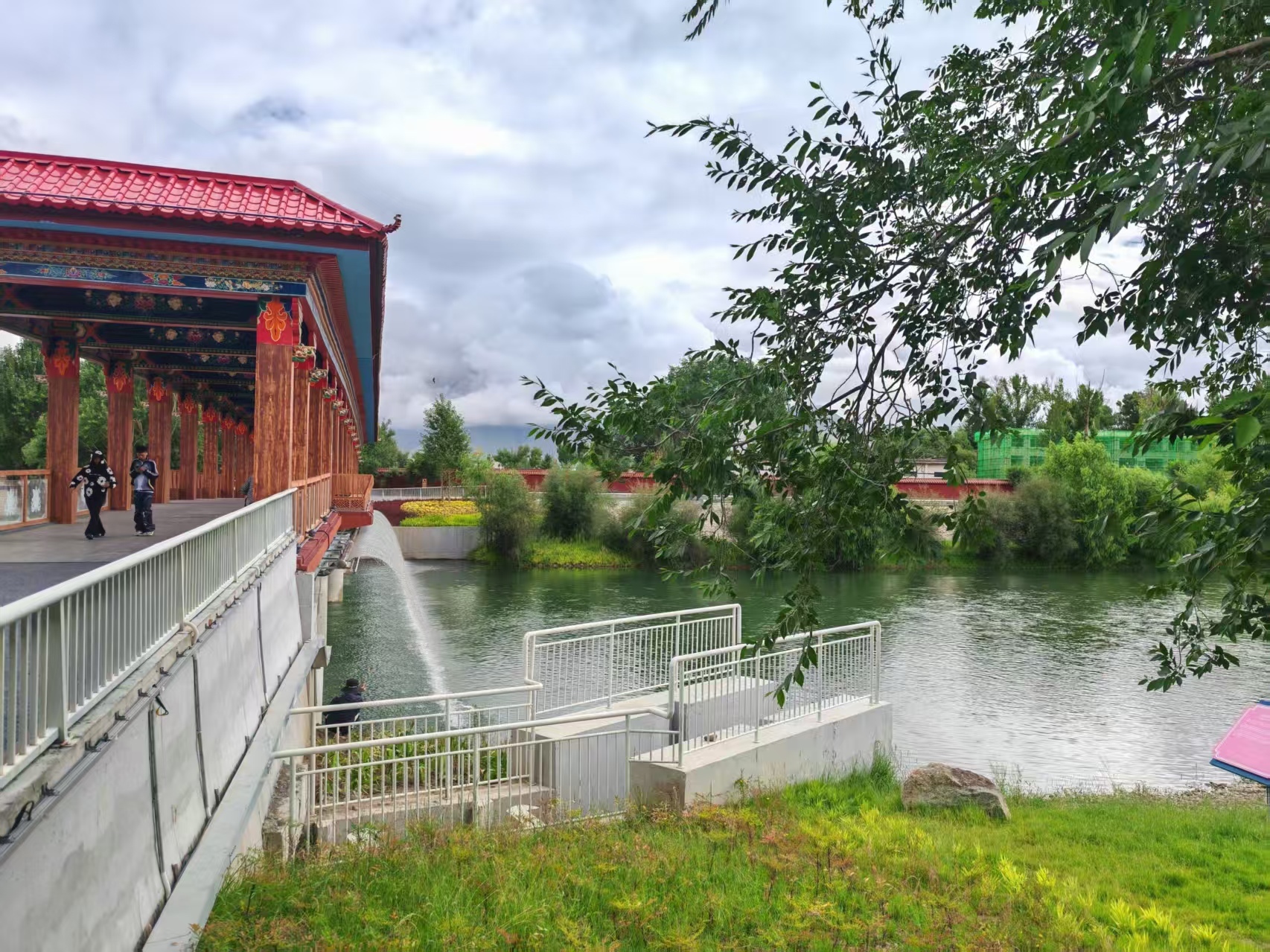
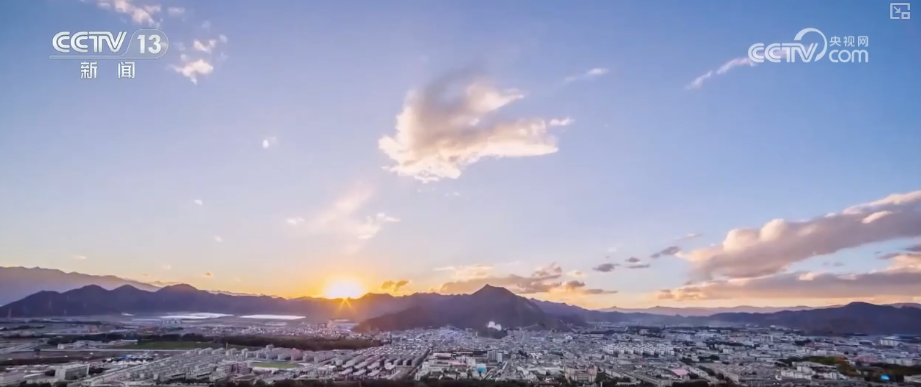
Group 1 - The Lhasa River, known as "Joyful River" in Tibetan, features a newly completed corridor bridge that enhances the ecological landscape along its banks [1] - The ecological improvement project aims to create a vibrant and culturally rich riverside experience, integrating ecological, recreational, and cultural elements [1] - The Two Islands Ecological Park has been transformed from barren land into a lush green space, maintaining its original ecological characteristics while introducing diverse tree species [1][5] Group 2 - The afforestation project in Lhasa has significantly increased the greening of surrounding mountains, with over 1.07 million acres of forest planted and more than 120 million seedlings cultivated, achieving a survival rate of over 85% [5][6] - Local workers express satisfaction with their contributions to the greening efforts, highlighting both economic benefits and personal fulfillment from nurturing the trees [5][6] - The vision for Lhasa includes a harmonious integration of green spaces and urban development, aiming for a sustainable and picturesque environment [6]
雅鲁藏布江水电分析
2025-07-22 14:36
Summary of the Yarlung Tsangpo River Hydropower Project Conference Call Industry Overview - The conference call primarily discusses the Yarlung Tsangpo River hydropower project, which is set to be the largest hydropower project globally, with a total investment of approximately 1.2 trillion yuan [1][5][26]. Key Points and Arguments Economic Impact - The project is expected to generate an annual electricity output of around 300 billion kWh, which is three times that of the Three Gorges Dam, potentially creating a production value of 90 billion yuan annually [8][19]. - It is estimated that for every 1 yuan invested in hydropower construction, it can stimulate 2-3 yuan in GDP growth, leading to a total potential output of nearly 4 trillion yuan due to the project's scale [7][21]. - The project will significantly enhance local infrastructure, including engineering, logistics, and trade services, thereby improving the economic landscape of Tibet [7][19]. Energy Strategy - The project aims to meet the electricity needs of 300 million households and contribute to the establishment of an Asian energy community [1][19]. - It will reduce reliance on imported fossil fuels and support the development of high-energy industries such as data centers and aluminum production, with a projected demand increase of 80,000 tons of copper and 50,000 tons of aluminum [1][9][21]. Regional Development - The project will generate over 20 billion yuan in annual fiscal revenue for Tibet, significantly contributing to local employment through construction and related industries [1][5]. - It is expected to create millions of jobs and stimulate growth in sectors such as construction materials, logistics, and tourism [8][21]. Geopolitical Implications - The hydropower station will primarily export electricity, enhancing China's influence in neighboring countries like Bangladesh and Myanmar while potentially diminishing India's geopolitical control in the region [12][13]. - The project has been included in China's 14th Five-Year Plan, indicating its strategic importance amid rising tensions with India [13][22]. Technical Aspects - The project utilizes a tunnel-based hydropower generation method, which is less environmentally invasive and has a lower investment cost compared to traditional dam construction [5][19]. - The engineering challenges are significant, with complex geological conditions and a need for advanced technology to ensure high water utilization rates [24][25]. Additional Important Content - The project is expected to have a long-term economic impact, with benefits extending to nearly 100 related industries, including construction, energy, and materials [8][19]. - The establishment of the China Yajiang Group as a key financing entity for the project highlights the government's commitment to supporting large-scale infrastructure initiatives [14][26]. - The project is anticipated to alleviate economic pressures in China, particularly in light of recent economic slowdowns, by accelerating investment and job creation [22][21]. This comprehensive overview captures the essential aspects of the Yarlung Tsangpo River hydropower project as discussed in the conference call, emphasizing its economic, energy, regional, geopolitical, and technical significance.
生态廊道、湿地公园……千年高原古城模样悄然改变 | 辉煌60载 魅力新西藏
Yang Shi Wang· 2025-07-22 07:28
Core Viewpoint - The article highlights the ongoing ecological transformation of Lhasa, focusing on the construction of ecological corridors and wetland parks along the Lhasa River, which is reshaping the ancient city into a more livable environment [1][5]. Group 1: Ecological Initiatives - The Lhasa municipal government prioritizes the connection of water systems to enhance ecology and improve the living environment [5]. - The ecological corridor project between Xianzu Island and Sun Island is nearing completion, with a total length of 4.1 kilometers [14]. - The Lhasa River, a tributary of the Yarlung Tsangpo River, is undergoing systematic renovation to restore a 4-kilometer continuous aquatic and terrestrial transition zone, allowing for fish migration and bird habitation [11]. Group 2: Economic and Cultural Impact - The improved ecological environment is attracting residents back to Lhasa, as evidenced by local entrepreneurs like Danzen, who opened a bakery by the river [18]. - The river's transformation is expected to enhance tourism and cultural activities, with plans for a water curtain movie as a regular attraction for both tourists and locals [19]. - The rooftop restaurant by the river showcases local dining culture, further integrating the community with the revitalized riverfront [21]. Group 3: Financial Support and Investment - The Lhasa River governance projects have received significant financial backing, with a total investment of 2.7 billion yuan (approximately 0.4 billion USD) from the central government [22].
为拉萨“添绿”的年轻人
Zhong Guo Qing Nian Bao· 2025-07-19 01:46
Group 1 - The core project in Lhasa focuses on ecological restoration, specifically the improvement of a 4.1-kilometer green ecological corridor between Xianzu Island and Sun Island, enhancing the local environment and community engagement [1] - The project has involved significant community input, leading to design changes such as the replacement of solid concrete barriers with transparent glass railings to improve visibility for residents and children [1] - The project is part of a broader initiative in Tibet to increase land greening, with a target of 2.0672 million acres of land to be afforested by 2030, including specific areas for tree planting and ecological restoration [2] Group 2 - The project has successfully attracted various bird species, including the red-billed gull and other waterfowl, indicating a positive ecological impact as the environment improves [2] - Young professionals, including local graduates, are actively participating in the afforestation efforts, demonstrating a commitment to environmental sustainability and community development [2][3] - The ongoing efforts in tree planting and ecological restoration are seen as essential for the long-term health of the local ecosystem, with a focus on maintaining and expanding green spaces [3]
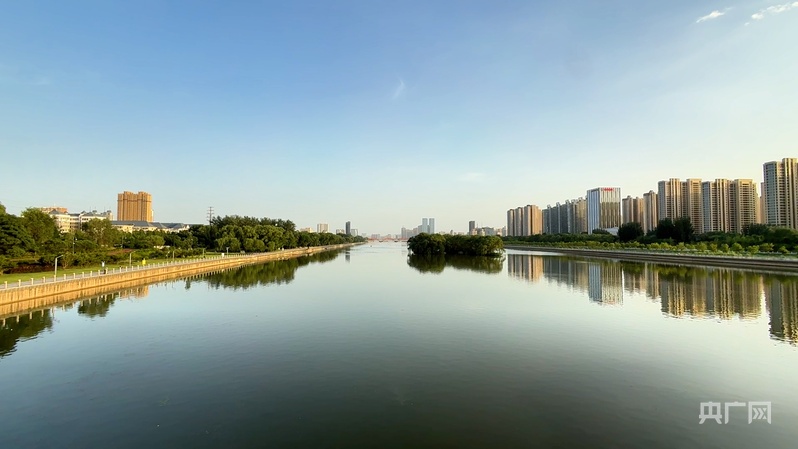
高质量发展看中国丨岸绿景美生态优 汾河两岸披锦绣
Yang Guang Wang· 2025-07-17 07:42
Core Viewpoint - The transformation of the Fen River in Taiyuan from a polluted waterway to a vibrant ecological corridor highlights significant environmental restoration efforts and their positive impact on urban life and tourism [1][2][6]. Group 1: Environmental Restoration - The Fen River has undergone a remarkable change, with water quality stabilizing at above Class III, and 83% of the water body classified as good quality [2]. - Since the initiation of ecological restoration in 1998, the project has progressed through four phases, with the last decade seeing the completion of a 43-kilometer green ecological corridor and a water surface area of 11.5 square kilometers, holding a capacity of 30 million cubic meters [1][4]. Group 2: Technological Support - The management committee employs biological algae treatment, floating debris removal, and a monitoring system to ensure water quality and address pollution sources effectively [4][5]. - A high-efficiency mechanism has been established for precise problem identification, rapid task assignment, and closed-loop feedback for pollution management [4]. Group 3: Cultural and Economic Impact - The ecological improvements have fostered cultural development, with historical attractions along the river enhancing tourist experiences and increasing visitor numbers, surpassing 560,000 during the 2025 May Day holiday [6]. - The integration of scenic beauty and cultural heritage has not only strengthened community identity but also translated into economic benefits, achieving a balance between ecological and economic outcomes [6].