虚拟电厂

Search documents
恒实科技涨2.03%,成交额1.07亿元,主力资金净流出337.55万元
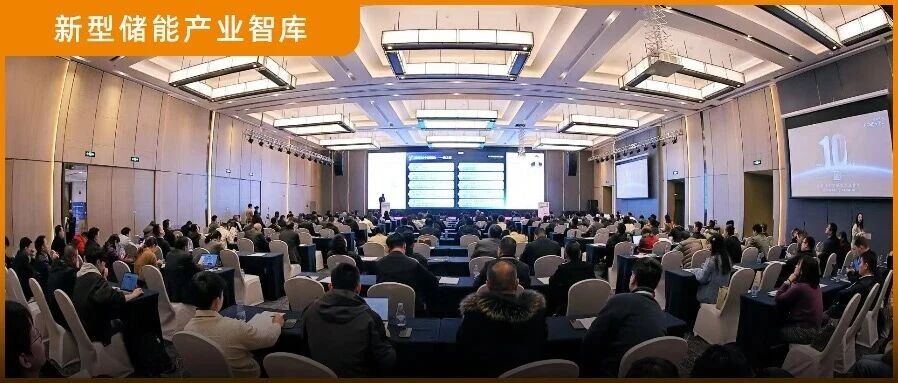
Xin Lang Cai Jing· 2026-01-09 06:38
Group 1 - The core viewpoint of the news is that Hengshi Technology's stock has shown a positive trend with a 2.03% increase on January 9, reaching a price of 10.58 yuan per share, with a total market capitalization of 3.319 billion yuan [1] - As of January 9, 2023, Hengshi Technology's stock price has increased by 11.49% year-to-date, with a 5-day increase of 11.49%, a 20-day increase of 10.09%, and a 60-day increase of 5.69% [1] - The company reported a net outflow of 3.3755 million yuan in main funds, with significant buying and selling activity from large orders [1] Group 2 - As of September 30, 2023, Hengshi Technology had 24,400 shareholders, a decrease of 11.36% from the previous period, with an average of 11,837 circulating shares per shareholder, an increase of 12.82% [2] - For the period from January to September 2023, Hengshi Technology achieved an operating income of 663 million yuan, a year-on-year decrease of 19.70%, and a net profit attributable to the parent company of -86.0602 million yuan, a decrease of 72.06% year-on-year [2] - Since its A-share listing, Hengshi Technology has distributed a total of 103 million yuan in dividends, with 10.9792 million yuan distributed in the last three years [3]

晶科科技跌2.19%,成交额4.09亿元,主力资金净流出2991.83万元
Xin Lang Zheng Quan· 2026-01-09 05:12
Core Viewpoint - JinkoSolar's stock price has shown fluctuations, with a recent decline of 2.19%, while the company has experienced an overall increase of 8.06% in stock price since the beginning of the year [1] Group 1: Financial Performance - For the period from January to September 2025, JinkoSolar reported a revenue of 3.122 billion yuan, representing a year-on-year decrease of 19.73% [2] - The net profit attributable to shareholders for the same period was 356 million yuan, showing a significant year-on-year growth of 61.82% [2] - Cumulatively, JinkoSolar has distributed 319 million yuan in dividends since its A-share listing, with 161 million yuan distributed over the past three years [3] Group 2: Shareholder Information - As of September 30, 2025, the number of shareholders for JinkoSolar reached 130,100, an increase of 9.22% compared to the previous period [2] - The top ten circulating shareholders include Hong Kong Central Clearing Limited, which holds 39.258 million shares, an increase of 6.1784 million shares from the previous period [3] - New shareholders include Guangfa Balanced Preferred Mixed A and Guangfa Value Advantage Mixed, holding 32.5831 million and 24.7586 million shares respectively [3] Group 3: Business Overview - JinkoSolar, established on July 28, 2011, and listed on May 19, 2020, is primarily engaged in the development, operation, and transfer of photovoltaic power plants, as well as EPC services [1] - The company's revenue composition includes 75.57% from photovoltaic power generation, 18.34% from household photovoltaic power plant development, and smaller percentages from other services [1] - JinkoSolar operates within the public utility sector, specifically in the power and photovoltaic generation industry [1]

392GWh!2026年储能走向引热议
行家说储能· 2026-01-08 13:35
Core Viewpoint - The new energy storage industry is at a critical juncture, transitioning from a policy-driven model to a market-driven one, influenced by recent regulatory changes and technological advancements [5][7][41]. Group 1: Policy Changes and Market Dynamics - The 136 and 1502 documents signify a shift in energy pricing, impacting both generation and consumption sides, which will profoundly affect the new energy storage industry [2][41]. - The cancellation of mandatory time-of-use pricing for direct market participants aims to address how electricity pricing is connected to consumption, indicating a move towards more market-oriented pricing mechanisms [2][41]. - The acceleration of electricity market reforms is disrupting traditional business models, necessitating companies to redefine their roles within the energy ecosystem [6][41]. Group 2: Strategic Opportunities and Trends - The new energy storage sector is expected to experience significant growth, with global installed capacity projected to reach approximately 277 GWh in 2025 and 380 GWh to 392.76 GWh in 2026 [9]. - Key trends include the rise of large-capacity battery cells, grid-connected storage, long-duration storage, and the increasing importance of virtual power plants [3][10]. - The industry is moving towards a multi-scenario revenue model, shifting from simple arbitrage to comprehensive energy services, driven by the need for diversified revenue streams [16][41]. Group 3: Technological Innovations - The evolution of battery technology is evident, with a shift from 314 Ah cells to 500/600 Ah cells expected by 2026, enhancing efficiency and performance [13][15]. - Innovations such as the high-safety series-connected grid storage solutions are being developed to address challenges like low inertia and weak grid conditions [12][40]. - The introduction of AI and digital solutions is becoming crucial for optimizing energy management and operational efficiency in the storage sector [18][20]. Group 4: Commercialization and Application Scenarios - The commercial storage market is projected to grow significantly, with an expected increase in installed capacity from 7.54 GWh to 18.96 GWh from 2023 to 2025, reflecting a compound annual growth rate of 35.98% [30]. - The focus is shifting from price competition to comprehensive energy solutions, with companies like Haier introducing integrated storage systems that enhance safety and performance [31][33]. - The virtual power plant model is emerging as a key strategy for commercial storage, allowing for enhanced revenue generation through dynamic pricing and resource aggregation [19][25]. Group 5: Challenges and Industry Evolution - The cancellation of time-of-use pricing is leading to a reevaluation of revenue models for commercial storage, with companies needing to adapt to fluctuating market prices [41][44]. - The industry faces challenges in operational capabilities and safety, necessitating a transition towards multi-revenue models and enhanced operational strategies [37][46]. - As the market evolves, companies must focus on building differentiated advantages through integrated solutions and advanced technology to remain competitive [48][49].

工厂“半睡半醒”的难题怎么破?南充交了一份答卷——利用率提升11.3个百分点,“沉睡产能”醒过来
Si Chuan Ri Bao· 2026-01-08 07:52
Core Insights - The N72 model from Geely's Sichuan commercial vehicle division has achieved a production milestone with the 21,300th vehicle rolling off the assembly line, marking a new high in daily output [1] - Nanchong's industrial capacity utilization rate improved significantly from 53.4% in 2024 to 64.7% in 2025, reflecting a recovery from previously dormant production capabilities [1][2] - The local government has implemented various measures to enhance industrial efficiency and reduce costs, including technical support and energy-saving initiatives [3][4] Group 1: Industrial Performance - Nanchong's industrial output value was reported at 1,186 billion yuan in 2024, ranking last among seven regional central cities in Sichuan [1] - The industrial capacity utilization rate in Nanchong was significantly below the national average by 21.6 percentage points in 2024, indicating underutilization of resources [1][2] - The city has seen a rise in industrial output, with a projected annual output value of 7.2 billion yuan for 2025, representing a 19% year-on-year increase [4] Group 2: Cost Reduction Initiatives - The implementation of a bundled electricity purchasing program has saved over 40 million yuan in electricity costs for participating companies, with 434 enterprises involved [5] - The average electricity price for industrial use in Nanchong decreased by 8.8% from the end of 2024 to 2025, contributing to lower operational costs [6] - The establishment of a virtual power plant is expected to further reduce costs for 34 companies by 15% through peak-shaving strategies [6] Group 3: Government Support and Policy - The local government has prioritized industrial development as a key task, focusing on enhancing production efficiency and supporting technological innovation [3] - The automotive and parts industry in Nanchong has seen a 5.9% increase in output value from January to November 2025, with 219 enterprises classified as above-scale [4] - Industrial tax revenue has become the largest source of tax income in Nanchong, indicating a growing contribution of the industrial sector to the local economy [6]
虚拟电厂正式入市,你家屋顶的光伏板能"团购"卖电了
3 6 Ke· 2026-01-08 04:04
Core Insights - The emergence of virtual power plants (VPPs) marks a significant shift in the energy market, allowing decentralized power resources to participate in spot market trading, with the first batch of atypical sellers aggregating approximately 33 megawatts of distributed power resources [1][2] - The Chinese government has set clear policy guidelines to promote the development of VPPs, aiming for a regulation capacity of 20 million kilowatts by 2027 and over 50 million kilowatts by 2030 [1][2] Group 1: Virtual Power Plant Development - VPPs are defined as digital resource aggregators and market service providers, integrating fragmented power resources into a unified trading entity [2] - By the end of 2025, over 200 VPP aggregators have emerged across China, with Guangdong, Beijing, and Jiangsu being the most active regions [2] Group 2: Technological and Market Dynamics - The core technology of VPPs involves creating digital connections between previously isolated energy resources, enhancing their market participation [3] - The "Yue Neng Tuo" platform has shown that distributed solar users can increase their annual revenue by 6%-7% by participating in VPP trading [3] Group 3: Market Participation and Competition - A diverse range of players, including traditional energy giants and private enterprises, are entering the VPP market, with 47 approved operators in Guangdong alone by December 2025 [4][5] - Private companies are becoming the main force in VPP investment and operation, particularly in market-oriented regions like Shenzhen [5] Group 4: Local Government Initiatives - Local governments are actively supporting VPP development through financial incentives and innovative models, such as energy management combined with VPPs [5] - Successful aggregation of resources, such as charging stations, has demonstrated the potential for significant revenue generation for participants [5] Group 5: Market Transformation - The entry of VPPs into the market signifies a transformation in the electricity trading unit from large power plants to individual rooftops and charging stations, activating the "capillaries" of the power system [5][6] - This change deepens the commodity nature of electricity and further segments the market, allowing micro-resources to generate additional revenue while reshaping traditional power system structures [6]
虚拟电厂正式入市,你家屋顶的光伏板能“团购”卖电了
3 6 Ke· 2026-01-08 02:46
Core Insights - The emergence of virtual power plants (VPPs) marks a significant shift in the energy market, allowing decentralized energy resources to be aggregated and traded as a single entity [2][3][6] Group 1: Virtual Power Plant Development - The first batch of "atypical" sellers in the Southern region electricity spot market includes five virtual power plants aggregating approximately 33 megawatts of distributed energy resources [1] - A policy document issued in March 2025 sets clear targets for VPP development, aiming for a regulation capacity of 20 million kilowatts by 2027 and over 50 million kilowatts by 2030 [2] - The VPP is defined as a digital resource aggregator and market service provider, transforming fragmented energy resources into tradable electricity products [2][6] Group 2: Technological and Economic Impact - The core technology of VPPs involves creating digital connections between previously isolated energy sources, enhancing their market participation [3] - Initial estimates suggest that users participating in VPP transactions could see annual revenue increases of 6%-7% [3] - The aggregation of distributed resources allows for better pricing and market access, akin to selling bulk products in a branded store [3] Group 3: Market Participation and Competition - As of December 2025, there are 47 approved VPP operators in Guangdong, indicating a diverse mix of participants, including traditional energy giants and agile private enterprises [4][5] - Private companies are becoming the main players in VPP investment and operation, particularly in market-oriented regions like Shenzhen [5] - Local governments are actively supporting VPP initiatives with financial incentives and innovative models to encourage participation [5] Group 4: Market Transformation - The entry of VPPs into the market signifies a shift from large power generation units to individual energy resources, activating the "capillaries" of the electricity system [5][6] - This transformation deepens the commodity nature of electricity and further segments the market, allowing micro-resources to generate additional revenue while reshaping traditional power system dynamics [6]
正泰电器涨2.01%,成交额2.60亿元,主力资金净流入1110.30万元
Xin Lang Cai Jing· 2026-01-08 02:11
Core Viewpoint - Zhejiang Chint Electrics Co., Ltd. has shown a positive stock performance recently, with a notable increase in share price and significant trading volume, indicating investor interest and potential growth in the electrical equipment sector [1]. Group 1: Stock Performance - On January 8, Chint Electrics' stock rose by 2.01%, reaching 29.89 CNY per share, with a trading volume of 260 million CNY and a turnover rate of 0.41%, resulting in a total market capitalization of 64.233 billion CNY [1]. - Year-to-date, the stock price has increased by 7.17%, with a 6.22% rise over the last five trading days and a 6.75% increase over the last 20 days, while it has slightly decreased by 0.17% over the last 60 days [1]. Group 2: Company Overview - Chint Electrics, established on August 5, 1997, and listed on January 21, 2010, is located in the Chint Industrial Park in Zhejiang Province. The company specializes in low-voltage electrical equipment, including distribution, terminal, control, and power equipment, as well as solar energy products and EPC project contracting [2]. - The company's revenue composition includes 32.76% from photovoltaic power station engineering, 18.79% from power station operation, and various other segments such as terminal electrical equipment (13.01%) and distribution electrical equipment (11.23%) [2]. Group 3: Financial Performance - As of September 30, the number of shareholders for Chint Electrics was 85,600, a decrease of 3.19% from the previous period, with an average of 25,114 circulating shares per shareholder, which increased by 3.30% [3]. - For the period from January to September 2025, Chint Electrics reported a revenue of 46.396 billion CNY, a slight decrease of 0.03% year-on-year, while the net profit attributable to shareholders increased by 19.49% to 4.179 billion CNY [3]. Group 4: Dividend and Shareholding - Chint Electrics has distributed a total of 15.650 billion CNY in dividends since its A-share listing, with 3.319 billion CNY distributed over the last three years [4]. - As of September 30, 2025, the third-largest circulating shareholder is Hong Kong Central Clearing Limited, holding 123 million shares, a decrease of 8.4353 million shares from the previous period [4].

联合研究:组合推荐:金融制造行业 1月投资观点及金股推荐-20260107
Changjiang Securities· 2026-01-07 08:54
Investment Rating - The report provides a "Buy" rating for several key stocks in the financial and manufacturing sectors, including China Resources Land and Nanjing Bank, among others [12][19][53]. Core Insights - The report highlights the financial and manufacturing industries' investment outlook for January 2026, emphasizing the need to focus on companies with strong fundamentals and growth potential amid economic pressures [6][8][10]. - It identifies specific sectors such as real estate, non-bank financials, banking, new energy, machinery, military industry, light industry, and environmental protection as areas of interest for investment [8][10][21][32][36][43]. Summary by Sector Real Estate - The real estate sector faces increasing downward pressure, necessitating policy easing. Key companies like China Resources Land are highlighted for their strong operational capabilities and cash flow stability [11][12][53]. Non-Bank Financials - The non-bank financial sector is expected to benefit from policy support and high market trading volumes, with companies like New China Life Insurance showing strong growth potential [16][17][53]. Banking - The banking sector is viewed positively, with a focus on large banks and city commercial banks, particularly Jiangsu Bank, which is noted for its attractive valuation and growth prospects [18][19][53]. New Energy - The new energy sector is at a turning point, with companies like Sungrow Power Supply and Slin Smart Drive recommended for their growth potential in solar and energy storage technologies [21][23][53]. Machinery - The machinery sector is encouraged to focus on AI and robotics, with companies like Hengli Hydraulic and Ding Tai High-Tech identified for their growth opportunities in traditional and emerging markets [25][30][31][53]. Military Industry - The military sector is expected to see growth from military-to-civilian transitions and military trade, with AVIC Xi'an Aircraft Industry Company highlighted for its potential in the domestic and international markets [32][34][53]. Light Industry - The light industry is advised to focus on overseas manufacturing and new consumer opportunities, with companies like Yingke Medical and Meiyin Sen noted for their growth in international markets [36][40][53]. Environmental Protection - The environmental sector is poised for growth through overseas expansion and rising metal prices, with companies like Weiming Environmental and Ice Wheel Environment recommended for their strong market positions [43][48][51][53].





倒计时1天!最全储能参会攻略
行家说储能· 2026-01-07 04:56
Core Insights - The focus of the industry in 2026 will shift towards "operations," emphasizing how to transition energy storage projects from merely connecting to the grid to generating profits. Key discussions will revolve around calculating the revenue per kilowatt-hour, optimizing asset management, and navigating market dynamics [2]. Event Overview - The "2026 Energy Storage Industry Summit" will take place on January 8 in Shenzhen, featuring nearly 30 leading companies in the energy storage sector, including major players like Southern Power Grid Technology, Sungrow Power, and Trina Solar. The event aims to explore the trends and opportunities in energy storage development for 2025 [3]. Participation and Networking - The summit will gather representatives from around 200 companies across the energy storage supply chain, including investors, operators, and end-users, to discuss the future landscape of energy storage and identify new business opportunities [3]. Agenda Highlights - The agenda includes discussions on the transformation of energy storage value and technological innovations, with sessions covering topics such as the current state of distributed energy storage, digital empowerment in energy storage, and the integration of energy storage with virtual power plants [20][22]. Awards and Recognition - The event will also feature the "Aurora Awards," recognizing influential products and companies in the energy storage industry for the year 2025, with categories including the Annual Impact Product Award and the Top Ten Enterprises Award [25].

倒计时2天!储能将有大事发生
行家说储能· 2026-01-06 12:38
Key Points - The article discusses the upcoming "Energy Storage 2026 Opening Conference" scheduled for January 8, 2026, in Shenzhen, focusing on innovations in the energy storage industry and the participation of key industry leaders [2] - The conference will feature discussions on virtual power plants, intelligent computing technologies, and the evolving investment and operational practices in the energy storage sector [5][6] - A total of 14 system integration companies will explore the shift from capacity competition to customized scenario capabilities in energy storage systems [6][8] - Key topics include the development status and application exploration of network-type and distributed energy storage, as well as the impact of digitalization on energy storage value [8][9] - The event will also cover advancements in AIDC (Artificial Intelligence Data Center) and large-capacity battery cells, with discussions on safety innovations and market opportunities [11][12] Group 1: Highlights of the Conference - The conference will feature seven companies sharing their investment and operational experiences in the context of new energy storage practices [5] - Notable speakers include industry leaders discussing topics such as AI-driven energy storage operations and maximizing economic returns through resource optimization [5][6] - A roundtable discussion will focus on the core capabilities and key drivers necessary for companies to thrive in the future energy storage market [5][6] Group 2: System Integration and Scenario Applications - The focus of the conference will shift to scenario-based customization capabilities among 14 system integration firms [6][8] - Presentations will cover the current state of network-type and distributed energy storage technologies, emphasizing their core value and application scenarios [8][9] - Discussions will also address how digital technologies can enhance energy storage's multi-dimensional value across various applications [9] Group 3: Core Supply Chain Insights - The event will include discussions on core supply chain elements such as batteries, PCS, BMS, EMS, and temperature control [11][12] - Key representatives will share insights on the integration of energy storage with AIDC and the safety innovations associated with large-capacity battery cells [11][12] - A roundtable will explore how companies can build competitive advantages in the evolving market landscape [11][12]