零关税政策

Search documents
全岛封关在即:海南自贸港建设进入新阶段
Zhong Guo Fa Zhan Wang· 2025-07-24 01:14
Core Viewpoint - The Hainan Free Trade Port will officially start its full island closure operation on December 18, 2025, symbolizing China's commitment to high-level opening-up and reform [1][2]. Group 1: Policy Implementation - The closure operation will establish Hainan Island as a special customs supervision area, implementing a policy characterized by "one line" opening, "two lines" management, and free flow within the island [2][3]. - The "zero tariff" policy will see the proportion of goods eligible for zero tariffs increase from 21% to 74%, allowing for tax-free circulation of goods within the island [3][8]. - Trade management measures will be relaxed, allowing for open arrangements for certain previously restricted imports [3][9]. Group 2: Economic Impact - Over the past five years, Hainan has seen significant growth in foreign investment, with actual foreign capital utilization reaching 102.5 billion yuan, averaging a growth of 14.6% annually [5]. - The tourism, modern service, high-tech industry, and tropical agriculture sectors have increased their contribution to the GDP, now accounting for 67% of the province's total [6]. - The offshore duty-free shopping limit has been raised to 100,000 yuan per person per year, enhancing consumer spending [4][6]. Group 3: Infrastructure and Readiness - All necessary policies and supporting documents for the closure have been prepared, including the import tax exemption catalog and management measures [7][9]. - The hardware facilities for the closure have passed national inspections, and a smart regulatory platform has been established [7][9]. - Pressure tests are being conducted to ensure effective management and smooth operation post-closure [7][10]. Group 4: Future Outlook - The "zero tariff" system will be further established, expanding the range of zero-tariff goods from 1,900 to approximately 6,600 items, covering 74% of all goods [8][9]. - The scope of beneficiaries for the zero-tariff policy will be broadened to include various enterprises and non-profit organizations within the island [9]. - The closure will facilitate smoother and more efficient connections between Hainan and the international market, enhancing the travel experience for tourists [10].


海南自贸港12月18日正式启动封关 将实施更加优惠的货物“零关税”政策
Shang Hai Zheng Quan Bao· 2025-07-23 18:08
Core Points - The official announcement states that the Hainan Free Trade Port will officially start its customs closure on December 18, 2025, allowing for a more favorable "zero tariff" policy on goods [2][3] - The proportion of "zero tariff" goods will increase from 21% to 74%, covering approximately 6,600 tariff items [2][3] - The customs closure is a significant milestone in the construction of the Hainan Free Trade Port and is expected to enhance the level of trade liberalization and facilitation [2][4] Tax and Customs Policy - The new tax policies will be implemented from the date of customs closure, integrating existing "zero tariff" policies into the new framework [3][4] - The processing value-added exemption from tariffs will have lowered thresholds and expanded benefits, catering to the production needs of local enterprises [4][5] - The customs authority will develop a regulatory framework to ensure efficient and precise supervision of goods entering and exiting the Hainan Free Trade Port [4][5] Future Developments - The customs authority will continuously improve the customs supervision model in line with the operational needs of the Hainan Free Trade Port [5] - The Ministry of Finance plans to deepen tax reforms to ensure sustained policy strength and the continuous release of policy dividends [5] - The construction of the Hainan Free Trade Port is viewed as a new starting point for further opening up and enhancing the policy system to align with high-level free trade port standards [5]
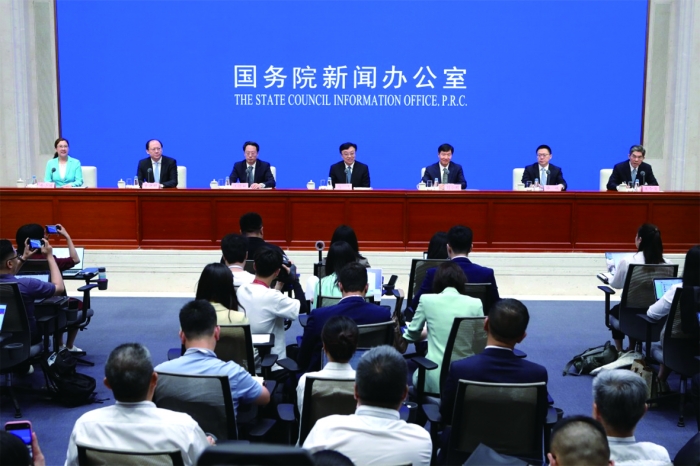
海南自贸港12月18日启动全岛封关运作
Zhong Yang Ji Wei Guo Jia Jian Wei Wang Zhan· 2025-07-23 12:23
Core Points - The Hainan Free Trade Port (FTP) will officially start its full island customs closure operation on December 18, 2025, as a significant milestone in expanding openness and facilitating international trade [1][3] - The customs closure will not restrict the flow of most goods and personnel, maintaining current management practices while enhancing international connectivity [1][3] - The FTP aims to attract global high-quality resources and promote high-quality development through a series of liberalization and facilitation policies [1][3] Policy Measures - The "zero tariff" policy will be implemented, increasing the proportion of zero-tariff goods from 21% to 74% for imports from the "first line" [2] - Trade management measures will be relaxed, allowing for open arrangements for certain previously restricted imports [2] - Existing eight open ports will serve as "first line" ports for the convenient passage of eligible imported goods [2] - A high-efficiency regulatory model will be established to ensure smooth implementation of the open policies [2] Economic Impact - The actual use of foreign capital in Hainan reached 102.5 billion yuan, with an annual growth rate of 14.6% [3] - The four leading industries (tourism, modern services, high-tech, and tropical agriculture) have increased their contribution to the provincial GDP by 13.7 percentage points, now accounting for 67% [3] - The ecological environment quality in Hainan remains among the best in the country, contributing to improved living standards and life expectancy [3] Taxation and Regulation - Independent legal entities registered in the FTP will be exempt from import taxes on goods outside the taxable list, enhancing the coverage of the "zero tariff" policy [4] - The customs authority has developed regulations to ensure effective supervision of the "zero tariff" and other open policies, balancing facilitation and regulation [4] - A new list of prohibited and restricted import/export goods has been established to enhance transparency and facilitate trade [5] Trade Management - The new list significantly increases the transparency of trade management and allows for the relaxation of import restrictions on certain goods, including the cancellation of import licenses for 60 old mechanical products [5] - The FTP will allow for bonded repairs of 38 product codes, achieving the highest level of openness in this area nationwide [5]
社会服务行业快评报告:海南封关年底启动,开放性政策再突破
Wanlian Securities· 2025-07-23 10:55
Investment Rating - The industry investment rating is "stronger than the market," indicating an expected increase of over 10% in the industry index relative to the broader market within the next six months [9]. Core Insights - The Hainan Free Trade Port is set to officially start its customs closure on December 18, 2025, implementing a more liberalized and convenient policy framework characterized by "one line open, one line controlled, and free movement within the island" [2]. - The updated customs policies will significantly enhance the scope of "zero tariff" goods, increasing the number of applicable tariff items from 1,900 to approximately 6,600, which represents about 74% of all tariff items, a rise of nearly 53 percentage points compared to before the closure [3]. - The tourism sector in Hainan is expected to benefit greatly from the new policies, with projections indicating that the province will receive 97.2 million domestic and international tourists in 2024, a year-on-year increase of 8%, with inbound tourists growing by over 100% [4]. Summary by Sections Investment Highlights - The customs closure will introduce more favorable "zero tariff" policies, with the proportion of zero tariff goods increasing significantly [2][3]. - The scope of beneficiaries for the zero tariff policy will expand to include various enterprises and institutions with actual import needs across the island [3]. - The new policies will facilitate the free flow of zero tariff goods among beneficiaries, enhancing the competitiveness of local industries and fostering industrial clusters [3]. Tourism Impact - Hainan's tourism appeal is expected to rise sharply, benefiting from both domestic and inbound tourism growth due to the new customs policies [4][7]. - The demand for professional tour services and one-stop solutions for international tourists is anticipated to increase, benefiting travel agencies involved in cross-border tourism [7]. Investment Recommendations - The report suggests focusing on travel agencies that will benefit from the recovery of tourist flows and the expansion of inbound tourism, as well as duty-free retailers that will enjoy dual drivers from policy and demand [8].
“零关税”明晰,海南自贸港全岛封关货物税收政策敲定
Di Yi Cai Jing· 2025-07-23 10:02
封关是指将海南岛全岛建成一个海关监管特殊区域,实施以"'一线'放开、'二线'管住、岛内自由"为基 本特征的自由化便利化政策制度。"一线"放开,是将海南自贸港与我国关境外其他国家和地区之间作 为"一线",实施一系列自由便利进出举措;"二线"管住,是将海南自贸港与内地之间作为"二线",针 对"一线"放开的内容实施精准管理。 7月23日,财政部、海关总署、税务总局联合印发了两则通知,明确海南自由贸易港全岛封关时的货物 税收政策,海南自由贸易港进口"零关税"制度体系基本确立。这将大幅提升海南自由贸易港货物贸易自 由化便利化水平。 上述三部门发布的《关于海南自由贸易港货物进出"一线"、"二线"及在岛内流通税收政策的通知》(下 称《通知》),明晰了今年底海南自贸港封关后的具体货物适用税收政策。概括来说,《通知》有三项 核心内容: ·在海南自由贸易港登记注册的独立法人企业,自由贸易港内符合条件的事业单位及民办非企业单位 (下称"享惠主体")经"一线"进口征税商品目录以外的货物(下称"'零关税'货物")免征进口税收(包 括进口关税、进口环节增值税和消费税)。 两则《通知》拟于全岛封关运作之日起施行,届时现有进口"零关税"政策 ...
封关不是封岛,更便捷!海南自贸港开放力度更大、产业体系更优 | 政策解读↓
Yang Shi Wang· 2025-07-23 07:06
Core Viewpoint - The official announcement states that the Hainan Free Trade Port will officially start its customs closure on December 18, 2025, as approved by the Central Committee of the Communist Party of China [1] Summary by Relevant Sections Customs Closure Policy - The customs closure refers to establishing Hainan Island as a special customs supervision area, implementing a policy characterized by "freeing up the first line, controlling the second line, and allowing free movement within the island" [3] - The customs closure is aimed at further expanding openness, making Hainan's international connections more convenient [3][10] Tax and Trade Management - A more favorable "zero tariff" policy will be implemented, increasing the proportion of "zero tariff" imported goods from 21% to 74%, allowing tax-free circulation among eligible entities within the island [4][14] - Trade management measures will be relaxed, with open arrangements for certain currently prohibited or restricted imports [4][14] - Ten "second line" ports will be established to facilitate the entry of goods into the mainland, alongside eight existing "first line" ports [4][14] Regulatory Framework - A more efficient and precise regulatory model will be adopted, ensuring low intervention and high efficiency for "zero tariff" goods and relaxed trade management measures [6][14] - Policy documents will be released shortly and will take effect on the day of the island's customs closure [6][14] Economic Development and Investment - Hainan's actual foreign investment has reached 102.5 billion yuan, with an annual growth rate of 14.6%, and the number of newly established foreign enterprises has increased by 43.7% [23] - The four leading industries—tourism, modern services, high-tech industries, and tropical agriculture—have increased their share of the provincial GDP to 67% over five years [25] Infrastructure and Preparedness - The necessary infrastructure for customs closure has been completed and passed national inspections, with a focus on ensuring both openness and effective management [28] - Pressure testing and simulations are being conducted to ensure readiness for the customs closure [28]
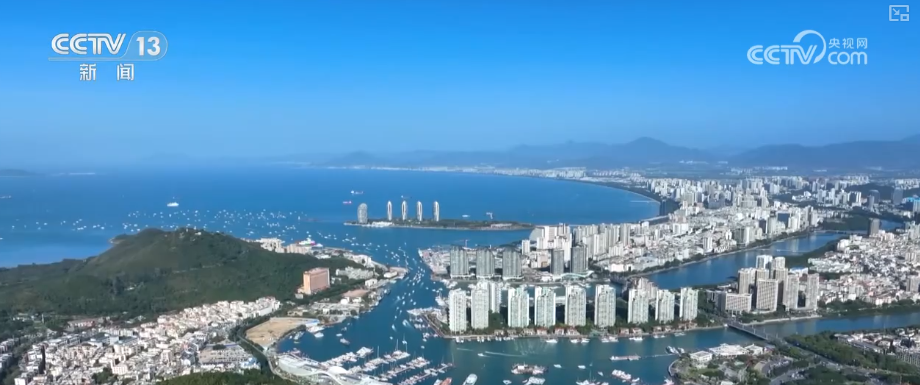
海南自贸港2025年12月封关运作,零关税商品税目将从1900个扩至6600个
Sou Hu Cai Jing· 2025-07-23 03:23
Core Insights - Hainan Free Trade Port is set to officially launch its full island closure operation on December 18, 2025, coinciding with a significant historical moment in China's reform and opening-up [1] - The "zero tariff" policy will undergo fundamental changes, expanding the list of zero-tariff goods from approximately 1,900 to about 6,600 items, increasing the proportion of zero-tariff goods to 74% of all tariff items, a rise of nearly 53 percentage points [1][2] Group 1 - The closure operation will implement a negative list management model, replacing the existing positive list for imported goods [1] - The policy framework will exhibit four enhanced characteristics: more favorable zero-tariff policies, relaxed trade management measures, more convenient passage measures, and more efficient regulatory models [1][2] - The "one line" and "two lines" policy will facilitate free and convenient entry and exit between Hainan and foreign countries, while implementing precise management with the mainland [2] Group 2 - The processing and value-added tax exemption policy will be optimized, with relaxed eligibility criteria for benefiting enterprises and an expanded range of imported materials [2] - Preparations for the closure operation are fully ready, including the completion of policy documents and hardware facilities, with enhanced capabilities for management [2] - The management system for prohibited and restricted items will be innovatively implemented, allowing for the highest level of openness in the bonded repair sector nationwide [2]
美国对全球加税,中国反其道而行,对53国送出大礼包,实施零关税
Sou Hu Cai Jing· 2025-07-18 03:21
Core Viewpoint - China's commitment to expanding trade with African nations through a zero-tariff policy is a strategic move to counteract unfair tariffs imposed by certain countries, particularly the United States, while simultaneously enhancing its own market access and resource stability [1][5]. Group 1: Trade Policy and Economic Impact - China has implemented a zero-tariff policy for 100% of products traded with 53 African countries, which is expected to significantly boost trade volumes and economic cooperation [1][3]. - In the first three months following the implementation of this policy, imports from these African nations surged to $21.42 billion, marking a 15.2% increase [1]. - The zero-tariff initiative allows African businesses to access the Chinese market, which has a population of 1.4 billion, thereby enhancing their competitiveness and income [3]. Group 2: Resource Acquisition and Industry Benefits - The zero-tariff policy enables China to secure essential resources such as minerals and agricultural products, stabilizing its supply chains [3][5]. - For instance, a reduction in tariffs on Niger's sesame seeds resulted in a tax savings of 122,000 yuan for a company in Hubei, showcasing the direct financial benefits of this policy [3]. - The trade relationship has also led to significant increases in imports of coffee and cocoa from Africa, with year-on-year growth rates of 145.7% and 88.6%, respectively [3]. Group 3: Geopolitical Context and Competitive Advantage - The U.S. has struggled to effectively engage with African nations, as its strategies have been criticized for lacking substantial projects beyond military aid [3][5]. - China's approach contrasts sharply with the U.S. by promoting mutual benefits through trade rather than coercive measures, thereby positioning itself as a more favorable partner for African countries [7]. - The ongoing trade dynamics indicate that while the U.S. imposes tariffs, China is actively reshaping global trade rules to foster inclusivity and equitable growth [5][7].
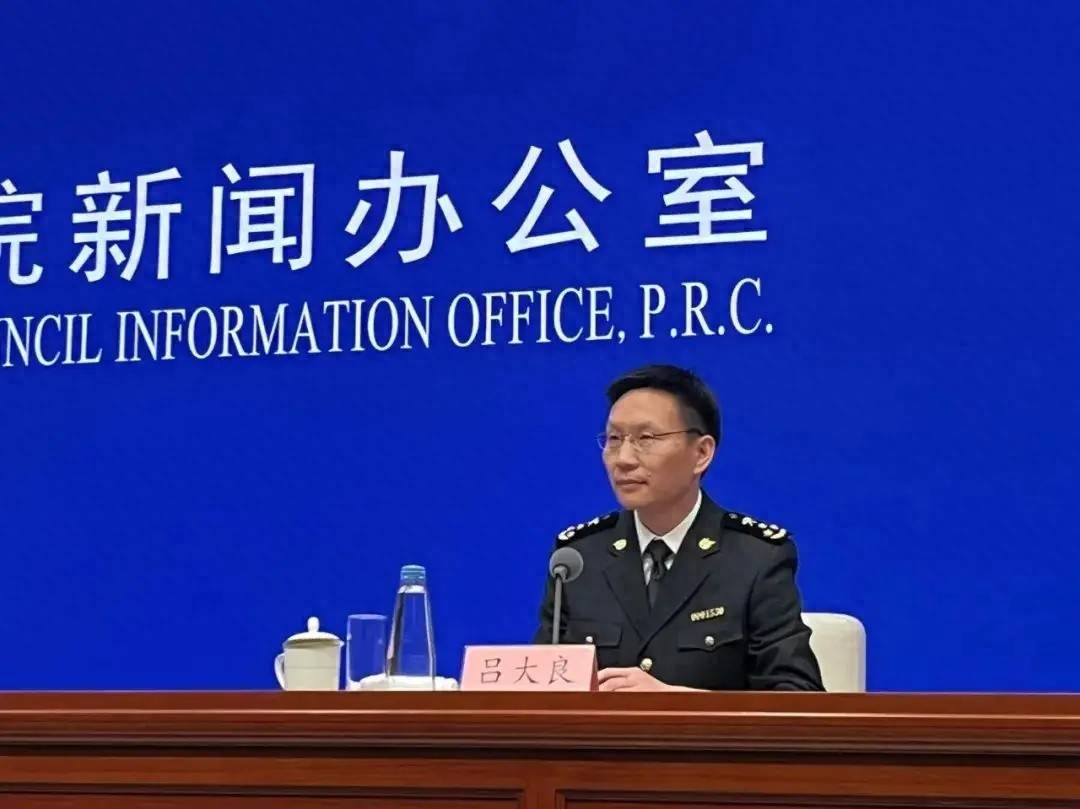
茶咖日报|中国将对非洲53个建交国零关税,利好非洲咖啡出口
Guan Cha Zhe Wang· 2025-07-15 14:24
Group 1: Coffee Industry in China - China will implement zero tariffs on coffee imports from 53 African countries, benefiting African coffee exports [1] - Africa accounts for approximately 12% of global coffee production and is a major supplier of coffee beans to China [1] - In 2023, China imported $170 million worth of coffee from Africa, with a compound annual growth rate of 41.9% from 2014 to 2023 [1] - The Chinese coffee market is experiencing rapid growth, with an expected industry scale of 313.3 billion yuan in 2024, reflecting an 18.1% year-on-year growth [1] - The current tariff on coffee beans from certain African countries is 8%, and the zero tariff will save $320 per ton in duties and $41.2 per ton in VAT, enhancing market opportunities for African coffee [1] Group 2: New Developments in Coffee Brands - Blue Bottle Coffee opened its 13th store in mainland China, located in Shanghai, featuring a design that incorporates LEGO creative elements [4] - MOMOKAWA, a coffee brand from Macau, is set to open its first store in mainland China at Shenzhen Bay MixC, having previously operated a pop-up store in 2024 [5] - MOMOKAWA specializes in handmade desserts, light meals, and unique beverages, with a focus on a tranquil and focused atmosphere inspired by Stoicism [5][6]

海关总署宣布!中国将对这一地区53个建交国零关税
第一财经· 2025-07-14 13:55
Core Viewpoint - The Chinese government is implementing zero tariffs on coffee imports from 53 African countries, aiming to leverage China's large market to promote mutual development and capitalize on the growing coffee consumption in China [1][2]. Group 1: Tariff Policy and Market Impact - The zero tariff policy will significantly reduce the import costs of African coffee to China, which currently faces an 8% tariff on coffee beans [1]. - With an estimated price of $4,000 per ton for coffee beans, the removal of tariffs will save $320 per ton in duties and $41.2 per ton in value-added tax [1]. - In 2023, China imported $170 million worth of coffee from Africa, with a compound annual growth rate of 41.9% from 2014 to 2023 [1]. Group 2: Coffee Market Growth in China - The Chinese coffee market is experiencing rapid growth, with the industry expected to reach a scale of 313.3 billion yuan in 2024, reflecting an 18.1% increase from the previous year [2]. - Per capita coffee consumption in China is projected to rise to 22.24 cups annually [2]. - In the first four months of 2025, the total value of coffee imports through Shanghai was 2.67 billion yuan, a year-on-year increase of 15.5%, with imports from Africa showing a remarkable growth of 129.5% [2].