文旅融合

Search documents
乌镇有戏,“热”在何处(人文茶座)
Ren Min Ri Bao· 2025-11-01 22:18
Core Insights - The 12th Wuzhen Theatre Festival has seen a significant increase in visitor numbers, with a nearly 35% growth compared to the previous year, showcasing the festival's appeal and cultural significance [1] - The festival has evolved into a vital cultural and tourism integration model, with annual visitor numbers projected to rise from 5.69 million in 2013 to nearly 10 million by 2025, and direct revenue expected to increase from 769 million yuan to 1.8 billion yuan this year [1] Group 1: Cultural and Economic Impact - The festival has established itself as a prominent symbol of Chinese theatrical culture, promoting cultural consumption and tourism [1] - The festival's commitment to both global perspectives and local roots has fostered a unique cultural environment, attracting nearly 10,000 young theatre talents and resulting in over 100 original works [1] Group 2: Audience Engagement and Experience - The festival has transformed from a passive viewing experience to an immersive cultural engagement, with various activities allowing audiences to participate actively [2] - The integration of performances into the town's environment has created a dynamic cultural ecosystem, enhancing audience satisfaction and engagement [2] Group 3: Trends in Cultural Consumption - The rapid ticket sales, with the fastest sold out in just 3.9 seconds, reflect a strong demand for high-quality cultural experiences [3] - The festival illustrates a shift in cultural consumption trends, emphasizing the importance of compelling content and deep cultural experiences that resonate with audiences [3] - The current cultural consumption market in China is at a pivotal point, highlighting the need for unique local cultural IPs and a focus on the public's desire for enriching cultural experiences [3]
中国西部旅游产业博览会在渝启幕 展文旅新图景
Zhong Guo Xin Wen Wang· 2025-11-01 12:06
Core Insights - The 9th China Western Tourism Industry Expo, themed "Cultural and Tourism Integration, Beautiful Life," commenced in Chongqing, showcasing vibrant new developments in the cultural tourism sector [1] Group 1: Event Overview - The expo features an exhibition area of 30,000 square meters, with over 500 enterprises from more than 40 countries and regions, as well as over 20 provinces in China participating [1] - Eight major exhibition areas are set up, including domestic and international boutique cultural tourism, travel agencies, cultural tourism creativity and design, outdoor activities, digital technology, tourism products, traditional cultural tourism, and themed tourism [1] Group 2: Regional Highlights - Sichuan province showcased quality cultural tourism enterprises from cities like Chengdu, Bazhong, Dazhou, Nanchong, and Deyang, featuring local specialties such as Shu brocade and Tianfu cuisine [2] - Guangdong province emphasized the "Vibrant Guangdong Fashion Bay Area" theme, highlighting attractions like Danxia Mountain and Kaiping Diaolou [2] - The host city, Chongqing, presented its rich cultural tourism resources from districts like Wulong, Dazu, and Yuzhong, illustrating the city's commitment to high-quality cultural tourism economic development [2]
拉萨市党政代表团来南京考察
Nan Jing Ri Bao· 2025-11-01 03:26
Core Points - The visit of the Lhasa government delegation to Nanjing highlights the ongoing cooperation and support between the two cities, marking the 30th anniversary of their partnership [1][2] - The focus is on enhancing strategic alignment, project support, and cultural exchange to promote regional development and improve living standards in Lhasa [1][2] Group 1 - The Lhasa delegation, led by Deputy Mayor Wang Qiang, expressed gratitude for Nanjing's long-term support, emphasizing the importance of collaboration in various sectors such as digital economy and cultural tourism [2] - Since 1995, Nanjing has sent 178 aid personnel in 11 batches to support Lhasa, contributing over 1.35 billion yuan in aid and establishing more than 500 projects, significantly aiding in poverty alleviation [2]
奋力激发文体创新活力
Guang Xi Ri Bao· 2025-11-01 02:53
Group 1: Cultural Innovation and Development - The 20th Central Committee of the Communist Party emphasizes the need to stimulate cultural innovation and creativity to promote socialist culture [1] - Guangxi's cultural and sports sectors are actively learning and implementing the spirit of the 20th Central Committee, aiming to enhance cultural confidence and innovation to support high-quality economic and social development [1] - The Guangxi Federation of Literary and Art Circles plans to integrate art with technology and tourism, focusing on modernizing artistic creation while preserving cultural heritage [1] Group 2: Media and Technology Integration - The Guangxi Broadcasting and Television Bureau aims to enhance the international communication capacity towards ASEAN through systematic reforms in broadcasting and television [2] - The integration of artificial intelligence in cultural and tourism sectors is prioritized, with plans to develop a comprehensive model and promote innovative technologies in tourism [2] - The focus is on balancing cultural and tourism public services across urban and rural areas, while also enhancing night-time tourism consumption and inbound tourism [2] Group 3: Sports Industry Development - The development of the sports industry is seen as a strategic goal for building a strong sports region and supporting broader economic and social development [3] - The Guangxi Sports Bureau is constructing a unique event system and aims to establish itself as a national experimental zone for high-quality sports development [3] - The integration of AI technology in sports is emphasized, with initiatives to foster innovation and collaboration in the sports sector, particularly in relation to ASEAN [3]
解锁发展新空间
Jing Ji Ri Bao· 2025-10-31 22:10
Core Insights - Enshi County is transforming from a transit point to a tourist destination, achieving significant growth in tourism and economic development [1] Tourism Growth - In the first eight months of this year, Enshi County received 13.83 million visitors, generating a total tourism revenue of 9.399 billion yuan, representing year-on-year increases of 43.41% and 50.30% respectively [1] - The county is leveraging its cultural heritage and unique resources to drive tourism, despite lacking well-known scenic spots [1][2] Cultural Integration - Enshi County is integrating various ethnic cultural elements into its tourism offerings, creating immersive experiences that attract visitors [2] - The county has developed a 4A-level scenic area that emphasizes ecological protection and transforms historical cultural relics into dynamic experiences [1][2] Agricultural Development - The booming tourism has opened new markets for local agricultural products, with an estimated income of 1.39 billion yuan from agriculture related to tourism in the first eight months [2] - The integration of agriculture and tourism is exemplified by Huangping Village, which has successfully transitioned from single-crop farming to a diversified business model [2][3] E-commerce and Sales - Enshi County is utilizing live-streaming e-commerce to promote its selenium-rich agricultural products, achieving significant sales through online platforms [4] - In September, a promotional event led to over 19.8 million yuan in sales within six hours, showcasing the effectiveness of combining agriculture with internet marketing [4] Employment and Economic Impact - The tourism boom has created over 800 stable jobs through innovative market setups, contributing to an indirect income increase of over 10 million yuan [5] - The local economy is further supported by the popularity of unique culinary offerings, such as grilled fish, which generated over 3 billion yuan in sales last year [6][7] Conclusion - Enshi County exemplifies the "tourism plus" model, effectively transforming cultural heritage into economic value and enhancing local livelihoods through integrated development strategies [7]
2025旅游休闲度假消费热点特征与案例研究报告
美团· 2025-10-31 15:37
Investment Rating - The report indicates a positive investment outlook for the tourism and leisure vacation industry, driven by strong government policies and market demand [4][25]. Core Insights - The tourism consumption scale in China is steadily expanding, with a notable increase in the willingness and ability of users from different regions to spend [4][5]. - The integration of culture and tourism is deepening, with new consumption engines emerging from combinations like "culture + events" and "culture + food" [5][11]. - User characteristics are becoming increasingly diverse, with a significant rise in personalized travel and accommodation demands [6][10]. - Technological advancements are driving the industry upgrade, transitioning services from standardization to intelligence [7][25]. - A one-stop travel service model is becoming prominent, enhancing consumer convenience through comprehensive resource integration [9][23]. - The fusion of "culture + events" is transforming short-term economic boosts into long-term consumption momentum [11][12]. - The power of content, particularly from variety shows, is being creatively transformed into consumer engagement and spending [13][14]. - Emotional resonance through multi-dimensional narratives is enhancing user participation and retention [15][16]. - Light consumption models are connecting young consumers with travel destinations, creating a new ecosystem of exposure and conversion [17][18]. - Traditional culture is being expressed in modern ways, allowing for interactive and participatory experiences [19][20]. - The "cool economy" is breaking seasonal and regional limitations, with summer tourism trends focusing on water activities and relaxation services [21][22]. - Cross-industry collaborations are enhancing brand visibility and sales, creating a new travel consumption model [23][24]. - The future of the tourism and leisure vacation market is expected to be driven by technology, innovative models, and deep integration [25][26][27]. Summary by Sections - **Market Growth**: The national tourism consumption scale is expanding, with significant growth in accommodation bookings and railway passenger volume [4]. - **Cultural Integration**: The report highlights the successful integration of culture and tourism, with new consumption patterns emerging [5]. - **User Trends**: There is a notable shift towards personalized travel experiences, with increased demand for unique accommodations [6]. - **Technological Impact**: Technology is a core driver of industry transformation, enhancing service delivery and customer engagement [7]. - **Service Models**: The emergence of one-stop service models is reshaping consumer experiences in the tourism sector [9]. - **Event-Driven Consumption**: The integration of events into tourism is creating sustainable economic benefits [11]. - **Content Marketing**: The influence of media content on consumer behavior is becoming increasingly significant [13]. - **Emotional Engagement**: Emotional storytelling is enhancing user connection and loyalty [15]. - **Light Consumption**: The rise of light consumption models is appealing to younger demographics [17]. - **Cultural Experiences**: Traditional culture is being revitalized through interactive experiences [19]. - **Seasonal Trends**: The report identifies summer tourism trends focused on relaxation and water activities [21]. - **Cross-Industry Collaborations**: Innovative partnerships are driving brand engagement and sales [23]. - **Future Outlook**: The industry is poised for high-quality development through technology and innovative practices [25][26][27].
大湾区对外窗口之“顺”:文旅融合助力成为全球了解中国首站
Nan Fang Du Shi Bao· 2025-10-31 07:27
Core Insights - The Guangdong-Hong Kong-Macao Greater Bay Area (GBA) is experiencing a surge in inbound tourism, driven by policies such as the 240-hour visa-free transit and the upcoming 15th National Games, showcasing its unique resilience and potential [1][9] - The GBA is positioning itself as a premier destination for foreign tourists, offering a seamless blend of business and leisure experiences, which is increasingly appealing to international visitors [2][5] Inbound Tourism Development - The GBA has developed a robust inbound tourism market, with foreign tourists enjoying a "one-stop" experience that combines sightseeing, shopping, and cultural exploration [1][2] - Tour guides report that foreign visitors are increasingly interested in both cultural and modern attractions, with popular itineraries including historical sites and contemporary landmarks [2][3] Business and Leisure Integration - The integration of business and tourism is evident, with foreign business travelers attending trade fairs like the Canton Fair while also exploring local attractions [4][5] - Companies are adapting to this trend by offering tailored services that cater to the dual needs of business and leisure for foreign visitors [5][6] Policy Support and Infrastructure - Recent policy enhancements, such as the Guangdong provincial government's initiatives to improve inbound tourism quality, are facilitating a more comfortable and engaging experience for foreign tourists [4][6] - The GBA's strategic location and visa policies are enabling a more interconnected travel experience across Hong Kong, Macau, and mainland cities [7][8] Economic Impact - Major events and attractions in the GBA are contributing significantly to local economies, with Hong Kong reporting substantial visitor spending and economic growth linked to tourism [6][9] - The GBA aims to become a global tourism hub, leveraging its diverse cultural and economic offerings to attract more international visitors [9]
美景不输阿尔卑斯的西藏旅游如何发展?这场论坛上嘉宾支招
Xin Lang Cai Jing· 2025-10-31 03:36
Core Viewpoint - The 2025 China Tibet Development Forum, themed "Encountering Beautiful Tibet, Writing a New Chapter in the Snowy Region," emphasizes the potential of Tibet's unique natural and cultural resources for sustainable development, particularly in tourism and highland specialty industries [1][3]. Group 1: Forum Overview - The forum includes an opening ceremony, a main forum, and three thematic discussions, focusing on the development of highland specialty industries [1]. - The "In accordance with local conditions to develop highland specialty industries" thematic forum discusses clean energy, highland agriculture and animal husbandry, cultural tourism, and the digital economy [1][3]. Group 2: Cultural and Tourism Development - The forum highlights the need to transform Tibet's intangible cultural heritage into brand and industrial advantages, leveraging its unique natural and cultural resources [3][5]. - Successful case studies from other countries show that community involvement in tourism can lead to sustainable livelihoods and cultural heritage protection [3][5]. - Specific examples of cultural tourism initiatives in Tibet, such as the "Wencheng Princess" epic performance and local festivals, demonstrate the potential for economic growth through cultural integration [3][5]. Group 3: Investment Insights - David Kovacs emphasizes the importance of creating high-value super IPs in Linzhi, drawing parallels with successful high-end tourism models in Switzerland and Norway [6][9]. - The development strategy should include diverse yet refined experiences for different consumer groups, balancing seasonal demands and targeting various market segments [9][10]. - The establishment of a "Linzhi Standard" for specialty agriculture is crucial, focusing on traceability and branding to enhance market value and consumer trust [10].



【各地新亮点】山西运城 IP焕新传承千年文脉
Jing Ji Ri Bao· 2025-10-30 23:08
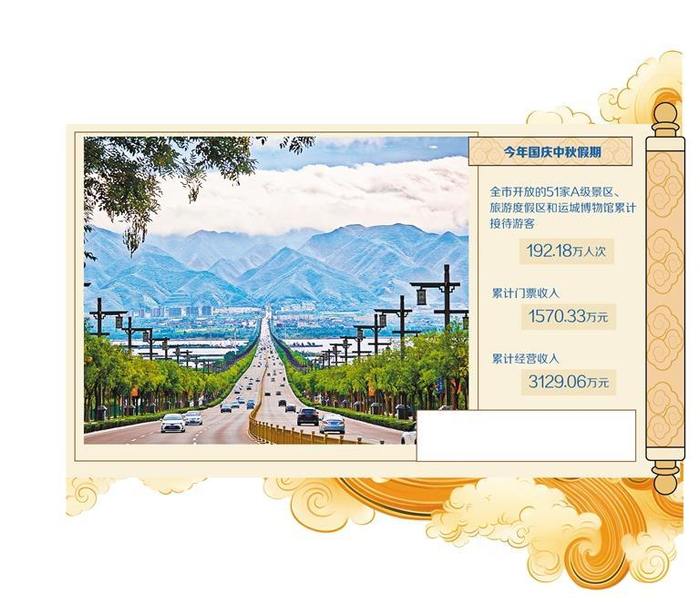
Core Viewpoint - The integration of culture and tourism in Yuncheng, Shanxi, is creating a vibrant economic and cultural landscape, leveraging historical resources to attract visitors and enhance local economic value [2][7]. Cultural Integration - Yuncheng is utilizing creative transformation of cultural IP to deeply integrate cultural elements with tourism, providing immersive experiences for visitors [2]. - The launch of the "DEEPYOU" AI smart voice guide system in the Guan Gong cultural tourism area supports eight languages, enhancing accessibility for international tourists [2]. - Interactive cultural experiences, such as the combination of traditional rituals with modern light technology during the Qingming Festival, are enriching cultural transmission [4]. Technological Innovation - The use of light and shadow shows at night, featuring classic scenes from Guan Gong's stories, revitalizes ancient architecture and attracts visitors [3]. - The introduction of modern technology in traditional settings, such as the "Loyalty Challenge" activity linked to Guan Gong's stories, engages younger audiences through interactive gaming [4]. Heritage and Craftsmanship - Non-material cultural heritage skills are becoming significant economic drivers, with traditional crafts like stone carving and Chengni inkstone production providing income and promoting rural revitalization [5][6]. - The stone carving workshop in Xinjian County has over 800 practitioners, generating significant sales and integrating modern aesthetics into traditional crafts [5]. Tourism Consumption - Yuncheng is creating diverse cultural tourism consumption scenarios, blending historical charm with modern services, which is driving market growth and increasing local incomes [7]. - The local food industry, exemplified by the production of traditional snacks, is thriving, with local businesses benefiting from increased demand and online sales [7][9]. - Innovative accommodations, such as capsule hotels with smart features, are attracting tourists and enhancing their experience [8]. Economic Impact - The integration of cultural tourism has led to a significant increase in visitor numbers and revenue, with 192.18 million visitors and 3.129 billion yuan in total operating income reported during the recent holiday period [9].
透过对话看千年瓷都活力澎湃
Ren Min Ri Bao· 2025-10-30 22:37
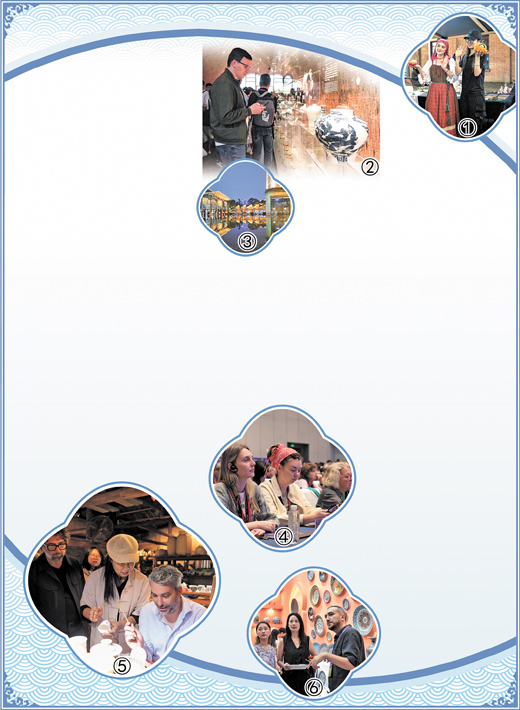
Core Insights - The "World Mayors Dialogue in Jingdezhen and 2025 Jingdezhen Forum" recently took place, gathering mayors and representatives from various countries to discuss cultural and urban development through ceramics [3][7] - Jingdezhen is focusing on integrating cultural elements with urban infrastructure to enhance cultural heritage and provide a model for other cities [4][5] - The city is promoting the development of the ceramic tourism industry by emphasizing traditional craftsmanship and attracting international artists [6][8] Group 1: Cultural Integration and Urban Development - Jingdezhen has introduced 144 new "ceramic road signs" designed with traditional blue-and-white porcelain elements, showcasing a blend of cultural heritage and modern design [4] - The city is committed to protecting its ceramic cultural heritage through various projects, creating a cultural landscape that includes historical sites and modern installations [4][5] - The integration of cultural elements into urban infrastructure has improved the city's cultural profile and serves as a reference for other cities in cultural preservation and innovation [5] Group 2: Tourism and Artistic Engagement - Jingdezhen is home to approximately 60,000 "Jing Drift" residents, including 5,000 from abroad, contributing to a vibrant artistic community [6] - The city is hosting events like the 2025 Jingdezhen Ceramic Spring and Autumn Fair, attracting thousands of artists from various countries to showcase their handmade crafts [6] - The initiative to create a "City of Thousands of Museums" aims to connect the ceramic industry with tourism, allowing visitors to engage with the art of ceramics [6] Group 3: International Collaboration and Cultural Exchange - The forum highlighted the importance of cultural exchange and collaboration among cities, with a focus on the role of ceramics as a medium for communication [7][8] - Jingdezhen has established partnerships with 33 cities and formal relationships with 8 cities, promoting the international exchange of ceramic culture [8] - The city aims to enhance its global presence by collaborating with ceramic-producing regions worldwide, fostering a deeper appreciation for ceramic culture [8]