
民营经济促进法

Search documents
【央广时评】为民营经济持续健康高质量发展赋能
Sou Hu Cai Jing· 2025-05-21 14:39
Group 1 - The "Private Economy Promotion Law" of the People's Republic of China officially took effect on May 20, marking a milestone in the development of the private economy in China [1] - This law clarifies the legal status of the private economy, promotes fair competition, investment financing, technological innovation, and protects the rights and interests of private economic entities [1][3] - The implementation of this law reflects the central government's commitment to supporting the healthy development of the private economy as a long-term policy rather than a temporary measure [3] Group 2 - The law aims to improve governance by addressing issues such as excessive inspections and disproportionate penalties that have increased operational costs for private enterprises [4] - It promotes a modern governance approach that not only regulates private enterprises but also standardizes administrative management and enforcement actions [4] - The effectiveness of the law relies on its implementation, requiring local governments and departments to create a stable, fair, transparent, and predictable legal environment for private enterprises [5]


晶采观察丨民营经济促进法施行 释放三大积极信号
Yang Guang Wang· 2025-05-21 13:07
Core Points - The "Private Economy Promotion Law" officially took effect on May 20, marking a significant legislative step for the development of private enterprises in China [1] - The law emphasizes the importance of the private economy as a driving force for modernization, upgrading its status from a component of the socialist market economy to a vital contributor [1] - As of the end of March, there are over 57 million registered private enterprises in China, accounting for 92.3% of the total number of enterprises [1] Group 1 - The law introduces several firsts, including the formal inclusion of the principle of "two unwavering commitments" and the definition of the private economy as a key force in advancing Chinese-style modernization [1] - The law has generated positive responses from the entrepreneurial community, addressing specific concerns such as prohibiting the abuse of power for economic interests and enhancing legal protections for private enterprises and their owners [2] - The law aims to create a favorable business environment by establishing effective communication mechanisms between government and enterprises, ensuring that the voices of private economic organizations are heard [2] Group 2 - The successful implementation of the law is crucial for its effectiveness, requiring efficient execution and precise safeguards to ensure that the benefits of the policy are fully realized [2]
湖南省发展改革委、省委党校联合举办《民营经济促进法》专题培训
Sou Hu Cai Jing· 2025-05-21 10:10
培训会上,湖南大学法学院屈茂辉教授对《民营经济促进法》进行了系统解读,结合典型案例阐释法律的核心要义和实施要点。省税务局围绕民营企业税 费优惠政策进行详细讲解,重点介绍减税降费、研发费用加计扣除等惠企措施。省发展改革委资环处、产业处、高技处分别就绿色低碳发展、产业转型升 级、高新技术企业扶持等领域政策进行培训,并针对项目储备、资金申报等实操环节进行指导,现场反响热烈。与会企业代表纷纷表示,专家解读非常透 彻,尤其是关于企业权益保护的部分,让大家对法律有了更深的理解,税费优惠政策介绍和项目资金申报指导更是解决了企业运营发展中的具体问题,让 民营企业家们倍感温暖。 《民营经济促进法》于5月20日起施行,这是我国第一部专门关于民营经济发展的基础性法律。正式施行的第一天,湖南省发展改革委联合湖南省委党校 举办民营经济促进法暨民营经济政策宣传培训班。此次培训采取"主课堂+分课堂"线上线下相结合的方式,主课堂设省委党校,分课堂设各县市区党校。 全省民营企业家代表和各市州、县市区民营经济工作负责人共1700余人参加培训。 民营经济促进法暨民营经济政策宣传培训班现场。单位供图 湖南省发展改革委相关负责人表示,后续将持续发力, ...

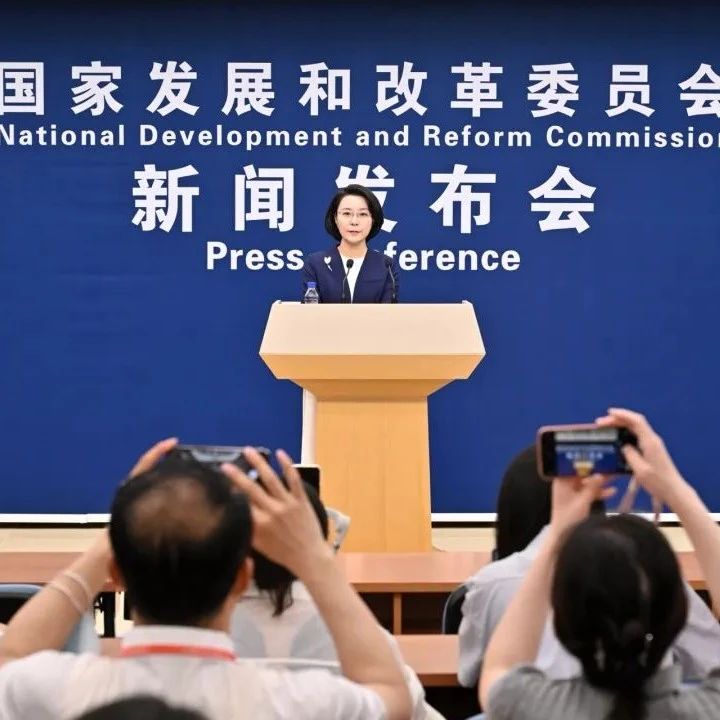
国家发展改革委举行5月份新闻发布会
中汽协会数据· 2025-05-21 08:58
Core Viewpoint - The National Development and Reform Commission (NDRC) emphasizes the implementation of the Private Economy Promotion Law and outlines various measures to stabilize foreign investment, enhance economic growth, and optimize the business environment in response to complex external conditions [1][3]. Economic Performance - In the first four months of the year, China's total retail sales of consumer goods reached 16.2 trillion yuan, a year-on-year increase of 4.7%, indicating a stable growth in consumption and investment despite external pressures [3]. - The retail sales of home appliances, cultural and office supplies, furniture, and communication equipment saw significant year-on-year growth rates of 38.8%, 33.5%, 26.9%, and 19.9% respectively in April [28]. Two Major Construction Projects - The "Two Major" construction projects focus on critical areas such as technological self-reliance, urban-rural integration, regional coordinated development, and food security, aiming to address long-standing issues that require central government intervention [7][28]. Foreign Investment Stability - The NDRC is committed to creating a stable environment for foreign investment, emphasizing that policies to attract foreign capital remain unchanged despite global uncertainties [9]. Artificial Intelligence Integration - The NDRC highlights the role of artificial intelligence in transforming various industries, with examples showing significant improvements in production efficiency and cost reductions, such as a 30% increase in product quality and a 70% decrease in R&D costs [11]. Market Access Barrier Removal - The NDRC, in collaboration with other departments, has initiated actions to clear market access barriers, focusing on eliminating unreasonable regulations and practices that hinder market entry [18]. Business Environment Optimization - The NDRC reports improvements in the overall business environment, with over 90% of provincial administrative licensing matters now processed online, enhancing efficiency and accessibility for businesses [22]. Credit Reporting Policy - The NDRC has implemented a policy to replace the requirement for proof of no violations with a specialized credit report, streamlining administrative processes for businesses [23]. Low-altitude Economy Development - The NDRC is focused on the safe and healthy development of the low-altitude economy, emphasizing the importance of safety in expanding low-altitude tourism and related activities [28].
民营经济促进法正式施行 多个“第一次”激发民营经济新活力
Zhong Guo Qing Nian Bao· 2025-05-21 05:29
"融资难、融资贵"一直是制约民营企业发展的一个现实堵点。民营经济促进法在"投资融资促进"一章对 此作了多项规定。比如,民营经济促进法明确,对金融机构向小型微型民营经济组织提供金融服务实施 差异化政策,督促引导金融机构合理设置不良贷款容忍度、建立健全尽职免责机制、提升专业服务能 力;金融机构违反与民营经济组织借款人的约定,单方面增加发放贷款条件、中止发放贷款或者提前收 回贷款的,依法承担违约责任;建立健全信用信息归集共享机制。 此外,民营经济促进法还从多方面赋能民营经济高质量发展,比如首次明确"支持有能力的民营经济组 织牵头承担国家重大技术攻关任务",提出"支持民营经济组织依法参与数字化、智能化共性技术研发和 数据要素市场建设"等。 "从'引导'到'牵头',词汇的变化彰显了国家对民营经济科技创新活力的充分认知和高度信心。"周子学 说,改革开放以来,我国的民营经济中不断涌现出科技创新活力十足的企业,"各行各业的民营经济主 体应该充分发挥主人翁意识,在民营经济促进法的保护和支持下不断创新,带动向前发展"。 长期从事民营经济研究的全国工商联原党组成员、专职副主席庄聪生表示,民营经济促进法的颁布施 行,切实回应了广大民 ...
申万宏源杨成长:以法治之力保障民营经济公平竞争和创新
申万宏源证券上海北京西路营业部· 2025-05-21 02:21
框架,清晰回应了民营企业的普遍关切,为民营经济持续健康发展提供更加坚实的法 律基础。 以法治之力保障民营经济公平竞争和创新 杨成长系申万宏源研究首席经济学家,全国政协委员;龚芳系申万宏源研究政策研究室主任,首席 研究员;方思元系申万宏源研究高级研究员;曾培春系申万宏源研究研究员 民营经济促进法,以公平竞争作为制度的核心主线,将公平、公正、平等的市场 原则贯穿于各章节、各条款之中,系统构建了保障民营企业公平参与市场竞争的法律 民营经济促进法助力民营经济健康发展 民营经济促进法,不仅以法治手段打破制约民营经济发展的公平竞争 障碍,还以"促进"为核心导向,从投融资支持、科技创新引领等方面 搭建起全方位的支持体系,全面释放了国家坚定支持民营经济发展壮 大的强烈信号,为推动民营经济迈向高质量发展提供了坚实有力的法 治保障。民营经济促进法,除了聚焦公平竞争和企业发展,还将推动 民营企业经营管理规范化、制度化作为重要着力点,通过外部制度体 系的建设引导企业内生机制优化,提升企业综合竞争力。民营经济促 进法,为金融支持民营企业发展提供重要指引,从三方面对金融服务 民营企业作出安排:一是要求高度重视民营企业在获取金融服务中的 ...


陕西积极推动民营经济促进法落地实施
Shan Xi Ri Bao· 2025-05-21 00:19
省内民营企业发展信心显著增强,投资步调持续加快,创新活力持续激发。据省统计局统计,今年 一季度,陕西民间投资占全部投资近五成,同比增长21.3%,增速较2024年全年加快14.4个百分点,高 于全国增速20.9个百分点,拉动全省投资增长8.3个百分点;民营经济增加值占陕西GDP的比重增加至 49.5%。截至一季度末,陕西民营经济经营主体达578.38万户,同比增加2.28万户。 省发展改革委相关负责人表示,陕西按照关中、陕北、陕南分片区,邀请专家学者向省市县有关部 门、民营企业面对面做好民营经济促进法宣传解读,引导各级各部门和广大民营企业家领会立法宗旨, 积极传递党和国家促进民营经济发展壮大的方针政策;深入实施"七大行动",持续优化营商环境,鼓 励、引导、支持民营经济发展,开创陕西民营经济发展新局面。(记者:杨晓梅) 5月20日,《中华人民共和国民营经济促进法》正式施行。作为我国第一部专门关于民营经济发展 的基础性法律,民营经济促进法颁布实施,在我国民营经济发展历程中具有里程碑意义,将进一步优化 民营经济发展环境,保证各类经济组织公平参与市场竞争,促进民营经济健康发展和民营企业健康成 长。 民营经济促进法颁布 ...
法治护航民营经济重在落实
Jing Ji Ri Bao· 2025-05-20 22:24
5月20日,民营经济促进法正式施行。这是我国第一部专门关于民营经济发展的基础性法律,其实施充 分彰显党和国家促进民营经济发展的坚定决心,以法治的稳定性增强民营企业发展的确定性。 我国民营经济具备相当规模、占有很重分量,推动民营经济高质量发展具备坚实基础。民营经济促进法 将政策和实践中行之有效的一系列经验做法确定为法律制度,并创下第一次将坚持"两个毫不动摇"写入 法律、第一次明确民营经济的法律地位等多个"第一次",这将进一步发挥法治固根本、稳预期、利长远 的保障作用,护航民营经济发展。 法律的生命力在于实施。扎扎实实落实好民营经济促进法,是当前促进民营经济持续、健康、高质量发 展的一项重点工作。 落实民营经济促进法,要坚持目标导向,推动民营企业实现高质量发展。今年一季度,全国新设"四 新"经济民营企业83.6万户,民营企业进出口高技术产品创历史同期新高。民营经济促进法精准施策, 一方面通过"开放国家重大科研基础设施"等途径鼓励、支持民营经济组织推动科技创新、培育新质生产 力、建设现代化产业体系,另一方面引导其完善治理结构和管理制度。要推动相关条款落实落细,进一 步激发民营经济发展潜力。 落实民营经济促进法,要坚 ...
以法治护航民营经济健康发展(人民时评)
Ren Min Ri Bao· 2025-05-20 21:42
Core Viewpoint - The implementation of the Private Economy Promotion Law provides legal protection for the rights and interests of private enterprises, addressing issues such as malicious defamation, illegal fees, and arbitrary enforcement, thereby fostering a stable environment for private economic development [1][2]. Group 1: Legal Protections - The Private Economy Promotion Law explicitly states that the personal rights, property rights, and operational autonomy of private economic organizations and their operators are legally protected, prohibiting any infringement by individuals or entities [1]. - The law aims to address prominent issues in rights protection, providing institutional guarantees for the healthy development of the private economy [1][2]. Group 2: Administrative Regulation - The law emphasizes the need to regulate administrative power and establish clear boundaries, particularly in administrative inspections, to alleviate burdens on private enterprises [2]. - Initiatives like the "inspection code" in Shanghai have been introduced to standardize inspections, reducing unnecessary checks and allowing businesses to focus on innovation [2]. Group 3: Social Environment and Legal Framework - A strong legal atmosphere is essential for protecting the rights of private enterprises, with a focus on clarifying misconceptions and providing effective judicial channels for victims [3]. - The law incorporates principles of equality and fairness, emphasizing equal treatment for all types of enterprises, which is crucial for creating a stable and predictable development environment for the private economy [3]. Group 4: Implementation and Support - Effective implementation of the law requires coordinated efforts across regions and departments to ensure that supporting measures are detailed and executed [3]. - By enhancing legal stability, the law aims to boost the internal motivation of private enterprises, promoting sustainable and high-quality development in the private economy [3].
专家解读民营经济促进法
2025-05-20 15:24
Summary of Key Points from the Conference Call Industry or Company Involved - The discussion revolves around the **Private Economy Promotion Law** in China, focusing on its implications for private enterprises and the overall economic environment. Core Points and Arguments - The **Private Economy Promotion Law** has been rapidly legislated, indicating the government's strong emphasis on private enterprises, aiming to provide a more stable and secure development environment for them [1][3][5] - Key amendments in the law address market issues, such as Article 24, which restricts financial institutions from unilaterally increasing loan conditions to prevent loan withdrawals; Article 52, which merges inspections to reduce arbitrary fines; and Article 53, which establishes a complaint mechanism to hold government departments accountable [1][3][4] - The law explicitly prohibits arbitrary fines and charges without legal basis, emphasizes the statute of limitations for prosecutions, and strengthens accountability measures against abuse of power in law enforcement [1][7][8] - Compared to the **Small and Medium Enterprises Promotion Law**, the Private Economy Promotion Law offers superior rights protection and clarity, particularly regarding large enterprises delaying payments to small and medium enterprises [1][8] - The law aims to protect vulnerable groups and ensure fair competition among various market entities, addressing issues of payment delays by large enterprises to smaller ones [1][10] Other Important but Possibly Overlooked Content - The share of private economy in fixed asset investment has decreased from approximately 54%-56% in 2020 to about 50% in 2024, primarily due to real estate issues; however, opening up access in various sectors could stabilize or enhance private investment [1][19] - Private enterprises are expected to perform better than anticipated in exports, with potential shifts in export directions influenced by future Sino-American relations, suggesting a possible role reversal where private enterprises may take a more prominent role in international trade [2][19][21] - The law's implementation is seen as a critical factor in enhancing the confidence and activity of private enterprises, although there are concerns about its effectiveness and the need for proper execution [11][12] - The ongoing market access negative list system is part of the measures to support private enterprises, aiming to eliminate barriers and enhance participation in various sectors [12][15] - The law's long-term goal is to enhance recognition of the private economy's role in exports, innovation, and employment, which is crucial for achieving national development goals by 2035 and 2050 [17][19]