
零关税

Search documents
专家热议封关后海南自贸港建设路径
Zhong Guo Xin Wen Wang· 2025-12-19 14:12
Core Insights - The core viewpoint of the articles is the strategic development of Hainan Free Trade Port following its recent closure, emphasizing the implementation of a policy framework centered on "zero tariffs, low tax rates, and simplified tax systems" to enhance trade and investment liberalization and facilitation [1][2]. Group 1: Policy Implementation - The policy framework post-closure includes comprehensive implementation of "zero tariffs, low tax rates, and simplified tax systems," facilitating higher levels of free movement of goods, capital, and personnel [1]. - Experts suggest expanding the range of "zero tariff" goods and developing a simplified tax system to address discrepancies arising from tax system integration [1][2]. Group 2: Infrastructure and Financial Development - Recommendations include accelerating the exploration of currency swap agreements and innovating financial products to support industry finance and data finance [2]. - There is a call for strengthening both hardware (infrastructure) and software (digitalization and governance) aspects to enhance the business environment in Hainan [2]. Group 3: Strategic Positioning - Hainan aims to establish itself as a strategic hub for trade between China and ASEAN, focusing on creating two headquarters: one for Chinese enterprises going international and another for foreign enterprises entering China [2][3]. - The development of offshore warehouses and single-sided opening in key industries such as marine tourism and fisheries is highlighted as a priority [3]. Group 4: Future Directions - The focus of Hainan's openness is shifting from goods trade to the flow of capital and data, with an emphasis on creating a low-cost, low-friction, and high-expectation institutional ecosystem [3].
泼天富贵砸来,你还不知道海南封关红利怎么抓?
凤凰网财经· 2025-12-19 13:07
Core Viewpoint - Hainan has been designated as a significant "customs special supervision area," aiming to become an open highland for trade, with policies that facilitate the import of international resources and reduce costs for consumers and businesses alike [5][15][36]. Group 1: Historical Context and Development - Hainan has evolved from a remote fishing village to a bustling trade hub, with its historical significance marked by the establishment of trade ports and the influx of talent following the reform and opening-up policies initiated in 1978 [3][4]. - The island was officially designated as a province and economic special zone in 1988, which catalyzed its development into a key economic area in China [3][30]. Group 2: Policy Changes and Economic Impact - The recent implementation of the "one line open, one line controlled, and free flow within the island" policy has significantly reduced trade barriers, allowing for a substantial increase in the number of duty-free items from over 1,900 to 6,600, covering 74% of product categories [15][16]. - The first day of the customs closure saw a dramatic drop in prices for imported goods, such as Malaysian durians, which saw prices halved from 180-200 yuan per pound to 88 yuan, indicating a direct benefit to consumers [11][16]. Group 3: Business Opportunities - Companies can benefit from unprecedented "zero tariff" policies on most imported production equipment and raw materials, significantly lowering operational costs [19][22]. - The business environment in Hainan is attractive for various sectors, including high-end manufacturing and biomedicine, with reports of companies saving substantial amounts on taxes and import duties [20][23][24]. Group 4: Investment Climate - Hainan is experiencing a surge in investment interest, with numerous projects signed and significant amounts pledged, indicating a robust growth trajectory for the region [28]. - The geographical advantage of Hainan positions it as a strategic trade hub, enhancing its appeal to global investors and businesses looking to tap into the Chinese market [33][36].


封关!中国最大自贸港,摊牌了
Xin Lang Cai Jing· 2025-12-19 12:36
Core Insights - The Hainan Free Trade Port officially commenced full island closure operations on December 18, implementing a system characterized by "one line open, two lines controlled, and free movement within the island" [1][18] - This marks another significant opportunity following Hainan's establishment as a province and economic zone in 1988, approval as an international tourism island in 2009, and designation as a free trade zone in 2018 [2][18] Group 1: Hainan's Unique Position - Hainan is the largest free trade port in China and globally, covering an area eight times that of Dubai, 31 times that of Hong Kong, and 46 times that of Singapore [2][19] - The geographical location of Hainan as China's second-largest island and the largest economic special zone provides it with unique advantages for reform and opening-up [4][20] - Hainan's role as a testing ground for reform is likened to that of Shenzhen in the early stages of China's opening-up [4][22] Group 2: Benefits of the Free Trade Port - The free trade port will create a special "inside customs, outside customs" regulatory area, allowing for the free flow of goods with zero tariffs between Hainan and international markets [6][23] - Hainan has opened visa-free entry to 86 countries and established multi-functional free trade accounts, enhancing its international connectivity [6][23] - The tax benefits include zero tariffs on most goods and a reduced corporate income tax rate of 15% for encouraged industries, making Hainan a tax haven [7][24] Group 3: Economic Growth Potential - Hainan's GDP is projected to reach 793.6 billion yuan in 2024, with the goal of surpassing one trillion yuan during the 14th Five-Year Plan period [26][30] - The province is shifting from a reliance on real estate to focus on tourism, modern services, high-tech industries, and tropical agriculture, with these sectors expected to account for over two-thirds of the economy by 2024 [30][31] - Hainan aims to develop a modern industrial system targeting emerging industries such as digital economy and green technology, while also enhancing its service trade capabilities [31][35] Group 4: Comparison with Hong Kong - Unlike Hong Kong, which serves as a global financial and trade hub, Hainan's strengths lie in its tourism and service sectors, with potential to develop as a shopping paradise and international tourism consumption center [34][36] - Hainan's unique status as the only free trade port with Chinese characteristics positions it as a key player in exploring new paths for high-level opening-up [36]
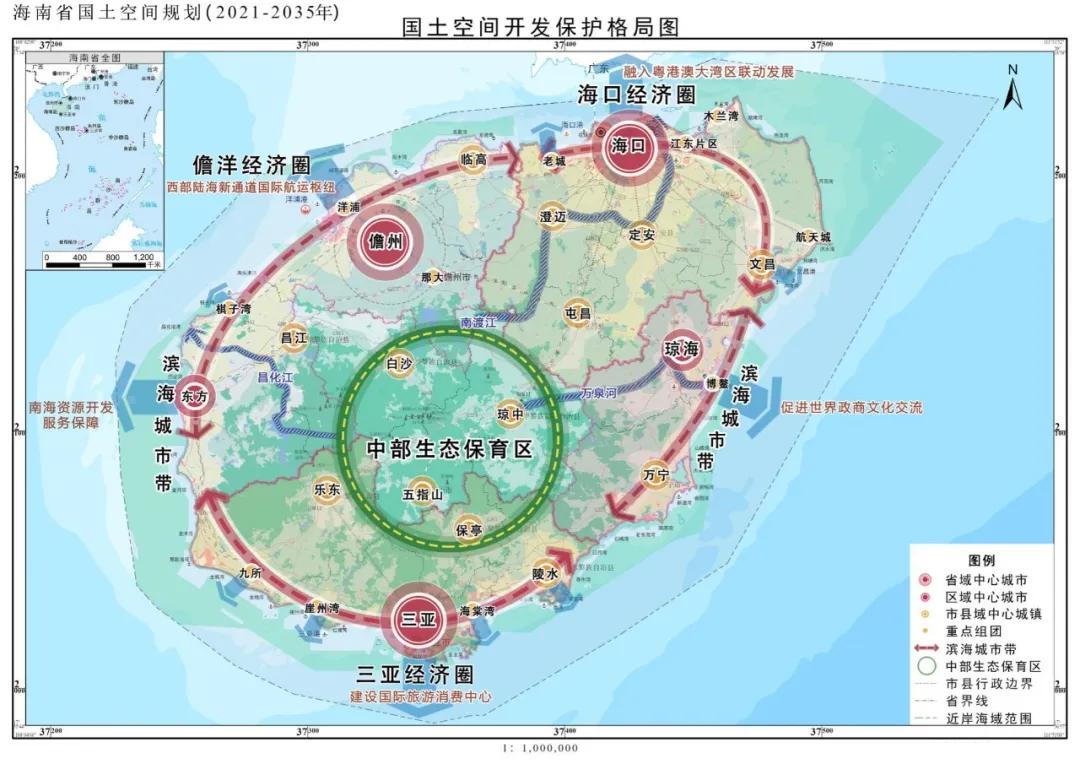
海南封关了!“零关税”商品税目扩大至约6600个,开放力度比肩国际一流
Xin Lang Cai Jing· 2025-12-19 12:13
Core Viewpoint - The opening of Hainan's free trade port marks a significant milestone in China's reform and opening-up, providing unprecedented freedom for the flow of goods, capital, and personnel between Hainan and the outside world, amidst rising protectionism globally [2][3]. Group 1: Economic Impact - On the first day of the closure, Hainan experienced a shopping atmosphere akin to "Double Eleven," with significant discounts on luxury items like the iPhone 17 Pro Max, which was cheaper by 2,140 yuan compared to the official price [2]. - The zero-tariff policy has expanded from covering 1,900 tax items to approximately 6,600, increasing the proportion of zero-tariff items from 21% to 74%, benefiting high-end manufacturing and biopharmaceutical companies by reducing costs [4][5]. - The processing and value-added exemption from tariffs for goods that undergo over 30% processing in Hainan will significantly enhance cash flow efficiency for companies, particularly in sectors like medical devices [5]. Group 2: Regulatory Framework - Hainan will implement a regulatory policy of "one line open, two lines controlled, and free flow within the island," allowing comprehensive openness to the world while maintaining management defenses with the mainland [4]. - The establishment of a negative list for cross-border service trade, which is the shortest in the country, has facilitated significant openings in finance, shipping, and professional services, lowering barriers for foreign investment [8]. Group 3: Strategic Positioning - Hainan's geographical advantage as the center of the RCEP region and its role as a frontier for China's engagement with ASEAN are crucial for its strategic development [3]. - The integration of international high standards with China's unique characteristics in the design of Hainan's free trade port aims to create a multifaceted development model focusing on tourism, modern services, and high-tech industries [6]. - The projected growth in sectors such as aerospace, deep-sea exploration, digital economy, and green energy is expected to be driven by the 15% corporate tax incentive and the evolving investment landscape [8].
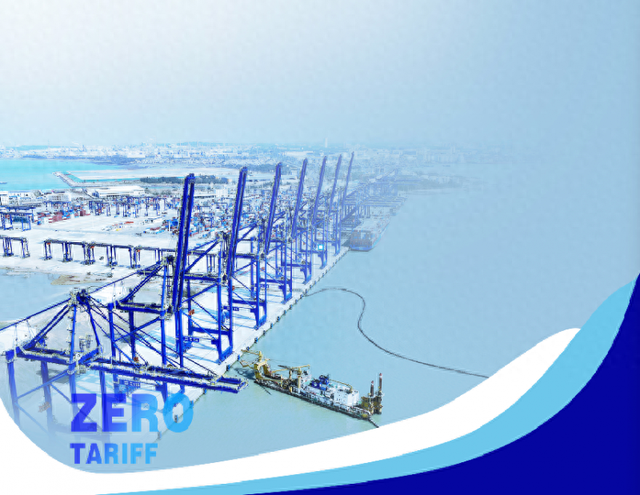
视频丨节省近4小时、“零关税” 清单扩容 自贸港封关后便利多多
Yang Shi Xin Wen Ke Hu Duan· 2025-12-19 10:22
12月18日,海南自由贸易港正式启动全岛封关。海南全岛成为一个海关监管特殊区域,实施以"'一线'放开、'二线'管住、岛内自由"为基本特征的自由化便 利化政策制度。这是我国坚定不移扩大高水平对外开放、推动建设开放型世界经济的标志性举措。 0:00 总台央视记者 孙艳:这里是海南自贸港"一线"放开的主通道洋浦港,我身后一艘搭载着17.9万吨石化原辅料的货船正缓缓靠港,这也是海南自贸港封关运作 后的第一批"零关税"进口产品,海关快速验行,节省通关时间近4小时。 三亚崖州湾科技城管理局副局长 周国伟:未来一个月,我们还有好几套设备要进口。封关后"零关税"政策覆盖面的扩大,可以让我们的企业有效降低采购 成本,将更多的资金投入到科研生产上,进一步激发企业创新活力。 除了"零关税",封关后,加工增值内销免关税政策在此前试点的基础上进一步优化,扩大进口料件范围,政策享惠门槛明显降低。岛内加工增值达到30%的 产品,可以免关税进入内地市场。 总台央视记者 王雷:我现在就在海口新海港和南港"二线口岸"货运集中查验场,在我身后,第一批装载着享受加工增值免关税政策货物的车辆,正在顺序 通过海关监管通道,准备进入内地。 海南维力医疗科 ...
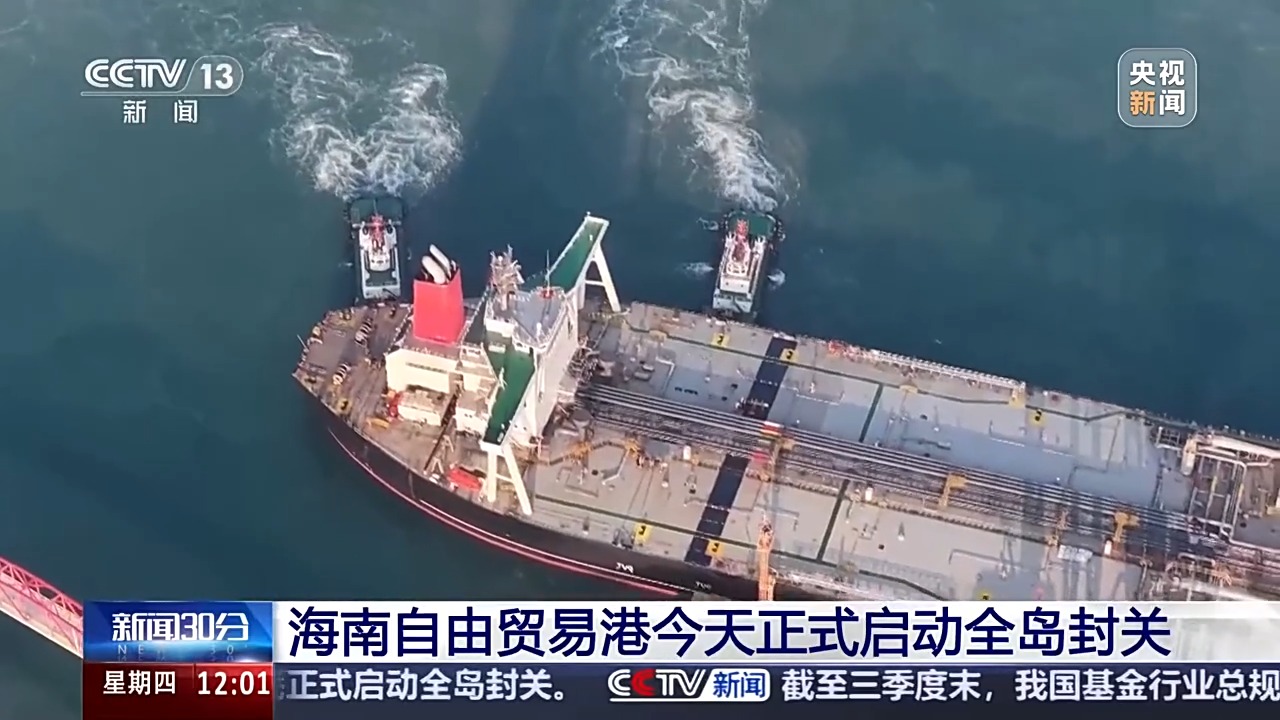
节省近4小时、“零关税” 清单扩容 自贸港封关后便利多多
Yang Shi Xin Wen Ke Hu Duan· 2025-12-19 07:55
Core Points - Hainan Free Trade Port has officially launched its full island closure, becoming a special customs supervision area with a policy characterized by "one line open, one line controlled, and free movement within the island" [1] - The first batch of "zero tariff" imported products, including 179,000 tons of petrochemical raw materials, has arrived at Yangpu Port, significantly reducing customs clearance time by nearly 4 hours [1][3] - The list of "zero tariff" goods has expanded to approximately 6,600 tax items, broadening the scope of beneficiaries [3] Customs and Trade Facilitation - To ensure smooth customs clearance for the first batch of goods post-closure, high-frequency scheduling and tailored service strategies have been implemented [3] - The first batch of "zero tariff" goods, including a set of imported scientific research equipment valued at 1 million yuan, has completed customs clearance at Sanya Phoenix Airport, saving over 180,000 yuan in procurement costs [5] - The processing and value-added internal sales tax exemption policy has been optimized, allowing products with over 30% value-added to enter the mainland market duty-free [9] Economic Impact and Future Prospects - The expansion of the "zero tariff" policy is expected to lower procurement costs for enterprises, enabling them to invest more in research and production, thereby enhancing innovation [7] - The closure marks the beginning of a new phase in the construction of Hainan Free Trade Port, with plans to continuously expand open fields and improve policy systems [14] - The Hainan Provincial Development and Reform Commission aims to promote foreign investment and enhance the convenience of foreign investment, striving to create a modern industrial system with Hainan characteristics [14]
成本降低,企业科研创新有了更多资金
Hai Nan Ri Bao· 2025-12-19 07:35
Core Points - Hainan Province officially launched its customs closure operation on December 18, allowing for "zero tariff" imports, which is a key policy of the Hainan Free Trade Port [1][2] - The first batch of "zero tariff" goods included medical equipment for the Sanya Dental Medical Center and research equipment imported by China National Pharmaceutical Group [1] - The "zero tariff" policy is expected to significantly reduce import costs for enterprises, thereby attracting high-end medical equipment and other industrial elements to Hainan [1] Group 1 - The first batch of goods imported under the "zero tariff" policy included four medical devices from Germany and two research devices, with a tax exemption rate of 12% on the procurement amount [1] - The customs clearance process was expedited, with goods being released just three minutes after submission through the Hainan International Trade "single window" [1] - The "zero tariff" import goods will be managed under a negative list system, with the proportion of "zero tariff" items increasing to 74%, expanding the benefits for enterprises [2] Group 2 - The implementation of the "zero tariff" policy is expected to enhance the competitiveness of local industries and promote industrial upgrades in Hainan [1] - The reduction in tax burdens, such as the previous 5% customs duty and 13% import VAT, has increased confidence among companies operating in Hainan [2] - The new regulatory model of "one line open, two lines controlled, and free within the island" is now in effect, facilitating easier access to imported goods [1]
海南自贸港封关首日 “一线”进口“零关税”享惠货物3.6亿元
Yang Shi Xin Wen· 2025-12-19 07:24
Group 1 - The Hainan Free Trade Port officially commenced full island closure operations on December 18 [1] - On the first day of closure, customs supervision recorded "zero tariff" imports valued at 360 million yuan, primarily consisting of crude oil, aircraft materials, and medical equipment [1] - Customs also supervised imports with relaxed trade management measures amounting to 34.7 million yuan, mainly for "two ends outside" bonded maintenance of medical equipment [1] Group 2 - Customs supervision of "second line" domestic processing value-added goods exempt from tariffs amounted to 14.689 million yuan, with a total tariff exemption of 808,000 yuan, mainly for medical devices, pharmaceuticals, and food [1] - The operations involved nine "second line ports," including Haikou New Port, Haikou Port (Mamu Port Area), Haikou Meilan Airport, and Yangpu Port [1]
海南“封关”运作正式启动!普通人能薅到啥福利?
Sou Hu Cai Jing· 2025-12-19 04:17
Core Viewpoint - The official launch of the Hainan Free Trade Port's full island closure operation marks a new development phase characterized by "closure operation and high openness," which is expected to bring significant benefits to individuals and opportunities for businesses [1][3]. Group 1: Policy Changes and Economic Impact - The "closure" does not mean restrictions on entry but rather designates the entire island as a "special regulatory area," allowing for free movement of people while regulating goods [3][9]. - A significant expansion of the "zero tariff" list will occur, increasing from 1,900 to approximately 6,600 items, covering 74% of product categories, which will enhance consumer access to affordable imported goods [7][10]. - The implementation of a "dual 15%" tax incentive policy will benefit eligible enterprises and key talents, reducing corporate income tax to 15% [11][10]. Group 2: Benefits for Individuals and Businesses - Individuals will experience lower prices for imported goods, improved medical services, and increased employment and entrepreneurial opportunities due to the new policies [13][7]. - For entrepreneurs, the Hainan closure policy offers a tailored business environment with low tax burdens, high freedom, and strong incentives, making it an attractive location for future investments [9][13]. - The simplified foreign investment negative list allows for equal treatment of domestic and foreign investments, significantly lowering costs for businesses importing equipment and raw materials [10][9]. Group 3: Specific Industry Opportunities - The policy encourages specific industries such as tourism, modern services, high-tech industries, and tropical agriculture to benefit from reduced corporate tax rates [11][10]. - The ability to import raw materials at zero tariffs and process them on the island, with tax exemptions on value-added products, creates a favorable environment for manufacturing and processing trade enterprises [10][9].

封关后,海南自贸港有啥红利?一颗椰子告诉你
Jin Rong Shi Bao· 2025-12-19 03:17
Core Viewpoint - The recent "Hainan Free Trade Port" initiative is expected to significantly enhance the economic landscape of Hainan, providing various benefits such as zero tariffs, increased tourism, and financial support for local industries [3][18]. Group 1: Economic Benefits - The core benefit of the Hainan Free Trade Port is the exemption of import tariffs on foreign goods entering the island, which reduces costs for local processing and increases competitiveness in international markets [7]. - The expansion of the duty-free shopping policy has led to increased consumer spending, benefiting local products and boosting sales for the coconut industry [8]. - The new logistics policies allow for efficient processing and distribution, significantly lowering logistics costs and improving the overall supply chain for local products [9]. Group 2: Financial and Talent Influx - The free trade port has facilitated easier cross-border capital flows, enabling local businesses to access funding through banks and attract foreign investment for agricultural development [12]. - The arrival of agricultural and logistics experts is enhancing the productivity and value of local crops, including coconuts, thereby increasing the overall economic potential of the region [13]. Group 3: Market Opportunities - The Hainan Free Trade Port is expected to create consumer benefits by making imported goods cheaper and enhancing the overall tourism experience [14]. - The initiative is likely to spur explosive growth in sectors such as tourism, modern services, and high-tech industries, creating new market opportunities [15]. - The favorable policies are attracting capital investment, making Hainan a promising location for both physical investments and financial asset allocation [16].