ESG理念

Search documents
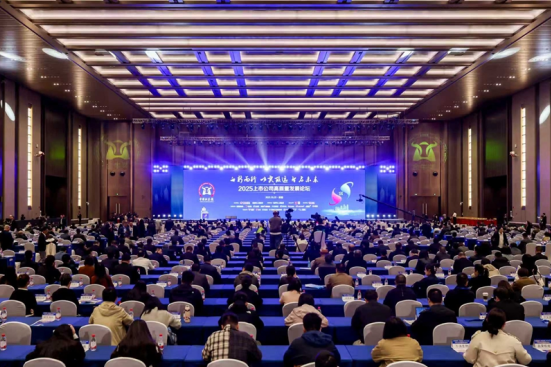
海信家电获上市公司“最具投资价值”奖
Zhong Guo Jin Rong Xin Xi Wang· 2025-11-03 11:33
Core Viewpoint - Hisense Home Appliances has been awarded the Most Investment Value Award at the 2024 Golden Bull Awards, marking the third consecutive year the company has received this recognition, reflecting its strong market performance and governance capabilities [1][3][6]. Group 1: Awards and Recognition - The Golden Bull Award is a prestigious financial brand established by China Securities Journal, aimed at promoting the healthy development of listed companies [3]. - Hisense Home Appliances has won the Most Investment Value Award, which is one of the highest recognition categories, based on strict criteria including company scale, profitability, debt repayment ability, and innovation capacity [3]. Group 2: Company Performance - Over the past decade, Hisense Home Appliances has achieved a compound annual growth rate (CAGR) of 16% in revenue and a remarkable 21% in net profit attributable to shareholders [5]. - The company emphasizes a long-term development philosophy and has established a robust corporate governance mechanism to enhance operational efficiency and quality [5]. Group 3: Innovation and Technology - Hisense is committed to technological innovation, focusing on creating emotional value and satisfaction for users through advanced technology [5]. - The company is advancing its AI strategy, utilizing its self-developed Star Sea model to create five major AI categories, enhancing smart living experiences and home management [5]. Group 4: Sustainability Initiatives - Hisense integrates ESG principles throughout its operations, focusing on employee growth, investor returns, and public welfare to create long-term value [6]. - The company has responded to the national "dual carbon" strategy by publishing its 2024 Carbon Neutrality White Paper, aiming for carbon neutrality in its operations by 2050 [6].

从舍得三季报看酒业破局:深蹲蓄力,多维创新打开增量空间
Nan Fang Du Shi Bao· 2025-11-01 07:10
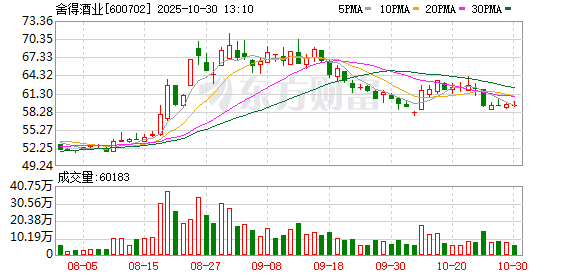
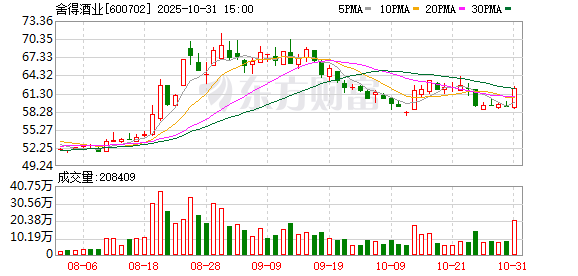
Core Viewpoint - The baijiu industry is undergoing a deep adjustment cycle in 2025, facing challenges such as weakened consumer demand, high channel inventory, and increased sales pressure. However, Shede Liquor has demonstrated resilience in its Q3 report, with revenue of 3.702 billion yuan and a net profit of 472 million yuan, indicating a narrowing revenue decline and a 1.49 percentage point increase in gross margin to 62.09% [2][3]. Group 1: Financial Performance - In the first three quarters, Shede Liquor achieved a revenue of 3.702 billion yuan and a net profit of 472 million yuan, reflecting a strong performance amid industry challenges [2][3]. - The company's gross margin improved to 62.09%, and management expenses decreased by 13.07% year-on-year, while operating costs fell by 8.81%, indicating enhanced operational efficiency [3]. - E-commerce sales reached 450 million yuan, a significant year-on-year increase of 39.62%, driven by the company's focus on traditional e-commerce and emerging channels like live streaming [3]. Group 2: Strategic Initiatives - Shede Liquor has adopted a dual strategy of "high-end pricing and mass market support," alongside explosive growth in e-commerce, to stabilize its market position and cultivate new growth engines [2][3]. - The launch of the low-alcohol product "Shede Zizai" has successfully tapped into new consumer scenarios, achieving over 12,000 orders in just 36 hours on JD.com, expanding the company's product boundaries [4]. - The company is committed to a long-term strategy focused on channel expansion and brand enhancement, aiming to build differentiated competitive advantages through diverse marketing initiatives and deep ESG practices [5]. Group 3: Brand and Market Development - Shede Liquor has enhanced its brand influence through cultural marketing and market activities, including collaborations with popular media and the launch of high-end co-branded products [6]. - The company has engaged in various marketing activities to deepen emotional connections with consumers, enhancing brand exposure and sales conversion [6]. - Shede Liquor has integrated ESG principles into its operations, gaining recognition in the sustainability sector, which strengthens its market position during the industry's recovery phase [6]. Group 4: Market Outlook - As of October 31, Shede Liquor's stock closed at 62.09 yuan per share, with a 5.29% increase, indicating positive market sentiment [7]. - With the upcoming consumption peak in Q4 and ongoing policies to boost domestic demand, the baijiu industry is expected to see a rebound, with Shede Liquor positioned to benefit from its strategic initiatives [7]. - The company's Q3 report highlights its adaptability and growth potential during industry adjustments, suggesting that its proactive strategies may lead to substantial performance returns as the market recovers [7].

中国人寿发布三季报,总资产、投资资产双双超过7.2万亿
Huan Qiu Wang· 2025-10-31 06:30
Core Viewpoint - China Life Insurance Company reported strong growth in new business value and net profit for the first three quarters of 2025, demonstrating resilience and market leadership in the insurance sector [1][2]. Financial Performance - New business value increased by 41.8% year-on-year - Net profit attributable to shareholders exceeded 167.8 billion yuan, a 60.5% increase from the previous year - Shareholder equity reached 625.83 billion yuan, up 22.8% from the end of the previous year - Total assets amounted to 7.42 trillion yuan, with investment assets growing by 10.2% to 7.28 trillion yuan [1][2]. Business Growth - Total premiums reached 669.65 billion yuan, a 10.1% increase year-on-year, with new single premiums at 218.03 billion yuan, up 10.4% - The company achieved double-digit growth in total premiums, new single premiums, and renewal premiums, setting a historical high for the same period [2]. Asset and Liability Management - The company focused on value creation and efficiency, enhancing asset-liability management - Total investment income for the first three quarters was 368.55 billion yuan, an increase of 107.13 billion yuan, with an investment return rate of 6.42%, up 104 basis points year-on-year [3][4]. Product and Service Innovation - China Life diversified its product offerings, with new single premium contributions from life insurance, annuities, and health insurance at 31.95%, 32.47%, and 31.15% respectively - The company introduced various innovative insurance products targeting health and retirement needs, including long-term disability income insurance and specialized products for small businesses [5][6]. Digital Transformation - The company is advancing its digital strategy, enhancing customer experience through a revamped app and intelligent claims processing - The digital claims service saw over 4.8 million claims paid, with a total payout of 160.9 billion yuan, and a significant portion of claims processed through digital means [6][7][8]. ESG and Sustainable Development - China Life integrates ESG principles into its operations, focusing on environmentally friendly investments and social responsibility - The company received an upgraded ESG rating from MSCI, reflecting its commitment to sustainable practices and governance [8][9].

深耕绿色金融,金元证券勇担“动力引擎”重任!
券商中国· 2025-10-31 02:28
Core Viewpoint - The article emphasizes the role of the securities industry as a "driving engine" for green transformation in China, highlighting its commitment to supporting national strategies and deepening financial supply-side reforms [2][3]. Group 1: Green Financial Development - The securities industry is actively participating in the booming green finance market, positioning itself as a key player in facilitating green transformation [2]. - Jin Yuan Securities is implementing green development concepts through targeted services for innovative enterprises, building green industrial ecosystems, and innovating green financial products [3]. Group 2: Targeted Support for Innovative Enterprises - Jin Yuan Securities focuses on high-growth, green innovation enterprises facing financing challenges, providing tailored financial solutions to meet their needs [4]. - A notable case is Beijing Chainyu Technology, which received customized equity financing from Jin Yuan Securities, enabling it to complete critical technology development and enter a scaling phase [4]. Group 3: Building Green Industrial Ecosystems - Jin Yuan Securities is expanding its business scope to construct green industrial ecosystems and promote the development of green industry clusters [5]. - Collaborations with local governments and industrial parks have led to the design of comprehensive plans for state-owned enterprise transformation, focusing on green low-carbon services [6]. Group 4: Innovative Financial Products and Services - The successful launch of the first green port revenue ABS product in China, managed by Jin Yuan Securities, raised 620 million yuan, showcasing innovative financing channels for port enterprises [7]. - Jin Yuan Securities is committed to developing a comprehensive green financial service system, integrating green research consulting, financing, investment, and energy management services [7]. Group 5: Collaboration and Research - The company is enhancing its professional advantages by collaborating with research institutions and universities to support green technology innovation and industrial development [8]. - Jin Yuan Securities has provided comprehensive financial services to over ten leading enterprises in the green industry, reflecting its significant impact in the sector [8]. Group 6: Policy and Future Directions - The inclusion of green finance indicators in the evaluation system for securities firms by the China Securities Association is expected to drive further investment and innovation in the green finance sector [8]. - Jin Yuan Securities aims to explore new models and pathways for green finance, contributing to the achievement of carbon neutrality goals through enhanced collaboration and support for green industries [8].

点面结合深耕绿色金融 金元证券勇担“动力引擎”重任
Zheng Quan Shi Bao· 2025-10-30 22:15
Core Viewpoint - The rapid development of China's green finance market positions the securities industry as a "driving engine" for green transformation, with Jin Yuan Securities actively implementing green development concepts through various initiatives aimed at supporting innovative enterprises and building a green industrial ecosystem [1]. Group 1: Precision Support for Green Innovation Enterprises - Jin Yuan Securities focuses on high-growth, green innovation enterprises to address their financing challenges, exemplified by its tailored equity financing solution for Beijing Chainyu Technology, which has successfully transitioned to a leading industry player [2]. - The financing support provided by Jin Yuan Securities has enabled Chainyu Technology to enhance its industrial collaboration and expand its projects in regions like ASEAN, showcasing the importance of early intervention in providing necessary capital and resources for growth [2]. Group 2: Building a Green Industrial Ecosystem - Jin Yuan Securities collaborates with local governments and industrial parks to develop specialized services in low-carbon energy and green finance, including a comprehensive plan for state-owned enterprises' industrial transformation in a northern city [3]. - The company has successfully replicated its market-oriented energy management model across multiple cities, allowing specialized companies to manage energy systems and optimize energy consumption while generating revenue through energy savings [3][4]. Group 3: Innovative Financial Products and Services - Jin Yuan Securities launched the first green port fee revenue ABS product in China, raising 622 million yuan, which effectively revitalizes port enterprises' existing assets and innovates their financing channels [5][6]. - The company emphasizes the integration of precise services with broader ecological construction, developing a comprehensive green financial service system that includes research consulting, financing, investment, and energy management services [6]. Group 4: Achievements and Future Directions - Jin Yuan Securities has provided comprehensive financial services to over ten leading green industry enterprises, reflecting its significant contributions to the green finance sector [7]. - The inclusion of green finance indicators in the evaluation system for securities firms by the China Securities Association is expected to further drive investment and innovation in the green finance sector [7].
2025广东外资企业百强榜单发布,合计在粤投资304亿美元
Sou Hu Cai Jing· 2025-10-30 15:09
Core Insights - The "2025 Guangdong Top 100 Foreign Enterprises List" was released, featuring 100 multinational companies including BASF, ExxonMobil, Siemens, and Walmart, which collectively invested $30.4 billion in Guangdong, with the largest single investment exceeding $2.6 billion [1][2] - The event aimed to showcase the contributions of foreign enterprises to Guangdong's economic development and to enhance their confidence in investing in the region [1][2] Group 1: Investment Overview - The top 100 foreign enterprises have a total investment of $30.4 billion in Guangdong, with the largest investment exceeding $2.6 billion [1] - The manufacturing sector has the highest representation with 76 companies, while high-tech and knowledge-intensive industries account for over 70% of the listed companies [2] Group 2: Geographic and Sectoral Distribution - Foreign investors primarily come from the United States, Germany, Japan, Singapore, and regions such as Hong Kong and Taiwan, covering 16 countries and regions [2] - 90 of the listed companies are concentrated in the Pearl River Delta cities like Guangzhou and Shenzhen, while the remaining 10 are located in six cities in the less developed areas of Guangdong [2] Group 3: Special Lists - The "30 Years in Guangdong" list includes 43 companies that have invested in Guangdong for over 30 years, with 5 of them also appearing on the top 100 list [2] - The ESG Excellence Case List highlights 22 foreign enterprises' achievements in areas such as green manufacturing and social responsibility, promoting the integration of ESG principles into long-term competitiveness [2]


中国企业改革与发展研究会会长彭华岗:以ESG理念为引领 凝聚产业与金融合力
Xin Hua Cai Jing· 2025-10-30 13:54
Core Viewpoint - The energy transition is a long-term and complex systemic change that requires the guidance of ESG principles to enhance the collaboration between industry and finance [1][2] Environmental Dimension - The core of the energy transition is to reduce dependence on traditional fossil fuels, directing financial resources towards clean energy projects such as wind, solar, energy storage, and hydrogen, as well as energy-saving and carbon-reduction modifications in traditional energy sectors [1] Social Dimension - The energy transition impacts energy security, employment protection, and regional coordinated development, necessitating that financial support considers social benefits to ensure livelihood security and stability in industrial and supply chains [1] Governance Dimension - ESG requires companies to establish more transparent and standardized governance systems, which provide important bases for financial institutions to manage credit risks and optimize investment decisions, while also pushing energy companies to accelerate technological innovation and improve management mechanisms [2] Recommendations - Strengthen ESG-oriented financial resource allocation by improving the green financial product system and optimizing ESG rating and pricing mechanisms to direct capital more precisely to green and low-carbon sectors [2] - Enhance the ESG practice capabilities of energy companies by proactively disclosing ESG information and strengthening the research and application of green technologies [2] - Build an ESG collaborative development ecosystem involving government, industry associations, financial institutions, and enterprises to improve ESG standards and information sharing mechanisms, breaking down data barriers and reducing cooperation costs [2]
产业金融如何更好助力能源转型 这些专家给出答案
Zhong Guo Jin Rong Xin Xi Wang· 2025-10-30 13:38
Core Insights - The forum emphasized the critical role of industrial finance in supporting the energy transition and upgrading the energy sector, highlighting the consensus on the shift towards a green and low-carbon energy structure [1][2] - ESG (Environmental, Social, and Governance) principles are seen as essential for linking industrial development, financial support, and sustainable goals, serving as a value benchmark and action guide for energy transition [1][2] Group 1: Energy Transition and Financial Support - The global energy supply and demand landscape is undergoing significant adjustments, with a consensus on the necessity for a green low-carbon transition [1] - Financial institutions are increasingly incorporating ESG into their investment decision-making frameworks, leading to the development of various financial products like green credit and green bonds [2] - China has established a leading position in the global clean energy sector, particularly in solar, wind, and battery industries, while also reducing dependence on imported oil and gas [2] Group 2: Challenges and Financial Strategies - Despite achievements in energy transition, challenges such as climate change urgency and renewable energy consumption issues in certain regions remain significant [2] - The importance of green finance as a tool for supporting the real economy and promoting low-carbon transitions is highlighted, with a call for increased support for green projects along the Belt and Road Initiative [2] Group 3: Risk Management and Technological Integration - Financial safety is crucial, with a need for risk prevention measures to avoid cross-contamination of financial risks [3] - The development of financial products to manage external risks is essential for ensuring sustainable returns on energy transition investments [3] - A strong emphasis is placed on the integration of technology in finance to support the energy sector, advocating for a cycle of technology, industry, and finance [3] Group 4: State-Owned Enterprises and Financial Services - State-owned enterprises must focus on their core responsibilities and leverage their proximity to the real economy to provide tailored financial services [4] - China National Petroleum Corporation (CNPC) has developed a comprehensive financial service system aligned with its oil and gas industry needs, with total assets in its oil financial business exceeding 1.1 trillion yuan [5] Group 5: Collaborative Initiatives and Reports - A joint initiative was launched by CNPC and nine other state-owned enterprises to promote industrial finance in energy transition, focusing on risk control, open ecosystems, and technological support [5] - The forum included discussions on new models for industrial finance services in energy transition, alongside the release of the "China Energy Finance Development Report (2025)" which analyzes the energy finance market and proposes new development paths [6]

中国人寿前三季度总保费、新单保费、续期保费较上年同期均实现两位数增长
Cai Jing Wang· 2025-10-30 10:36
Core Insights - China Life Insurance Company reported a strong growth in new business value by 41.8% for the first three quarters of 2025, with net profit attributable to shareholders exceeding 167.8 billion yuan, marking a 60.5% increase year-on-year [1] - The total premium income reached 669.645 billion yuan, a year-on-year growth of 10.1%, with new single premium income at 218.034 billion yuan, up 10.4% [1] - The company emphasized the importance of asset-liability management and has seen comprehensive improvements in management effectiveness [1] Business Development - China Life is focusing on diversified product offerings, with new single premium income from life insurance, annuity insurance, and health insurance accounting for 31.95%, 32.47%, and 31.15% respectively, indicating balanced development [1] - The company is actively promoting the "Guo Shou Good Service" brand, enhancing its product lines in health insurance, including long-term disability income loss insurance and various other innovative products [2] - As of September 30, 2025, China Life's total sales force stood at 657,000, with individual insurance sales personnel numbering 607,000, maintaining the industry's largest team [2] Digital Transformation - China Life is advancing its digital claims service system, with over 48 million claims paid in the first half of 2025, totaling 160.9 billion yuan, including over 34 billion yuan for health insurance claims [2] - The company is enhancing its digital infrastructure, focusing on intelligent and simplified data management, and integrating AI technologies into its business operations [3] - China Life is committed to ESG principles, promoting environmentally friendly investments and inclusive insurance products to support sustainable development [3]
舍得酒业前三季度营收37.02亿元 大众酒与电商业务延续高增长态势
Zheng Quan Ri Bao· 2025-10-30 05:09
Core Viewpoint - Shede Liquor Industry Co., Ltd. reported a stable performance in the first three quarters of 2025, with revenue of 3.702 billion yuan and a net profit of 472 million yuan, indicating effective strategies in a challenging market environment [2][3]. Financial Performance - The company achieved a gross margin increase of 1.49 percentage points to 62.09% in Q3, reflecting improved profitability through effective pricing and product structure optimization [3]. - Operating costs decreased by 8.81% year-on-year, and management expenses fell by 13.07%, showcasing ongoing efficiency improvements [3]. - Total assets grew to 12.558 billion yuan, indicating continued scale expansion [3]. Market Strategy - Shede Liquor is actively adjusting its strategies in response to market conditions, focusing on inventory reduction and price stabilization [3][4]. - The strategic flagship product "T68" saw a sales revenue increase of 16.46% year-on-year, contributing positively to overall performance [3]. Channel Optimization - The company has enhanced its e-commerce presence, achieving 450 million yuan in e-commerce sales, a 39.62% increase year-on-year, by leveraging traditional and emerging online sales channels [3][5]. Product Innovation - Shede Liquor is focusing on both high-end and low-alcohol products to capture diverse market segments, including the launch of a low-alcohol variant and innovative packaging strategies [5][6]. - The introduction of the "Shedai Zizai" low-alcohol product and the "Shedai Blind Box" reflects the company's commitment to innovation and appealing to younger consumers [6]. Brand Development - The company is enhancing its brand strength through diverse marketing strategies, including cultural marketing initiatives that resonate with consumers [7]. - Shede Liquor has integrated ESG principles into its business model, aiming for sustainable development and long-term growth [7]. Industry Outlook - The white liquor industry is expected to recover in the fourth quarter, supported by favorable policies and seasonal demand, with Shede Liquor positioned for improved performance [8].