
夜间经济

Search documents
上海双节消费796亿元
Jie Fang Ri Bao· 2025-10-10 02:05
Core Insights - Shanghai hosted the "Love Shopping in Shanghai, Enjoy Double Festivals" series of events during the National Day and Mid-Autumn Festival, featuring three main themes: "Gourmet Delights," "Discounted Products," and "Nighttime Shows" [1] Consumption Data - During the holiday period from October 1 to October 8, Shanghai's online and offline consumption payment amounted to 79.6 billion yuan, representing a year-on-year growth of 3.0% [1] - Meituan reported a 7.5% year-on-year increase in restaurant sales in Shanghai [1] Key Business District Performance - Key business districts in Shanghai saw a year-on-year sales increase of 10.2%, with specific districts like Nanjing East Road, Nanjing West Road, and Zhongshan Park experiencing sales growth of 23.2%, 22.7%, and 29.4% respectively [1] Night Economy Growth - The nighttime economy in five popular locations in Shanghai recorded a year-on-year consumption increase of 15.3%, with a week-on-week growth of 31.8% prior to the holiday [1] - Notable growth in specific venues included West Bund Dream Center and Wujiang Road - Fengshengli, which saw increases of 111.9% and 28.0% respectively [1] - Among five nightlife hotspots, Changning's "Shangsheng Night Unending" and Jing'an Joy City Night Food Terrace reported consumption growth of 104.1% and 35.4% respectively [1] International Visitor Spending - There was significant spending activity from international visitors during the holiday, with the number of tax refund claims increasing sixfold year-on-year and sales amounting to a 7.2% increase [1] - The main categories of tax refund goods purchased by inbound visitors included sportswear, electronics, and international brands [1]
点亮夜间经济 提升消费体验
Ren Min Ri Bao· 2025-10-10 01:03
Core Insights - The article emphasizes the significance of nighttime economy in Chongqing, highlighting that over half of the city's consumption occurred at night in the first half of the year [1] - The development of nighttime cultural and tourism economy has been a focus for the local government, with 15 national-level nighttime cultural and tourism consumption clusters established [1][2] Changes in Nighttime Economy - The transformation from specific commercial districts to unique streets has introduced "non-standard commercial" elements, creating visually appealing landmark scenes [3][4] - A meeting in 2017 initiated the inclusion of backstreets into the nighttime economy development plan, aiming to create a more diverse consumption ecosystem [5][6] New Consumption Spaces - The revitalization of the previously neglected Shancheng Alley has led to an average daily foot traffic of over 20,000 visitors in the first half of the year [6][7] - The introduction of "non-standard commercial" shops in the Luzumiao area has resulted in over 70% of the shops being unique and personalized, catering to consumer preferences for individuality [7][8] Diverse Nighttime Offerings - The Nine Streets area has evolved from a simple dining street to a vibrant hub featuring various activities, including live performances and fitness options, attracting a young demographic [9][10] - The "Five Nights" business model, focusing on diverse nighttime experiences, has been promoted by local authorities to enhance consumer engagement [11][12] Management Innovations - The management of nighttime markets has shifted from strict regulations to more refined services, enhancing the overall consumer experience [14][15] - The establishment of a management office for the Nanfang Garden Night Market has significantly reduced complaints and improved business for vendors [15][16] Future Directions - The government aims to refine management strategies to address challenges such as market saturation and competition among nighttime markets [16][19] - Plans are in place to develop more unique commercial projects and enhance the aesthetic appeal of nighttime consumption spaces across the city [8][19]
点亮夜间经济 提升消费体验(人民眼·提振消费)
Ren Min Ri Bao· 2025-10-09 22:22
Core Viewpoint - The development of nighttime economy in Chongqing has become a significant aspect of urban commerce, with over half of the city's consumption occurring at night in the first half of the year. The government is actively promoting this sector through various initiatives and infrastructure improvements [4][5][6]. Group 1: Changes in Nighttime Economy - The transformation of Chongqing's nighttime economy has shifted from specific commercial districts to include unique streets and alleys, introducing "non-standard commercial" models to create visually appealing landmark scenes [4][5][6]. - The government has initiated discussions to incorporate backstreets into the nighttime economy development plan, aiming to enhance the overall consumption ecosystem [5][6]. - The "Mountain City Alley" has been successfully revitalized, attracting an average of over 20,000 visitors daily in the first half of the year, contributing to a 7% year-on-year increase in tourist numbers during the National Day and Mid-Autumn Festival holidays [6][7]. Group 2: Supply Changes - The nighttime economy has evolved from a single scene to a diverse array of experiences, with various entertainment and dining options available, particularly in areas like the "Nine Streets" [11][12]. - The focus on content supply has led to a shift in business types, with the introduction of trendy shops and recreational venues catering to younger consumers [12][13]. - The "Big Nine Streets" project combines vibrant areas like Nine Streets and North Warehouse, attracting a significant number of young consumers, with visitor numbers increasing by 28.1% and 9.5% respectively during recent holidays [13][14]. Group 3: Management Changes - The management approach for nighttime markets has transitioned from strict regulation to more refined services, enhancing consumer experience while addressing local residents' concerns [15][16]. - The establishment of dedicated management offices for nighttime markets has improved operational efficiency, reducing complaints significantly and fostering a better relationship between vendors and local communities [16][17]. - The government is focusing on detailed management strategies to address challenges such as market saturation and competition, ensuring the sustainability of the nighttime economy [17][18][21].

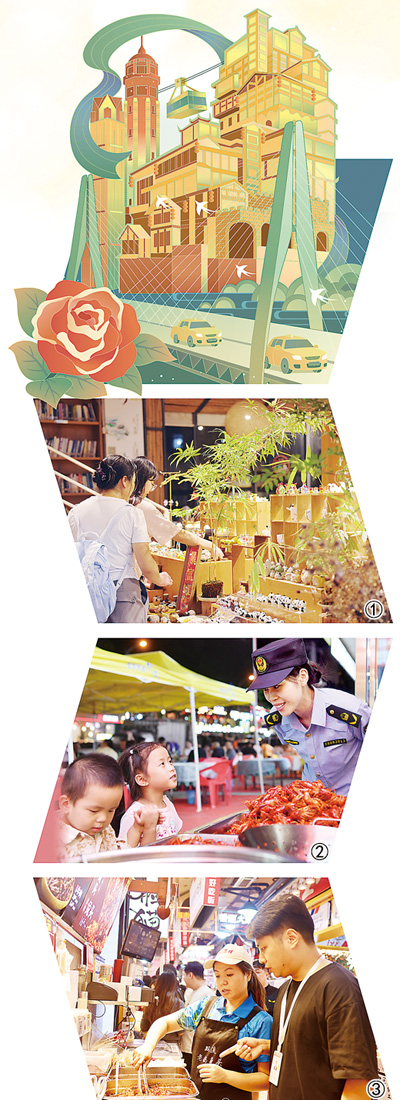
山水搭台 创新赋能(有所思)
Ren Min Ri Bao· 2025-10-09 22:22
Core Insights - The night economy in Chongqing has become a significant driver of consumption, with retail sales reaching 1.11 trillion yuan from January to August, and nighttime consumption accounting for over half of this total [1][2]. Group 1: Night Economy Development - Chongqing's night economy thrives due to its unique night scenery, shaped by its mountainous terrain, providing a stunning backdrop for nighttime activities [1]. - The local government has strategically planned the "Never Sleep Chongqing" urban brand, creating a night consumption map that includes over 120 unique venues, covering a full range of services from dining to entertainment [2]. Group 2: Cultural and Emotional Aspects - The night economy transcends mere economic activity, serving as a vital medium for cultural and emotional resonance, attracting tourists not just for food and sights but for unique life experiences [2]. - Emphasizing local cultural resources and brand development has allowed Chongqing to extend the long-tail effects of its night economy [2]. Group 3: Challenges and Governance - The surge in nighttime visitors presents challenges such as food safety and noise control, requiring effective governance to balance tourist satisfaction with residents' quality of life [2]. - Chongqing has established a coordinated mechanism to address management challenges, transforming quick visits into deeper experiences for consumers [2]. Group 4: Future Competitiveness - The future of urban competition will hinge on cultural appeal, innovation capabilities, and operational excellence, necessitating continuous innovation and refined services to attract both tourists and residents [2].
超过一半的城市消费发生在夜间,山城重庆—— 点亮夜间经济 提升消费体验(人民眼·提振消费)
Ren Min Ri Bao· 2025-10-09 22:02
Core Viewpoint - The development of nighttime economy in Chongqing has become a significant aspect of urban commerce, with over half of the city's consumption occurring at night in the first half of the year, driven by government initiatives and local innovations [1][5]. Group 1: Changes in Nighttime Economy - The transformation of specific commercial areas to unique streets has introduced "non-standard commercial" models, creating visually appealing landmark scenes [2][4]. - A meeting in 2017 initiated the inclusion of back streets in the nighttime economy development plan, aiming to create a more diverse consumption ecosystem [3][4]. - The government has guided the renovation of areas like the Mountain City Alley, which has now become a popular nighttime destination with an average daily footfall of over 20,000 visitors [5][6]. Group 2: Supply Changes - The variety of nighttime consumption experiences has expanded from single scenes to diverse business formats, catering to the preferences of younger consumers [9][11]. - The "Big Nine Street" project combines vibrant areas like Nine Street and North Warehouse, attracting a significant number of young visitors, with foot traffic reaching 150.5 million and 34.5 million during the recent holidays, respectively [12][13]. Group 3: Management Changes - The management of nighttime markets has shifted from strict regulation to refined services, focusing on enhancing consumer experience while addressing local residents' concerns [14][15]. - The introduction of a "building management" system in areas like Good Food Street has improved relationships between managers and merchants, fostering a collaborative environment for business growth [16][17]. - The establishment of detailed operational guidelines and regular inspections has led to improved hygiene and service quality in nighttime markets, resulting in increased customer retention [18][19].
金秋蓟州文旅市场活力十足
Zhong Guo Fa Zhan Wang· 2025-10-09 08:15
Core Insights - The tourism market in Jizhou District shows strong vitality during the National Day holiday, with a total of 3.258 million visitors and a comprehensive expenditure of 1.53 billion yuan, indicating a stable and positive tourism trend [1] Group 1: Tourism Performance - Key scenic spots, hotels, and cultural tourism venues received 3.258 million visitors, generating a total expenditure of 1.53 billion yuan during the holiday [1] - Mountainous scenic areas attracted over 340,000 visitors, with popular spots like Panshan and Baxianshan being particularly favored [2] - Rural tourism remains a hotspot, with occupancy rates of over 90% in established tourist villages, and a total of 490,000 visitors during the rural autumn experience [3] Group 2: Cultural and Recreational Activities - Cultural experiences were enhanced with various events, including the "Yuyang Ancient Street" cultural space and the "Guo Le Festival," attracting 1.03 million visitors and generating 400 million yuan in consumption [4] - The district organized 28 themed activities under the "Maple Rhythm Flowing, Golden Jizhou" campaign, significantly boosting holiday market engagement [5] Group 3: Safety and Management - A robust holiday guarantee system was established, with over 800 teams deployed for safety checks and traffic management, ensuring a smooth and secure tourist experience [6][7] - No major safety incidents or complaints were reported during the holiday, reflecting effective management and service provision [7]
天津双节假期揽客2219.59万人次 游客花费215.75亿元
Zhong Guo Xin Wen Wang· 2025-10-09 07:01
Core Insights - The tourism market in Tianjin showed significant growth during the National Day and Mid-Autumn Festival holiday, with a total of 22.2 million visitors and spending of 21.6 billion yuan, marking increases of 5.7% and 13.2% respectively compared to the same period in 2024 [1] Group 1: Tourism Performance - Tianjin received 22.2 million visitors during the holiday, reflecting a 5.7% increase from 2024 [1] - Total tourist spending reached 21.6 billion yuan, which is a 13.2% increase compared to 2024 [1] - The city experienced a rise in tourism activity while complaints and negative public sentiment decreased [1] Group 2: Cultural and Recreational Activities - Various cultural events and activities were organized, including themed light shows, non-heritage exhibitions, and esports competitions, which attracted many visitors [2] - The "Haihe Night" event was launched to promote local tourism, showcasing unique cultural features and enhancing nighttime economic activities [2] - The city implemented a new lighting system along the Haihe River, creating an open "urban reception hall" atmosphere [2] Group 3: Special Attractions and Events - Red tourism gained popularity, with special exhibitions and educational programs at memorial sites like the Pingjin Campaign Memorial Museum [4] - Cultural performances, including concerts and traditional opera, contributed to a vibrant cultural consumption environment [4] - The city hosted 65 exhibitions and 153 educational activities in museums, promoting the idea of celebrating traditional festivals in museums [4] Group 4: Regional Collaboration - The Beijing-Tianjin-Hebei region collaborated to launch over a thousand cultural tourism activities and autumn-themed routes, enhancing the overall tourism experience [2] - Specific events like "Maple Rhythm" in Jizhou District and "Coastal Fun" in Binhai New Area attracted visitors from the surrounding regions [2]
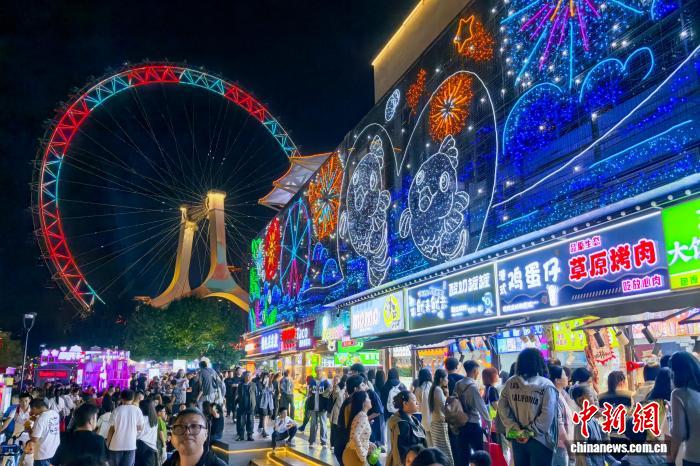
百亿级大项目,你参与了吗?
Sou Hu Cai Jing· 2025-10-09 02:16
Core Insights - During the National Day and Mid-Autumn Festival, Shanghai hosted the "2025 Love Shopping Shanghai Enjoy Double Festival" series of events, creating a multi-dimensional festive experience for residents and domestic and international travelers [2] Consumption Trends - From October 1 to October 8, the total online and offline consumption payment amount in Shanghai reached 79.6 billion yuan, a year-on-year increase of 3.0% [4] - Restaurant sales in Shanghai increased by 7.5% year-on-year during the holiday period [4] - Key commercial districts in Shanghai saw a year-on-year sales increase of 10.2%, with Nanjing East Road, Nanjing West Road, and Zhongshan Park experiencing sales growth of 23.2%, 22.7%, and 29.4% respectively [4] - Nighttime economy landmarks in the city recorded a year-on-year increase in nighttime consumption of 15.3%, with a week-on-week increase of 31.8% before the holiday [4] International Consumption - The number of tax refund applications from outbound travelers increased sixfold, with sales amounting to a year-on-year increase of 7.2% [4] - Popular tax refund items among inbound travelers included sportswear, electronics, and international brands [4] Promotional Activities - Nanjing Road commercial district launched a gold bar giveaway event, distributing a total of 9 gold bars weighing 50 grams during the holiday [5] - The Shanghai International Tennis Masters second viewing site on Nanjing West Road attracted an average of 70,000 visitors daily, significantly boosting sales for surrounding merchants [5] Retail Performance - Bailian Group's Qingpu Outlet reported a year-on-year sales increase of 6% and a 10.5% increase in foot traffic, achieving a historical high [7] - The ZX Creative Park's IP series pop-up events led to sales and foot traffic growth of 2.2 times and 1.7 times respectively [7] - SAIC Motor's "Roewe" and "MG" showrooms saw foot traffic increase by over 280% year-on-year, with cumulative orders up by 93% [7] Food and Beverage Trends - Meituan launched a "Must-Eat List" series to promote global and Chinese cuisine, providing a guide for domestic and international tourists [7] - Tea Baidao sold nearly 1.3 million cups of autumn new products during the holiday, with some popular scenic store sales increasing by over 600% [9] Nightlife and Cultural Events - Various nighttime events were organized, including light shows and themed performances, enhancing the nighttime consumption experience [9][11] - The Yuyuan Garden Mall introduced a series of nighttime cultural activities, extending operating hours until 11 PM [11] - Wujiang Road- Fengshengli created a vibrant nighttime consumption atmosphere, attracting significant foot traffic [13]
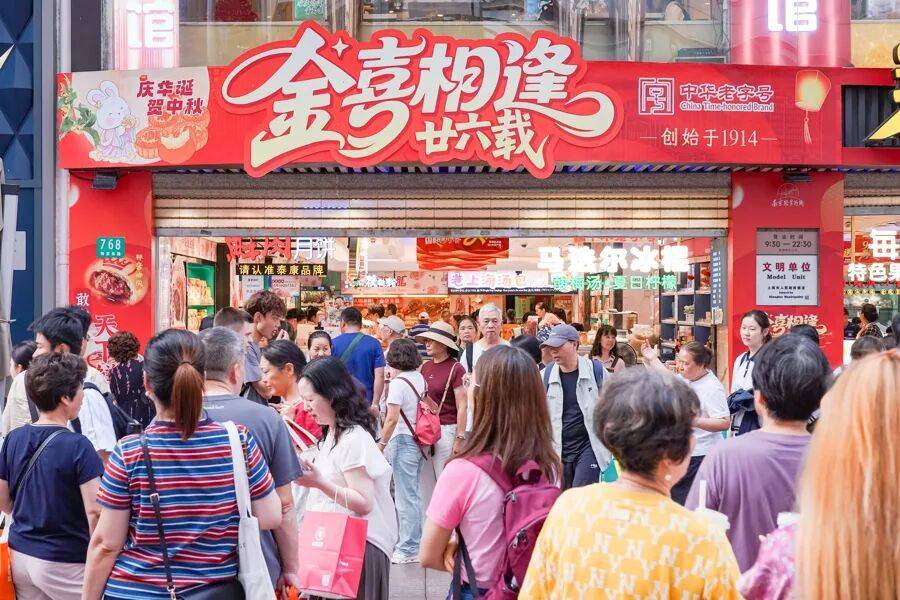
消费显微镜丨夜游巴士票一票难求,浙江夜间经济解锁新玩法
Sou Hu Cai Jing· 2025-10-06 09:19
Core Insights - The article highlights the vibrant consumption market in China during the National Day holiday, emphasizing the growth of night economy and innovative consumption experiences in Zhejiang province [1][9]. Group 1: Night Economy Development - The "City Roller Coaster Pro" night bus in Hangzhou has become extremely popular, with tickets selling out quickly during the National Day holiday [3][5]. - The bus route was optimized to allow passengers to experience the scenic views of six bridges twice, enhancing customer satisfaction [3][5]. - The night bus service is part of a broader trend in Zhejiang, where multiple cities are launching night sightseeing buses to boost local tourism and consumption [7][8]. Group 2: Consumer Engagement - The night bus service includes additional entertainment features such as "music flash" events, where live performances are held during the ride, enriching the overall experience for passengers [6]. - The integration of transportation with cultural and leisure activities is seen as a way to activate the night economy, transforming nighttime into a vibrant social and entertainment scene [9]. Group 3: Policy Support - The Zhejiang provincial government is actively promoting the expansion of new consumption scenarios and enhancing the scale and effectiveness of the night economy as part of its 2025 action plan [9]. - The initiative aims to shift the perception of nighttime from merely a resting period to an opportunity for social interaction and cultural experiences [9].
申城双节“越夜越精彩” 游客赞叹“上海太全面”
Jie Fang Ri Bao· 2025-10-06 02:16
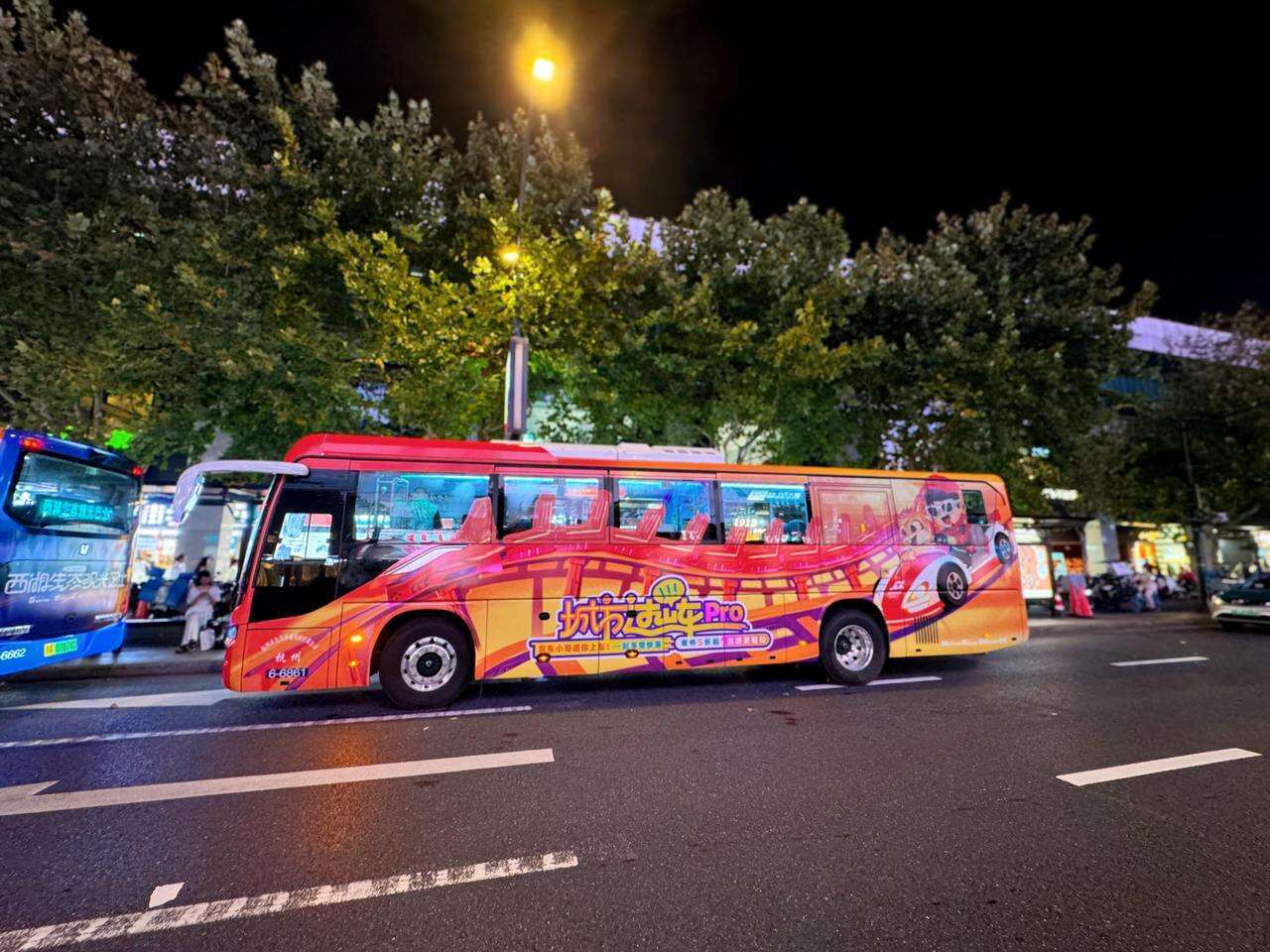
Core Insights - The article highlights the vibrant night economy in Shanghai, showcasing various activities and attractions that enhance the city's nightlife experience during the recent holiday season [1][2][3] Group 1: Night Economy Activities - The Shanghai Tennis Masters showcased outdoor viewing events, allowing fans to enjoy matches in a relaxed atmosphere, contributing to the city's night economy [1] - The "YONEX Love House" theme installation featured interactive experiences and live broadcasts of the tennis matches, attracting significant foot traffic and engagement [2] - Food stalls and markets along Wujiang Road saw increased patronage, with vendors reporting high customer volumes during the holiday period [2][3] Group 2: Extended Business Hours - Many restaurants and shops extended their operating hours to accommodate the influx of visitors, with some staying open until midnight or later [3] - Notable establishments, including traditional Shanghai brands, adjusted their hours to cater to the night crowd, enhancing the overall shopping and dining experience [3] - The "Night Food Terrace" at Jing'an Joy City operated until 2 AM, providing dedicated services for night-time food enthusiasts [3]