
循环经济

Search documents
霖生木业:生态板材销海外
Xin Lang Cai Jing· 2026-01-22 22:14
Core Insights - The company, Guizhou Lingsheng Wood Industry Co., Ltd., achieved a total sales revenue of 340 million yuan in the previous year, with exports exceeding 2 million yuan, marking a steady start for its international business [1] - The company emphasizes quality control in its production process, maintaining a daily output of 4,000 to 5,000 sheets of wood [1] - As a provincial-level "specialized, refined, and innovative" small giant enterprise and green factory, the company has developed a circular economy model, converting wood waste into biomass fuel or charcoal [1] Production and Operations - The company operates an automated production line that efficiently produces high-quality wood panels for custom furniture, which are shipped to regions including Sichuan, Chongqing, and Southeast Asia [1] - The company has established a comprehensive industrial chain that includes seedling cultivation, furniture board processing, waste utilization, and the production of various wood products [1] Market Strategy - The company is focused on developing new products, including a dedicated workshop for flame-retardant panels and a decorative paper production line set to launch in the second half of the year [2] - The company aims to deepen its market presence within a 500-kilometer radius of Guizhou while actively exploring Southeast Asian markets and establishing trade routes to Central Asia [2]
林平发展昨日启动招股程序
Zheng Quan Ri Bao· 2026-01-22 16:38
Group 1 - The company, Anhui Linping Circular Development Co., Ltd., has officially launched its IPO process on the Shanghai Stock Exchange, planning to issue 18.8537 million shares, resulting in a total share capital of 75.4148 million shares after the issuance, with the subscription date set for January 30, 2026 [1] - The funds raised from the IPO will primarily be used for the "Annual Production of 900,000 Tons of Green Environmental Protection Intelligent Manufacturing New Materials Project (Phase II)" and the "Annual Production of 600,000 Tons of Bio-based Fiber Green Intelligent Manufacturing New Materials Project," which will double the company's total production capacity to 2.35 million tons per year [1] - The company aims to enhance its market position and competitiveness in the paper industry through the expansion of production scale, which will help strengthen economies of scale, reduce production costs, and improve profit margins [1] Group 2 - One of the core competitive advantages of the company stems from its long-standing commitment to a circular economy development model, utilizing waste paper as the primary raw material for producing corrugated paper and boxboard, significantly reducing reliance on virgin wood resources [2] - The company has developed a core technology system covering wastewater treatment, resource recovery, and energy-saving production, with key technologies such as a multi-disk filter pre-treatment technology achieving over 95% recovery rate of short fibers [2] - The company is focused on developing a circular economy, promoting energy conservation, and producing green packaging products, aiming to become a benchmark for green intelligent manufacturing in the paper industry [2]
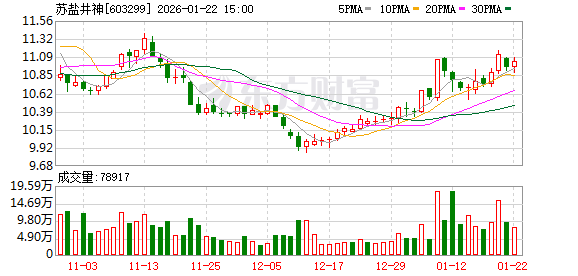
苏盐井神:公司构建了盐碱钙循环经济产业模式
Zheng Quan Ri Bao· 2026-01-22 13:40
(文章来源:证券日报) 证券日报网讯 1月22日,苏盐井神在互动平台回答投资者提问时表示,近年来纯碱行业景气度波动,产 品价格承压。公司依托自主研发的井下循环一体化制碱工艺,应用全卤制碱工艺生产纯碱,构建了盐碱 钙循环经济产业模式,资源综合利用程度较高。同时,公司持续深化降本增效,不断优化生产工艺、强 化精细管理,单位成本稳步下降,保持了成本端的竞争优势。 ...


扎根循环经济十年,速回收在重新定义二手世界
3 6 Ke· 2026-01-22 09:27
CIC 灼识咨询数据显示,按 GMV 口径,2021 年中国二手消费电子设备交易和服务市场规模已达 3095 亿元,2016—2021 年复合年均增长率为 31.4%;预计 到 2026 年,这一市场规模将增长至 9875 亿元,未来五年仍将保持 26.1% 的年均增速。 但规模扩大不意味着行业已经完全成熟。在相当长一段时间里,企业的做法更多集中在交易效率的提升上,这种路径在短期内确实提高了回收的"流转效 率",但定价透明度、隐私安全与责任边界反而成为被忽视的部分,行业整体的信任基础依然脆弱。 正是在这样的行业背景下,速回收选择了一条更慢、也更长的路径。 它并未从流量切入,而是从交付方式入手:以工程师上门建立面对面的信任基础,以明确时效让效率变得可感知,再逐步把数据安全、质检流程与技术能力 嵌入回收全流程之中。 这套路径并不轻松,但却在十年间展现出了令人瞩目的效果。 过去十年,中国消费市场对"二手"的认知早已完成了一次巨大的升级。二手不再只是价格敏感人群的选择,而是一种更新的消费方式。 而智能时代的到来,使电子产品的迭代周期变短。功能升级更快、换机频率更高、流通速度显著提升,推动着一个规模庞大的二手市场持续扩 ...
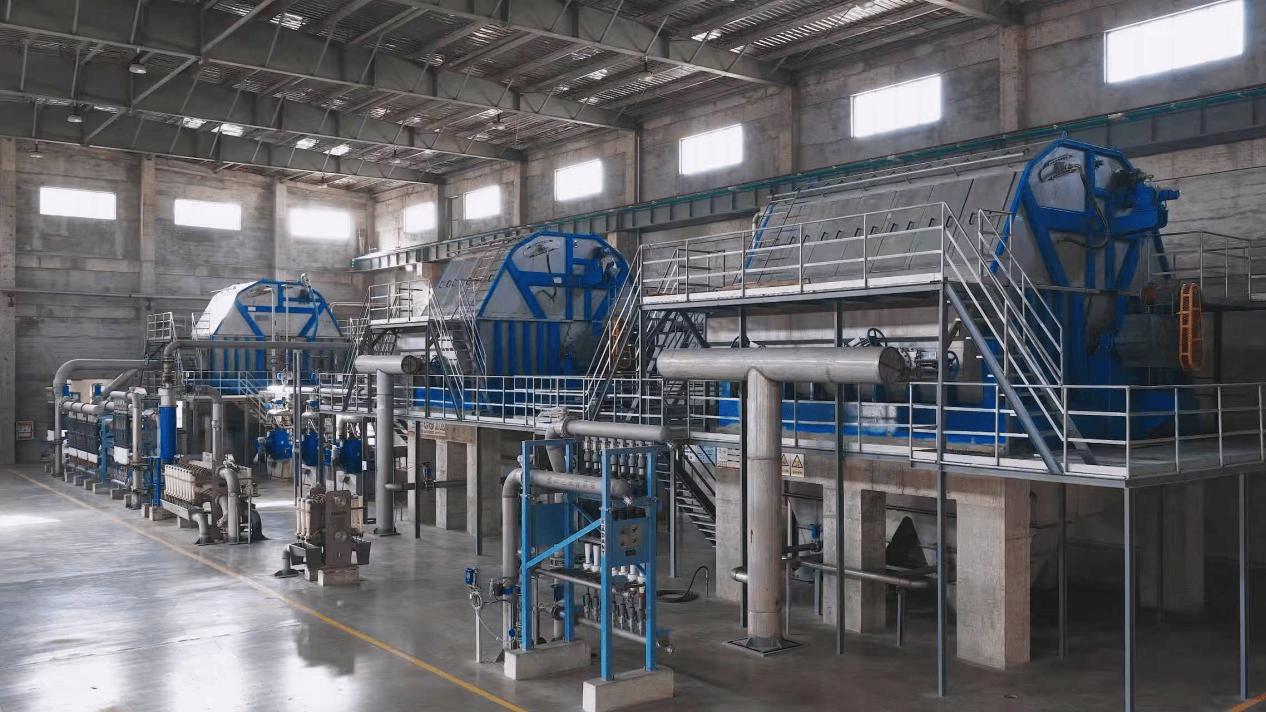
循环造纸企业林平发展正式启动招股,1月30日开放申购
Sou Hu Cai Jing· 2026-01-22 08:12
Group 1 - Linping Development officially announced the launch of its IPO process on January 22, with the initial inquiry scheduled for January 27 and online roadshow on January 29 [1] - The company plans to issue 18.8537 million shares, accounting for 25% of the total share capital post-issuance [1] - Linping Development specializes in the R&D, production, and sales of corrugated paper and boxboard products, positioning itself as a high-tech enterprise with independent R&D capabilities [1] Group 2 - According to the China Paper Association, there are approximately 2,600 paper and board production enterprises in China, with 30 producing over 1 million tons annually; Linping Development has a current capacity of 1.15 million tons [2] - In 2024, Linping Development's raw paper output is projected to be 1.0197 million tons, ranking among the top 30 paper producers in China and accounting for 35.65% of Anhui province's paper and board output and 0.75% of the national output [2] - The funds raised from the IPO will primarily be used for projects aimed at producing 900,000 tons of green intelligent manufacturing new materials and 600,000 tons of bio-based fiber green intelligent manufacturing new materials, which will enhance the company's market competitiveness and sustainable profitability [2] Group 3 - Post-IPO, Linping Development aims to advance its "green manufacturing + circular economy" strategy, focusing on resource efficiency and environmental friendliness [2] - The implementation of the fundraising projects is expected to drive sales and net profit growth, creating sustainable value returns for investors and society [2] - The company is committed to fulfilling its social responsibilities by creating more job opportunities and promoting harmonious economic development through its products and services [2]
全球及中国纸浆模塑餐具行业研究及十五五规划分析报告
QYResearch· 2026-01-22 05:57
Core Viewpoint - The pulp molded tableware industry is experiencing significant growth driven by increasing consumer awareness of environmental issues, government regulations on single-use plastics, and the expansion of the food service and delivery sectors. The market is projected to grow from $1.065 billion in 2020 to $1.815 billion by 2024, with a compound annual growth rate (CAGR) of 14.25% from 2020 to 2025, and further growth expected to reach $2.644 billion by 2031 with a CAGR of 7.13% from 2025 to 2031 [3][10]. Industry Overview - The global pulp molded tableware market was valued at $1.065 billion in 2020 and is expected to reach $1.815 billion by 2024, indicating a CAGR of 14.25% from 2020 to 2025. By 2031, the market is projected to grow to $2.644 billion, with a CAGR of 7.13% from 2025 to 2031 [3][10]. Growth Drivers - Key drivers for the growth of the pulp molded tableware industry include: - Increasing consumer demand for biodegradable and recyclable tableware as environmental awareness rises [6]. - Government regulations banning single-use plastics and promoting green procurement policies [6]. - The rapid growth of the food service and delivery sectors, particularly fast food chains and delivery services, which create stable demand [6]. - Optimizations in pulping and molding technologies that lower production costs and enhance product performance [7]. Regional Market Characteristics - In 2024, China is projected to be the largest production base for pulp molded tableware, with a production value of $1.116 billion, accounting for 61.5% of the global market. North America will have a production value of $648 million [7]. - The North American market is expected to maintain steady growth, with a consumption scale of $1.108 billion, representing 61.05% of the global market share, driven by strict environmental regulations [7]. - The European market will have a consumption scale of $389 million, accounting for 21.42% of the global market, supported by plastic substitution policies and heightened environmental awareness [7]. - The Asia-Pacific region will have a consumption scale of $281 million, representing 15.50% of the global market, with China, Japan, and Southeast Asia being key growth drivers [7]. Industry Trends - The pulp molded tableware industry is expected to see several trends: - Continued policy-driven growth due to global bans on single-use plastics and biodegradable alternatives [10]. - Ongoing product technology upgrades focusing on heat resistance, oil resistance, and diverse designs [10]. - Increased automation and smart manufacturing processes to enhance capacity and optimize supply chains [10]. - Expansion into high-value niche markets, including premium food, industrial, and consumer packaging [10]. - A balanced approach to global trade and localization, addressing both export and domestic demand [10]. Industry Characteristics - The competition in the pulp molded tableware industry is shifting from downstream price competition to upstream fiber resource control, with leading companies establishing production facilities near raw material sources [11]. - The production model is transitioning from labor-intensive to automated and continuous manufacturing, significantly reducing reliance on manual labor [11]. - The focus of technical research is on enhancing core performance characteristics such as heat resistance, oil resistance, and leak-proofing [11]. - The industry is moving towards high-end applications, with improved aesthetics and quality, allowing for penetration into premium markets [12]. Favorable Factors - The global push for carbon neutrality and sustainable development has led to stricter regulations on single-use plastics, benefiting the pulp molded tableware industry [13]. - The demand for disposable tableware in fast food, delivery, and retail sectors is substantial, with biodegradable options becoming mainstream [13]. - The use of renewable plant fibers as raw materials supports sustainability and aligns with circular economy principles [13]. - Technological advancements in production are enhancing product consistency and capacity utilization [13]. Unfavorable Factors - The industry faces risks from fluctuations in raw material costs, which can account for 60%-70% of production costs, making profitability sensitive to price changes [14]. - International trade risks, including tariffs and regulatory changes, can impact competitiveness in overseas markets [14]. - High entry barriers exist for high-end clients due to stringent certification requirements, which can be costly and time-consuming [14]. - Potential overcapacity and increased competition may lead to price wars, compressing overall industry margins [14].

国际循环经济展览(2026年3月26-28日)
Shang Wu Bu Wang Zhan· 2026-01-21 08:05
Core Viewpoint - The Forward Green International Exhibition for Circular Economy will take place from March 26 to 28, 2026, in Thessaloniki, focusing on circular economy, sustainable development, and innovative business models aimed at protecting natural resources and promoting sustainability [1] Group 1 - The exhibition will cover various fields including raw material utilization, building materials, technology, recycling, and packaging [1]
05后重塑二手消费市场:从“省钱”到“悦己”的兴趣经济崛起
Zhong Guo Jing Ji Wang· 2026-01-21 07:01
Group 1 - The core viewpoint of the articles highlights the transformation of second-hand consumption from a "tool for saving money" to a "projection of lifestyle," driven by the post-2005 generation's emergence as a significant force in the market [1][2] - The report indicates that the user growth rate for the post-2005 demographic on the platform exceeds 30% in 2025, with their transaction behavior showing a clear "interest-oriented" trend, particularly in categories like trendy toys and celebrity merchandise [1] - The average transaction value per user in the post-2005 group has increased by 20% compared to 2024, with orders for celebrity merchandise growing by 800% in 2025, indicating a shift towards "treasure hunting" for unique items rather than merely saving money [1] Group 2 - The circular economy is evolving from traditional essential consumption to a comprehensive lifestyle approach, with cross-category transaction users on the platform growing over 116% year-on-year in 2025 [2] - The report notes that users engaging in both buying and selling behaviors on the platform have increased by over 30%, reflecting a more mature and interesting consumption philosophy of "saving where possible, spending where necessary" [2] - Different age groups exhibit distinct preferences, with the 18-24 age group more inclined to buy second-hand items for enjoyment, while the 25-34 age group tends to sell unused items [2] Group 3 - The boundaries of second-hand consumption are rapidly expanding, with significant user growth in third-tier and lower cities, such as Jin Cheng and Yili, indicating strong purchasing demand in these regions [3] - The perception of second-hand goods as merely "depreciated" is challenged by data showing that certain second-hand items can retain or even increase in value, with high-end products like HERMES bags achieving a preservation rate of 271% [3] - Emerging consumer trends, such as cycling and sports, have led to a surge in the trading volume of specific categories like domestic road bikes and popular collectible figures, showcasing their strong market value [3]
赢创:加强本地创新和全球技术协同
Zhong Guo Hua Gong Bao· 2026-01-21 06:39
Core Insights - The company views China as a key driver of global economic growth and aims to increase its sales in China from 10% to 15% of global sales by 2032 [1] Group 1: Market Outlook - China is the largest chemical producer globally, expected to account for 42% of the global market share by 2024, making it a core growth engine for the chemical industry [2] - The "dual carbon" strategy in China is driving the chemical industry to explore innovative solutions, with green sustainability becoming essential for high-quality development [2] - Emerging industries such as new energy vehicles, renewable energy, healthcare, and semiconductors are creating new market demands and growth points for the chemical sector [2] Group 2: Business Strategy - The company emphasizes R&D and production as the two pillars for growth in China, focusing on bio-based solutions, energy transition, and circular economy [3] - The company aims to enhance production efficiency and sustainability while providing stable, green product supply to both local and global markets [3] Group 3: Innovation and Collaboration - The company plans to focus on new energy and energy transition, developing high-performance materials for new energy vehicles and hydrogen energy [4] - It will establish innovation centers in China, such as a hydrogen technology center and an Asian skin research center, to support local customer needs from R&D to application [4] - The company is expanding its production capacity with projects like the specialty amines expansion in Nanjing and a specialty hydrogen peroxide plant in Leshan, set to be operational by 2026 [4]
天津静海区46个项目集中签约
Zhong Guo Fa Zhan Wang· 2026-01-21 06:28
Core Insights - The signing event in Tianjin's Jinghai District resulted in 46 high-quality projects with a total investment of 9.922 billion yuan, focusing on "new, scientific, valuable, and green" elements, which will significantly boost the region's industrial transformation and high-quality development [1] Group 1: Project Overview - The signing event showcased a diverse range of projects, including those in circular economy, biomedicine, equipment manufacturing, new materials, and modern services, indicating a multi-faceted industrial development approach [1] - Among the signed projects, 38 industrial projects are set to invest 4.022 billion yuan, featuring strong entities such as four central state-owned enterprises and eleven high-tech companies, highlighting high technical content and market potential [1] - Eight industrial funds totaling 5.9 billion yuan will drive regional industrial development through a dual engine model of "industry + capital," facilitating resource integration and collaborative innovation [1] Group 2: Key Projects - A notable project is the 1.45 billion yuan smart electric vehicle manufacturing park, which will enhance the local electric vehicle industry by complementing existing local enterprises [2] - The signing of the logistics processing base and supply chain project by Zihuan Chain Jin Company will strengthen the circular economy sector in Jinghai, leveraging resources from the China-SCO green industry development cooperation platform [2] - The project by Jishi Medical Devices (Tianjin) Co., Ltd. aims to accelerate the industrialization of traditional medicine, benefiting from Jinghai's strong foundation in the medical device and health sectors [2] Group 3: Business Environment - Companies are attracted to Jinghai due to its unique development advantages and continuously improving business environment, including the establishment of national-level industrial clusters [3] - Jinghai District has implemented a "nanny-style" service approach, providing comprehensive support from project signing to operation, addressing various challenges faced by businesses [3] Group 4: Entrepreneur Engagement - The event included a dialogue session where entrepreneurs shared their investment plans and development needs, fostering direct communication with local government officials [4] - Local officials responded to entrepreneurs' concerns, emphasizing the commitment to creating a supportive environment for investment and development [4] Group 5: Future Outlook - The successful signing of these projects marks a significant breakthrough in Jinghai's investment attraction efforts and is a crucial step towards upgrading the region's industries [5] - The concentration of 46 "four-included" projects will accelerate the transformation of traditional industries towards high-end, intelligent, and green development, while also promoting the clustering of emerging industries [5] - Jinghai District plans to continue optimizing the business environment and enhancing policy support to ensure the swift implementation and effectiveness of signed projects [5]
