文化遗产保护

Search documents
引领市民走进家门口的“文化宝藏”
Hang Zhou Ri Bao· 2025-10-10 02:28
Core Insights - The "Cultural Heritage Walk" initiative in Hangzhou aims to enhance public awareness of cultural heritage by integrating it into community life [3] - The program features 10 curated cultural routes that connect various historical and cultural sites within neighborhoods, promoting local engagement and education [3][4] Group 1: Initiative Overview - The "Cultural Heritage Walk" initiative is launched by multiple organizations, including the Hangzhou Cultural Heritage and Historical Building Protection Center [3] - The program focuses on grassroots involvement, encouraging community members to explore and appreciate their local cultural heritage [3] Group 2: Cultural Routes - Ten cultural routes have been established, each with unique themes such as "Beautiful Qixia," "Gemstone Viewing," and "Elegant West Lake," designed to reflect the cultural richness of the area [3][4] - Each route is tailored to the geographical and cultural context of the community, facilitating easy access for residents [3] Group 3: Community Engagement - The initiative emphasizes public participation, with professional guides and volunteers leading the walks to provide in-depth knowledge about cultural preservation [4] - The project has received positive responses from 18 cultural stations across various districts, highlighting its community-driven approach [4]

以坚定文化自信走向未来
Ren Min Ri Bao· 2025-10-09 01:11
Core Viewpoint - The Palace Museum, celebrating its 100th anniversary as a museum, symbolizes the evolution of China's cultural heritage and its commitment to serving the public while preserving historical artifacts [1][17]. Collection and Preservation - As of the end of 2024, the Palace Museum's collection exceeds 1.95 million items, marking the fifth round of artifact inventory and preservation efforts [2]. - The museum has conducted five major inventory efforts over the past century, with a significant increase in the number of artifacts from over 1.8 million in 2010 to the current figure [3]. - The museum prioritizes the safety and cultural value of artifacts, reflecting its mission to protect the roots of Chinese civilization [3]. Historical Significance and Challenges - The museum faced significant challenges during the war, including the largest and longest artifact relocation in history to protect national treasures from invasion [4]. - After the establishment of New China, the government allocated over 20 million yuan for the restoration of the museum's ancient buildings, leading to the completion of over 430 projects in the first decade [4][5]. - The museum was listed as a national key cultural relic protection unit in 1961 and became a UNESCO World Heritage site in 1987, marking a new phase in its preservation efforts [4]. Modernization and Technological Integration - The museum has implemented a comprehensive security and preservation system, including modernized storage facilities and a multi-layered security approach [6]. - The integration of technology and cultural heritage has created a sustainable development model, showcasing the museum's commitment to both preservation and public engagement [6]. Public Engagement and Accessibility - Since its opening in 1925, the museum has focused on making cultural heritage accessible to the public, with visitor numbers increasing from 1 million in 1949 to over 15 million in 2012 [10]. - The museum has adopted a visitor management system to balance accessibility with the preservation of artifacts, including daily visitor limits and advanced data analysis for crowd management [10][11]. - Various initiatives have been launched to enhance visitor experience, including improved facilities, educational programs, and digital engagement [11][12]. Cultural Innovation and Global Influence - The museum has embraced creative transformation, allowing artifacts to be integrated into contemporary life and culture, exemplified by successful exhibitions and cultural products [14][16]. - The Palace Museum has become a platform for international cultural exchange, enhancing the global influence of Chinese culture through exhibitions and collaborations [15][16]. - Digital initiatives, such as virtual reality experiences and online platforms, have expanded the museum's reach and engagement with younger audiences [16]. Future Vision - The museum aims to become a world-class institution that not only preserves historical memory but also inspires future creativity and cultural exchange [17].
文化遗产数新风
He Nan Ri Bao· 2025-10-08 23:27
Core Insights - The article highlights the innovative use of digital technology in preserving and showcasing ancient cultural heritage, particularly through the efforts of institutions like the Longmen Grottoes Research Institute and the Henan Museum [1][15][25]. Group 1: Digital Technology in Cultural Heritage - The Longmen Grottoes Research Institute employs 3D digital technology to restore and present ancient artifacts, allowing visitors to experience historical relics in a new light [5][9]. - The use of augmented reality (AR) enables visitors to see restored versions of damaged sculptures, enhancing their understanding of historical art [3][6]. - The digital restoration process involves high-precision 3D data collection and matching with historical records to accurately recreate artifacts [9][12]. Group 2: Visitor Engagement and Experience - The Henan Museum has seen a surge in visitor numbers, with innovative exhibitions like the "Rainforest Secret - Maya Civilization" attracting significant attention through immersive VR experiences [20][25]. - Interactive digital displays and immersive experiences at the Yinxu Museum allow visitors to engage with ancient artifacts, making history more accessible and engaging [19][20]. - The museum's digital initiatives, including virtual exhibitions and interactive projects, have made cultural heritage more tangible for the public [21][22]. Group 3: Future Directions and Impact - The Henan Museum plans to continue integrating digital technology to enhance cultural experiences, aiming to make ancient civilization more vibrant in the modern context [25]. - The successful implementation of digital restoration and interactive exhibits is seen as a model for cultural institutions aiming to bridge the gap between ancient heritage and contemporary audiences [15][19].

文脉华章|25年前,一处旧石器时代洞穴遗址保护的故事
Yang Shi Wang· 2025-10-08 12:19
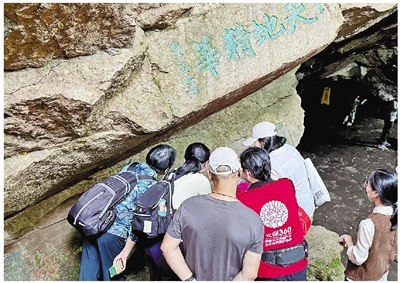
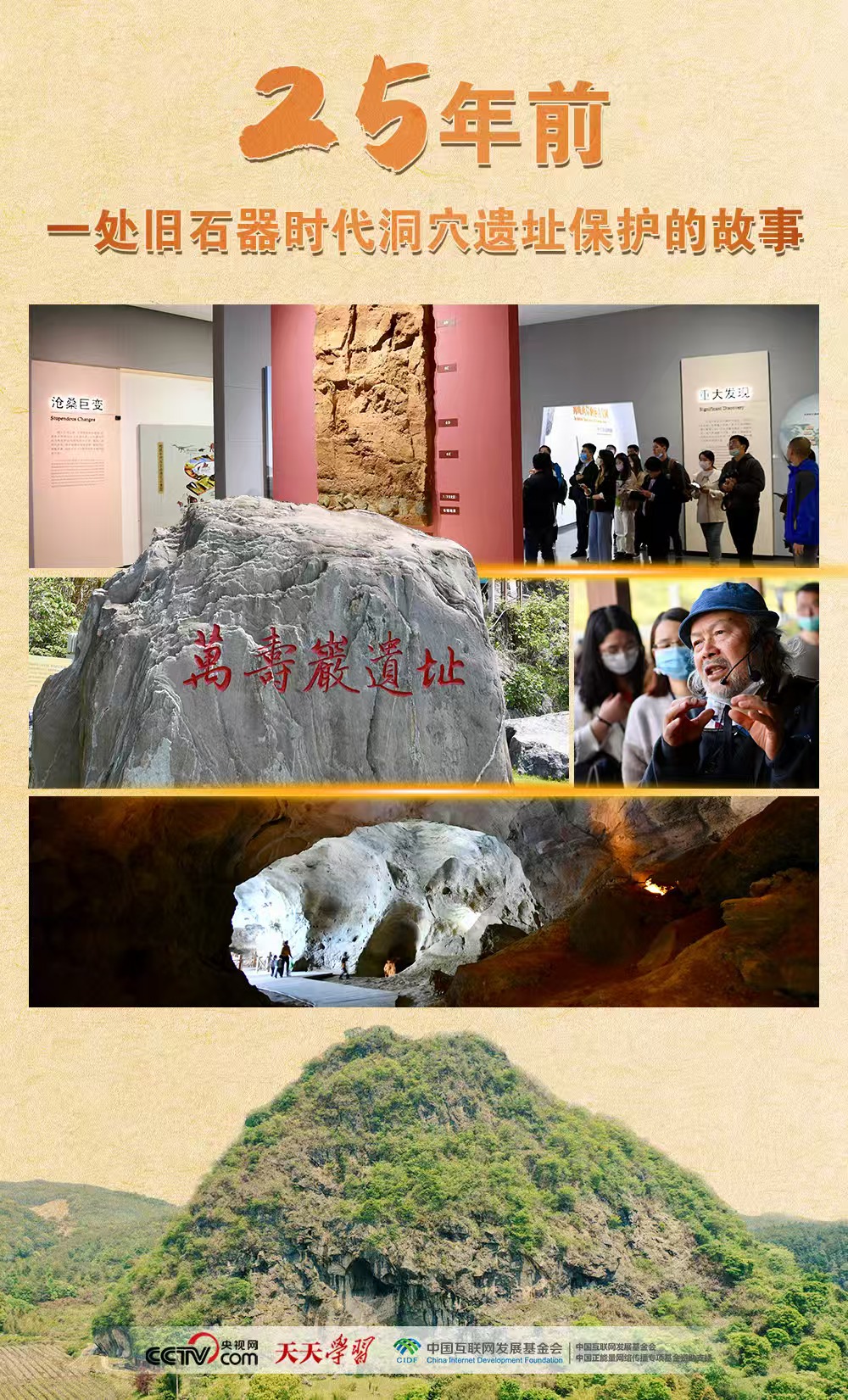
Core Points - The article discusses the successful preservation of the Wanshouyan site in Fujian, which dates back to 185,000 years ago, highlighting the importance of cultural heritage protection in China [4][9][10] Group 1: Historical Significance - Wanshouyan site is the earliest cave-type Paleolithic site discovered in East China, pushing back the timeline of human activity in Fujian by 185,000 years [4] - The site consists of multiple caves, including Lingfeng Cave and Chuanfan Cave, which are crucial for understanding ancient human life [4] Group 2: Threats and Preservation Efforts - The site faced destruction risks due to mining activities by the Sanming Steel Plant, which had acquired mining rights in the 1970s [4][6] - Local villagers raised concerns about the potential loss of the site, leading to a call for its protection [5][6] - In 1999, archaeologist Chen Ziwen led a rescue excavation, which revealed significant findings, including artifacts and remains of extinct species [7][8] Group 3: Government Intervention - In January 2000, a directive from then-acting governor Xi Jinping mandated the cessation of mining activities to protect the site, emphasizing the balance between cultural preservation and economic development [9] - The government allocated 500,000 yuan for archaeological excavation and protection efforts [9] Group 4: Cultural Heritage and National Identity - The article emphasizes Xi Jinping's commitment to cultural heritage protection, linking it to national identity and pride [10][12] - The successful preservation of Wanshouyan has transformed it into a theme park that integrates heritage display, education, research, and eco-tourism [9] Group 5: Cultural Confidence - The narrative reflects the broader theme of cultural confidence in China, as articulated by Xi Jinping, highlighting the importance of preserving cultural heritage for national identity [10][12][13]
不息的文脉
Ren Min Ri Bao· 2025-10-03 22:02
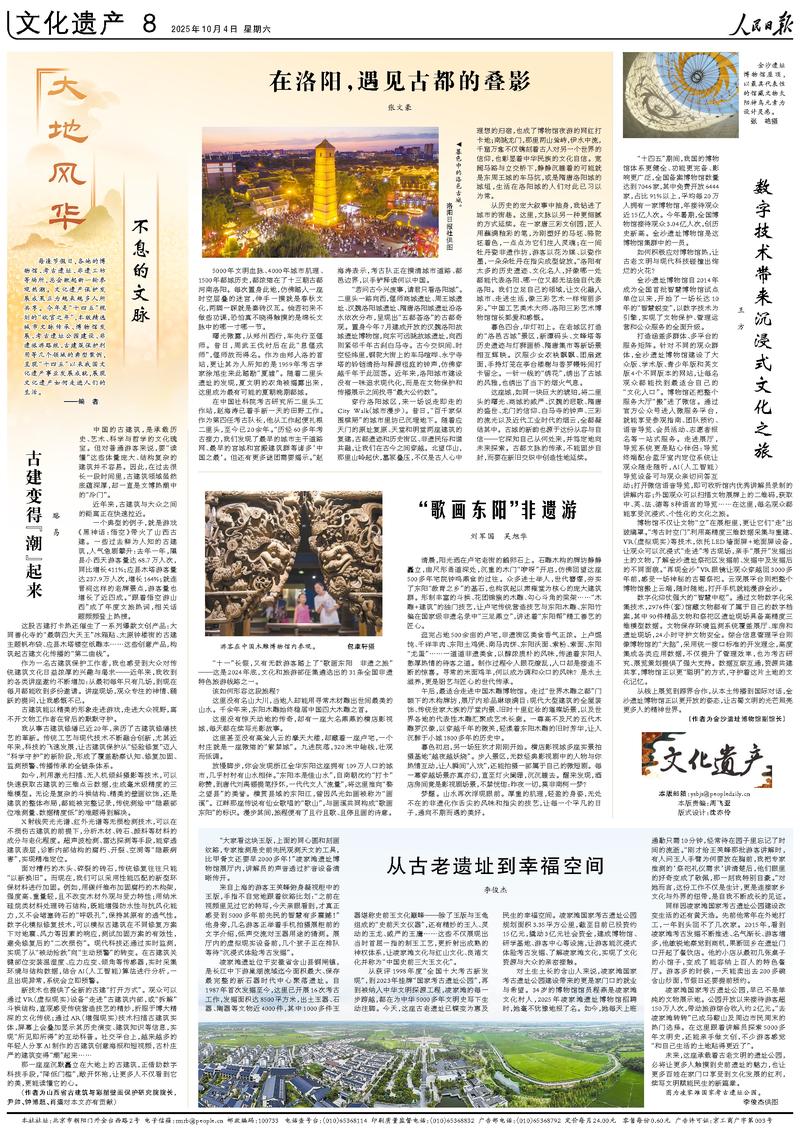
Group 1 - The article highlights the achievements in cultural heritage protection and development in China during the "14th Five-Year Plan" period, showcasing how cultural heritage has become more accessible to the public [6] - It presents typical cases in various fields such as urban cultural heritage transmission, museum development, archaeological site park construction, intangible cultural heritage tourism routes, and ancient building protection [6] Group 2 - The number of registered museums in China has reached 7,046, with 6,444 of them being free to visit, accounting for over 91% [15] - Museums received nearly 1.5 billion visitors annually, with a record 304 million visitors during the summer of this year [15][16] Group 3 - The article discusses the integration of digital technology in museums, enhancing visitor experiences through various platforms and services [16][17] - It emphasizes the use of VR and AR technologies to create immersive experiences for visitors, allowing them to engage with cultural artifacts in innovative ways [17][19] Group 4 - The article illustrates the growing interest in ancient architecture, driven by modern technology and cultural tourism, with significant increases in visitor numbers to historical sites [20][21] - It notes the successful blending of traditional craftsmanship with modern techniques in the preservation and promotion of ancient buildings [21][22] Group 5 - The "Singing and Painting Dongyang" intangible cultural heritage tourism route has been selected as one of the 31 national intangible cultural heritage tourism routes, highlighting the significance of local craftsmanship [26][28] - The article describes the unique cultural and culinary experiences available in Dongyang, showcasing the region's rich heritage and craftsmanship [29][30] Group 6 - The Lingjiatan archaeological site has transformed into a national archaeological park, attracting over 1.5 million visitors and generating approximately 200 million yuan in tourism revenue [32][35] - The park serves as a space for cultural engagement, allowing visitors to connect with ancient history and local culture [35]
故宫宁寿宫花园向公众开放 配套主题展再现保护修复成果
Zhong Guo Xin Wen Wang· 2025-10-01 03:35
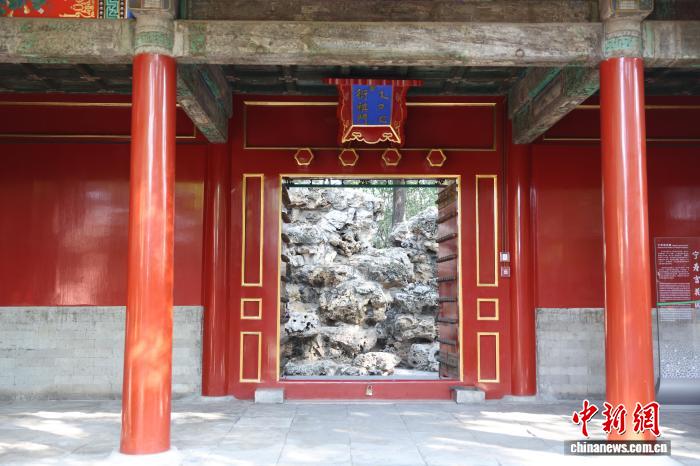
Core Points - The Palace Museum's Ningshou Palace Garden has opened to the public, showcasing its historical and architectural significance [1][3][5] - The garden, also known as the "Qianlong Garden," features a unique design with 27 distinct buildings, reflecting the essence of both southern and northern garden arts [1][3] - A themed exhibition titled "Craftsmanship of Nature: The History and Protection of Ningshou Palace Garden" is being held, highlighting the garden's design, construction, and restoration efforts [5][7] Summary by Sections Opening Details - The first two courtyards of the Ningshou Palace Garden are now open to the public as of September 30 [3][5] - Visitors can enjoy various notable structures, including the Xishang Pavilion and the ancient Huaxuan, which have been meticulously restored [3][5] Architectural Features - The garden is characterized by its integration of different architectural styles and its representation of 18th-century Chinese achievements in architecture and garden design [3][5] - The ancient Huaxuan features a rare black lacquered gold floor cover, which has undergone multiple restorations to withstand Beijing's climate [3][5] Themed Exhibition - The exhibition consists of two sections: "Tired of Labor: The Design and Construction of Qianlong Garden" and "New Life of the Garden: Protection and Restoration" [5][7] - It includes animated scrolls and construction archives to illustrate the garden's historical development and restoration techniques [5][7] - A replica of the entire garden, created by 40 staff members over two years, is displayed to provide a comprehensive understanding of the garden's layout and architectural details [5][7] Collaborative Efforts - The Palace Museum has partnered with the World Monuments Fund since 2000 to advance the protection and restoration of the Ningshou Palace Garden, serving as a model for cultural heritage preservation and collaboration [7]
新华社出图:这次是故宫!
Xin Hua She· 2025-09-29 12:59
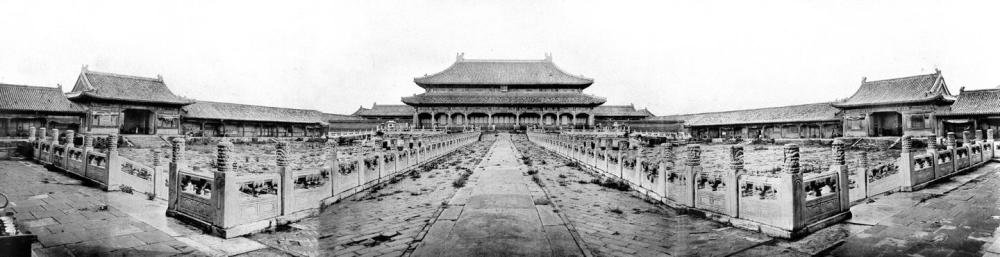
Core Viewpoint - The Palace Museum is celebrating its 100th anniversary this year, reflecting on its historical significance and evolution over the past century [2][152]. Group 1: Historical Context - The Palace Museum was established amidst significant challenges, including the turmoil of the Second Sino-Japanese War, which began in 1937 [5]. - A group of dedicated individuals safeguarded over 13,000 boxes of cultural relics, relocating them across much of China over a span of more than ten years, marking a legendary chapter in the history of cultural heritage protection [6]. Group 2: Key Milestones - The museum was officially recognized as a UNESCO World Heritage Site in 1987, becoming China's first batch of world heritage sites [36]. - In 2008, the Palace Museum launched its first virtual exhibition of important historical and cultural sites on the internet, showcasing its commitment to modernization [44]. - The museum collaborated with the Taipei Palace Museum for the first time in 60 years in 2009, reuniting relics that had been separated for decades [45]. Group 3: Cultural Significance - The Palace Museum serves as both a national and global museum, embodying traditional values while also embracing contemporary trends [36]. - The museum has played a vital role in showcasing Chinese culture and history, with various exhibitions highlighting its extensive collection and cultural significance [48][51]. Group 4: Future Outlook - The Palace Museum aims to continue its legacy into the next century, remaining a beloved institution for all who appreciate its cultural heritage [152].
2025白塔夜话系列活动启幕,两大文化项目落户西城
Xin Jing Bao· 2025-09-28 03:19
Group 1 - The "Cultural Exchange and Dialogue Base for a Community with a Shared Future for Mankind" has been established in Xicheng, supported by the China Media University and the local government, aiming to enhance cultural international communication and tourism integration [1] - The "Duzhishi" Cultural Heritage Protection Special Fund has been launched, focusing on the protection and utilization of historical cultural districts, cultural heritage education, and the promotion of intangible cultural heritage [1] - The "Baita Night Talk" event includes three historical cultural districts and aims to promote the integration of culture, commerce, and tourism, enhancing consumer engagement through cultural activities [2] Group 2 - The street renewal initiative will utilize historical cultural districts such as Baita Temple, Dajixiang, and Fayuan Temple to drive consumption and promote the synergy between cultural preservation and urban renewal [2] - The initiative will involve cultural influencers visiting key cultural relic revitalization projects in Xicheng, encouraging public participation in cultural heritage practices and exploring new paths for revitalization [2]
瓷都上云
腾讯研究院· 2025-09-26 10:13
Core Insights - The "Tanyuan Plan" by Tencent aims to integrate culture and technology, funding innovative projects that revitalize cultural heritage through advanced digital technology [2] - The 2024 iteration of the plan focuses on a ceramic digital optical twin solution in Jingdezhen, creating a digital asset repository for the city's ceramic cultural heritage [2] Group 1: Cultural and Historical Context - Jingdezhen has a rich history in ceramic production, significantly contributing to China's trade and cultural exchange for centuries [3] - The city has transformed from a collective production model to a decentralized one due to the closure of state-owned factories in the late 1990s and resource depletion [6] - Recent years have seen a resurgence in tourism, with over 60 million visitors expected in 2024, highlighting the city's cultural significance [6] Group 2: Technological Innovations - The "Thousand Museums, Ten Thousand Ceramics" project utilizes advanced optical collection technology to create a digital asset library for Jingdezhen's ceramics [22] - This technology allows for high-precision, non-contact 3D data collection, capturing intricate details of ceramic artifacts that traditional methods may miss [22][23] - The project has already digitized over 10,000 ceramic items and provides high-fidelity digital services to 15 institutions [27] Group 3: Contemporary Artistic Developments - Jingdezhen is experiencing a creative renaissance, with local artisans and contemporary designers merging traditional techniques with modern aesthetics [31][36] - The emergence of brands like "Rongbai" reflects a shift towards creating functional ceramic art that resonates with contemporary lifestyles [36] - The local community is increasingly focused on making traditional ceramics a part of everyday life, rather than merely preserving them as artifacts [37]


数览“十四五”时期考古工作成就 文化遗产在保护中利用、成果惠及更多群众
Yang Shi Wang· 2025-09-26 08:44
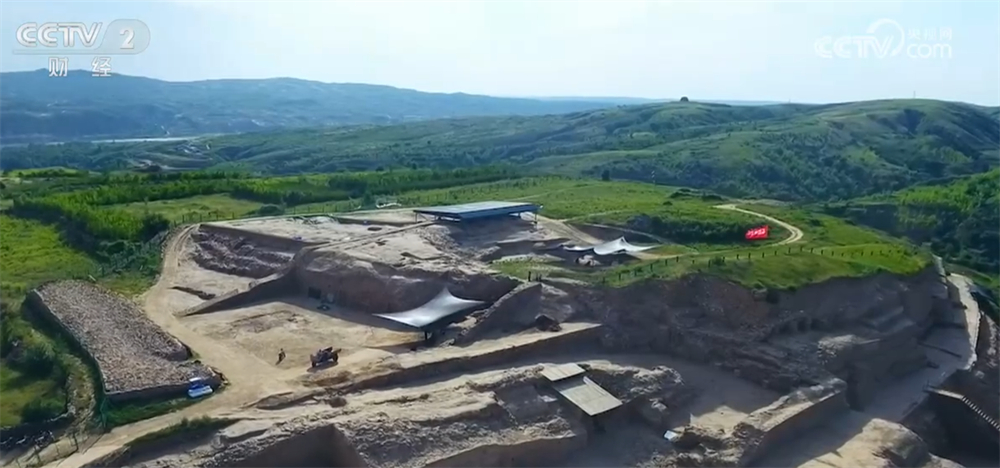
Core Insights - The National Cultural Heritage Administration announced significant achievements in archaeological work during the "14th Five-Year Plan" period, highlighting the progress made in various key areas of human and cultural history [2][4]. Group 1: Achievements in Archaeology - During the "14th Five-Year Plan," 21 major "Archaeological China" projects were systematically advanced, with 1,284 proactive archaeological projects being solidly implemented [4]. - New advancements were made in critical fields such as human origins, agricultural origins, and the development of a unified multi-ethnic state [4]. - The "Archaeological China" initiative has led to the release of 107 archaeological achievements across 32 sessions, showcasing a million years of human history, ten thousand years of cultural history, and over five thousand years of civilization history [7]. Group 2: Cultural Heritage Utilization - China has established a comprehensive identification system for its civilization, consisting of 150 major heritage sites, 65 national archaeological parks, and over 240 archaeological museums [9]. - Sichuan Province emphasizes the utilization of cultural heritage in its protection efforts, ensuring that the benefits of heritage conservation reach more people [9]. - The province has developed several national archaeological parks and is enhancing cultural tourism routes, transforming the approach from protecting individual heritage sites to revitalizing cultural pathways [11]. Group 3: Innovative Protection Measures - Chengdu has pioneered a "pre-archaeology, post-transfer" model for archaeological work, effectively protecting underground cultural relics [13]. - The city has introduced the first domestic cultural heritage protection policy regarding "floor area ratio" rewards, allowing certain heritage sites to be excluded from construction density calculations, thus mitigating impacts on urban development projects [13].