生态修复

Search documents
从废弃矿区到“天上宫阙” 江西“仙侠山谷”引客来
Zhong Guo Xin Wen Wang· 2025-09-07 09:11
Core Insights - The article highlights the transformation of Wangxian Valley in Jiangxi Province from a granite production base to a thriving tourist destination, emphasizing ecological restoration and cultural tourism development [1][2]. Group 1: Ecological and Economic Transformation - The local government shut down the granite processing industry in 2007 due to severe ecological damage caused by unregulated mining, initiating restoration projects for abandoned quarries and damaged landscapes [1]. - The area has been developed into a vacation tourism zone, integrating natural landscapes, cultural experiences, and performance activities, with former quarries now housing cafes and viewing platforms [1]. Group 2: Impact on Local Community - The booming tourism has led to over 1,000 homestays and nearly 400 farmhouses established by local residents, benefiting around 100,000 people with an average annual income increase of approximately 250,000 yuan [2]. - Local entrepreneurs have diversified their businesses, with one returning youth reporting over 2 million yuan in annual revenue from his homestay alone [2]. Group 3: Visitor Demographics and Future Projections - In 2024, Wangxian Valley is expected to receive over 3.1 million visitors, with 80% being from outside the province and 70% being young tourists [3]. - The area is also targeting international markets, anticipating over 150,000 overseas visitors in 2024 [3].
辽宁盘锦 河海交汇生机盎然
Jing Ji Ri Bao· 2025-09-05 22:14
Core Viewpoint - The article highlights the significant ecological restoration efforts in Panjin, China, which have led to the revival of its wetlands and the increase in populations of rare bird species, particularly the red-crowned crane, amidst a backdrop of environmental challenges and previous degradation [1][6]. Group 1: Ecological Restoration Efforts - Panjin has undergone extensive ecological restoration, transforming previously degraded wetlands into thriving habitats for various bird species, including the red-crowned crane, black-headed gull, and spotted seal [3][6]. - The "retreating aquaculture to restore wetlands" initiative has been a key strategy, resulting in the restoration of 85,900 acres of aquaculture land back to wetlands, exceeding the national target of 50,000 acres [4][5]. - The wetland area recovery rate has improved from 62% in 2015 to 89% in 2024, showcasing the effectiveness of the restoration efforts [5]. Group 2: Biodiversity and Species Recovery - The population of black-headed gulls has increased from 1,200 individuals in 1991 to over 10,000 today, while the wintering population of red-crowned cranes has risen from 5 in 2014 to 187 in 2024 [6]. - The wetlands serve as a crucial stopover for migratory birds and are recognized as a significant breeding ground for various bird species, contributing to the area's biodiversity [3][6]. Group 3: Economic and Community Impact - The ecological restoration has led to the development of eco-tourism, creating over 100 jobs and attracting approximately 1 million visitors over five years to the Dingxiang Ecological Tourism Area [8]. - Local entrepreneurs have adapted to the changes by creating eco-friendly products, such as reed-based furniture, which has gained popularity in the market [7][8]. - The shift from traditional aquaculture to eco-tourism and sustainable practices has transformed the local economy, turning environmental conservation into a source of income for the community [8].
智能养鱼、数字挤奶:“塞上第一村”如何“无中生有”创产值
Zhong Guo Xin Wen Wang· 2025-09-05 09:15
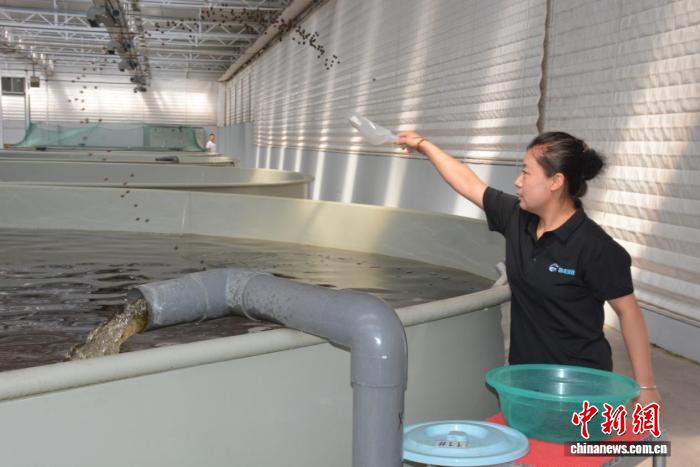
Core Insights - Yangjiakou Village in Datong, Shanxi Province, has transformed from a debt-ridden area with low income to a model for rural revitalization, known as "the first village in the north" [1] Group 1: Aquaculture Development - The establishment of the Wolong Aquaculture project involved a total investment of 50 million yuan, creating a 11,328.62 square meter factory-style recirculating aquaculture base [3] - The project features 16 sets of recirculating aquaculture systems, ensuring optimal growth conditions for fish through intelligent management [3] - By 2025, the expected output of farmed fish is projected to reach 250,000 pounds, generating approximately 12.5 million yuan in economic value [3] Group 2: Agricultural and Ecological Initiatives - A 300 million yuan investment has led to the creation of a unique agricultural and tourism experience park, integrating farming, animal husbandry, and tourism [3] - The butterfly orchid cultivation base spans 16,000 square meters, producing over 300,000 orchids annually, with a production value exceeding 10 million yuan [5] - The village has also established a high-standard fruit planting greenhouse covering 4,000 square meters, cultivating papayas, bananas, and golden dragon dates [5] Group 3: Dairy Industry Growth - The establishment of Moutong Dairy in 2015 involved a collective investment of 240 million yuan, creating a "golden chain" from pasture to factory [5] - The dairy processing includes rapid fresh milk treatment and the development of unique local products like "Huanghua Milk," benefiting around 6,800 local farmers with an average income increase of over 10,000 yuan [5] - Moutong Dairy attracts over 30,000 tourists annually and serves as a national research and study base, hosting more than 6,500 students each year [5]

光伏板下藏着50万只羊?甘肃的操作看傻世界
Hu Xiu· 2025-09-05 09:04
Core Viewpoint - The photovoltaic industry in Gansu is transforming desert areas into lush pastures, demonstrating that solar power generation can contribute to ecological restoration rather than environmental degradation [1] Group 1 - The introduction of 500,000 sheep grazing under solar panels in Gansu's desert is a significant example of how solar energy projects can enhance land use [1] - The blue solar panels not only generate electricity but also provide physical sun protection, retain moisture, and improve soil conditions, leading to a greener environment [1] - The transformation of barren deserts into fertile pastures showcases the potential of solar power to facilitate large-scale ecological restoration [1]
(活力中国调研行)年阻百万吨流沙:内蒙古绿色屏障为黄河“减负”
Zhong Guo Xin Wen Wang· 2025-09-04 02:21
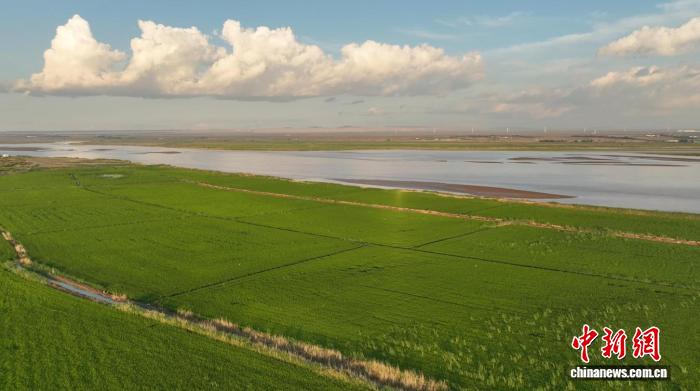
Core Viewpoint - The ecological restoration project in the Ulan Buh section of the Yellow River has significantly reduced sand flow into the river, transforming the area into a green barrier that enhances ecological stability and local livelihoods [2][4][7]. Group 1: Ecological Restoration Efforts - The Ulan Buh section, previously known for severe sand flow, has undergone a transformation since the initiation of the ecological restoration project in 2022, which includes flattening sand dunes and planting drought-resistant trees [2][4]. - The area now boasts a vegetation coverage rate of over 84%, capable of blocking approximately 1.5 million tons of sand from entering the Yellow River annually [4]. - The project has created seven ecological restoration zones, including sand-blocking belts and irrigation-based tree areas, forming a comprehensive "sand-blocking network" [2][4]. Group 2: Economic and Social Impact - The project has not only improved ecological functions but also provided economic benefits to local farmers through participation in the construction efforts, achieving a win-win situation for both ecological and economic outcomes [4][5]. - In the neighboring Dala County, efforts to combat sand encroachment have led to an 80% governance rate of the Kubuqi Desert and a vegetation coverage rate of 58.6%, reversing the trend of "sand advancing and people retreating" [5][7]. Group 3: Broader Environmental Initiatives - The restoration efforts are part of the "Three-North Shelter Forest Program," which aims to combat sandstorms through large-scale vegetation construction across various regions in China [7]. - The initiatives are crucial for maintaining the ecological safety of the Yellow River, which is threatened by continuous sand influx, emphasizing the importance of ecological construction along the riverbanks [7].
红色土地上正在谱写绿色发展新篇章
Zhong Guo Huan Jing Bao· 2025-09-02 23:21
Core Insights - The article highlights the transformation of revolutionary old areas in China, emphasizing their shift towards ecological sustainability and high-quality development while preserving their historical significance [1][2][3][4] Group 1: Ecological Restoration and Economic Development - Many revolutionary old areas, once hindered by environmental degradation, are now leveraging their ecological resources to develop unique agricultural and tourism industries [1][2] - Longtian, once known as the "Red Desert" due to severe soil erosion, has successfully transformed its environment through systematic governance, leading to a significant improvement in local ecology and economy [2] - Areas rich in mineral resources, such as coal and aluminum, face challenges from historical resource extraction, necessitating comprehensive ecological restoration to revitalize the land [2][3] Group 2: Innovative Industrial Practices - Shanxi's Lüliang is developing a circular economy around traditional coal and coke industries, integrating hydrogen energy and high-end manufacturing into its industrial chain [3] - The steel industry in Hebei's Shexian is evolving with a focus on green practices, enhancing the entire production process from material transport to product delivery [3] Group 3: Agricultural and Cultural Development - Revolutionary old areas are capitalizing on their unique agricultural products, enhancing brand recognition and value through specialized cultivation and processing [3] - The integration of red cultural resources with ecological tourism is becoming a trend, utilizing modern technology to create immersive experiences that promote local history and culture [4] - The enduring spirit of resistance and sacrifice from the revolutionary past continues to inspire local communities to pursue sustainable development and shared prosperity [4]
绿色生境带来美丽回馈
Ren Min Ri Bao Hai Wai Ban· 2025-09-01 22:57
Core Viewpoint - The article highlights the successful ecological restoration and economic development of the Jiulong National Wetland Park in Zhejiang, China, showcasing the transformation from a polluted area to a thriving ecological and tourism hub [6][12][13]. Ecological Restoration - The Jiulong National Wetland Park has undergone significant ecological restoration, focusing on "maximizing protection and minimizing intervention," which includes wetland restoration, vegetation recovery, ecological replenishment, and wildlife habitat restoration [6][8]. - A total of 3,450 acres of wetland have been restored, and 17 water system blockages have been cleared, improving water quality and biodiversity [8]. Biodiversity and Wildlife - The restoration efforts have led to the discovery of 14 new bird species in the wetland, including the rare Chinese merganser, which is now a resident of the area [9]. - The park has implemented targeted habitat restoration for various species, enhancing the living conditions for both flora and fauna [10]. Economic Development - The revitalization of the wetland has spurred local economic growth, with the area receiving nearly 2 million visitors in recent years, generating over 20 million yuan in tourism revenue [12][14]. - Local villagers have transformed their livelihoods by opening homestays and agritourism businesses, significantly increasing their income and employment opportunities [13][14]. Community Impact - The local community has benefited from the ecological improvements, with increased tourism leading to a rise in business for homestays and restaurants, contributing to a sustainable economic model [13][14]. - The transformation of Jiulong Village from a previously impoverished area to a vibrant tourist destination exemplifies the positive impact of ecological restoration on local communities [13].

“认购碳汇”抵责存挑战,专家建议严格规范适用范围
Di Yi Cai Jing· 2025-09-01 10:44
近年来,"认购碳汇"的适用范围逐渐扩大,部分地方甚至在不存在碳汇损失的非法狩猎、非法采矿、污 染环境案件中要求行为人购买碳汇。 "双碳"目标提出以来,通过购买碳汇修复生态环境损害的做法越来越普遍。专家表示,"认购碳汇"架起 了生态修复目标与"双碳"目标之间沟通的桥梁,实现了两全其美的效果。 但专家们也发现,近年来,"认购碳汇"的适用范围逐渐扩大,部分地方甚至在不存在碳汇损失的非法狩 猎、非法采矿、污染环境案件中要求行为人购买碳汇。 多位专家今天(9月1日)在武汉大学环境法研究所微信公号表示,"认购碳汇"未必能够有效弥补各种涉 案行为所造成的碳汇损失,其行为仅仅产生了"认购免责"的法律后果。 2020年3月,福建省顺昌县法院对吴某辉滥伐林木案进行裁判,将"认购碳汇"作为生态损害案件的替代 性生态修复方式,开创了国内之先河。该做法成为基层法院裁决替代性生态修复问题的参照方式。 西南林业大学文法学院副教授宋向杰等专家表示,从生态修复效果上,"认购碳汇"的方式弥补了以往滥 伐林木、盗伐林木案件采取"补植复绿"修复方式的不足。将"补植复绿"与"认购碳汇"共同作为生态修复 方式,尝试对生态系统在恢复期间的碳汇功能损失进行 ...
高原披新绿 青山不负人
Ren Min Ri Bao· 2025-09-01 05:45
Core Viewpoint - The article highlights the significant ecological transformation in Tibet over the past 60 years, emphasizing the efforts to build a modern socialist Tibet that is united, prosperous, civilized, harmonious, and beautiful [1]. Group 1: Ecological Transformation - The natural conditions in Lhasa are similar to other high-altitude regions, yet the city has successfully implemented tree planting initiatives, overcoming challenges such as high altitude and poor soil quality [2]. - Technological advancements have played a crucial role in enhancing tree survival rates through scientific methods such as selective breeding and soil replacement [3]. - A systematic approach to ecological restoration has been adopted, integrating various environmental elements like mountains, rivers, forests, and grasslands for comprehensive protection [3]. Group 2: Community Involvement - Local communities have been pivotal in the greening efforts, with significant contributions from individuals who have dedicated years to tree planting despite initial hardships [4]. - Improved environmental conditions have led to economic benefits for local residents, such as increased tourism opportunities and income from agricultural activities [4]. - The article illustrates a positive feedback loop where better ecological protection attracts more visitors, thereby enhancing community motivation to preserve the environment [4]. Group 3: Broader Implications - Tibet serves as a critical ecological security barrier for the country, and protecting its environment is deemed beneficial for future generations [4]. - The article reflects on the broader philosophy that environmental conservation is intrinsically linked to economic prosperity, as articulated by President Xi Jinping [5].
冠中生态: 国金证券股份有限公司关于青岛冠中生态股份有限公司向不特定对象发行可转换公司债券2025年第二次临时受托管理事务报告
Zheng Quan Zhi Xing· 2025-08-29 17:25
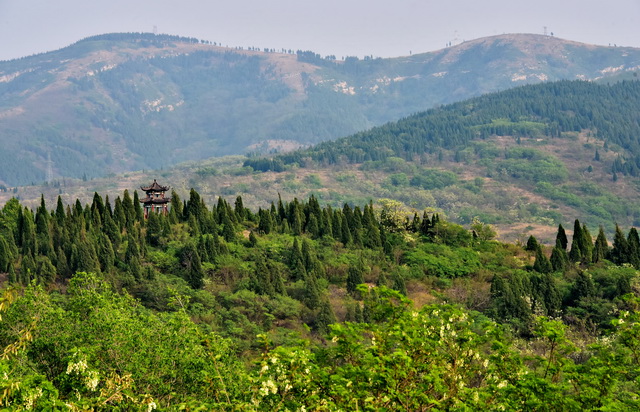
Core Viewpoint - Qingdao Guanzhong Ecological Co., Ltd. is issuing convertible bonds totaling RMB 400 million to fund various ecological projects and enhance operational efficiency [2][11][24]. Group 1: Bond Issuance Details - The total amount of the convertible bonds issued is RMB 400 million, with a face value of RMB 100 per bond, and a total of 4 million bonds will be issued [2][11]. - The bonds have a term of 6 years, from July 21, 2023, to July 20, 2029, with interest rates starting at 0.40% in the first year and increasing to 3.00% in the sixth year [2][3]. - The initial conversion price is set at RMB 16.56 per share, with the current conversion price at RMB 10.44 per share [4][5]. Group 2: Project Funding Allocation - The funds raised will be allocated to projects including ecological restoration and urban water supply enhancement, with a total project investment of RMB 63.97 million [11][12]. - The company plans to terminate the "Zibo Sibaoshan Ecological Construction Comprehensive Governance Project" due to market changes and will redirect the remaining funds to the "Boshan Urban Water Supply Improvement Project" [12][24]. - The remaining funds of RMB 24.53 million will be permanently allocated to working capital, representing 6.27% of the net amount raised [13][24]. Group 3: Project Implementation and Market Context - The "Boshan Urban Water Supply Improvement Project" is expected to enhance water supply infrastructure, aligning with national policies aimed at improving rural water supply security [20][21]. - The project is supported by local government initiatives and is part of a broader strategy to modernize water supply systems in response to urbanization and climate challenges [20][21]. - The company has established a solid technical foundation and quality control system, enhancing its capability to manage large-scale projects effectively [21][22].