
空间智能

Search documents
【风口研报】中标全栈式AI建设标杆级重要订单,这家公司是空间智能核心供应商之一,具备数据+平台+具体场景的完整体系的AI能力
财联社· 2025-11-24 11:35
①中标全栈式AI建设标杆级重要订单,这家公司是空间智能核心供应商之一,具备数据+平台+具体场景的 完整体系的AI能力;②这家公司近期正式进军资源矿山领域,自有资金控股3家金矿公司,小金属+铜金回 收+上游资源弹性值得期待。 财联社倾力打造王牌栏目《风口研报》,替您"扒一扒"市场含金量超高的研报、调研信息。以机构视 角,追踪研报和调研纪要细节里的"超预期"、"拐点"、"事件催化"和"价值洼地"。 前言 ...


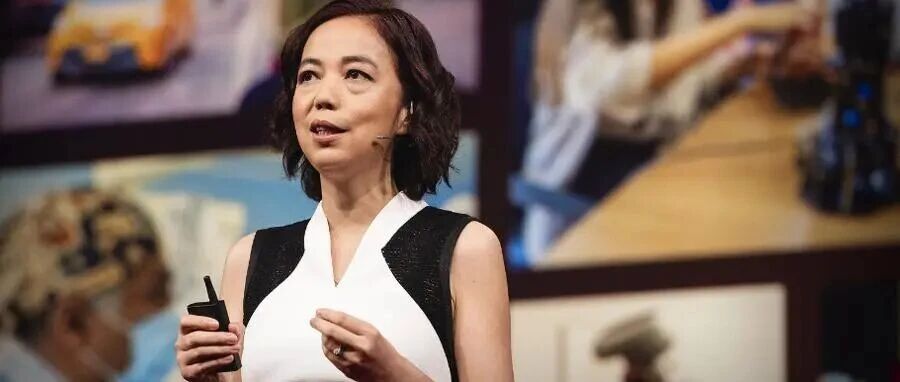
李飞飞最新长文:AI很火,但方向可能偏了
创业邦· 2025-11-23 11:15
Core Viewpoint - The article discusses the limitations of current AI language models, emphasizing that while they are advanced in processing language, they lack true understanding of the physical world, which is essential for achieving genuine intelligence [5][6][7]. Group 1: Limitations of Current AI Models - Current AI language models, like ChatGPT and Google's Gemini, excel at predicting the next word based on statistical patterns but fail to understand basic physical concepts [6][7]. - The analogy of a scholar in a dark room illustrates that while these models can generate coherent text, they lack real-world experience and understanding [7][13]. - AI's reliance on language statistics rather than physical interactions leads to nonsensical outputs, highlighting the need for a deeper understanding of the world [8][13]. Group 2: The Concept of Spatial Intelligence - To advance AI, it is crucial to develop "spatial intelligence," which involves understanding and interacting with the physical world without relying solely on language [8][14]. - The article posits that true intelligence requires the ability to predict physical interactions and outcomes, akin to how humans learn through experience [14][15]. - Examples from child development and scientific discovery illustrate how spatial interactions lead to a deeper understanding of cause and effect [9][11]. Group 3: Future Directions for AI - The future of AI may shift from predicting the next word to predicting the next frame of the world, integrating physical laws and spatial reasoning [14][17]. - Developing a "world model" that incorporates spatial data and physical interactions could revolutionize AI capabilities, allowing for more accurate simulations and predictions [15][17]. - The article mentions ongoing efforts to extract spatial information from 2D videos to train AI models, indicating a significant area of research [17][18]. Group 4: Practical Applications and Opportunities - The emergence of AI with spatial intelligence could lead to practical applications in robotics, enhancing their ability to navigate and interact with real-world environments [20][21]. - Potential use cases include virtual scene generation for design, therapy, and educational purposes, showcasing the versatility of AI in various fields [21][22]. - The ability to convert imagination into tangible reality presents significant opportunities for innovation and entrepreneurship [22][23].
智慧互通拟赴港冲刺“高精度AI第一股”,加码发展AI空间智能
Zhong Guo Zheng Quan Bao· 2025-11-21 12:10
Core Insights - Wisdom Interconnect Technology Co., Ltd. has submitted an IPO application to the Hong Kong Stock Exchange, aiming to become the "first high-precision AI stock" in the market [1] - The company focuses on AI spatial intelligence, particularly in the smart transportation sector, leveraging advanced AI technology to provide comprehensive high-precision AI solutions [1][2] Industry Context - The "14th Five-Year Plan" emphasizes the integration of AI with various sectors, aiming to enhance innovation in transportation through AI applications [2] - The Ministry of Transport has issued guidelines to promote AI in transportation, indicating a favorable policy environment for the growth of the AI industry [2] Company Performance - Wisdom Interconnect's revenue increased from 538 million yuan in 2022 to 618 million yuan in 2023, representing a growth of 14.7%, and is projected to reach 699 million yuan in 2024, with a further growth of 13.1% [3] - The company ranks fourth in China's smart transportation industry with a market share of 6.6% and holds the top position in spatial roadside solutions with a 19.3% market share [3] Technological Advancements - As of June 2025, Wisdom Interconnect has filed 1,225 patents, including 977 invention patents, and holds 338 patents, enhancing its technological edge [4] - The company has a dedicated R&D team of 240 members, accounting for 47% of its total workforce, with R&D expenses constituting around 30% of total operating costs from 2022 to 2024 [4] Client Relationships - Wisdom Interconnect has maintained long-term relationships with numerous clients, including government agencies and enterprises, fostering a robust ecosystem that enhances its product offerings [5] - The company's solutions are implemented in over 70 cities in China, with plans to expand into Southeast Asia and the Middle East [5] Future Plans - The company aims to deepen its ecosystem and domestic operations by collaborating with public transport agencies and AI industry leaders to establish common standards [6] - Wisdom Interconnect is exploring global applications for its solutions, targeting various sectors such as airports and commercial areas, while also focusing on international market expansion [6] Funding Utilization - The company plans to allocate part of the IPO proceeds to enhance research on cutting-edge technologies, improve products, and expand its proprietary technology platform [7] - Investments will also be directed towards strengthening the sales team for overseas expansion and upgrading production facilities for greater automation [7]
“AI教母”李飞飞最新访谈:没想到AI会这么风靡,下一个前沿是空间智能
Jin Shi Shu Ju· 2025-11-21 07:38
Core Insights - The discussion emphasizes the dual nature of AI as both a powerful tool and a potential risk, highlighting the need for responsible management and governance of technology [1][3][29] - The next frontier in AI is identified as "spatial intelligence," which involves AI's ability to understand, perceive, reason, and interact with the three-dimensional world [1][25] - The importance of democratizing AI technology is stressed, advocating for broader access and responsible usage rather than monopolization by a few large tech companies [1][3][24] Group 1: AI's Impact and Future - AI is described as a civilization-level technology that profoundly affects various aspects of life, work, and well-being [2][28] - The potential for job displacement due to AI is acknowledged, with historical parallels drawn to past technological advancements that reshaped labor markets [28] - The need for continuous learning and adaptation by individuals, businesses, and society in response to technological changes is emphasized [28] Group 2: Governance and Responsibility - Concerns regarding the governance of superintelligent AI are raised, questioning how humanity can prevent potential crises stemming from advanced AI systems [29][30] - The necessity for international cooperation and responsible development of AI technologies is highlighted, with a call for a global awareness of the implications of AI [30][31] - The role of educators in integrating AI responsibly into learning environments is underscored, stressing the importance of preparing future generations [32][34] Group 3: Environmental Considerations - The environmental impact of AI, particularly regarding energy consumption and the need for renewable energy sources, is discussed [31][32] - The potential for innovation in energy policies to support sustainable AI development is recognized as crucial [31][32] Group 4: Personal Insights and Experiences - The speaker's journey from a challenging upbringing to becoming a leader in AI research illustrates the importance of resilience and curiosity in scientific pursuits [17][18][19] - The influence of mentors and the significance of traditional values in education and personal development are acknowledged [19][34]
深度|“新手简单,高手可控”,这款短剧Al Agent,让创作不再妥协
Z Potentials· 2025-11-21 03:15
Core Viewpoint - Elser.AI is set to revolutionize the production of short dramas by significantly lowering the barriers for creators, allowing them to focus on creativity rather than technical complexities [2][11]. Group 1: Product Features and Innovations - Elser.AI's upcoming short drama Agent will automate over 90% of the production process, including story creation, script breakdown, character development, scene setting, video generation, and more, while allowing creators to maintain control over key creative decisions [1][7]. - The platform aims to simplify the user experience, making it accessible for both novice and experienced creators, thus fostering creativity and enjoyment in the production process [10][5]. - The Agent product has undergone two iterations in five months, achieving over 200,000 active users without any promotional efforts [3][20]. Group 2: Market Potential and Growth - The global short drama market is experiencing rapid growth, with projections indicating a 50% increase in the U.S. market by 2025 and an 85% growth in Japan's market, which is expected to reach $480 million [10][11]. - Elser.AI is strategically positioned to capitalize on this growth by providing a platform that supports creators in producing high-quality content efficiently [2][12]. Group 3: Company Vision and Future Plans - Elser.AI envisions a future where every creator can become an IP factory, with the short drama as a starting point for various interactive forms of entertainment [14][12]. - The company is not only focused on the short drama Agent but also aims to develop a comprehensive AI content creation platform that can evolve beyond just short dramas [12][14]. - The team behind Elser.AI is characterized by a unique blend of backgrounds, combining expertise in philosophy, aesthetics, and technology, which informs their approach to AI content creation [16][17].

AI硬件战事凶猛 钉钉用3个月完成逆袭
3 6 Ke· 2025-11-21 02:47
Core Insights - The article discusses the emergence of AI hardware in a crowded market, highlighting DingTalk's launch of its first AI hardware product, DingTalk A1, aimed at making AI accessible to a broader audience [6][8][18] - DingTalk A1 is positioned as a tool to help small and medium-sized enterprises (SMEs) leverage AI technology, addressing the challenges they face in adopting AI solutions [9][10][20] - The concept of "spatial intelligence" is introduced, emphasizing the need for AI to understand the physical world and human interactions beyond just language [13][14] Industry Overview - The AI hardware market is becoming increasingly competitive, with various tech companies attempting to integrate AI into wearable devices [6][7] - DingTalk's entry into the AI hardware space is seen as a significant move, given its backing by Alibaba and its established presence in the enterprise software market [17][23] - The article notes that the majority of enterprises in China are small, and many lack the resources to effectively implement AI solutions, creating a gap that DingTalk A1 aims to fill [9][11] Product Features - DingTalk A1 is designed as a card-style recording pen that allows for seamless interaction with AI, enabling users to record and transcribe meetings easily [12][18] - The device features multiple microphones for enhanced audio capture, allowing it to recognize voices from a distance of up to 8 meters [14] - DingTalk A1 offers real-time transcription capabilities, a feature not commonly found in similar products, which enhances its utility for users [18][19] Market Positioning - DingTalk A1 is positioned as a bridge between the digital and physical worlds, facilitating the collection of unstructured data to improve productivity in enterprises [12][15] - The product aims to democratize access to AI by lowering the barriers for SMEs, allowing them to utilize AI without extensive technical knowledge [10][20] - The article highlights that DingTalk's AI solutions are backed by significant data training efforts, achieving high accuracy in language recognition across various dialects [23] Future Implications - The introduction of DingTalk A1 is seen as a starting point for a broader transformation in how AI can be integrated into everyday business operations [24] - The article suggests that as AI technology evolves, the relationship between humans and AI will shift towards more collaborative interactions, enhancing decision-making processes [16][21] - DingTalk's commitment to making AI accessible is framed as a responsibility to support the growth of SMEs in the face of rapid technological change [21][22]

世界第一「空间智能」引擎!苹果没做成的,95后博士拿下了
具身智能之心· 2025-11-20 00:03
编辑丨 新智元 点击下方 卡片 ,关注" 具身智能之心 "公众号 >> 点击进入→ 具身 智能之心 技术交流群 更多干货,欢迎加入国内首个具身智能全栈学习社区: 具身智能之心知识星球(戳我) ,这里包含所有你想要的! 【导读】 2024年以来,从苹果Vision Pro将「空间计算」推向巅峰,到Peloton Guide、Nex Playground等「AI摄像头」硬件开始在小规模市场 中验证可行性,风口已然初现。 一个共识正在全球科技行业悄然形成:AI驱动的体感交互是下一个浪潮。 但一个根本性的矛盾也随之暴露:前者价格高昂,动辄数千美元,将普罗大众拒之门外;后者虽然价格稍低,却仍需用户购买专属的硬件盒子,本质上 没有摆脱「外设」的束缚。 市场在呼唤一个更轻、更普惠的解决方案。 当我们回归真实的居家娱乐场景时,会发现用户体验是极度「割裂」的。 要么是花重金买来的游戏主机,在短暂的新鲜感过后,最终难逃在角落里「吃灰」的命运;要么是面对主机里那些同质化严重、缺乏实时反馈的游戏内 容。 这是一个消费者极度渴望互动,却被高昂硬件和贫瘠内容双重束缚的市场。 在此背景下,一家名为「飞拓星驰」(下文简称「FitX」)的中国 ...
如视发布空间大模型Argus1.0,支持全景图等多元输入,行业首创!
机器之心· 2025-11-19 04:07
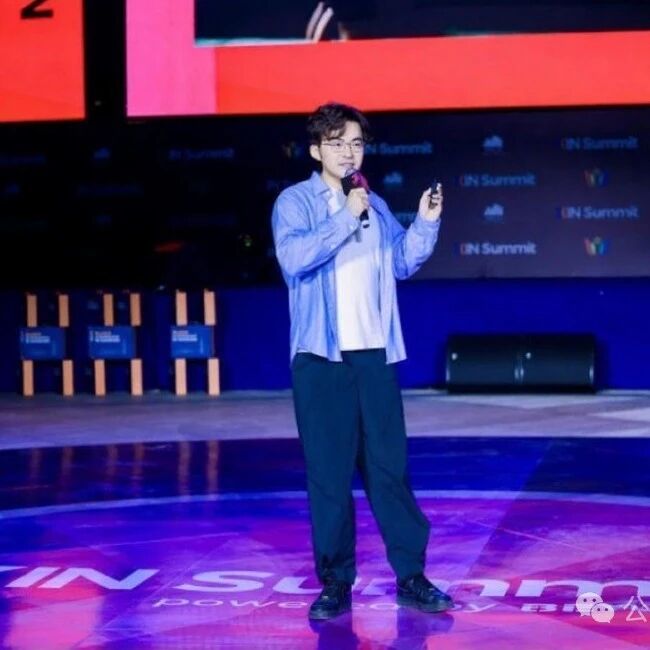
Core Viewpoint - The article discusses the emergence of Argus 1.0, a groundbreaking spatial model by Realsee, which aims to recreate the real world in a 3D interactive format, contrasting with AI-generated virtual worlds [2][4]. Group 1: Introduction of Argus 1.0 - Argus 1.0 is the world's first spatial model that supports panoramic image input and infers spatial depth, representing a significant shift from virtual generation to real-world replication [2][6]. - The model processes single or multiple panoramic images to derive camera poses, depth maps, and point clouds with millisecond-level speed [2][6]. Group 2: Foundation of Argus 1.0 - The development of Argus 1.0 is rooted in Realsee's extensive experience in spatial digitization since its establishment in 2017, driven by a "digital space-algorithm-industry application" flywheel [6][14]. - Realsee has accumulated over 53 million sets of digital space data, covering more than 4.4 billion square meters globally, forming the largest real space database [7][8]. Group 3: Technical Innovations - Argus 1.0 represents a transition from single-view depth estimation to multi-view consistency, utilizing a Transformer architecture trained on nearly one million sets of real high-definition spatial data [16][24]. - The model is the first in the industry to support panoramic images as input, significantly enhancing the efficiency of VR content production [17][21]. Group 4: Quality and Performance - Argus 1.0 achieves high-quality output due to its unique high-precision, scale-aware, pixel-aligned real database, allowing it to handle challenging scenarios like glass and mirrors effectively [24][29]. - The model's inference efficiency reaches millisecond-level, making it the first real-time panoramic global reconstruction system [22][23]. Group 5: Future Directions and Industry Impact - Argus 1.0 is a key component in Realsee's "spatial intelligence" framework, which outlines a four-layer theory from digitization to intelligence [30][34]. - The company plans to release Argus 2.0 and subsequent versions to further enhance real-time rendering capabilities and support advanced applications in various industries [36][38]. - Realsee aims to open a dataset of 10,000 indoor housing data sets to foster innovation in the spatial intelligence sector, addressing the significant gap in high-quality spatial data [39][40].

凯文·凯利最新演讲:这个能力,下一个10年最具竞争力
创业邦· 2025-11-18 10:39
Core Viewpoints - The importance of preparing for the future rather than predicting it in an era of uncertainty [7] - AI is seen as a complement to human capabilities, enhancing efficiency and creativity rather than replacing jobs [20] - The future will be shaped by those who can collaborate with AI, rather than those who resist it [8] AI and Uncertainty - There are three key uncertainties regarding AI: the possibility of achieving general artificial intelligence, the direction of AI computing (centralized vs. decentralized), and the impact of AI on employment [10][14][16] - Current investments are heavily focused on exploring general intelligence, but the future may consist of various specialized AI systems rather than a single general system [11][13] - The trend towards edge computing is emerging, with a significant portion of computing already occurring at the edge, which offers advantages in speed, privacy, and energy efficiency [14][15] AI's Role in Employment and Industry - AI is not leading to mass unemployment but is instead enhancing productivity, with studies showing an average efficiency increase of about 25% for employees using AI [17][19] - The introduction of AI changes the nature of work, allowing humans to focus on more creative and judgment-based tasks while AI handles repetitive ones [20][41] - AI's role is to augment human capabilities rather than replace them, leading to a reorganization of job structures rather than job losses [43] Future Directions of AI - Future AI innovations will focus on four key areas: symbolic reasoning, spatial intelligence, emotional intelligence, and intelligent agents [22] - Symbolic reasoning will reintroduce structured intelligence to enhance AI's understanding and reasoning capabilities [22][23] - Spatial intelligence will enable AI to interact with and understand the real world, moving beyond text-based learning [24][27] - Emotional intelligence will allow AI to recognize and respond to human emotions, fostering deeper human-AI interactions [29][30] - Intelligent agents will evolve from mere tools to partners capable of executing tasks and collaborating with other agents [30][31] The Concept of "Cool China" - "Cool China" refers to a nation that attracts others through creativity and charm rather than force, with potential to lead in innovation and cultural influence [60][61] - China has the opportunity to produce world-class products and technologies, enhancing its global standing [62] - Cultural output will play a significant role in shaping China's soft power, allowing it to resonate with global audiences [63] - The development of attractive cities that blend technology and culture will further enhance China's appeal [64] Challenges and Responsibilities - The rise of an AI-driven society will bring challenges related to privacy, data usage, and the balance between personalization and individual rights [66][68] - AI has the potential to create a more just and efficient society, particularly in areas like social governance and resource distribution [69] - The realization of "Cool China" depends on a commitment to innovation, openness, and responsibility, shaping a respected and admired global presence [71]

李飞飞发文:空间智能将成AI攀登的下一座高峰
Ke Ji Ri Bao· 2025-11-18 05:17
Core Insights - The development of artificial intelligence (AI) is entering a new phase, transitioning from "understanding language" to "understanding the world" [1] - "Spatial intelligence" is identified as the next frontier for AI, which will enable machines to perceive, reason, and act in the real world like humans [4][9] Current Limitations of AI - Current AI systems, primarily large language models, excel in text and image generation but lack fundamental capabilities in representing and interacting with the physical world [4][6] - These models struggle with basic tasks such as estimating distance, direction, and size, and often fail to maintain coherence in generated videos [4][6] Importance of Spatial Intelligence - Spatial intelligence is crucial for human cognitive construction, driving imagination, creativity, and reasoning, and is essential for integrating perception and action [4][8] - This capability allows for everyday tasks like estimating parking distances and navigating through crowds, representing a leap from mere knowledge to true understanding [4][8] Path to Achieving Spatial Intelligence - To realize true spatial intelligence, a shift from existing large language models to a more fundamental "world model" is necessary [6] - This new model should understand semantic relationships and consistently "imagine" and "reconstruct" the world in terms of geometry, physics, and dynamic rules [6] Applications and Implications - The development of world models can redefine AI's functionality, enabling proactive planning and adaptation in various fields, including robotics and creative industries [8][9] - In creative fields, spatial intelligence will allow creators to construct virtual worlds and visualize structures instantaneously, enhancing the creative process [8][9] Future Prospects - AI with spatial intelligence will not replace humans but will enhance professional judgment, creativity, and empathy, serving humanity more deeply [9] - The transition from language to spatial understanding signifies a new era for AI, capable of genuinely comprehending reality [9]
