
人工智能(AI)

Search documents
美核心CPI创5年新低 6月降息概率骤升至80%
Jin Tou Wang· 2026-02-16 06:56
摘要周一(02月16日)欧盘时段,现货黄金价格震荡下跌,最新金价报4988.12美元/盎司,跌幅0.62%,现 货黄金开盘报5019.14美元/盎司,最高上探5030.62美元/盎司,最低触及4954.42美元/盎司。 周一(02月16日)欧盘时段,现货黄金价格震荡下跌,最新金价报4988.12美元/盎司,跌幅0.62%,现货黄 金开盘报5019.14美元/盎司,最高上探5030.62美元/盎司,最低触及4954.42美元/盎司。 美国通胀再度释放"降温"信号。最新数据显示,1月整体CPI环比仅升0.2、同比回落至2.4%,均低于市 场预期;剔除食品与能源后的核心CPI同比降至2.5,创2021年3月以来最低水平,接近疫情前区间。数据 公布后,市场对美联储年内宽松的押注明显升温,交易员预计4月前降息概率约30%,而6月前启动降息 的可能性已跃升至80%。 贝尔马雷称:"市场对这些数据的反应最多只能说是谨慎,相关走势更多是战术性调整。" 美国劳工统计局(BLS)周二(2月13日)公布的数据显示,整体CPI环比上涨0.2%,低于市场预期的0.3%;同 比增速回落至2.4%,不及预期的2.5%,并刷新去年5月以来的 ...
今日宜贴春联!这些细节,看看你做对了吗?
券商中国· 2026-02-16 01:13
今日(2月16日)除夕 又到了该贴春联的日子! 贴春联看似简单 实则大有讲究 上联下联如何区分? 先左后右 or 后左先右 一文看明白 贴春联最佳位置选择 春联通常贴在 门的两侧 ,横批贴在 门楣 上。 贴春联时,要注意平整、端正,不要出现歪斜或褶皱。 这既是对传统文化的尊重,也是对新一年美好生活的期许。 教你用音调 轻松区分上下联 很多人在贴春联的时候会犯迷糊,不知道如何区分上下联,其实有一个特别简单的小方法: 看最后一个字 的音调。 一般来说,上联的最后一个字是 仄声 (第三声、第四声),下联的最后一个字是 平声 (第一声、第二 声),常见的音调之一为"平仄平仄平平仄,仄平仄平仄仄平"。 要是分不清啥是仄声平声,那就简单点,上联读起来通常比较"沉",下联读起来就比较"扬"。这样一区 分,上下联就一目了然了。如果是创意春联,读法可能会有所不同。 春联的 传统贴法 是面对大门时, 上联贴在右边,下联贴在左边 。 这是因为传统的春联书写顺序是从右 往左,横批文字顺序也是从右至左的。 随着时代发展,现在人们的书写习惯变为从左往右,因此,有些横批变为从左往右书写。根据横批的文字 方向, 也可以上联贴在左边,下联贴在 ...

从马斯克太空数据中心构想拉动中国光伏股看到的
日经中文网· 2026-02-16 00:33
Core Viewpoint - The article discusses the significant rise in Chinese photovoltaic (PV) stocks driven by Elon Musk's proposal for a space-based data center, highlighting the dominance of Chinese companies in the global supply chain [2][4]. Group 1: Market Reactions - Chinese PV stocks have surged since the beginning of the year, with major companies like JinkoSolar and TCL Zhonghuan experiencing significant price increases, attributed to Musk's space data center concept [2][4]. - On February 4, reports of Musk's secret contacts with leading PV companies led to a notable spike in stock prices, with JinkoSolar rising by 20% and TCL Zhonghuan by approximately 10% [4]. - Despite the stock price increases, companies quickly clarified that they had no existing partnerships or orders related to Musk's space solar power initiative [4]. Group 2: Industry Developments - Musk announced plans to establish a space data center within three years, aiming to produce 100 gigawatts of solar power equipment annually, emphasizing the reliance of AI growth on solar energy [6]. - Chinese PV companies are keenly interested in space solar power, with reports indicating that the energy density in space is 7 to 10 times higher than on the ground, and operational time could increase fourfold [6]. - The Chinese government reported that renewable energy generation capacity, including solar, has surpassed thermal power for the first time, with Chinese firms controlling over 80% of the global PV supply chain [7]. Group 3: Regulatory Changes - Starting April, the Chinese government will eliminate the 9% VAT rebate on PV product exports, which could significantly impact company earnings if costs cannot be passed on to consumers [8]. - This regulatory change is part of a broader effort to address overcapacity in the PV industry, which has seen significant losses, with projections indicating a net loss exceeding 60 billion yuan for the industry in 2024 [8]. - The cancellation of the VAT rebate has prompted overseas PV companies to accelerate procurement of components before the deadline, potentially leading to demand being pulled forward [8].

韩国重启两座新核电站项目
Shang Wu Bu Wang Zhan· 2026-02-15 15:45
Core Viewpoint - The South Korean government has decided to proceed with the construction of two new nuclear power plants as part of its 11th Basic Plan for Electricity Supply and Demand, despite initial plans for a comprehensive review and public consultation [1][2] Group 1: Government Plans and Policies - The Ministry of Climate, Energy and Environment has confirmed that new nuclear power construction will continue as planned due to the rapid increase in electricity demand from AI and data centers [1] - The 11th Basic Plan includes the construction of two nuclear power units with a total capacity of 2.8 GW, scheduled for completion in 2037 and 2038, along with a 0.7 GW small modular reactor (SMR) to be introduced before 2035 [1] - The government has reversed its stance on the nuclear power projects after discussions and polling indicated public support, emphasizing the need to reduce coal and LNG power generation to meet climate goals [1] Group 2: Industry Concerns and Requirements - The Korean Atomic Energy Society has indicated that to maintain a nuclear power share of 35% by 2038, an additional 20 large nuclear plants and 12 SMRs will need to be constructed by 2050 [1] - The new nuclear projects will be initiated by Korea Hydro & Nuclear Power, with the aim to secure approvals in the early 2030s and complete construction by 2037-2038, although there are concerns about potential delays due to policy changes [2] - The government plans to enhance energy storage systems (ESS) and pumped storage to address the intermittency of renewable energy while improving the operational flexibility of nuclear power units [1]
万象AI记丨数智+ + +,解锁春运N种新体验
Xin Lang Cai Jing· 2026-02-15 14:49
Group 1 - The core theme of the article highlights the transformation of the Spring Festival travel season due to the deep integration of technology, enhancing the warmth and convenience of family reunions [1] Group 2 - AI intelligent scheduling systems are being utilized to accurately predict peak passenger flows on popular routes, optimizing railway capacity [3] - The ticket purchasing decision system can complete complex route analyses in seconds, dynamically optimizing ticket allocations that previously took hours [5] - AI security systems can locate prohibited items in 30 seconds, reducing the average manual inspection time by 3.5 seconds [7] Group 3 - Audio AI assistants at train stations and VR immersive navigation on mobile devices are making the process of exiting or transferring more convenient [9] - Upgrades in road transportation include AI video event detection technology in Guangdong's highways, which continuously analyzes road anomalies [11] - Approximately 60% of special situations that previously required on-site manual intervention can now be addressed remotely, making the Spring Festival travel smarter and more orderly [13] Group 4 - The concept of "reverse Spring Festival travel" and "fast travel, slow tourism" has emerged, with discounts on train tickets and services like phone booking and luggage delivery for parents visiting their children [15] - The trend of "fast travel, slow tourism" is gaining popularity, as high-speed rail connects scenic spots, allowing families to enjoy short vacations [17] Group 5 - The annual Spring Festival journey reflects changes in travel methods, service levels, and consumption patterns, while the essence of family reunion and affection remains unchanged [19]
2.15黄金暴涨160美金 再战5100
Sou Hu Cai Jing· 2026-02-15 09:22
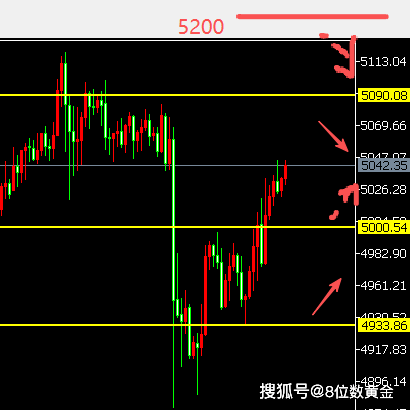
黄金再一次疯狂跳水后,昨天踩实4880附近后,又是探底回升,暴涨160美金,站上5000关口,多头不 改,再战5100的关口。 下周的走势 下方回踩确认,再关注到5000的关口。 此位置支撑反弹,继续看挑战5090的位置。 下方若持续回调,跌破了5000,继续看向4933的支撑。 昨天双针探底,又是继续冲高。 美盘时间调整后,再次涨破5000的关口。 本周收盘5042的位置,下周继续看涨延续。 多头逆袭,上方续涨。 继续看向5090的位置,强阻力得失。 再突破,那么继续看向5200的关口。 当然了,急速上涨下,短期内存在调整的机会。 重磅数据洪流来袭,其中美12月PCE,和消费者信心指数,比较重要的指标,或再影响美联储的政策预 期。 以及美12月的工业和贸易帐数据,以及2月的PMI,再一次检测经济强弱指标。 对于现货黄金的投资,方向和趋势的判断尤其重要。更重要的是入场点和出场点的把握能力,说白了就 是准确率,这个是能够实现稳健获利的必要的前提条件。这个不是一两本书,或者一两年功夫实操就可 以锻炼出来的。而是需要长时间实操和结果和经验。 同时对于仓位风险的把控能力,做到足够的低的风险,实现最大化的盈利的机会,这 ...
AI吓坏美股,亚洲股市“因祸得福”,芯片股抢跑成最大受益者
美股研究社· 2026-02-15 06:24
以下文章来源于硬AI ,作者专注科技产研的 硬AI . AI时代,快人一步~ 来源 | 硬AI 市场押注的核心在于 , 全球资金正在从"烧钱"的AI先锋,转向具备定价权的硬件与上游供应链,且亚洲在先进芯片制造、代工与组装环节占 据关键位置。 美光关于存储芯片供应趋紧的最新表态,以及英伟达关于支出可持续性的评论,进一步巩固了这种配置逻辑。据彭博援引多位机构人士表 态,随着市场开始定价"AI agents的ChatGPT时刻", 基础设施需求可能更先兑现到亚洲资产上。 资金从"AI颠覆交易"撤离, 美股承压与亚洲受益同步发生 本轮美股波动的导火索, 是投资者担心AI模型会威胁部分软件、法律以及房地产服务提供商的商业模式 ,相关股票遭遇抛售。彭博称,这 一"AI Scare Trade"还波及美国房地产服务股与保险经纪板块。 与之相对,亚洲市场的科技敞口更多集中在上游环节。宝盛集团香港研究主管Richard Tang表示:"美国主要担心的是超大规模企业的支出 问题。亚洲大部分科技敞口在上游。 无论最终谁获胜,上游仍将从下游参与者那里获得收入。" 存储芯片价格上涨强化了硬件端的景气信号,三星等区域龙头从中受益。台积电 ...


突传内存“闪崩”!记者实探华强北!商家:回调有限
Xin Lang Cai Jing· 2026-02-15 03:40
炒股就看金麒麟分析师研报,权威,专业,及时,全面,助您挖掘潜力主题机会! 春节假期逐渐临近,近期国内陆续传出内存价格"闪崩"等消息,在北美市场,存储巨头股价也出现高位 回调。 近日,证券时报记者实探华强北市场发现,内存现货市场价格有些许回调但幅度有限,炒作心态有所收 敛,但在闪存市场,部分品种出现"补涨"行情。 从供给侧来看,在数据中心需求虹吸效应下,国际存储原厂库存加速消耗,纷纷提高资本开支强度,并 谋求更大的交易话语权;同时,国产存储供应链也在加速扩产,甚至给出了涨价终结预测,供需博弈将 迈入新阶段。 炒作心态偏谨慎 临近春节,不少华强北柜台歇业。对于近期内存DDR4部分规格最高降价20%消息,多位商家向记者表 示实际回调很有限,"DDR4从去年底到现在涨了五六倍,现在只是跌个十几块、几十块,像DDR4有的 型号还是要1800元,比黄金都贵。" 还有商家表示,有的DDR规格都拿不到货,只能先给个报价,"如果电脑还能用,内存还是别换了。" "最近电脑内存(PC DDR)热度下去了,基本维持着去年12月份的价格。"存储代理商向记者表示,内 存价格回调主要是跟过年有关系,厂商回笼资金,但是有海外客户订单支持,所 ...
华尔街市场逆转 年初高共识交易集体失效
Huan Qiu Wang· 2026-02-15 01:06
Group 1 - In early 2026, Wall Street investors' risk appetite reached a high, with cash holdings at a historical low and a significant reduction in hedging positions [2] - The acceleration of AI technology applications has shifted market logic, leading to concerns about the replacement of light asset and white-collar industries such as software, wealth management, brokerage, and tax consulting [2] - The S&P 500 index experienced increased volatility, dropping to its lowest level since November of the previous year, with a rebound driven by moderate inflation data [2] Group 2 - A survey by Bank of America in January revealed that investor cash positions fell to a historical low of 3.2%, with nearly half of fund managers lacking downside protection, the lowest level since 2018 [2] - The correlation among various asset classes has increased, raising the risk of market-wide adjustments triggered by the sell-off of single assets [3] - Investment-grade bond ETFs performed strongly due to safe-haven demand, while U.S. Treasury prices rose, marking the largest weekly gain for long-term Treasury ETFs since April of the previous year [3]
釜山制造业低迷,行业分化加剧
Shang Wu Bu Wang Zhan· 2026-02-14 15:59
Core Viewpoint - The manufacturing sector in Busan is experiencing low economic sentiment at the beginning of the new year, with a Business Survey Index (BSI) of 79 for Q1 2026, indicating a slight recovery from the previous quarter's 64 but still significantly below the neutral line of 100 [1] Group 1: Economic Sentiment - The BSI for Busan's manufacturing sector shows a recovery of 15 points from the last quarter but remains weak overall [1] - The overall sentiment in the manufacturing sector is still below the neutral level, indicating ongoing economic challenges [1] Group 2: Sector Performance - There is a notable divergence among industries, with the electrical and electronic sector (121) and shipbuilding and related equipment (110) showing indices above 100, indicating a clear recovery [1] - Machinery and equipment (106) and assembly and metal (105) sectors also present relatively optimistic expectations [1] - In contrast, traditional manufacturing sectors such as clothing and fur (43), footwear (43), and textiles (53) are at historical lows due to rising raw material prices, increased labor costs, weak global demand, and intensified competition from Southeast Asian products [1] Group 3: Support Measures - The Busan Chamber of Commerce highlights the vulnerability of small and medium-sized manufacturing enterprises to external shocks and calls for the government to implement more precise and proactive support measures to alleviate uncertainties [1]