
闪存(NAND)

Search documents
从四次到两次:SEC 酝酿财报改革,美股信任机制面临大考
美股研究社· 2026-03-17 11:22
Core Viewpoint - The core of the capital market is not profit, but information. A reduction in information disclosure will lead to a re-pricing of risk in the market [1]. Group 1: Potential Changes in Disclosure Regulations - The U.S. capital market is at a potential crossroads, with the SEC considering a reform that would allow companies to choose to disclose earnings only twice a year instead of quarterly [2][4]. - This change is not merely a regulatory adjustment but could fundamentally alter the operational logic of the U.S. stock market [5]. Group 2: Historical Context and Current Trends - For the past fifty years, U.S. public companies have adhered to a quarterly disclosure system, which has been a symbol of transparency in the market [7]. - The number of publicly listed companies in the U.S. has decreased from nearly 8,000 in 1996 to about 4,300 today, indicating a trend towards privatization partly due to the costs associated with information disclosure [8][9]. Group 3: Implications of Reduced Disclosure Frequency - Proponents of reducing disclosure frequency argue that quarterly earnings reports lead to "short-termism," pressuring management to prioritize short-term profits over long-term strategy [9]. - However, reducing the frequency of disclosures may lead to decreased transparency, making it harder for investors to access critical operational data [10]. Group 4: Market Dynamics and Investor Behavior - The discussion around disclosure frequency represents a re-negotiation of the balance between corporate management rights and investor information rights [11]. - If earnings reports are reduced, the "transparency premium" that U.S. stocks enjoy may be reassessed, potentially leading to a decline in overall market valuations [12][14]. Group 5: Comparative Analysis with Other Markets - The article draws parallels with the South Korean market, where companies like Samsung and SK Hynix face valuation discounts due to governance and transparency issues, suggesting that reduced transparency in the U.S. could lead to similar outcomes [15][16]. Group 6: Long-term Consequences and Investor Sentiment - Historical experience shows that trust in capital markets takes decades to build but can be destroyed quickly through regulatory setbacks [17]. - The long-term foundation of capital markets is trust, which relies on timely and comprehensive information disclosure. A decline in transparency could erode the global appeal of U.S. markets [19][20].


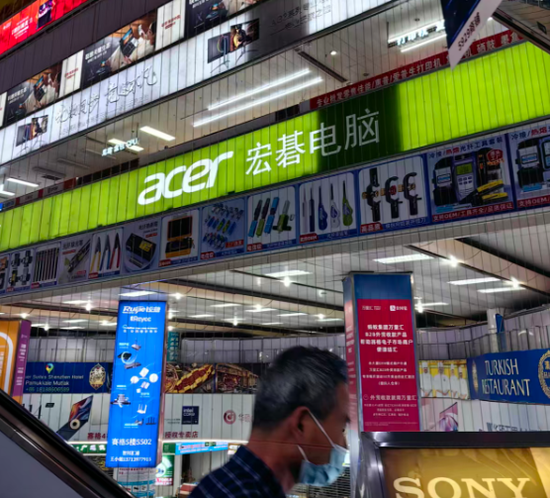
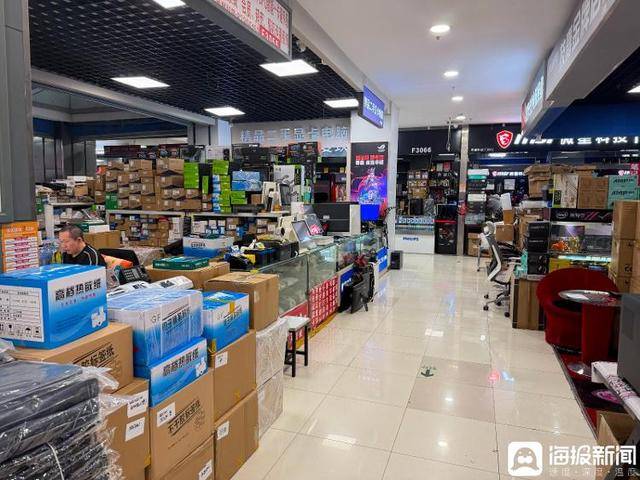
突传内存“闪崩”!记者实探华强北!商家:回调有限
Xin Lang Cai Jing· 2026-02-15 03:40
Core Viewpoint - The memory market is experiencing limited price adjustments despite reports of significant price drops, with a cautious trading sentiment prevailing as the Chinese New Year approaches. The supply-demand dynamics are shifting, with increased capital expenditures from international storage manufacturers and accelerated expansion from domestic suppliers [1][3][19]. Supply Side Dynamics - International storage manufacturers are consuming inventory rapidly due to strong demand from data centers, leading to increased capital expenditure and a quest for greater negotiating power [1][19]. - Domestic storage supply chains are also ramping up production, with predictions of an end to price increases as the supply-demand battle enters a new phase [1][23]. Market Price Trends - Reports indicate that some DDR4 memory prices have dropped by up to 20%, but actual reductions are minimal, with prices still significantly higher than last year [3][15]. - NAND flash prices are reportedly doubling, while eMMC prices have also surged, indicating a divergence in price trends between different memory types [3][15]. Consumer Electronics Impact - Lenovo's CEO noted that storage costs have risen over 40% quarter-on-quarter, with expectations of further increases in 2026. The company plans to adapt to these pressures by ensuring supply security [19][20]. - Major PC manufacturers are also facing rising costs in components like graphics cards and screens, with price hikes expected post-holiday [17][19]. Market Growth Projections - The DRAM/NAND Flash market is projected to exceed $200 billion for the first time in 2025, with a year-on-year growth of 32.7% to reach $221.59 billion [19][20]. - Analysts predict that the current supply-demand imbalance will persist, with significant expansions in production capacity expected to take until at least 2027 to alleviate shortages [21][22]. Domestic Production Expansion - Domestic manufacturers like Changxin Technology and Yangtze Memory Technologies are accelerating production capacity, with significant investments planned for technology upgrades and new production lines [10][23]. - Changxin Technology aims to raise 29.5 billion yuan for its projects, while Yangtze Memory's new facility is expected to produce 3.6 million wafers annually, with a total investment of $24 billion [10][24]. Industry Collaboration - International PC brands are beginning to consider sourcing memory chips from domestic manufacturers, indicating a shift in procurement strategies [11][25]. - ODM manufacturers are exploring partnerships with domestic storage suppliers to ensure supply stability, reflecting an increasing acceptance of local technology [11][25].
AI拉动全球半导体产业大增 2026年营收或破万亿美元
Zhong Guo Jing Ying Bao· 2026-01-23 10:45
Core Insights - The global semiconductor industry is projected to exceed $1 trillion in revenue by 2026, driven primarily by the demand from the AI market, with a significant revenue increase expected in memory and logic integrated circuits (ICs) [1] - The memory IC market is anticipated to grow by approximately 90% by 2026, with a notable 41.4% year-on-year growth in computing and data storage segments, surpassing $500 billion [1] - The overall semiconductor revenue growth rate is expected to drop to only 8% if memory and logic IC contributions are excluded, highlighting a demand differentiation in the market [1] Semiconductor Market Dynamics - The global memory chip market has entered a "super bull market," with prices expected to rise by 40%-50% in Q1 2026 and an additional 20% in Q2 2026, surpassing the historical highs of 2018 [2] - The surge in prices is primarily driven by the increasing demand for AI and server computing power, necessitating large amounts of DRAM and HBM for model training [2] - The complexity and sensitivity of HBM design and packaging, along with higher wafer usage per unit of computing power, contribute to the challenges in rapidly expanding production capacity, further elevating prices [2] Supply Chain and Production Trends - Manufacturers are prioritizing scarce production capacity for HBM and high-end DDR5/DDR6 to meet the demands of large models and real-time inference, which compresses the supply of ordinary memory for consumer markets [3] - Micron Technology has secured agreements for HBM supply for 2026, predicting full capacity sales, with the potential market size for HBM expected to grow from $3.5 billion to approximately $100 billion [3] - Major cloud and AI companies are significantly increasing their infrastructure spending, opting for long-term procurement contracts, which creates a "stockpiling effect" that drives up market prices and shipment volumes [3] Consumer Electronics Impact - The semiconductor market changes are benefiting high-end consumer electronics, particularly flagship and foldable smartphones, which are expected to see significant growth in 2026 [5] - Companies like Apple and Samsung are integrating advanced AI photography and high-spec memory into their devices, translating high-end hardware investments into increased semiconductor revenues [5] - The rise in memory prices is creating challenges for mid-range markets, as increased costs may compress profits for manufacturers relying on low-margin strategies [6] Industry Restructuring - The semiconductor market's growth, driven by AI demand, is leading to a restructuring of the competitive landscape, with a shift towards a new "NST system" dominated by NVIDIA, SK Hynix, and TSMC [7] - This new structure allows these companies to prioritize resource allocation to major clients and core products, increasing profit margins in the supply chain [7] - The concentration of power among major players is creating challenges for smaller firms, which may struggle to adapt to advanced packaging technologies and face difficulties in securing high-end memory supplies [8]
美光财报解读:眼下正处于最完美的发展阶段
美股研究社· 2026-01-04 11:22
Core Viewpoint - Micron Technology (MU) has seen a significant stock price increase of nearly 75% over the past three months, contrasting sharply with Nvidia's (NVDA) mere 0.5% rise, indicating a strong momentum in the AI chip market despite cautious investor sentiment towards AI stocks [1][4]. Group 1: Competitive Advantage - Micron operates in a different segment of the AI supply chain, focusing on memory products, particularly high-bandwidth memory (HBM), which is essential for the performance of GPUs produced by competitors like Nvidia [4]. - The company is one of only three global suppliers of HBM, alongside Samsung and SK Hynix, giving it significant pricing power in a supply-constrained market [4][5]. Group 2: Financial Performance - Micron's data center (AI) business now accounts for over 50% of total revenue, driven by a supply-demand imbalance that allows for premium pricing [5][6]. - The company reported a revenue of $13.64 billion for the latest quarter, a 57% year-over-year increase, and a gross margin of 56.8%, marking a historical high [8][10]. - Adjusted earnings per share surged to $4.78, a 167% increase compared to the same period last year [9]. Group 3: Future Outlook - Micron anticipates second-quarter revenue to reach approximately $18.7 billion, with a gross margin of 68%, indicating a potential 130% year-over-year growth [11][13]. - The company plans to increase capital expenditures for fiscal 2026 from $18 billion to $20 billion to expand production capacity amid ongoing supply constraints [14]. - Analysts predict that the supply shortage in the memory market will persist, with some forecasting it could last until 2027, positioning Micron favorably in a prolonged memory supercycle [14][15]. Group 4: Market Dynamics - The capital expenditure of hyperscale cloud providers reached $106 billion in Q3 2025, a 75% year-over-year increase, highlighting the rapid expansion of AI capacity [15]. - Micron's high-bandwidth memory capacity for 2026 is already sold out, and the company is set to launch its next-generation HBM4 by the end of 2026 [16][18]. - The demand for memory products is expected to grow significantly, with smartphones equipped with 12GB of DRAM projected to account for nearly 59% of shipments by 2026 [16][17]. Group 5: Industry Trends - The transition towards AI data centers is reshaping the memory market, with manufacturers prioritizing high-margin products like HBM and advanced DDR5 [17]. - Despite the anticipated growth in AI-related memory demand, IDC forecasts only modest increases in DRAM and NAND production in 2026, which may lead to supply shortages in consumer electronics [17].

美光科技的乐观主义者们想让你相信的事情简直荒谬至极
美股研究社· 2025-12-31 11:25
Company Overview - Micron Technology is one of the three major players in the global memory chip manufacturing industry, alongside Samsung and SK Hynix. The company's products are primarily divided into three categories: Dynamic Random Access Memory (DRAM), NAND flash memory, and Non-Volatile Random Access Memory (NOR). In the most recent quarter, DRAM accounted for 99% of the company's total revenue, while NAND contributed 20% [3]. Core Drivers - In 2025, Micron's stock performance significantly outpaced the S&P 500 index, largely due to the surge in demand for memory chips, particularly High Bandwidth Memory (HBM) products, driven by the construction boom of AI data centers. This demand surge, combined with tightening industry supply, has led to increases in both product prices and profit margins. As a result, Micron's HBM capacity for 2026 is already fully booked, with expectations of sustained strong demand for the foreseeable future [9][11]. Industry Cyclicality - The memory chip industry, where Micron operates, is characterized by strong cyclicality, typically following a pattern of demand surges leading to price and profit increases, followed by capacity expansions that eventually result in oversupply and price declines. Currently, the industry is in the second phase of this cycle (upturn), but bullish investors claim that this cycle will last longer than usual, suggesting a structural change in demand. This perspective is seen as a classic case of "recency bias," where investors overlook the industry's inherent cyclical nature [12][13][15]. Valuation Concerns - Investors often use the Price/Earnings to Growth (PEG) ratio to argue that Micron's stock is undervalued. However, this metric is traditionally applicable to stable, non-cyclical companies. For a highly cyclical company like Micron, using PEG can be misleading and may lead investors to erroneous conclusions about the stock's valuation [14]. Investment Recommendations - For current Micron shareholders, the prevailing market enthusiasm presents an excellent opportunity to lock in profits. While it is unrealistic to sell at the absolute peak, taking advantage of the current "relative high" is advisable. For risk-tolerant investors, purchasing long-term out-of-the-money put options (LEAPS) could provide a hedge against potential significant declines in Micron's stock price, allowing for substantial returns if the stock falls [17].
6000人!又一科技巨头宣布裁员
Sou Hu Cai Jing· 2025-11-27 19:55
Core Viewpoint - HP Inc. announced plans to lay off between 4,000 to 6,000 employees by the end of fiscal year 2028 as part of its operational streamlining and AI initiatives aimed at accelerating product development and enhancing customer satisfaction and productivity [2][4] Group 1: Layoff Details - The layoffs will affect product development, internal operations, and customer support teams, with an expected annual cost saving of $1 billion (approximately 7.08 billion RMB) over three years [4] - As of last year, HP had a total workforce of 58,000, indicating that the layoffs could exceed 10% of its workforce [5] - The restructuring will incur approximately $650 million (around 4.6 billion RMB) in costs, with about $250 million (approximately 1.77 billion RMB) accounted for in fiscal year 2026 [5] Group 2: Financial Performance - For fiscal year 2025, HP reported total revenue of $55.295 billion (approximately 391.51 billion RMB), a year-on-year increase of 3.24%, while net profit decreased by 8.86% to $2.529 billion (approximately 17.91 billion RMB) [5] - The company's stock price fell over 5% in after-hours trading following the layoff announcement, closing at $23.98 per share (approximately 169.79 RMB) with a market capitalization of $22.469 billion (approximately 159.09 billion RMB) [4] Group 3: Market Context and AI Strategy - This marks the second round of layoffs for HP this year, following an earlier announcement in February to cut 1,000 to 2,000 jobs [6] - HP is actively investing in AI, with AI PC products accounting for over 30% of its total shipments as of October 31 [6] - The company is facing rising costs due to increased prices of memory chips, which may pressure profitability for HP and other consumer electronics manufacturers [6][9] Group 4: Future Earnings Projections - HP expects earnings per share for fiscal year 2026 to be between $2.90 and $3.20 (approximately 20.53 RMB to 22.66 RMB), below the analyst average estimate of $3.33 (approximately 23.58 RMB) [7] - The next quarter's earnings per share is projected to be between $0.73 and $0.81 (approximately 5.17 RMB to 5.74 RMB), with the midpoint lower than market expectations [7]
内存条成“电子茅台”:一个月涨超一倍,商家称“一天一价”
Sou Hu Cai Jing· 2025-11-12 11:25
Core Insights - The price of memory products, particularly DDR4 and DDR5 RAM, has seen a significant increase recently, with DDR4 16G prices rising from under 200 yuan to around 484 yuan, reflecting a dramatic market shift [1][3][4] Price Trends - Between October 13 and 18, the average price of DDR5 16G and DDR4 16G increased by 20.59% and 11.11% respectively, with month-over-month increases of 58.73% and 43% [3] - The price of DDR4 16G memory has more than doubled since September, with current prices ranging from 370 yuan to 440 yuan [4][6] - Some high-end models have seen prices rise from over 1,000 yuan to nearly 2,000 yuan, indicating a widespread price surge across various markets [11] Market Dynamics - The current market is characterized by rapid price fluctuations, with some vendors reporting daily price changes, making it difficult for consumers to make purchasing decisions [6] - The demand for memory products has surged due to the AI industry's growth, leading to supply constraints as major manufacturers shift production focus to high-bandwidth memory (HBM) and DDR5 products [12][14] - The competition for storage chips between mobile devices and computers has further exacerbated supply issues, with smartphone manufacturers increasing their demand for memory [12] Future Outlook - Industry experts predict that the price increase trend will continue into 2025, with a potential 25% reduction in DDR4 production capacity and ongoing supply shortages [12][14] - The overall storage industry is entering a new upward cycle, driven by recovering server demand and the expansion of AI server deployments [14]
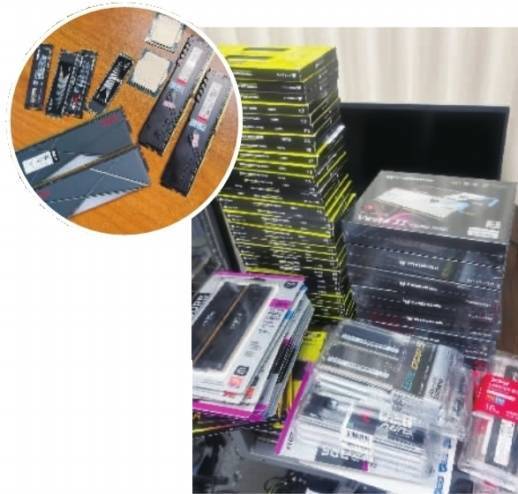
涨幅赶超黄金!内存条价格“狂飙” 消费者:装一套电脑要多花上千元
Sou Hu Cai Jing· 2025-10-28 23:39
Core Viewpoint - The price of memory modules (DRAM) has surged dramatically, with increases exceeding 200% in some markets, primarily driven by the skyrocketing demand from AI applications and a supply-demand imbalance [1][3][7]. Group 1: Price Surge - The price of DDR4 and DDR5 memory modules has seen significant increases, with some models experiencing price hikes of several times compared to previous levels [1][3]. - In the Changsha market, memory prices have risen by approximately 200%, making it increasingly difficult for consumers to justify the cost of building new computers [3][6]. - Online platforms also reflect this trend, with prices for popular DDR4 memory kits rising from under 300 yuan in June to around 660 yuan in October, marking an increase of over 160% [4][5]. Group 2: Consumer Impact - The rising prices of memory modules have led to increased overall costs for assembling computers, with consumers reporting additional expenses of several hundred to over a thousand yuan [6]. - Many consumers are now viewing memory modules as investment products, leading to increased purchasing and stockpiling behavior [6]. Group 3: Market Dynamics - The surge in memory prices is attributed to heightened demand from AI technologies and a shift in production capacity towards High Bandwidth Memory (HBM), which has further strained the supply of traditional memory products [7].
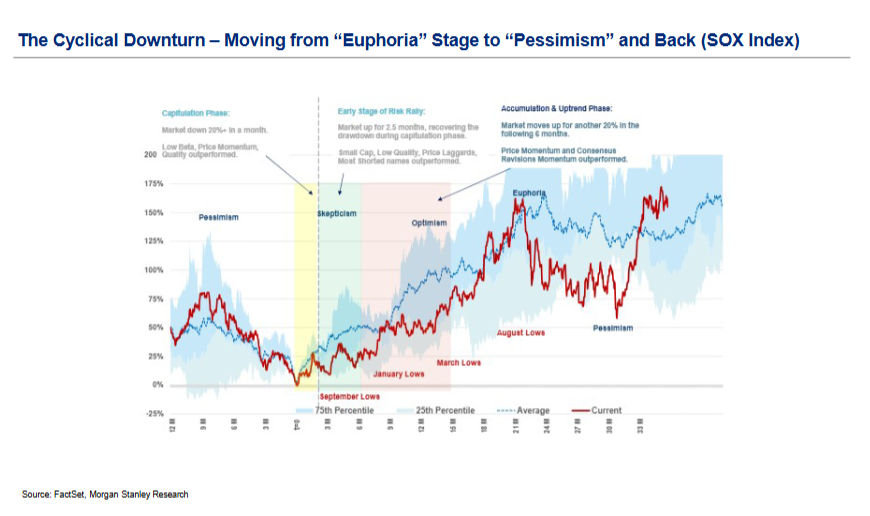
芯片狂潮向存储蔓延,大摩:NAND好于DRAM,存在显著上涨潜力
Hua Er Jie Jian Wen· 2025-09-24 07:26
Core Viewpoint - The chip frenzy driven by AI is rapidly spreading from GPUs to storage chips, particularly NAND flash, which is in the early stages of a sustained upward cycle according to Morgan Stanley [1][2] Group 1: Market Dynamics - The storage market, especially NAND flash, is experiencing strong demand driven by AI data centers, leading to significant price increases, with DRAM prices rising by up to 30% [1] - Morgan Stanley's report indicates that the current market is at a critical turning point, with expectations of a recovery cycle for storage prices by 2026 after a double bottom [1][12] - The supply-demand dynamics for flash memory are showing a more pronounced upward potential compared to DRAM and mechanical hard drives due to a sharp shift in supply-demand balance [1][12] Group 2: Price Trends - The report predicts that storage chip pricing may face a "double bottom" scenario, with a rebound followed by a potential decline before entering a sustained upward trend [14] - Contract prices for DRAM and flash memory are expected to rise by 3-8% in Q2 2025, although some categories may see flat or slight declines in Q4 2025 before stronger increases in 2026 [15][18] - Flash memory prices are projected to increase by 15-20% in the first half of 2026 following a near double-digit increase in Q4 2025 [22] Group 3: Demand Drivers - Cloud service providers (CSPs) are placing unprecedented orders for enterprise solid-state drives (eSSD) due to AI inference business and limited mechanical hard drive supply, creating a significant supply gap [18] - Major clients have already placed orders for approximately 200 exabytes (EB) of NL eSSD, with an additional 150 EB related to AI demand, indicating a strong market outlook [19][22] Group 4: Investment Opportunities - Investors are advised to focus on pure flash manufacturers like KIOXIA and SanDisk, as well as major players like Samsung and SK Hynix, which are expected to benefit from the overall strengthening of the storage commodity cycle [1][27][29] - KIOXIA is positioned well in the eSSD market due to its advanced BiCS-8 technology, while SanDisk is expected to benefit significantly from the overall price increases in flash memory [27][28] - Module manufacturers such as Longsys and Phison are also likely to gain from rising flash commodity prices [30]
GenAI 存储解决方案第 6 部分:边缘计算
Counterpoint Research· 2025-03-05 09:45
半导体创新是改善我们生活的技术的核心所在。在半导体领域,各公司正采取灵活的策略,以获取 更高的投资资本回报率(ROIC)。此外,在芯片结构中,与供应链的合作变得比以往任何时候都更 加必要。我们还注意到,硬件也在发生变化,以适应 GenAI 应用场景以及用户界面的改变。 2025-2027 年,谁在推动什么? 业务咨询 Rick Cui / 客户服务总监 电话: +86 13801127537 邮箱:rick@counterpointresearch.com 没有完美的解决方案 :动态随机存取存储器(DRAM) 解决方案有其自身的优缺点。这些技术改善 了带宽、延迟、速度、容量和功耗/热量等特性,但也带来了成本和时效性方面的挑战。为了降低与 创新相关的风险,客户需要作出承诺,而制造商则需要减轻成本负担。 智能手机与 Apple :短期内,最具创新性的解决方案是处理内存(PIM),但其数量有限,主要支 持神经处理单元(NPU)。移动高带宽内存(HBM)有望提升性能,但应用场景尚不明确。预计到 2026 年,Apple 将从封装堆叠(PoP)转向分立封装,在 iPhone Pro Max 和折叠手机中提高带宽。 此外 ...