风险管理

Search documents
焦煤期权即将上市,产业企业构建立体风险管理体系
Qi Huo Ri Bao· 2026-01-14 00:44
Core Viewpoint - The launch of coking coal options on January 16 marks a new phase in risk management for the coal-coke-steel industry, enhancing the existing framework established by coking coal futures since 2013 [1][5]. Group 1: Market Context and Demand - Coking coal is a critical raw material for the steel and coal chemical industries, with China's production in 2024 projected at 165 million tons, accounting for 53% of global output, and consumption at 206 million tons, representing 63% of global consumption [2]. - The volatility of coking coal prices has increased significantly, with prices for Anze low-sulfur coking coal dropping from 4600 yuan/ton in October 2021 to around 1170 yuan/ton by June 2025, a decline exceeding 70% [2]. - The stable operation of coking coal futures since their introduction has made them an essential tool for enterprises to manage price risks, with a daily average trading volume of 1.06 million contracts and a high correlation of 97% with spot prices in 2025 [2]. Group 2: Implementation of Futures and Options - Companies like Shanxi Yaxin Energy Group have developed comprehensive hedging management systems, utilizing futures data to guide procurement negotiations and manage inventory risks effectively [3]. - The introduction of coking coal options is seen as a timely enhancement to the existing futures market, providing additional tools for risk management and improving the overall risk management framework for the coal-coke-steel industry [5][9]. - The options market is expected to allow for more precise risk hedging, lower capital costs, and flexible strategies for companies, enhancing their ability to manage price fluctuations [8][11]. Group 3: Strategic Planning and Future Outlook - Companies are preparing clear application plans for the new options tool, indicating that options will complement futures to stabilize operations amid price volatility [9]. - Yaxin Energy has categorized its options application into three scenarios: bottom layout, high-position hedging, and rights-inclusive trading, focusing on efficient capital use and inventory management [10]. - Zhongyang Zhixu plans to adopt a strategy of 80% futures hedging and 20% options for flexible adjustments, aiming to lock in core risks while utilizing options for additional revenue [11].
焦煤期权即将上市 产业企业构建立体风险管理体系
Zhong Guo Zheng Quan Bao· 2026-01-13 20:46
Core Viewpoint - The launch of coking coal options on January 16 marks a new phase in risk management for the coal-coke-steel industry, enhancing the existing futures market and providing more sophisticated tools for price risk management [1][4]. Industry Overview - Coking coal is a critical raw material for the steel and coal chemical industries, with China's production in 2024 projected at 165 million tons, accounting for 53% of global output, and consumption at 206 million tons, representing 63% of global demand [1]. - The volatility of coking coal prices has increased, with prices for Anze low-sulfur coking coal dropping over 70% from 4600 RMB/ton in October 2021 to around 1170 RMB/ton by June 2025 [1]. Futures Market Development - Since its launch in 2013, coking coal futures have become a vital tool for managing price risks, with a daily average trading volume of 1.06 million contracts and a high correlation of 97% with spot prices in 2025 [2]. - Companies like Shanxi Yaxin Energy Group have established comprehensive hedging management systems, integrating futures data into their operational strategies to manage procurement pricing effectively [2][3]. Options Market Introduction - The introduction of coking coal options is seen as a significant enhancement to the risk management toolkit for the industry, allowing for more precise hedging strategies and reducing capital costs associated with futures trading [4][5]. - Analysts highlight that the options market will provide diverse strategies for companies to manage various risks, including price fluctuations and market demand changes [4][5]. Application Strategies - Companies have outlined specific strategies for utilizing options, such as: - Bottom layout scenarios to establish virtual inventory by selling put options when prices are low, enhancing capital efficiency [6]. - High-position hedging strategies combining selling call options and buying put options to mitigate downside risks while offsetting costs [6]. - Rights-based trading contracts with downstream clients to stabilize pricing and manage risks effectively [6]. Future Outlook - The industry anticipates that the collaboration between futures and options will lead to a more robust risk management framework, supporting high-quality development and stability across the coal-coke-steel supply chain [5][6].
A股成交额再创新高 商品期市涨跌互现 市场人士:留意短期调整风险
Qi Huo Ri Bao Wang· 2026-01-13 17:12
Core Viewpoint - The A-share and commodity futures markets have experienced a strong start in 2026, with A-share trading volume reaching a historical high of 3.65 trillion yuan, but the major indices have collectively adjusted, indicating potential risks in the market [1] Market Performance - A-share market trading volume reached 3.65 trillion yuan, setting a new historical record [1] - The Shanghai Composite Index ended its previous "17 consecutive days of gains," marking the first decline of 2026 [1] - The domestic commodity futures market showed mixed performance, with some previously high-performing assets undergoing corrections [1] Risks Identified - Three main risks are highlighted: 1. High-level asset corrections due to price increases diverging from fundamentals and technical pressures [1] 2. Leverage risks from increasing margin trading balances and the nature of futures "leverage trading" leading to significant fluctuations in investor profits and losses [1] 3. Market liquidity risks, where high-priced assets may face "stampede-like" sell-offs if market sentiment shifts [1] Investor Recommendations - Investors are advised to be cautious of overheated market sentiment and irrational speculation, particularly after significant price increases [1][3] - Specific recommendations include: 1. Avoiding blind chasing of high prices, especially for assets with substantial short-term gains lacking fundamental support [3] 2. Diversifying asset allocation across stocks, commodities, and bonds to mitigate risks [3] 3. Utilizing flexible trading tools, such as options for risk management [3] Long-term Investment Strategy - The investment logic should shift towards diversified asset allocation, moving from single deposits to a combination of fixed income, equities, commodities, and alternatives to reduce risks [3][4] - In the A-share market, it is suggested to avoid chasing high-flying sectors like AI and precious metals, focusing instead on undervalued, high-dividend sectors with a "dollar-cost averaging" strategy to minimize timing risks [3] - In the commodity futures market, strict leverage control and stop-loss settings are essential [3]
不到1个月,芝商所4次调整贵金属期货合约保证金!业内人士:投资者应做好资金管理
Qi Huo Ri Bao· 2026-01-13 09:16
Core Viewpoint - The Chicago Mercantile Exchange (CME) has announced a change in the margin collection method for its precious metal futures contracts, shifting from a fixed amount to a percentage of the contract's nominal value, reflecting heightened risk management in the precious metals market [1][2]. Group 1: Margin Adjustment Details - The adjustment will take effect after the market closes on January 13, 2026, marking the fourth change in a month regarding precious metal margin requirements [1]. - The previous three adjustments focused on increasing fixed margin amounts to reduce leverage and curb excessive speculation, while the latest change introduces a dynamic margin calculation based on market price fluctuations [2][3]. Group 2: Risk Management Implications - The recent adjustment is seen as a structural shift in risk management, transitioning from a "static" to a "dynamic" system that automatically adjusts margins in response to market conditions [3]. - Historical precedents indicate that CME has implemented similar measures during periods of heightened market volatility, such as during the 2008 financial crisis [3]. Group 3: Market Impact - Short-term effects may include increased overall margin requirements, potentially exacerbating selling pressure, while long-term effects could enhance market resilience and improve the clearing system's ability to withstand future shocks [4]. - The new margin system may lead to more automated and transparent risk management within the futures market, with a stronger regulatory role for exchanges [4]. Group 4: Investor Considerations - Retail investors should manage liquidity carefully to avoid forced liquidations due to sudden margin increases, while institutional investors need to reassess their funding and risk management strategies under the new margin regime [5]. - The adjustments signal a recognition of a prolonged high-volatility environment in precious metals, which may affect bullish sentiment in the market [5].



产教融合视域下校企合作风险识别与应对
Yang Shi Wang· 2026-01-13 02:36
Core Insights - The article emphasizes the importance of school-enterprise cooperation in cultivating high-level technical skills, while highlighting the risks that affect project outcomes and sustainability, such as mismatched educational goals and industry demands, uneven distribution of short-term and long-term benefits, and uncertainties from policy and market changes [1] Group 1: Risks in School-Enterprise Cooperation - There is a risk of misalignment between educational goals and industry demands, as the rapid evolution of technology and market changes lead to shifting requirements for talent, which the education system struggles to adapt to in a timely manner [2] - The failure to balance short-term benefits with long-term value can create conflicts, as schools focus on developing high-quality talent while companies seek immediate economic gains, potentially jeopardizing the quality of education and the sustainability of cooperation [3] - External uncertainties from policy changes and market fluctuations can impact the quality of cooperation, as projects may fail to adapt to new regulations or market conditions, leading to a mismatch between trained skills and market needs [4] Group 2: Risk Management Strategies - Establishing a flexible and adaptive decision-making system is crucial for managing risks in school-enterprise cooperation, involving a collaborative team that can respond to industry trends and adjust educational offerings accordingly [5] - Creating a long-term mechanism for shared risk and value is essential, including clear agreements on funding, technology, and intellectual property rights, to ensure sustainable cooperation and mutual benefits [6][7] - Developing a responsive system that integrates policy and market insights can help navigate uncertainties, ensuring that cooperation projects remain competitive and aligned with both educational and industry needs [8]
涉及贷款违规 民泰银行被罚715万元 此前曾多次业务违规遭监管处罚
Xi Niu Cai Jing· 2026-01-13 02:09
Core Viewpoint - Zhejiang Mintai Commercial Bank's Shanghai branch has been fined 7.15 million yuan for multiple regulatory violations, marking the largest penalty in the banking sector since early 2026 [2] Regulatory Violations - The Shanghai branch of Mintai Bank was penalized for ten major violations, including failure to report statistical data as required, improper management of insurance costs, and severe breaches in post-loan management for both working capital and personal loans [3] - Other violations included inaccurate classification of loans, improper management of discount funds, and serious issues in employee behavior management [3] Previous Penalties - This is not the first time Mintai Bank has faced regulatory penalties; in December 2020, it was fined 900,000 yuan for concealing non-performing loans through improper asset transfers [4] - In 2018, multiple branches of Mintai Bank were penalized for similar issues, including concealing asset quality and misrepresenting loan figures, with fines totaling 2.05 million yuan and 3.1 million yuan for different infractions [4] Company Background and Growth - Mintai Bank was established in May 1988 and transformed into a city commercial bank in 2006, focusing on microfinance services [5] - As of September 2025, the bank's total assets reached 321.45 billion yuan, indicating significant business expansion [5] - Despite growth, the bank has faced ongoing internal control and risk management issues, highlighted by recent penalties, suggesting a need for improved compliance and internal control mechanisms for future development [5]
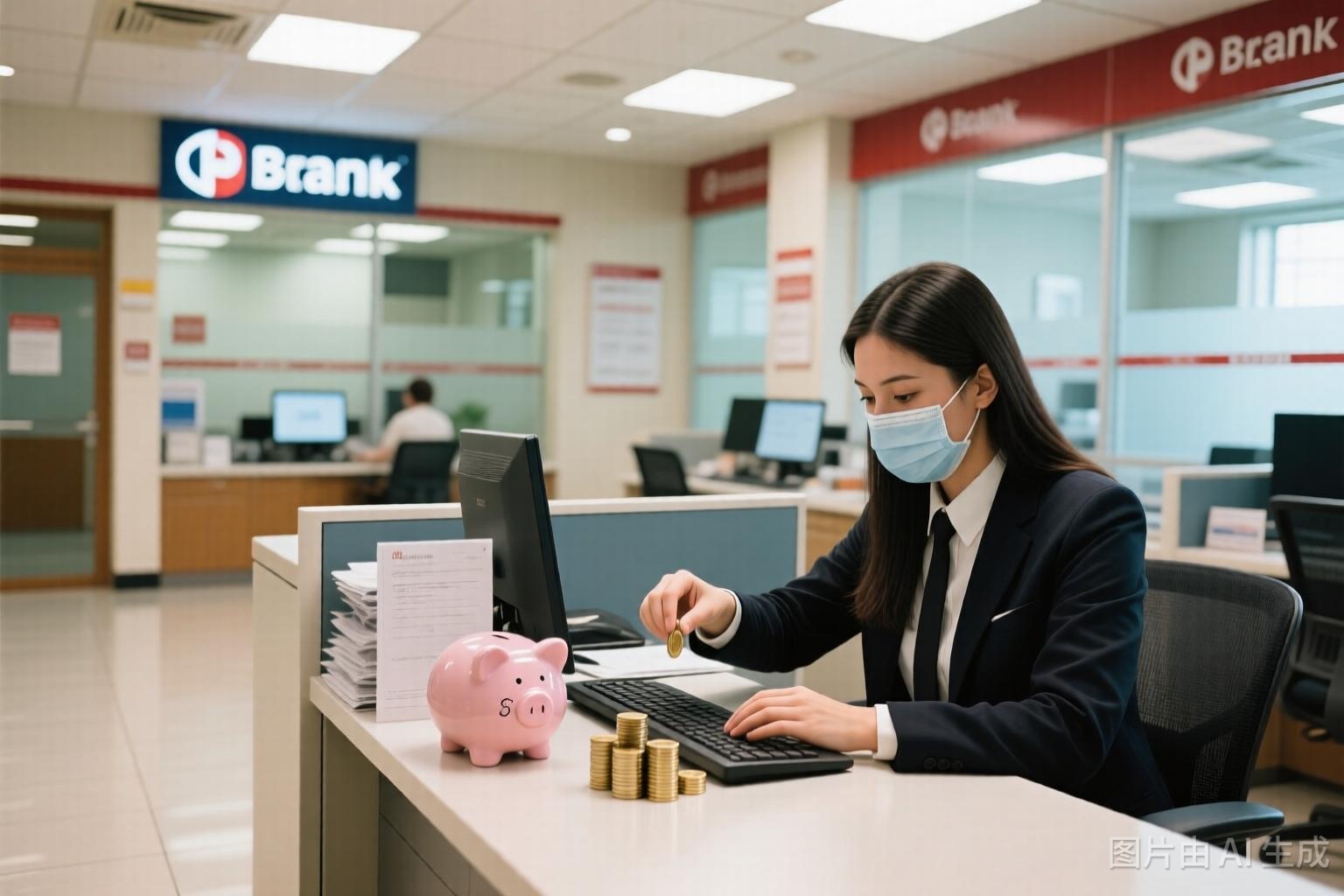
产业期待焦煤期权为经营添底气
Qi Huo Ri Bao· 2026-01-13 00:34
Core Insights - The upcoming launch of coking coal options on January 16 is expected to enhance risk management for enterprises in the coal, coke, and steel industry chain, addressing the need for more sophisticated risk management tools in a volatile market environment [1][4] Group 1: Industry Challenges - Shanxi's coal and coke enterprises are facing intensified price fluctuations and heightened competition, driving the need for financial tools to manage these challenges [2] - Companies like Shanxi Yaxin Energy Group consume nearly 5 million tons of coking coal annually, making procurement price and timing critical to profit margins [2] - The mixed-ownership Shanxi Kaijia Energy Group sells 10 million tons of coking coal annually but relies heavily on external sourcing, making them vulnerable to cost fluctuations and pricing delays [2] Group 2: Adoption of Financial Tools - Shanxi enterprises have proactively integrated futures and other financial tools into their operational strategies, transitioning from mere experimentation to value creation [3] - Shanxi Yaxin Energy Group has established a dedicated subsidiary for futures, using data to guide procurement negotiations and manage inventory risks [3] - Zhongyang Zhixu's designation as a delivery warehouse for coking coal has significantly increased its delivery volume, indicating the importance of futures in stabilizing operations [3] Group 3: Limitations of Futures - As market conditions become more complex, futures alone cannot fully address the nuanced risk management needs of enterprises, particularly in extreme market scenarios [4][5] - The pressure on cash flow during volatile market conditions has highlighted the limitations of futures, necessitating the introduction of options for more flexible risk management [5] Group 4: Strategic Integration of Options - The introduction of coking coal options is seen as a crucial step in enhancing the risk management toolkit for enterprises, allowing for a more comprehensive approach to managing price volatility [5][6] - Companies plan to utilize a combination of futures and options to create a robust risk management framework, with options providing a flexible and cost-effective means to hedge against price fluctuations [6][7] - Shanxi Kaijia Group aims to implement a comprehensive risk management system that integrates procurement, production, and sales with futures and options to enhance operational resilience [7] Group 5: Future Outlook - The launch of coking coal options is expected to contribute to a more resilient and dynamic coal, coke, and steel industry chain, facilitating high-quality development across the sector [7]
焦煤期权应用策略与实践要点
Qi Huo Ri Bao Wang· 2026-01-12 14:16
Core Viewpoint - Coking coal is a crucial raw material for the steel industry, supporting an annual crude steel production of approximately 1 billion tons in China. The price of coking coal is influenced by various factors, including supply-demand dynamics, policy adjustments, and international trade environments, leading to significant volatility. This volatility presents both opportunities and risks for market participants. The introduction of coking coal options on January 16 aims to provide a more flexible tool for price risk management, offering lower-cost and richer strategies for hedging and profit generation [1][2]. Coking Coal Market Characteristics and Option Application Basics - The coking coal market exhibits distinct risk characteristics influenced by upstream and downstream factors, including coal mine capacity, import policies, and seasonal patterns. For instance, in the first half of 2025, coking coal prices fell significantly due to oversupply and weak downstream demand, with prices dropping from 1174.5 yuan/ton to a low of 709.0 yuan/ton, a decline of 39.63% [2]. - The introduction of coking coal options is essential to address price volatility risks and meet the needs of spot market participants, serving as a complement to coking coal futures [2]. Complementarity of Coking Coal Options and Futures - Futures hedging relies on reverse positions for risk mitigation, but in a one-sided price trend, it may incur continuous losses and require significant capital. Options enhance risk management flexibility through the mechanism of "paying a premium for the right" [3]. - Key advantages of options include asymmetric risk and reward, higher capital efficiency, and strong strategic flexibility, allowing for various strategies to adapt to different market expectations [3]. Risk Management Strategies for Industry Chain Enterprises - Industry chain enterprises seek stable operating profits, and options can provide precise protection against risks in procurement, inventory, and sales [4]. Upstream Production and Trading Enterprises: Inventory Preservation Strategy - Coal mining companies and traders face the risk of inventory devaluation due to price declines. Options strategies can achieve "price protection without loss," allowing for potential profit retention while limiting losses [5]. Basic Strategy: Single Option Strategy - Enterprises expecting a price decline can buy put options to hedge against losses while retaining upside potential. For example, buying a put option with a strike price of 1600 yuan/ton while the market price is 1700 yuan/ton allows for partial loss compensation if prices fall [6]. Advanced Strategy: Option Combination Strategy - When expecting narrow price fluctuations, enterprises can buy put options while selling call options to generate premium income, thus lowering the cost of the put option. This strategy is suitable for trading companies with slow inventory turnover [8]. Downstream Processing Enterprises: Procurement Cost Control Strategy - Washing plants and coking plants can lock in procurement costs through options to mitigate the risk of rising prices [9]. Basic Strategy: Single Option Strategy - Enterprises anticipating price increases can buy call options to lock in maximum procurement prices, ensuring costs remain below market prices even if prices rise [9]. Advanced Strategy: Futures + Options Combination Strategy - When expecting price increases with potential short-term corrections, a combination of futures and options can retain upside potential while locking in maximum short-term losses [9]. Investor Option Application Strategies: Profit Generation and Risk Hedging - Investors can utilize options strategies to achieve investment gains and arbitrage based on market trends and volatility assessments [11]. Trend Trading Strategy: Adapting to Unilateral Trends - Investors can capture profits while controlling risks by buying call options or bull spreads when a strong upward trend is anticipated [12]. Volatility Trading Strategy: Capturing Price Fluctuation Opportunities - Investors can construct strategies to profit from changes in volatility without needing to predict price direction, such as buying straddles when expecting increased volatility [13]. Extreme Market Risk Response Strategies - In the event of sudden market changes, options can be used to hedge against extreme price fluctuations, ensuring that risks are managed effectively [15]. Key Features of Options in Extreme Market Conditions - In extreme conditions, implied volatility rises sharply, making options a dual-benefit tool for capturing both price movements and volatility increases [16]. Conclusion and Outlook - The introduction of coking coal options enhances the risk management capabilities of enterprises in the coal-steel industry, transitioning from passive hedging to active management. The ongoing development of the options market will further expand opportunities for market participants to achieve stable operations and trading profits [24].
聚丙烯月均价期货采用现金交割吗
Jin Tou Wang· 2026-01-12 09:54
Core Viewpoint - The introduction of polypropylene monthly average price futures with cash settlement enhances risk management tools for the industry by aligning with the common pricing practices in spot trade [1] Group 1: Cash Settlement Mechanism - Cash settlement means that upon contract expiration, the exchange completes profit and loss settlement through cash transfer rather than physical delivery of goods [1] - The settlement price for polypropylene monthly average price futures is the arithmetic average of the settlement prices of the corresponding physical delivery futures for all trading days in the month prior to the contract month [1] Group 2: Market Functionality - The monthly average price futures financialize the commonly used "monthly average" pricing benchmark in spot trade, filling a gap in the domestic futures market regarding average price management [1] - Plastic processing, modification, and trading companies can lock in or hedge against the average procurement costs of raw materials for future months, mitigating the impact of price volatility on production profits [1] - Upstream refining companies can sell the average price in advance, stabilizing their monthly sales revenue [1] Group 3: Liquidity and Participation - The cash settlement mechanism ensures contract liquidity by eliminating warehouse receipt pressure and delivery default risks, encouraging more financial institutions and quantitative funds to participate [1] - Increased participation enhances the depth and breadth of price discovery in the market [1]
稀土不是终点,动作刚开始!高市押上国运的尝试:以选举影响外交
Sou Hu Cai Jing· 2026-01-11 21:43
Core Viewpoint - China's rare earth companies have officially notified some Japanese firms to cease signing new export contracts and are evaluating whether to terminate existing contracts, indicating a shift from verbal protests to substantive actions in response to Japan's policies [1][8] Group 1: Impact on Japan's Economy - Japan's high-end manufacturing sector is heavily reliant on Chinese rare earths, with approximately 60% of its supply coming from China, which is critical for industries like automotive and electronics [3] - If the export restrictions on rare earths persist for three months, Japan could face economic losses amounting to several hundred billion yen, disrupting its manufacturing credibility and cycles [3][12] Group 2: Political Context - Japanese Prime Minister Kishi's political maneuvers, including plans for early elections, are seen as leveraging tough diplomatic stances against China to gain domestic support, despite the risks to the economy [5][7] - The current political strategy in Japan is viewed as a high-risk gamble that may exacerbate economic vulnerabilities while attempting to strengthen political power [7][14] Group 3: Strategic Implications - China's actions are not merely trade-related but are also aimed at managing risks associated with Japan's military ambitions and technology collaborations with the U.S., particularly concerning Taiwan [8][10] - The U.S. is perceived as using Japan as a strategic tool, which could lead to severe consequences for Japan if it relies on ambiguous U.S. commitments for security [10][12] - The ongoing situation illustrates a clear delineation of strategic boundaries, with Taiwan being a critical red line for China, and Japan's manufacturing and military sectors are at risk due to their dependence on Chinese resources [14]