
AIoT

Search documents
炬芯科技业绩会:即将发布新一代面向智能穿戴领域的芯片
Zheng Quan Shi Bao Wang· 2025-12-01 06:54
Core Viewpoint - Juchip Technology (688049) reported strong financial performance for the first three quarters of 2025, with significant year-on-year growth in revenue and profit, indicating a robust position in the AIoT chip market [1][2]. Financial Performance - The company achieved a revenue of 722 million yuan, representing a year-on-year increase of 54.74% [1] - Net profit reached 152 million yuan, up 113.85% year-on-year [1] - Non-GAAP net profit grew by 205.21% year-on-year [1] - Gross margin and net margin improved to 50.96% and 21% respectively, reflecting enhanced profitability [1] Product and Market Position - Juchip Technology specializes in low-power AIoT chip design, focusing on mid-to-high-end smart audio SoC chips for applications in wireless audio, smart wearables, and AI-based IoT [1] - The company has launched its first-generation in-memory computing technology chip, which is recognized for its industry-leading energy efficiency [2] - The audio market presents significant opportunities for growth due to both existing upgrades and new innovations [2] Client and Product Development - The company has developed AI glasses solutions, with three clients (INMO, Halliday, and Xingyi Intelligent) launching AI glasses products [2] - A new series of chips, ATW609X, aimed at the smart wearable sector, is set to be released, featuring a tri-core architecture and the first-generation in-memory computing technology [2] Strategic Initiatives - Juchip Technology announced plans to issue H-shares and list on the Hong Kong Stock Exchange to leverage international capital market advantages for global expansion [2]

港股异动 | 趣致集团(00917)午后涨超7% 公司为AIoT互动终端网络营销服务提供商
智通财经网· 2025-12-01 06:50
Core Viewpoint - Qutai Group (00917) has seen a significant stock increase of over 7%, currently trading at HKD 35.06, with a transaction volume of HKD 56.14 million [1] Financial Performance - In the first half of the year, Qutai Group achieved total revenue of RMB 680 million, representing a year-on-year growth of 31.3% [1] - The gross profit amounted to RMB 390 million, with a year-on-year increase of 37.0%, and the gross margin improved to 57.0% [1] - The total profit for the period reached RMB 130 million [1] Strategic Expansion - The company has expanded its core strategy from a single "AI + Marketing" approach to a broader "AI + Consumption Scenarios" strategy, which includes both "AI + Entertainment" and "AI + Marketing" service areas [1] - Qutai Group aims to explore more diverse service fields and accelerate its evolution into a comprehensive solution platform for "AI + Consumption Scenarios" [1] Market Position - According to a report from Zhongyin International, Qutai Group is a leading provider of AIoT interactive terminal network marketing services in China [1] - The company utilizes its self-developed multi-sensory AI interactive terminals to provide consumers with an immersive shopping experience, converting offline terminal visitors into online platform users [1] - The revenue from marketing services has nearly doubled in 2023, indicating strong growth momentum that is expected to continue [1]
12.1犀牛财经早报:年末公募自购热情升温 安妮股份拟筹划控制权变更事项股票停牌
Xi Niu Cai Jing· 2025-12-01 01:47
Group 1 - Public fund self-purchase enthusiasm has increased, with net subscriptions for equity funds reaching 2.1 billion yuan in November, and total net subscriptions for the year exceeding 4.5 billion yuan, more than double the same period last year [1] - The public fund issuance market saw a "small spring" in November, with new fund establishment totaling 966.16 billion yuan, indicating strong investor interest and increased demand for year-end capital allocation [1][2] - The scale of public funds has reached nearly 37 trillion yuan, growing over 4 trillion yuan this year, reflecting the industry's maturation and the potential for further breakthroughs in serving the real economy and enhancing residents' wealth [1] Group 2 - The pilot program for commercial real estate REITs has made significant progress, with the China Securities Regulatory Commission seeking public feedback on the draft announcement, indicating a key period for the development of the REITs market [2] - The launch of commercial real estate REITs is expected to support a new model for real estate development and inject new vitality into the REITs market by revitalizing trillions of yuan in existing assets [2] Group 3 - The importance of the energy storage industry is increasing as the demand for AI computing power surges, with energy storage becoming a key driver for electricity supply in the AI era [3] - By 2025, China's energy storage industry is expected to shift to a market-oriented profit model, with installed capacity surpassing 100 million kilowatts, highlighting the growing market potential of energy storage [3] Group 4 - The first automatic nuclear power calibration system in China's nuclear power industry has been put into operation, significantly reducing calibration time from 8 hours to 70 seconds, enhancing operational efficiency [2] - The launch of the "Heqi No. 1" nuclear energy industrial steam project provides a low-carbon solution with a carbon footprint only 1/600 of that of coal, supporting industrial structure upgrades and energy transition [2] Group 5 - The valuation of Teslian Smart Technology has increased by approximately 310 times over nine years, with participation from SenseTime and JD.com, although the company has not yet achieved profitability [5] - Dongpeng Beverage is in the process of issuing H-shares and has received a filing notice from the China Securities Regulatory Commission, with plans to issue no more than 66.45 million shares [6]

美芯晟:正积极推进多点ToF及3D ToF技术研发
Ju Chao Zi Xun· 2025-11-29 01:20
Core Insights - Meixinsheng (688458.SH) has made significant advancements in the field of robotics and intelligent sensing, particularly with its DToF (Direct Time of Flight) optical sensing solutions, which are now in mass production for applications like robotic vacuum cleaners [1][3] Group 1: Technological Developments - The company is actively advancing multi-point ToF and 3D ToF technology to enhance three-dimensional mapping and complex scene perception, enabling robots to better recognize environmental structures and navigate multi-obstacle scenarios [3] - Meixinsheng aims to develop a comprehensive intelligent sensor solution by integrating optical sensing with other types of sensors, such as magnetic sensors for motion control systems [3] Group 2: AI and Market Applications - The optical sensors can provide environmental perception and interaction capabilities for end devices, enhancing their intelligent responses to external environments, with current products already integrated into AR/AI glasses for functions like wear detection and gesture recognition [3] - The company plans to focus on intelligent perception and human-machine interaction, continuously enriching optical and multi-sensor fusion solutions to meet the demand for low-power, high-precision, and miniaturized sensors in robotics and AIoT devices [4] Group 3: Market Outlook - The intelligent sensor market is expected to grow significantly with the acceleration of emerging applications like service robots and AR/VR, although it faces challenges such as rapid technological iteration and increasing competition [4]


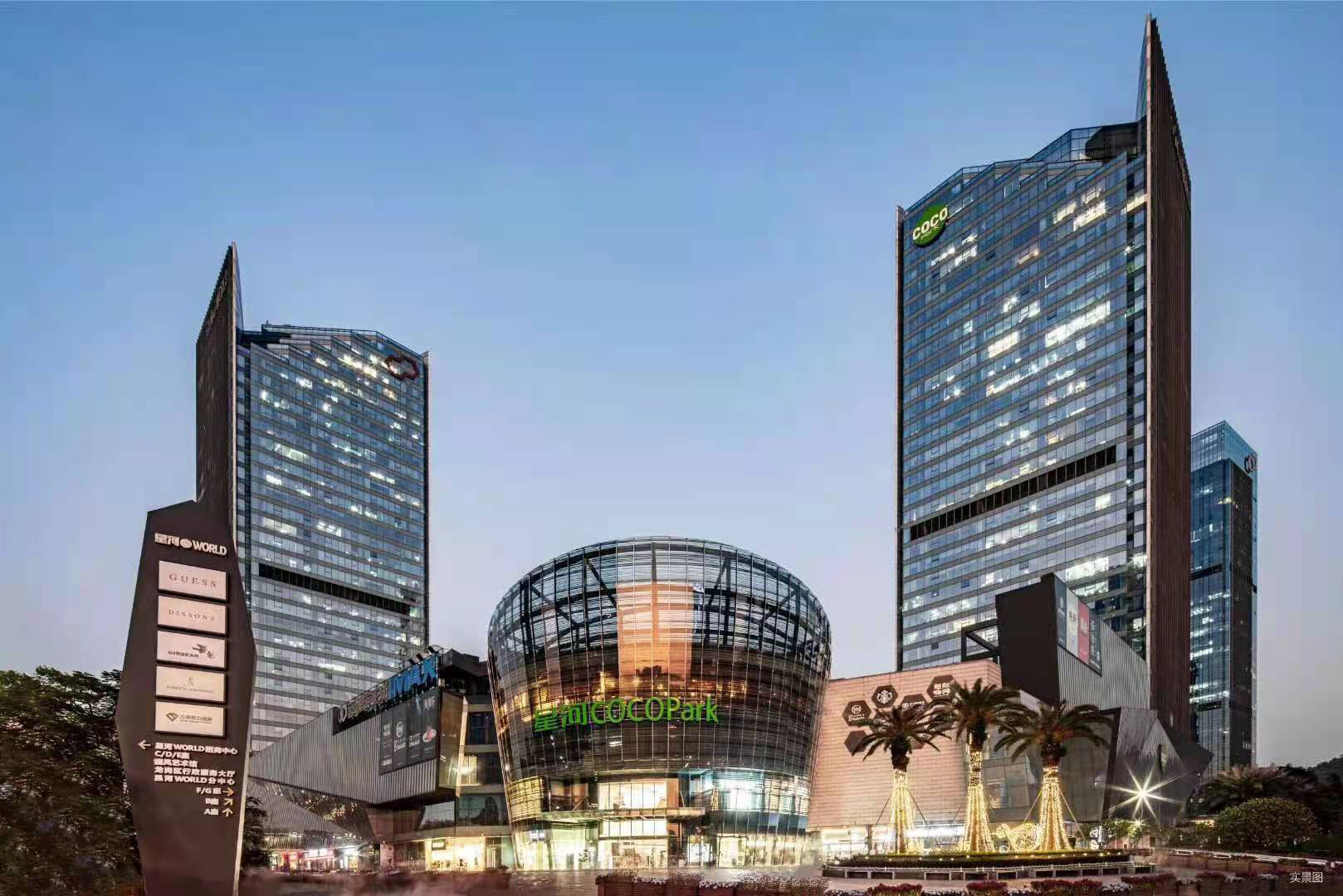
达实智能自主研发的AIoT智能物联网管控平台 公司供图
Zhong Guo Zheng Quan Bao - Zhong Zheng Wang· 2025-11-28 23:56
Core Insights - The article discusses the recent developments in the investment banking sector, highlighting key trends and shifts in market dynamics [1] Group 1: Market Trends - There has been a noticeable increase in mergers and acquisitions activity, with a reported growth of 15% year-over-year in deal volume [1] - Investment banks are adapting to changing regulatory environments, which are impacting their operational strategies and profitability [1] Group 2: Company Performance - Major investment banks have reported a 10% increase in revenue for the last quarter, driven by strong performance in advisory services [1] - Cost-cutting measures have been implemented across the industry, resulting in a 5% reduction in operational expenses [1] Group 3: Future Outlook - Analysts predict continued growth in the investment banking sector, with an expected increase in deal-making activity as economic conditions stabilize [1] - The shift towards digital transformation is anticipated to enhance efficiency and client engagement in the coming years [1]


达实智能总经理苏俊锋:坚持自主创新 深耕智慧空间服务
Zhong Guo Zheng Quan Bao· 2025-11-28 20:25
Core Insights - The article discusses the strategic partnership between Dasan Intelligent and Rockwell Automation, highlighting the company's transition from a follower to an innovator in the AIoT space [1][2] - Dasan Intelligent aims to become a global leader in smart space services by leveraging its intelligent IoT platform to provide comprehensive lifecycle services [1][4] Strategic Partnership - Dasan Intelligent signed a strategic cooperation agreement with Rockwell Automation at the China International Import Expo, focusing on collaboration in low-carbon energy, biolabs, and smart healthcare [1][2] - The partnership builds on over 20 years of friendly cooperation between the two companies [1] R&D and Innovation - The company has shifted from merely acting as an agent for imported products to developing its own systems, such as access control and AIoT platforms, to meet specific customer needs [2][3] - Dasan Intelligent emphasizes the importance of customized solutions to address the rapidly changing and specific demands of clients in sectors like smart buildings and healthcare [2] Market Position and Coverage - Dasan Intelligent has achieved significant market penetration, serving 57 manufacturing listed companies in Shenzhen, with a coverage rate of 61.29%, and 153 companies nationwide with a coverage rate of 56.9% [3][4] - The company has improved its bid success rate for smart office projects in the Greater Bay Area to 50% [3] AIoT Platform Growth - The company reported a 102.9% year-on-year increase in contract amounts related to its AIoT platform, driven by the emergence of domestic AI language models and long-term investments in AI applications [4][5] - The latest version of the AIoT platform integrates real-time IoT data with generative AI capabilities, enhancing user experience and functionality [5] Future Outlook - Despite current industry challenges, the emphasis on digital economy and rapid AI advancements present numerous opportunities for growth [6] - Dasan Intelligent has provided smart services to over 3,000 large and medium-sized enterprises across more than 200 cities, establishing a strong foundation for future development [6]
京东商汤背书的特斯联三冲港股:AI业务暴增191%,“陡峭曲线”能延续吗?
3 6 Ke· 2025-11-28 11:52
Core Viewpoint - The resurgence of artificial intelligence (AI) and its integration with the Internet of Things (IoT) is driving industrial intelligence, with a focus on the potential of Teslin Smart Technology Co., Ltd. as a candidate for the "first public AIoT stock" in China [1][2]. Company Overview - Teslin was founded in 2015 and is a key player in China's public AIoT sector, aiming to drive industrial upgrades and spatial intelligence for sustainable development [2]. - The core business revolves around the TacOS operating system, which provides a comprehensive AIoT solution by integrating software, hardware, and related services [2]. Financial Performance - Teslin's revenue trajectory shows significant growth, with revenue increasing from 738 million yuan in 2022 to 1.843 billion yuan in 2024, reflecting a compound annual growth rate (CAGR) of 58% [3]. - In the first half of 2025, revenue growth accelerated further, with a year-on-year increase of 77% [3]. - The AI industry digitalization business saw a remarkable revenue increase of 191% in the first half of 2025, contributing over 90% of total revenue [3]. Market Position and Strategy - Teslin is among the top five public AIoT operating system providers in China, based on projected revenue for 2024 [2]. - The company has over 900 clients and its products are deployed in 172 cities globally, indicating a strong market presence [3][8]. - The strategic focus has shifted towards AI digitalization, while revenues from urban intelligence and smart living have contracted [3]. Profitability and Investment - Despite revenue growth, profitability has fluctuated, with gross margin dropping from 31% in 2023 to 15.3% in 2024, before slightly recovering to 22.7% in the first half of 2025 [4][5]. - The company recorded net losses of 2.387 billion yuan, 803 million yuan, 2.1 billion yuan, and 574 million yuan over the past four years [5]. - Research and development (R&D) expenditures exceeded 1 billion yuan from 2022 to 2024, with a consistent annual investment of around 300 million yuan [5]. Industry Trends - The AIoT market is projected to grow from 408 billion yuan in 2023 to 744 billion yuan by 2028, with a CAGR of 12.8%, making it one of the fastest-growing segments in the digital economy [7][8]. - The growth is driven by policy support and the deep integration of AI and IoT, creating new application scenarios and value [8]. Competitive Landscape - The AIoT sector is characterized by complex competition, with telecom operators, cloud service providers, and vertical solution providers vying for market share [8]. - Teslin differentiates itself as a public operating system provider, leveraging its TacOS to connect diverse devices for centralized management [8][9]. Future Opportunities - The company aims to capitalize on the trend of re-evaluating data value in the physical world and is well-positioned to build an ecosystem with strong backing from notable investors like JD Technology and SenseTime [11]. - Recognition as a "small giant" enterprise by the government enhances its credibility and market position [11].
星宸科技(301536):立足智能安防,AIoT与车载新兴市场加速拓展
Soochow Securities· 2025-11-28 11:11
Investment Rating - The report assigns a "Buy" rating for the company, marking its first coverage [1]. Core Insights - The company is a leading global player in the smart security chip market, focusing on AIoT and automotive sectors, with a robust growth trajectory expected in the coming years [8]. - The company is projected to achieve revenues of 29.34 billion yuan, 36.33 billion yuan, and 44.87 billion yuan from 2025 to 2027, with corresponding net profits of 2.7 billion yuan, 4.1 billion yuan, and 5.9 billion yuan [8]. Summary by Sections Company Overview - The company specializes in the research and sales of smart security chips, with applications in smart security, AIoT, and automotive sectors [13]. - It has a stable shareholding structure with significant investment from MediaTek, ensuring no controlling shareholder [14]. Financial Analysis - The company reported a revenue of 2.354 billion yuan in 2024, a year-on-year increase of 16.49%, and a net profit of 256.26 million yuan, up 25.18% year-on-year [20]. - The smart security segment remains the primary revenue source, consistently contributing over 50% to total revenue [23]. Smart Security Market - The global market for smart security is experiencing rapid growth, with a projected compound annual growth rate (CAGR) of 6.3% from 2021 to 2026, reaching 29.9 billion USD by 2026 [41]. - The company holds a leading market share in both IPC SoC and NVR SoC segments, with 36.5% and 38.7% market shares respectively in 2021 [49]. Smart IoT and Automotive Sectors - The company is expanding into the smart IoT market, particularly in robotic and AI glasses sectors, leveraging its visual AI and 3D sensing technologies [60]. - In the automotive sector, the company is the second-largest supplier of driving recorder chips in China, with plans to penetrate the front-mounted market [8]. Research and Development - The company maintains a high R&D expenditure, with a rate of 25.59% in 2024, reflecting its commitment to innovation and product development [27]. - The R&D team constitutes 77.5% of the total workforce, indicating a strong focus on technological advancement [27].
特斯联赴港IPO:上半年营收大涨77%净亏损扩大四成 三年半累亏逾30亿元 一场与时间赛跑的生态之战
Xin Lang Zheng Quan· 2025-11-28 08:34
Core Viewpoint - The company Teslian has submitted its application for a mainboard listing on the Hong Kong Stock Exchange, showcasing a paradoxical financial performance with a significant revenue increase but an expanding net loss, raising questions about the sustainability of its high-growth model [1][2]. Financial Performance - In the first half of 2025, Teslian's revenue surged by 77% year-on-year to 632 million yuan, while its net loss widened by 40% to 574 million yuan [1][2]. - From 2022 to 2024, revenue grew from 738 million yuan to 1.843 billion yuan, achieving a compound annual growth rate (CAGR) of 58%, with a further acceleration to 77% in the first half of 2025 [2]. - The primary growth driver was the AI industry digitalization business, which saw a 191% year-on-year increase in revenue, reaching 577 million yuan and accounting for over 90% of total revenue [2]. - Cumulative losses exceeded 5.8 billion yuan from 2022 to 2024, with the first half of 2025 showing a 40% increase in net losses [2]. - High research and development (R&D) and market expansion costs are the main reasons for the losses, with R&D expenses exceeding 1 billion yuan over three years and 162 million yuan in the first half of 2025 [2]. Capital Structure - Teslian's shareholder base includes prominent investors, with the Everbright Group holding 25.89% as the largest shareholder, and other significant stakes from SenseTime and JD Technology [3]. - The company’s valuation reached 21 billion yuan after a 50 million yuan investment from Meigaoyu in August 2024, further increasing to 21.6 billion yuan in early 2025 [3]. - Despite a 316% increase in cash reserves to 657 million yuan by mid-2025, the company continues to face negative cash flow from operating activities [3]. Industry Context - The IPO coincides with a pivotal moment in the AIoT industry, with the market expected to grow from 394 billion yuan in 2024 to 715 billion yuan by 2029, reflecting a CAGR of 12.6% [4]. - Competition is intensifying, with major players like Huawei and Alibaba Cloud applying price pressure on smaller firms, while listed companies are establishing barriers in niche markets [4]. - Teslian differentiates itself as an "operating system product provider," with its self-developed TacOS system capable of supporting millions of devices [4]. Market Challenges - Teslian's listing is seen as a litmus test for the valuation models of AIoT companies in the Hong Kong market, where previous listings have faced stock price declines due to skepticism about profitability [5]. - The company must demonstrate that its spatial intelligence strategy can achieve economies of scale and potentially lower marginal delivery costs through its TacOS system [5]. Strategic Outlook - Analysts highlight the challenge for Teslian to balance short-term losses with long-term value creation, suggesting that improving gross margins from 22.7% to over 30% and controlling operational expenses could lead to breakeven by 2026-2027 [6]. - The IPO represents a transition for the AIoT industry from technological exploration to commercial maturity, with the success of Teslian's strategy being crucial for its acceptance in the capital market [7].
中科创达20251127
2025-11-28 01:42
Summary of Zhongke Chuangda Conference Call Company Overview - Zhongke Chuangda focuses on AIOS as its core strategy, integrating AI chip trends to innovate and launch M1 to M4 series products primarily for the automotive sector [2][5] - The company has established a complete product line centered around computing in the IoT business, including handheld terminals, smart vision, edge computing, smart meeting systems, and AI-enabled devices [2][6] Key Industry Insights - The automotive industry is transitioning from software-defined vehicles to AI-defined vehicles, with Zhongke Chuangda's AIOS and AI Box driving this change [2][8][16] - The industrial mobile robotics sector is seeing Zhongke Chuangda position itself as a comprehensive robotics company, integrating software development, hardware design, and manufacturing to meet automation needs [2][7] Financial Performance - In 2025, Zhongke Chuangda's overall operating conditions remain healthy despite some pressure on operating cash flow due to project and payment cycles [3] - The company expects overseas market growth to outpace domestic market growth, particularly in the automotive sector [3] Strategic Collaborations - Zhongke Chuangda employs an ecosystem sales strategy, collaborating with chip manufacturers, OS vendors, large model vendors, and internet companies to build a robust ecosystem [4][15] - The partnership with ByteDance in the IoT sector has deepened, establishing a joint laboratory to empower automotive and IoT clients [4][21] Product Development and Innovation - The AIOS strategy drives the development of various products, including the AI Box, which offers up to 200 TOPS computing power and supports 7B models on the edge [5][16] - The company has launched new AMR robots at the 2025 Asia Logistics Exhibition, showcasing its commitment to innovation in robotics [2][24] Market Trends and Future Outlook - The IoT business is expected to continue its rapid growth, driven by a strong AIoT platform and diversified product offerings [10][12] - Zhongke Chuangda anticipates significant growth in AI PCs, AR glasses, and handheld terminal devices in 2025, with a focus on integrating new solutions for clients [14] Sales and Marketing Strategy - The sales strategy is centered on ecosystem collaboration rather than increasing the number of sales personnel, relying on core technology and engineering culture [4][15] - The company maintains a stable sales team while leveraging partnerships to drive product adoption [15] Conclusion - Zhongke Chuangda is well-positioned for future growth with a strong focus on AIOS, strategic partnerships, and a commitment to innovation across various sectors, particularly in automotive and IoT [2][8][22]
