
元宇宙

Search documents
港股异动 | 网龙(00777)大涨超10% 公司前瞻布局AI+生态 多元投资有望贡献业绩增量
智通财经网· 2026-01-14 07:37
Group 1 - Company stock of NetDragon (00777) surged over 10%, currently trading at 11.6 HKD with a transaction volume of 183 million HKD [1] - NetDragon has made strategic investments in ROKID, Chuangqisi, and Shuaiku Network to strengthen its ecosystem in AI, metaverse, and pan-entertainment sectors [1] - The subsidiary Chuangqisi signed a cooperation agreement with Zhongke Wenge, becoming the exclusive overseas platform and commercialization partner for Zhongke Wenge [1] - The company is exploring new application scenarios in metaverse education and gaming through its investment in AI glasses leader ROKID [1] - NetDragon is actively expanding its AI computing power and plans to significantly optimize the production efficiency and cost of AIGC educational resources [1] Group 2 - Dongwu Securities report highlights the company's implementation of the "AI + gaming" strategy, with AI integrated into art production, code writing, and multilingual localization [2] - The company is leveraging AI to quickly launch multilingual versions of existing games, such as the overseas version of "Yinghun Zhi" [2] - Through the acquisition of Merlyn Mind, the company has introduced an AI voice assistant to enhance software capabilities and accelerate the transition to a high-margin subscription model [2] - The report is optimistic about the company's stable operation of existing games and the educational business benefiting from the device upgrade cycle [2] - AI is expected to empower both gaming and education sectors, contributing to performance growth through diversified investments [2]

顺势而为迎RWA赛道风口,中国数智科技加码转型构建数字服务生态
Zhi Tong Cai Jing· 2026-01-14 02:57
Core Insights - The rapid development of AI and blockchain technology, along with the steady advancement of global stablecoin support policies, is driving the Web3.0 industry into a phase of explosive growth, particularly in the Real World Assets (RWA) sector, which is expected to create trillion-dollar market opportunities [1][2]. Industry Overview - RWA refers to the digitization of real-world physical or financial assets, utilizing blockchain and smart contract technology to create a digital representation of underlying asset values in a virtual environment [2]. - The rise of RWA is attributed to the maturity of Web3.0 technology and the flourishing development of the metaverse, which is built on decentralized ecosystems [2][3]. - By 2030, the global RWA asset total is projected to exceed $16 trillion, representing about 10% of global GDP, indicating a significant market potential [1][3]. Company Strategy - China Smart Technology (01796) is strategically entering the AI and blockchain sectors, having signed a strategic cooperation agreement with Yidian Zhizhi and acquired 51% of its shares to enhance its capabilities in these areas [1][6]. - The company is focusing on various industries, including renewable energy, pharmaceuticals, industrial manufacturing, and agriculture, to deploy its digital asset platform [6][7]. - Recent collaborations with companies in the energy and healthcare sectors demonstrate the company's commitment to leveraging RWA opportunities and enhancing its digital service ecosystem [6][7]. Market Trends - The RWA sector is expected to see a surge in demand for underlying technology services, as the need for blockchain platforms to support asset tokenization grows [5]. - Regulatory frameworks are being established globally, with regions like Hong Kong leading the way in developing policies that support RWA tokenization and digital asset ecosystems [4][5]. - The integration of RWA into various industries is accelerating, with significant interest from major companies in adopting RWA-related strategies through partnerships and investments [3][4]. Future Outlook - The rapid transformation of China Smart Technology from a traditional home decoration company to a digital service platform reflects its proactive approach to capitalize on the RWA market and digital asset trends [8]. - The convergence of Web3.0 and the metaverse, supported by favorable policies, is expected to drive substantial growth in the RWA sector, creating a multi-trillion-dollar market opportunity [1][8].
顺势而为迎RWA赛道风口,中国数智科技(01796)加码转型构建数字服务生态
智通财经网· 2026-01-14 02:43
Core Viewpoint - The rapid development of AI and blockchain technology, along with the global support for stablecoin policies, is driving the Web3.0 industry into a phase of explosive growth, particularly in the Real World Assets (RWA) sector, which is expected to create trillion-dollar market opportunities [1][2]. Industry Overview - RWA refers to the digitization of real-world physical or financial assets, utilizing blockchain and smart contract technology to create a digital representation of underlying asset values in a virtual environment [2]. - The rise of RWA is attributed to the maturity of Web3.0 technologies and the flourishing of the metaverse, which is built on decentralized internet principles [2][3]. - By 2030, the global RWA asset total is projected to exceed $16 trillion, representing about 10% of global GDP, indicating a significant market potential [1][3]. Company Strategy - China Smart Technology (01796) has strategically entered the AI and blockchain sectors, evidenced by its acquisition of a 51% stake in Yidian Smart and partnerships in various industries such as renewable energy, pharmaceuticals, and agriculture [1][6]. - The company aims to leverage cutting-edge technologies like VR, AR, AI, and blockchain to enhance industry upgrades and create a digital asset platform [6][8]. - Recent collaborations with companies in sectors like healthcare and smart agriculture demonstrate the company's commitment to building a comprehensive digital service ecosystem [7][8]. Market Dynamics - The RWA sector is expected to see a surge in demand for underlying technology services, as real-world assets require blockchain platforms for tokenization [5]. - Regulatory frameworks are being established globally, with regions like Hong Kong leading in developing policies that support RWA tokenization and digital asset ecosystems [4][8]. - The integration of RWA into traditional finance and the crypto world is anticipated to create a core market segment, with significant investment opportunities emerging as the sector matures [3][4].
【大涨解读】智能眼镜:Meta计划推动AI眼镜翻倍产能,全球其他巨头也加速布局,有望加速推动其成为AI时代的操作系统入口
Xuan Gu Bao· 2026-01-14 02:37
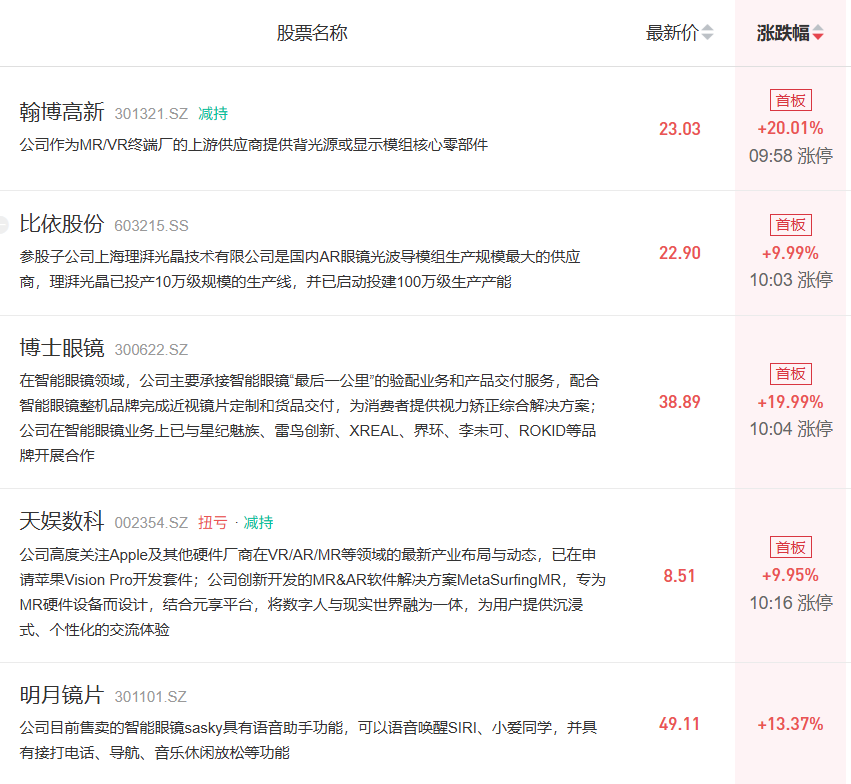
Market Overview - On January 14, the AI glasses sector experienced a collective surge, with companies like Hanbo High-tech, Biyi Co., and Doctor Glasses hitting the daily limit up, while other firms such as Mingyue Lens and Rainbow Technology also saw significant gains [1] Company Highlights - Hanbo High-tech (301321.SZ) saw its stock price rise to 23.03, an increase of 20.01%, as it provides core components for MR/R terminal manufacturers [2] - Biyi Co. (603215.SS) reached a price of 22.90, up by 9.99%, with its subsidiary being the largest domestic producer of AR glasses waveguide modules, having launched a production line with a capacity of 100,000 units [2] - Doctor Glasses (300622.SZ) reported a stock price of 38.89, increasing by 19.99%, focusing on the last-mile fitting services for smart glasses and collaborating with various brands [2] - Mingyue Lens (301101.SZ) offers smart glasses with voice assistant features, achieving a price of 49.11, up by 13.37% [2] Industry Events - On January 13, Bloomberg reported that Meta suggested EssilorLuxottica SA increase its annual production capacity to 20 million units or more by the end of 2026, with discussions for further expansion to 30 million units if demand remains strong [3] - Major tech companies like Apple, Google, and ByteDance are accelerating their investments in the AI glasses market, with Apple planning to unveil Apple Glasses at WWDC 2026 and ByteDance expected to release its first AI glasses in Q1 2026 [3] Institutional Insights - The AI glasses market is projected to become a high-volume product, with global sales expected to reach 90 million units by 2030, reflecting a compound annual growth rate (CAGR) of 97.42% over six years [4] - The core innovation in AI glasses is driven by generative AI, transforming them from expensive accessories to interactive smart devices, with prices dropping to the consumer-friendly range of around 1,500 yuan [5] - The industry is entering a rapid growth phase, addressing previous issues of high pricing and limited functionality, with over 80% penetration of features like AI dialogue and AR navigation [5]







1月14日投资避雷针:13连板锋龙股份停牌核查 4连板杭萧钢构遭上交所监管警示
Xin Lang Cai Jing· 2026-01-14 00:32
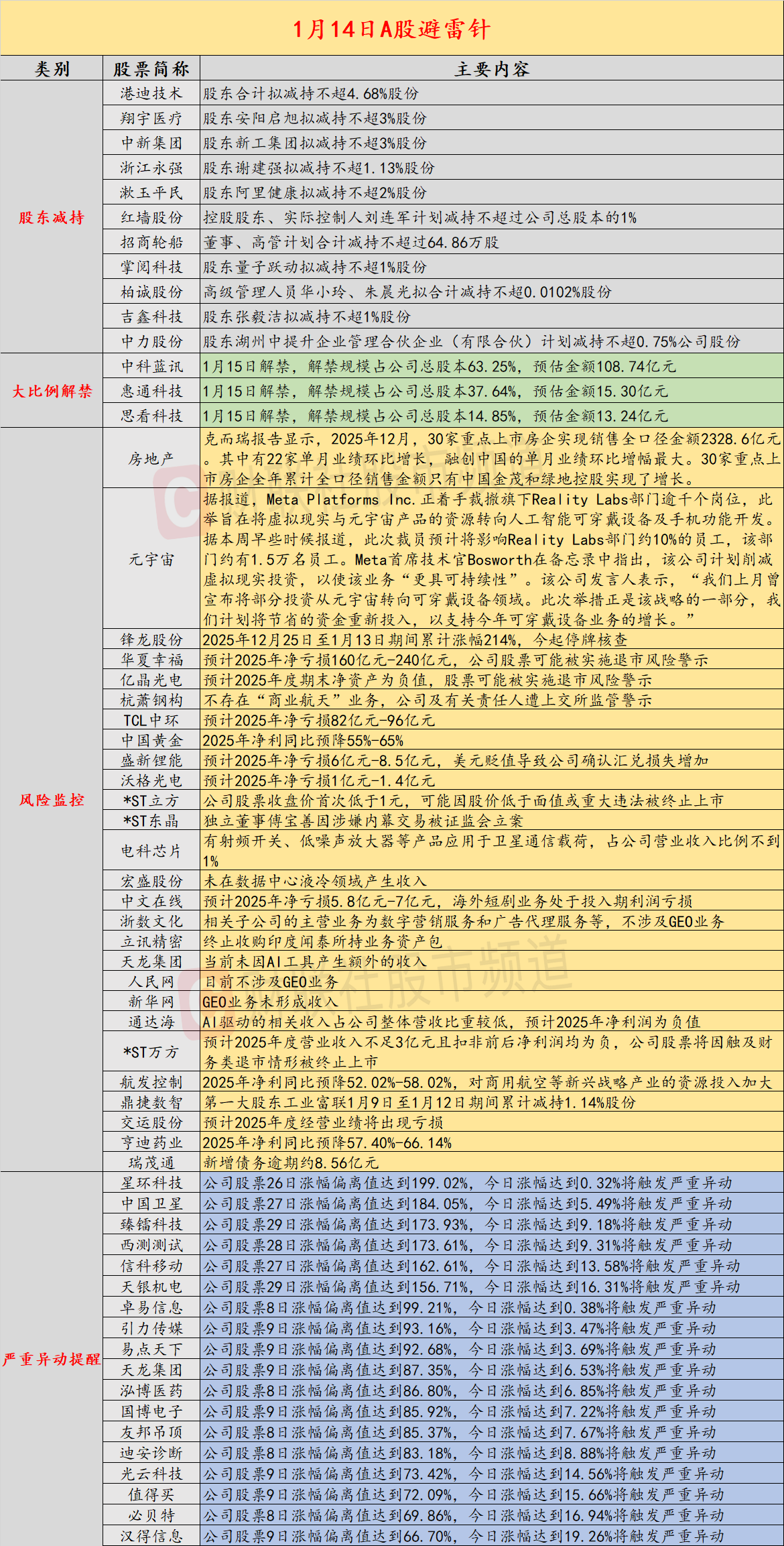
Economic Information - The Dalian Commodity Exchange announced adjustments to the trading fees and limits for lithium carbonate futures contracts, effective January 15, 2026, with a trading fee set at 0.032% of the transaction amount and a daily opening limit of 400 lots for non-futures company members or clients on specific contracts [2] - According to a report by CRIC, 30 key listed real estate companies achieved a total sales amount of 232.86 billion yuan in December 2025, with 22 companies showing month-on-month growth, while only China Jinmao and Greenland Holdings recorded annual growth [2] Company Alerts - Fenglong Co., Ltd. experienced a cumulative increase of 214% from December 25, 2025, to January 13, 2026, and is now suspended for verification [3] - Huaxia Happiness is expected to report a net loss of 16 billion to 24 billion yuan for 2025, with potential delisting risk warnings for its stock [3] - Yijing Optoelectronics anticipates a negative net asset value by the end of 2025, which may also lead to delisting risk warnings [3] - Hangxiao Steel Structure announced it does not have a "commercial aerospace" business and is under regulatory warning from the Shanghai Stock Exchange [3] - TCL Zhonghuan expects a net loss of 8.2 billion to 9.6 billion yuan for 2025, while China Gold anticipates a year-on-year net profit decline of 55% to 65% [9] - Shengxin Lithium Energy forecasts a net loss of 600 million to 850 million yuan for 2025, attributed to increased exchange losses due to the depreciation of the US dollar [9] - Woge Optoelectronics expects a net loss of 100 million to 140 million yuan for 2025 [9] Shareholder Reductions - Multiple companies, including Hongdi Technology, Xiangyu Medical, and New China Group, have announced plans for shareholder reductions, with reductions ranging from 0.75% to 4.68% of total shares [3][9]

正式落地!美国政府批准向中国出口英伟达H200芯片;死了么APP官宣改名!启用全球化品牌名Demumu;立讯精密:终止收购印度闻泰资产
雷峰网· 2026-01-14 00:25
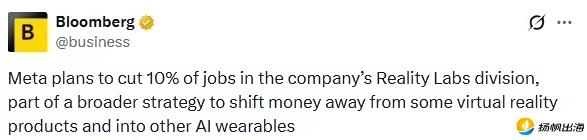
Group 1 - Meta plans to cut 1,500 jobs in its Reality Labs department, shifting focus from the metaverse to AI devices, with a cumulative loss exceeding $70 billion since Q4 2020 [4][5] - The company aims to invest hundreds of billions in data centers and increase budgets for wearable AI glasses to maintain a competitive edge in the AI market [4][5] - The Reality Labs department will primarily focus on Horizon OS, the metaverse, and wearables after a restructuring in October 2025 [5] Group 2 - The U.S. government has approved NVIDIA to export its H200 AI chips to China, with an expected delivery of 2 million chips by 2026, primarily to large internet companies [9] - The H200 chip is priced at approximately $27,000 each, with a total of 700,000 units currently in stock [9] Group 3 - Luxshare Precision has terminated its acquisition of Indian assets from Wistron due to delivery restrictions and is seeking arbitration for a refund of approximately 1.53 billion yuan [12][13] - The termination of the asset transfer agreement will not adversely affect Luxshare's normal operations and financial status [12] Group 4 - The app "Demumu," previously known as "死了么," has gained significant traction, becoming the top tool app on the Apple App Store, with a 300-fold increase in downloads [14] - The app focuses on providing safety tools for individuals living alone and plans to raise its price from 8 yuan to around 14-15 yuan [14] Group 5 - Baichuan-M3, a new medical AI model, has been released, outperforming OpenAI's GPT-5.2 in various medical evaluation metrics [16][17] - The model is expected to play a significant role in the application of AI in healthcare, with plans for a potential IPO by 2027 [17] Group 6 - Major companies like Xiaomi and Huawei are launching high-end Pro Max models, indicating a competitive shift in the smartphone market [22] - Xiaomi's Pro Max model has become the best-selling variant in its series, reflecting a successful strategy in the high-end market segment [22] Group 7 - The local life service sector is seeing increased competition, with companies like Kuaishou and Didi entering the market with new service apps [24][25] - Meituan is expanding its local service offerings, indicating a broader trend of tech companies diversifying into everyday services [25] Group 8 - ByteDance has raised its stock option price significantly, reflecting a 4-fold increase since 2019, indicating strong growth and valuation [32] - The company is also experiencing a surge in AI job postings, with salaries for certain positions rising significantly [27] Group 9 - Porsche China is addressing issues with dealers who have ceased operations, promising to provide compensation for customers who have paid deposits but not received their vehicles [29][30] - The company is actively working to ensure customer rights are protected amid dealer disruptions [29] Group 10 - Citigroup plans to lay off approximately 1,000 employees as part of a broader strategy to reduce its workforce by 20,000 by the end of 2026 [50][51] - The layoffs are part of ongoing efforts to align staffing with current business needs and improve efficiency [51]





Meta开年裁员1500人,降本资金all in AI,700亿美元巨额亏损致其“元宇宙”梦碎?
3 6 Ke· 2026-01-14 00:17
Core Viewpoint - Meta is planning to lay off approximately 1,500 employees, or 10% of its Reality Labs division, as part of a strategic shift towards AI and away from the metaverse, which has been a significant financial burden for the company [1][3][7]. Group 1: Company Restructuring - Meta's Reality Labs division will be restructured into two departments: the metaverse and wearables, with the metaverse department primarily focusing on VR headsets and virtual social platforms [3][12]. - The layoffs are primarily targeting the metaverse department, with funds saved redirected towards AI wearable devices [3][13]. - As of now, Meta employs approximately 78,000 people, with Reality Labs accounting for about 19% of the workforce [2][3]. Group 2: Financial Performance - Reality Labs has been experiencing significant losses, with quarterly losses exceeding $3.7 billion since Q3 2023, and cumulative losses reaching approximately $70 billion over five years [3][7]. - In Q4 2024, Reality Labs is projected to incur a loss of nearly $5 billion, contributing to a total loss of about $13.2 billion in the first three quarters of 2025 [3][4]. - The revenue from Reality Labs has been declining, with Q1 2025 revenue reported at $412 million, a 6.36% decrease from the previous year [10]. Group 3: Shift in Strategic Focus - Meta's CEO Mark Zuckerberg has increasingly shifted focus from the metaverse to AI, indicating a strategic pivot in the company's priorities [6][17]. - The company is investing in AI technologies, including the development of AI glasses and other advanced AI models, as part of its new strategic direction [13][16]. - The introduction of AI glasses, such as the Ray-Ban Meta, has seen significant sales growth, with expectations of reaching 1 million units by the end of 2026 [14][16].
Meta眼镜卖太好了,计划产能翻倍应对需求激增
Hua Er Jie Jian Wen· 2026-01-13 23:37
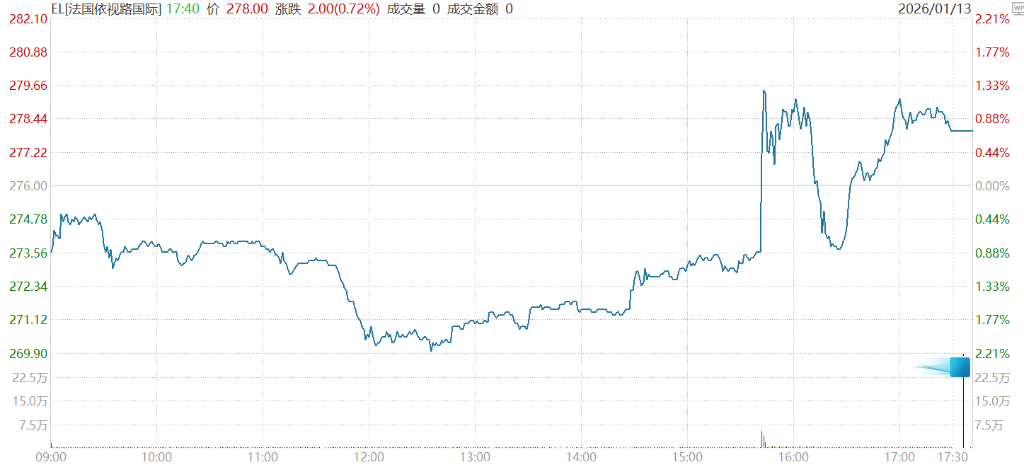
Core Viewpoint - Meta is experiencing strong sales momentum for its Ray-Ban Meta glasses and is planning to increase production capacity to meet demand, suggesting a shift in focus towards augmented reality technology and away from virtual reality investments [1][4][8]. Group 1: Production Capacity Expansion - Meta has advised EssilorLuxottica to increase annual production capacity to 20 million units or more by the end of 2026 due to strong sales of Ray-Ban Meta glasses [1]. - Discussions are ongoing about potentially expanding capacity to over 30 million units if demand remains robust [2]. - EssilorLuxottica is nearing its current production target of 10 million units by the end of 2026, indicating a need for expansion to meet rising demand [5]. Group 2: Strategic Shift and Workforce Changes - Meta is restructuring its Reality Labs division, planning to cut over 1,000 jobs, which represents about 10% of the division's workforce, to redirect resources towards AI wearable devices [4][7]. - The company aims to make its metaverse investments more sustainable by shifting focus from fully immersive VR headsets to smart glasses and other mobile devices [7]. - Meta's Reality Labs has incurred over $70 billion in losses since early 2021, prompting the need for a strategic pivot [7]. Group 3: Financial Implications and Market Position - Analysts expect that the gross margin for Ray-Ban Meta smart glasses will be significantly lower than EssilorLuxottica's overall product line, but increased sales and improved component costs may alleviate some financial pressure [5]. - EssilorLuxottica's strong manufacturing capabilities and retail presence provide a substantial platform for Meta to enhance its position in the smart glasses market [5][6]. - Meta's recent acquisition of approximately 3% of EssilorLuxottica's shares strengthens its connection to the manufacturing and retail network [7].

六大经济部委释放2026关键信号 两大市场要稳,这些产业要飞
2 1 Shi Ji Jing Ji Bao Dao· 2026-01-13 23:16
Group 1: Economic Policy Signals - The Chinese government is focusing on four key policy signals for 2026: stabilizing growth, expanding domestic demand, supporting technological innovation, and stabilizing the real estate and stock markets [1][2] - Various ministries are actively promoting early policy implementation to ensure a smooth start to 2026, including the early issuance of project lists and investment plans [1][2] Group 2: Fiscal and Monetary Policy - The 2026 fiscal policy will continue to be proactive, with an expanded fiscal spending plan and optimized government bond tools to enhance effectiveness [2][3] - The People's Bank of China will maintain a moderately loose monetary policy, with expectations of a 25-50 basis point reduction in the reserve requirement ratio and a 10-20 basis point decrease in the 7-day reverse repo rate [3][4] Group 3: Consumption and Investment - Measures to boost consumption include optimizing the trade-in policy for consumer goods and expanding service consumption, while investment will be supported through various government funding initiatives [5][6] - The government plans to implement a consumption upgrade policy, providing subsidies for trade-ins of automobiles, home appliances, and digital products [6] Group 4: Real Estate Market Stability - The 2026 strategy includes stabilizing the real estate market through targeted policies, such as controlling new supply and utilizing existing housing stock for affordable housing [11][12] - Major cities are expected to further relax housing purchase restrictions and lower mortgage costs to stimulate housing demand [12] Group 5: Emerging Industries Development - The government aims to enhance technological innovation capabilities and support the growth of emerging industries such as integrated circuits, new materials, and biomedicine [8][9] - A new venture capital fund has been established to attract investment in high-tech sectors, with an expected total investment scale exceeding one trillion yuan [9] Group 6: Innovation-Driven Growth - The focus for 2026 will be on building an innovation-driven growth model, emphasizing the integration of short-term policies with long-term structural reforms [10]
六大经济部委释放2026关键信号
2 1 Shi Ji Jing Ji Bao Dao· 2026-01-13 23:16
Core Viewpoint - The Chinese government is focusing on stabilizing economic growth, expanding domestic demand, supporting technological innovation, and stabilizing the real estate and stock markets as it prepares for the economic goals of 2026, the first year of the 14th Five-Year Plan [1][2]. Economic Policy Initiatives - Various ministries are implementing proactive macroeconomic policies, including enhancing economic monitoring, improving policy tools, and ensuring effective fiscal and monetary policy coordination [2]. - The fiscal policy for 2026 will be more active, with an expanded fiscal spending plan and optimized government bond tools to enhance local financial capabilities [2][3]. - The People's Bank of China will maintain a moderately loose monetary policy, focusing on high-quality economic development and reasonable price recovery, with expectations of a 25-50 basis point reduction in the reserve requirement ratio [2][3]. GDP and Fiscal Projections - The GDP growth target for 2026 is expected to remain around 5%, with a fiscal deficit rate holding steady at 4% and an increase in special bonds to 4.8 trillion yuan [3][4]. - The broad deficit scale is projected to rise from 11.86 trillion yuan in 2025 to approximately 12.45 trillion yuan in 2026, corresponding to a broad deficit rate increase from 8.4% to 8.5% [3]. Consumer and Investment Stimulus - The government aims to boost consumption through practical measures, including optimizing the trade-in policy for consumer goods and expanding service consumption [5][6]. - Investment will be supported through various government funding initiatives, including the issuance of special bonds and increased central budget investments [5][6]. Real Estate and Stock Market Stability - Policies will focus on stabilizing the real estate market through targeted measures, including optimizing housing purchase policies and promoting the use of existing housing for social needs [12]. - The central bank will work on mitigating financial risks in key areas and enhancing market confidence through specific monetary policy tools [13]. Emerging Industry Development - There is a strong emphasis on fostering new and emerging industries, including integrated circuits, new materials, and artificial intelligence, with significant investments planned in these sectors [8][9]. - The establishment of the National Venture Capital Guiding Fund aims to attract substantial investment in high-tech fields, with an expected total investment scale exceeding one trillion yuan [9]. Innovation-Driven Growth - The focus for 2026 will be on building an innovation-driven growth model, enhancing the modern industrial system, and promoting technological self-reliance [10].