
非遗传承

Search documents
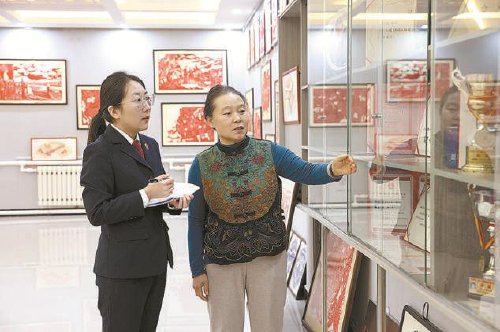
“剪”出一片美丽乡村
Xin Lang Cai Jing· 2026-01-18 23:36
Core Viewpoint - The article highlights the journey of Du Yamei, a representative of Inner Mongolia and a master of paper-cutting art, emphasizing her contributions to cultural heritage, rural revitalization, and community engagement through her artistic endeavors [2][3][4][5][6][7]. Group 1: Artistic Journey and Achievements - Du Yamei began her paper-cutting journey at the age of 5, inspired by her grandmother, and has dedicated over 40 years to this art form [2][3]. - She has created over a hundred works that reflect rural life, including notable pieces like "Farmhouse Courtyard" and "Colorful Hulunbuir" [3]. - Her work "Lady Figure" gained significant attention in the 1990s, selling for a high price and leading to her first solo exhibition in 1997 [3][4]. Group 2: Cultural Contributions and Community Engagement - In 2005, Du Yamei created a large paper-cutting piece titled "Dragon Casting Olympics," which was later donated to the China Women and Children Museum [4]. - She established a paper-cutting training class to preserve the art form and has been recognized as a cultural heritage inheritor at both city and regional levels [4][5]. - In 2018, she transitioned her training classes to focus on rural revitalization, helping 36 students earn over 90,000 yuan by selling their paper-cut works [4][5]. Group 3: Recent Initiatives and Impact - In 2023, Du Yamei was elected as a representative and has been actively promoting the integration of intangible cultural heritage into school curricula [6]. - She led a collaborative project for the 14th National Winter Games, creating themed paper-cutting works that blend traditional and modern elements [6][7]. - Her efforts have attracted many visitors and increased local income, showcasing the potential of traditional culture in contemporary contexts [6][7].

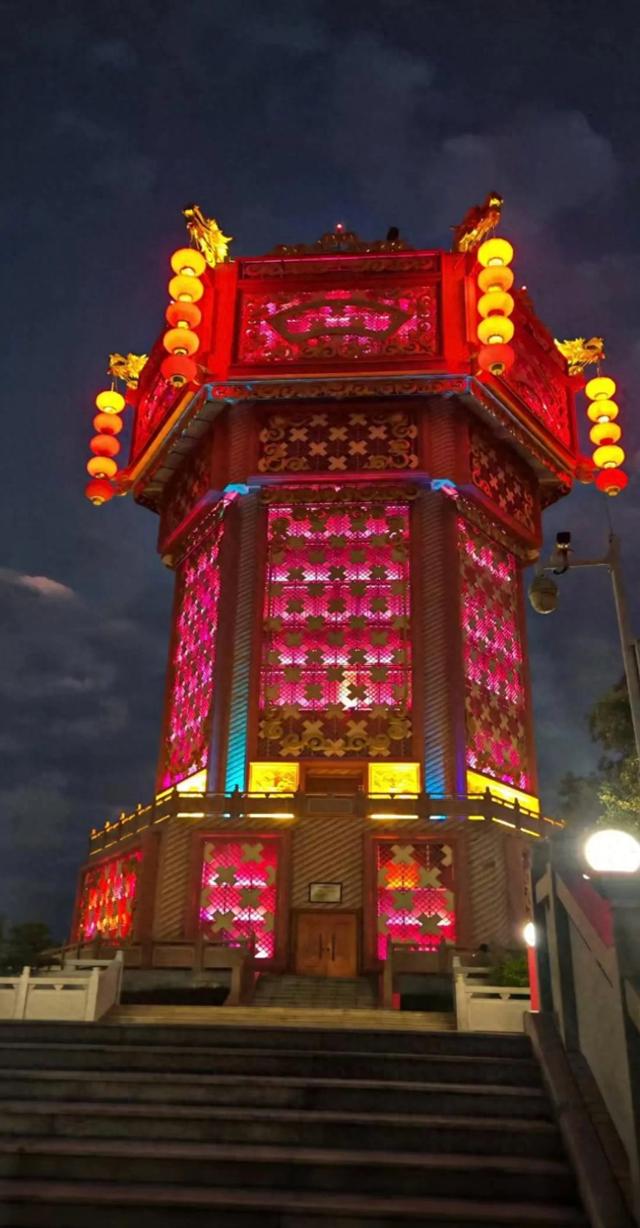
马年初七,去粤东山水深处赏花灯
Xin Lang Cai Jing· 2026-01-18 08:10
Core Viewpoint - The article highlights the cultural significance and economic impact of the upcoming Lantern Festival in Xingning, which is set to showcase the region's rich heritage and attract tourism and investment opportunities [1][4][14]. Group 1: Cultural Heritage - Xingning has a history of over 1,700 years and is known for its "Hakka Lanterns," which were recognized as a national intangible cultural heritage in 2014 [8][11]. - The Lantern Festival will feature three core rituals: "Welcoming the Lantern," "Lighting the Lantern," and "Warm Lantern," which reflect deep cultural meanings and will take place from the seventh to the twenty-second day of the lunar new year [8][11]. Group 2: Economic Impact - The GDP of Xingning grew by 8.1% year-on-year in the first three quarters of 2025, ranking second among all counties in Meizhou and fourth in the province [11][12]. - The growth in tourism and cultural industries is directly contributing to the local economy, with significant increases in visitor numbers and tourism revenue expected [12][14]. Group 3: Infrastructure Development - The upcoming Meilong High-Speed Railway, set to open in 2024, will connect Xingning to the Greater Bay Area, creating a "1.5-hour living circle" that is expected to boost tourism and attract investors [14]. - The integration of cultural heritage with tourism and creative industries is a strategic focus for Xingning, aiming to revitalize its ancient culture in contemporary society [14].
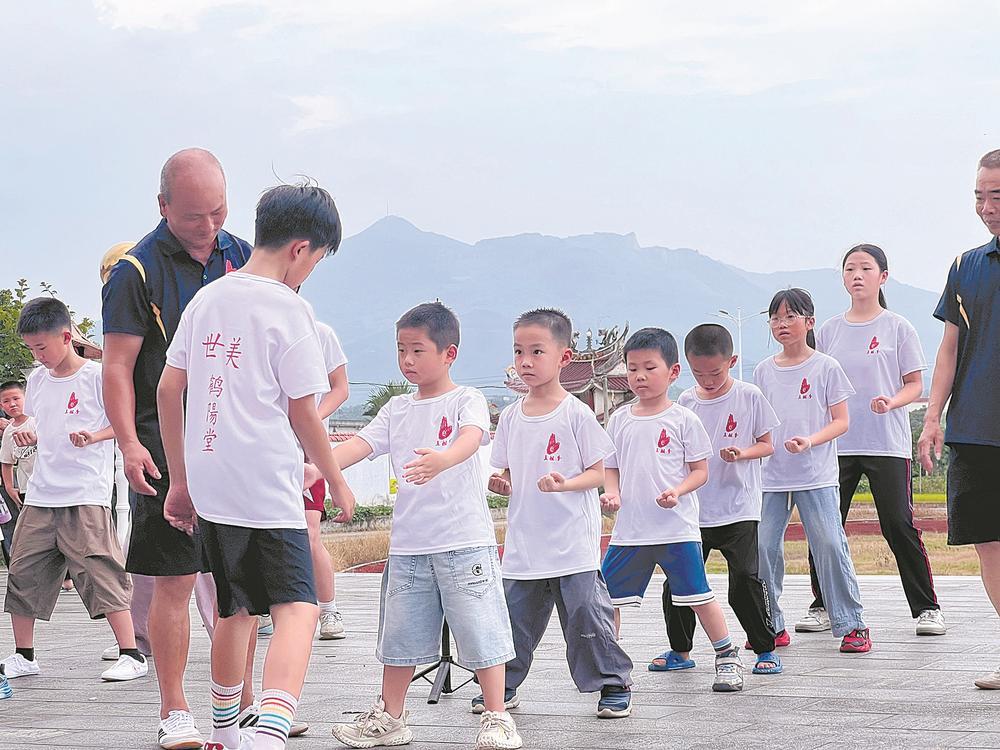
藏在闽南古厝里的“硬核传承”
Xin Lang Cai Jing· 2026-01-16 23:10
Core Viewpoint - The article highlights the cultural significance and evolution of the "刣狮" (Chai Lion) performance in the Xue Mei Village, emphasizing its historical roots, community involvement, and efforts to engage younger generations in preserving this traditional art form [10][12][18]. Group 1: Historical Background - The "刣狮" tradition began in 1865 when Yang Tian Can returned to Xue Mei Village, integrating martial arts with lion dance [10]. - The practice has been passed down through generations, with significant contributions from various leaders, including Yang Quan Lai in 1943, who deepened the integration of martial arts into the lion dance [10][12]. - The tradition faced challenges in the 1980s due to funding shortages, leading to a drastic reduction in team members from over 50 to around 20 [11]. Group 2: Community Involvement - The local community played a crucial role in sustaining the lion dance tradition by collectively raising funds to support the team during difficult times [12]. - The current team consists of about 40 members from various age groups, including many young individuals who contribute in diverse ways, such as filming and logistics [12][18]. Group 3: Cultural Significance and Modern Adaptation - The "刣狮" performance is recognized as a representative intangible cultural heritage project in Longtai District as of 2024, reflecting the dedication of past generations [13]. - The team aims to integrate lion dance into daily life and attract more youth participation, exemplified by the establishment of a summer camp for young people to learn the art [15][16]. - The team has adapted its equipment, reducing the weight of lion heads from over 15 kg to around 8 kg to make it more accessible for younger performers [16]. Group 4: Training and Philosophy - Training involves rigorous practice of traditional movements and martial arts techniques, emphasizing not only physical skills but also mental discipline and teamwork [14][15]. - The philosophy behind the training is to instill a sense of spirit and resilience in the younger generation, ensuring the continuation of the tradition [15][17].
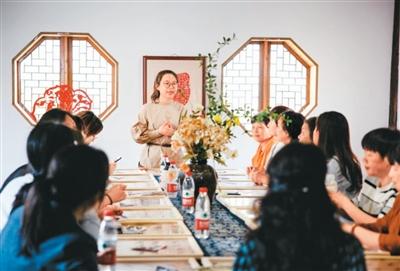
剪纸可以这么潮
Ren Min Ri Bao Hai Wai Ban· 2026-01-14 22:50
Core Viewpoint - The article highlights the efforts of Yang Yuxiao in promoting traditional Chinese paper-cutting skills as a means to empower rural communities and contribute to rural revitalization through systematic training and certification programs [6][7][8]. Group 1: Training and Certification - Yang Yuxiao has established a structured training program for paper-cutting, offering courses from beginner to advanced levels, which includes a certification process recognized by local employment departments [8][11]. - Since 2021, nearly 200 training sessions have been conducted, with over 2,000 participants, and 80 individuals have received advanced paper-cutting certificates [8][12]. Group 2: Economic Impact - The training not only imparts skills but also creates income opportunities for participants, with some earning over 10,000 yuan annually from paper-cutting alone [8][9]. - The initiative has led to the establishment of a marketplace for local cultural products, integrating paper-cutting into daily life and promoting local craftsmanship [8][10]. Group 3: Cultural Integration and Education - The paper-cutting skills have been incorporated into the local education system, with students at the local middle school engaging in a six-year mandatory course, enhancing their artistic and practical skills [11][12]. - A cross-cultural exchange program with a school in the UK has allowed students to experience and appreciate the art of paper-cutting, fostering international cultural dialogue [11][12]. Group 4: Community and Cultural Development - The initiative has transformed Zhangjiadu Village into a "paper-cutting characteristic village," enriching the local cultural atmosphere and promoting community engagement in traditional arts [10][12]. - Local government support has facilitated the development of a comprehensive platform for youth entrepreneurship, integrating skill enhancement, employment assistance, and cultural promotion [10][12].
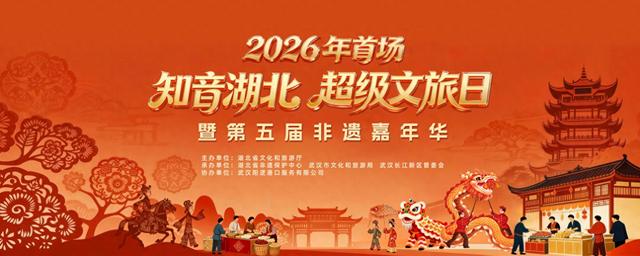
2026年首场“知音湖北 超级文旅日”暨第五届非遗嘉年华活动将在武汉启动
Xin Lang Cai Jing· 2026-01-14 04:07
Core Insights - The "Zhiyin Hubei Super Cultural Tourism Day" was officially launched by Hubei's Department of Culture and Tourism at the 2025 China Cultural Tourism Industry Expo, aiming to transform public cultural tourism consumption into a predictable and participatory festive experience [2] - The first event of this brand IP will take place from January 16 to 18, 2026, in Wuhan, featuring a blend of cultural experiences, shopping, and folk entertainment to celebrate the New Year [2] - The event will include various performances, cultural showcases, and promotional policies to attract visitors, including a total of 60 million yuan in consumer gift packages and 24 million yuan in ski and hot spring vouchers [2][3] Event Highlights - The "Fifth Non-Heritage Carnival" will feature a market showcasing the essence of Hubei's 17 cities, offering traditional crafts, local delicacies, and interactive experiences [6] - The "Jingchu Intangible Cultural Heritage International Reception Hall" will be inaugurated, providing live demonstrations and classes from heritage artisans [7] - A series of traditional performances, including Huangmei Opera, Peking Opera, and Chu Opera, will be held, allowing attendees to enjoy a variety of classic shows [9][10] Promotional Activities - Online sales of Hubei's intangible cultural heritage products will be available from January 16 to 22, with specific promotions on platforms like Taobao and Douyin [3] - Attendees can participate in a social media campaign to win prizes by sharing their experiences during the event [15] - Public transportation is encouraged for attendees, with free parking available at the venue during the event [17]
西湖龙井非遗工坊揭牌 开启技艺传承与产业发展新篇章
Mei Ri Shang Bao· 2026-01-13 22:23
Core Insights - The establishment of the "West Lake Longjing Intangible Cultural Heritage Workshop and Zhou Shengde Green Tea (West Lake Longjing) Master Studio" marks a significant step in the systematic development of West Lake Longjing tea culture, emphasizing both tradition and innovation [1][2] - Zhou Shengde, a master tea maker with over 40 years of experience, will lead the workshop to protect, promote, and innovate the tea-making techniques while integrating tea culture into modern life [1][2] Group 1 - The workshop serves as a core platform for the active transmission of West Lake Longjing tea-making skills, enhancing brand protection and implementing the "Three Teas" coordinated development concept [1] - The facility includes areas for traditional tea-making, teaching demonstrations, cultural experiences, and artistic exchanges, signifying a shift from individual practices to a platform-based empowerment model [2] - Future plans include offering public courses on tea picking, hand frying, and tea tasting, allowing citizens and tourists to experience the charm of intangible cultural heritage [2] Group 2 - The workshop aims to maintain the original intention of "making tea with integrity" while collaborating with research institutions to promote digital transformation and standardization [2] - The initiative is expected to contribute to the branding of Hangzhou as "China's Tea Capital," enhancing the cultural significance and vitality of the West Lake Longjing tea [2]
刻刀起落间 雕出幸福景
Xin Lang Cai Jing· 2026-01-13 19:51
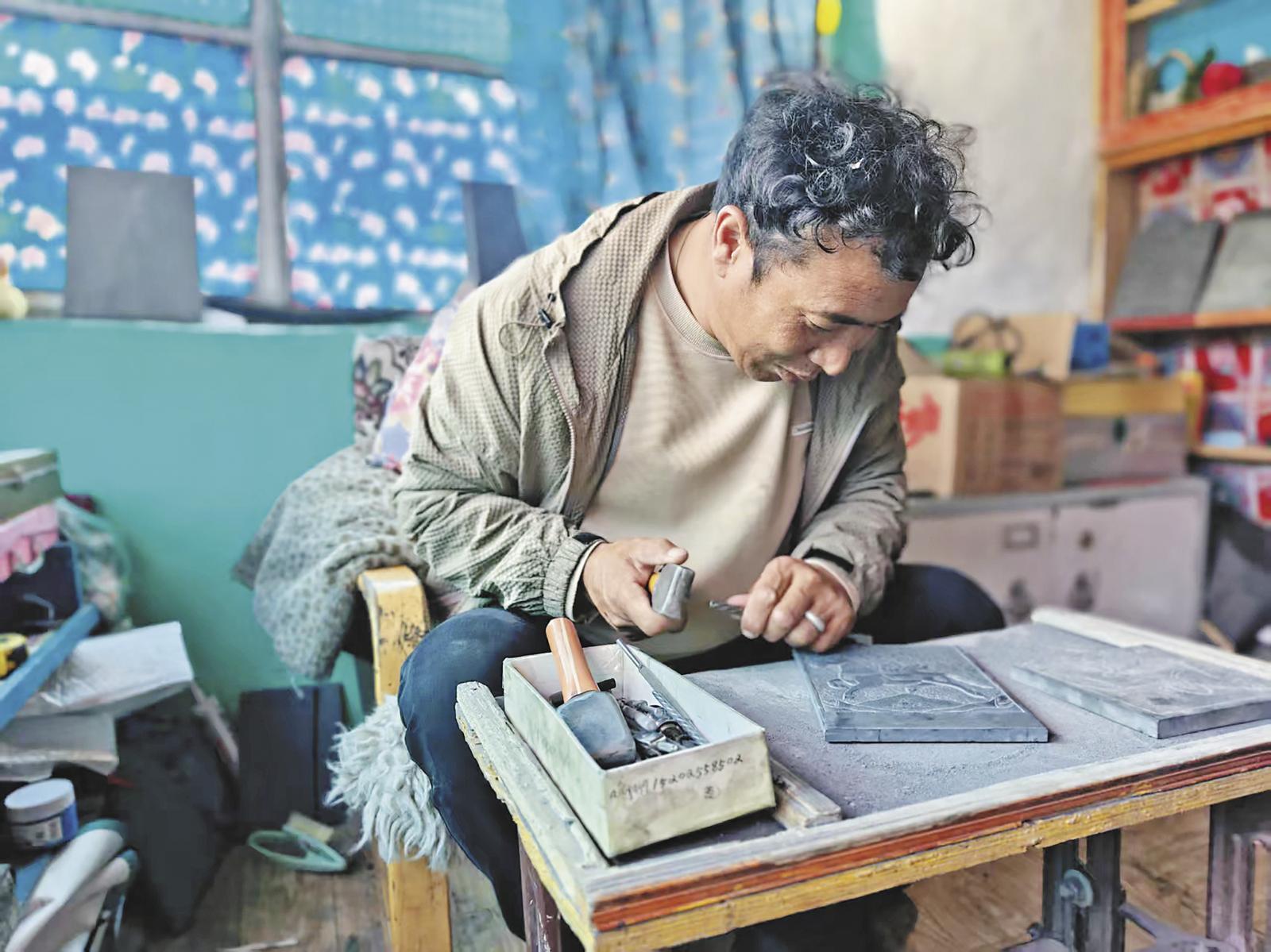
Core Insights - The article highlights the transformation of the stone carving industry in He Ri Village, which has become a significant source of income for local residents, with annual earnings of 70,000 to 80,000 yuan per household [1][2] - The village's stone carving was recognized as a national intangible cultural heritage in 2008, leading to the establishment of a cooperative model that unites artisans and enhances employment opportunities [1][4] Group 1: Economic Impact - In 2011, the average income of villagers reached over 7,400 yuan, thanks to the consolidation of artisans and the influx of large orders from various provinces [2] - The stone carving industry currently employs over 560 people, accounting for 55% of the village's population, and is projected to generate nearly 4 million yuan in income by 2025 [6][7] Group 2: Government Support and Policy - The local government has implemented a series of employment and development policies, focusing on promoting traditional craftsmanship as a means to create stable jobs and increase income [4][6] - Continuous support from local authorities has led to the establishment of standardized workshops and the introduction of modern cutting and polishing machinery, enhancing efficiency and artistic value [5][6] Group 3: Innovation and Training - The village has adopted a model of "old craftsmen mentoring new apprentices" to attract skilled returnees, thereby improving the talent pool in the stone carving industry [6] - Training programs in stone carving techniques and e-commerce operations have been regularly conducted to align traditional crafts with modern market demands, resulting in a diversification of products and increased market competitiveness [6][7]
湖南益阳:南县地花鼓进校园
Xin Hua She· 2026-01-13 13:36
Core Viewpoint - The article highlights the efforts of the Education Bureau of Nanxian County, Yiyang City, Hunan Province, in promoting the integration of intangible cultural heritage, specifically the local Dihua Drum, into school curricula to foster cultural identity among children [1] Group 1: Cultural Integration in Education - The Education Bureau has established Dihua Drum training bases in several kindergartens [1] - The Dihua Drum has been incorporated into art courses, along with the creation of unique physical exercises and the formation of children's clubs [1] - These initiatives aim to cultivate children's recognition and love for local culture [1] Group 2: Significance of Dihua Drum - Dihua Drum is recognized as a national-level representative project of intangible cultural heritage [1] - It originated during the Jiaqing period of the Qing Dynasty and evolved from folk songs, ballads, and labor chants [1] - The Dihua Drum is characterized by its simple and robust movements, lively and high-pitched music, and a unique artistic style deeply rooted in local communities [1]
甘肃临夏:非遗“新生代”盘活“老手艺”
Zhong Guo Qing Nian Bao· 2026-01-13 05:45
Core Viewpoint - The article highlights the revival of traditional craftsmanship in Gansu Province, particularly through the efforts of young artisans who blend ancient techniques with modern creativity, making cultural heritage accessible and relevant in contemporary society [1][12]. Group 1: Youth Engagement in Traditional Crafts - Young artisans like Yang Zhilei are using their creativity to transform ancient skills such as Ba'an waist knife forging and Hezhou brick carving into modern cultural expressions that resonate with today's audience [1][6]. - The involvement of youth in these traditional crafts is revitalizing the cultural heritage, allowing it to thrive in the modern context [1][12]. Group 2: Preservation of Traditional Techniques - The Ba'an waist knife, a significant cultural artifact with over 800 years of history, is being preserved through the efforts of artisans like Ma Gzhuma, who is committed to teaching the craft to a new generation, breaking traditional barriers of knowledge transfer [3][5]. - Ma Gzhuma's initiative to open a workshop for apprentices, including women and youth from various ethnic backgrounds, demonstrates a proactive approach to preserving this craft [3][5]. Group 3: Innovative Approaches to Craftsmanship - Yang Zhilei has adapted his brick carving techniques for educational purposes, using softer materials like clay to teach children, thus fostering interest in traditional crafts among the younger generation [8][10]. - The Mud Sculpture Club at Gansu Modern Vocational College is integrating local stories into their creations, showcasing a modern interpretation of traditional techniques and winning national recognition for their innovative projects [10][11]. Group 4: Cultural Significance and Community Impact - The revival of these crafts is not just about preserving techniques but also about embedding them into the daily lives of the community, making them relevant and appreciated in contemporary culture [12]. - The article emphasizes that these efforts contribute to a vibrant cultural landscape where traditional skills are celebrated and shared, moving beyond mere artifacts to living expressions of culture [12].

镌刻在唐卡中的红色记忆
Xin Lang Cai Jing· 2026-01-12 23:09
郎卡杰唐卡是国家级非物质文化遗产代表性项目,发展至今已有300余年历史。本次展览创新"红色文化 +非遗"展陈理念,精心设置五大单元,共同描绘出一幅从革命岁月到美好新时代的动人长卷。其中, 《红军长征在炉霍》系列作品再现了红军驻扎炉霍的场景,人物神态栩栩如生,充分诠释了军民鱼水 情。 开幕式上,悠长嘹亮的歌声回荡在展厅之中。非遗传承人身着盛装,唱响了经典的四川炉霍山歌,吸引 众多观众闻声而来。"第一次在唐卡展上听到原生态山歌,感觉就像走进了炉霍的山水之间。"北京市民 王女士说,这种浓郁的民族文化氛围,让她对郎卡杰唐卡有了更鲜活的认知。 "技艺只有融入时代的情感与记忆,才能真正打动人心。"展览的核心主创人员之一、郎卡杰唐卡州级代 表性传承人泽仁洛布分享了《创建红军骑兵师》唐卡的创作经历。为精准还原历史,他走访相关人员、 查阅档案资料,最终以郎卡杰唐卡特有的"精致入微"技法,呈现出战马的肌肉线条与战士的坚毅神色。 (来源:中国旅游报) 转自:中国旅游报 □ 本报记者 牛佳欣 1月6日,中国工艺美术馆(中国非物质文化遗产馆)内,一幅长达3米的《红军长征在炉霍》唐卡前围 满了观众。当天,"镌刻在唐卡中的红色记忆——郎卡 ...