大模型技术

Search documents
报名倒计时!一键 GET 2025 全球机器学习技术大会参会指南
AI科技大本营· 2025-09-28 10:59
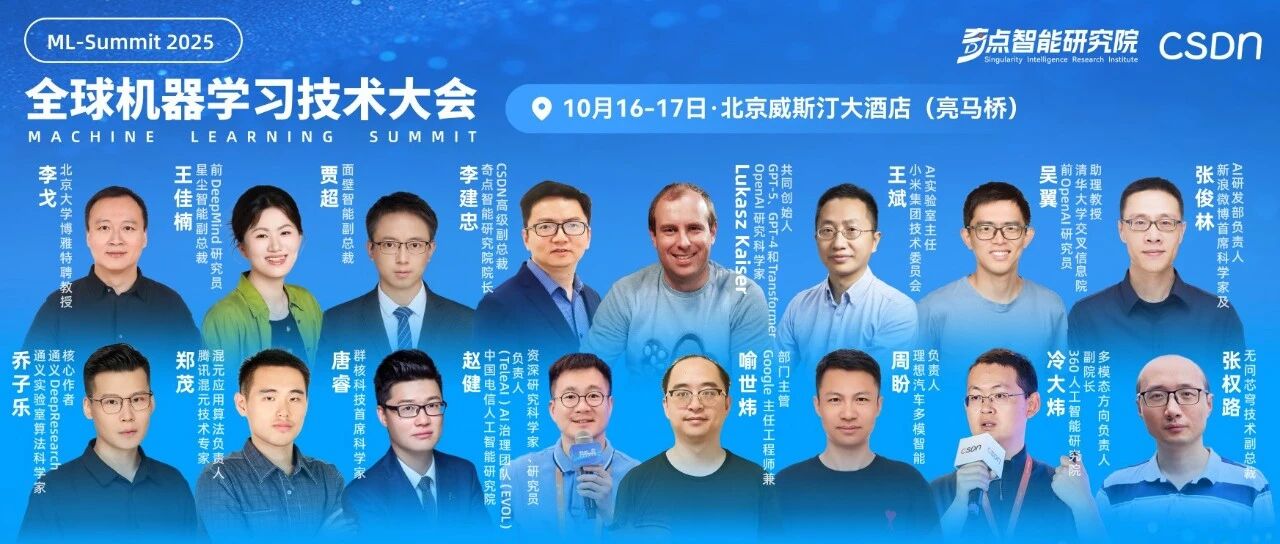
Core Viewpoint - The 2025 Global Machine Learning Technology Conference will be held on October 16-17 in Beijing, focusing on cutting-edge AI research and applications, featuring over 50 prominent speakers from various fields [1][3]. Group 1: Conference Overview - The conference will cover twelve major topics, including advancements in large language models, intelligent agent engineering, multimodal models, and AI-enabled software development [3][4]. - The event aims to provide a platform for genuine exchange between academia and industry, showcasing both theoretical methodologies and practical experiences [4]. Group 2: Key Speakers and Sessions - Notable speakers include Lukasz Kaiser from OpenAI, Li Jianzhong from Singularity Intelligence Research Institute, and Wang Bin from Xiaomi Group, who will discuss the future of AI and large model technologies [6][14]. - The main stage will feature a high-level roundtable discussion on the core issues of AI industry paradigm shifts, involving key figures from the AI sector [14][15]. Group 3: Detailed Agenda - The first day will include sessions on topics such as the evolution of large language models and practical applications of multimodal models [15][28]. - The second day will focus on embodied intelligence, intelligent hardware, and the infrastructure needed for large models, with various specialized sessions scheduled throughout the day [22][28]. Group 4: Logistics and Participation - The conference will take place at the Westin Hotel in Beijing, with registration starting at 8:00 AM and the official program beginning at 9:00 AM on both days [31][32]. - Attendees are encouraged to arrive early to avoid congestion and ensure a smooth check-in process [32][33].

联想城市超级智能体成果逐步显现 进一步深化AI技术应用
Zheng Quan Ri Bao Wang· 2025-09-26 10:12
Core Insights - Lenovo Group Limited's City Super Intelligent Body won the "2025 Digital Government Innovative Solution" award at the "2025 Digital Government Intelligent Application and Innovation Development Conference," highlighting its status as a benchmark solution in digital government construction [1][3] - The conference gathered government representatives, experts, and industry leaders, emphasizing the importance of AI as a core engine of innovation in the new era [1] Technology Innovation - The technological breakthroughs of Lenovo's solution are evident in three main areas: multi-agent collaborative decision-making algorithms, hybrid AI architecture integrating cloud-based large model capabilities with edge intelligence, and trusted data space technology utilizing privacy computing and blockchain [2] - The system's self-evolution and self-learning capabilities allow for continuous optimization of algorithm models, enhancing decision-making accuracy and response efficiency [2] Future Development - Lenovo aims to deepen the application of large model technology in urban governance, focusing on breakthroughs in multi-modal understanding, causal reasoning, and long-sequence modeling [2] - The company plans to strengthen research on integrating cutting-edge technologies such as quantum computing and brain-computer interfaces to explore the next generation of urban intelligent systems [2] Industry Impact - The award signifies authoritative recognition of Lenovo's technical strength in digital government construction, providing strong momentum for further AI technology applications and expansion into the smart city market [3] - Lenovo is committed to driving digital transformation in cities through advanced AI technologies, contributing to the development of smarter, more efficient, and livable modern cities [3]

京东发布电商客服Agent原生应用京小智5.0,面向中小商家免费开放
Zhong Jin Zai Xian· 2025-09-25 11:33
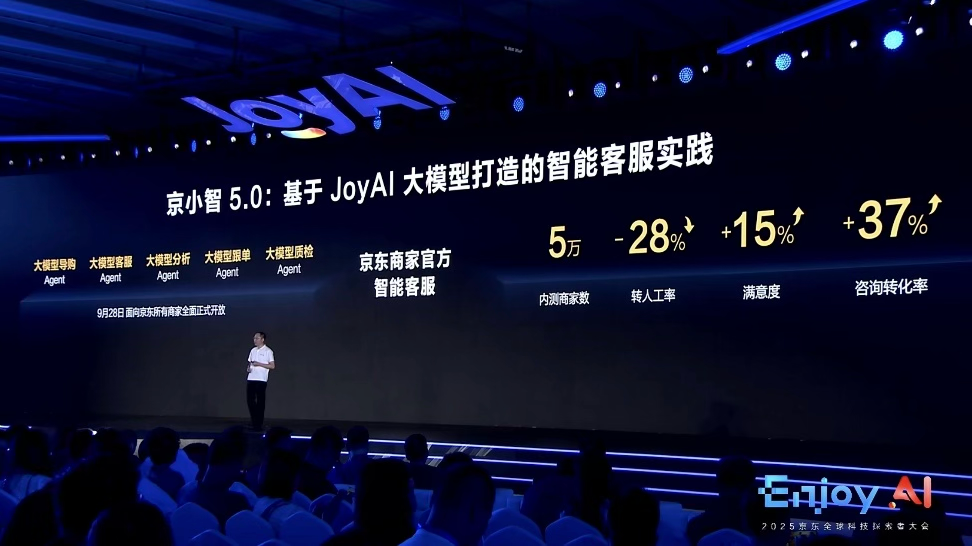
Core Insights - The JD Global Technology Explorer Conference (JDD) announced the launch of JD Xiaozhi 5.0, an intelligent customer service product for e-commerce, which will be available for free to small and medium-sized merchants starting September 28 [1][8] - The e-commerce industry's intelligent customer service is transitioning from a "cost optimization tool" to a "brand growth engine," with JD Xiaozhi 5.0 leveraging the JoyAI large model and multi-Agent collaboration technology [1][8] Product Features - JD Xiaozhi 5.0 redefines pre-sales guidance and multi-modal intelligent customer service capabilities, creating a comprehensive Agent matrix that covers customer service, guidance, order tracking, analysis, and quality inspection [1][4] - The product enables proactive service with decision-making capabilities, allowing small and medium-sized merchants to easily implement the intelligent customer service without additional operational investment [1][4][8] Performance Metrics - Data from 50,000 stores in the beta test shows that JD Xiaozhi 5.0 has reduced the manual intervention rate by over 28%, increased user satisfaction by over 15%, and improved pre-sales consultation conversion rates by over 37% [1] - The intelligent customer service Agent has achieved a fivefold increase in reasoning efficiency and a 36% improvement in accuracy when matching product details with user inquiries [2] Merchant Empowerment - JD Xiaozhi 5.0 includes over 20 high-frequency scenarios for merchants, such as product inquiries and promotional consultations, which can be activated without configuration [4][6] - The system supports merchants in uploading documents in any format, automatically parsing and converting them into a structured knowledge system, significantly reducing manual maintenance workload [4] Sales Enhancement - The pre-sales guidance Agent has improved conversion rates by 27.6% and reduced manual intervention rates by 43% for merchants using the service [6] - The follow-up Agent tracks the entire customer journey from inquiry to repurchase, ensuring continuous service and support [6] Analytical Capabilities - The analysis Agent utilizes semantic analysis to extract actionable business insights from consultation data, achieving over 90% accuracy in analysis [7] - A case study highlighted how a merchant identified and addressed a high customer churn rate by responding to product demand insights, leading to successful inventory adjustments [7] Quality Control - The quality inspection Agent provides real-time service quality monitoring with a 90% accuracy rate, significantly lowering the costs and error rates associated with manual quality checks [7]

奔驰与字节升级合作,豆包大模型加速 “上车”
晚点Auto· 2025-09-25 10:09
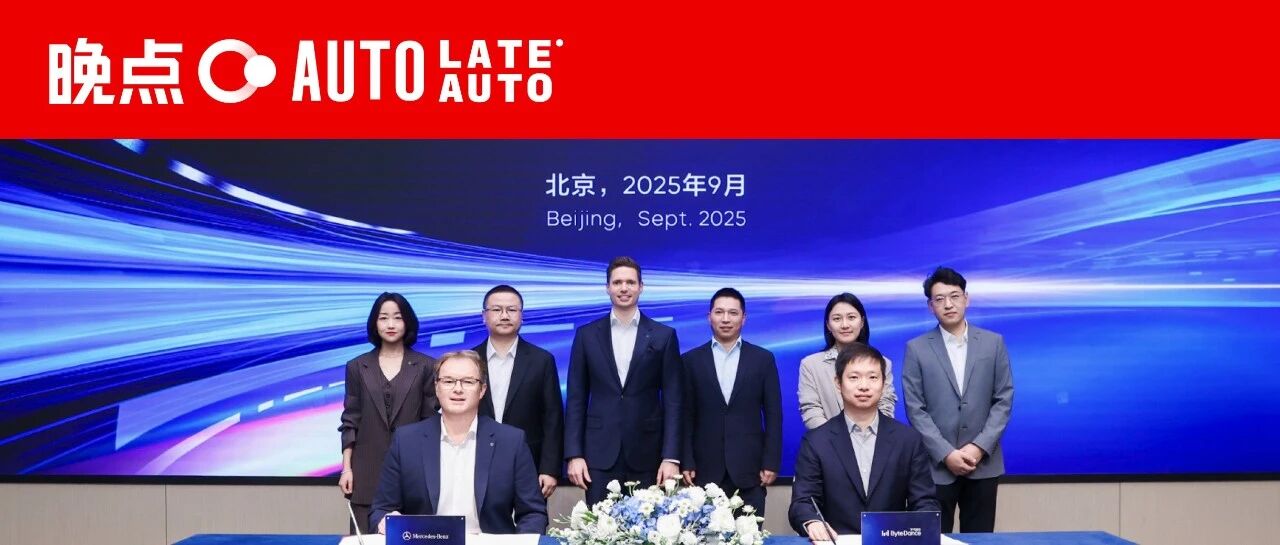
Core Viewpoint - The collaboration between Mercedes-Benz and ByteDance marks a significant step for international car manufacturers in achieving intelligent transformation in China, focusing on smart cockpit and driving assistance technologies [4][5][7]. Group 1: Collaboration Details - The strategic cooperation will encompass the entire business process of Mercedes-Benz in China, from R&D to marketing and service [5][6]. - ByteDance will support Mercedes-Benz in developing smart cockpit features, intelligent driving assistance, digital marketing, and customer operations using core technologies like the Doubao model and AI cloud-native algorithms [4][5]. Group 2: Smart Cockpit Enhancements - The new models equipped with the Doubao model will feature a significantly improved voice assistant that allows for more natural interactions, enhancing user experience [5][6]. - The system's interaction smoothness has improved by 50%, providing near-instantaneous responses to user commands and recognizing four different emotional states of passengers for tailored interactions [5][6]. Group 3: Driving Assistance and R&D - The collaboration will also focus on localizing driving assistance algorithms, with support from partners like Volcano Engine to ensure compliance with Chinese data security regulations [6][7]. - Mercedes-Benz's R&D team in China will leverage AI and data analytics to enhance overall efficiency and communication within the team [6]. Group 4: Strategic Importance for Both Companies - For Mercedes-Benz, this partnership is a strategic move to strengthen its R&D capabilities in China, coinciding with the 20th anniversary of its local R&D team [6][9]. - For ByteDance, collaborating with a prestigious brand like Mercedes-Benz enhances its credibility in the automotive sector and showcases the capabilities of its technology [9][10]. Group 5: Market Position of Volcano Engine - Volcano Engine has established itself as a leading public cloud service provider for large models in China, collaborating with major automotive brands to provide comprehensive technological support across various business scenarios [10][14]. - The company has successfully penetrated the automotive industry, partnering with around 80% of mainstream car manufacturers in China, demonstrating its strategic importance in the intelligent development of vehicles [10][14].
诚邀体验 | 中金点睛数字化投研平台
中金点睛· 2025-09-23 23:58
Core Viewpoint - The article emphasizes the establishment of a digital research platform by CICC, aiming to provide efficient, professional, and accurate research services by integrating insights from over 30 specialized teams and covering more than 1800 stocks globally [1]. Research Insights - Daily updates on research focus and timely article selections are provided through CICC Morning Report [4]. - Senior analysts offer real-time interpretations of market hotspots via public live broadcasts [4]. Research Reports - The platform offers over 30,000 complete research reports covering macroeconomics, industry research, and commodities [9]. - It features more than 160 industry research frameworks and over 40 premium databases, enhancing the depth of analysis available [10]. Data and Research Framework - The platform includes a sophisticated AI search function, allowing users to filter key points and engage in intelligent Q&A [10].

对话维他动力赵哲伦:消费级机器人处于早期发展阶段 还未迎来“福特时刻”
Zhong Guo Jing Ying Bao· 2025-09-23 18:44
Core Insights - The smart robotics industry is currently in an early stage of technological exploration, with no company having reached the commercialization phase [1][4] - There is a significant gap between consumer interest in robots and actual purchasing intent, making the transition from interest to purchase challenging [1][4] Company Overview - VITADYNAMICS, founded in December 2024, focuses on the research and manufacturing of consumer-grade robotic products, backed by a team with extensive experience in intelligent driving [2] - The company has successfully completed three rounds of financing in 2024, attracting investments from notable firms such as Lenovo Ventures and Hillhouse Capital [2] Technological Development - The development of robotics is seen as a three-stage process: pure technical development, productization with unclear user benefits, and true commercialization where the value proposition is clear [1][4] - VITADYNAMICS aims to achieve "embodied intelligence" by integrating three key technologies: the physical robot body, high computational power for environmental perception, and large model technology for natural language interaction [3][4][9] Market Trends - Despite being labeled as the "year of mass production" for robotics, consumer willingness to purchase remains low, with most sales occurring in research institutions [4][8] - The company anticipates that the transition from consumer interest to actual purchases will be a difficult process over the next 3 to 5 years [4][8] Product Features - VITADYNAMICS is focusing on quadruped robots, which offer superior stability and performance in complex terrains, aiming to create products that do not require remote control [3][5] - The company has developed a universal platform that allows for the integration of various hardware, enabling developers to create diverse applications [7] Supply Chain and Production - The current supply chain for robotics is not fully mature, leading to high costs and limited production capacity for key components [10] - VITADYNAMICS plans to develop its own core components, such as joint motors, to reduce costs and improve scalability [10] Talent Acquisition - The robotics industry in China has a strong talent pool, but there is a need for practical experience in the new "embodied intelligence" direction [11][12] - The company aims to attract young talent and enhance their skills through hands-on projects, addressing the current shortage of experienced professionals [12]

海康威视携百余款“物联感知+AI”产品亮相工博会
Zheng Quan Shi Bao Wang· 2025-09-23 14:14
Core Insights - The 2025 China International Industrial Expo showcased emerging technologies and innovative solutions in the industrial sector, with Hikvision participating under the theme "IoT Perception + AI, Accelerating Digitalization in Industrial Scenarios" [1] Group 1: Product Offerings - Hikvision presented over a hundred "IoT Perception + AI" hardware and software products aimed at enhancing digitalization in various industrial applications [2] - The company has expanded its perception technologies over the past 20 years, integrating visible light, infrared, millimeter-wave radar, X-ray, and acoustic sensing to create a comprehensive sensing capability [2] - The products cover various applications including quality inspection, equipment management, production operations, and safety production [2] Group 2: Advanced Technologies - The integration of AI with IoT perception technologies has significantly improved the intelligence of Hikvision's products, enabling smart applications across multiple industries [2] - The development of large model technology has expanded product capabilities, with Hikvision's "Guanlan" large model enhancing perception and cognitive intelligence [3][4] - The industrial safety series cameras utilize visual large models to accurately detect personnel presence and prevent accidents, with a response time as low as 100 milliseconds [3] Group 3: Practical Applications - At the expo, visitors experienced real-time monitoring of packaging processes using the large model, which identifies errors in component placement during assembly [4] - The quality control applications showcased have been implemented at Hikvision's manufacturing base, improving efficiency by eliminating manual checks for component readiness [5] - In safety production, Hikvision employs a multi-modal approach to identify compliance and detect potential hazards across various operational dimensions [5]

大模型时代,AI能为信用卡做什么?
3 6 Ke· 2025-09-23 03:33
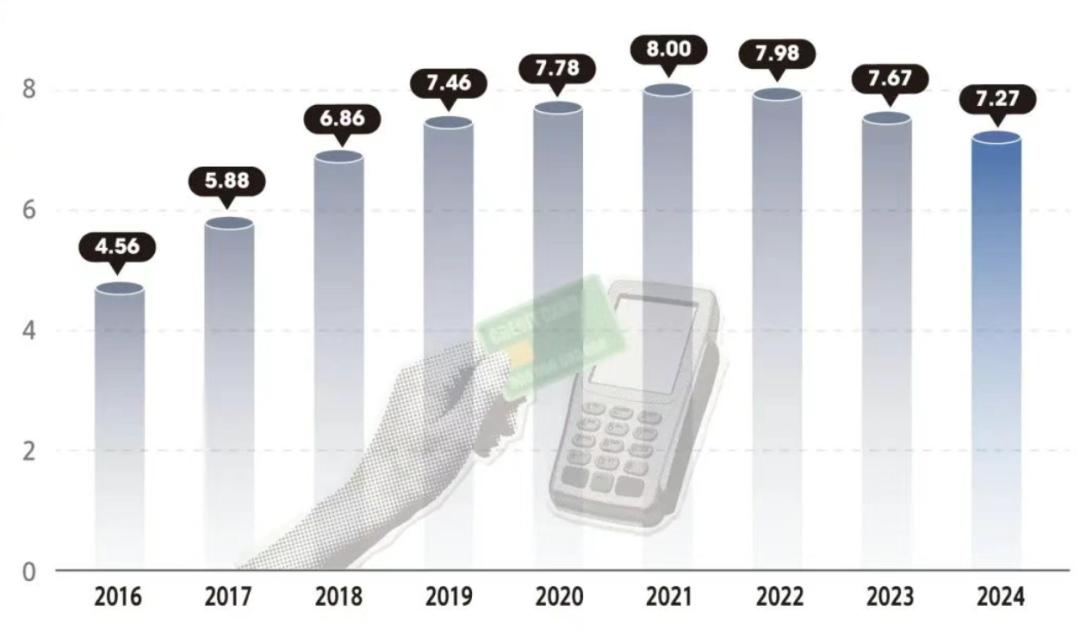
但是,从技术应用创新和金融业务合规性的角度来说,信用卡接入大模型依然存在三大挑战。一是安全应用挑战。信用卡在大模型应用中可能面临数据隐 私泄露、模型漏洞及技术缺陷等安全风险。 例如,为达成更好的模型训练效果,过度采集用户数据可能侵犯用户隐私;算法设置不当导致利率差异性过大,引发消费者歧视;数据污染导致大模型生 成虚假信息;攻击方精心设计提示词,诱导大模型泄露训练数据中的敏感信息;开源大模型可能存在底层框架漏洞等安全性问题,以上均可能引发决策失 误或系统性风险。 信用卡行业作为金融服务核心领域,面临知识孤岛、数据合规与员工效率等三大痛点。传统 NLP 语言模型虽具备强大的语言理解能力,但因缺乏行业专 精知识、实时性不足及数据安全限制,难以直接满足信用卡中心的业务需求。 目前,数智化成为金融行业转型进程中的主要方向,可以预见,大模型技术的兴起将为金融行业新一轮的数字化变革产生促进作用。 信用卡接入大模型的三大挑战 目前,AIGC技术及其应用依然处于早期发展阶段,在信用卡业务合规、技术安全、体验良好的总体框架下,商业银行可组合应用流程嵌入式人工智能、 人工助手型人工智能,积极探索信用卡大模型应用的方向和路径。 图: ...
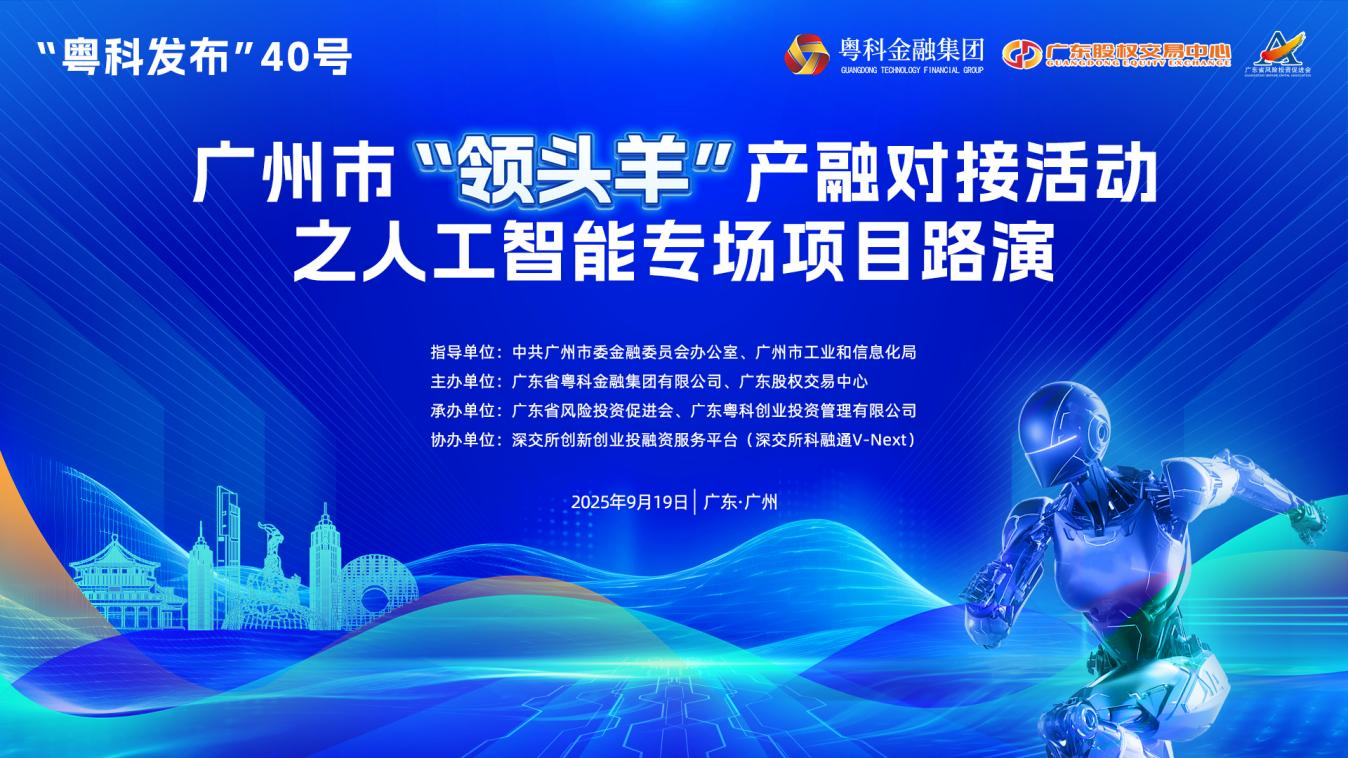
“粤科发布”40号 广州市“领头羊”产融对接活动之人工智能专场成功举办
Zhong Guo Jin Rong Xin Xi Wang· 2025-09-22 02:20
Group 1 - The event "Artificial Intelligence Special Session" was successfully held to accelerate the construction of the "12218" modern industrial system and promote the high-quality development of the AI industry in Guangzhou [1][12] - The event was organized by various governmental and financial institutions, with over 180 participants including government departments, investment institutions, and representatives from AI laboratories and industry associations [3][10] - Keynote speeches were delivered by experts discussing the impact of AI and autonomous driving on urban future and the development of large model technology, highlighting opportunities and challenges [5][12] Group 2 - Eight high-quality AI companies presented at the event, showcasing their innovative technologies and applications across various sectors such as education, healthcare, and robotics [7][10] - The event included a manual with 21 reserve project introductions for further engagement between guests and investment institutions [10] - The Guangzhou capital market financing docking service platform has hosted 28 roadshow events since its launch, covering various industries including intelligent manufacturing and biotechnology [11][12] Group 3 - Guangzhou has identified AI as one of its five key industries, with significant advancements in AI application demonstration zones and public computing power centers [12][13] - The AI industry in Guangzhou has approximately 2,200 related enterprises, with over 25% of them having a scale exceeding 100 million yuan, indicating a robust industrial ecosystem [12] - Future plans include enhancing interactions with investment institutions to attract more investments into Guangzhou, supporting the development of the "12218" modern industrial system [13]
诚邀体验 | 中金点睛数字化投研平台
中金点睛· 2025-09-21 23:54
Core Viewpoint - The article emphasizes the establishment of a digital research platform by CICC, aimed at providing efficient, professional, and accurate research services through the integration of insights from over 30 specialized teams and extensive market coverage [1]. Group 1: Research Services - CICC's digital research platform, "CICC Insight," integrates the wisdom of research analysts and offers a one-stop service for research reports, conference activities, and fundamental databases [1]. - The platform covers over 1,800 individual stocks, providing deep insights and analysis [1]. - Daily updates on research focus and timely article selections are part of the service, enhancing the accessibility of market insights [4]. Group 2: Features and Tools - The platform includes over 3,000 complete research reports covering macroeconomics, industry research, and commodities [9]. - It offers more than 160 industry research frameworks and 40 premium databases, facilitating comprehensive data analysis [10]. - Advanced features such as AI search, intelligent Q&A, and data dashboards are available to enhance user experience [10].