
成本控制

Search documents
立华股份20260112
2026-01-13 01:10
Summary of Li Hua Co., Ltd. Conference Call Company Overview - **Company**: Li Hua Co., Ltd. - **Industry**: Poultry and Swine Farming Key Points 2025 Performance Highlights - **Broiler Chicken Sales**: Increased by 62% in 2025, with slaughter volume doubling to approximately 90 million birds [2][3] - **Pork Production**: The number of pigs slaughtered rose from 1.3 million to 2.1 million, marking a 62% increase [3] - **Profitability**: Despite low prices in the first half of 2025, the company achieved overall profitability due to price recovery starting in August [3] - **Cost Control**: Effective cost management led to only minor losses in the pork segment during some months of the second half of 2025 [3] 2026 Outlook - **Broiler Chicken Growth**: Expected sales growth to slow to 6%-8% in 2026, with increased focus on fresh and processed products to enhance value [2][3] - **Pork Production Plans**: Plans to further increase slaughter volume and improve capacity utilization in 2026 [2][3] Cost Structure - **Broiler Chicken Costs**: The complete cost of raising broiler chickens was 5.5 CNY per pound in the first half of 2025, fluctuating due to feed prices but stabilizing back to 5.5 CNY by December [2][4] - **Pork Production Costs**: Costs for pork production were slightly above 6 CNY per pound in November and December 2025, with a target to reduce costs below 6 CNY by 2027 [5] Market Dynamics - **Industry Trends**: There is a trend of smaller farms exiting the market due to lack of significant growth, while larger companies like Li Hua are expanding their market share [6] - **Cost Advantages**: Li Hua's cost advantages are attributed to effective management across the supply chain, allowing for increased market share [6] Production Metrics - **Swine Production Metrics**: - PSY (Pigs per Sow per Year) reached above 28 - Feed-to-Meat Ratio is approximately 2.56 - Overall survival rate is about 89%, with over 95% for market pigs [7] Cost Reductions - **Weaned Pig Costs**: Costs for weaned pigs have decreased to approximately 270-280 CNY [8] Disease Management - **Epidemic Control**: Minimal impact from sporadic disease outbreaks, with effective management strategies in place [10] Pricing Strategy - **Price Focus**: The company is not overly concerned with market price fluctuations, focusing instead on cost control and operational plans [11] Slaughter Business Contribution - **Profitability of Slaughter Segment**: Losses in the slaughter business are narrowing, with new retail opportunities emerging in major urban areas [12] Capital Expenditure Plans - **Future Investments**: Planned capital expenditures will focus on breeding farms, feed mills, and processing facilities, with an emphasis on core business development [13]

出口退税下的锂电企业“众生相”
高工锂电· 2026-01-12 12:23
Core Viewpoint - The recent adjustment of export tax rebate policies for battery products is expected to significantly impact the lithium battery industry, leading to a surge in production and export activities as companies rush to meet demand before the tax rates decrease [2][3]. Group 1: Industry Response - Upstream companies, particularly leading cathode material manufacturers, are experiencing heightened demand, with some reporting order volumes doubling as they expedite production and delivery schedules [2]. - The adjustment has triggered a "rush to export" among mid and downstream lithium battery companies, aiming to mitigate the impact of reduced tax rebates set to take effect in April 2026 [2][3]. Group 2: Differentiation Among Companies - The policy change is creating a stark divide between leading firms and smaller enterprises, with larger companies benefiting from scale, technological advantages, and global presence, while smaller firms face significant challenges due to their reliance on low-cost competition [3][5]. - Leading battery manufacturers, such as CATL, are showing strong overseas performance, with significant revenue from international markets, while smaller firms struggle with higher costs and lower margins [4][5]. Group 3: Impact on Different Segments - The upstream resource sector is expected to benefit in the short term from increased demand due to the rush to export, while long-term demand for lithium resources remains robust despite short-term price fluctuations [6]. - The midstream materials sector is experiencing a dual pressure of increased orders from downstream but also rising raw material costs, leading to a complex profit landscape [6]. - The downstream battery manufacturing sector is facing significant cost increases due to the reduction in export tax rebates, particularly affecting consumer electronics battery companies with thin margins [7]. Group 4: Policy Background and Logic - The adjustment of export tax rebates is part of a broader strategy to transition the lithium battery industry from subsidy dependence to market-driven competition, reflecting the industry's maturity and global leadership [8]. - The policy aims to alleviate overcapacity and homogenization issues within the industry, as the average profit margin across the lithium battery supply chain has dropped to 3.64% [8]. - The move also seeks to balance international trade relations and optimize fiscal resource allocation, reducing reliance on subsidies while focusing on high-end manufacturing and emerging technologies [8]. Group 5: Future Outlook - The industry is likely to experience a short-term surge in exports alongside a long-term shift towards high-quality development, with companies needing to focus on technological innovation and cost control to navigate the post-rebate landscape [9]. - Firms are encouraged to leverage the current buffer period to enhance their technological capabilities and optimize customer structures to ensure sustainable growth after the tax rebate adjustments [9].



大北农:公司饲料业务的核心在于实现产品结构与市场定位的差异化
Zheng Quan Ri Bao Wang· 2026-01-12 11:41
Group 1 - The core of the company's feed business is to achieve differentiation in product structure and market positioning, while continuously reducing production costs through raw material procurement and technical formula optimization [1] - The company's breeding business focuses on cost control as a core strategy, enhancing operational efficiency and breeding business levels through multiple measures such as breed improvement, biosecurity management, capacity efficiency enhancement, and manufacturing cost control [1]

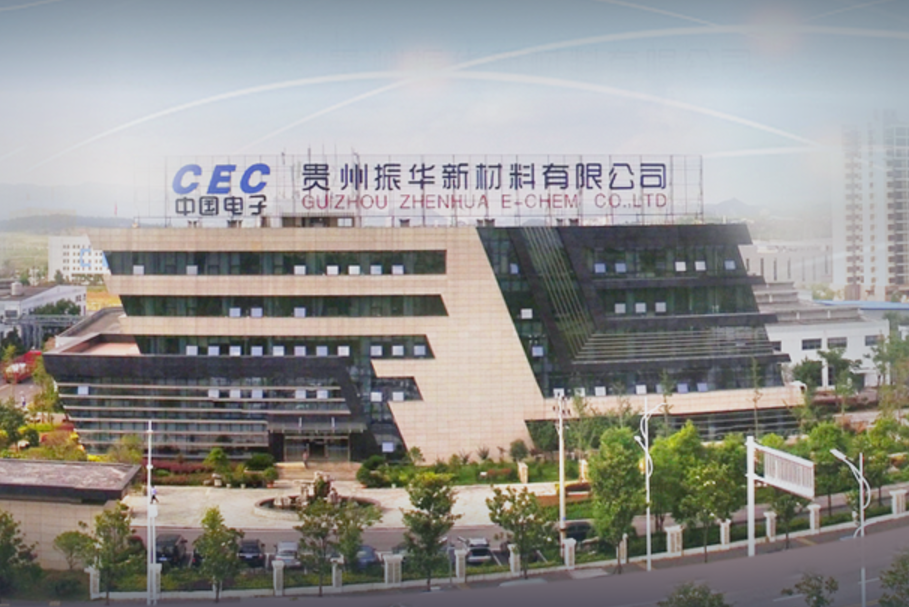
市场需求萎缩,振华新材2025年预亏4亿元-5亿元
Ju Chao Zi Xun· 2026-01-12 03:40
Group 1 - The company expects a net profit attributable to shareholders of the parent company for 2025 to be between -500 million and -400 million yuan, indicating a reduction in losses compared to the previous year by 27.71 million to 127.71 million yuan, with a year-on-year reduction rate of 5.25% to 24.2% [2] - The net profit attributable to shareholders after deducting non-recurring gains and losses is projected to be between -514 million and -414 million yuan, reflecting a decrease in losses of 20.49 million to 120.49 million yuan compared to the previous year, with a year-on-year reduction rate of 3.83% to 22.54% [2] - In 2024, the company's total profit was -630.14 million yuan, with a net profit attributable to shareholders of -527.71 million yuan and a net profit after deducting non-recurring gains and losses of -534.49 million yuan, resulting in an earnings per share of -1.05 yuan [2] Group 2 - The company attributes the losses to a decline in market demand for existing products, while new products have not yet generated bulk orders, leading to low capacity utilization and high fixed costs per unit, which significantly pressures overall profits [3] - The company has increased R&D investment to maintain technological leadership and expand into new markets, covering traditional lithium-ion battery cathode materials as well as sodium-ion battery cathode materials and solid-state battery materials, resulting in a year-on-year increase in R&D expenses [3] - The narrowing of losses in the current year is primarily due to effective cost control measures and a reduction in impairment losses from rising raw material prices [3]

麦格理:升康师傅控股(00322)目标价至15港元 维持“跑赢大市”评级
Zhi Tong Cai Jing· 2026-01-12 02:27
Core Viewpoint - Macquarie maintains an "Outperform" rating for Master Kong (00322), believing that the new management will focus on strict cost management and revenue recovery, leading the company to achieve sustainable growth starting in 2026 [1] Financial Projections - Macquarie has raised its earnings forecasts for Master Kong for 2025, 2026, and 2027 by 2.1%, 2.1%, and 2.0% respectively, based on confidence in strict operating expense control [1] - The target price for Master Kong has been increased from HKD 14.7 to HKD 15, reflecting a 2% upward adjustment, while maintaining a 15x price-to-earnings ratio for 2026 [1] Dividend Expectations - The expected dividend returns for Master Kong are attractive, with dividend yields projected at 7% for 2025 and 8% for 2026 [1] Sales and Profit Outlook - Sales for the second half of 2025 are expected to see a slight year-on-year increase of 0.1%, driven by a 3% growth in instant noodle business, which offsets a 1.5% decline in beverage sales [1] - Operating profit is anticipated to grow by 13.4% year-on-year, primarily benefiting from strict cost control strategies and favorable raw material price trends [1] Market Dynamics - Following the price increase of instant noodle products in July 2024, the low base effect is expected to manifest, leading to positive sales growth for instant noodles in the second half of 2025, with expectations of continuation until the end of the year [1] - Due to declining raw material prices, the gross margin for the second half of 2025 is expected to expand by 0.7 percentage points year-on-year [1]

首华燃气20260109
2026-01-12 01:41
Summary of Shouhua Gas Conference Call Company Overview - **Company**: Shouhua Gas - **Industry**: Natural Gas Production Key Points and Arguments 2025 Performance and 2026 Outlook - Shouhua Gas significantly improved its performance in 2025, reversing the substantial losses of 2024, with natural gas production achieving a historic breakthrough of over 900 million cubic meters, and a daily output exceeding 3 million cubic meters for the first time since its establishment 17 years ago [2][3] - The company anticipates annual production capacity to exceed 1 billion cubic meters in 2026, with a target of around 1.2 billion cubic meters [2][3] Future Production Goals - The company aims for natural gas production to reach 1.4 to 1.5 billion cubic meters by 2027, with long-term goals of 2 to 2.5 billion cubic meters by 2031-2033, contingent on capital expenditure levels [2][4][5] - Resource reserves include 88.7 billion cubic meters of coalbed methane and 120 billion cubic meters of tight gas, indicating substantial growth potential [2][5] Cost Management and Efficiency - The company plans to reduce natural gas production costs by approximately 10% in the new accounting year, targeting costs between 1.2 to 1.0 yuan per cubic meter [2][12] - Cost reductions are attributed to technological advancements, contract optimization, and increased production leading to a dilution effect [2][12] Impact of Tax Policies - The cancellation of the coalbed methane VAT rebate has no significant impact on the company due to high unclaimed VAT credits from previous capital expenditures [2][13] Market Conditions and Pricing - Domestic natural gas prices are expected to remain stable, supported by the import LNG landing price, with limited downside potential [2][14][15] - The company maintains a competitive edge with its wellhead prices compared to the expected costs in eastern coastal regions [14][15] Supply Chain and Partnerships - The primary suppliers include PetroChina Coalbed Methane Company and drilling companies, with revenues already accounting for the share owed to PetroChina [2][10][11] Asset Impairment and Financial Health - The significant losses in 2023 and 2024 were primarily due to asset impairments, including goodwill and contract rights, linked to declining natural gas prices [2][17] - The company expects a stabilization in natural gas prices in 2025, which should reduce future impairment risks [4][17] Future Expansion and Strategic Direction - Shouhua Gas is exploring external growth opportunities in the natural gas and other resource sectors, having previously abandoned an alumina project due to high costs [2][16] - There are potential plans for equity changes to increase control, depending on shareholder agreements [4][18] Production Challenges and Historical Context - The decline in natural gas production from 2019 to 2022 was influenced by risk control measures and underperformance in tight gas development [2][19] - Recent breakthroughs in deep coalbed gas production have led to a doubling of output from late 2024 to early 2025 [19] Long-term Outlook - The company is optimistic about its long-term development, anticipating a combination of production increases, cost reductions, and potential equity enhancements to drive profitability [2][20]

Pandora (OTCPK:PAND.Y) Trading Update Transcript
2026-01-09 13:02
Summary of Conference Call Company Overview - The conference call pertains to Pandora, a jewelry brand, discussing its Q4 trading performance and future outlook [1] Key Points and Arguments Performance Metrics - Q4 organic growth was reported at 4%, leading to a full-year organic growth of 6%, which was below the guidance of 7%-8% [2] - The EBIT margin for Q4 is expected to be around 33.5%, with a full-year EBIT margin landing at approximately 24%, consistent with previous guidance [3][6] - North America experienced a 2% like-for-like growth in Q4, while organic growth was at 8% [3] - Europe showed a stable performance with a like-for-like growth of -1% and organic growth of +2% [4] Market Challenges - The macro environment is described as challenging, impacting consumer behavior and traffic, particularly in North America [2][4] - Consumer confidence in the U.S. reached its lowest since 1960, contributing to a decline in traffic during the holiday period [15] - The accessible market segment faced significant challenges, with overall category performance declining [3][17] Strategic Focus - The company aims to strengthen brand desirability and address high silver prices through new products and materials [9] - There is a focus on re-energizing collections, particularly in mature markets like Italy, where initial efforts have shown promise [18] - The Silverstone cost program is progressing well, helping maintain profitability despite external headwinds [5] Pricing Strategy - Average pricing in the U.S. for Q4 saw a year-over-year increase of around 10%, with a high single-digit average increase throughout the quarter [25] - Future pricing strategies will likely return to a standard model of 1%-2% annual increases, but higher commodity prices may necessitate adjustments [43][44] Future Outlook - The company plans to provide more detailed insights into its commodity exposure and metal strategy in February [50] - There is an emphasis on maintaining marketing investments to support brand strength, with marketing as a percentage of revenue remaining consistent with the prior year [52] Additional Important Information - The EBIT margin in Q4 was lower than the previous year by approximately 100 basis points, attributed to external headwinds from foreign exchange, commodities, and tariffs [6] - The company is currently 75% hedged for 2026 regarding silver prices, which may mitigate some impacts of rising costs [47] - The performance of the Talisman collection has been strong, contributing positively to the brand's growth [78] This summary encapsulates the key points discussed during the conference call, highlighting Pandora's current performance, market challenges, strategic initiatives, and future outlook.
走进福斯特: 在全球光伏胶膜市场上练就竞争力
Di Yi Cai Jing· 2026-01-09 03:33
Core Insights - The global photovoltaic (PV) industry is experiencing rapid growth, with a projected 35.9% year-on-year increase in new installations in 2024, driving demand for photovoltaic encapsulant films [1] - Chinese companies dominate the global photovoltaic encapsulant film market, with Foster holding approximately 50% market share [3] - Foster's strategic focus on innovation and market expansion has enabled it to maintain a strong competitive position in the global market [4] Industry Opportunities and Strategic Focus - Foster's development can be divided into three phases: breakthrough in hot melt film technology, deep integration in the photovoltaic encapsulant film industry, and expansion into semiconductor materials [5] - The company initially focused on hot melt film for textiles before transitioning to EVA encapsulant films for solar cells, successfully breaking foreign monopolies [6][7] - In 2024, Foster's electronic materials revenue reached 720 million yuan, a 38.2% increase, reflecting its diversification strategy [7] Global Operations and Customer-Centric Approach - Foster's global expansion aligns with the overseas growth of downstream photovoltaic component manufacturers, establishing production bases close to major clients [13] - The company has increased its overseas production and sales share of encapsulant films from 3.8% in 2022 to 8.7% in 2024 [13] - Foster emphasizes customized product development to meet evolving customer demands in the photovoltaic sector [14] Cost Control and Competitive Advantage - Foster's gross margin in 2024 was 14.74%, a slight increase from the previous year, showcasing its effective cost control strategies [16] - The company employs a comprehensive cost control ecosystem, optimizing procurement, production, and logistics to maintain cost advantages [16][17] - Digital transformation initiatives have enhanced production efficiency and reduced defect rates, contributing to competitive pricing [16] Summary of Globalization Experience - Foster's multi-sector transformation results from strategic insight and technological innovation, leveraging its early experience in hot melt film technology for advancements in photovoltaic encapsulant films [18] - A customer-centric approach is crucial for successful globalization, with Foster adapting its operations to meet local market needs and enhancing brand presence [18] - Effective cost control through supply chain management and digitalization has positioned Foster favorably against competitors in the global market [18]

首份上市猪企业绩预告出炉:温氏股份预计去年净利润同比下降超4成
Xin Lang Cai Jing· 2026-01-08 13:47
Group 1 - The core viewpoint of the article indicates that due to the decline in prices of pigs and chickens, the company, Wen's Foodstuffs Group, expects a significant drop of over 40% in its net profit attributable to shareholders for the previous year [1] - For the year 2025, the company forecasts a net profit attributable to shareholders between 5 billion to 5.5 billion yuan, representing a year-on-year decrease of 40.73% to 46.12% [1] - The company's Q4 net profit is projected to be between -256 million to 244 million yuan, indicating a notable quarter-on-quarter decline [1] Group 2 - The continuous decline in pig prices is identified as the main factor affecting the company's performance, with the average price dropping from 15.72 yuan/kg to 12.13 yuan/kg over the year [2] - The company sold 40.48 million pigs in 2025, with an average selling price of 13.71 yuan/kg, down 17.95% year-on-year [2] - In the chicken segment, the company sold 1.303 billion chickens, with an average selling price of 11.78 yuan/kg, reflecting a 9.80% year-on-year decrease [2] Group 3 - Looking ahead, industry experts suggest that while supply pressure will remain high in the first half of 2026, pig prices may see a moderate increase by the second half of the year due to previous capacity adjustments [3] - The company has set a target for its average comprehensive cost of pig farming at around 5.9 yuan/kg for 2026, considering potential slight increases in feed raw material prices [3]

悦安新材:公司将继续密切关注大宗商品及金属市场价格走势
Zheng Quan Ri Bao Wang· 2026-01-08 13:13
Core Viewpoint - The company emphasizes the importance of supply chain stability and cost control, actively optimizing its production processes to mitigate raw material market fluctuations [1] Group 1: Supply Chain Management - The company maintains long-term stable relationships with key suppliers and customers, ensuring a steady supply and pricing of carbonyl iron powder based on market demand and cost structure [1] - The pricing of carbonyl iron powder is determined through mutual negotiation, reflecting current market conditions [1] Group 2: Cost Management Strategies - The company employs process upgrades and large-scale production to reduce costs and absorb some of the pressure from rising raw material prices [1] - The company possesses a certain degree of cost transfer capability due to the technical barriers of carbonyl iron powder and the long-term cooperation with customers [1] Group 3: Future Outlook - The company will continue to monitor commodity and metal market price trends, dynamically assessing costs and market changes [1] - The company aims to enhance supply chain collaboration and maintain open and transparent communication with customers to foster a healthy industry chain and win-win cooperation [1]
