生态修复

Search documents
活力中国调研行丨矿山“焕新”后,成了游客眼里的“香饽饽”
Xin Hua Wang· 2025-08-18 00:36
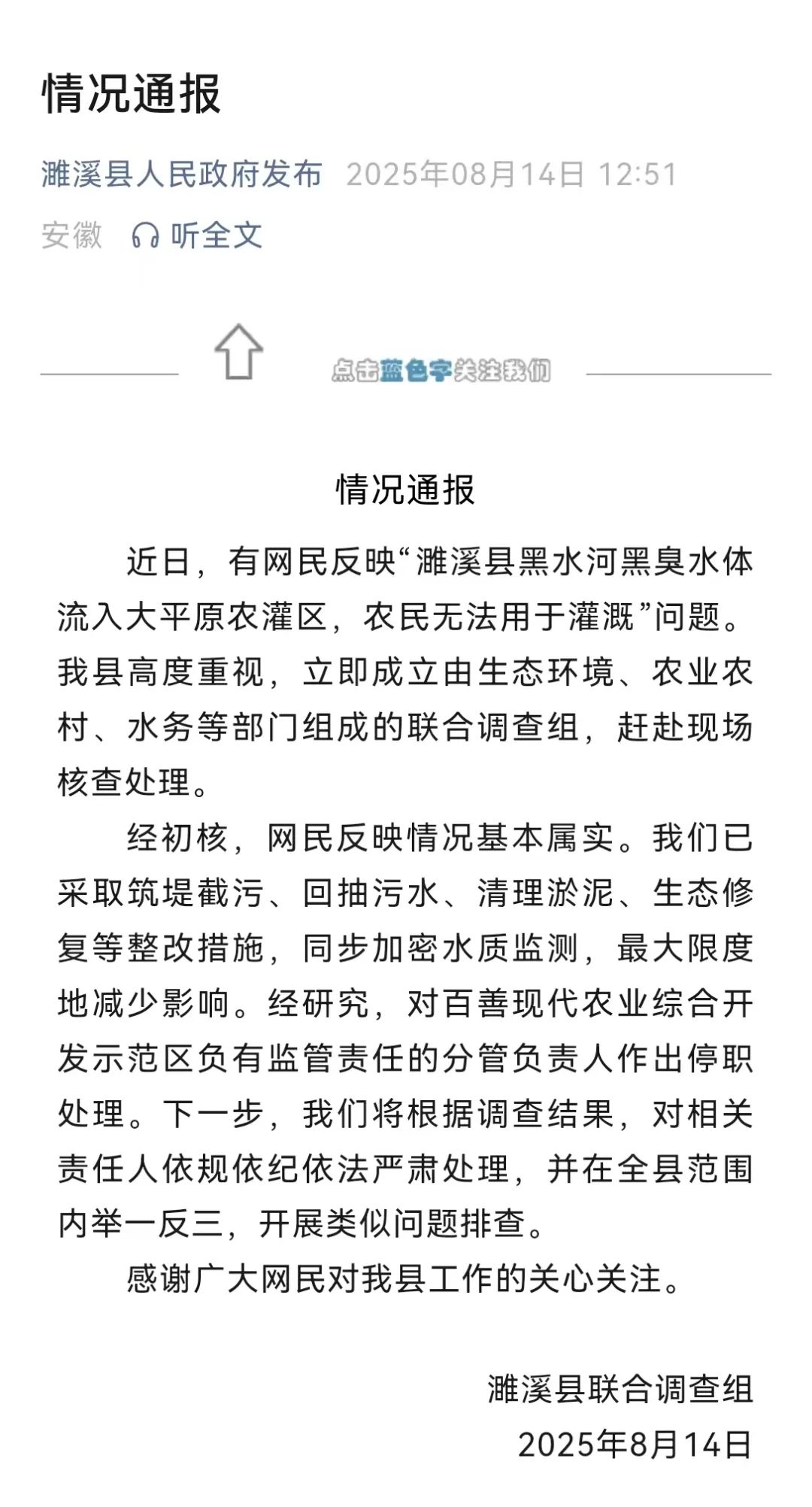
Core Viewpoint - The article highlights the successful transformation of abandoned mining areas in Chongqing into popular tourist destinations through ecological restoration and innovative development strategies [1][2][7]. Group 1: Ecological Restoration - The mining village of Lieshen has undergone significant ecological restoration after closing five gypsum mines, leading to improved environmental conditions and the establishment of a micro-wetland ecosystem [2][6]. - The Chongqing Ecological Environment Bureau reports that a total of 7,025 hectares of historical and closed mines have been restored, showcasing the effectiveness of ecological protection efforts [7]. Group 2: Economic Development - The transformation of the mining areas has led to a surge in tourism, with Lieshen village receiving over 300,000 visitors and generating more than 60 million yuan in tourism revenue in 2024 [2]. - The establishment of businesses such as the "Mine Cafe" and high-quality homestays has created job opportunities for local residents, enhancing their livelihoods [2][6]. Group 3: Community Engagement - Local leaders engaged with residents to address concerns about economic impacts from mine closures, emphasizing the long-term benefits of ecological restoration and tourism development [2][6]. - The community's satisfaction with the improved environment and economic opportunities reflects a successful model of integrating ecological restoration with local development [7].

矿坑“长出”城市公园(家乡的山水能生金)
Ren Min Ri Bao· 2025-08-17 22:01
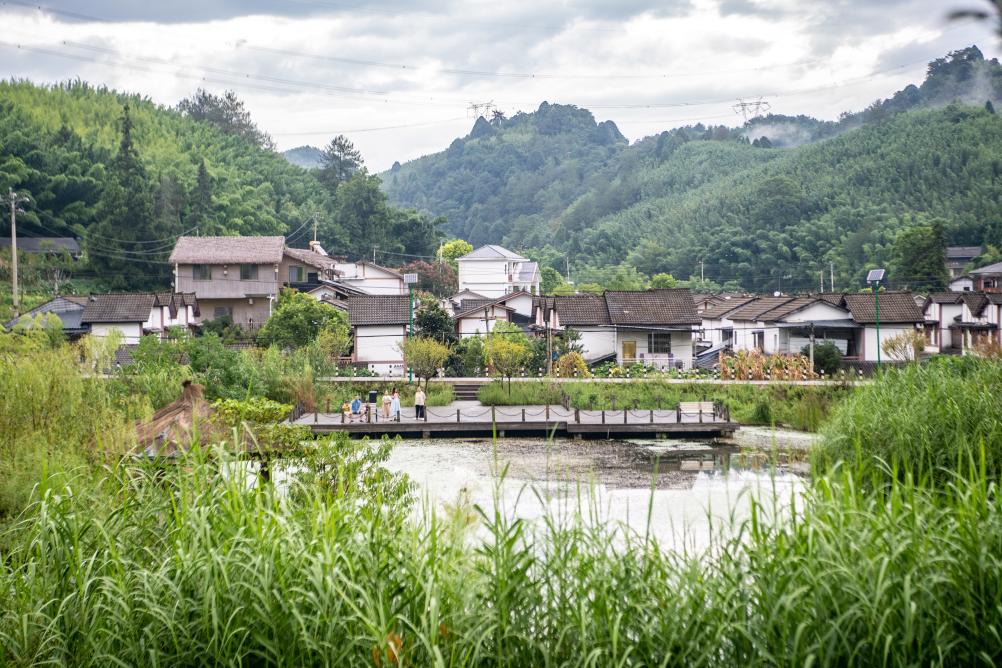
Core Viewpoint - The article discusses the ecological restoration and transformation of the Tangshan quarry site in Nanjing, Jiangsu Province, into a city park, achieving a balance between ecological and economic benefits [1]. Group 1: Ecological Restoration Efforts - Long-term quarrying in Tangshan led to significant environmental damage, including vegetation loss and water pollution, prompting the need for restoration [1]. - The restoration project initiated in 2017 focused on a detailed and careful approach, avoiding large-scale alterations to the mountain structure while ensuring stability [2]. - Specific measures included the removal of 150,000 cubic meters of waste soil and the elevation of the quarry area by an average of 1.5 meters to improve soil conditions [2][3]. Group 2: Water Management and Biodiversity - The project incorporated various water management systems, such as artificial wetlands and ecological ditches, to enhance water conservation and natural purification [3]. - The park features structures made from local plant seeds to restore biodiversity, providing habitats for several species, including nationally protected animals [5]. Group 3: Economic Development and Community Engagement - The park was designed to include commercial activities alongside ecological restoration, featuring restaurants, cafes, and recreational facilities, which have generated significant revenue since its opening [6][7]. - By 2024, the park is projected to generate approximately 16 million yuan in revenue, creating over 300 jobs [7]. - The park has become a popular educational site, attracting local schools for geological studies, thus fostering community engagement and local entrepreneurship [8].
从黄沙漫天到绿意蔓延 卫星瞰四大沙地生态巨变
Yang Shi Xin Wen Ke Hu Duan· 2025-08-17 07:21
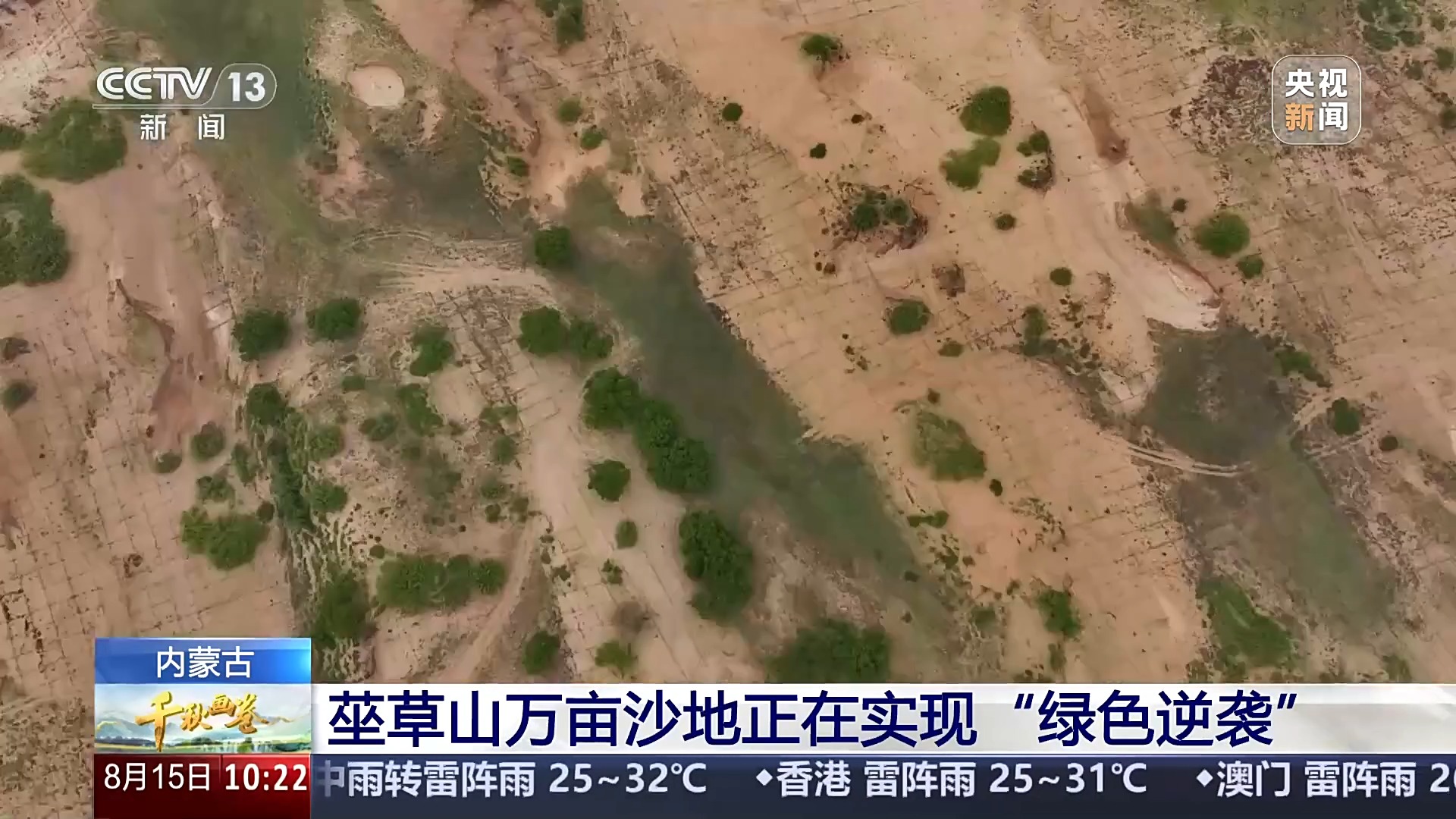
Core Insights - The articles highlight the significant progress in ecological restoration efforts in arid and sandy regions of China, showcasing the transformation from barren landscapes to green ecosystems through technological advancements and dedicated initiatives [1][3][4][6]. Group 1: Ecological Restoration Efforts - The Maowusu Sandy Land in Shaanxi has seen extensive ecological restoration, with 120,000 acres of Chinese fir planted, achieving over 60% vegetation coverage, creating a green ecological barrier [1]. - In the Hunsandake Sandy Land of Inner Mongolia, a comprehensive management initiative was launched, resulting in a checkerboard pattern of grass grids that effectively stabilize shifting sands [3]. - The area in Liaoning Province, previously known for its moving sand dunes, has been transformed with significant vegetation coverage, indicating successful restoration efforts [4]. Group 2: Impact of Restoration Initiatives - In the Chen Barag Banner of Inner Mongolia, an ecological restoration project initiated in 2020 has effectively controlled over 95% of the moving sand area, with vegetation coverage increasing to over 85% [6].
ESG一周丨上交所发布“沪市ESG实践二十年”;广东出台全国首部碳排放配额质押融资系统化司法保障文件
Mei Ri Jing Ji Xin Wen· 2025-08-16 04:48
Group 1: ESG Practices and Reports - The Shanghai Stock Exchange released a report titled "20 Years of ESG Practices in the Shanghai Market," highlighting that over 1,300 companies disclosed ESG reports for 2024, achieving a record disclosure rate of 57% [1] - The Shanghai Huazheng Index Information Service Co., Ltd. published the 2025 ESG series rankings for public funds, aiming to recognize outstanding practices in sustainable investment within the domestic public fund industry [2] - The "2025 Analysis Report on Sustainable Information Disclosure of Listed Companies" was released, emphasizing the need for unified disclosure standards to avoid selective reporting by companies [4] Group 2: Carbon Management and Financing - The Shanghai government announced that from 2028, public institutions such as universities and hospitals with carbon emissions of 10,000 tons or more will be included in carbon quota management, expanding the carbon market's coverage [5][6] - Guangdong Province introduced a judicial guarantee system for carbon emission quota pledge financing, providing a comprehensive framework to support green finance and address legal bottlenecks in carbon asset financing [8] Group 3: Technological Innovations in Energy - Envision Group launched the "AI Super Charging Network," integrating energy storage, charging, AI scheduling, and electricity trading, marking a significant step towards a smart energy ecosystem [7]
从生态“痛点”到滨海“明珠”,广西犀丽湾生态修复成果丰硕
Zhong Guo Huan Jing Bao· 2025-08-15 09:14
Core Insights - The article highlights the successful ecological restoration of Xili Bay in Qinzhou, Guangxi, transforming it from an environmentally degraded area into a thriving tourist destination [1][5] Group 1: Historical Context - Xili Bay, located in Qinzhou, faced severe ecological challenges due to climate change, overdevelopment, and pollution, leading to significant coastal erosion and a decline in marine biodiversity [2][3] - Prior to 2019, the area was characterized by illegal constructions and overfishing, resulting in a drastic reduction of marine life and threatening the livelihoods of local fishermen [2][3] Group 2: Restoration Efforts - Starting in 2019, Qinzhou initiated a systematic ecological restoration project for Xili Bay, focusing on comprehensive management strategies rather than temporary fixes [3][4] - The restoration involved three phases: removal of illegal structures, beach restoration, and the establishment of marine protected areas with artificial reefs [3][4] Group 3: Results and Achievements - By 2022, the restoration efforts led to significant improvements, including a 63.38% increase in coastal erosion protection efficiency and a substantial rise in biodiversity, with the number of marine species recorded increasing from 37 to 89 [4][6] - Xili Bay was recognized as a national AAA-level tourist attraction in 2023, attracting over 800,000 visitors and generating more than 30 million yuan in revenue for local businesses [5][6] Group 4: Socioeconomic Impact - The ecological restoration has not only improved the environment but also created new economic opportunities, allowing former fishermen to transition into tourism-related businesses [5][6] - The integration of ecological protection with tourism has led to the creation of over 100 direct jobs and has indirectly benefited more than 2,000 fishermen through the shift to eco-tourism [6]
青山作答 绿水回响
Xin Hua She· 2025-08-15 05:29
Group 1 - The concept of "Lucid waters and lush mountains are invaluable assets" has been proposed for 20 years, emphasizing the importance of ecological protection alongside economic development [1] - China is accelerating the optimization of industrial structure and promoting a comprehensive green transformation of the economy and society, increasing the proportion of green low-carbon industries in the overall economic volume [1][8] - The achievements of green development in China are globally recognized, showcasing the synergy between economic growth and ecological protection [8] Group 2 - Zhejiang Lishui Qingtian County has a long history of oil tea production, with 306,700 acres of oil tea forest, the largest area in Zhejiang province [3] - In 2024, the total annual output value of the oil tea industry chain in Qingtian County is expected to exceed 900 million yuan, with total forestry output value reaching 7.38 billion yuan, illustrating the effective transformation from "green waters and mountains" to "golden mountains and silver mountains" [3] - The development of wetland-themed cultural tourism in Wuyi County's Tantai Village is driven by ecological restoration and revitalization of idle resources [5] Group 3 - Ningxia is implementing measures such as closing mines and conducting ecological restoration, managing forests, grasslands, wetlands, and deserts in a coordinated manner [7] - The transition from "relying on mountains for sustenance" to "protecting and nurturing the mountains" reflects a comprehensive ecological governance approach [7]
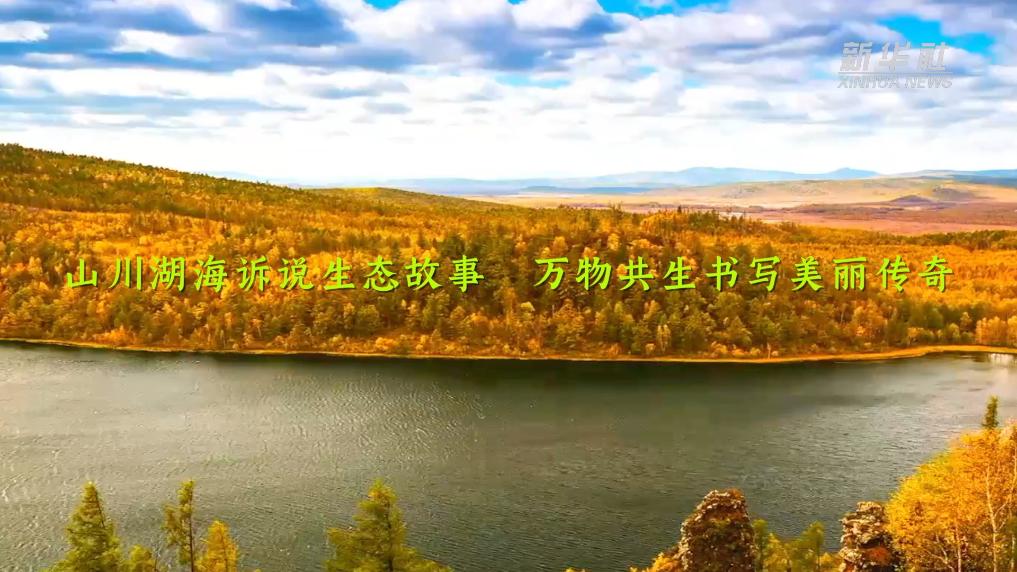
微视频丨青山作答 绿水回响
Xin Hua She· 2025-08-15 04:12
Core Viewpoint - The article emphasizes the synergy between economic development and ecological protection, highlighting China's achievements in green development and the transformative power of the "Lucid waters and lush mountains are invaluable assets" philosophy [9]. Group 1: Green Development Initiatives - China is accelerating the adjustment and optimization of its industrial structure to promote a comprehensive green transformation of the economy and society, increasing the proportion of green and low-carbon industries in the overall economic output [2]. - In Zhejiang's Qingtian County, the oil tea industry, with a production area of 30.67 million mu, is projected to achieve an annual output value of over 900 million yuan in 2024, demonstrating the effective conversion of ecological resources into economic benefits [4]. - Ningxia is implementing measures such as closing mines and conducting ecological restoration to transition from "relying on mountains for sustenance" to "protecting and nurturing the mountains," showcasing a comprehensive approach to ecological governance [6]. Group 2: Ecological Restoration and Tourism - In Wuyi County's Tantai Village, ecological restoration and revitalization of idle resources are being utilized to develop a wetland-themed cultural tourism industry, reflecting the integration of ecological and economic development [7].
渝人治水,重庆“流域智治”筑牢长江上游生态屏障|活力中国调研行
Di Yi Cai Jing· 2025-08-15 03:06
Group 1: Ecological Quality and Water Management - The ecological quality index of Chongqing reached 66.96, which is 11.01 higher than the national annual value, with outbound water quality better than inbound water quality [1] - The Yangtze River, spanning 691 kilometers in Chongqing, is crucial for maintaining ecological balance and is seen as a responsibility for promoting green development in the Yangtze Economic Belt [1] - The management of the drawdown zone in the Three Gorges Reservoir area has been recognized as a global challenge due to its ecological sensitivity and vulnerability to pollution [2][3] Group 2: Restoration and Tourism Development - The drawdown zone has been transformed into a wetland park, attracting 4.22 million visitors in the first half of the year, marking a 48% increase [5] - The ecological restoration efforts include planting over 600 acres of water-tolerant trees with a survival rate exceeding 90%, and creating habitats for various bird species [3][4] - The Hanfeng Lake area has been developed into a national wetland park, contributing significantly to local tourism and economic growth [5] Group 3: Waste Management and Pollution Control - The "Intelligent Management and Cleaning" platform has been implemented in Fengjie County to enhance the efficiency of waste collection in the Yangtze River, with a total area of 70.62 square kilometers requiring cleaning [6][8] - The county has adopted a systematic approach to waste management, including sorting and recycling, which improves the economic viability of waste disposal [9] - The use of advanced monitoring technologies has significantly improved the efficiency of waste management operations, ensuring a cleaner river environment [8][9] Group 4: Geological Safety and Risk Management - There are 431 identified hazardous rock formations in the Chongqing Three Gorges area, with a goal to eliminate these risks by the end of the year [10][12] - A comprehensive monitoring system has been established to ensure the safety of these geological formations, including the installation of 45 smart devices for real-time monitoring [13] - The government aims for a 100% clearance rate of hazardous rock formations, with significant progress already made [13]

北疆逐绿 点石成金
Zhong Guo Neng Yuan Wang· 2025-08-14 08:33
Core Viewpoint - The company emphasizes the integration of ecological protection and economic development, adhering to the principle of "green mountains and clear waters are as valuable as mountains of gold and silver" in its operations [1][3]. Group 1: Green Development Initiatives - The company has significantly increased its clean energy capacity from 465,000 kW in 2012 to 8.33 million kW, with nearly 50% of its installed capacity now from renewable sources [3][4]. - By 2025, the company expects to generate 18.1 billion kWh of clean energy, saving approximately 5.43 million tons of standard coal and reducing CO2 emissions by about 11.48 million tons, equivalent to planting over 62 million mature trees [3][4]. - Major projects like the "Shagehuang" wind and solar base are under construction, expected to provide around 8.934 billion kWh of clean electricity annually, saving 2.8212 million tons of standard coal and reducing CO2 emissions by 7.5391 million tons [4]. Group 2: Circular Economy Innovations - The company has developed a "coal-new energy-electricity-aluminum" circular economy model, effectively converting natural resources into economic benefits [6][7]. - The use of low-quality lignite in power generation has been optimized, with a capacity of 10 million tons per year, providing stable electricity for downstream aluminum production [7]. - By 2025, the proportion of green electricity used in aluminum production is projected to reach 26.7%, significantly reducing carbon emissions [7][8]. Group 3: Ecological Restoration Efforts - The company has invested 1.887 billion yuan in ecological restoration across five open-pit coal mines, restoring 88,600 acres and planting over 14 million trees and 18.06 million shrubs [11][12]. - The vegetation coverage in mining areas has increased from 65% to 90%, with soil erosion control effectiveness reaching 95% [11]. - The transformation of mining sites into eco-tourism attractions has improved local air quality and provided economic benefits to surrounding communities [12].
黑臭水体流入大平原农灌区,农民无法灌溉,安徽一地通报:情况基本属实,相关负责人已停职
Mei Ri Jing Ji Xin Wen· 2025-08-14 08:03
Group 1 - The core issue involves severe pollution in the Heishui River in Suixi County, Anhui Province, affecting agricultural irrigation due to black and odorous water flowing into the Daping Plain irrigation area [1][4] - A joint investigation team was established by local authorities, including departments of ecological environment, agriculture, and water resources, to address the reported pollution [1][4] - Initial investigations confirmed the validity of the complaints, leading to immediate remediation actions such as building dikes to intercept waste, pumping out sewage, and ecological restoration [1][4] Group 2 - The Baishan Modern Agricultural Comprehensive Development Demonstration Zone, established in 2021, is located in Suixi County and focuses on agriculture, food processing, and logistics, covering an area of 102.6054 hectares [4] - The area has 55 enterprises in its food industrial park and 17 large-scale industrial enterprises, indicating a significant agricultural and industrial presence [4] - Local authorities are taking disciplinary actions against responsible officials, including the suspension of the person in charge of the regulatory oversight for the agricultural zone [1][4]