
数字经济

Search documents
【中国青年报】“国之所需 我之所向”
Zhong Guo Qing Nian Bao· 2025-11-27 01:25
Group 1 - The core theme of the forum is the importance of returning to serve the country after studying abroad, emphasizing the connection between personal growth and national development [1][2] - The establishment of strong scientific research centers in China, such as the strong magnetic field science center, showcases the country's advancements in global scientific research [1] - The trend of studying abroad in China has shifted from elitism to a more widespread phenomenon, with returning scholars becoming the majority [3] Group 2 - Scholars emphasize the need for a healthy ecosystem that allows for talent to be attracted back, sent out, retained, and effectively utilized [3] - The role of returning scholars is not only to contribute to individual growth but also to enhance China's global image and assist in national rejuvenation [4] - The integration of international perspectives and local development is crucial for the success of returning scholars in contributing to China's innovation and economic growth [6][7] Group 3 - The digital economy in China has surpassed 50 trillion yuan, becoming a significant driver of new productive forces [7] - There is a strong call for returning scholars to leverage their experiences and skills in the context of China's technological self-reliance and innovation [7] - The current era presents unprecedented opportunities for returning scholars to contribute to various sectors, from technological innovation to rural revitalization [7]
数字“buff”加持!
Xin Lang Cai Jing· 2025-11-27 01:23
Core Insights - The article highlights the digital transformation of private enterprises in Jiaxing, showcasing their significant achievements and the challenges they face in this process [3][4][8]. Group 1: Digital Transformation Achievements - Jiaxing has initiated 1,536 digital transformation projects from January to September this year, driving a technical transformation investment of 48.927 billion [3][5]. - The city ranks first in the province for the digital transformation levels 2.0 and 3.0 among regulated enterprises [3]. - Companies like Zhejiang Qiuwite Fashion Co., Ltd. have reduced sample production time from ten days to three days with AI assistance, significantly improving efficiency [5]. - Jiaxing Huishun Textile Dyeing and Finishing Co., Ltd. has achieved a 20% reduction in water and energy consumption while increasing annual output value by 60 million [5]. - The digital application rate in production management has increased from 61.4% in 2017 to 67.2% in 2023 [6]. Group 2: E-commerce Growth - Jiaxing has actively promoted a model combining "e-commerce platforms and traditional industries," leading to a 35.1% increase in cross-border e-commerce exports, reaching 15.16 billion in 2024 [7]. Group 3: Challenges in Digital Transformation - Many private enterprises face barriers such as lack of funds, talent, and clear planning, with 49.6% of surveyed companies lacking a defined mid-to-long-term digital transformation plan [8][9]. - Over 55.6% of surveyed enterprises express concerns about high costs and long cycles associated with digital transformation [9]. - A significant portion of enterprises (42.7%) do not have dedicated IT personnel, indicating a talent gap in digital transformation [9]. Group 4: Strategies for Overcoming Challenges - Jiaxing is implementing strategies to support small and medium-sized enterprises (SMEs) in their digital transformation, including establishing a government-led fund and promoting collaboration between large and small enterprises [11]. - The city aims to create a digital service platform and provide tax incentives to encourage comprehensive transformation across the supply chain [11]. Group 5: Future Outlook - The integration of digital technology into manufacturing is expected to lead to a more intelligent, green, and integrated modern industrial system in Jiaxing [12].


和君咨询:福建省上市公司发展报告(2025年)
Sou Hu Cai Jing· 2025-11-27 01:16
今天分享的是:和君咨询:福建省上市公司发展报告(2025年) 报告共计:126页 福建省上市公司发展报告(2025年)核心总结 《福建省上市公司发展报告(2025年)》基于"HJ - 18"分析框架,全面剖析了福建省A股上市公司的发展状况,核心内容总结如下: 截至2025年4月30日,福建省共有上市公司228家,其中A股172家,在港交所、纽交所等境外上市56家。A股公司数量占全国3.18%,位列全国第9,但低于 福建GDP全国占比4.31%,且与广东、浙江差距显著,仅为广东的19.52%、浙江的23.8%。上市进程呈纵向加速,但横向仍落后于粤浙,近五年上市加速度 低于A股整体。 区域分布不均,厦门、福州、泉州三地集中了全省81.97%的A股公司,宁德虽仅4家上市公司,但凭借宁德时代位居市值第二。行业上,二产占比突出, 76.2%的上市公司归属二产,电气设备、金属与采矿等行业市值领先,涌现出宁德时代、紫金矿业等龙头企业,但部分优势企业选择境外上市,产业结构未 能完全反映福建经济底蕴。 市值方面,A股总市值36,868亿元,占全国3.78%,头部效应显著,宁德时代一家市值占全省27.65%,头部三强市值占比超五 ...

聚焦区块链等前沿技术 中国青年用AI赋能数字经济
Yang Shi Xin Wen· 2025-11-26 23:40
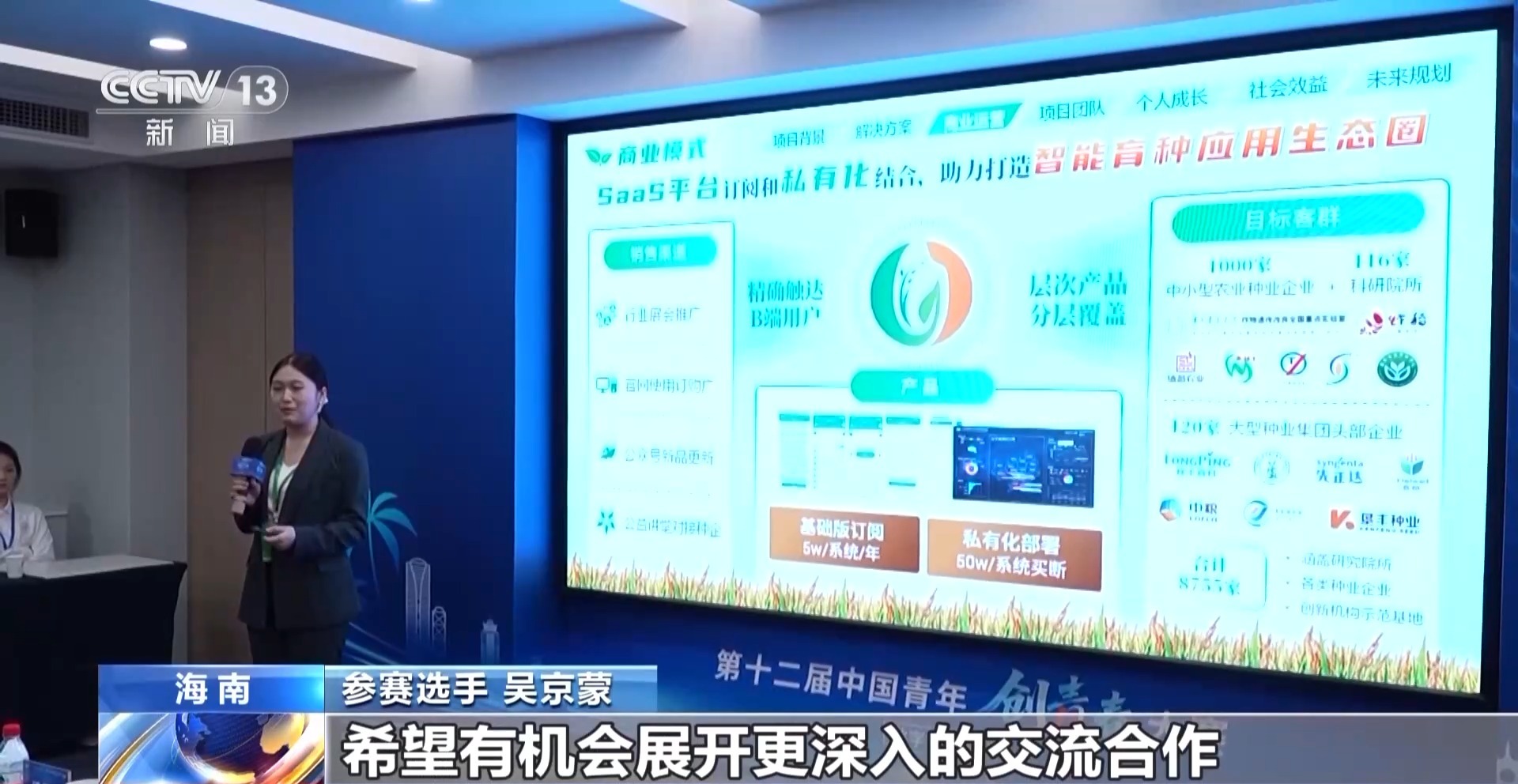
据主办方介绍,赛事期间还举办了创业融资辅导、项目展示交流、资本对接转化、区域人才招引、成果落地孵化等多元配套活动。 中国青年创青春大赛评审组组长袁铭志:此次大赛主旨是在打造一个发现人才、培育项目跟链接产业的一个全新生态。为企业在将来落地的时候,提供政策 的引导性的支持,资金上支持。 (文章来源:央视新闻) 昨天(26日),由共青团中央等部门主办的第十二届中国青年创青春大赛数字经济专项赛在海口举行。 在海口举行的数字经济专项赛现场,选手们聚焦人工智能、区块链等前沿技术,结合产业所需,通过现场答辩、路演等形式,展示新技术、新理念在自动化 绿色养殖、新能源汽车检测、智慧物流等领域的应用。 参赛选手吴京蒙:我们是做传统育种的,进入大学后学习了算法开发,让我看到了用AI来加速传统育种的可能性,希望有机会展开更深入的交流合作。 ...
中国银河证券:深化新供给侧改革 布局“十五五”新机遇
Zhong Guo Zheng Quan Bao· 2025-11-26 22:34
11月26日,以"变局·飞跃"为主题的中国银河证券2026年度投资策略报告会在北京举办。会议汇聚了众 多专家学者、行业领袖与投资界人士,共同展望宏观经济走势,把脉产业变革机遇,探寻未来投资脉 络。 多名与会分析师表示,在"大重构、大变革"的时代背景下,中国经济展现出强劲韧性,新质生产力加速 成长,资本市场正迎来结构性机遇。 在薛军看来,我国资本市场也展现出强大韧性。今年以来,A股市场整体稳中向好,上证指数涨幅超过 15%。我国股市的稳定机制已从"危机应对"转向"主动治理",通过政策协同、制度改革与应急响应的系 统推进,市场内在稳定性显著增强,为服务实体经济筑牢基础。 为构建新发展格局注入金融动能 回顾中国银河证券自身的发展,薛军介绍,作为根植资本市场二十五载的头部券商,公司服务客户超 1800万,托管资产超5万亿元,已发展成为国内分支机构最多、亚洲网络布局最广的投资银行之一。截 至2025年三季度,公司ROE、净利润、营业收入等核心指标均稳居行业前列。 中国银河证券总裁薛军在致辞中表示,当前世界正处在一个"大重构、大变革"的时代。百年变局加速演 进,新一轮科技革命和产业变革加速突破,海外不确定性因素复杂多变。 ...

让数字技术更好造福全人类 汇聚完善全球数字治理的强大合力(专题深思)
Ren Min Ri Bao· 2025-11-26 22:23
Group 1: Core Perspectives - The global digital economy is undergoing profound changes driven by digital technology, which is reshaping productivity and production relations, leading to a new form of economic globalization [1][2] - There are significant challenges associated with digital technology development, including national security and privacy protection, with some countries leveraging their technological advantages to promote hegemony [1][3] - The need for an inclusive and fair global digital governance system is critical to bridging the digital divide between the Global North and South, ensuring equitable and inclusive development [1][4] Group 2: Enhancing Digital Capabilities - Innovations in digital technologies such as AI, big data, cloud computing, and blockchain are expanding human cognitive boundaries and economic activities, becoming key forces in restructuring global resource allocation and competition [2] - China aims to enhance its digital technology capabilities and self-reliance, which will contribute to global digital governance and high-quality development [2] - Digital security is emphasized as a crucial aspect of national security, necessitating robust cybersecurity measures to address emerging risks from rapid technological advancements [2] Group 3: Improving Governance Rules - The global digital economy faces structural contradictions, including unfair governance mechanisms and imbalances in development, with a few large tech companies monopolizing resources [3] - There is an urgent need to establish a fair global digital governance system that reflects the interests of all parties and promotes justice [3] - China supports the UN's role in global digital governance and has proposed several initiatives to contribute to the formulation of governance rules [3] Group 4: Strengthening Cooperation Mechanisms - Digital hegemony poses significant risks, with developed countries using their advantages to suppress developing nations [4] - A multilateral governance framework is essential for the development of the global digital economy, ensuring equal participation in governance regardless of a country's size or wealth [4] - Strengthening cooperation among developing countries in digital economy integration and rule-making is vital to enhance their voice and promote a shared digital future [4]
汇聚完善全球数字治理的强大合力(专题深思)
Ren Min Ri Bao· 2025-11-26 22:21
Group 1: Core Perspectives - The global digital economy is undergoing profound changes driven by digital technology, which is reshaping productivity and production relations, leading to a new type of economic globalization [1] - There are significant challenges associated with digital technology development, including national security and privacy protection, with some countries leveraging their technological advantages to promote hegemony [1] - The need for an inclusive and fair global digital governance system is critical to bridging the digital divide between the Global North and South and achieving equitable development [1] Group 2: Enhancing Digital Capabilities - Innovations in digital technologies such as AI, big data, cloud computing, and blockchain are expanding human cognitive boundaries and economic activities, becoming vital forces in restructuring global resource allocation and competition [2] - China aims to enhance its digital technology capabilities and achieve high-level technological self-reliance to contribute to global digital governance [2] - Digital security is emphasized as a crucial aspect of national security, necessitating robust cybersecurity measures to address emerging risks from rapid technological advancements [2] Group 3: Improving Governance Rules - The global digital economy faces structural contradictions, including unfair governance mechanisms and imbalances in development, with a few large tech companies monopolizing resources [3] - The widening digital divide between developed and developing countries poses significant challenges, necessitating a collaborative approach to establish fair global digital governance rules [3] - China supports the UN's role in global digital governance and has proposed several initiatives to contribute to the formulation of governance rules [3] Group 4: Strengthening Cooperation Mechanisms - Digital hegemony poses significant risks, with developed countries using their advantages to suppress developing nations in the digital economy [4] - A multilateral governance framework that adheres to international law is essential for the development of the global digital economy [4] - Strengthening cooperation among developing countries is crucial to enhance their voice in digital governance and promote a shared digital future [4]
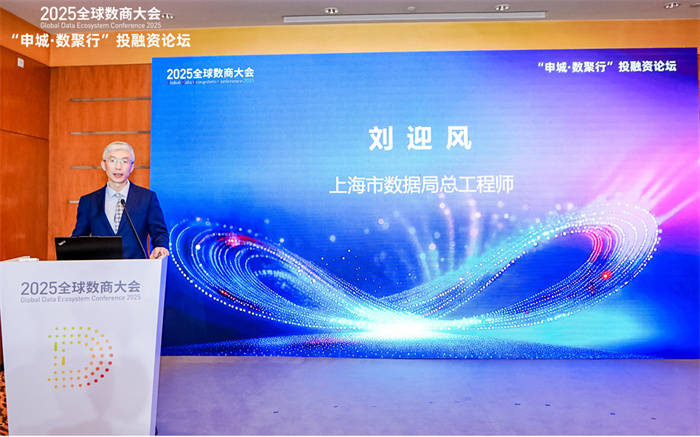
2025全球数商大会“申城·数聚行”投融资论坛举办
Sou Hu Cai Jing· 2025-11-26 22:14
Core Insights - The forum titled "2025 Global Data Business Conference" focuses on the integration of data elements and financial capital to address financing bottlenecks for data-driven enterprises and foster new productive forces in the digital economy [1][3] Group 1: Forum Objectives and Themes - The forum aims to explore replicable and scalable models for the integration of production and finance, contributing to the construction of a data element system in Shanghai and nationwide [1] - The theme of the forum is "Production and Finance Together, Data Chain Future," emphasizing the collaboration between data elements and financial capital [1] Group 2: Government Initiatives - Shanghai's data bureau plans to continuously optimize policy supply, build connection platforms, and enhance service guarantees to support the growth of data-driven enterprises [3] - The city aims to contribute "Shanghai strength" to the development of the national digital economy through open and pragmatic measures [3] Group 3: Expert Discussions - The roundtable discussion focused on identifying the next capital-favored digital economy "gazelle" and "unicorn" enterprises, emphasizing the importance of integrating scenarios, solving real pain points, and establishing sustainable data cycles [5] - Experts highlighted that companies capable of deep integration with practical applications will become the focal point of the next capital chase [5]
深化新供给侧改革布局“十五五”新机遇
Zhong Guo Zheng Quan Bao· 2025-11-26 20:20
Core Insights - The conference themed "Change and Leap" highlighted the resilience of the Chinese economy amidst global restructuring and transformation, with a focus on structural opportunities in the capital market [1][2] - China Galaxy Securities aims to inject financial momentum into the new development pattern, emphasizing the importance of capital markets in the upcoming five years [2][3] Economic Outlook - The chief economist of China Galaxy Securities, Zhang Jun, introduced the "ReNew" framework, predicting a convergence of growth rates between emerging and developed markets, and a rebalancing of the US and Chinese economies [3][4] - Zhang emphasized the importance of new supply-side reforms in 2026, focusing on stabilizing the real estate market, eliminating outdated production capacity, and promoting AI and digital economy development [3][4] Policy and Market Predictions - The macro chief analyst, Zhang Di, forecasted a stable policy environment in 2026, with a fiscal deficit rate of around 4% and special government bonds between 1.3 trillion and 1.5 trillion yuan to support consumption [4] - Zhang also predicted a mild re-inflation with CPI growth around 0.4% and a recovery in PPI, which would positively impact corporate profits and household income expectations [4] Investment Strategy - The strategy chief analyst, Yang Chao, suggested that the A-share market is likely to shift from valuation-driven to profit-driven, with a focus on new quality productivity and manufacturing sector optimization [5][6] - Yang recommended two main investment lines: focusing on key areas such as AI, quantum technology, and new energy, and capitalizing on domestic consumption policies [5][6] Technology Trends - Analysts from China Galaxy Securities discussed the future of the computer industry, predicting a shift towards AI applications and increased domestic computing power penetration [6] - The communication sector is expected to benefit from AI computing power, with a focus on operational efficiency and advancements in quantum technology [6]
推动不动产金融向动产金融转变
Shang Hai Zheng Quan Bao· 2025-11-26 18:26
Core Viewpoint - The article emphasizes the need for China's financial system to transition from real estate finance to movable asset finance during the "15th Five-Year Plan" period, driven by the shift towards innovation-driven economic development and the increasing importance of new factors such as technology, data, and green resources [1][2]. Group 1: Economic Transition and Financial Service Adaptation - The economic development model in China is shifting from traditional factor-driven growth to innovation-driven growth, necessitating a transformation in financial services to accommodate new asset structures [1][4]. - The financial system has faced challenges in serving new asset types, particularly in terms of recognition, pricing, and investment, which need to be addressed in the next reform phase [1][7]. - Financial institutions must enhance their capabilities to recognize, value, and trade new factors and assets, moving towards a service model that supports movable asset finance [2][14]. Group 2: Challenges in Serving New Factors and Assets - The current financial system encounters three main challenges in serving new factors: difficulties in asset recognition, valuation, and investment [7][8]. - New factors like technology and data face significant hurdles in terms of clear ownership and accounting standards, complicating their financial recognition [8][9]. - Valuation of new factors is complicated due to their lack of stable cash flows and market comparables, making traditional valuation methods less effective [10][11]. Group 3: Strategies for Financial Service Improvement - Financial institutions are encouraged to develop a modern financial system that accurately reflects the changes in asset structures due to technological, digital, and green transformations [15][16]. - A multi-dimensional evaluation framework should be established to enhance the valuation and pricing capabilities for new factors and assets [17][18]. - The construction of a unified market for new factors is essential to facilitate the trading and circulation of technology, data, and green assets [19][20]. Group 4: Investment Tools and Financial Products - There is a need to diversify investment tools for movable new factors, encouraging the growth of patient capital and innovative financial products that align with the characteristics of new assets [22][23]. - Financial institutions should innovate their service models to better support the development of new factors, focusing on credit evaluation systems that leverage business data and branch information [24].