产品安全

Search documents
小米汽车工厂内电池产线起火?官方回应
中国能源报· 2025-11-23 03:53
Core Viewpoint - Xiaomi has officially denied rumors regarding a fire incident in its automotive battery production line, clarifying that the event was a minor issue during equipment debugging and did not involve any design or manufacturing defects in the batteries [1][2]. Group 1: Incident Details - The fire incident was caused by an operational error during the manual debugging of production equipment, leading to a minor short circuit in a battery pack [1]. - The fire was quickly extinguished without affecting other production areas or causing any injuries [1]. - Xiaomi emphasized that all battery packs for its automotive models meet high development standards and comply with national battery safety regulations [1]. Group 2: Production Process Insights - In the industrial production sector, initial testing and validation of new production lines and equipment are crucial for identifying and resolving issues before formal production begins [2]. - The company reassured stakeholders that the debugging process does not impact the quality of the final products [2]. - Xiaomi expressed gratitude for the support and supervision from users and the public, urging everyone to refrain from spreading false information [2].


土耳其突然限制:此三类产品禁止以快递方式进口
Mei Ri Shang Bao· 2025-10-29 22:22
Core Insights - Turkey's Ministry of Trade announced new restrictions on imports of certain products from specific retail e-commerce platforms, effective from October 20, 2025 [2] - The regulations prohibit the importation of high-risk footwear, toys, and leather goods through simplified customs procedures [2] - A significant 81% non-compliance rate was found among 182 tested products, with 148 failing to meet safety standards [2] Product Safety Concerns - Toxic substances such as phthalates, lead, cadmium, and polycyclic aromatic hydrocarbons were found in excess of legal limits in footwear, toys, and leather goods [2] - The Ministry's actions are a response to increasing concerns from domestic manufacturers regarding the influence of Chinese products in the Turkish market [2] Market Implications - Domestic producers have expressed worries about the safety and compliance of products supplied by China, labeling them as carcinogenic and unsafe [2]
当人们谈起小米汽车,究竟在讨论什么?
3 6 Ke· 2025-10-22 23:26
Core Viewpoint - The recent traffic accident involving a Xiaomi SU7 Ultra has raised significant concerns about the safety and reliability of Xiaomi's automotive products, particularly regarding the vehicle's door locking mechanism and the company's response to public safety inquiries [1][10][12]. Group 1: Incident Overview - A fatal accident involving a Xiaomi SU7 Ultra occurred on October 13, 2025, with the driver suspected of driving under the influence [1]. - The incident has drawn attention to the recurring issue of the vehicle's doors being unable to open after a collision, which has been a point of concern since a similar incident earlier in the year [10][12]. - Witnesses reported that the vehicle's electronic door locks failed, complicating rescue efforts [10]. Group 2: Company Response and Public Perception - Xiaomi's CEO Lei Jun has focused on addressing "black public relations" rather than responding directly to safety concerns raised by the public [3][4][9]. - The lack of a clear response from Xiaomi regarding the safety issues has led to a decline in public trust and a significant drop in Lei Jun's social media following [3][8]. - Commentary from media outlets suggests that the company's strategy of blaming external factors like black PR may be seen as an evasion of responsibility for legitimate safety concerns [9][10]. Group 3: Safety Concerns and Recalls - The design of the SU7's door locking mechanism has been criticized, with questions raised about potential design flaws that could lead to safety hazards in emergencies [12][13]. - Xiaomi has initiated two recalls in 2025 for the SU7 series due to safety concerns, including issues with the vehicle's advanced driver-assistance systems [15]. - The company has faced scrutiny over whether it was aware of the door locking issues prior to the accidents and why corrective measures were not taken [12][15]. Group 4: Market Impact and Brand Reputation - Following the recent accident, Xiaomi's stock price experienced a significant drop, indicating a loss of investor confidence [16]. - The public's perception of Lei Jun has shifted, with many feeling disappointed by his lack of engagement on critical safety issues [17][18]. - The ongoing safety concerns and recalls have led to a growing distrust among consumers, with some questioning the overall quality and reliability of Xiaomi's automotive offerings [19][28].
被判赔偿约69亿!百年巨头强生深陷致癌罗生门
凤凰网财经· 2025-10-09 13:48
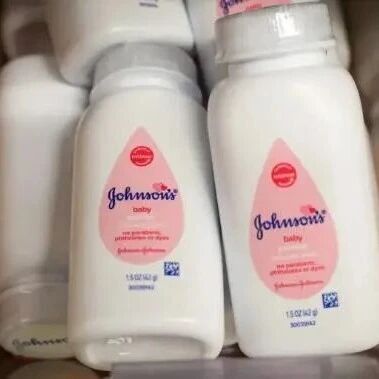
Core Viewpoint - The article discusses the legal challenges faced by Johnson & Johnson (J&J) following a significant court ruling that ordered the company to pay $966 million in damages related to asbestos exposure from its talcum powder products, highlighting the ongoing litigation and public trust issues surrounding the brand [1][4][6]. Group 1: Legal Challenges - The jury ruled that J&J must pay $16 million in compensatory damages and up to $950 million in punitive damages to the family of May Moore, who died from mesothelioma, a cancer linked to asbestos exposure [1][4]. - J&J is currently facing over 67,000 lawsuits from plaintiffs claiming that their use of talcum powder products has led to cancer diagnoses [7]. - In previous cases, J&J has been ordered to pay substantial amounts, including $72 million in 2016 and nearly $4.7 billion in 2018 for similar claims [8]. Group 2: Company Response and Strategy - J&J has consistently maintained that its products are safe and do not contain asbestos, with company officials stating that their talcum powder meets U.S. Pharmacopeia standards [5][9]. - In response to the ongoing litigation, J&J announced plans to stop selling talcum powder globally by 2023, transitioning to a corn starch-based formula instead [9][10]. - Despite the legal issues, J&J reported a revenue of $45.6 billion in the first half of 2025, reflecting a 4.1% year-over-year growth, with significant contributions from its innovative pharmaceuticals and medical technology segments [10][11]. Group 3: Market Presence and Consumer Trust - J&J has a long-standing presence in China, having established its first joint venture in 1985 and expanding its operations significantly since then [13][18]. - The brand has historically been associated with safety in maternal and infant care, but recent controversies have led to consumer skepticism regarding its products [17][18]. - Despite attempts to distance itself from the talcum powder controversy by labeling some products as "0 talc," consumer concerns persist, as evidenced by complaints about product quality and safety [21][22].

康宝莱中国:模式争议与信任危机双重夹击
Jing Ji Guan Cha Bao· 2025-09-26 09:48
Core Insights - Herbalife China is facing multiple controversies including false advertising, refund difficulties, data violations, and product safety issues [1][2] - Consumer complaints on platforms like Black Cat Complaints highlight serious allegations against Herbalife, including claims of misleading recruitment and product ineffectiveness [1] - The company has been previously penalized for illegal direct selling practices, indicating ongoing regulatory challenges [2] Group 1: Consumer Complaints - On September 4, 2025, a consumer accused Herbalife of false recruitment practices, leading to product purchases without refunds, labeling the company as a "pyramid scheme" [1] - Complaints also include adverse health effects experienced after using Herbalife products, such as pain, bloating, headaches, and insomnia [1] - Allegations of inducing consumers to take loans for product purchases have been reported, raising ethical concerns about sales practices [1] Group 2: Data Security Issues - In August 2025, the Shanghai Communications Administration reported that three Herbalife apps violated personal information processing rules, necessitating rectification [1] - This incident highlights vulnerabilities in Herbalife's data governance and compliance with the Personal Information Protection Law [1] Group 3: Product Safety Concerns - In July 2025, Herbalife recalled 5,888 bottles of "Relax Tea" due to incorrect raw materials supplied by a vendor, raising safety concerns among consumers [2] - The ongoing issues with product safety contribute to a growing distrust in the brand [2] Group 4: Regulatory Challenges - Herbalife has a history of regulatory scrutiny, including a significant fine of 5.73 million yuan for illegal direct selling practices in 2018 [2] - The company has been operating in China since 1998 and has received approval to conduct direct selling in over 250 cities, but faces increasing operational and compliance challenges [2] Group 5: Leadership and Strategic Direction - In January 2024, Herbalife appointed Cai Menghong as the General Manager for China, tasked with overseeing market strategy, business development, and sales operations [2] - The effectiveness of this leadership change in addressing the current crises remains to be seen [2]

泰慕士:公司高度重视产品安全
Zheng Quan Ri Bao Wang· 2025-08-18 11:13
Core Viewpoint - The company emphasizes its commitment to product safety through stringent measures and has been recognized as a "Green Factory" in Jiangsu Province [1] Group 1: Product Safety Measures - The company prioritizes the use of dyes certified by the ZDHC organization [1] - All products must pass qualified chemical testing before leaving the factory, ensuring only compliant products are shipped [1] - A comprehensive chemical management system is in place, managed by a professional team overseeing the entire lifecycle of chemicals used [1]
充电宝告别“白菜价”,多花的几十元是智商税还是救命钱?
Sou Hu Cai Jing· 2025-08-16 12:49
Core Viewpoint - The charging treasure industry is undergoing a significant transformation driven by new safety regulations, leading to increased prices and a focus on product quality and safety [3][4][12] Industry Changes - The implementation of 3C certification has become a critical safety threshold, prohibiting the production, import, or sale of non-compliant charging treasures and lithium-ion batteries [4][6] - The new regulations have resulted in the elimination of approximately 30% of low-quality production capacity in the charging treasure industry [6][12] - The cost of compliant battery cells has surged from 1-2 yuan to 40-50 yuan, reflecting the increased focus on safety and quality [7][12] Market Response - Following the announcement of the 3C certification regulations, the prices of charging treasures began to rise, with compliant products now priced between 50 to 100 yuan [9][10] - The market has seen a significant reduction in the availability of non-compliant products, with many low-cost options disappearing from shelves [9][10] - E-commerce platforms have prominently featured the 3C certification label, indicating a shift in consumer purchasing behavior towards safer products [9][10] Consumer Guidance - Consumers are advised to look for the genuine 3C mark, which should be a white background with a black diamond shape directly printed on the product [10] - It is important for consumers to understand the rated capacity in watt-hours (Wh) to avoid purchasing products that cannot be taken on flights [10] - The reasonable price range for compliant 10,000mAh charging treasures is approximately 80 to 130 yuan, with caution advised against both excessively low and high prices [10] Future Outlook - The charging treasure industry is expected to continue evolving towards a healthier and more regulated market, with increased scrutiny from regulatory bodies [12] - Smaller manufacturers face significant pressure due to rising raw material and certification costs, while leading brands are likely to gain market share due to their ability to comply with new regulations [12]
上海制皂产品被指“含苏丹红成分但未作文字标明”!多方回应
Nan Fang Du Shi Bao· 2025-08-05 11:10
Core Viewpoint - The incident involving Shanghai Soap Factory's "Shanghai Medicine Soap" allegedly containing Sudan Red No. 4 has sparked significant public concern and regulatory investigation [1][2]. Group 1: Company Response - The company claims that all products meet national standards and will issue a formal announcement soon [1][2]. - The company has not confirmed whether the controversial ingredient has been consistently added, stating that an investigation is ongoing [1][2]. - The company asserts that the use of CAS numbers for ingredient labeling is compliant with industry standards, and the amounts of added colorants are minimal and not banned in cleansing products [4][5]. Group 2: Regulatory Investigation - The Shanghai Yangpu District Market Supervision Administration is currently investigating the claims and has not yet confirmed the presence of carcinogenic substances in the products [2][3]. - If the investigation finds issues with the products, the administration will require a complete recall [2]. Group 3: Consumer Concerns - Consumers have expressed worries about product safety, particularly regarding the use of Sudan Red No. 4, which is banned in cosmetics [2][3]. - Some consumers argue that the labeling of ingredients using CAS numbers instead of common names is misleading [3][4]. Group 4: Product Composition - Multiple products from the company also feature ingredient lists with letter-number codes, which correspond to various colorants and additives [4]. - The company maintains that these additives are safe and commonly used in the industry, with no current data indicating safety issues [4][5].
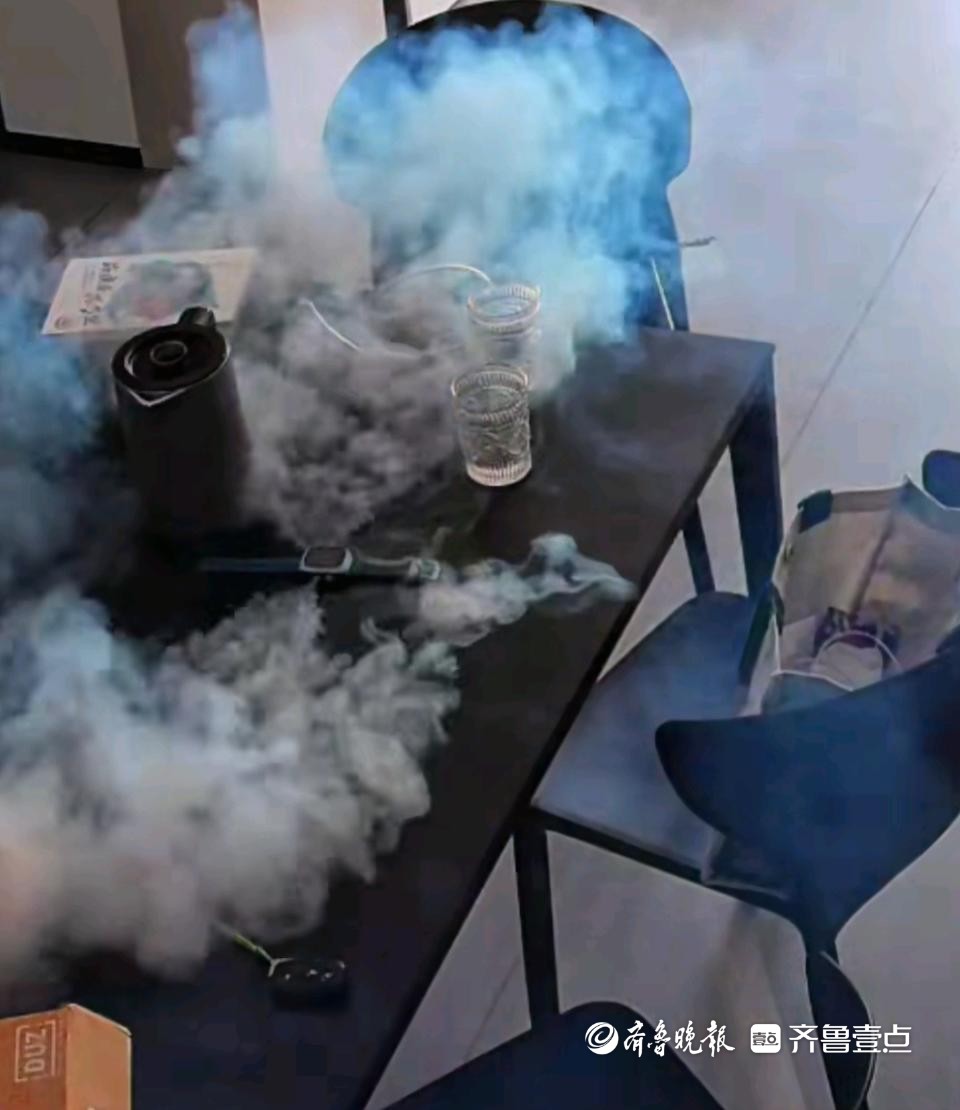
惊险!小米儿童手表静置自燃迸火花,桌面焦痕引安全质疑
Qi Lu Wan Bao· 2025-07-29 08:49
Core Points - A Xiaomi Mitu children's smartwatch reportedly caught fire while sitting on a table, raising safety concerns for the product [1][8] - The incident was captured on surveillance footage, showing the watch suddenly igniting and emitting smoke [1] - The smartwatch was purchased in January 2022, and the owner has not yet taken it for inspection despite being advised to do so by customer service [1][8] Company Information - The Xiaomi Mitu Children's Smartwatch 6C was launched in May 2022 with a retail price of 479 yuan, featuring functions for children's learning and safety positioning [8] - As of the time of reporting, Xiaomi has not provided an official explanation regarding the incident [8]
小米儿童电话手表突然自燃!小米客服回应
Qi Lu Wan Bao Wang· 2025-07-29 06:02
Group 1 - A Xiaomi Mi Bunny children's watch spontaneously ignited on July 28, causing smoke and sparks, but fortunately no injuries occurred [1][3][5] - The incident was reported by a customer who had purchased the watch for 299 yuan in January 2024, and it was used infrequently [5] - The customer expressed concerns about the safety of electronic watches, especially when left charging unattended, highlighting potential risks [5] Group 2 - After the incident, the customer contacted Xiaomi's official customer service, which requested the watch to be sent for inspection, but the customer refused due to concerns over impartiality [5] - Xiaomi's customer service acknowledged the incident but did not provide specific measures or explanations following the report [5]