体重管理

Search documents
2025年度10大营养热词发布
Xin Lang Cai Jing· 2026-01-12 19:03
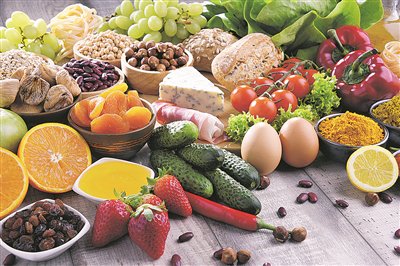
Core Insights - The article discusses the release of the top ten nutrition buzzwords for 2025, reflecting public interest and trends in nutrition and health [2] Group 1: Pre-prepared Meals - "Pre-prepared meals" are defined as factory-processed, pre-packaged dishes, and should be evaluated based on safety and nutritional value rather than labeled as simply "good" or "bad" [3] - Consumer concerns about pre-prepared meals include poor ingredient quality, use of additives, unsatisfactory taste, and low nutritional value, most of which can be addressed through scientific processes and strict management [3] - Consumers are advised to pay attention to ingredient lists and nutritional labels, particularly sodium and fat content, and to complement pre-prepared meals with fresh fruits and quality staples for balanced nutrition [4] Group 2: Anti-inflammatory Diet - Chronic inflammation is linked to various diseases, and public interest has shifted from "beauty and anti-inflammation" to "disease prevention and anti-inflammation" [5] - An anti-inflammatory diet emphasizes the consumption of fresh plant-based foods, healthy fats, and high-antioxidant ingredients while reducing processed foods and certain meats [6] Group 3: Anti-aging - Anti-aging focuses on delaying the aging process and improving quality of life, with a shift towards proactive health management across all age groups [7] - Research indicates that a high-quality diet is associated with reduced risks of functional decline and improved metabolic and cognitive health [7] Group 4: Smart Canteens - Smart canteens utilize information technology to enhance food safety, nutrition management, and operational efficiency, catering to various settings like schools and communities [8] Group 5: Gut Health - Gut microbiota plays a crucial role in health, influencing immune function and chronic inflammation, which can be disrupted by poor diet and lifestyle [9] - A diet rich in dietary fiber and low in processed foods is essential for maintaining a healthy gut microbiome [10] Group 6: Sleep Health - Sleep quality is critical for overall health, with a significant portion of the population experiencing sleep disorders, which can lead to increased inflammation and health risks [11] - Certain foods can aid sleep, while lifestyle changes are necessary for improving sleep quality [11] Group 7: Microplastics - Microplastics are prevalent in the environment and food supply, but their health impacts remain unclear due to a lack of reliable detection methods [12] Group 8: Healthy Aging - Healthy aging emphasizes the importance of nutrition throughout the life cycle to extend healthy life expectancy and reduce disease burden [13] Group 9: Weight Management - Public interest in weight management is increasing, with a focus on maintaining a healthy weight through balanced diets and regular physical activity [14] Group 10: Immunity - The understanding of immunity is evolving, with a focus on maintaining immune homeostasis through balanced nutrition and lifestyle choices [15]

二〇二五年度十大营养热词发布
Ren Min Ri Bao Hai Wai Ban· 2026-01-08 22:55
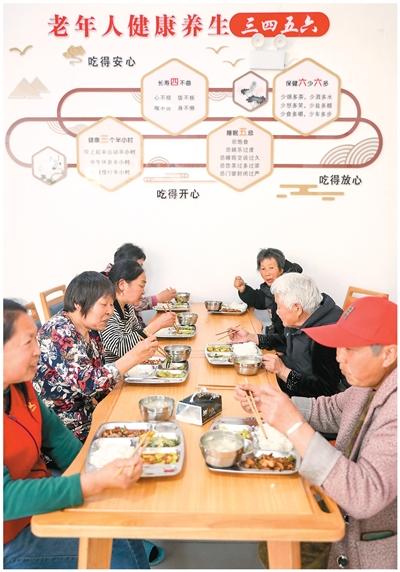
Group 1: Nutrition Trends and Innovations - Sichuan Province is accelerating the construction of rural elderly canteens to provide lunch services for local seniors [2] - In Guizhou Province, students are enjoying free nutritious meals as part of a local initiative [4] - Fujian Province's abalone processing companies are integrating traditional culinary techniques with modern food processing to create various export products [6] Group 2: Pre-prepared Meals - Pre-prepared meals are defined as factory-processed, pre-packaged finished or semi-finished dishes, which should not be labeled as inherently good or bad [9] - Consumer concerns about pre-prepared meals include poor ingredient quality, use of additives, unsatisfactory taste, and low nutritional value, which can be addressed through scientific processes and strict management [10] - Consumers are advised to pay attention to ingredient lists and nutritional labels, particularly sodium and fat content, when selecting pre-prepared meals [10] Group 3: Health and Dietary Trends - Anti-inflammatory diets focus on selecting foods that lower chronic inflammation levels, emphasizing fresh plant-based foods and healthy fats while reducing processed foods [11] - Anti-aging strategies are shifting towards proactive health management across all life stages, emphasizing balanced nutrition to delay functional decline and reduce chronic disease risks [12] - Smart canteens utilize information technology to enhance food safety, nutrition management, and operational efficiency, aligning with industry digital transformation trends [13] Group 4: Gut Health - Gut microbiota plays a crucial role in health, with imbalances linked to various diseases; dietary choices significantly influence gut health [15][16] - A diet rich in dietary fiber and polyphenols supports beneficial gut bacteria, while avoiding processed foods and excessive sugars is essential for maintaining gut health [16] Group 5: Sleep Health - Poor sleep quality is linked to increased inflammation and various health risks, with a significant portion of the population experiencing sleep disorders [17] - Certain foods can aid sleep, while lifestyle changes such as regular sleep patterns and stress management are crucial for improving sleep quality [17] Group 6: Healthy Aging - Healthy aging strategies focus on extending healthy life expectancy and reducing the time spent with illness, emphasizing nutritional interventions [19][20] - The development of senior meal services and smart nutrition technologies is advancing to improve the quality of life for the elderly [20] Group 7: Weight Management - Public interest in scientific weight management is increasing, with a focus on maintaining a healthy weight through balanced diets and regular physical activity [21] Group 8: Immune Health - Understanding of immunity is evolving towards maintaining immune homeostasis, with nutrition playing a vital role in supporting immune function [22]
新研究显示减肥药停用后平均不到两年就会“打回原形”
Yang Shi Xin Wen· 2026-01-08 08:53
Core Insights - A new study led by Oxford University indicates that the effects of weight loss medications diminish within an average of two years after discontinuation, emphasizing the importance of maintaining healthy exercise and dietary habits to sustain weight loss [1][4] Group 1: Study Findings - The analysis involved data from 9,341 participants across 37 studies, all of whom were overweight or obese and used a total of 18 different weight loss drugs, with an average treatment duration of 39 weeks and a follow-up period of 32 weeks post-treatment [1] - Participants experienced an average weight rebound of 0.4 kg per month after stopping the medication, leading to an estimated return to baseline weight in approximately 1.7 years [1] - Health benefits such as reduced blood pressure and cholesterol levels also reverted to pre-treatment levels within an average of 1.4 years after stopping the medication [1] Group 2: GLP-1 Medications - Half of the participants used GLP-1 medications, with 1,776 individuals taking newer, more effective drugs like semaglutide and tirzepatide, which can help individuals lose 15% to 20% of their body weight in the short term [2] - However, many users discontinue these medications within a year due to side effects and high costs, resulting in a faster weight rebound of nearly 0.8 kg per month, with an estimated return to baseline weight in about 1.5 years [2] Group 3: Implications for Healthcare Systems - The findings may influence how healthcare systems evaluate the cost-effectiveness of these medications, as the rebound rate for those using weight loss drugs is higher compared to those who lose weight through diet and exercise [3] - Individuals using non-drug methods take an average of four years to regain weight after stopping their weight loss efforts, likely due to the healthier habits they have developed [3]
2025年体重管理食品消费者洞察报告
Sou Hu Cai Jing· 2026-01-06 07:27
Core Insights - The weight management food market is experiencing explosive growth driven by increasing health awareness among consumers, shifting from aesthetic concerns to long-term health considerations [1][2] Market Overview - Obesity is a global public health challenge, leading to a surge in demand for scientific weight management solutions, with the global market projected to reach several hundred billion dollars by 2027 [2] - The domestic market for functional weight loss foods is nearing 500 billion yuan and continues to grow rapidly, particularly in online sales channels, which have seen several-fold increases in recent years [2][20] Consumer Behavior - Today's consumers are increasingly rational, prioritizing health benefits and ingredient safety when selecting weight management foods, with over 60% considering these factors as primary [3] - There is a shift in consumer focus from short-term results to long-term scientific efficacy, with a growing demand for products that are "additive-free," "low-calorie," and "sugar-free" [3] Product and Brand Dynamics - Weight management has become integrated into daily life, leading to diverse product demands, with female consumers focusing on specific life stages and male consumers emphasizing fitness and taste [4] - E-commerce platforms are the primary purchasing channels, with nearly 40% of consumers preferring to buy as needed, and established brands like Tongrentang and Renhe hold significant trust and recognition [4] Industry Trends - The industry is entering a phase of regulation and innovation, with ongoing improvements in regulatory policies to address issues like illegal additives and exaggerated claims [5] - Future product innovations are expected to expand beyond weight loss to include emotional management, metabolic health, and gut microbiome benefits, leveraging advanced technologies for personalized nutrition [5] Future Outlook - The weight management food market is at a critical juncture, with consumer standards evolving to prioritize safety, scientific backing, and health outcomes, indicating that future market leaders will be those that integrate these elements into their offerings [6]
一个最被低估的减肥小技巧!不挨饿也能瘦,后悔没有早点知道(不跑不跳)
Xin Lang Cai Jing· 2026-01-02 03:04
Core Viewpoint - Increasing water intake can positively impact weight management by reducing overall calorie consumption and enhancing satiety, as supported by multiple studies and systematic reviews [3][4][5]. Group 1: Benefits of Drinking Water for Weight Management - Drinking water does not directly cause weight loss but aids in weight control through various mechanisms [5]. - Replacing sugary beverages with water can lead to a reduction in body mass index (BMI) by an average of 0.31 [2]. - Participants in studies who increased their water intake lost an average of 0.33 kg compared to control groups, with those replacing sugary drinks with water losing up to 0.81 kg [3]. - Additional water intake can enhance weight loss by 44%-100% for overweight and obese adolescents and adults [4]. Group 2: Mechanisms of Action - Water occupies space in the stomach, reducing the intake of other high-calorie beverages [6]. - Drinking water before meals can decrease food intake by 22%, with studies showing that consuming 500 ml of water before meals can lead to a reduction of 74 kcal at breakfast and 60 kcal at lunch [6]. - Adequate hydration is essential for metabolic processes and fat burning, acting as a carrier for nutrients and waste [7]. Group 3: Recommended Water Intake - The latest dietary guidelines suggest that adults in moderate climates should consume at least 1500-1700 ml of water daily, which translates to approximately 6-8 cups [9][10]. - Individual water needs may vary based on activity level and environmental conditions, with adjustments recommended for high temperatures or increased physical activity [10]. Group 4: Healthier Drinking Habits - Prioritizing plain water and unsweetened tea is recommended, while sugary drinks should be minimized [12]. - It is advised to drink water regularly throughout the day rather than waiting until thirsty, especially for older adults who may have reduced sensitivity to thirst [13]. - Special circumstances, such as intense exercise or illness, may require increased water intake, potentially including electrolyte solutions [14].

2025年度消费&商业热词出炉:“超级供应链”入选十大热词
Sou Hu Wang· 2025-12-31 03:55
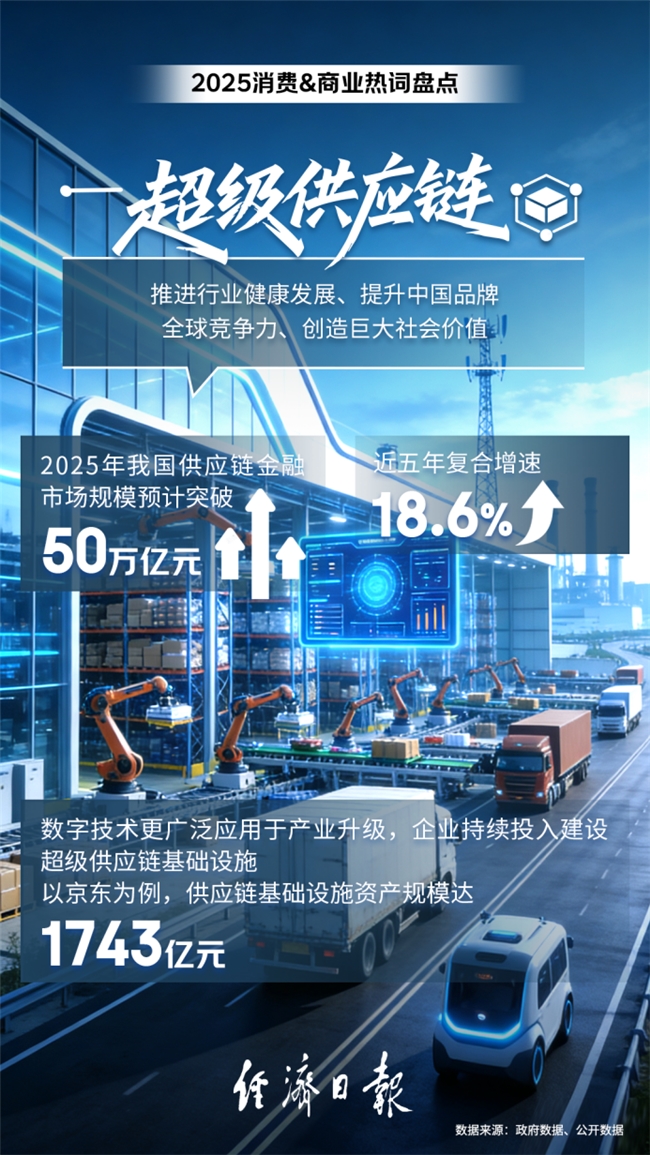
Core Insights - The article outlines ten key consumption and business trends for 2025, including "AI," "robotics," "food delivery wars," "super supply chains," "cultural tourism integration," "weight management," "event economy," "emotional health," "silver economy," and "cross-industry collaboration" [1][5]. Super Supply Chain - The strategic value of supply chains is increasingly recognized, with a reported 5.1% year-on-year growth in national freight turnover in the first half of 2025, indicating improved operational efficiency [3]. - The supply chain finance market in China has surpassed 50 trillion yuan, with a compound annual growth rate of 18.6% from 2019 to 2025, stabilizing the funding chains of over 30 million small and micro enterprises [3]. - Companies like JD.com are investing heavily in supply chain infrastructure, with assets reaching 174.3 billion yuan, showcasing the effectiveness of super supply chains in enhancing efficiency and service optimization [3][4]. AI - AI technology is deeply integrated into industrial upgrades and consumer quality improvements, with a significant increase in AI-related product searches on JD.com, growing over 100 times year-on-year [8][9]. - The government aims for over 70% application rate of new-generation intelligent agents by 2027, driving AI's role in everyday consumer products [8]. Robotics - The robotics industry in China saw a revenue growth of 27.8% in the first half of 2025, maintaining its position as the largest industrial robot application market globally [12]. - The search volume for robotics-related products on JD.com exceeded 80 million, indicating a shift from novelty to practical tools in daily life [12]. Food Delivery Wars - The food delivery market has evolved into a competitive landscape dominated by Meituan, Taobao Flash Purchase, and JD Delivery, with high brand recognition rates [15][16]. - Consumer focus has shifted from price to service quality, delivery speed, and overall experience, prompting platforms to enhance their service capabilities [16]. Cultural Tourism Integration - Cultural tourism is evolving towards immersive experiences, with the market expected to grow from 431.4 billion yuan in 2024 to 697.2 billion yuan by 2027, reflecting a compound annual growth rate of 18.9% [18]. - Consumers are increasingly seeking experiences that connect them with local culture, as evidenced by significant growth in sales of products featuring local cultural elements [18]. Event Economy - The event economy is driving consumption across various sectors, with key events in 2025 generating over 16 billion yuan in consumer spending [21][22]. - The popularity of sports events is fostering a culture of regular participation in physical activities, contributing to a shift towards sustained consumer engagement [22]. Weight Management - Weight management is transitioning from a focus on weight loss to holistic health, with a significant increase in related product searches and sales on JD.com [24]. - The launch of specialized online services for weight management reflects a growing consumer interest in health-oriented solutions [24]. Emotional Health - Emotional health is becoming a mainstream concern, with a surge in demand for psychological services and products, as indicated by a dramatic increase in related searches on JD.com [26][27]. - The government's initiatives to enhance mental health services are contributing to the normalization of emotional health discussions in public discourse [26]. Silver Economy - The silver economy is expanding rapidly, with a reported 76% increase in silver-related products on JD.com from 2020, highlighting the growing market for elder care and lifestyle products [29][30]. - The government is actively promoting initiatives to enhance the quality of life for the elderly, further driving growth in this sector [29]. Cross-Industry Collaboration - Cross-industry collaboration is emerging as a key strategy for innovation, with various IPs collaborating to create new consumer experiences and expand market reach [31][34]. - The integration of cultural heritage and modern consumer demands is fostering new business models that enhance consumer engagement and satisfaction [34].

二〇二五,身心安泰就是福
Ren Min Ri Bao Hai Wai Ban· 2025-12-29 01:09
Group 1: Health Awareness and Lifestyle Changes - Increasing awareness of health has led to more people incorporating proactive health measures into their daily lives, such as regular exercise and balanced nutrition [1] - The "New Chinese Health Preservation" trend is gaining popularity among young people, emphasizing traditional Chinese medicine principles combined with modern lifestyles [7] - The concept of weight management has become a national focus, with initiatives promoting regular monitoring and healthy eating habits [2] Group 2: Policy and Support Initiatives - The government has implemented various policies to enhance public health, including the establishment of a national psychological assistance hotline and the promotion of pain relief during childbirth [1][4] - The "Blood Fee Waiver" initiative aims to simplify the process for blood donors, allowing them to receive fee waivers without needing to visit blood stations [6] - The National Health Commission has set a goal for all tertiary medical institutions to provide pain relief services for childbirth by 2025 [5] Group 3: Mental Health Services - Mental health issues are increasingly recognized as a significant concern, with a focus on providing accessible psychological services across different demographics [3] - The establishment of a national psychological assistance hotline has facilitated over 70,000 calls and nearly 10,000 crisis interventions [3] Group 4: Technological Integration in Health - AI health applications are becoming more prevalent, offering users immediate health advice and guidance through mobile platforms [8] - The integration of AI in health services aims to make professional health support accessible to everyone, enhancing the overall health management experience [9]
二〇二五,身心安泰就是福(年终盘点)
Ren Min Ri Bao Hai Wai Ban· 2025-12-28 22:48
Group 1: Health Trends and Initiatives - The concept of "proactive health" is increasingly integrated into daily life, with more individuals focusing on regular exercise, weight management, and nutrition [5][7] - The "Weight Management Year" initiative is gaining traction, promoting tools like scales and waist measurement devices as household essentials, and encouraging healthy eating habits among the youth [8] - Mental health services are becoming more accessible, with the establishment of a national psychological assistance hotline and numerous mental health awareness events [9] Group 2: Maternal Health and Pain Management - The promotion of painless childbirth, known as "epidural analgesia," is being accelerated, with a goal for all tertiary hospitals to provide this service by 2025 [10][11] - The overall prevalence of painless childbirth in China was only 30% as of the end of 2022, indicating room for growth in this area [10] Group 3: Blood Donation and Cost Reduction - A new policy allows blood donors to process fee waivers without needing to visit blood donation centers, streamlining the process significantly [12] - The establishment of a national database for blood donors facilitates easier access to fee waivers across different regions [12] Group 4: Traditional Chinese Medicine and Health Applications - "New Chinese health practices" are becoming popular among young people, integrating traditional Chinese medicine with modern lifestyles [13] - AI health applications are increasingly prevalent, providing users with immediate health advice and support through mobile technology [14]

速递|台湾康霈CBL-514局部减脂新药迈向美国FDA二期临床,加速与GLP-1减重药联合布局
GLP1减重宝典· 2025-12-27 03:28
Core Viewpoint - The article discusses the rapid growth of the global weight management market driven by GLP-1 receptor agonists and introduces Caliway Biopharma's innovative drug CBL-514, which aims to address long-term weight management issues and fat accumulation after discontinuation of existing treatments [6][9]. Group 1: CBL-514 Development and Clinical Trials - Caliway Biopharma has submitted an IND application for CBL-514 to the FDA for weight management, marking its entry into international clinical trials [6]. - The Phase 2 trial (CBL-0201WR) will recruit approximately 120 participants with a BMI over 30 or over 27 with comorbidities, focusing on efficacy and safety [8]. - The trial will measure changes in abdominal subcutaneous fat volume, weight, and body composition using MRI and DEXA, ensuring objective and reliable results [8]. Group 2: Mechanism and Efficacy of CBL-514 - CBL-514 operates differently from existing GLP-1 receptor agonists by inducing apoptosis in fat cells, directly reducing fat quantity and promoting fat metabolism [8][9]. - Preclinical studies indicate that CBL-514 improves fat composition and enhances weight maintenance, whether used alone or in combination with GLP-1 receptor agonists [8][9]. - The drug has shown excellent efficacy and safety in reducing subcutaneous fat and managing weight, with 544 participants involved in clinical trials to date [9]. Group 3: Market Position and Future Prospects - The approval of CBL-514's IND signifies a new phase for Caliway in the global weight management sector, potentially providing a competitive advantage amid rising obesity rates [9][10]. - The combination therapy with GLP-1 receptor agonists addresses the challenges of long-term weight management and fat rebound, paving the way for innovative drug development in the weight loss market [9][10]. - Caliway aims to position itself as a leader in the global weight management market while showcasing Taiwan's capabilities in innovative drug development [10].

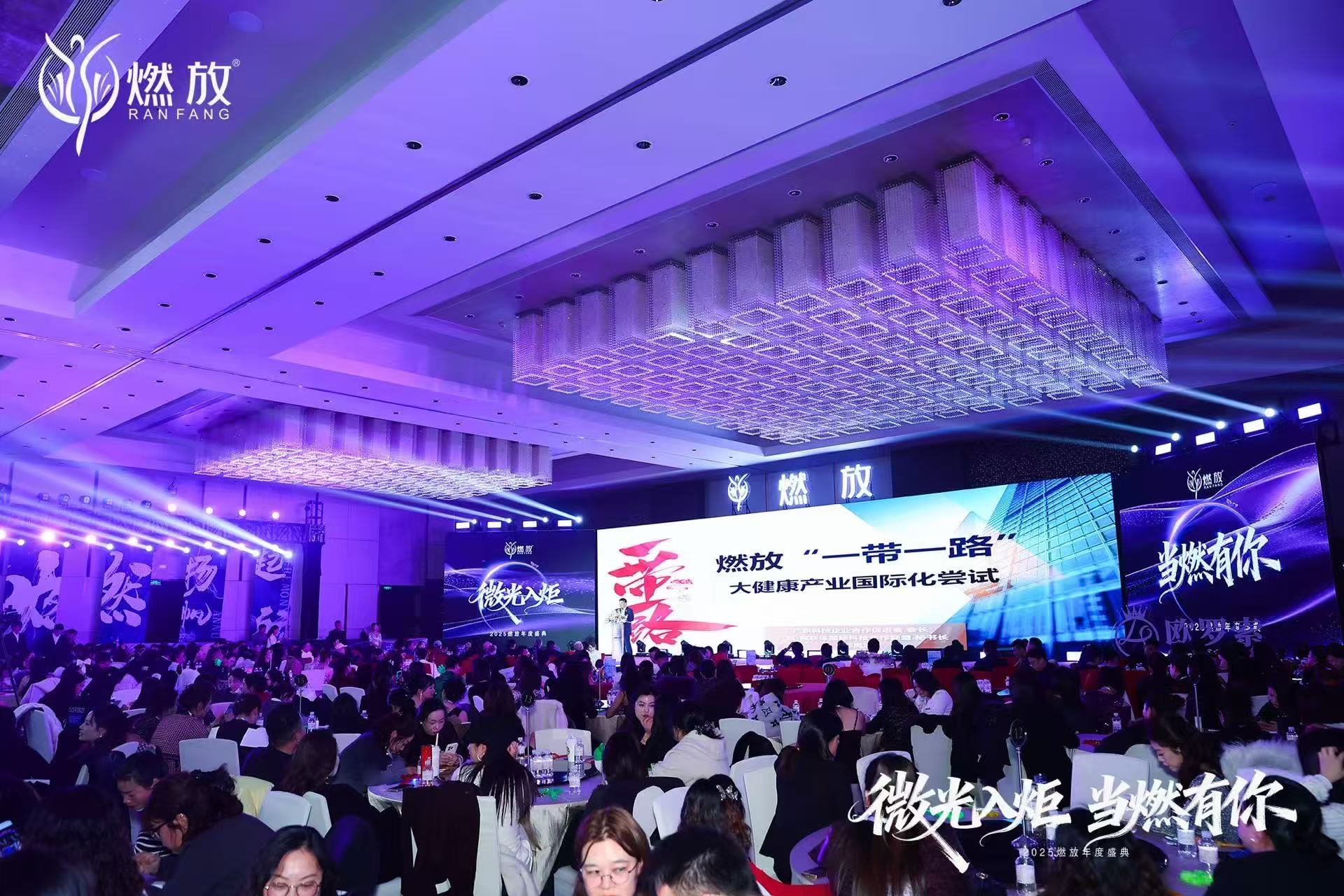
“体重管理”走出国门,科技引擎驱动健康服务“扬帆出海”
Xin Lang Cai Jing· 2025-12-23 09:49
Group 1 - The core viewpoint emphasizes the difference between China's health management approach and that of Western countries, highlighting China's government-led initiatives aimed at providing health services and education for the public [1][3] - Bryzgalin Andriy has been appointed as a senior advisor for the newly established Ranfang International Health Industry Innovation Research Institute, suggesting a focus on patent protection, technological innovation, and international research collaboration in the health sector [3] - The National Health Commission of China has stressed the importance of chronic disease prevention and scientific weight management, with the "Healthy China 2030" plan aiming to significantly slow the growth of overweight and obese populations by 2030 [3] Group 2 - Ranfang Health is targeting the trend of scientific weight management services and has completed trademark registrations in 37 countries and regions, including the US, EU, and Southeast Asia, laying a solid foundation for its international expansion by 2026 [3] - The founder of Ranfang Health, Xue Ning, stated that the company will continue to adhere to a "technology-driven, service-deepening" development path, believing that health is the most valuable asset for individuals [3]