农业智能化

Search documents
稻谷黄、果飘香 广袤田野“智”绘秋日好“丰”光
Yang Shi Wang· 2025-10-28 04:28
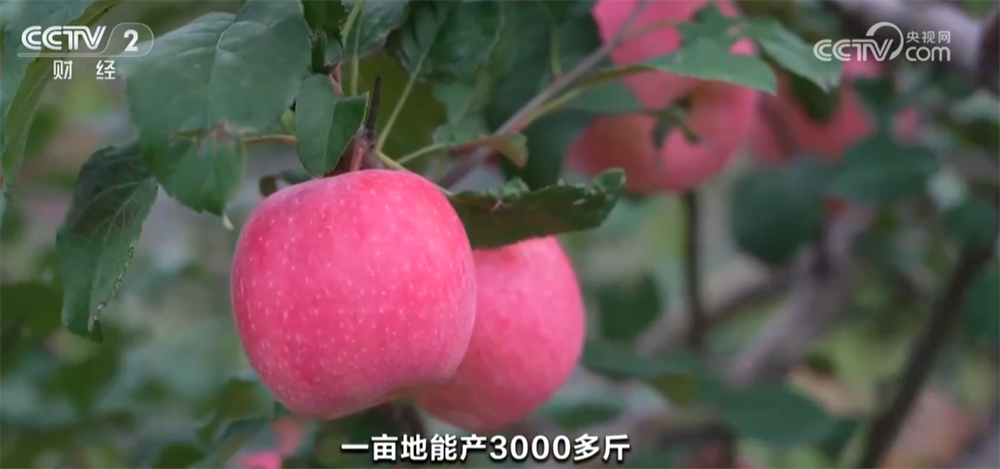
Group 1: Agricultural Production Updates - The northeastern, southwestern, and northwestern major grain-producing areas have harvested over 85% of their autumn grain, while the Huang-Huai-Hai region has also surpassed 80% [1] - The Yangtze River middle and lower reaches have completed 75% of their autumn grain harvest [1] - Winter wheat sowing has begun across the country, with over 10% completed nationally, and the Huang-Huai-Hai region has started sowing while the northwestern wheat area has exceeded 70% [1] Group 2: Apple Industry in Shanxi - Shanxi's Ruicheng County has 203,000 acres of apples entering the harvest season, with high-quality development supported by new varieties and smart management [2] - The apple yield per acre is reported to be over 3,000 pounds, with pre-orders at over 3 yuan per pound [4] - The county has established a smart sorting center and large cold storage facilities, achieving automated cleaning, drying, and sorting of apples [6] - The processing capacity has doubled to 100,000 pounds per day [7] - The apple planting area remains stable at over 203,000 acres, with an annual output of 321,000 tons and a production value of 1.51 billion yuan [7] Group 3: Giant Rice in Jiangxi - The "giant rice" variety has successfully completed its first harvest in Jiangxi's De'an County, with plants exceeding 1.8 meters in height [8] - The yield of giant rice is significantly higher than that of ordinary rice, with each ear containing 360-500 grains compared to 150-200 grains for regular rice, resulting in an output of 1,600-2,000 pounds per acre [10] - The straw from giant rice can also be utilized, providing an additional income stream, with an estimated straw yield of 5 tons per acre valued at around 400 yuan per ton [12][14]

全球农业机器人龙头极飞科技递表港交所,产品+技术+渠道重塑农业管理范式
Ge Long Hui· 2025-10-16 00:59
Core Insights - The article highlights the challenges faced by China's agriculture sector due to urbanization and an aging rural population, leading to a significant decline in rural workforce and an increase in the aging rate [1] - The global trend of labor shortage in agriculture is driving the adoption of agricultural robotics, presenting new growth opportunities for agri-tech companies [1] - The company XAG Technology is positioned as a leader in the agricultural robotics market, particularly in the post-planting management segment, which has low mechanization rates [1][3] Industry Overview - China's rural population is projected to decrease from 510 million in 2020 to 460 million by 2024, with an aging rate rising from 17.7% to 18.7% during the same period [1] - The mechanization rates for tillage, sowing, and harvesting in China are expected to reach 87%, 65%, and 70% respectively by 2024, while the post-planting management mechanization is only at 12% [1] - The OECD forecasts a 2.0% annual decline in agricultural workforce among its member countries from 2020 to 2030, indicating a global trend towards automation in agriculture [1] Company Positioning - XAG Technology has achieved a revenue growth of 73.40% year-on-year, reaching 1.066 billion yuan in 2024, and holds a market share of 10.7% globally and 18.0% in China [3] - The company has developed a comprehensive smart agricultural ecosystem, integrating aerial and ground robotics, IoT systems, and mobile applications for remote management [3][4] - XAG's innovation is supported by a robust supply chain and a strong technical foundation, with over 420 R&D personnel and more than 2,600 patents [4] Market Strategy - XAG has established a "knowledge-intensive network" to penetrate the fragmented farmer market, utilizing a dealer system for sales, training, and maintenance [6] - The company has built a dealer network covering over 900 counties in China, enhancing market reach and service capabilities [6][7] - XAG's international expansion is supported by partnerships with major organizations, allowing for a broad market presence across nearly 60 countries [7] Future Outlook - The upcoming IPO in Hong Kong is expected to provide XAG with new capital and industry momentum, positioning the company for a new growth phase as demand for agricultural automation continues to rise [8]

山地农业“飞”起来 !贵阳贵安依托低空经济赋能“三农”高质量发展
Jing Ji Guan Cha Bao· 2025-10-04 03:59
Core Insights - The integration of drone technology in agriculture is significantly enhancing efficiency and reducing costs in mountainous regions, particularly in Guiyang and Gui'an [1][2][3] - Drones are transforming agricultural practices from traditional methods to data-driven decision-making, marking a shift towards smart agriculture [1] - The demand for drone services in rural areas is increasing, leading to a shortage of qualified drone operators [3] Group 1: Agricultural Efficiency - Drones have improved operational efficiency in agricultural tasks, such as pesticide application, with efficiency increasing by 20% and pesticide usage decreasing by 20% [1] - The transportation of perishable goods like peaches and kiwis has seen a cost reduction of over 50% due to drone delivery, which also minimizes product damage [2] - The use of drones has reduced the loss rate of products, such as the cracking rate of watermelons from 15% to 3% [2] Group 2: Data-Driven Agriculture - The implementation of a monitoring system in fields allows for real-time data collection on environmental conditions, which aids in risk prediction and management [1] - The transition from experience-based management to data-driven decision-making signifies a major advancement in agricultural practices [1] Group 3: Industry Growth and Training - The establishment of cooperative networks utilizing drones for agricultural services is expanding, with significant transportation volumes reported [3] - There is a growing interest in drone operation training, with nearly 800 participants in recent training sessions, indicating a strong demand for new technology in rural areas [3]
极飞科技冲刺港交所:全球第二大农业无人飞机企业,2024年营收超10亿元
IPO早知道· 2025-09-25 14:04
Core Viewpoint - The article discusses the rapid development of the agricultural drone industry in China, highlighting the significant role of XAG Technology Co., Ltd. in this growth and its upcoming IPO on the Hong Kong Stock Exchange [3][4]. Group 1: Company Overview - XAG Technology was founded in 2007, focusing on integrating renewable energy, automation, and robotics into agricultural management [3]. - The company has developed a range of agricultural robots, including electric multi-rotor drones, agricultural unmanned vehicles, and IoT products for smart farming, covering various agricultural processes [3][4]. Group 2: Market Position - China is the first country to apply drones on a large scale in agriculture, with XAG Technology ranking second in the global agricultural robot and drone market with market shares of 10.7% and 17.1% respectively in 2024 [5]. - As of June 30, 2025, XAG's dealer network covers over 900 counties in China and extends to nearly 60 countries, establishing a strong international presence [5]. Group 3: Financial Performance - XAG's revenue from 2022 to 2024 was 605 million, 614 million, and 1.066 billion yuan, with a revenue increase from 730 million to 745 million yuan in the first half of 2025 [6]. - The company's gross margin improved from 17.9% in 2022 to 34.3% in the first half of 2025, indicating enhanced profitability [6]. - XAG achieved a net profit of 72 million yuan in 2024, with a 50.56% increase in adjusted net profit to 134 million yuan in the first half of 2025 [6]. Group 4: Future Plans - The funds raised from the IPO will primarily be used for R&D of agricultural robots, expanding global sales and service networks, establishing a new headquarters, and general corporate purposes [6].
从丰收节看中国农业转型升级
经济观察报· 2025-09-24 15:11
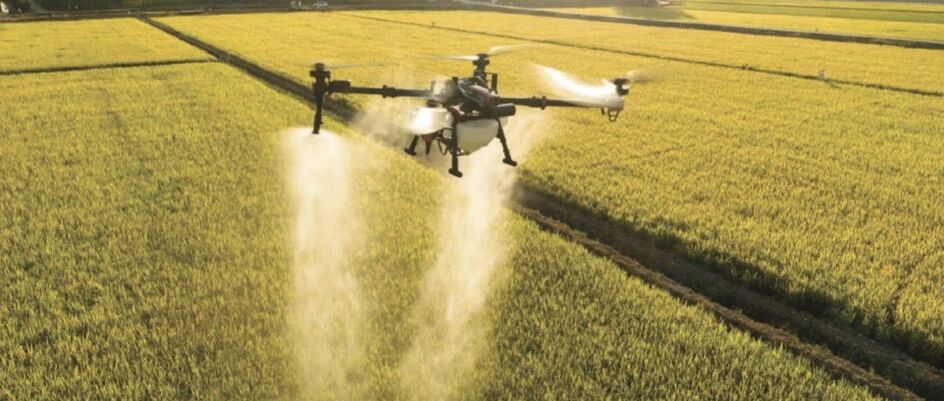
Core Viewpoint - The Harvest Festival serves not only as a celebration of agricultural abundance but also as a crucial opportunity to promote the integration of the entire agricultural industry chain, facilitate production and sales connections, and invigorate rural vitality through resource sharing and technological collaboration, ultimately aiding China's agriculture in achieving high-quality and sustainable development [2][3]. Agricultural Achievements - The 2024 grain production in China is projected to exceed 1.4 trillion jin, an increase of 74 billion jin compared to 2020, ensuring food security for 1.4 billion people [2]. - The per capita grain availability in China has reached 500 kg, achieving basic self-sufficiency in grains and absolute safety in staple food [2]. Industry Transformation - The concept of "harvest" has evolved beyond mere yield to encompass value-added production through high-quality seeds and deep processing, emphasizing a shift from scale-based growth to value-based development [3]. - The transformation reflects an increase in farmers' income and the resilience of the agricultural industry [3]. Seed Industry Innovations - The seed industry is undergoing a "seed revolution," with advancements in both plant and animal breeding, such as the domestically bred "Guangming No. 2" white feather chicken, which has broken the reliance on imported breeds [6][7]. - The "Guangming No. 2" chicken can reach a weight of 3 kg in 42 days, showcasing superior performance compared to imported varieties [7]. Deep Processing and Value Addition - Companies are focusing on deep processing to stabilize income and enhance the value of agricultural products, as seen with the Yantai Boshida Group's apple products [10]. - The comprehensive utilization of products, such as the processing of "Chinese First Pomelo" into juice and essential oils, has significantly increased the economic returns for farmers [11]. E-commerce and Modernization - The integration of e-commerce with agriculture is evident, with the national agricultural product online retail sales expected to exceed 630 billion yuan in 2024, reflecting a 15.8% year-on-year growth [12]. - The deep processing of agricultural products has transitioned from isolated efforts to collective development, with major agricultural provinces forming billion-level processing clusters [12]. Smart Agriculture - The introduction of modern agricultural machinery, such as the DJI T100 agricultural drone, demonstrates the potential for efficiency improvements, achieving up to 600 acres of spraying per day, which is 40 times more efficient than manual labor [14]. - Innovations like apple-picking robots and smart beehives are addressing labor shortages and enhancing productivity in agriculture [16][17]. Conclusion - The Harvest Festival has become a vital platform for showcasing the transformation and modernization of China's agriculture, emphasizing the importance of innovation, deep processing, and smart technology in driving the industry forward [4][13].
从丰收节看中国农业转型升级|丰收新图景
Jing Ji Guan Cha Wang· 2025-09-24 12:12
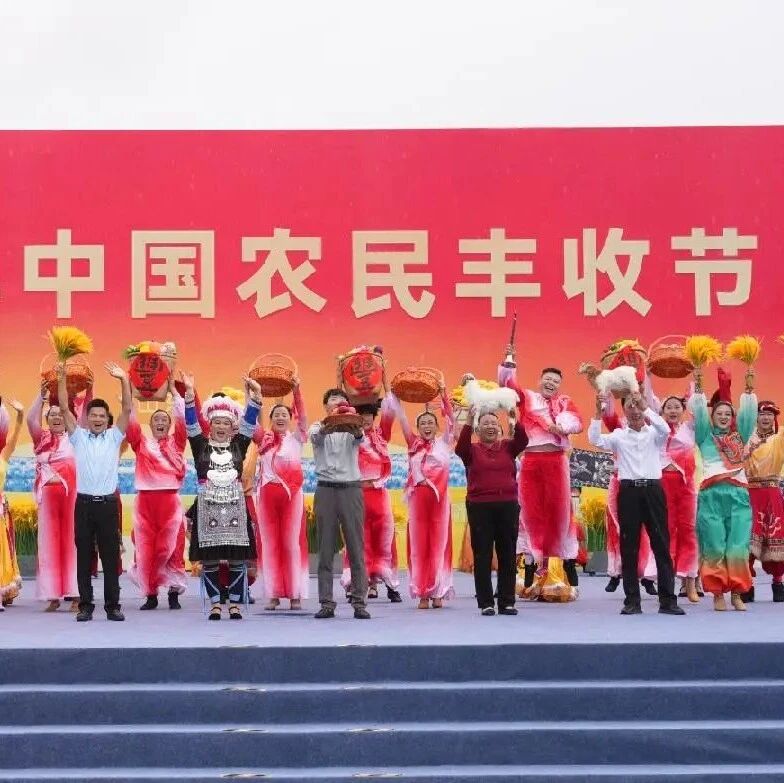
Core Insights - The 8th China Farmers' Harvest Festival highlights the significance of agricultural achievements during the "14th Five-Year Plan" period, showcasing a record grain production of 1.4 trillion jin in 2024, an increase of 74 billion jin from 2020, ensuring food security for 1.4 billion people [2][3] - The festival serves as a platform for promoting agricultural innovation, deep processing of products, and enhancing the integration of the agricultural industry chain, aiming for high-quality and sustainable development in Chinese agriculture [2][3] Agricultural Transformation - The concept of "harvest" has evolved beyond mere yield to encompass value-added processing, brand differentiation, and resource integration, reflecting a shift from scale-based growth to value-based development [3] - The festival acts as a window to showcase the transformation and upgrading of Chinese agriculture [3] Seed Industry Developments - Seeds are identified as the foundation of agriculture and national food security, with advancements in breeding technologies leading to the emergence of new, resilient varieties [4] - The shift from reliance on imported seeds to domestic innovation is crucial for enhancing the genetic diversity and market options in the Chinese pear industry [4] Livestock Breeding Innovations - The introduction of the "Guangming No. 2" white feather chicken marks a significant breakthrough in China's poultry breeding, moving from complete reliance on imports to domestic production [5] - The chicken exhibits superior growth performance and adaptability, contributing to the stability of the meat industry in China [5] High-Quality Beef Production - The development of the Gaoqing Black Cattle has filled a gap in the high-end beef market, with the potential for high returns for farmers through efficient processing and distribution [6] - The self-breeding of essential crop varieties has reached over 95% in China, ensuring that domestic seeds are primarily used for domestic food production [6] Agricultural Value Chain - Companies like Bosida are focusing on deep processing of agricultural products to stabilize prices and enhance farmer income, addressing challenges in traditional farming [7] - The integration of agriculture with e-commerce and cultural tourism is seen as a way to attract younger generations back to rural areas, combating rural aging [7] Product Diversification and Economic Impact - The comprehensive utilization of products like the "Chinese First Pomelo" has significantly increased its economic value, with annual production value exceeding 5.06 billion yuan [8] - The deep processing of roses has led to increased prices for farmers, enhancing their income by 15%-20% per acre [8] Agricultural Processing Growth - The agricultural processing sector is transitioning from isolated developments to clustered growth, with major provinces forming billion-yuan processing clusters [9] - The online retail of agricultural products is projected to exceed 630 billion yuan in 2024, indicating robust growth [9] Smart Agriculture Innovations - The introduction of modern agricultural machinery, such as the DJI T100 drone, demonstrates significant efficiency improvements in various farming scenarios [10] - Smart tools are designed to alleviate labor shortages and reduce costs in agriculture, enhancing productivity and operational efficiency [11] Digital Agriculture Advancements - The integration of digital technology in agriculture is transforming traditional practices, allowing for data-driven decision-making and improved management efficiency [12] - Smart beekeeping solutions enable better monitoring and management of bee colonies, significantly increasing labor efficiency [12]
科技赋能·川蜀丰歌|稻田里来了“熊猫机器人”
Xin Hua She· 2025-09-23 07:09
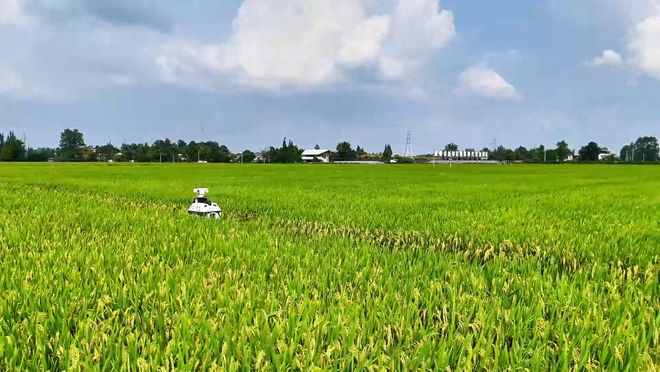
Core Viewpoint - The article highlights the development and deployment of an AI-driven agricultural inspection robot in Chengdu's Xindu District, showcasing advancements in smart agriculture technology [2][4]. Group 1: Technology and Innovation - The agricultural inspection robot is designed by a local company and features a panda-like appearance, emphasizing its unique design [4]. - The robot is equipped with AI capabilities that enhance precision in agricultural management, indicating a shift towards more intelligent farming practices [4]. Group 2: Industry Impact - The introduction of such technology in the agricultural sector reflects a broader trend of integrating digital solutions, like 5G and cloud platforms, into traditional farming [6].
无人农机普及重塑农民价值
Jing Ji Ri Bao· 2025-09-10 22:12
Core Viewpoint - The application of unmanned agricultural machinery is transforming the role of farmers, allowing them to transition from manual labor to more skilled positions within the agricultural value chain, enhancing their value rather than diminishing it [1][4]. Group 1: Trends in Agricultural Automation - The trend of unmanned agricultural machinery replacing manual labor is irreversible due to structural labor shortages in rural areas, with aging agricultural labor and youth migration being significant issues [2]. - Unmanned machinery can manage hundreds to thousands of acres with just one operator, significantly reducing reliance on manual labor [2]. - The continuous operational capability of unmanned machinery enhances production efficiency and quality, especially in critical farming periods and extreme weather conditions [2]. - High levels of automation and intelligence in unmanned machinery allow for precise operations, reducing resource waste and promoting sustainable agricultural practices [2]. Group 2: Evolving Roles of Farmers - The future farmer will be a new type of professional, skilled in using software and smart devices to manage agricultural operations effectively [3]. - Farmers will utilize data analysis to make informed decisions about irrigation, fertilization, and pest control, maximizing resource use and increasing crop yields [3]. - Farmers will also engage in value-added activities such as product processing, rural tourism, and e-commerce, enhancing their competitiveness [3]. Group 3: New Employment Opportunities - The rise of unmanned agricultural machinery is creating new job roles such as unmanned machinery technicians, precision irrigation experts, and agricultural data analysts, attracting educated youth back to rural areas [4]. - Entrepreneurial teams providing smart agricultural services are emerging in rural regions, contributing to a shift in population structure and innovation ecosystems [4]. - Addressing challenges such as the digital divide among different age groups and the integration of traditional and modern technologies is essential for a smooth transition [4].
让传统农业展现智慧新图景
Ren Min Ri Bao· 2025-09-01 22:09
Group 1 - The core viewpoint is that the agricultural production in Guangdong is advancing towards digitalization, intelligence, and intensification, moving away from traditional reliance on weather conditions [1] - Smart irrigation systems have significantly improved efficiency, increasing productivity by over five times compared to traditional manual irrigation methods [1] - The introduction of LED night lighting technology in dragon fruit cultivation has led to an increase in yield, with an additional four fruits per year and an increase of 4000 jin per mu [1] Group 2 - The Southern Power Grid in Guangdong plans to invest 56.84 million yuan this year for major repair projects and has established a customer service team to address electricity issues for agricultural clients [2] - The electricity consumption in Guangdong's livestock industry has increased by 17.33% year-on-year, indicating a growing reliance on stable electricity supply for modern agricultural practices [2] - The establishment of a comprehensive industrial chain for Qingyuan chicken, including breeding, ecological farming, processing, and cold chain logistics, highlights the importance of electricity in enhancing traditional farming operations [2]
华测导航:农机自动驾驶产品预计未来几年将逐步贡献业绩
Ju Chao Zi Xun· 2025-08-11 02:17
Group 1 - The company is expanding its business in precision agriculture, with significant growth in the first half of the year and successful overseas sales of agricultural machinery autonomous driving products [2] - New products such as the "Navigator NX612" series, intelligent spraying systems, smart water stakes, and agricultural navigation tools are being introduced and are currently in the market promotion phase, expected to contribute to future performance growth [2] - The company has identified the intelligent needs in the entire agricultural production process ("plowing, planting, managing, harvesting") through deep communication with end-users, leveraging its long-term industry experience [2] Group 2 - In the 3D intelligent field, the company has successfully developed and launched a series of 3D intelligent products, including AU20, RS10, AA10, and AA15, addressing the strong demand for laser radar products during the transition from 2D to 3D [3] - The company faced challenges in market development during the import phase of laser heads due to high prices and limited product types, but has achieved good market promotion results through independent innovation [3]