
医防融合

Search documents
国家卫健委等六部门发布指导意见 加强基层特色科室建设
Jing Ji Guan Cha Bao· 2025-12-17 04:28
Core Viewpoint - The National Health Commission and five other departments have issued guidelines to strengthen the construction of specialty departments in grassroots medical and health institutions, aiming to enhance service quality and meet diverse health needs of the population [2][3]. Overall Requirements - The guidelines emphasize the need to implement a strong foundation for medical and health services, improve service quality, and promote the integration of prevention and treatment. By 2030, at least one specialty department should be established in grassroots medical institutions [3]. Key Tasks and Measures - **Strengthening Department Setup**: Grassroots institutions should prioritize departments like pediatrics, gynecology, rehabilitation, and mental health, focusing on common and chronic diseases [4]. - **Staffing Requirements**: Specialty departments should have a well-structured team, including at least two qualified physicians, with one holding a mid-level title or higher [4]. - **Management Standardization**: Institutions must establish management regulations for specialty departments, ensuring proper layout and equipment, and enhancing patient satisfaction [5]. - **Service Capacity Enhancement**: Specialty departments should serve a minimum of 3,000 patients annually, or account for at least 10% of total diagnoses, extending services from treatment to health management [5]. - **Quality Management**: Institutions are required to implement strict quality management systems and utilize technology for monitoring and reporting [6]. - **Support from Medical Alliances**: Urban hospitals are encouraged to provide technical support and training to enhance the capabilities of grassroots specialty departments [7]. Policy Support and Implementation - **Policy Assurance**: Local governments should prioritize the construction of specialty departments as a practical measure to address public health concerns, ensuring resource allocation and infrastructure improvement [8]. - **Organizational Implementation**: Provincial health departments must take responsibility for implementing these guidelines, coordinating with various sectors to establish clear goals and plans [8]. - **Public Awareness**: Efforts should be made to promote the achievements and experiences of grassroots specialty department construction to enhance their recognition and influence [8].
国家重大传染病防治基地(海南)项目动工
Hai Nan Ri Bao· 2025-12-13 00:44
Core Insights - The National Major Infectious Disease Prevention Base (Hainan) project has commenced, aimed at enhancing public health capabilities in Hainan Free Trade Port [1][2] - This project is a significant milestone for the development of health services in Hainan and is part of the "14th Five-Year Plan" for building a high-quality and efficient medical and health service system [2] Group 1: Project Overview - The project is located at the southwest corner of Hainan Medical University Second Affiliated Hospital, featuring a 19-story above-ground and 2-story underground comprehensive medical building with a total construction area of 55,300 square meters [2] - Once completed, the facility will have the capacity to treat a large number of critically ill patients during outbreaks and will be able to quickly assist other regions facing severe epidemics [2] Group 2: Strategic Importance - The establishment of the base is crucial for strengthening the public health safety net in Hainan and is aligned with the national strategy for the Free Trade Port [1] - The project emphasizes the integration of medical and preventive measures, focusing on four key areas: medical-prevention collaboration, emergency response, research innovation, and international cooperation [1]
5.5元/支 比奶茶还便宜,疫苗价格“跳水”背后
3 6 Ke· 2025-12-08 04:29
Core Insights - The vaccine industry is experiencing intense competition characterized by price wars and oversupply, leading to significant price drops for various vaccines [1][3][4] - The China Vaccine Industry Association has issued an initiative to combat "involutionary" competition and promote high-quality development in the vaccine sector [1][2] - The current market conditions are described as a "winter" for the vaccine industry, with a structural differentiation in competition where some vaccines are priced at unsustainable levels [5][6] Price Trends - The price of the bivalent HPV vaccine has plummeted from over 300 yuan to around 30 yuan, a decrease of nearly 90% [3] - The three-valent flu vaccine has reached a record low of 5.5 yuan, significantly lower than previous prices [3] - Other vaccines, including shingles and pneumonia vaccines, are also experiencing price reductions as part of the ongoing price war [3] Public Perception and Trust - The drastic price reductions may lower public vaccination costs but could also undermine trust in vaccine quality [4][5] - Concerns about the safety and efficacy of low-priced vaccines may lead to a reluctance to vaccinate among the public [4][5] - The perception that vaccines are "not worth much" due to low prices could hinder the establishment of a healthy market view on vaccination [4] Industry Performance - The price war has resulted in significant financial pressure on vaccine companies, with many reporting declining revenues and profits [6] - Only 5 out of 14 listed vaccine companies saw revenue growth in the first three quarters of 2025, while 10 companies reported a decline in net profit [6] - The overall public willingness to vaccinate remains low, with flu vaccination rates in Shanghai estimated at less than 5% for the general population [6][7] Factors Influencing Vaccination Rates - Public awareness of diseases, vaccine pricing, and the convenience of vaccination services are key factors affecting vaccination willingness [7] - The lack of understanding about the severity of diseases like influenza contributes to low vaccination rates [7] - The infrastructure for vaccination services in China is still developing, with a need for improved accessibility and convenience [7][8] Future Market Potential - Despite current challenges, the long-term potential of the Chinese vaccine market remains strong, driven by an aging population and rising chronic disease rates [9][10] - The "Healthy China" strategy emphasizes prevention, which is expected to increase demand for vaccines among specific populations [9][10] - Companies are adapting to these trends by integrating preventive and therapeutic services into their business models [9][10]
疫苗比奶茶还便宜了
财联社· 2025-12-08 01:59
Core Viewpoint - The vaccine market in China is experiencing significant price fluctuations, with prices for certain vaccines dropping dramatically, leading to concerns about quality and sustainability in the industry [4][6][7]. Price Competition and Market Dynamics - The price of the bivalent HPV vaccine has plummeted from over 300 yuan to around 30 yuan, a decrease of nearly 90% [6]. - The three-valent flu vaccine's price has reached a record low of 5.5 yuan, significantly impacting the market [6]. - The price war is attributed to oversupply and intense competition among similar products, exacerbated by factors like vaccine hesitancy and declining birth rates [4][6][10]. Impact on Public Perception and Industry Health - While lower prices may increase accessibility, they also risk undermining public trust in vaccine quality, leading to skepticism about safety and effectiveness [7][10]. - The perception of vaccines as "cheap" could distort public understanding of their value, hindering the establishment of a market that supports health investments [7][10]. Industry Performance and Challenges - The price competition has resulted in declining revenues for many vaccine companies, with only 5 out of 14 companies reporting revenue growth in the first three quarters of 2025 [10]. - Companies like Zhifei Biological have reported significant losses, with a 66.53% drop in revenue and a net profit decline of 156.86% [10]. - The overall public willingness to receive vaccinations remains low, with flu vaccine uptake rates estimated at less than 5% for the general population in Shanghai [10][11]. Factors Influencing Vaccination Rates - Public awareness of diseases, vaccine pricing, and accessibility are key factors affecting vaccination rates [11]. - The lack of understanding about the severity of diseases like influenza contributes to low vaccination rates, alongside the self-pay nature of flu vaccines [11]. - The convenience of vaccination services is also a critical factor, with current service availability needing improvement [11][12]. Long-term Market Potential - Despite current challenges, the long-term potential of the Chinese vaccine market remains strong, driven by an aging population and rising chronic disease rates [12][13]. - The chronic disease management market is projected to reach 60,122 billion yuan by 2024, indicating a growing need for adult vaccination [12]. - The "Healthy China" strategy emphasizes prevention, which may lead to increased demand for vaccines among specific populations, such as the elderly and chronic disease patients [13].


专家说|关注“三高一疹”叠加风险 共探医防协同新路径
Yang Shi Wang· 2025-12-07 12:59
Group 1 - The core issue highlighted is the increased risk of severe outcomes and prolonged recovery for patients with chronic diseases such as hypertension and diabetes when they contract infectious diseases like influenza and shingles [1][2] - The current public health landscape in China is characterized by both opportunities and challenges, with seasonal fluctuations in respiratory infections and the persistent risks from COVID-19, monkeypox, and shingles [1] - The prevalence of chronic non-communicable diseases is rising, particularly among younger populations, necessitating a focus on integrated management of multiple diseases [1][2] Group 2 - Multi-disease management is identified as a key strategy to address current health governance challenges and is essential for the high-quality development of public health services [2] - The integration of disease prevention, diagnosis, treatment, and rehabilitation into a cohesive service model is central to the concept of medical and preventive integration [2] - The promotion of adult vaccination is presented as a practical example of medical and preventive integration, with various innovative services being implemented across multiple regions in China [2]

糖尿病遇带状疱疹“痛上加痛”,如何破解糖疹共病困局?
2 1 Shi Ji Jing Ji Bao Dao· 2025-11-28 03:19
21世纪经济报道记者 闫硕 警惕带状疱疹加剧慢病负担 带状疱疹是一种由水痘-带状疱疹病毒引起的感染性皮肤病。在人体感染水痘后,病毒会潜伏在神经节 中,随着年龄的增长或身体免疫力下降,病毒会活跃起来,引起病症。 而当年龄因素叠加慢病时,带状疱疹的危害性会进一步加剧——慢性病患者罹患带状疱疹后,其严重程 度高于非慢性病患者,且带状疱疹会影响慢病控制。以糖尿病为例,数据显示,24%的糖尿病患者在罹 患带状疱疹后血糖控制恶化,同时,糖尿病患者罹患带状疱疹的风险比一般人最高可高出60%。 随着我国人口老龄化加剧,糖尿病与带状疱疹的共病问题日益凸显,成为影响中老年人健康的重要公共 卫生挑战。多位医学专家及基层卫生管理者近日呼吁,应推动临床管理从"单独控糖"升级为"糖疹联 防",通过医防融合、疫苗接种等科学手段,为中老年慢病人群构筑健康屏障。 事实上,国家"十五五"规划已明确将糖尿病等慢性病作为防控重点,强调多病同防同治。国家卫健委在 近期参加党的二十届四中全会新闻发布会时,也明确提出,在"十五五"期间,以糖尿病等慢性病作为攻 关和突破的重点,强化多病同防同治,进一步提升健康产出的效率和效果。 带状疱疹俗称"缠腰龙",是一 ...
国家老年大学开讲“糖疹联防”第一课
Bei Jing Shang Bao· 2025-11-26 13:55
Core Insights - The initiative "Joint Prevention of Diabetes and Shingles, Stabilizing Blood Sugar" aims to enhance health literacy among the elderly and raise awareness of comorbidity risks [1][2] - China faces a dual challenge with over 230 million diabetes patients and more than 6 million cases of shingles annually, exacerbated by an aging population [1] - The management approach for diabetes needs to evolve from "solely controlling blood sugar" to "joint prevention of comorbidities" [1] Group 1 - The program is guided by the Chinese Center for Disease Control and Prevention and aims to provide regular health education focusing on common chronic diseases and infectious diseases among the elderly [1] - The increasing number of diabetes patients and the trend of immune aging highlight the severity of comorbidity issues between diabetes and shingles [1] - Clinical management should include assessments and preventive guidance for comorbid risks, such as vaccination to prevent common infectious diseases [1] Group 2 - The new health management path is expected to improve the health levels and quality of life for the elderly population with chronic diseases [2] - This initiative is also seen as a contribution to the public health defense against the challenges posed by an aging population [2]
《中国成人疫苗接种健康促进策略专家共识》发布,流感防控成为重点方向
Zhong Guo Xin Wen Wang· 2025-11-20 10:47
Core Viewpoint - The release of the "Expert Consensus on Health Promotion Strategies for Adult Vaccination in China" emphasizes the importance of adult vaccination, particularly focusing on influenza prevention as a key direction [1][2]. Group 1: Importance of Adult Vaccination - The consensus highlights the necessity and health value of adult vaccination, addressing the shortcomings in China's adult immunization planning and proposing systematic solutions [1]. - Vaccination is identified as the most economical and effective public health measure to prevent and control infectious diseases, reducing the incidence of various infectious diseases and some chronic diseases, as well as the risks of severe cases and mortality [1]. Group 2: Impact of Influenza Vaccination - Seasonal influenza vaccination can reduce hospitalization rates and mortality rates by 45% and 38% respectively for elderly diabetic patients, and is associated with a decrease in cardiovascular mortality risk [2]. - Vaccination during hospitalization for acute heart failure improves survival rates and reduces the risk of readmission within the following 12 months [2]. Group 3: Current Challenges and Recommendations - The current immunization plan in China focuses primarily on children, resulting in low coverage rates for adult vaccinations [3]. - The consensus recommends expanding adult immunization channels and improving service systems, with some regions already establishing independent adult vaccination clinics [3]. - Various regions have implemented government procurement for free influenza vaccinations for the elderly, and some areas have included non-immunization plan vaccines in personal medical insurance accounts to alleviate the burden on the public [3].
全球首款六价轮状病毒疫苗亮相,筑牢婴幼儿健康防线
Nan Fang Du Shi Bao· 2025-11-16 02:05
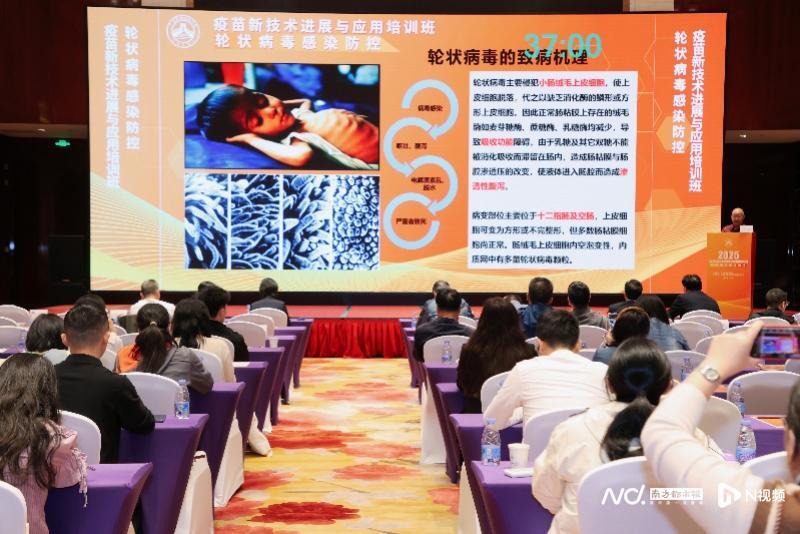
2025年11月14日,在广东省预防医学会主办的"2025年疫苗新技术进展与应用培训班"上,全球首款六价轮状病毒 疫苗正式亮相。该疫苗由国药集团中国生物武汉生物制品研究所自主研发,是我国预防用生物制品1类新药,可全 面覆盖G1、G2、G3、G4以及国内主流流行株G8、G9六种血清型,实现了对轮状病毒流行株的全面防护,为破解 5岁以下儿童轮状病毒腹泻防控难题带来新突破。 秋季腹泻高发,轮状病毒成婴幼儿健康"头号威胁" 权威研究发现,轮状病毒感染不仅造成直接疾病负担,还会影响儿童长期生长发育。"儿童早期腹泻可能影响身高 和智力发育,一次中重症腹泻更会使患儿在患病后两个月内的死亡风险增加8.5倍。" 六价疫苗实现技术突破,覆盖流行株且安全性卓越 此次亮相的六价轮状病毒疫苗"武生儿轮宝"彻底改变了现有疫苗的防护格局。作为全球首个覆盖六种血清型的轮 状病毒疫苗,其最突出的优势是精准覆盖了国内主流流行的G8、G9型别,而此前国外上市的单价或五价疫苗均未 涵盖亚洲常见的G8型毒株。 研发团队详细介绍了疫苗的三大技术亮点:采用突破性均质工艺确保病毒颗粒均一性与高稳定性;使用无动物源 性配方且不含防腐剂、抗生素,从源头提升纯净 ...
葛兰素史克第八次亮相进博会,以“防治结合”新格局,共赴“健康中国”之约
Cai Jing Wang· 2025-11-08 08:12
Core Insights - GSK emphasizes its commitment to health management through a combination of prevention and treatment, showcasing its innovative product pipeline at the 2025 China International Import Expo [1][3][6] Group 1: Innovation and Product Pipeline - GSK presented several innovative products, including the world's first approved RSV vaccine and a drug for chronic hepatitis B that aims for "functional cure" [1][3] - The company also introduced a long-acting monoclonal antibody for chronic diseases and a first-in-class antibody-drug conjugate for multiple myeloma, covering various therapeutic areas [1][3] Group 2: Health Management Strategy - GSK is focused on integrating prevention and treatment, aiming to create a comprehensive health management model that spans the entire lifecycle of diseases [3][4] - The company has a long history in hepatitis management, providing innovative solutions from vaccines to antiviral treatments [3] Group 3: Collaboration and Market Strategy - GSK has established partnerships with local companies to enhance the accessibility of its vaccines and support healthcare initiatives in China [5] - The company plans to accelerate its local market strategy, with over 80% of its R&D projects in China aligned with global development, aiming to introduce approximately 18 new products and indications in the next three years [6]
