去银化

Search documents
光伏企业,正经历一场“白银劫”
财联社· 2026-01-16 02:29
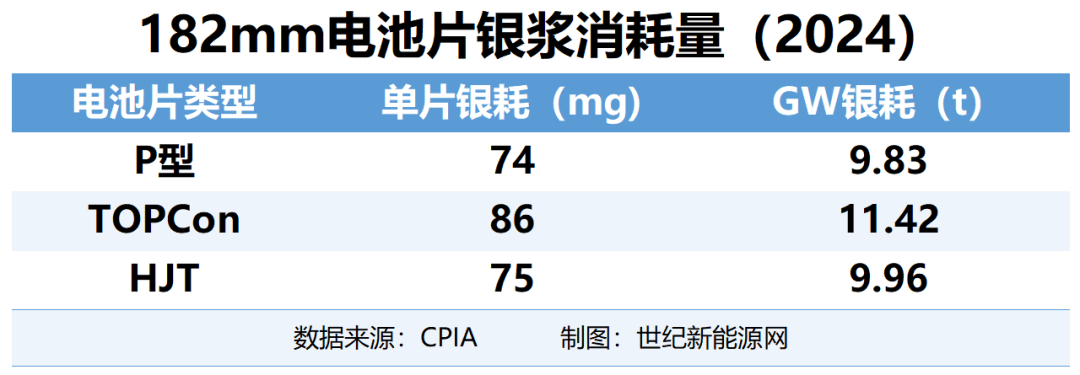
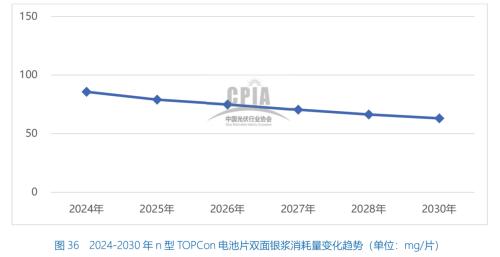
Core Viewpoint - The surge in global silver prices is exerting additional pressure on solar panel manufacturers, who have already faced two years of losses, compounded by intense industry competition [1] Group 1: Silver Price Impact - Spot silver prices have soared to over $93 per ounce, a historical high, with prices more than tripling in the past year [1] - The cost of silver in solar panels now accounts for 29% of total panel costs, significantly up from 3.4% in 2023 and 14% last year [1] Group 2: Industry Response - Manufacturers are responding by raising prices and accelerating plans to replace silver with cheaper materials like copper [4] - In China, some component manufacturers have increased prices to over 0.8 yuan per watt, reflecting a price increase of 1.4%-3.8% from the previous week due to rising silver costs [4] - The typical price for a 500-watt solar panel is now at least 400 RMB (approximately $57) [4] Group 3: Future Outlook - Major solar companies, including Trina Solar and JinkoSolar, have warned of expected net losses again in 2025, indicating that the industry's downturn has not improved significantly despite previous self-regulatory measures [5] - The average silver paste usage in solar panels is projected to drop to 8.96 mg per watt by 2025, down from 11.2 mg in 2024, as manufacturers seek to reduce costs [6] Group 4: Risks of Material Substitution - Engineers can use various methods to replace silver with cheaper copper, but rushing this process may pose risks for manufacturers [7] - Increasing the proportion of substitutes could lead to shorter lifespans for solar panels, potentially resulting in significant liabilities for manufacturers if panels fail before the warranty period [8] Group 5: Silver Demand and Future Consumption - The solar industry accounted for about 17% of total silver demand last year, more than double its share a decade ago, which is comparable to jewelry manufacturing [8] - A slowdown in consumption could threaten the sustainability of rising silver prices, which are currently driven by speculative interest and commodity rotation effects [8] - The current high silver prices may lead to more substitutions, but strong investment demand is expected to keep prices stable in the short term [8]

帝尔激光:公司已成功将激光高精超细图形化设备应用于电镀铜工艺环节,目前相关技术已实现量产订单
Mei Ri Jing Ji Xin Wen· 2025-12-29 07:52
Core Viewpoint - The company has successfully implemented a "de-silvering" technology in its BC (Back Contact) battery strategy, which has led to significant cost reductions and improved efficiency for downstream customers [1] Group 1: Technology Breakthroughs - The company has developed laser high-precision ultra-fine graphic equipment for the electroplating copper process, which is now in mass production orders [1] - The laser welding process of the company is well-suited for copper paste, offering advantages such as lower battery damage, higher welding precision, and improved yield rates [1] Group 2: Impact on Orders and Market Trends - The "de-silvering" technology is a core factor driving recent order growth, as it allows for reduced silver paste consumption and the use of finer welding strips, which helps downstream customers enhance their bifacial rates [1] - The company is positioned to play a significant role in the BC battery "de-silvering" technology path, with expectations for large-scale application in the near future [1]
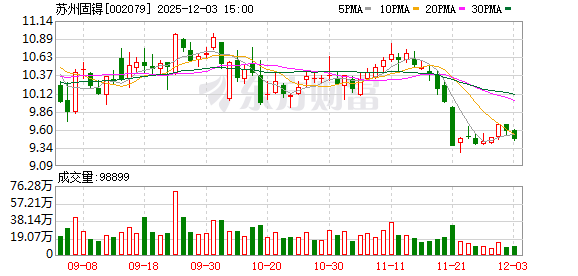
苏州固锝:子公司苏州晶银继续保持行业技术领先态势,银含量10%的银包铜产品已实现量产
Mei Ri Jing Ji Xin Wen· 2025-12-03 08:33
Core Viewpoint - The company is making significant progress in reducing silver content in its products, with a focus on maintaining technological leadership in the industry [2] Group 1: Production and Technology - The company's subsidiary, Suzhou Jinyin, continues to maintain a leading position in industry technology [2] - The company has achieved mass production of copper products with a silver content of 10% [2] Group 2: Cost Management - The company is addressing high silver metal costs through its de-silvering research and development efforts [2]

毛利率跌破3%,却获沙特阿美等青睐!光伏银粉龙头再冲港股
Xin Jing Bao· 2025-11-11 05:06
Core Viewpoint - Jianbang High-Tech, a leading silver powder manufacturer in the photovoltaic industry, has re-submitted its IPO application to the Hong Kong Stock Exchange after its initial submission expired in May 2023. The company faces challenges due to declining demand for silver paste as photovoltaic cell manufacturers pursue "de-silvering" strategies to reduce costs, impacting Jianbang's low profit margins and leading to a projected stagnation in growth post-2025 [1][6]. Group 1: Company Overview - Jianbang High-Tech began commercial production of silver powder for photovoltaic applications in 2012 and ranks third among domestic manufacturers in China with a market share of 9.8% as of 2024 [2]. - The company’s revenue primarily comes from direct sales of silver powder, with minimal income from processing services [2]. - The actual controller of Jianbang is Chen Zichun, the son of the founder of Shandong Jianbang Group [2]. Group 2: Market Dynamics - Silver paste is the largest non-silicon cost in photovoltaic cells, accounting for approximately 12% of total costs, and about 35% of non-silicon costs when excluding silicon wafer costs [3][4]. - The trend of "de-silvering" in the photovoltaic industry aims to reduce silver paste usage, with projections indicating a continuous decline in silver paste consumption due to advancements in technology [4]. Group 3: Financial Performance - Jianbang's revenue and profit growth from 2022 to 2024 is expected to stagnate in 2025, with a reported revenue decline of 3.6% and a profit decline of 32.1% in the first eight months of 2025 [6]. - The company's gross margin has fallen below 3% for the first time, indicating a low-profit margin business model [8]. Group 4: Competitive Landscape - The photovoltaic industry is facing overcapacity risks, leading manufacturers to lower raw material costs and impose stricter pricing and payment terms on suppliers, intensifying competition in the silver powder sector [9]. - Jianbang has experienced significant increases in inventory and receivables, with inventory growing over 65% year-on-year to 121 million yuan by the end of 2024 [9]. Group 5: Future Strategies - Jianbang plans to explore new business directions, including non-silver materials in the photovoltaic sector and expansion into the Middle East market, aiming for higher profit margins [10][11]. - The company intends to allocate part of its fundraising to enhance R&D capabilities, focusing on non-photovoltaic applications and establishing a research base in East Asia [11].
毛利率跌破3%,却获沙特阿美等青睐!光伏银粉龙头再冲港股
Xin Jing Bao· 2025-11-10 11:51
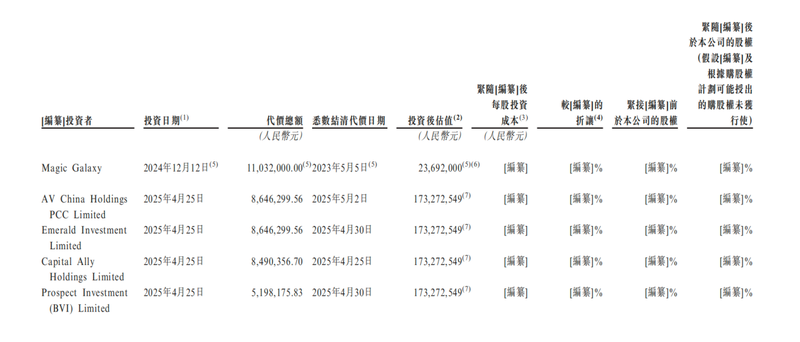
Core Viewpoint - Jianbang High-Tech has re-submitted its IPO application to the Hong Kong Stock Exchange after its initial submission in May 2023 became invalid, facing challenges due to declining demand for silver paste in the photovoltaic industry and a significant drop in its profit margins [1][6]. Group 1: Company Overview - Jianbang High-Tech specializes in the production of silver powder for photovoltaic applications, ranking third among domestic manufacturers in China with a market share of 9.8% as of 2024 [2]. - The company has been operational in the silver powder industry since 2012 and primarily generates revenue from direct sales of silver powder, with minimal income from processing services [4]. Group 2: Financial Performance - The company experienced continuous revenue and profit growth from 2022 to 2024, but its growth stagnated in 2025, with revenue declining by 3.6% and profit dropping by 32.1% in the first eight months of 2025 compared to the previous year [1][6]. - Jianbang High-Tech's gross margin has fallen below 3% for the first time in 2023, indicating a low-profit margin business model [8]. Group 3: Market Dynamics - The photovoltaic industry is undergoing a trend of "de-silvering," where manufacturers are reducing silver paste usage to cut costs, impacting demand for Jianbang High-Tech's products [4][9]. - The company faces increased competition due to overcapacity in the photovoltaic battery sector, leading to stricter pricing and payment terms imposed by battery manufacturers [9]. Group 4: Strategic Initiatives - Jianbang High-Tech aims to expand into the Middle East market and explore new business directions, including non-silver materials and applications outside the photovoltaic sector, to achieve higher profit margins [1][11]. - The company plans to allocate part of its fundraising towards enhancing R&D capabilities, focusing on non-photovoltaic silver powder and conductive materials [11].
并购股权到手就质押贷款,这家“光伏银浆龙头”资金压力不一般地大
3 6 Ke· 2025-09-16 02:50
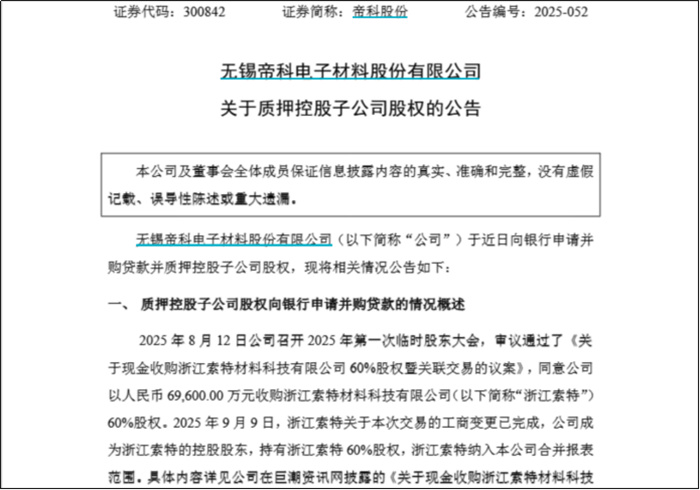
Core Viewpoint - Dike Co., Ltd. has pledged its newly acquired 60% stake in Zhejiang Sote Materials Technology Co., Ltd. to secure a loan of up to 400 million RMB, highlighting ongoing cash flow issues despite high sales volumes in the photovoltaic silver paste market [1][2]. Group 1: Acquisition Details - Dike Co., Ltd. announced two significant acquisitions: a 60% stake in Zhejiang Sote for 696 million RMB and an 80% stake in Zhejiang Jinko New Materials for 8 million RMB [2]. - The valuation for Zhejiang Sote was set at 1.16 billion RMB, representing a 74% premium over its net assets of 667 million RMB, while the valuation for Jinko New Materials reached 100 million RMB, indicating a staggering 299.08% premium over its net assets of 25.06 million RMB [2]. Group 2: Financial Performance - Dike Co., Ltd. has faced negative operating cash flow each quarter since 2019, raising concerns about its financial health [1]. - The company reported a net profit of 360 million RMB in 2024, a decline of 6.66% year-on-year, and a significant drop of 70.03% in net profit to 69.81 million RMB in the first half of 2025 [7][8]. Group 3: Market Position and Challenges - Dike Co., Ltd. is a leading player in the photovoltaic silver paste market, achieving a global market share of 26.9% in 2024, ranking first [7]. - The company faces intense competition in the silver paste market, with supply exceeding demand, particularly for front-side silver paste [9]. - Rising silver prices have increased production costs, while demand from downstream battery manufacturers has decreased due to inventory pressures [9]. Group 4: Debt and Cash Flow Management - Dike Co., Ltd.'s debt has surged from 784 million RMB in 2020 to 7.438 billion RMB in mid-2025, with a debt ratio of 80.42% [12][15]. - The company has implemented various measures to manage cash flow, including focusing on high-quality customers and improving accounts receivable management [13]. - Legal actions have been initiated against clients with outstanding debts, amounting to approximately 214 million RMB, which is 12.76% of the company's latest audited net assets [15].
“铜”猬甲披挂上阵,爱旭ABC组件太能打了
Sou Hu Cai Jing· 2025-07-14 12:17
Core Viewpoint - Aiko's performance in the photovoltaic industry is highlighted by its ability to achieve profitability in Q2 2025, marking it as the first silicon photovoltaic company to report a single profitable quarter amidst a challenging market environment [1][2]. Group 1: Company Performance - Aiko expects a net profit of -170 million to -280 million CNY for H1 2025, but achieved a profit of 20 million to 130 million CNY in Q2 2025, indicating a successful turnaround [1]. - The company's strategy focuses on technological innovation to enhance product competitiveness, particularly through its copper interconnection technology [1][2]. Group 2: Industry Challenges - The photovoltaic industry faces a paradox of being a green energy sector while being heavily reliant on silver, which has limited availability and increasing prices [2][5]. - China's photovoltaic industry has a significant silver consumption gap, with demand expected to rise sharply, leading to potential supply crises [5][6]. Group 3: Technological Breakthroughs - Aiko has pioneered the mass production of silver-free ABC cells, overcoming significant technical challenges associated with using copper instead of silver [7][10]. - The company has developed advanced techniques to ensure the stability and reliability of copper interconnections under extreme environmental conditions, which is crucial for long-term performance [12][13]. Group 4: Market Implications - The increasing reliance on copper interconnection technology positions Aiko as a leader in the industry, providing a sustainable alternative to silver and addressing supply chain vulnerabilities [6][9]. - Aiko's copper interconnection technology has demonstrated superior performance in terms of resilience to damage and efficiency in energy generation compared to traditional silver-based technologies [20][22].