品牌心智

Search documents
被记住的权利:品牌在AI浪潮中的「心智战争」
36氪· 2025-08-08 13:34
Core Insights - The article emphasizes that "mindshare" has become the most elusive yet crucial asset in today's business landscape, as it determines a brand's long-term viability despite being intangible and difficult to measure [3][5][27] - The relationship between users and brands has fragmented, making it essential for brands to establish a mental system that can be "activated" in consumers' minds [7][30] Attention's Hidden Costs - Traditional brand advertising has shifted focus from long-term brand value to short-term metrics like ROI and conversion rates, leading to a dilution of brand essence [5][6] - There is a growing crisis in cognitive recognition, where mere exposure does not equate to brand understanding, resulting in low brand retention rates despite high advertising spend [6][8] Changes in User Behavior - Users have transitioned from passive information receivers to active selectors and producers, necessitating brands to rethink their strategies to engage consumers effectively [7][8] - The traditional demographic segmentation is becoming obsolete; instead, "mind labels" based on beliefs, preferences, and lifestyles are now more influential in purchasing decisions [8][30] Brand MindSight Solution (BMS) - The BMS framework proposed by 巨量引擎 aims to reconstruct the path of brand recognition by focusing on mindshare rather than linear models of consumer behavior [13][24] - BMS provides a comprehensive solution that covers strategy formulation, execution, and post-campaign analysis, ensuring a closed-loop system for brand growth [13][23] Case Studies - The case of 自然堂 illustrates how BMS can effectively identify and establish core mental anchors through data analysis and targeted content creation, resulting in significant increases in brand association and consumer engagement [14][21] - Another example, 海龟爸爸, demonstrates how BMS can help brands in less saturated markets by defining clear mental expressions and leveraging multi-touchpoint interactions to enhance brand recall [20][21] Long-term Brand Value - The article concludes that brands must focus on being recognized and remembered, rather than just being seen, by establishing strong mental associations that transcend fleeting trends [27][31] - BMS is positioned as a strategic tool that aids brands in navigating the complexities of modern marketing, ensuring that every interaction contributes to building lasting cognitive assets [24][31]

“孩本位”时代母婴营销新解:构建三层心智矩阵,穿越周期
Zhong Guo Chan Ye Jing Ji Xin Xi Wang· 2025-07-24 04:35
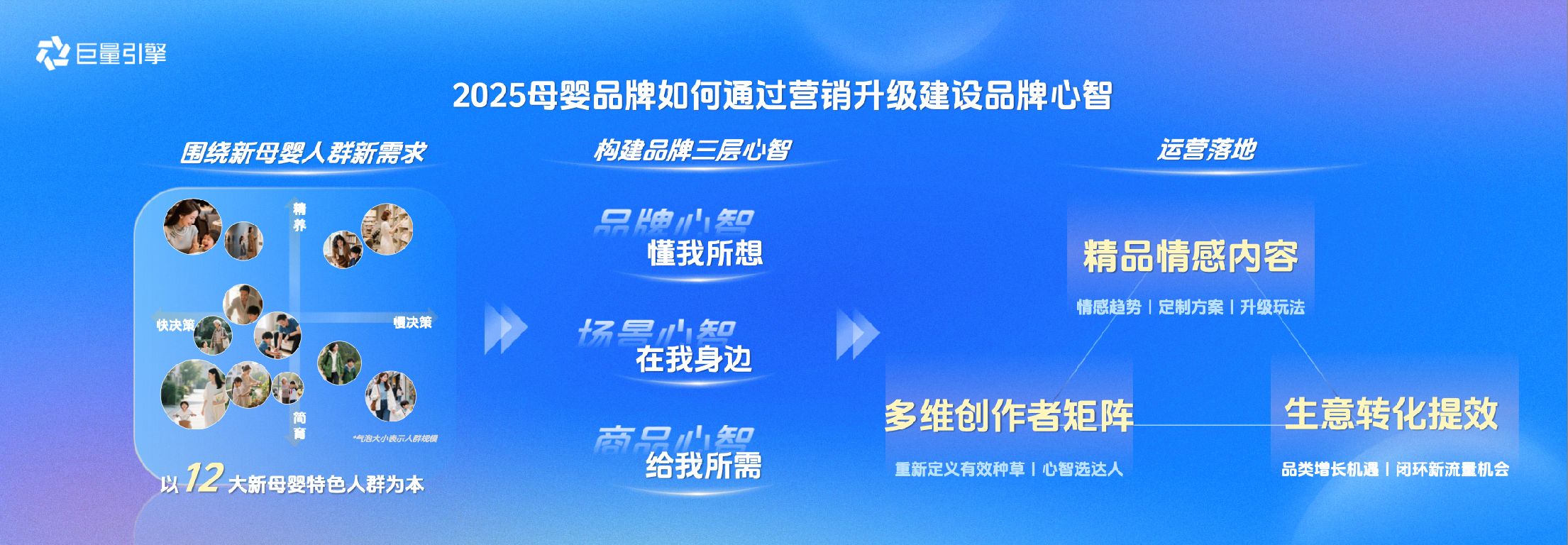
Core Insights - The article discusses the evolving parenting styles in China, particularly among Generation Z parents who prioritize "quality parenting" and value emotional connection and shared growth with their children [1][4][20] - The 2025 marketing focus for maternal and infant brands emphasizes understanding the psychological needs of parenting groups, creating high-quality emotional content, and enhancing business conversion efficiency to foster brand loyalty and resilience [1][3][20] Group 1: Market Trends and Consumer Insights - The shift from "sacrificial parenting" to a dual growth concept where new-generation parents seek self-fulfillment alongside child-rearing is driving a deeper segmentation of the parenting market [4][10] - Douyin has identified 12 distinct parenting groups based on differences in parenting needs and decision-making styles, focusing on factors such as consumption preferences and parenting philosophies [4][10] - The "calculating parent" segment seeks quality and endorsements, favoring scientifically certified products and expert recommendations, while also balancing their own needs with their children's [7][10] Group 2: Brand Strategy and Content Creation - Brands are encouraged to adopt a layered marketing strategy that aligns with the latest parenting trends, establishing core value positioning and creating a mental framework for different consumer segments [10][12] - High-quality content is essential for building brand awareness and emotional resonance, with a focus on creating systematic content strategies that cater to specific parenting groups [12][13] - The integration of diverse creators in the Douyin ecosystem allows brands to produce relevant content that resonates with parenting communities, enhancing emotional connections and brand recognition [14][20] Group 3: Omni-channel Growth Strategies - The "1x2xN" strategy proposed by Douyin aims to achieve comprehensive engagement with parenting groups, exploring new avenues for business growth [17][19] - The strategy involves creating IP-driven content around a central marketing theme, utilizing both online and offline channels to maximize brand exposure and consumer interaction [19][20] - Continuous brand influence expansion is crucial for driving category growth across all channels, requiring deep collaboration between online and offline resources [19][20]
全球市场规模超千亿,企业数暴涨4倍,宠物用品的品牌出海路径
3 6 Ke· 2025-07-02 09:35
Core Insights - The pet consumption market has transitioned from short-term pandemic-driven growth to a long-term growth paradigm driven by demographic changes, emotional needs, and technological empowerment. The global market size exceeds $150 billion, with the pet supplies category becoming the second-largest growth segment after pet food [1][2]. Group 1: Market Growth and Trends - The global pet supplies market grew to $44.36 billion from 2015 to 2021, with a compound annual growth rate (CAGR) of 6.7% [1]. - As of April 2025, there are 4.474 million pet-related enterprises in China, more than three times the number in 2021, with over 77% established within the last three years [1]. - During this year's overseas 618 shopping festival, over 30,000 pet merchants participated on Tmall, with more than 1,000 merchants seeing their cross-border transaction volumes double year-on-year [1]. Group 2: Competitive Landscape - The influx of new players has diversified overseas supply and reshaped market competition, leading to overall price declines, particularly in high-ticket product markets like Europe and North America [1][2]. - New brands emerging from the new consumption trend are leveraging e-commerce and social media marketing to penetrate Southeast Asian markets, while facing challenges in mature markets like Europe and North America due to brand barriers and price competition [2][3]. Group 3: Company Strategies - Supply chain enterprises typically start with "manufacturing overseas" through OEM/ODM models, while new consumer brands focus on building their own brand identity and market understanding [3][4]. - Tianyuan Pet, a representative supply chain enterprise, has expanded its international presence through acquisitions and establishing production bases in Vietnam and Cambodia, while also setting up a subsidiary in the U.S. for overseas warehouse operations [4]. Group 4: Product Innovation and Market Dynamics - The global smart pet products market reached $4.2 billion in 2023, with the U.S. being the largest market, where over half of American adults purchase smart devices for pets [6]. - Despite initial success, the market for smart pet products is becoming increasingly competitive, with a significant rise in similar products leading to price compression [7]. - The penetration rate of smart pet products in the U.S. is currently below 20%, indicating limited acceptance of these products among consumers [7]. Group 5: Brand Development and Consumer Behavior - The pet supplies market has a low concentration ratio, with the top five companies holding only 15.2% of the market share, creating opportunities for new entrants [9]. - Building brand awareness and customer loyalty through product quality and service is essential for long-term success, as pet supplies typically have lower repurchase rates compared to pet food [10][11]. - New consumer brands are focusing on establishing their own independent platforms and building brand influence before negotiating with large retail chains [11].
2025,不做品牌的美妆没有未来
3 6 Ke· 2025-05-29 12:08
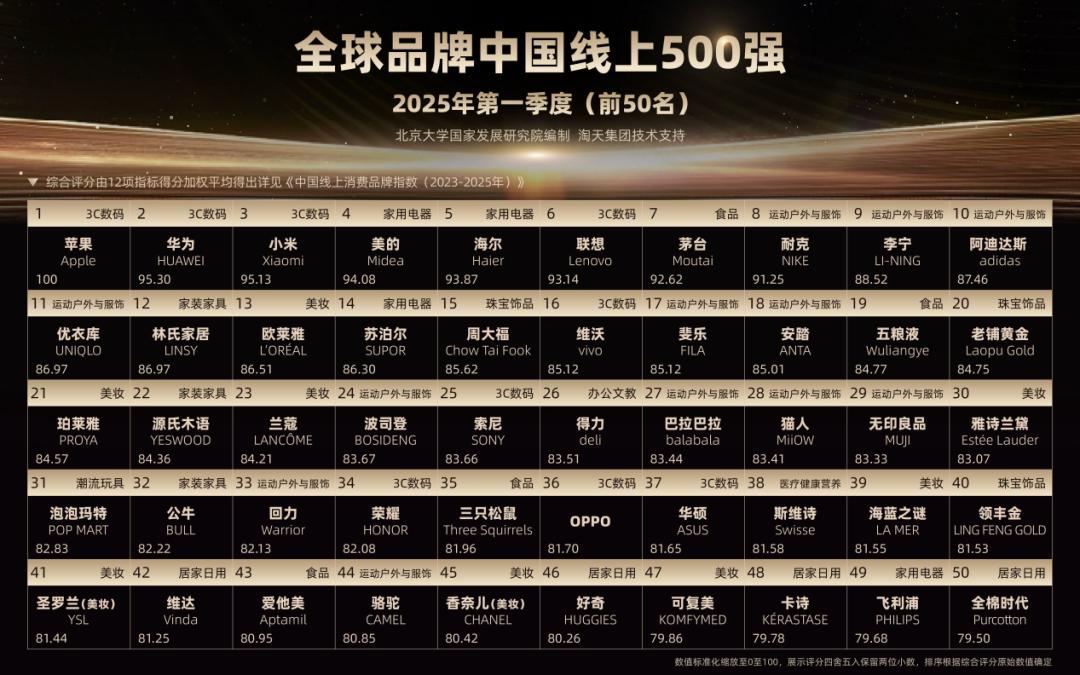
Core Insights - The Chinese beauty market is gradually recovering, with a 7.2% year-on-year increase in cosmetic retail sales in April, reaching 30.9 billion yuan, marking four consecutive months of growth [1] - Despite the recovery, consumer purchasing behavior is shifting towards brands with strong loyalty and high repurchase rates, as evidenced by the absence of previously popular white-label brands in current sales rankings [1][2] - The CBI500 brand ranking, based on actual consumer purchasing behavior, highlights that brands with deep-rooted consumer recognition and value are outperforming others [2][4] Market Trends - Demand in the beauty sector continues to grow, but consumers are increasingly gravitating towards brands that offer real value [2] - The CBI500 ranking utilizes a quantitative approach to assess brands based on sales, pricing, search popularity, and user reviews, moving beyond traditional metrics like market capitalization [4][18] - The rise of white-label brands has been short-lived, with many failing to maintain consumer trust and brand value over time [9][8] Brand Development - The beauty industry is entering a "golden age" where brand value and product innovation are crucial for sustained growth [13][18] - Established brands are focusing on enhancing their brand power while new brands are prioritizing brand building to improve market competitiveness [13][17] - The CBI500 ranking indicates that brands like Proya and Natural Hall have successfully established strong consumer recognition through unique product offerings and innovation [10][17] Consumer Behavior - Consumers are increasingly seeking brands that provide genuine value rather than just low prices or promotional offers [10][16] - The success of brands in the recent Tmall 618 sales event aligns with the CBI500 rankings, indicating a preference for established brands with strong market presence [10][17] - The shift in consumer behavior emphasizes the importance of brand loyalty and the need for brands to innovate continuously to meet evolving consumer demands [18] Future Outlook - The beauty industry is expected to focus on brand value and product innovation as key drivers of growth in the coming years [18] - E-commerce platforms like Tmall are actively supporting quality and original brands, aiming to foster brand growth through various incentives [16][17] - Brands that can adapt to market changes and prioritize innovation will likely thrive in the competitive landscape ahead [18]


解码茅台1935:白酒没有“闪电战”
阿尔法工场研究院· 2025-05-22 12:22
Core Viewpoint - The article discusses the rise and challenges of Moutai 1935, a strategic product from Kweichow Moutai Group, highlighting its rapid growth to a billion-dollar sales figure and subsequent issues with inventory and market demand [1][4][9]. Group 1: Moutai 1935's Growth and Challenges - Moutai 1935 achieved a sales milestone of nearly 100 billion within two years of its launch, but faced a significant decline in terminal sales and inventory issues by its third year [1][9][10]. - The product was initially positioned as a more affordable alternative to the flagship Moutai, targeting consumers who could not afford the higher-priced options [20][22]. - Despite its rapid growth, the actual sales rate at the terminal level was reported to be only 20%-30%, indicating a disconnect between supply and demand [1][18]. Group 2: Strategic Goals and Market Positioning - Kweichow Moutai Group set ambitious revenue targets during its 14th Five-Year Plan, aiming to double its revenue from 100 billion to 200 billion, with Moutai 1935 expected to fill the gap left by the separation of Xijiu [4][5][42]. - The company’s strategy included leveraging Moutai 1935 as a key product in the mid-range price segment, competing with other brands like Wuliangye and Luzhou Laojiao [20][22]. Group 3: Market Dynamics and Consumer Behavior - The high-end liquor market in China is heavily influenced by social and business gifting practices, where brand recognition and perceived value play crucial roles [23][26]. - Moutai 1935 struggled to establish a strong brand identity and consumer recognition compared to established products like Wuliangye's Pu Wu and Luzhou Laojiao's Guojiao 1573, which limited its appeal in the competitive market [22][23][43]. - The article emphasizes that the disconnect between Moutai 1935's pricing and consumer expectations, particularly in the business gifting context, has hindered its market penetration [22][26][28]. Group 4: Future Strategies and Adjustments - In response to declining sales and inventory issues, Kweichow Moutai Group has begun to adjust its strategy for Moutai 1935, including expanding product offerings and targeting specific markets like weddings [30][32]. - The company aims to enhance consumer engagement and improve sales performance by diversifying product sizes and types, although challenges remain in gaining market acceptance [30][40].


安奈儿(002875) - 002875安奈儿投资者关系管理信息20250515
2025-05-15 09:42
Group 1: Financial Performance - In 2024, the company achieved a revenue of 638.96 million yuan, with a net profit attributable to shareholders of -114.66 million yuan [3] - As of December 31, 2024, total assets amounted to 1.02 billion yuan, and net assets attributable to shareholders were 706 million yuan [3] Group 2: Business Strategy - The company is continuously adjusting its channel layout, eliminating inefficient stores, and enhancing inventory management to reduce stock levels [3][6] - Future plans include closing unprofitable stores while expanding in strong regions and diversifying cooperation models [6][7] Group 3: Market Trends and Competition - The overall children's clothing industry is experiencing intensified competition, with consumers demanding higher safety, quality, functionality, and personalization [5] - The company has a competitive advantage due to its 29 years of experience in the children's clothing sector, strong brand reputation, and commitment to high-quality materials [5][6] Group 4: Product Development - The company launched the "Anxin Yi" product line in April 2023, focusing on anti-viral and antibacterial fabric technology [4] - Plans to continue developing innovative fabric technologies to enhance product offerings and ensure children's comfort and safety [7]

2025营销启示:流量只是海市蜃楼,共识才是诺亚方舟
Ge Long Hui· 2025-05-13 01:28
Core Insights - The acquisition of New Trend Media by Focus Media for 8.3 billion yuan highlights a significant shift in the advertising landscape, where traditional advertising methods like elevator ads are gaining traction despite the dominance of internet advertising [1][27] - Focus Media's strategy emphasizes the importance of brand awareness and consumer memory, contrasting sharply with the short-term focus of internet advertising [9][30] Group 1: Advertising Landscape - Focus Media's acquisition of New Trend Media is a bold move in a market where traditional advertising is often seen as declining [1] - The elevator advertising sector has attracted significant investment from major Chinese brands, indicating a resurgence in traditional advertising methods [1][19] - The effectiveness of elevator ads lies in their ability to create brand recognition through repeated exposure, which is a different approach compared to the immediate conversion focus of internet ads [5][7] Group 2: Marketing Strategies - Elevator advertising operates on the principle of repetition, embedding brand messages into consumers' minds over time, which reduces decision-making costs when purchasing [5][25] - In contrast, internet advertising often leads to "marketing myopia," where brands focus on immediate metrics like click-through rates and ROI, neglecting long-term brand retention [7][9] - Brands that rely solely on internet advertising risk losing consumer loyalty once promotional offers end, highlighting the need for a more sustainable marketing approach [11][30] Group 3: Consumer Behavior - The current advertising environment is characterized by a shift from short-term gains to long-term brand building, as evidenced by the success of brands like Yuanqi Forest, which effectively utilized elevator ads to establish a strong market presence [20][24] - The concept of "public memory" created by elevator ads allows brands to become part of everyday conversations, enhancing their visibility and relevance in consumers' lives [16][22] - The "four high" advantages of elevator advertising—high reach, high attention, high frequency, and high completion rates—make it a powerful tool for brands in a fragmented media landscape [25][24] Group 4: Future Trends - The advertising industry is moving towards a "consensus marketing" approach, where building collective brand recognition is prioritized over mere traffic generation [27][30] - As the effectiveness of traditional internet advertising diminishes, brands that focus on establishing a strong presence in consumers' daily lives will thrive in the evolving market [31][30]


分众传媒(002027) - 002027分众传媒投资者关系管理信息20250429
2025-04-29 13:12
Group 1: Advertising Market Overview - In 2024, the domestic advertising market increased by 1.6% year-on-year, maintaining reasonable fluctuations despite a slowdown in growth compared to the previous year [3] - The outdoor advertising market in China reached approximately 85.22 billion RMB in 2024, with a year-on-year growth of about 3.86% [3] - The market size of outdoor video advertising in 2024 was approximately 48.32 billion RMB, accounting for about 56.7% of the overall outdoor advertising market [3] - In Q1 2025, the domestic advertising market saw a slight decline of 0.4% year-on-year, with January showing a growth of 3.5% and February experiencing a drop of 6.7% due to the Spring Festival [4] Group 2: Company Performance - In 2024, the company achieved operating revenue of 12,262.10 million RMB, a 3.01% increase from the previous year [5] - The net profit attributable to shareholders was 5,155.39 million RMB, up 6.80% year-on-year [5] - In Q1 2025, the company reported operating revenue of 2,857.74 million RMB, a 4.70% increase compared to the same period last year [6] - The net profit attributable to shareholders in Q1 2025 was 1,135.17 million RMB, reflecting a 9.14% year-on-year growth [6] Group 3: Client Structure and Industry Trends - The largest client sector for the company in 2024 was daily consumer goods, contributing 58.76% of revenue from building media [7] - The company is focusing on expanding its client base in cosmetics, internet, cloud computing, artificial intelligence, and emerging brands [7] - In 2024, revenue from daily consumer goods clients in building media grew by 14.63%, significantly outpacing overall revenue growth [8] Group 4: Strategic Insights and Future Outlook - The company aims to enhance operational efficiency and resource allocation through acquisitions, such as the acquisition of New潮传媒 [10] - The company plans to continue its dual strategy of deepening domestic operations while expanding globally, targeting growth in overseas markets [13] - The company is committed to leveraging AI technology to improve client services and operational efficiency [14] - The proposed cash dividend for 2024 is approximately 4.766 billion RMB, representing about 92.45% of the net profit attributable to shareholders [15]
瑞幸加速上新,越努力越焦虑
3 6 Ke· 2025-04-24 12:16
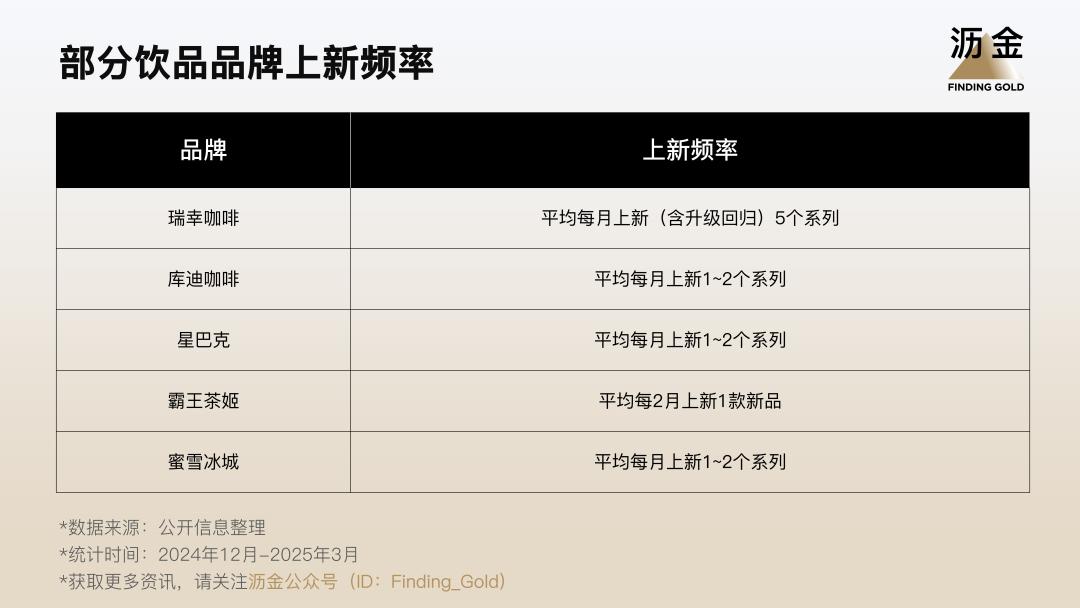
Core Insights - Luckin Coffee is experiencing anxiety over its flagship product, the Coconut Latte, which has been crucial for its financial recovery and market leadership since its launch in April 2021 [1][8] - The company is under pressure from emerging competitors in the ready-to-drink coconut coffee market, prompting a rapid product launch strategy to find the next big hit [1][3] Product Launch Strategy - Luckin Coffee has significantly increased its product launch frequency, averaging 5.5 new products per month, which is much higher than competitors like Kud Coffee and Starbucks, which launch 1-2 new products monthly [2][3] - The new products are priced strategically, with low-priced items at 9.9 yuan aimed at attracting trial customers, while higher-priced items target consumers seeking premium options [3][8] Market Positioning - The brand is focusing on creating a strong association between coconut products and its identity, aiming to solidify its position as the "go-to" for coconut coffee [7][9] - The marketing strategy includes collaborations with influencers to enhance brand recognition among younger audiences [7][9] Financial Performance - In 2024, Luckin Coffee reported a revenue of 34.475 billion yuan, a 38.4% increase year-on-year, but net profit growth was only 3%, indicating declining profit margins [8] - Same-store sales dropped by 16.7%, reflecting challenges in maintaining profitability amid rising raw material costs and a competitive pricing environment [8][9] Product Development Challenges - The company is struggling to create new hit products, with past successes being categorized as either marketing-driven or repeat purchase-driven [9][13] - The next potential flagship product is likely to be an iteration of the Coconut Latte, as the brand's identity is closely tied to coconut flavors [13][17] Consumer Preferences - The success of the Coconut Latte is attributed to its appeal to non-coffee drinkers, leveraging the natural sweetness of coconut to mask coffee's bitterness [13][14] - Future product innovations are expected to align with consumer trends towards health and seasonal flavors, which can enhance emotional value and brand loyalty [14][15]