轻咖柠檬茶

Search documents
从王者、崩铁到疯狂动物城,二次元联名为何成为咖啡行业标配?| 声动早咖啡
声动活泼· 2025-11-24 09:04
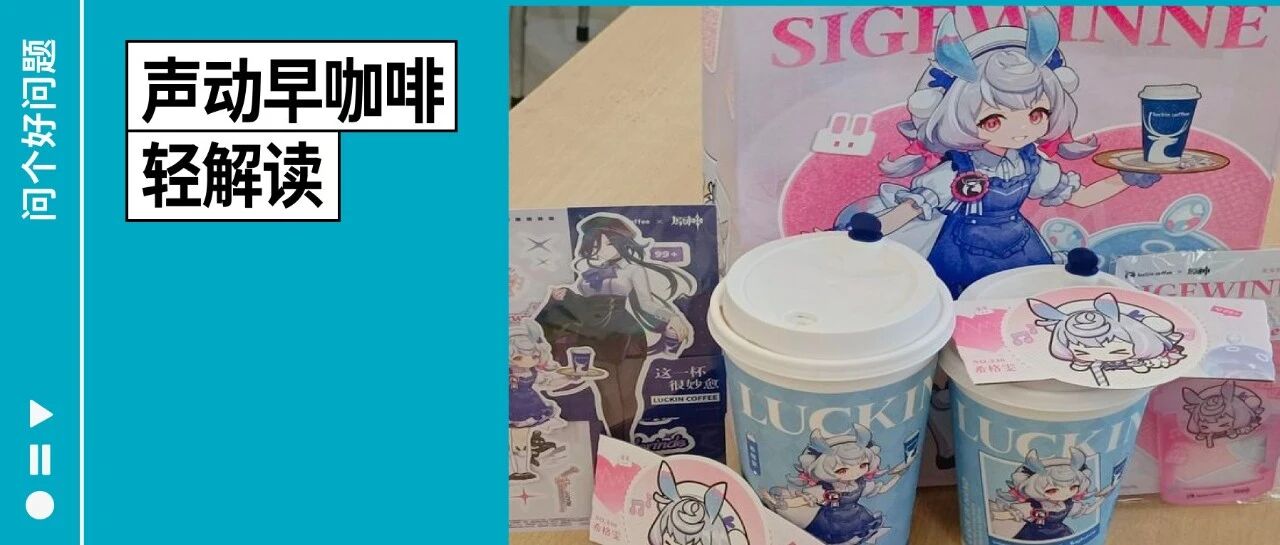
Core Insights - The article discusses the rising trend of collaboration between coffee brands and anime/game IPs, highlighting the marketing strategies and consumer engagement involved in this phenomenon [3][4][5]. Group 1: Collaboration Trends - The collaboration trend in the beverage industry has shifted from occasional marketing tactics to a daily operational norm, particularly in coffee brands, with Luckin Coffee leading the charge with approximately 90 collaborations this year [4][5]. - Luckin Coffee has engaged in over 50 collaborations with anime, game, or cartoon characters, accounting for at least 40% of their total collaborations [4]. Group 2: Market Dynamics - The increase in store density among coffee chains has diluted customer traffic, making it challenging for brands to attract consumers solely through new product launches [5][6]. - The competition has intensified, leading brands to seek innovative ways to increase customer visit frequency, as traditional new product strategies have become less effective [6]. Group 3: Marketing Effectiveness - Collaborating with established anime or game IPs offers a cost-effective marketing strategy compared to traditional celebrity endorsements, as these collaborations can drive customer traffic and sales more directly [7][8]. - For instance, a collaboration with the game "Black Myth: Wukong" resulted in over 100,000 sales on the first day, showcasing the potential impact of such partnerships [7][8]. Group 4: Consumer Engagement - The emotional value associated with anime and game characters drives consumer purchases, as young consumers are motivated by the emotional connections they have with these characters [11]. - The Z generation, being the primary consumers of anime content, aligns well with the target demographic of coffee chains, enhancing the effectiveness of these collaborations [11]. Group 5: Challenges and Concerns - Rising marketing costs are a significant concern, with collaboration fees for top IPs exceeding millions, leading to increased financial pressure on brands [12]. - The frequency of collaborations with the same IP can dilute their effectiveness, causing consumer fatigue and reducing the overall impact of marketing efforts [12][13]. - There are higher expectations for the quality and creativity of the products associated with anime IPs, and failure to meet these expectations can lead to negative perceptions among fans [13].


从印尼椰岛到横州茉莉园区:解码瑞幸的“原产地集群”战略
Feng Huang Wang Cai Jing· 2025-09-04 13:41
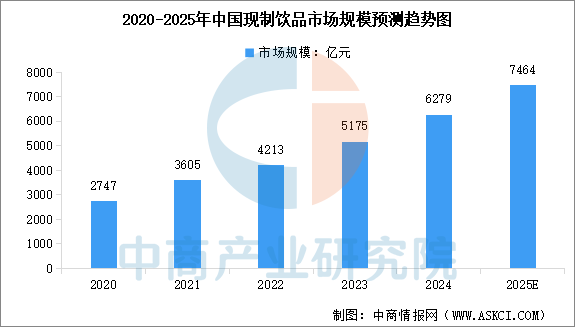
Group 1 - The core narrative highlights how the Norwegian salmon industry transformed Japanese eating habits through a robust supply chain, illustrating the power of supply chain capabilities in shaping consumer preferences [1][4] - The current beverage industry is experiencing a similar trend, where companies like Luckin Coffee are redefining consumer expectations and habits through stable, high-quality, and low-cost raw material supply [2][3] Group 2 - The Chinese ready-to-drink beverage market is projected to reach a scale of 627.9 billion yuan in 2024, with a compound annual growth rate of 23% over the past five years [5] - Intense competition has led to a price war, with brands facing challenges due to product innovation stagnation and rising consumer demands for quality and health [7][8] Group 3 - Luckin Coffee has established a global supply chain strategy, creating an "origin cluster" that ensures quality and stable supply of raw materials from regions like Brazil, Ethiopia, and Indonesia [8][14] - The company has secured significant procurement agreements, including a five-year contract for 240,000 tons of coffee from Brazil, positioning itself as a leader in the domestic coffee import market [15] Group 4 - Luckin Coffee's "Origin Festival" campaign emphasizes its supply chain advantages, allowing it to define quality and lead market demand, creating a competitive edge that is difficult for other brands to replicate [11][12] - The company's supply chain strategy includes a positive feedback loop that enhances cost control and market expansion, solidifying its market position [13] Group 5 - The competition in the beverage industry is shifting from merely discovering new ingredients to controlling the supply chain, with companies needing to build efficient and sustainable supply systems to maintain a competitive advantage [26][27] - Luckin Coffee's extensive supply chain network, which spans global agricultural sources, is its true competitive moat, enabling it to navigate market challenges effectively [28][29]
从印尼椰岛到横州茉莉园区:解码瑞幸的“原产地集群”战略
凤凰网财经· 2025-09-04 13:28
Core Viewpoint - The article emphasizes the transformative power of supply chains in reshaping consumer habits and market dynamics, particularly in the beverage industry, as exemplified by the success of Norwegian salmon and the current strategies of companies like Luckin Coffee [1][3][36]. Group 1: Beverage Industry Trends - The current beverage market is experiencing a shift where supply chain capabilities are becoming the primary driver of consumer experience rather than consumer demand itself [3]. - The Chinese ready-to-drink beverage market is projected to reach a scale of 627.9 billion yuan in 2024, with a compound annual growth rate of 23% over the past five years [4]. - The competition in the beverage industry has intensified, leading to price wars and a decline in average transaction prices among leading brands [6]. Group 2: Supply Chain Strategies - Companies are increasingly focusing on upstream supply chain battles, particularly in sourcing high-quality raw materials from tea gardens, fruit orchards, and coffee plantations [4]. - Luckin Coffee has established a "Origin Cluster" strategy, securing high-quality raw materials from various regions globally, which enhances its supply chain stability and product quality [8][19]. - The establishment of a robust supply chain allows companies to achieve cost advantages and maintain consistent product quality, which is crucial in a highly competitive market [6][21]. Group 3: Luckin Coffee's Competitive Edge - Luckin Coffee's "Origin Festival" campaign highlights its commitment to quality by promoting products sourced from specific regions, thereby enhancing brand recognition and market competitiveness [14][15]. - The company's extensive procurement agreements, such as a five-year contract for 240,000 tons of coffee from Brazil, demonstrate its proactive approach to securing raw materials [19][21]. - Luckin Coffee's ability to define industry standards, such as the first "light milk tea" standard, positions it as a leader in the market, shifting from a mere purchaser to a standard setter [22][27]. Group 4: Market Dynamics and Future Outlook - The beverage industry is witnessing a rapid cycle of product innovation, but many brands struggle to create lasting differentiation, leading to a "new product - imitation - internal competition" cycle [32]. - The true competitive advantage lies in controlling upstream resources and establishing a sustainable supply chain, which is essential for long-term success in the beverage market [35][36]. - Luckin Coffee's strategic focus on global sourcing and supply chain integration is setting a new standard for the industry, potentially reshaping the competitive landscape of the ready-to-drink beverage sector [36][38].
瑞幸加码全球原产地布局 原产地集群初具规模
Xin Jing Bao· 2025-09-02 09:20
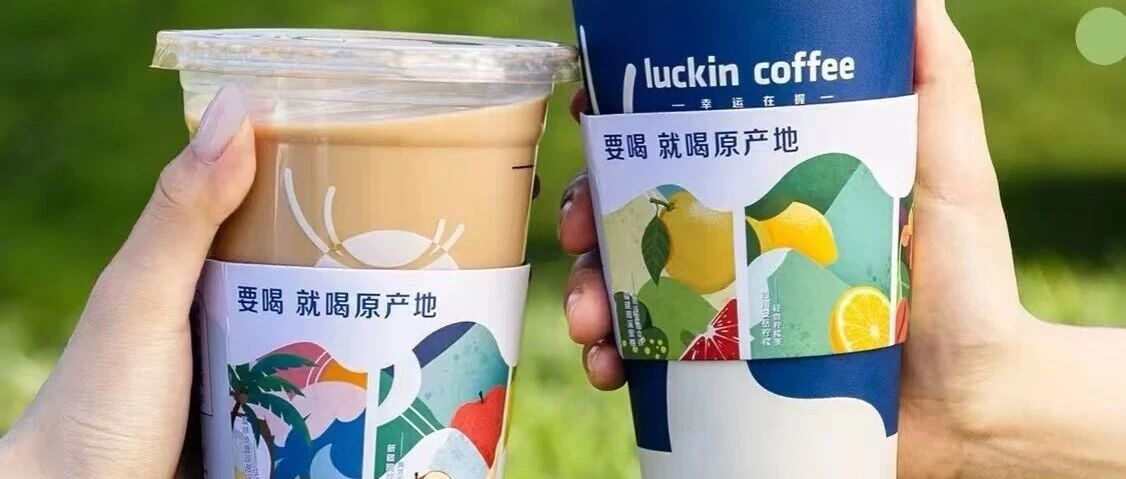
Group 1 - The core brand slogan of Luckin Coffee is "Drink from the Origin," emphasizing the company's focus on strengthening its upstream supply chain for core products [1] - Luckin Coffee has established a global sourcing network for high-quality raw materials, including Arabica coffee beans, coconuts, and jasmine flowers, with origins in Brazil, Ethiopia, Indonesia, and Guangxi [1][2] - The company initiated a "Global Bean Sourcing Program" in 2023 to ensure the quality of coffee beans by visiting major coffee-producing regions [1] Group 2 - In March 2025, Luckin Coffee plans to procure approximately 1 million tons of high-standard Indonesian coconuts over the next five years to support its popular coconut latte series [2] - Luckin Coffee's procurement of Brazilian coffee beans accounts for 60% of Brazil's total coffee exports to China, indicating a significant market presence [2] - The company has launched the "Drink from the Origin Festival" on September 1, featuring a product lineup that includes new offerings like Akesu Apple Latte and popular drinks such as Coconut Latte and Yirgacheffe Americano [3]
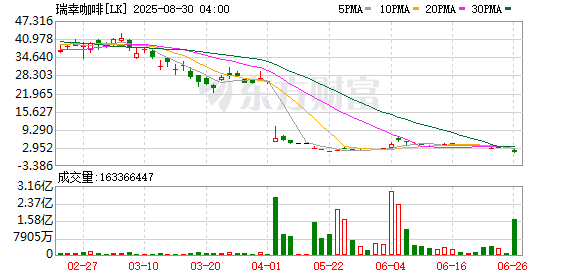
瑞幸加码全球原产地布局,原产地集群初具规模
Bei Ke Cai Jing· 2025-09-01 14:12
Core Insights - Luckin Coffee has launched the "Drink Original Origin Festival," introducing a product matrix focused on original origin ingredients, including new offerings like Aksu Apple Latte and popular drinks such as Coconut Latte and Yirgacheffe Americano [1] - The brand slogan "Drink Original Origin" reflects Luckin's strategy to strengthen its upstream supply chain for core products, establishing a global network of original origin sources [1] Group 1 - Luckin Coffee has developed original origin clusters in Brazil and Ethiopia for coffee, Indonesia for coconuts, and Guangxi for jasmine flowers, securing high-quality raw materials like Arabica coffee beans and coconuts [1][2] - The company initiated a "Global Bean Sourcing Program" in 2023 to ensure the quality of coffee beans by visiting key coffee-producing regions, including Panama, Ethiopia, Indonesia, Yunnan in China, and Brazil [1] - In May 2023, Luckin established an office in Ethiopia, and by November 2024, it signed a five-year memorandum for the procurement of 240,000 tons of coffee beans in Brazil, along with setting up local offices and support centers [1] Group 2 - In non-coffee raw material sourcing, Luckin plans to procure approximately 1 million tons of high-standard Indonesian coconuts over the next five years, enhancing its Coconut Latte product line [2] - The company has created a dedicated jasmine flower production area in Guangxi, overseeing the quality control of jasmine tea from cultivation to harvesting [2] - Luckin's coffee bean procurement from Brazil accounts for 60% of Brazil's total coffee exports to China, and it is a major consumer of lemons from Anju, Sichuan, leading the industry in consumption scale [2]
比荔枝还贵 柠檬身价翻倍
Chang Sha Wan Bao· 2025-08-05 02:44
Core Viewpoint - The price of lemons has significantly increased, with the average wholesale price reaching 14.11 yuan per kilogram, nearly double the price from the previous year, impacting both retail and beverage markets [1][2]. Retail Market - The retail price of lemons has risen, with some stores selling them for 5 yuan each, compared to 3.5 yuan previously [2]. - Despite the price increase, consumer demand remains strong, as many continue to purchase lemons for refreshing drinks [2]. - In some markets, the price for a box of 500 grams of lemons is around 13.9 yuan, with individual lemons priced at approximately 2.7 yuan each [2]. Beverage Market - The demand for lemon-based beverages is high, with brands like Mixue Ice City selling 1.1 billion cups of lemon water annually [3]. - While some stores have not yet raised prices, cities like Beijing and Shanghai have seen prices for lemon drinks increase from 4 yuan to 5 yuan [4]. - Other beverage brands are adjusting their offerings in response to rising lemon prices, with some substituting different types of lemons to manage costs [4]. Price Increase Origin - The primary driver of the recent price surge is extreme weather conditions that have disrupted the supply chain, particularly affecting the yellow lemon variety [5]. - Sichuan Anyue County, which produces 70% of China's lemons, has experienced significant production declines due to prolonged high temperatures and lack of rainfall [6]. - Global lemon production is expected to decrease by approximately 6% in 2025, with adverse weather conditions in key producing countries like Turkey and Argentina further exacerbating the situation [6].
新消费快讯|家具品牌Castlery启动加拿大电商业务;金字火腿控股权变更
新消费智库· 2025-05-05 11:53
New Consumption Overview - The article discusses various new product launches and investment activities in the consumer sector, highlighting trends and innovations in the market [2][3][4][6][11]. Product Launches - Guozi Shule has launched a 100% fruit juice series, featuring products made from high-quality fruits sourced from specific regions in China [4]. - Wudao has introduced a blue algae protein coconut-flavored Greek yogurt, which contains 15g of blue algae protein per 100g [4]. - Camel has released China's first ePE membrane fluorine-free jacket, emphasizing health and environmental sustainability [4]. - Uni-President has revamped its iced tea line with a new "cola iced tea" product, increasing the packaging size from 500ml to 680ml [6]. - Luckin Coffee has partnered with Chengdu's tourism bureau to launch upgraded lemon tea products, incorporating Sichuan lemons [6]. Investment Activities - Manus AI, a general-purpose AI company, has secured $75 million in funding led by Benchmark, with participation from existing investors [7]. - Jinzi Ham announced a change in control, with Ren Guilong transferring 145 million shares, representing 11.98% of the company [7]. - SanDai Technology has completed a multi-million dollar funding round led by Matrix Partners, focusing on video generation AI technology [7]. - ABG Group is considering a competitive bid for Guess, currently evaluating its options against WHP Global's offer [7]. - Yasha Biotechnology has suspended its stock trading to focus on operational management and cost reduction [7]. Market Expansion - Yanjin Pupu plans to expand its konjac product market in Southeast Asia, expressing confidence in overseas market potential [11]. - Dongpeng Beverage has laid the foundation for a new production base in Hainan, which will be its 13th base nationwide, with an investment of at least 1.2 billion yuan and an expected annual output value of over 850 million yuan by 2027 [11]. - Taiping Bird has launched a new elite Polo series, aiming to redefine the traditional Polo aesthetic with modern materials and styles [11]. - The furniture brand Castlery has initiated its e-commerce operations in Canada, marking a significant step in its global expansion strategy [11]. - BOSS has collaborated with David Beckham to launch a joint design men's clothing series, inspired by Beckham's personal style [11].



瑞幸加速上新,越努力越焦虑
3 6 Ke· 2025-04-24 12:16
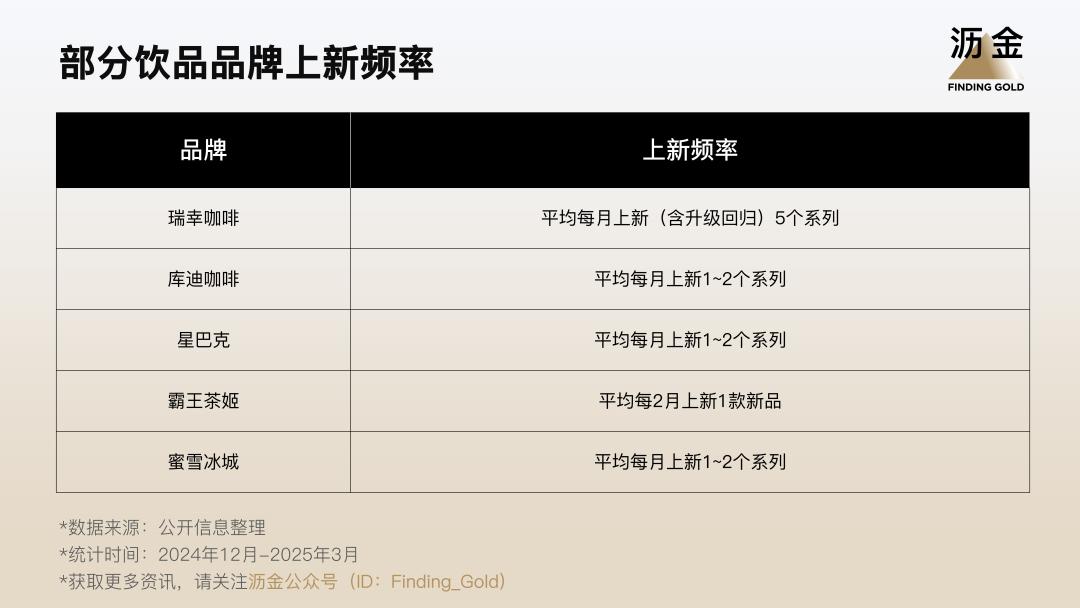
Core Insights - Luckin Coffee is experiencing anxiety over its flagship product, the Coconut Latte, which has been crucial for its financial recovery and market leadership since its launch in April 2021 [1][8] - The company is under pressure from emerging competitors in the ready-to-drink coconut coffee market, prompting a rapid product launch strategy to find the next big hit [1][3] Product Launch Strategy - Luckin Coffee has significantly increased its product launch frequency, averaging 5.5 new products per month, which is much higher than competitors like Kud Coffee and Starbucks, which launch 1-2 new products monthly [2][3] - The new products are priced strategically, with low-priced items at 9.9 yuan aimed at attracting trial customers, while higher-priced items target consumers seeking premium options [3][8] Market Positioning - The brand is focusing on creating a strong association between coconut products and its identity, aiming to solidify its position as the "go-to" for coconut coffee [7][9] - The marketing strategy includes collaborations with influencers to enhance brand recognition among younger audiences [7][9] Financial Performance - In 2024, Luckin Coffee reported a revenue of 34.475 billion yuan, a 38.4% increase year-on-year, but net profit growth was only 3%, indicating declining profit margins [8] - Same-store sales dropped by 16.7%, reflecting challenges in maintaining profitability amid rising raw material costs and a competitive pricing environment [8][9] Product Development Challenges - The company is struggling to create new hit products, with past successes being categorized as either marketing-driven or repeat purchase-driven [9][13] - The next potential flagship product is likely to be an iteration of the Coconut Latte, as the brand's identity is closely tied to coconut flavors [13][17] Consumer Preferences - The success of the Coconut Latte is attributed to its appeal to non-coffee drinkers, leveraging the natural sweetness of coconut to mask coffee's bitterness [13][14] - Future product innovations are expected to align with consumer trends towards health and seasonal flavors, which can enhance emotional value and brand loyalty [14][15]