
审计监督

Search documents
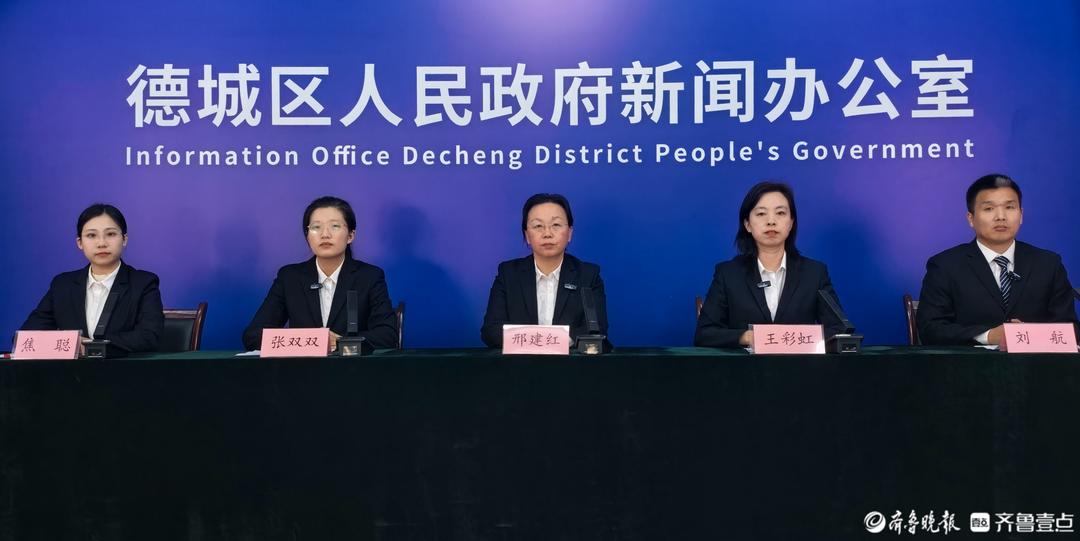
德城审计:聚焦经济监督“主战场”,筑牢高质量发展“防火墙”
Qi Lu Wan Bao· 2025-12-04 15:29
Core Viewpoint - The Dezhou Economic Development Zone is enhancing its auditing capabilities to support high-quality economic development through various initiatives and reforms aimed at improving audit effectiveness and governance [1][3]. Group 1: Strengthening Political Responsibility - The auditing agency is focusing on the political attributes and functions of auditing, implementing the "Jing Audit" project to integrate party building with business development [1]. - Activities such as collective learning sessions and discussions are being organized to enhance the ideological foundation and party spirit among auditors [1]. Group 2: Enhancing Professional Capacity - The "Jing Audit Empowerment" initiative aims to improve the professional skills of auditors through various training methods, resulting in a workforce with 29 mid-to-senior level professionals and several specialized certifications [2]. - Regular meetings on party conduct and anti-corruption are held to maintain a clean and ethical auditing environment [2]. Group 3: Focusing on Core Responsibilities - The agency has conducted 17 audit projects this year, enhancing the coverage and precision of its economic supervision [3]. - Audits are targeted at improving the performance of fiscal funds and ensuring compliance, safety, and efficiency in financial management [3]. - A mechanism for producing audit reports and information for each project has been established to ensure quality and value in audit outcomes [3]. - A systematic approach to addressing audit findings has been implemented, focusing on accountability and continuous improvement in governance [3]. Group 4: Promoting Innovation - The agency aims to achieve significant breakthroughs in reform and innovation, with two initiatives selected for the provincial audit system's 2025 reform plan [4]. - The use of advanced data analysis tools is being explored to enhance audit efficiency and effectiveness, including the deployment of a localized model for rapid analysis of non-structured data [4]. Group 5: Collaborative Oversight - Strengthening collaboration with oversight bodies is a priority, with joint actions planned to enhance the effectiveness of audit rectifications [5]. - The agency is focusing on improving internal audit processes and quality, with successful case studies recognized at the provincial level [5]. - Future efforts will continue to align with the district's central work, aiming for a comprehensive and high-quality audit service to support economic development [5].
聚焦“四个促进”,德城审计以有力监督提升财政绩效与资金效益
Qi Lu Wan Bao· 2025-12-04 12:45
Core Viewpoint - The Decheng District Audit Bureau is enhancing fiscal performance management and the efficiency of fiscal fund utilization through comprehensive audit supervision, supporting the district's economic high-quality development [3][4]. Group 1: Audit Supervision Goals - The audit bureau focuses on promoting the quality and efficiency of proactive fiscal policies, deepening fiscal system reforms, preventing and mitigating debt risks, and standardizing power operations [3]. - Key areas of audit include the management and use of government special bond funds and the implementation of major policies, ensuring that policy benefits are effectively delivered [3]. Group 2: Budget Management Reform - The audit bureau emphasizes the implementation of budget management reforms, auditing state-owned capital management and budget performance to enhance the efficiency of fiscal funds [4]. - Strict adherence to the central government's eight regulations and frugality requirements is a priority, aiming to improve budget management and ensure effective use of government procurement [4]. Group 3: Social Welfare and Key Projects - The audit bureau prioritizes social welfare, focusing on education and healthcare funding, ensuring that policies benefit the public and addressing issues like fund misappropriation [4]. - Comprehensive audits are conducted on major infrastructure projects, ensuring compliance in project approval, fund usage, and quality, thereby enhancing the effectiveness of public service projects [4]. Group 4: State-Owned Asset Supervision - The audit bureau places significant emphasis on the supervision of state-owned assets, promoting their efficient operation and preventing loss [5]. - Audits are conducted on the management of administrative assets and natural resource utilization, reinforcing responsibilities for ecological protection and supporting sustainable development [5].

南通农商银行审计监督精准发力
Jiang Nan Shi Bao· 2025-11-23 13:19
Core Viewpoint - Nantong Rural Commercial Bank is focusing on enhancing its audit supervision quality and efficiency as part of its "Credit Business Improvement Year" goal, integrating audit supervision throughout the entire credit business process to support high-quality development [1][3]. Group 1: Risk Management - The bank is conducting a comprehensive audit of collateral management, aligning with regulatory requirements to identify and manage risks throughout the entire process from entry to monitoring and disposal [1]. - A thorough audit approach is being implemented across branches, focusing on compliance, risk control, and internal management, utilizing audit models and credit file reviews to uncover operational status and potential risks [1]. - Internal audit feedback is promptly provided to business departments to encourage self-inspection and correction, maximizing the value of audits [1]. Group 2: Audit Efficiency - The bank adopts a research-oriented audit approach, analyzing root causes of issues and proposing targeted recommendations to convert audit results into effective governance [2]. - A systematic review of 11 risk scenarios related to mobile business platforms has been conducted, resulting in a comprehensive guide that includes risk manifestations, impact assessments, and prevention suggestions [2]. - The bank employs a three-path approach ("upward reporting, parallel suggestions, downward communication") to ensure the effective application of audit results, thereby enhancing management efficiency [2]. Group 3: Continuous Improvement - The bank emphasizes a combination of immediate corrections and long-term systemic improvements, focusing on both problem rectification and enhancing institutional mechanisms [3]. - A robust rectification responsibility mechanism has been established, designating the main responsible person for each audited unit, and implementing a problem list, rectification ledger, and closure system to ensure issues are addressed [2]. - The bank aims to deepen the application of audit results to improve overall audit supervision effectiveness, contributing to stable business development and establishing a solid defense for sustainable growth [3].
中共审计署党组关于二十届中央第三轮巡视整改进展情况的通报
Zhong Yang Ji Wei Guo Jia Jian Wei Wang Zhan· 2025-09-22 10:37
Group 1 - The audit authority is implementing a series of corrective measures following the feedback from the Central Inspection Team, emphasizing the importance of political responsibility and organizational leadership in the rectification process [2][3][4] - The audit authority has established a dedicated leadership group to oversee the rectification efforts, ensuring that corrective actions are prioritized and effectively managed [2][3] - A systematic approach to tracking and managing rectification tasks has been implemented, including the use of an information system to monitor progress and ensure accountability [3][4] Group 2 - The audit authority is focusing on enhancing the quality of audit supervision, particularly in areas such as public welfare funding and major risk identification, to ensure effective oversight and risk mitigation [5][6][7] - There is a commitment to improving the operational mechanisms of audit work, including the establishment of clear reporting protocols and collaboration with relevant departments to address significant issues identified during audits [4][5] - The authority is also enhancing its internal governance by strengthening the management of audit personnel and ensuring compliance with ethical standards [7][8] Group 3 - The audit authority is dedicated to long-term rectification efforts, combining immediate actions with sustainable practices to ensure ongoing compliance with central directives [11][12] - Future plans include reinforcing the mechanisms for continuous improvement in audit practices, ensuring alignment with national policies, and enhancing the effectiveness of audit operations [12][13] - The authority aims to uphold strict party discipline and accountability within its ranks, fostering a culture of integrity and transparency [13][14]
新华视评丨养老金“跑冒滴漏”不能总靠审计“算后账”
Xin Hua Wang· 2025-09-14 11:48
Core Viewpoint - Recent audit reports have revealed issues related to the improper disbursement of pension funds, raising public concern about the effectiveness of regulatory oversight and the ability of relevant departments to proactively identify such problems [1] Group 1 - The issue of pension fund misallocation has come to light primarily through audit investigations, suggesting a lack of proactive measures from regulatory bodies [1] - Questions have been raised regarding why regulatory departments have not been able to detect these issues independently, indicating potential gaps in oversight [1] - The reliance on audits to uncover these problems raises concerns about how long these improperly issued pensions would continue to be disbursed without such investigations [1]
南通农商银行筑牢高质量发展审计防线
Jiang Nan Shi Bao· 2025-09-10 23:32
Group 1 - The core viewpoint of the articles emphasizes the continuous improvement of the audit supervision system at Nantong Rural Commercial Bank to enhance risk management and compliance, thereby laying a solid foundation for high-quality development [1][2] Group 2 - The bank has completed 15 audit projects by the end of June, identifying 45 issues, issuing 8 rectification notices, 1 management suggestion, and 2 risk warning letters [1] - A digital audit process has been established, incorporating various monitoring models for operational management, credit risk, and case prevention, enhancing the intelligence level of audits [1] - The bank has created an audit rectification ledger to track 31 issues, with 30 resolved, and has transformed audit results into 14 management suggestions and 5 process optimization plans [2] Group 3 - The bank is focused on building a professional audit team through systematic management and training, enhancing the capabilities of audit personnel in business knowledge, computer skills, and data analysis [2] - Future initiatives will include advancing audit reform and innovation to better prevent financial risks and support the real economy, contributing to local economic prosperity [2]
利欧股份: 审计委员会工作细则
Zheng Quan Zhi Xing· 2025-09-07 09:14
Core Viewpoint - The article outlines the work rules of the Audit Committee of Leo Group Co., Ltd., emphasizing the importance of enhancing the board's decision-making capabilities, ensuring effective supervision of the management, and improving corporate governance to mitigate operational risks [1]. Group 1: General Provisions - The Audit Committee is established to strengthen the decision-making function of the board and ensure professional audits [1]. - The committee is responsible for communication, supervision, and verification of both internal and external audits [1]. Group 2: Composition of the Committee - The Audit Committee consists of three directors, with a majority being independent directors, and an accounting professional serving as the convener [2]. - Members are nominated by the chairman or a majority of independent directors and elected by the board [2]. Group 3: Responsibilities and Authority - The committee exercises the powers of the supervisory board as defined by the Company Law, including reviewing financial information and supervising internal controls [3]. - Key responsibilities include approving financial reports, hiring or dismissing audit firms, and evaluating internal controls [3]. Group 4: Decision-Making Procedures - Relevant departments must prepare written materials for the committee's decision-making, including financial reports and audit work reports [4]. - The committee evaluates reports and submits resolutions to the board for discussion [4]. Group 5: Meeting Rules - The committee must meet at least quarterly, with provisions for special meetings if necessary [5]. - Decisions require a majority vote from attending members, and meeting records must be maintained [5]. Group 6: Miscellaneous - The work rules take effect upon board approval and replace any previous rules [7]. - Any unresolved matters will be governed by relevant laws and regulations [7].

莲花控股: 莲花控股股份有限公司董事会审计委员会议事规则(2025年8月修订)
Zheng Quan Zhi Xing· 2025-08-29 17:25
General Provisions - The purpose of establishing the Audit Committee is to enhance the decision-making function of the board of directors and ensure effective supervision of financial and operational activities [1] - The Audit Committee is a specialized working body set up by the board of directors, responsible for communication, supervision, and verification of internal and external audits [1][2] Composition of the Committee - The Audit Committee consists of more than three directors, with a majority being independent directors, and the chairperson must be an independent director with accounting expertise [3][4] - The term of the Audit Committee members aligns with that of other directors, and members can be re-elected [2][3] Responsibilities and Authority - The Audit Committee is responsible for reviewing financial information, supervising internal and external audits, and evaluating internal controls [9] - Key responsibilities include supervising external audit work, reviewing financial reports, assessing internal control effectiveness, and coordinating communication between management and external auditors [9][10][11] Work Procedures - The Audit Committee must hold at least one meeting each quarter, with meetings called by the chairperson or upon request by committee members [8][29] - Meeting notifications must be sent three days in advance, and decisions require a majority vote from committee members [8][29] Information Disclosure - The company must disclose the composition and professional background of the Audit Committee members, as well as any significant issues identified during their duties [36][37] - If the board does not adopt the Audit Committee's proposals, the company must disclose the reasons for this decision [38] Additional Regulations - The rules and procedures established by the Audit Committee must comply with relevant laws, regulations, and the company's articles of association [12][16] - The Audit Committee is responsible for formulating and revising its own rules and procedures, which are integral to the overall governance framework of the company [12][16]

康为世纪: 董事会审计委员会工作细则
Zheng Quan Zhi Xing· 2025-08-29 17:12
Core Points - The article outlines the regulations and responsibilities of the Audit Committee of Jiangsu Kangwei Century Biotechnology Co., Ltd, emphasizing the need for independent directors and their qualifications [2][4][5] - The Audit Committee is responsible for overseeing financial reporting, internal controls, and external audits, ensuring compliance with relevant laws and regulations [3][6][7] Group 1: Audit Committee Structure - The Audit Committee must consist of directors who are not senior management, with a majority being independent directors [2][4] - Independent directors must have relevant professional knowledge and experience to effectively supervise and evaluate audit work [2][4] - The committee is responsible for proposing the hiring or replacement of external auditors and reviewing their fees and terms [5][6] Group 2: Responsibilities and Authority - The main responsibilities of the Audit Committee include supervising external audits, evaluating internal audits, and reviewing financial information [6][7] - The committee must ensure the accuracy and completeness of financial reports and address any significant issues related to fraud or misrepresentation [6][7] - The committee has the authority to hire independent consultants and legal advisors as needed [10][12] Group 3: Meeting Procedures - The Audit Committee is required to hold at least one regular meeting each quarter and can convene additional meetings as necessary [10][12] - A quorum for meetings requires the presence of at least two-thirds of the committee members [10][12] - Meeting records must be kept for a minimum of ten years, detailing attendance, agenda, and decisions made [11][13]

南山铝业: 山东南山铝业股份有限公司审计委员会工作细则(2025年8月修订)
Zheng Quan Zhi Xing· 2025-08-29 16:41
Core Viewpoint - The company has established an Audit Committee under the Board of Directors to enhance decision-making capabilities, ensure effective supervision of the management, and improve corporate governance structure [1]. Group 1: General Provisions - The Audit Committee is responsible for financial inspection, supervision of directors and senior management, and proposing the convening of extraordinary shareholder meetings when necessary [1][2]. - The committee consists of five members, including three independent directors, with the chairperson being a professional in accounting [2][3]. Group 2: Responsibilities and Authority - The main responsibilities of the Audit Committee include supervising external and internal audits, reviewing financial information, and assessing internal controls [2][5]. - The committee is tasked with ensuring the integrity of financial reports and addressing any issues related to fraud or significant misstatements [5][10]. Group 3: Decision-Making Procedures - The Audit Committee must approve certain matters, such as the disclosure of financial reports and the hiring or dismissal of external auditors, before submitting them to the Board for review [9][10]. - Meetings of the Audit Committee are required to be held regularly, with at least four meetings annually, and decisions must be made with a majority vote [11][14]. Group 4: Meeting Protocols - The committee meetings can be regular or temporary, with specific notification requirements for all members [11][12]. - Meeting records must be maintained, detailing attendance, discussions, and voting outcomes, and these records should be preserved for at least ten years [14][15].
