幸福

Search documents
硅谷顶级投资人纳瓦尔的66条生命哲学——财富、判断力与幸福方法
首席商业评论· 2025-12-12 05:07
Core Insights - The article emphasizes the importance of balancing wealth and inner peace, as articulated by Naval Ravikant, who suggests focusing on oneself, one's finances, and maintaining inner tranquility [2]. Group 1: Wealth - Wealth should be pursued over money or status, defined as assets that generate income while one sleeps [4][5]. - Achieving financial freedom requires ownership of equity rather than merely trading time for money [5]. - Providing society with in-demand goods or services and scaling them is a pathway to wealth [5]. - Choosing industries with long-term growth potential and collaborating with reliable partners is crucial [5]. - The internet has expanded career opportunities, yet many have not fully recognized this [5]. - Cultivating an iterative mindset is essential, as returns in life come from compounding [5]. - Individuals should arm themselves with expertise, a sense of responsibility, and leverage [5][7]. Group 2: Judgment - Spending time on saving money does not lead to wealth; instead, time should be spent on earning [9]. - In an era of leverage, a single correct decision can yield significant rewards [9]. - Clear thinking is more valuable than mere intelligence, as it establishes authority [9][10]. Group 3: Happiness - Happiness is defined as the absence of pain and desire, embracing the present moment [11][12]. - Accepting reality and not being overly attached to desires leads to true happiness [12][13]. - The article suggests that happiness is a choice, stemming from inner peace rather than external circumstances [12][13]. - Good habits and the company of positive individuals significantly influence happiness [14][16]. Group 4: Life Formula - Naval's formula for success includes happiness as a function of health, wealth, and good relationships [16]. - Health is determined by exercise, diet, and sleep, while wealth is a product of income, responsibility, leverage, and expertise [16].


看了清华大学2025年中国人幸福报告,我才知道多数人活反了
洞见· 2025-12-05 12:38
Core Insights - The article emphasizes the importance of prioritizing health and family over societal expectations of success and wealth, suggesting that true happiness lies in living in the present rather than deferring joy for future achievements [4][5][6][7][9]. Group 1: Health and Well-being - The narrative illustrates how individuals often sacrifice their health for work, leading to serious health issues that prevent them from enjoying life despite financial success [10][12][16]. - It highlights that health is the foundation of happiness, and neglecting it can result in irreversible consequences [17][18]. Group 2: Family and Relationships - The article discusses the tendency to prioritize professional relationships over family, leading to regret when facing personal crises [20][24][26]. - It stresses that genuine support comes from family, and maintaining strong family bonds is crucial for long-term happiness [25][27]. Group 3: Living in the Present - The piece critiques the mindset of postponing happiness for future milestones, advocating for appreciating the present moment and the small joys of daily life [29][32][36]. - It suggests that happiness is found in everyday choices and experiences rather than in distant goals [38][60]. Group 4: Practical Steps to Happiness - The article outlines seven actionable steps to enhance happiness, including regular exercise, sufficient sleep, cultivating a positive mindset, and fostering real-life social connections [39][42][45][56]. - It encourages individuals to engage with the world around them and to prioritize real-life interactions over virtual ones [58][59].

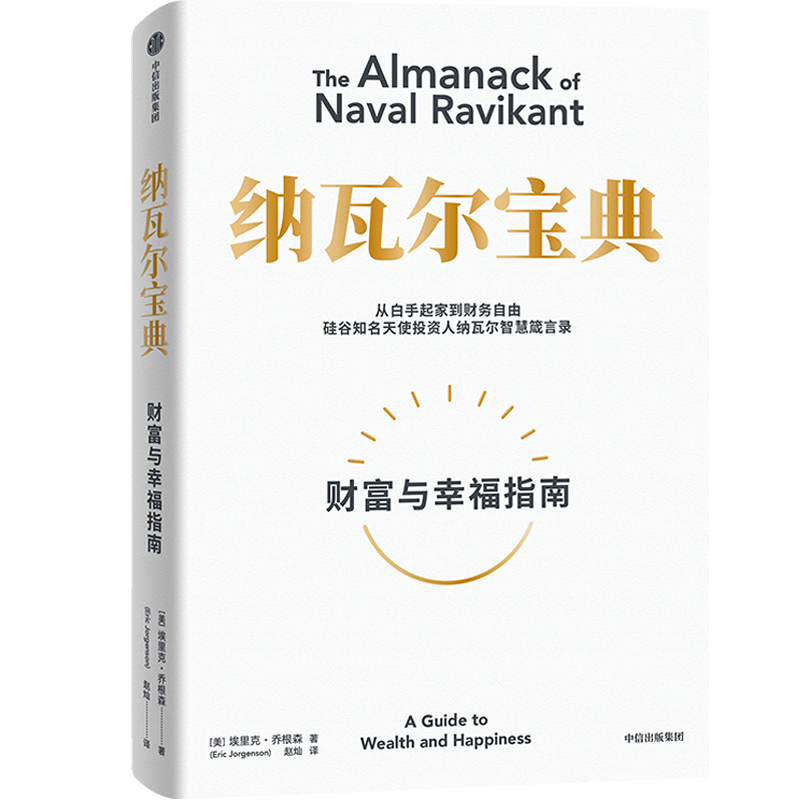
百万畅销书《纳瓦尔宝典》的66条成功法则——财富、判断力与幸福方法
Feng Huang Wang Cai Jing· 2025-11-27 09:58
Group 1 - The core idea of the article revolves around the struggles of modern life, emphasizing the need to balance the pursuit of wealth and inner peace, as illustrated by the popularity of "The Naval Bible" which has been read by over one million people [1] - The book offers a framework for addressing the "tearing" experienced in life, focusing on how to earn money with the mind rather than merely exchanging time for money [1] - Naval Ravikant, the author, emphasizes the importance of caring for oneself, one's finances, and maintaining inner tranquility [1] Group 2 - Naval Ravikant is introduced as the founder and CEO of AngelList, a legendary investor in Silicon Valley, who grew up in a single-parent, impoverished immigrant family [5] - His journey from hardship to financial and spiritual freedom is highlighted, showcasing his self-education through reading and his eventual success in the tech industry [5] - Ravikant's principles for achieving wealth include pursuing assets that generate income while sleeping, rather than relying solely on time [10][11] Group 3 - The book outlines various strategies for wealth accumulation, such as providing scalable solutions to societal needs and leveraging expertise and responsibility [12][14] - It emphasizes the significance of choosing industries with long-term potential and the importance of collaboration with trustworthy partners [13] - The concept of leveraging capital, labor, and media to create wealth is discussed, highlighting that modern wealth creation often involves coding and media production [19][21] Group 4 - The discussion on happiness focuses on the acceptance of reality and the importance of inner peace, suggesting that true happiness comes from embracing the present rather than striving for external validation [47][48] - Ravikant argues that happiness is a choice and is primarily derived from a state of mental tranquility rather than constant pursuit of desires [48][49] - The article concludes that "The Naval Bible" provides practical methods for navigating life's challenges, emphasizing that simple truths can withstand the complexities of modern anxiety [61][62]
读懂了中秋,才明白:何为家,何为爱,何为幸福
洞见· 2025-10-06 00:27
Group 1 - The article emphasizes the significance of the Mid-Autumn Festival as a time for family reunion and cultural reflection, highlighting its unique place in Chinese tradition [4][6][64] - It discusses the historical roots of the festival, linking it to ancient practices of moon appreciation and the emotional connections it fosters among family members [6][8][64] - The narrative includes references to famous literary works that illustrate the themes of longing and reunion associated with the festival, such as the stories of Chang'e and Su Shi [8][36][64] Group 2 - The article explores the concept of love through various stories tied to the Mid-Autumn Festival, emphasizing the enduring nature of love despite challenges and separations [12][36][64] - It highlights the importance of perseverance in love, suggesting that all separations are merely preludes to reunions, reinforcing the idea that true love requires patience and dedication [28][38][64] - The narrative contrasts the romantic themes of the festival with the more complex realities of love, suggesting that the essence of love is found in commitment and shared experiences [36][39][64] Group 3 - The article describes the Mid-Autumn Festival as a time for family gatherings, where traditional meals and shared moments create a sense of happiness and belonging [42][44][62] - It emphasizes that true happiness is found within the family unit, rather than in material wealth or status, reinforcing the idea that health and safety of loved ones are paramount [47][62][64] - The narrative also touches on cultural symbols associated with the festival, such as the Jade Rabbit, which represents health and prosperity, further enriching the festival's significance [49][60][64]

硅谷顶级投资人,纳瓦尔最新分享:关于财富、幸福和欲望的44条真相
雪球· 2025-10-01 13:00
Group 1: Happiness, Success, and Desire - Happiness comes from satisfaction, while success stems from dissatisfaction, highlighting a core contradiction in life that needs to be understood and managed [5] - There are two paths to happiness: obtaining what one desires or not desiring what one does not have, with the latter providing freedom through reduced desire [5] - The ultimate goal of winning in life is to eventually free oneself from the game, suggesting that one should seek to become weary of the game rather than remain in a perpetual cycle [5] - Pursuing material success first and then seeking spiritual freedom is a more realistic path, as fulfilling material desires is often easier than suppressing them [5] - Desire is a self-imposed contract of unhappiness, where one commits to being unhappy until achieving their desires [5] - Enjoying the journey itself is crucial, as 99% of life is spent in pursuit rather than in the moment of achievement [5] Group 2: Mindset, Pain, and Self - Most of the emotional pain experienced in the past was optional and not necessary, suggesting that one could have approached tasks with less emotional turmoil [6] - Pain should be viewed as a tool for growth rather than a marker of progress, focusing on the outcomes pain brings rather than the pain itself [6] - Self-esteem is built on one's reputation with oneself, and adhering to personal moral standards is the best way to establish it [6] - The worst outcome in life is a lack of self-esteem, as self-dislike makes external challenges insurmountable [6] - Learning is fundamentally about correcting mistakes, and true understanding comes from first principles rather than rote memorization [6] Group 3: Decision-Making and Action - The most valuable resource in life is attention, and careful selection of what to focus on is essential, as what one pays attention to shapes their identity [7] - To escape competition, one should embrace their uniqueness and find what they enjoy that others view as work, then "productize" it [9] - In a world full of choices, the biggest mistake is making commitments too early without sufficient exploration [9] - If faced with indecision, the answer is often "no," as modern society offers numerous opportunities that should be pursued without hesitation [10] - The key to mastering any skill lies in the number of iterations rather than the number of hours spent [10] Group 4: Wealth, Status, and Society - Wealth creation is a positive-sum game that can create value for everyone, while status games are zero-sum and inherently competitive [22][23] - Fame should be an earned byproduct of creating value rather than a goal in itself, as pursuing fame for its own sake is hollow [24] - The decline in birth rates is a complex socio-economic phenomenon resulting from individual choices rather than a problem needing active intervention [40]

9月译著联合书单|魑魅魍魉:我们的心魔和怪物的意义
Xin Lang Cai Jing· 2025-09-30 04:39
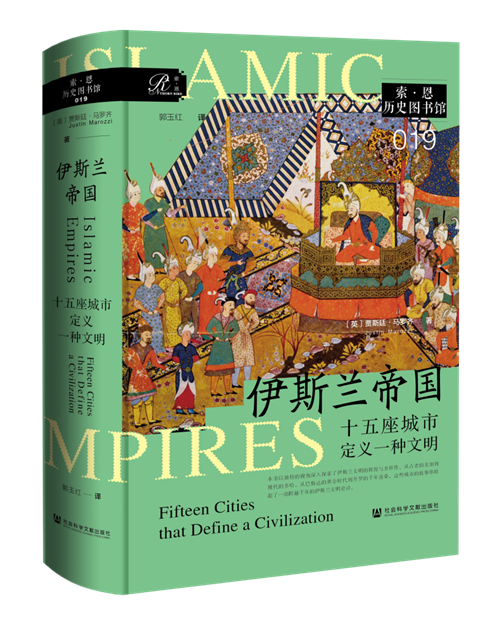
Group 1 - The book "The Islamic Empire: Fifteen Cities Defining a Civilization" explores the historical and cultural significance of key cities in the Islamic world from the 7th to the 21st century, highlighting their architecture, culture, and the dynasties or families associated with them [2] - The book "The Monsters We Fear: Our Inner Demons and the Meaning of Monsters" examines the complex relationship between humans and monsters, suggesting that monsters are projections of human fears, desires, and chaos, serving as metaphors for the eternal struggle between civilization and barbarism [4] - "The Life of the Wife of Bath: A Biography of a Remarkable Woman" discusses the character of Alison from Chaucer's "The Canterbury Tales," emphasizing her challenge to misogyny and the importance of women's self-expression in literature [6] Group 2 - "Dear Kin: A New Narrative of King Philip's War" reinterprets the historical narrative of King Philip's War, focusing on the perspectives of marginalized figures such as Indigenous women leaders and the complexities of cultural identity during the conflict [8] - "The Political Archaeology: Power Structures from the 17th Century to Present" presents a historical analysis of the concept of "politicality," arguing that political realities are shaped by historical transformations rather than being natural entities [10] - "Old Clothes, New Cuts" critiques modern materialism and social injustice through a philosophical lens, exploring the protagonist's journey from despair to spiritual awakening [12] Group 3 - "How Novels Think: The Limits of Individualism 1719-1900" discusses the relationship between the development of the novel and the formation of modern individual identity, highlighting the novel's role in shaping and revealing the contradictions of individualism [14] - "The Debate on Rights: Philosophical Explorations" investigates the nature of legal and moral rights, exploring fundamental questions about the essence and conditions of rights [16] - "The Tongzhi Restoration: The Last Resistance of Chinese Conservatism (1862-1874)" details the efforts of the Qing government during the Tongzhi Restoration, analyzing the historical conditions and mechanisms behind its near success and eventual failure [18] Group 4 - "The Nature of Happiness" critically evaluates various philosophical theories of happiness, exploring how modern conceptions differ from ancient views and questioning the moral implications of happiness [20] - "The Rubber Empire: The Struggle for Land and Power in Liberia" chronicles the establishment of a rubber empire by Firestone in Liberia, detailing the exploitation of land and labor under the guise of development [22] - "Classical Political Philosophy: Basic Principles" provides insights into Aristotle's political philosophy, addressing contemporary issues related to modernity and political thought [24] Group 5 - "The Things We Can Design: Beyond Human-Centered Worlds" critiques the anthropocentric approach in design, advocating for a more inclusive and relational design philosophy that addresses ecological concerns [26] - "A Brief History of Students" reflects on the evolving nature of student life and the core purpose of education in fostering independent thinking [28] - "The Brain: An Organ of Relationships" redefines the brain as a relational organ, emphasizing its role within the ecological network of life and its continuous transformation through interaction [30] Group 6 - "The British Industrial Revolution: Economic Transformation and the Establishment of Global Dominance" analyzes the factors that led to the Industrial Revolution in Britain and its profound impacts on various sectors [32] - "Caribbean on the Table: Food, Texts, and Culture" explores how diasporic writers use food to construct identity, examining the tensions between traditional and modern culinary practices [34] - "The Autumn Leaves Collection" is a compilation of essays reflecting on life, literature, and the influence of various literary figures on the author's thoughts [36] Group 7 - "The Reasons for Fear of Work" investigates the rising psychological issues related to work in Japan, providing insights into the workplace environment and suggesting constructive solutions [38] - "The Language of the Inuit: Semantics and Culture in the Arctic" studies the geographical distribution and dialectical differences of the Inuit language, examining its historical evolution and current status [40] - "High-Speed Trading: How Algorithms Transform Financial Markets" documents the rise of high-frequency trading and its implications for market efficiency and competition [42] Group 8 - "The Development of Translation Competence" focuses on the multidimensional construction of translation competence and emphasizes learner-centered teaching methods [44] - "A History of Greek Philosophy" provides a concise overview of ancient Greek philosophy, tracing the evolution of philosophical thought through key figures and schools [46] - "The Game of Cattle and Horses: How Silicon Valley Tames Engineers" reveals the hidden labor control mechanisms in tech companies, exploring how gamification affects engineers' work-life balance [48] Group 9 - "Weimar Culture: Outsiders in the Center" examines the cultural experiments of the Weimar Republic, highlighting the contributions of artists and intellectuals during a tumultuous period in German history [50] - "The Odes of John Keats" offers a detailed analysis of Keats' odes, situating them within the broader context of English poetry [52] - "Beyond Listening: Decoding Young Children's Voices in Early Education" critiques the practices of listening to young children in educational settings, proposing frameworks for better engagement [54] Group 10 - "On the Water's Edge: The Evolution of Life" explores macroevolution and the secrets of life through recent scientific discoveries and analyses [55] - "Living Like a Capybara: An Emotional Wellness Handbook for the Fragmented Age" provides practical methods for emotional health, emphasizing the importance of managing hostility for overall well-being [57] - "The Rainbow on the Plate: How Chemical Dyes Change Our Relationship with Food" narrates the history of synthetic dyes in food production, linking it to broader themes of safety and authenticity in the food industry [77]
粤豪珠宝2026新品珠宝展:从东方走向世界,探寻幸福的真意
Sou Hu Cai Jing· 2025-09-15 05:29
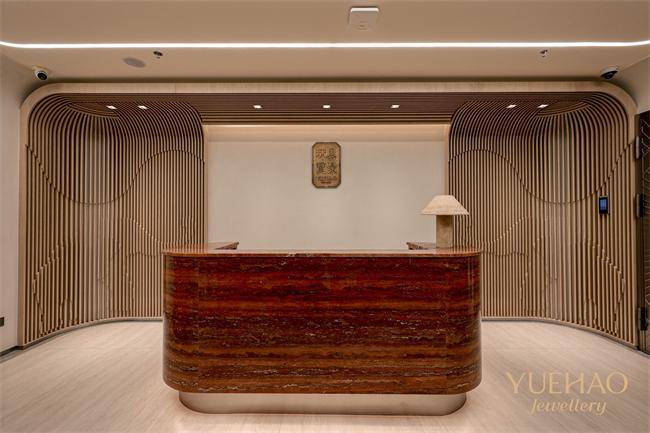
Core Viewpoint - The 2026 New Jewelry Exhibition by Yuehao Jewelry, titled "Happiness | What It Taught Me," merges traditional craftsmanship from the Chaozhou Taichang Silver Shop with an international perspective, exploring the essence of happiness through various dimensions [1] Group 1: Exhibition Highlights - The exhibition features over 800 new products inspired by global symbols of happiness, integrating elements from Eastern tranquility to the dazzling lights of New York [16] - A 3D pop-up space titled "Crossing 1920 · Encountering 2120" was created to engage the public, showcasing a blend of historical and futuristic art [4][6] - The exhibition includes interactive experiences such as traditional lion dances and modern street dance performances, enhancing audience engagement [8] Group 2: Curatorial Approach - The exhibition adopts a museum-level curation, transforming traditional displays into an aesthetic journey that narrates the story of happiness through three themed museum areas: "Joyous Decorations," "Gift Giving," and "Zen Philosophy" [9][10] - Each design element aims to elevate gold from a mere precious material to an emotional vessel, reflecting cultural narratives [9] Group 3: Product Innovation - The company focuses on three strategic directions for product development: "Gold Light Revolution," "Artistic Recreation," and "Wishing for Happiness," aiming to create jewelry suitable for various occasions [16] - Notable craftsmanship innovations include the introduction of "Luo Dun 5.0" technology, which combines multiple techniques in a single piece, enhancing both aesthetic and practical value [16][20] Group 4: International Collaboration - Yuehao Jewelry collaborated with a Hollywood production team to create an international promotional film in New York's SoHo district, emphasizing the narrative of happiness and showcasing the brand's global influence [23] - This initiative aims to highlight the potential of Chinese jewelry in design innovation and cultural output, enhancing the brand's international stature [23] Group 5: Cultural Perspective - The exhibition emphasizes that jewelry serves as a witness to time and love, aiming to deepen the connection between jewelry and human culture [25] - The company plans to continue exploring the profound relationship between jewelry and humanity, ensuring each piece becomes a token of beauty and happiness [25]
人生というRPGを、小さな村から始めよう。 | Junki Kondo | TEDxAkitaIntlU
TEDx Talks· 2025-08-29 15:44
さあ、皆さんこんにちは。 近藤準キと申します。ロールプレイイング ゲームポケモンとかドラクエとか皆さん やったことはございますか. 私は特に ポケモンとファイナルファンタジーXが 大好きで子供の頃からやり込んでおりまし た。物語はいつも大都会から始まりますか. そうではなく 田舎から始まっていきます。村人が井戸を 調べてこい。そういう風に言ってきます。 そうやってプレイヤーはとことこと日に こう井戸を調べに行って得られる報酬とし ては薬草1つだったりします。そこから 主人公の旅は始まりまして、気づけば レベルが上がって仲間が増えて、そして 物語は大きく動いていきます。これって 私たちの人生にも似ていませんか.人生の幸福度を決めるのは何を持っている かではなく、その人が自分に役割やロール がこう実感できているかとどうかという、 ま、大学の研究がございます。 RPGでじゃあ面白さの鍵になるのは何 でしょう. それはどんなフィールドにいる かやどんな装備を持っているかではなくて 自分がどんなロールを任されているかに 担っているかになります。実は私は昔東京 で働いてた時に自分の存在価値を 見失いかけてた時期がありまし ...
一个人顶级的养生:好好吃饭
洞见· 2025-08-11 12:35
Core Viewpoint - The article emphasizes the importance of eating well as a fundamental aspect of self-care, health, and happiness, suggesting that good nutrition is essential for maintaining physical and mental well-being [6][14][51]. Group 1: Eating Well as Respect for the Body - Eating well is considered the best investment in one's health, as neglecting dietary needs can lead to serious health issues [7][9]. - The story of an individual suffering from severe gastric ulcers highlights the consequences of poor eating habits and the realization that health is a person's greatest asset [12][13]. - A balanced diet, regular meals, and mindful eating are essential for maintaining bodily functions and overall health [15][16]. Group 2: Eating Well as a Source of Happiness - Happiness is defined as a subjective feeling often associated with satisfaction, joy, and inner peace, with health being a foundational aspect [18][20]. - Enjoying food and the act of eating can be a simple yet profound source of happiness, connecting individuals to their roots and family traditions [21][29]. - The article suggests that the essence of happiness can often be found in the comfort of home-cooked meals and the memories they evoke [30][31]. Group 3: Eating Well as a Form of Self-Discipline - The article critiques the modern tendency to seek quick fixes for health and body management, often leading to unhealthy eating habits [34][36]. - True health management does not require expensive diets or products; rather, it can be achieved through regular, nutritious meals and self-cooking [40][41]. - Individuals who maintain good eating habits tend to exhibit greater self-discipline and emotional stability, which contributes to a more fulfilling life [45][46].

如果幸福不是终点,那我们真正渴望的是什么?
伍治坚证据主义· 2025-06-23 07:17
Core Viewpoint - The pursuit of happiness is often overshadowed by more concrete and realistic aspects such as family health, life security, and financial stability, rather than happiness itself [1][2]. Group 1: Research Findings - The study found that "children's health" has a marginal utility 67 times the average, indicating that respondents are willing to make significant sacrifices for even a slight improvement in their children's health [2]. - Other top welfare dimensions include "children's happiness," "ability to provide economic support for the family," and "personal health," while "life satisfaction" has a marginal utility of only 1.6-2 times the average, indicating a lower priority [2]. - The research suggests that happiness is not the ultimate goal but rather a byproduct of fulfilling responsibilities, health, and stability [2]. Group 2: Philosophical Perspectives - Historical perspectives from philosophers like Aristotle and Mencius align with the study's findings, emphasizing that happiness arises from a life of virtue and moral integrity rather than mere sensory pleasure [3][4]. - Both Western and Eastern philosophies converge on the idea that happiness is achieved through the realization of moral values rather than the accumulation of emotional gratification [4]. Group 3: Individual Preferences - The study highlights that individual preferences are shaped more by personal experiences, resources, and mental states than by demographic factors such as age, gender, or income [4][5][6]. - Personal experiences, including childhood environment and significant life events, significantly influence what individuals prioritize in life [5]. - Resources such as wealth, health, and social relationships determine the potential for achieving various welfare dimensions, affecting how individuals perceive value in different aspects of life [5]. Group 4: Psychological Factors - A person's cognitive state, including their emotional regulation and comparison mechanisms, profoundly impacts their happiness experience [6]. - There is often a discrepancy between what individuals claim is important and what they are willing to sacrifice for it, indicating that subjective happiness is a result rather than a goal [6][7]. - The study concludes that when individuals focus on stability, close relationships, and health, happiness naturally follows, rather than being a direct pursuit [7].