幽灵外卖

Search documents
重拳整治“幽灵外卖”乱象,安全管理新规6月落地
Di Yi Cai Jing· 2026-02-26 14:14
陈礼腾认为,与此前相比,《规定》要求平台与监管数据库实时核验证照,强化实地与视频核查,建立商家动态复核机制,要求纯外卖店标注"无堂食",并 压实平台食安责任,填补了以往的监管空白。 据中国餐饮业年度报告数据显示,我国外卖市场规模预计突破1.4万亿元,同比增速超10%,占餐饮行业总收入24%左右。外卖业快速发展之际,"幽灵外 卖"商家的伪装也在升级。过去,"幽灵外卖"指没有相关营业执照也没有门店照片的商家。但现在,不少商家通过租借执照、用假地址、伪造门店照片等方 法继续营业。 陈礼腾认为,幽灵外卖屡禁不止,源于平台重规模轻审核、黑作坊低成本高流动性,加之违规收益高于成本,形成劣币驱逐良币的行业困境。 对于幽灵外卖,骑手建议建议用户在下单时选择有堂食的实体店,最好是曾经去过的餐厅,防止部分商家上传假的图片。 "幽灵外卖"问题将得到进一步治理。2月26日,国家市场监管总局公布《网络餐饮服务经营者落实食品安全主体责任监督管理规定》(下称"《规定》")将 于6月1日正式实施。 《规定》细化了平台在商家资质管理、信息公示、食品安全抽查监测、保存订单信息等方面的管理责任,并且提出无堂食商家应在其主页显示"无堂食"标识 等要 ...

整治“幽灵外卖” 网络餐饮新规发布
Bei Jing Shang Bao· 2026-02-26 14:04
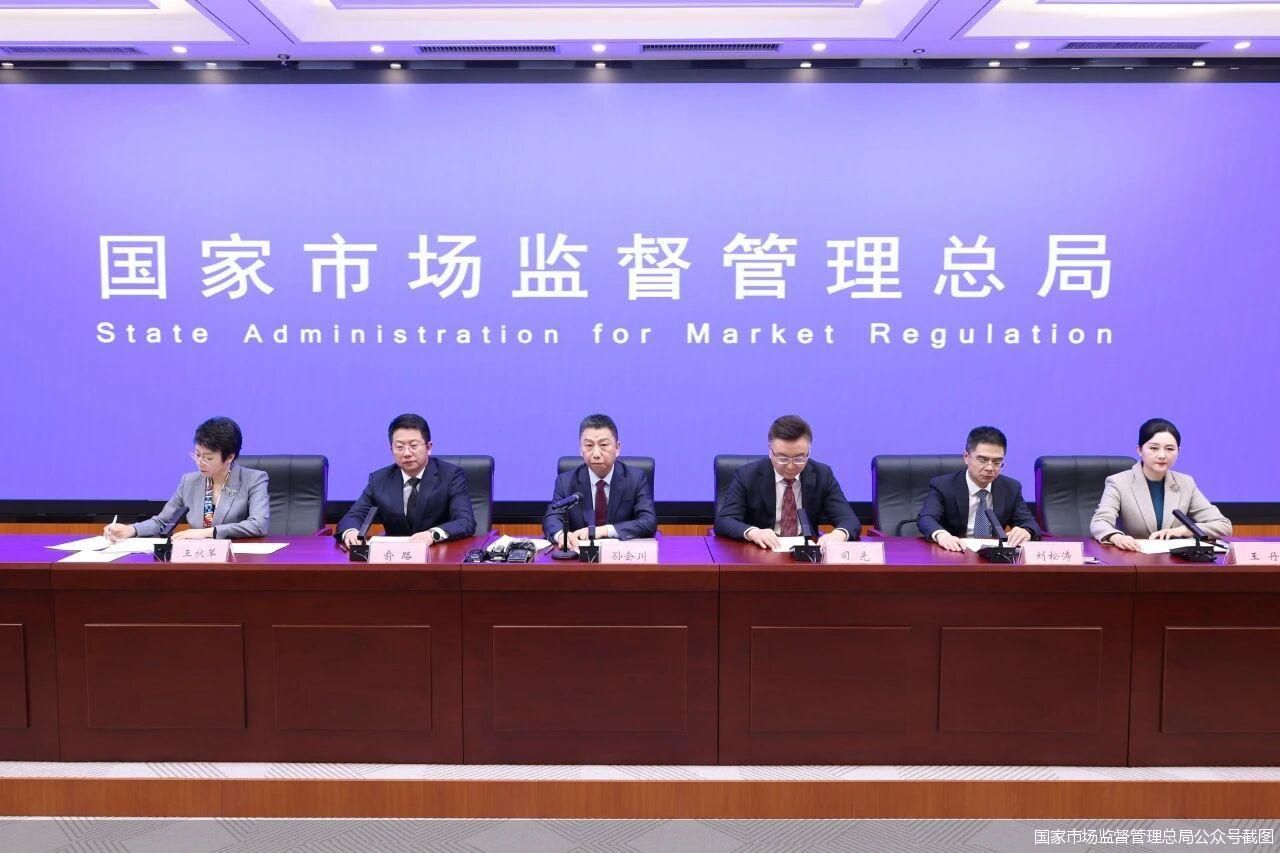
2月26日,市场监管总局召开食品安全专题新闻发布会。会上分别介绍了《网络餐饮服务经营者落实食品安全主体责任监督管理规定》(以下简称《规 定》)和《网络食品销售经营者落实食品安全主体责任监督管理规定》的内容。其中,《规定》对外卖平台责任和商户经营行为进行了详细的规定。 同时,《规定》有望解决网络餐饮服务食品安全的痛点——幽灵外卖。"幽灵外卖"是网络热词,其本质是无资质、无固定场所的不法经营者通过资质造假、 套用许可、地址虚构等手段,在外卖平台伪装成正规商家营业。 市场监管总局餐饮食品司司长俞路介绍,要整治"幽灵外卖",就必须溯本清源,构建系统性治理体系。《规定》将通过"正源、清流、固本"三策并举,构建 起一套全方位、多层次的治理体系,有效铲除"幽灵外卖"的滋生土壤,让外卖商家从"纸面的合规"变为"可见的真实"。 中国餐饮业年度报告数据显示,我国外卖市场规模预计突破1.4万亿元,同比增速超10%,占餐饮行业总收入的24%左右,成为行业重要的增长极。市场监管 总局食品安全总监孙会川介绍,通过日常监管发现,有的外卖商户提供的地址是假的,有的上传的照片是假的,还有的甚至连资质都是假的,这样的外卖何 谈放心?!与此同时, ...
市场监管总局回应幽灵外卖:让外卖商家从纸面合规变为可见真实
Xin Lang Cai Jing· 2026-02-26 12:29
中新网2月26日电(记者 谢艺观)市场监管总局近期制定出台《网络餐饮服务经营者落实食品安全主体责 任监督管理规定》。市场监管总局餐饮食品司司长俞路26日在市场监管总局食品安全专题新闻发布会上 表示,幽灵外卖的存在,严重干扰了外卖行业的正常市场秩序,也伤害了人民群众对于餐饮食品安全的 信心。因此,要整治"幽灵外卖",就必须要溯本清源,构建系统性治理体系。《规定》旨在通过"正 源、清流、固本"三策并举,构建起一套全方位、多层次的治理体系,有效铲除"幽灵外卖"的滋生土 壤,让外卖商家从"纸面的合规"变为"可见的真实"。(完) ...
外卖新规剑指“幽灵外卖”,“无堂食”商家必须在主页面显著位置标注
Xin Lang Cai Jing· 2026-02-26 12:28
智通财经记者 | 张倩楠 智通财经编辑 | 刘海川 "我们通过日常监管发现,有的外卖商户提供的地址是假的,有的上传的照片是假的,还有的甚至连资质都是假的,这样的外卖何谈放心?与此同时,有的 外卖平台一门心思圈地,闭着眼睛审核,一味纵容失信商户和问题外卖,罔顾平台责任和食品安全。"2026年2月26日,市场监管总局召开食品安全专题新闻 发布会,总局食品安全总监孙会川表示。 近年来,网络餐饮业态迅猛发展,"点个外卖"已成为大众,尤其是年轻人的日常餐饮消费方式之一。据中国餐饮业年度报告数据显示,我国外卖市场规模预 计突破1.4万亿元,同比增速超10%,占餐饮行业总收入24%左右,成为行业重要的增长极。 孙会川介绍,外卖平台本质上是电子商务平台,《规定》与《电子商务法》进行衔接,将外卖平台纳入电子商务平台经营者的统一监管框架,进一步强化平 台在信息报送、数据共享、消费者权益保护等方面的法定责任;同时大幅提升平台、商户的违法违规处罚力度,罚款最高可达二十万元,如平台主要负责人 故意违法、性质恶劣、造成严重后果的,还可按其上一年度收入,对个人处以一倍以上、十倍以下的罚款。 "幽灵外卖"一直是网络餐饮服务食品安全的痛点,其 ...

光明时评:治理“幽灵外卖”需更多“随手拍”之举
Xin Lang Cai Jing· 2026-02-24 23:25
据报道,河南省郑州市市场监督管理局日前推出"郑骑先锋随手拍"举措,发动外卖骑手随手拍下"幽灵 外卖",一批"幽灵外卖"已被相关部门查实。此举得到不少网友点赞。 作为城市的一分子,外卖员等新就业群体凭借流动性和网络化特征,能够很好地融入城市治理体系。鼓 励骑手"随手拍"并非郑州首创,此前国内多个城市也有类似举措,外卖平台也在鼓励骑手充当食安监督 员,但只有形成明确的制度化支持,才有利于更多"幽灵外卖"乱象被发现进而被治理。因此,除了奖励 支持,还应以制度化形式保障外卖员的人身安全,并逐步在全国推广,让这一群体成为社会监督的重要 一环。 从长远看,解决"幽灵外卖"乱象等外卖餐饮问题,须通过多方面合力构筑起守护食品安全的"长城"。比 如,监管部门和平台需要强化对餐饮商家的源头治理,严查资质和经营场所真实性;监管部门和平台可 委托合规第三方,对外卖餐饮商家进行不定期食安抽检,形成食品安全日常风险检测机制,推动对外卖 餐饮的常态化约束和震慑。社会共治方面,大力推行"互联网+明厨亮灶""食安日记"等一系列后厨透明 化举措。当外卖餐食的生产流程能够被互联网前端的消费者逐一察看、时时监督,让商家的后厨完 全"暴露"在消费者的 ...
吉林省敦化市市场监管局开展整治“幽灵外卖”专项检查培训
Xin Lang Cai Jing· 2026-02-09 06:54
Core Viewpoint - The Jilin Province Dunhua City Market Supervision Administration has organized a meeting with the heads of major food delivery platforms to address the issue of "ghost deliveries" and enhance online food safety regulations [1] Group 1: Regulatory Actions - The Market Supervision Administration emphasized the need for food delivery platforms to fulfill their responsibilities, including review, delivery, and management duties [1] - Regular self-inspections and rectifications are mandated to improve service quality and management standards on these platforms [1] Group 2: Training and Standards - Training sessions were conducted to educate food safety supervisors on hygiene standards in restaurant kitchens, ensuring they can identify and report hygiene issues effectively [1] - The platforms are required to communicate with merchants regarding hygiene problems and report non-compliance to regulatory authorities for administrative checks [1] Group 3: Future Enforcement - The administration plans to intensify both online and offline inspections to ensure compliance among food delivery platforms and operators [1] - Strict actions will be taken against illegal practices such as operating without a license, using borrowed licenses, and multiple registrations for a single location [1]
外卖小哥“随手拍” 让“幽灵外卖”无所遁形
Xin Jing Bao· 2026-01-28 06:12
Core Viewpoint - The introduction of the "Zhengqi Pioneer Snap Reporting" platform by the Zhengzhou Municipal Market Supervision Bureau aims to combat "ghost deliveries" by encouraging food delivery riders to report such incidents, highlighting a significant regulatory move in the industry [1] Group 1: Regulatory Changes - The State Administration for Market Regulation has implemented the "Basic Requirements for the Management of Delivery Platform Services," addressing key industry pain points [1] - Merchants are now required to provide a "one-shot video with store location" for registration, ensuring transparency and authenticity [1] - Delivery platforms must verify the consistency of location, business licenses, and actual addresses to prevent false registrations [1]
鼓励外卖小哥“随手拍”,让“幽灵外卖”无所遁形 | 新京报快评
Xin Lang Cai Jing· 2026-01-24 09:18
Core Viewpoint - The article highlights the issue of "ghost takeout" restaurants in Zhengzhou, where the actual conditions of these establishments are unsanitary and misleading compared to their online representations. The local government has initiated a "Zhengqi Pioneer Snap" platform to encourage delivery riders to report these establishments, aiming to improve food safety and transparency in the industry [1][2]. Group 1: Reporting Mechanism - The "Zhengqi Pioneer Snap" platform has been launched to empower delivery riders to report "ghost takeout" restaurants, with 41 riders already rewarded for their contributions [1]. - Delivery riders, being the first observers of the restaurant conditions, play a crucial role in identifying and exposing unscrupulous merchants, benefiting consumers [1]. Group 2: Regulatory Measures - The article emphasizes the need for continuous motivation for delivery riders to report and the protection of their personal information to ensure their safety and encourage participation [4]. - It suggests that food delivery platforms must implement strict verification processes, including requiring merchants to provide GPS-tracked videos of their premises and conducting monthly random checks on at least 5% of merchants [4]. - Regulatory authorities are encouraged to conduct more on-site inspections and gather firsthand information about areas with high concentrations of "ghost takeout" restaurants [4]. Group 3: Long-term Solutions - A comprehensive supervision system should be established to clarify responsibilities and enhance the proactive roles of all stakeholders in the food delivery industry, ensuring transparency and consumer trust [5].
灶台肮脏不堪、厕所与厨房联通……这些“幽灵外卖”被骑手果断举报!
Huan Qiu Shi Bao· 2026-01-24 08:59
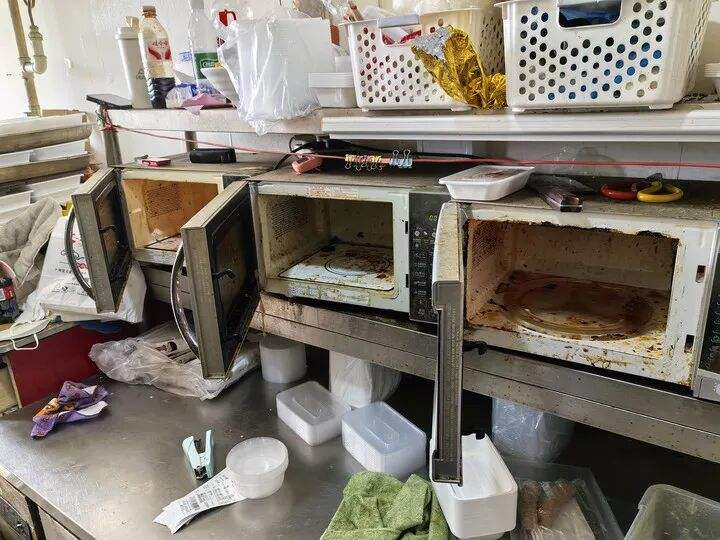
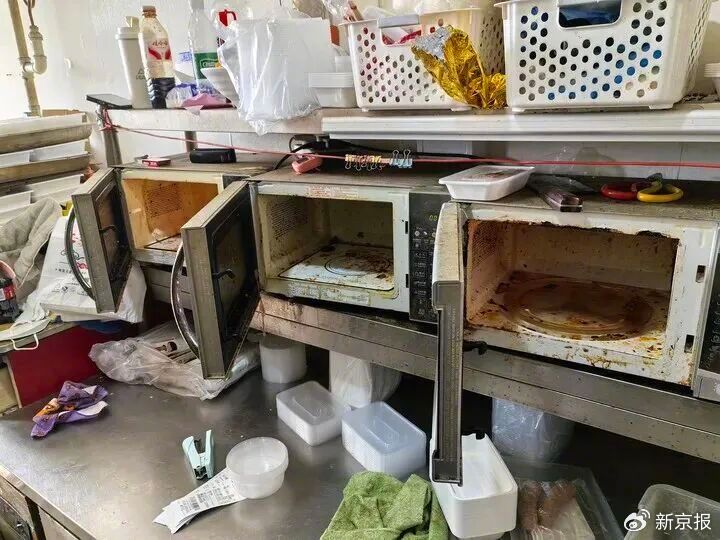
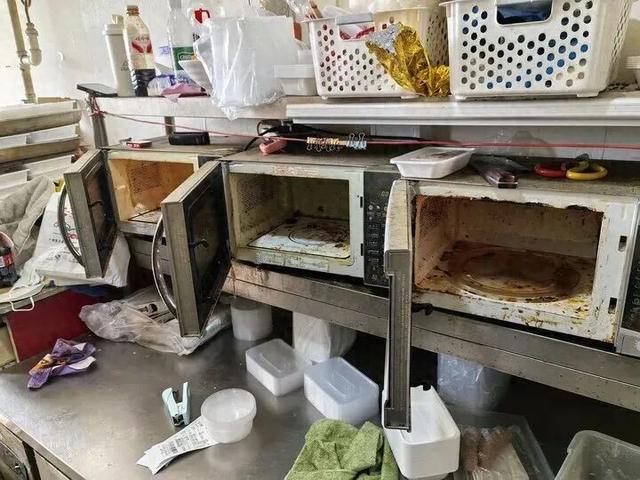
Core Viewpoint - The article highlights the issue of "ghost restaurants" in the food delivery industry, where establishments operate without proper licenses and hygiene standards, misleading consumers through false representations [1][3][5]. Group 1: Regulatory Actions - The State Council's Food Safety Office has issued a notice to strictly combat illegal activities related to "ghost restaurants" [1]. - Zhengzhou's Market Supervision Administration has launched the "Zheng Ride Pioneer Snap" platform to encourage food delivery riders to report violations, utilizing big data to address the issue [1][9]. - Since the launch of the reporting platform, over 8,000 riders have registered, and 41 riders have been rewarded for providing valid leads [9]. Group 2: Conditions of Ghost Restaurants - Many of these establishments do not register on food delivery platforms and lack food operation licenses, operating as "private domain delivery" [3][5]. - The kitchens of these ghost restaurants are often found in unsanitary conditions, with discrepancies between the images presented online and the actual state of the premises [3][5][7]. - Some restaurants falsely claim to offer freshly cooked meals, while in reality, they use microwaves to heat pre-packaged food [7]. Group 3: Consumer Impact - The prevalence of ghost restaurants disrupts market order and directly harms consumer rights, leading to concerns about food safety [3][5]. - As of December 2024, the number of online food delivery users in China is projected to reach 592 million, highlighting the urgency to address consumer anxiety regarding food safety [7].
鼓励外卖小哥“随手拍”,让“幽灵外卖”无所遁形
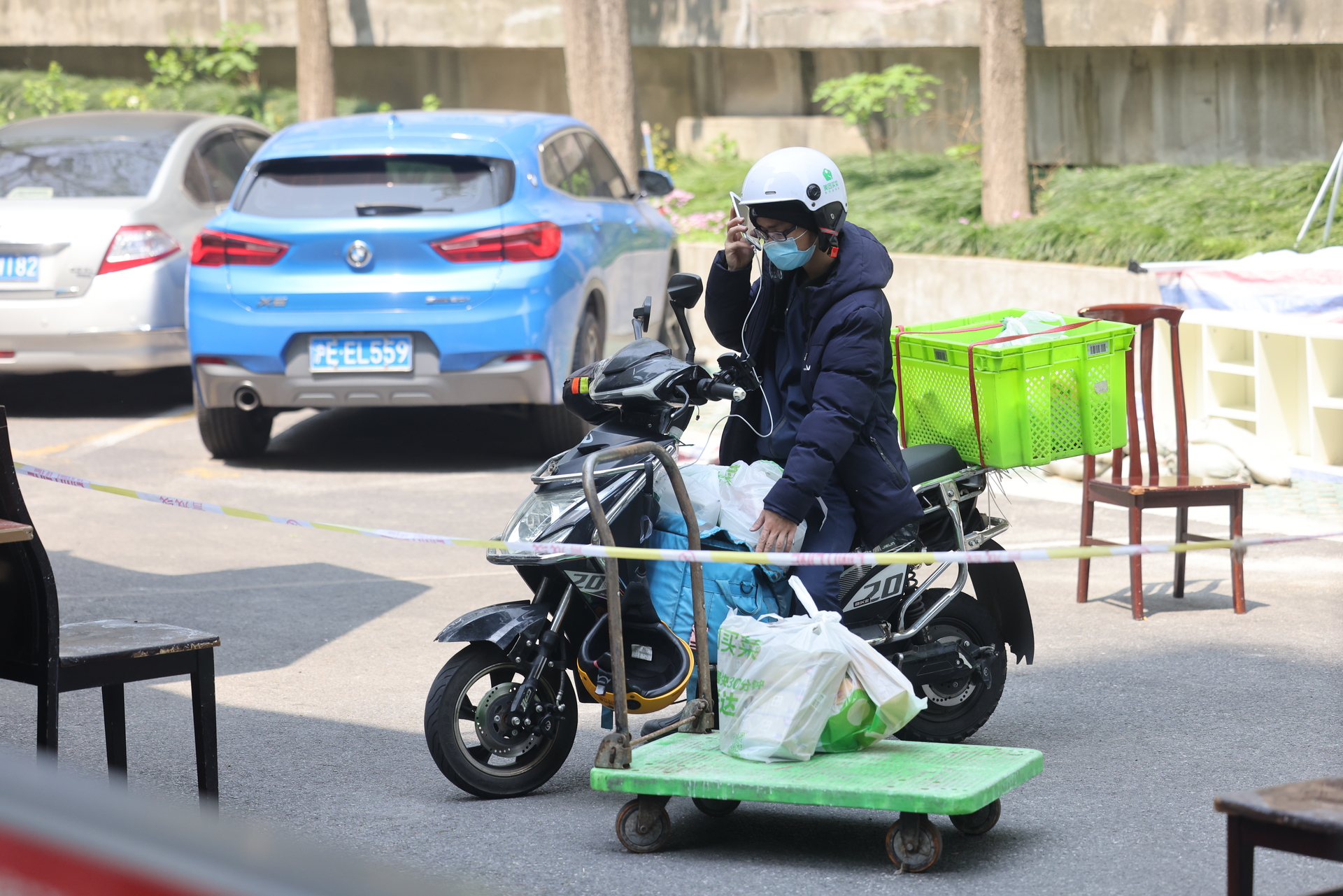
Xin Jing Bao· 2026-01-24 08:26
Core Viewpoint - The article highlights the issue of "ghost takeout" restaurants in Zhengzhou, where the actual conditions of these establishments are unsanitary and misleading compared to their online representations. The local government has initiated a "Zhengqi Pioneer Snap" platform to encourage delivery riders to report these establishments, with 41 riders already rewarded for their efforts [1][9]. Group 1: Issues with "Ghost Takeout" - "Ghost takeout" restaurants are characterized by poor hygiene, with reports of dirty kitchens and improperly stored ingredients, leading to consumer discomfort [1][9]. - These establishments exploit consumer ignorance and engage in deceptive marketing practices, operating in a legal and ethical gray area [1][9]. - The initiative to encourage delivery riders to report these restaurants is seen as a significant step towards transparency and accountability in the food delivery industry [1][9]. Group 2: Role of Delivery Riders - Delivery riders are positioned as the "first observers" of the restaurant environment, providing valuable insights into the quality and safety of food establishments [1][9]. - Historically, riders have been silent about these issues, often lacking effective channels to communicate their concerns to consumers [2][10]. - The new reporting platform aims to empower riders and enhance their role in ensuring food safety [2][10]. Group 3: Regulatory Measures - The article emphasizes the need for comprehensive regulatory measures beyond just encouraging reports from riders. This includes strict verification processes for restaurants on delivery platforms [4][10]. - According to the national standards set to be implemented by December 2025, restaurants must provide GPS-tracked videos showcasing their premises, and platforms must conduct monthly random checks on at least 5% of merchants [4][10]. - Regulatory bodies are encouraged to take a proactive approach by conducting more on-site inspections to identify areas with high concentrations of "ghost takeout" establishments [4][10]. Group 4: Consumer Safety and Future Outlook - Food safety is a critical concern, especially given that the number of online food delivery users in China is projected to reach 592 million by December 2024 [11]. - A multi-faceted supervision system is recommended to clarify responsibilities and ensure that all stakeholders in the food delivery chain operate transparently [5][11]. - The ultimate goal is to create a safe and trustworthy environment for consumers to order food, ensuring their health and safety [5][11].