
文化和旅游深度融合

Search documents
机构:“90后”“00后”领跑“风物旅行”大军,占比达52.8%
Bei Jing Shang Bao· 2025-10-31 12:33
Core Insights - The report titled "China's Cultural Report" highlights a shift in young travelers' preferences from simply visiting landmarks to seeking deep cultural experiences [1][2] - The report indicates that the "post-90s" generation constitutes 36.6% of the cultural travel demographic, while the "post-00s" generation shows significant potential with a 16.2% share [1] - The focus on local cultural elements such as festivals, intangible cultural heritage, local cuisine, and folk arts is becoming increasingly important for young travelers [1][2] Group 1: Demographics and Trends - The "post-90s" generation is the primary force in cultural travel, driven by their sensitivity to online trends and a desire for unique experiences [1] - The "post-00s" generation is particularly interested in historical culture and participation in folk or intangible cultural heritage activities [1] - The gap between first-tier cities and lower-tier cities in terms of cultural travel participation is narrowing, indicating a broader national interest in local cultural exploration [1] Group 2: Market Opportunities - The demand for content related to "intangible cultural heritage" and "folk customs" is on the rise, with a 145.7% increase in related content published in the first half of 2025 compared to the entirety of 2024 [2] - Keywords such as local flavors, folk customs, and traditional crafts are becoming high-frequency search terms for young travelers, presenting new opportunities for local tourism markets [2] - The integration of culture and tourism is seen as vital for revitalizing the tourism market and promoting cultural dissemination [2] Group 3: Industry Perspectives - The director of the China Tourism Research Institute emphasizes that modern travelers are moving beyond scenic views to appreciate cultural and lifestyle beauty [2] - The CEO of Mafengwo states that the combination of "cultural elements and travel" is not just a trend but a necessary upgrade in the era of cultural tourism integration [2] - Future tourism efforts will focus on leveraging big data and AI technology to uncover local cultural elements and enhance the travel experience [2]
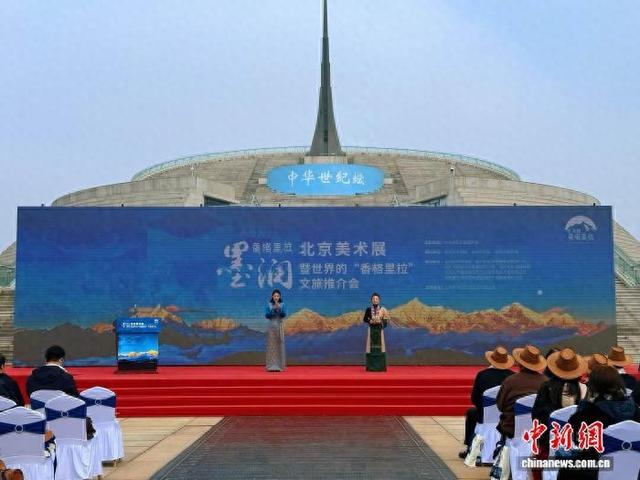
“墨润香格里拉”北京美术展暨世界的“香格里拉”文旅推介活动在京举办
Zhong Guo Xin Wen Wang· 2025-10-31 06:44
Core Points - The "Mo Run Xianggelila" Beijing Art Exhibition and World "Xianggelila" Cultural Tourism Promotion event opened on October 31, showcasing the cultural and natural beauty of Diqing Prefecture [1][2] - The event features over a hundred traditional Chinese paintings and photography works that highlight the scenic spots of Diqing, emphasizing the ecological beauty and cultural heritage of the region [1][2] - The exhibition aims to deepen the integration of culture and tourism in Diqing, promoting unique travel routes and showcasing the charm of the region throughout the seasons [1][2] Summary by Sections - **Event Overview** - The event is organized by the Diqing Prefecture Committee of the Communist Party of China and aims to promote the cultural and tourism aspects of Diqing [1] - It includes contributions from local artists and features a variety of artworks that reflect the natural and cultural richness of the area [1][2] - **Artistic Contributions** - Thirteen artists were invited to create over a hundred works during their field trips in Xianggelila, capturing the essence of the region [1][2] - The artists expressed their desire to use art to enhance the cultural image of Xianggelila and promote its integration with tourism [2] - **Cultural Activities** - The event includes performances by the Diqing Ethnic Song and Dance Troupe, showcasing the vibrant life of the multi-ethnic culture in the region [1][2] - A special exhibition area for local products highlights Diqing's intangible cultural heritage and seasonal specialties, making local craftsmanship accessible [1][2]

新闻1+1|世界“最佳旅游乡村”,中国为何备受青睐?
Yang Shi Wang· 2025-10-17 22:47
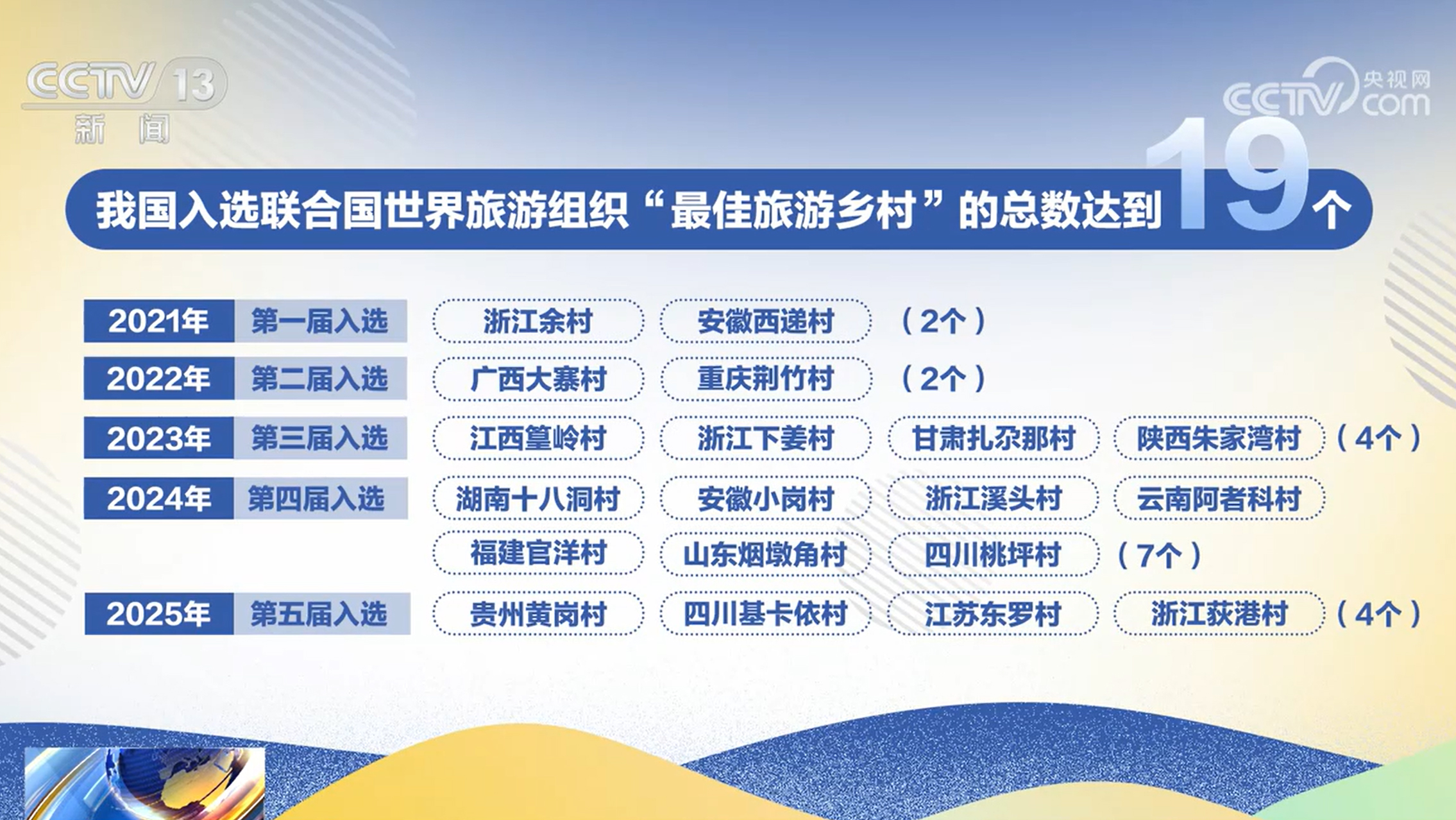
Core Points - The United Nations World Tourism Organization announced the "Best Tourism Villages" awards, with four villages from China recognized, bringing the total to 19, the highest in the world [1] - The evaluation criteria emphasize sustainability, the balance between local community rights and tourism development, and the importance of environmental protection and cultural heritage [3][5] - The awarded villages exemplify harmony with nature, cultural integration, and significant improvements in local residents' income, showcasing the transformation of ecological resources into economic benefits [6][8] Evaluation Criteria - Sustainability is a key focus, highlighting the need for harmony between people and nature, as well as the integration of local economic and social development with tourism [3] - The evaluation process particularly emphasizes environmental protection and cultural preservation [3] - The benefits to local residents from tourism development are a critical consideration in the evaluation [5] Characteristics of Awarded Villages - The awarded villages represent a model of ecological civilization, demonstrating that tourism can develop without harming the environment [6] - They also reflect a deep integration of culture and tourism, with initiatives like cultural education bases being highlighted [6] - Significant income increases for local residents were reported, with some villagers seeing their income triple, indicating successful economic transformation through tourism [6] Pitfalls to Avoid - Over-commercialization is a major risk, where the influx of tourists can disrupt local lifestyles and turn villages into commercial zones [9] - A focus on short-term tourist demands can lead to a loss of identity and purpose for the villages, emphasizing the need for long-term planning [9] - The introduction of external capital should not overshadow the needs of local farmers, ensuring that tourism development benefits the community sustainably [11] Lessons for Other Villages - The focus should be on the quality of life and not just the scenic views; the essence of tourism lies in the quality of life experienced by residents [12] - Not all villages are suitable for tourism; local characteristics and market demands should guide development decisions [12][14] - A balanced approach is recommended, where villages should pursue agriculture or tourism based on their unique circumstances rather than a one-size-fits-all strategy [14]
“文化+”激发沂蒙老区红色旅游新活力
Xin Hua Wang· 2025-10-08 11:55
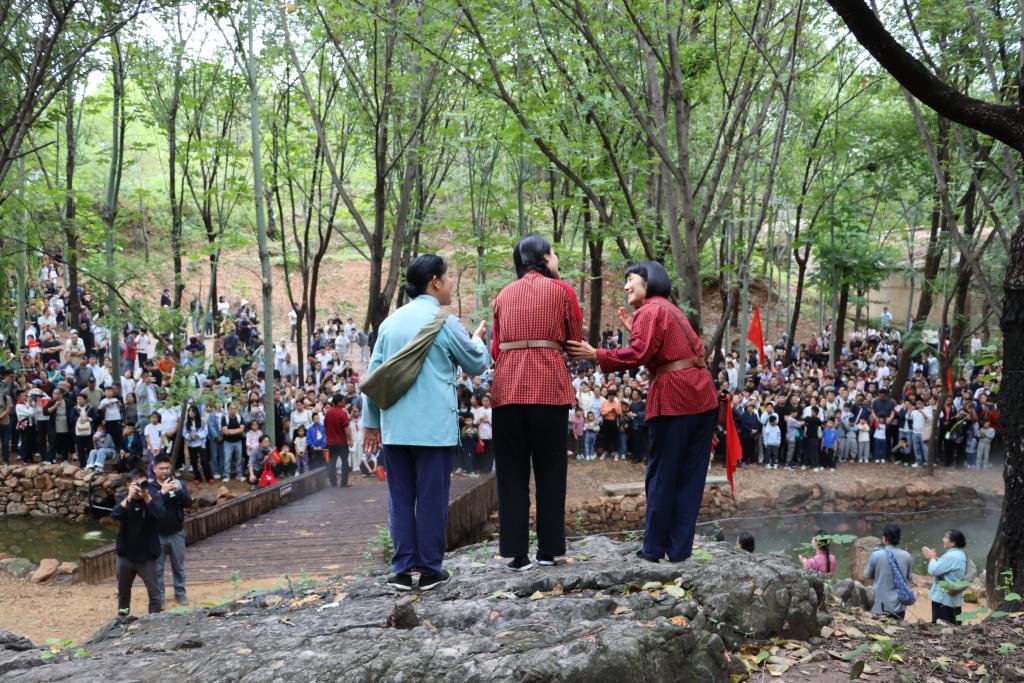
Core Insights - The article highlights the increasing popularity of red tourism in Shandong Province, particularly in the Yinan County, where various cultural activities and performances are attracting a significant number of visitors during the National Day and Mid-Autumn Festival holiday period [1][3][5]. Group 1: Visitor Engagement and Activities - During the holiday, the Shandong Red Sister's Hometown Tourism Area saw a daily increase in visitor numbers, exceeding 20,000 on October 4 [3]. - Visitors participated in immersive experiences such as the "Rewalking the Support Route," which simulated wartime conditions, enhancing their understanding of historical events [1]. - The Yimeng Mountain Montong Shengjing Resort, part of the "Activating Mont Mountain" initiative, received a total of 225,000 visitors from October 1 to 4, with long queues for various experiential projects [5]. Group 2: Cultural and Tourism Development - The city of Linyi is focusing on integrating culture and tourism, with plans to achieve a target of 100 million visitors and a 100 billion yuan industry by 2025 [7]. - The Linyi cultural and tourism bureau reported over 10% year-on-year growth in visitor numbers and tourism revenue this year, continuing the positive trend from the previous year [7]. - The Linyi Langya Ancient City hosted over 200 cultural performances and interactive activities, providing visitors with a comprehensive experience of Langya culture [7].
产业投融资回暖提速 四大趋势驱动文化产业成支柱
Zhong Guo Jing Ji Wang· 2025-09-25 04:53
Core Insights - The report highlights the continuous growth of China's cultural industry revenue, driven by favorable policies, technological innovation, and the deep integration of culture, tourism, and commerce [1][2] - The cultural investment and financing market in China is recovering rapidly, with active bond financing and a rebound in private equity and M&A markets [1][2] Group 1: Industry Trends - The cultural industry is expected to exhibit four trends: collaboration between supply and demand, linkage between institutional reforms and market construction, empowerment of urban renewal through cultural tourism, and deepening of cultural export strategies [2] - The report emphasizes the need for a supportive policy framework to enhance investment and facilitate exit strategies during the 14th Five-Year Plan period [2] Group 2: Challenges in Investment and Financing - Current A-share listed cultural enterprises do not effectively reflect the positive development of new business models such as cultural technology and cultural tourism integration, impacting market valuation efficiency [2] - There are issues with the nurturing mechanisms for cultural technology enterprises, including insufficient policy and financial support [2] - The market requires clearer institutional guidance for diverse exit mechanisms, as seen with the incomplete S fund details and the lack of progress on the first REITs [2]

清华大学胡钰:文旅的源头活水是文化
Ren Min Wang· 2025-09-17 21:13
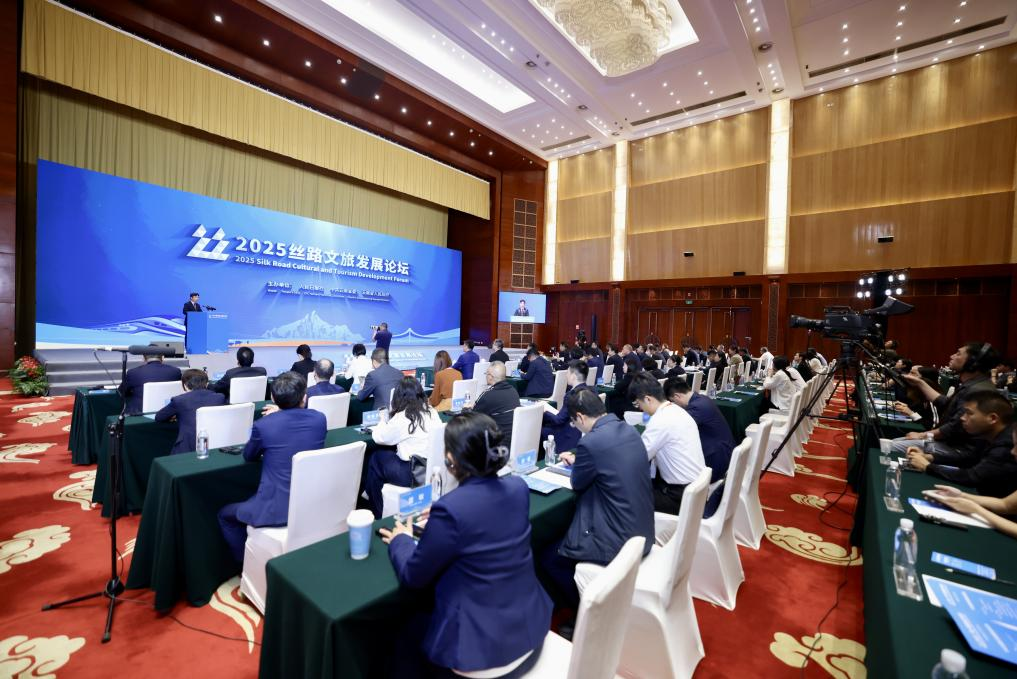
Core Insights - The 2025 Silk Road Cultural Tourism Development Forum emphasized the importance of cultural heritage as a vital resource for the sustainable development of the cultural tourism industry [1][2][5] Group 1: Cultural and Tourism Integration - The integration of culture and tourism is essential for high-quality development, requiring a deep exploration of cultural connotations [1][2] - "Looking at culture" has become a prominent feature of contemporary cultural tourism activities, with over 7,000 registered museums in China receiving nearly 1.5 billion visitors annually [2] Group 2: Cultural Heritage Resources - Cultural heritage, both tangible and intangible, is crucial for driving high-quality development in the cultural tourism sector [5] - China boasts 60 World Heritage sites, including 41 cultural heritage sites and 4 dual cultural and natural heritage sites, which serve as a significant foundation for cultural tourism development [2][5] Group 3: Methodology for Development - The process of transforming cultural heritage into tourism offerings should follow a methodology of research, protection, dissemination, and development, focusing on deepening cultural roots and enhancing creativity [5]
七部门印发金融支持四川文化和旅游深度融合发展的指导意见 拓展价值链 加速文旅资源变“现”
Si Chuan Ri Bao· 2025-09-12 00:41
Core Insights - The article discusses the issuance of the "Guiding Opinions" aimed at promoting the deep integration of culture and tourism in Sichuan, emphasizing the shift from resource dependence to content-driven and technology-enabled development [1][2][4] Industry Impact - The "Guiding Opinions" signal a strategic direction for the integration of culture and tourism, focusing on enhancing the overall benefits through industry chain collaboration and financial support for key projects [2][3] - Financial support will extend beyond mere capital supply to encompass comprehensive backing for key projects, industry chain upgrades, and innovative consumption scenarios [2][3] Key Projects - The policy highlights the importance of iconic cultural and tourism resources, such as Sanxingdui, Jiuzhaigou, and Emei Mountain, which require significant funding and have a notable driving effect on Sichuan's tourism brand [3][4] - Financial instruments like special loans, bonds, and capital market financing will be utilized to ensure the continuous development and quality enhancement of these landmark projects [3] Industry Chain Development - The policy aims to transition the tourism industry from a resource-dependent model to one that is content-driven and technology-enabled, incorporating both traditional and emerging sectors [4] - Support will be provided for traditional sectors like red tourism and wellness vacations, as well as new sectors such as film and animation, gaming, and digital creativity [4] Consumer Engagement - The initiative focuses on stimulating tourism consumption through innovative payment tools and insurance products, including the promotion of themed debit and credit cards linked with consumption vouchers [4] - Emphasis is placed on enhancing the tourist experience through the promotion of digital currency in tourism payments, thereby increasing Sichuan's international appeal [4] Implementation Pathways - The "Guiding Opinions" outline a systematic approach for policy implementation, including the establishment of a collaborative mechanism among various departments [5][6] - Financial institutions are encouraged to increase support for sectors like accommodation, dining, and entertainment, while also addressing the financing challenges faced by tourism enterprises [6] - The anticipated short-term effects include alleviating financing difficulties for tourism businesses and gradually boosting consumer demand, while long-term goals focus on creating a unique financial ecosystem for Sichuan's cultural and tourism sectors [6]
报告:中国已与30余个国家互办文化和旅游年(节)
Zhong Guo Xin Wen Wang· 2025-09-10 11:23
Group 1 - The core viewpoint of the report is that China has established cultural and tourism years (festivals) with over 30 countries, promoting deep integration of culture and tourism [1][2] - The report highlights the construction of overseas Chinese cultural centers and tourism offices, as well as the implementation of inbound tourism promotion plans, including optimized visa, payment, and tax refund measures [1] - The deep integration of culture and tourism has significantly facilitated personnel exchanges and cultural cooperation, enhancing the global presence of Chinese culture [1] Group 2 - The report outlines future plans to deepen cultural and tourism exchanges, implement global civilization initiatives, and enhance bilateral and multilateral government cooperation channels [2] - It emphasizes the need to improve the convenience and internationalization of inbound tourism, continuing to implement the inbound tourism promotion plan and launching influential international tourism routes and destinations [2] - The report also mentions the intention to deepen cultural and tourism exchanges with Hong Kong, Macau, and Taiwan regions [2]
十四届全国人大常委会第十七次会议举行第二次全体会议 审议专项工作报告等
Xin Hua She· 2025-09-10 07:55
Group 1 - The National People's Congress (NPC) Standing Committee is focusing on the implementation of the Trade Union Law, highlighting improvements in legal governance and the need for further enhancements in worker rights protection and grassroots organization [2] - The report emphasizes the importance of trade unions in political roles and their contribution to the overall economic and social development [2] - Recommendations include strengthening the legal framework for trade unions, enhancing their operational support, and improving the service system for workers [2] Group 2 - The National Development and Reform Commission reported positive trends in the national economy, with a focus on high-quality development and expanding domestic demand [3] - Key strategies for the second half of the year include promoting technological and industrial innovation, deepening reforms, and ensuring coordinated regional development [3] - The Ministry of Finance highlighted the need for proactive fiscal policies to support employment, foreign trade, and improve living standards while managing financial risks [3] Group 3 - The Ministry of Culture and Tourism reported on initiatives to integrate cultural and tourism sectors, aiming to enhance cultural content in tourism and innovate products and services [4] - Challenges in the integration process were identified, with plans to improve mechanisms and promote a favorable market environment for cultural and tourism exchanges [4] Group 4 - The Ministry of Ecology and Environment outlined progress in climate change initiatives, focusing on legal frameworks and market mechanisms to support green and low-carbon transitions [5] - Future considerations include enhancing climate adaptation capabilities and increasing China's influence in global climate governance [5]
夜宿博物馆一票难求 火爆的背后面临哪些挑战?
Zhong Guo Qing Nian Bao· 2025-08-12 00:12
Group 1 - The core idea of the article is that overnight museum activities are becoming a popular choice for summer cultural tourism consumption, combining cultural experiences with nighttime outings [2][8][15] - The National Museum of Natural History launched a 27-day "Light and Rhythm" themed night series, featuring various activities including a light show and storytelling, with overnight stays being the most popular [2][14] - The overnight activities are designed to provide unique experiences for children, promoting both nighttime economy and increased visitor opportunities during peak tourist seasons [2][3][14] Group 2 - The overnight museum activities are characterized by interactive, immersive experiences that allow children to learn through exploration and hands-on activities [4][7][8] - The National Animal Museum has been hosting overnight activities since 2009, with a focus on creating a sense of curiosity and excitement among children in a darkened exhibition space [5][6] - The Zhejiang Natural History Museum has recently opened its overnight activities to the public, incorporating outdoor exploration and teamwork into the experience [6][12] Group 3 - The overnight activities face challenges such as safety concerns, operational standards, content innovation, and a shortage of qualified personnel [9][10][11] - Safety measures are implemented, including staff training and designated camping areas to ensure a secure environment for participants [9][11] - The balance between public service and commercialization is crucial, with suggestions for a mixed operation model to enhance both educational and economic outcomes [12][13] Group 4 - The popularity of overnight museum activities reflects a trend towards immersive cultural experiences and the potential for museums to innovate and adapt to changing consumer demands [13][15] - Future themes for overnight activities will continue to evolve, focusing on scientific education while enhancing participant engagement [14][15] - Overnight museum experiences are seen as a sustainable trend in cultural tourism, indicating a significant opportunity for growth and development in the sector [15]