
新能源汽车购置税政策

Search documents
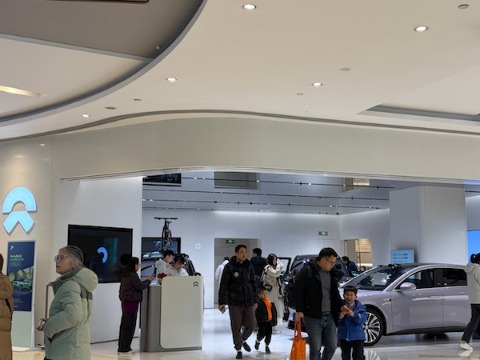
节假日消费观察 | “试驾排到凌晨一两点” 20余家车企推购置税托底吸引客流
Di Yi Cai Jing· 2026-01-03 14:29
Core Insights - The sales performance of NIO and other new energy vehicle (NEV) brands remains strong despite upcoming policy changes regarding purchase tax and subsidies [3][4][6] Group 1: Sales Performance - NIO's store in Shanghai experienced high customer traffic and demand for test drives during the New Year holiday, indicating robust consumer interest [1] - Other new energy brands such as Tesla, Zeekr, and Hongmeng Zhixing also reported high foot traffic, with sales representatives noting increased customer numbers compared to typical weekends [3] Group 2: Policy Changes - In 2026, two significant policy changes will affect the NEV market: the reduction of the vehicle purchase tax from full exemption to a 5% rate, and a shift in subsidy structure from fixed amounts to percentage-based subsidies [3] - Despite these changes, many new energy vehicle sales representatives indicated that the impact on sales has been limited, as many vehicles are priced above the thresholds for maximum subsidies [3] Group 3: Manufacturer Responses - NIO is offering a subsidy of 2,000 yuan to offset the increased purchase tax, which is approximately 6,000 yuan for a vehicle priced at 119,800 yuan [4] - Zeekr has implemented a direct price reduction strategy to counteract the tax increase, effectively reducing the tax burden for consumers [4] - Hongmeng Zhixing and Xiaomi are also providing cash discounts and attractive financing options to mitigate the impact of the new tax policy [4] Group 4: Market Coverage - Over 20 car manufacturers, including major players like Li Auto, NIO, and Chery, have introduced purchase tax "safety net" policies to support consumers [4] - Tesla, while a leading player in the NEV market, has not introduced any such measures, yet its sales performance remains unaffected during the holiday period [5][6]


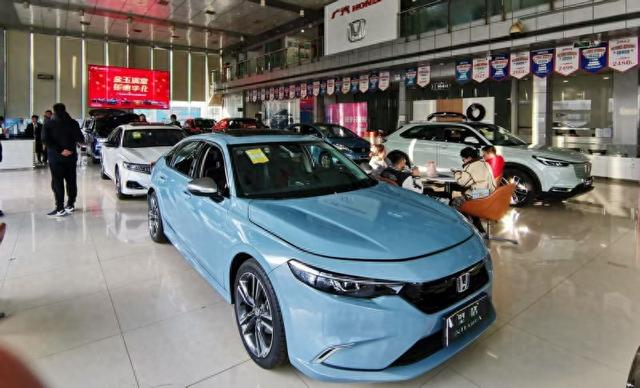
购置税退坡在即!车企奋力“兜底”,难挽年末市场降温……
Guo Ji Jin Rong Bao· 2025-12-19 17:28
Core Viewpoint - The exemption policy for new energy vehicle purchase tax, in place for ten years, will end on December 31, 2025, transitioning to a 50% tax reduction starting January 1, 2026, with the maximum exemption amount decreasing from 30,000 yuan to 15,000 yuan [1] Group 1: Policy Changes - The new purchase tax rate for new energy vehicles will be 5% after the adjustment, down from full exemption [1] - For vehicles priced at 300,000 yuan, the tax payable will be 15,000 yuan, while for those priced at 500,000 yuan, the tax will be 35,000 yuan after applying the maximum exemption [1] Group 2: Industry Response - Over twenty car manufacturers, including Li Auto, NIO, Chery, and others, have introduced "purchase tax guarantee" subsidy plans to mitigate consumer hesitation due to the policy change [4] - Xiaomi Auto has launched a year-end purchase tax subsidy plan, promising up to 15,000 yuan for users who lock in orders by November 30, 2023, if delivery is delayed to 2026 [4] - GAC Group and XPeng have also announced similar subsidy plans, with varying deadlines and subsidy amounts [4] Group 3: Market Trends - Despite the introduction of subsidy plans, the expected surge in market activity has not materialized, with a reported 8.1% year-on-year decline in retail sales of passenger vehicles in November [8] - The retail sales of fuel vehicles dropped by 22%, while pure electric vehicle sales increased by 9.2% [8] - Sales personnel have noted a general slowdown in consumer activity, attributing it to the cessation of national subsidies and a wait-and-see attitude regarding future policies [8] Group 4: Sales Performance - Some manufacturers are facing challenges in meeting their sales targets, with companies like NIO and Li Auto showing low completion rates of 62.6% and 56.6%, respectively [10] - In contrast, XPeng has met its annual sales target, while other companies like Leap Motor and BYD have exceeded 90% of their targets [10]


购车旺季碰上政策窗口期 汽车金融借势发力
Shang Hai Zheng Quan Bao· 2025-11-30 18:33
Core Insights - The automotive market is experiencing a consumption peak as the year-end approaches, driven by adjustments in the new energy vehicle (NEV) purchase tax policy, prompting automakers to offer subsidies and banks to introduce zero-interest financing options [1][2]. Policy Changes - Starting January 1, 2026, the full exemption of purchase tax for NEVs will be replaced by a half-reduction policy, with a maximum tax exemption of 15,000 yuan per vehicle [2]. - The new policy is expected to create a rush among consumers to purchase vehicles before the end of the year to take advantage of the tax benefits [2]. Market Dynamics - Many automakers are providing "bottom-line" subsidies to attract consumers, with reports of increased foot traffic in NEV showrooms [2]. - The delivery timelines for pure electric vehicles have improved to 4-6 weeks, but remain longer than for extended-range models due to battery supply constraints [2]. Financial Services - Banks are actively promoting automotive consumer finance products, with several institutions offering zero-interest loans to stimulate demand during the year-end sales peak [4]. - For instance, Postal Savings Bank is offering financial subsidies up to 4,500 yuan for specific models, while Ping An Bank has introduced zero-interest loan options with flexible amounts [4]. Consumer Awareness - There are concerns regarding hidden costs associated with zero-interest financing, as some third-party platforms may impose high fees and commissions to offset risks [5][6]. - Consumers are advised to be vigilant about potential hidden charges, such as service fees disguised under various names, which can lead to higher effective interest rates [6]. Quality Concerns - The rush to meet delivery deadlines may compromise quality, with reports of simplified quality control processes leading to discrepancies between actual vehicles and promotional claims [2][3].
碳酸锂:市场情绪向好,短期偏强
Guo Tai Jun An Qi Huo· 2025-11-18 01:50
Report Summary 1) Report Industry Investment Rating - The report does not provide an industry investment rating. 2) Core Viewpoint - The market sentiment for lithium carbonate is positive, and it is expected to be strong in the short term [1]. 3) Summary by Relevant Catalogs Fundamental Tracking - **Contract Data**: For the 2601 contract, the closing price was 95,200, the trading volume was 1,366,919, and the open interest was 562,954. For the 2605 contract, the closing price was 95,720, the trading volume was 302,425, and the open interest was 274,475 [1]. - **Warehouse Receipts**: The warehouse receipt volume was 26,953 hands, showing a decrease compared to previous periods [1]. - **Basis**: The basis between the spot and 2601 contract was -9,050, and between the spot and 2605 contract was -9,570. The basis between the 2601 and 2605 contracts was -520 [1]. - **Raw Materials**: The price of spodumene concentrate (6%, CIF China) was 1,024, and the price of lepidolite (2.0%-2.5%) was 2,340 [1]. - **Lithium Salts**: The price of battery - grade lithium carbonate was 86,150, and the price of industrial - grade lithium carbonate was 83,800 [1]. - **Related Products**: The prices of various lithium - related products such as lithium iron phosphate and ternary materials showed different degrees of change [1]. Macro and Industry News - The SMM battery - grade lithium carbonate index price was 86,395 yuan/ton, with a daily increase of 1385 yuan/ton. The average price of battery - grade lithium carbonate was 86,150 yuan/ton, and that of industrial - grade lithium carbonate was 83,800 yuan/ton, both increasing by 1000 yuan/ton compared to the previous day [2]. - The full exemption policy for new energy vehicle purchase tax will end in 2025. 17 mainstream automobile brands have launched purchase tax subsidy plans. From January 1, 2026, the new energy vehicle purchase tax policy will be halved [2][3]. Trend Intensity - The trend intensity of lithium carbonate is 0, indicating a neutral trend [3].
汽车购置税补贴退坡前夜,市场迎来抢购潮,车企自掏腰包为消费者兜底
Hua Xia Shi Bao· 2025-11-05 00:37
Core Viewpoint - The upcoming adjustment in the new energy vehicle (NEV) purchase tax policy is prompting various car manufacturers to launch subsidy programs to mitigate the impact on consumers, leading to a surge in vehicle orders before the policy change takes effect [2][3][6]. Group 1: Policy Changes - The Ministry of Finance announced that NEVs purchased between January 1, 2024, and December 31, 2025, will be exempt from purchase tax, with a maximum exemption of 30,000 yuan per vehicle. From January 1, 2026, to December 31, 2027, the tax will be halved, with a maximum reduction of 15,000 yuan per vehicle [3][4]. - The adjustment marks a shift from a "policy-driven" to a "market-driven" approach in China's NEV industry, indicating a significant transition after ten years of tax exemptions [3][8]. Group 2: Market Reactions - Car manufacturers like Xiaomi, NIO, and Li Auto are implementing "purchase tax subsidy" programs to attract consumers, offering to cover the tax difference for orders placed before November 30, 2025, if delivery occurs in 2026 [2][6]. - The introduction of these subsidy programs has led to a notable increase in consumer inquiries and orders, with a reported 35.4% rise in customer engagement in early October compared to September [7]. Group 3: Consumer Behavior - Consumers are exhibiting a "last-minute rush" mentality, with over 60% of recent orders being placed to lock in subsidies, particularly in the market segment above 300,000 yuan [5][6]. - The anticipated increase in purchase tax is influencing consumer decisions, with many opting to purchase vehicles sooner to avoid higher costs in the future [7]. Group 4: Industry Outlook - The NEV market is expected to face a significant test of market dynamics as the purchase tax exemption transitions to a reduction, highlighting the industry's resilience and adaptability [8].

蔚来全新ES8交付破万:11月产能预计增70%,12月争取交付超1.5万
Zheng Quan Shi Bao Wang· 2025-10-31 13:21
Core Insights - NIO has delivered its 10,000th all-new ES8 vehicle at the Shanghai Nanxiang delivery center, achieving the fastest record for electric vehicle deliveries over 41 days since the official launch [1] - The first customer of the 10,000th ES8, Mr. Zheng, highlighted the vehicle's innovative features and its appeal compared to traditional luxury brands [1] - NIO plans to accelerate ES8 deliveries in November with a projected 70% increase in production capacity compared to October, aiming for more than 15,000 deliveries by December [1] Delivery and Sales Performance - The all-new ES8 is available in three configurations, with purchase prices ranging from 406,800 to 446,800 yuan, and battery-as-a-service (BaaS) pricing from 298,800 to 338,800 yuan [1] - The order volume for the all-new ES8 has consistently exceeded expectations according to public statistics [1] Market Context - The exemption policy for new energy vehicle purchase tax will end on December 31, with a transition to a 50% tax reduction starting January 1, 2026 [1] - NIO, along with other automakers like AITO and Chery, has announced measures to subsidize the purchase tax for the all-new ES8, indicating a competitive race for orders during the final window of subsidy availability [1]
深圳:这项补贴停止实施
第一财经· 2025-10-28 15:46
Core Viewpoint - The Shenzhen Municipal Bureau of Commerce announced the cessation of the 2025 automobile replacement subsidy policy due to the budget cap being reached, with the application platform closing on November 30, 2025 [3][5]. Group 1: Policy Details - The subsidy program was designed to encourage consumers to trade in their old vehicles for new energy vehicles or fuel vehicles that meet the National VI emission standards, offering subsidies of 12,000 RMB for fuel vehicles and 13,000 RMB for new energy vehicles priced between 150,000 RMB and 250,000 RMB [4]. - The policy aimed to promote the replacement of approximately 160,000 vehicles by the end of 2025, alongside significant sales in home appliances and digital products [5]. Group 2: Market Response - The subsidy policy received a strong market response, with the budget being quickly exhausted, leading to additional funding being allocated [5]. - As of October 22, 2025, over 10 million applications for the automobile replacement subsidy had been submitted nationwide, with more than 340,000 for scrapping and over 660,000 for replacement [5]. Group 3: Regional Developments - Several provinces and cities across China have suspended their long-term special bond subsidy policies for automobile replacement, including Hunan, Henan, and Jiangsu [5]. - In response to the withdrawal of national subsidies, some local governments, such as Lanzhou and Zhengzhou, have introduced supplementary measures to enhance subsidies and stimulate automobile consumption [5]. Group 4: Future Implications - Starting January 1, 2026, the long-standing full exemption from vehicle purchase tax for new energy vehicles will shift to a 50% reduction, increasing the cost of purchasing these vehicles and impacting market competition [6]. - This transition indicates that the Chinese new energy vehicle industry is moving from a policy-driven phase to one driven by market forces [6].

收到“异常增值税扣税凭证”别慌张,合规处理很关键!
蓝色柳林财税室· 2025-10-27 01:30
Core Viewpoint - The article discusses the changes in tax policies related to the purchase of new energy vehicles, highlighting the transition from full exemption to reduced tax rates in the coming years [16][18]. Tax Policy Changes - From 2026 to 2027, the vehicle purchase tax for new energy vehicles will shift from exemption to a 50% reduction [16][17]. - The maximum tax exemption will decrease from 30,000 yuan per vehicle to 15,000 yuan [17]. Technical Requirements - New energy vehicles must meet specific technical standards to qualify for tax reductions, including energy consumption limits for electric vehicles [26][30]. - The requirements for plug-in hybrid vehicles include maintaining a minimum all-electric range and fuel consumption limits [28][30]. Compliance and Transition - Vehicles already listed in the tax exemption directory before December 31, 2025, will automatically transition to the new directory if they meet the updated technical requirements [35]. - Non-compliant vehicles will be removed from the directory, but they can reapply for inclusion [35].
实探!沧州车市促销力度明显减弱,销售催促搭乘“政策末班车”
Hua Xia Shi Bao· 2025-10-09 12:12
Core Insights - The promotional efforts by car manufacturers during the National Day and Mid-Autumn Festival have significantly decreased compared to previous years, indicating a shift in market dynamics and a reduction in "involution" competition [1][2][3] - There is a notable increase in demand for new energy vehicles (NEVs) in Cangzhou, a third-tier city, with sales of specific models like the Haobo HL showing strong performance despite the lack of cash discounts [1][3] Promotional Strategies - Car brands such as Huawei Hongmeng and Fangcheng Leopard are not offering cash discounts but instead providing limited-time benefits like vehicle upgrades and delivery gifts [2][3] - Several brands, including Li Auto and Xpeng, have announced National Day exclusive promotional policies, but actual consumer savings are minimal, often only 2000-3000 yuan compared to regular prices [2][3] Market Trends - The demand for NEVs is rising significantly, with more vehicles displaying green license plates observed in various locations [2][3] - Sales personnel are emphasizing the urgency of purchasing vehicles this year due to impending changes in tax policies and government subsidies, which could result in higher costs in the future [4][5] Policy Changes - The exemption of vehicle purchase tax for NEVs is set to continue until the end of 2027, with specific conditions for tax reductions outlined for purchases made in the coming years [5] - The process for applying for vehicle replacement subsidies has shifted to a "first come, first served" model through the Dongche Emperor app, with limited availability of qualification vouchers [6][7] Regional Developments - Various provinces, including Hebei, have adopted a "voucher" system for vehicle replacement subsidies, requiring consumers to act quickly to secure funding [6][7] - Some regions have paused their vehicle replacement subsidy policies earlier this year, but many have resumed with new funding and application processes [7]
哪吒汽车重整投资人招募结果公布;宝马燃料电池车试点项目今年将布局海南
Mei Ri Jing Ji Xin Wen· 2025-09-28 00:21
Group 1 - The core viewpoint is that by 2030, the penetration rate of new energy vehicles (NEVs) in China is expected to reach 70%, while the fuel vehicle market will still retain a portion of users, maintaining a certain market share [1] - The domestic market structure for NEVs will form a "433" pattern with hybrid, pure electric, and fuel vehicles [1] - The statement provides a long-term expectation for the NEV industry chain, reinforcing market focus on the electrification transformation of automakers [1] Group 2 - A suggestion was made for a smooth transition of the 5% purchase tax on NEVs starting next year, with a gradual implementation plan to control industry capacity and costs [2] - If adopted, this proposal would provide a valuable buffer period for the NEV industry, stabilizing operational expectations for mainstream automakers [2] - The suggestion highlights the industry's common concern for stable policy transitions, which could alleviate market worries about demand fluctuations [2] Group 3 - Only one potential investor met the requirements for the restructuring of Nezha Auto, reflecting a cautious market evaluation of current new force car companies [3] - The single interested party situation raises concerns about the feasibility of the restructuring plan and resource integration capabilities [3] - This event prompts investors to reassess the NEV industry, particularly the financial and competitive pressures faced by second-tier brands [3] Group 4 - BMW plans to launch its first hydrogen fuel cell vehicles by 2028, with a series of pilot projects set to be implemented in Hainan this year [4] - This move underscores BMW's strategic layout in hydrogen fuel cell technology, injecting certainty into its diversified technology path [4] - The pilot projects in Hainan may increase attention on local hydrogen infrastructure-related companies, reflecting intensified competition in energy technology routes within the automotive industry [4]
