特高压电网

Search documents
36氪精选:1.2万亿超级工程,瞄准小城墨脱
日经中文网· 2025-08-30 00:33
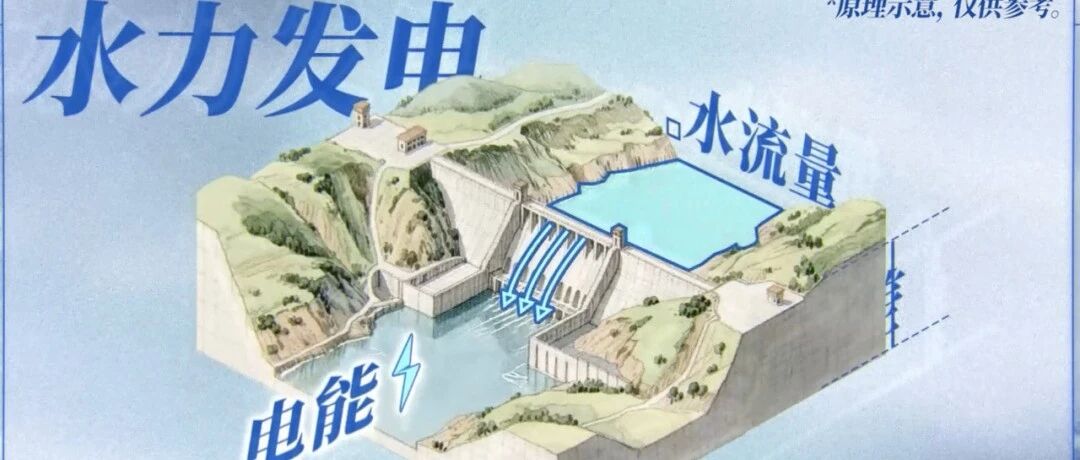
Core Viewpoint - The article discusses the significance and challenges of the Yarlung Tsangpo River hydropower project in Medog County, Tibet, highlighting its potential to generate substantial clean energy and its implications for China's energy structure and carbon neutrality goals [6][22][27]. Group 1: Project Overview - The Yarlung Tsangpo River project has a total investment of 1.2 trillion, making it China's first trillion-level infrastructure project, surpassing the combined costs of major projects like the Beijing-Shanghai High-Speed Railway and the South-to-North Water Diversion [6][11]. - The project aims to harness the natural drop of over 2,000 meters in a 200-kilometer stretch of the river, with an estimated annual power generation of 3,000 billion kilowatt-hours, enough to power Beijing for two years [11][19]. Group 2: Technical Challenges - The project faces significant technical challenges, including the need for a multi-stage development approach due to the extreme elevation drop, requiring the construction of five hydropower stations [13][15]. - Advanced tunneling technology is necessary for the project, with large-diameter tunnel boring machines costing 200-300 million each, which were previously dominated by foreign companies [15][17]. Group 3: Economic and Energy Implications - The project is essential for transforming China's energy mix, as coal-fired power currently accounts for over 60% of electricity production, and the hydropower stations will enhance clean energy capacity [22][25]. - The demand for electricity is increasing, with a notable rise in consumption from high-tech manufacturing and electric vehicles, indicating a growing need for clean energy sources [25][26]. Group 4: Future Outlook - The completion of the Yarlung Tsangpo project is expected to take several years, but it represents a critical investment in the future of energy infrastructure, impacting not just local areas but the entire nation [27].

东材科技(601208.SH)发布上半年业绩,归母净利润1.9亿元,增长19.09%
智通财经网· 2025-08-27 17:04
Core Insights - Dongcai Technology (601208.SH) reported a revenue of 2.431 billion yuan for the first half of 2025, representing a year-on-year growth of 14.57% [1] - The net profit attributable to shareholders was 190 million yuan, an increase of 19.09% year-on-year [1] - The net profit after deducting non-recurring gains and losses was 159 million yuan, showing a significant year-on-year growth of 45.26% [1] - Basic earnings per share stood at 0.21 yuan [1] Financial Performance - The company achieved a gross profit of 401 million yuan, reflecting a year-on-year increase of 28.99% [1] Market and Product Development - The growth was driven by high-quality developments in emerging fields such as ultra-high voltage power grids, new energy vehicles, artificial intelligence, and computing power upgrades, along with improved demand for consumer electronics [1] - The company has successfully expanded its market share with high-value-added products, including ultra-thin electronic polypropylene films for new energy vehicles and high-end optical polyester films, enhancing its competitive advantage and overall profitability [1]

东材科技:上半年净利润同比增长19.09%
Ge Long Hui A P P· 2025-08-27 12:05
Core Viewpoint - Dongcai Technology (601208.SH) reported a revenue of 2.431 billion yuan for the first half of 2025, representing a year-on-year growth of 14.57%, and a net profit attributable to shareholders of 190 million yuan, up 19.09% year-on-year [1] Group 1: Financial Performance - The company achieved a gross profit of 401 million yuan in the first half of 2025, reflecting a year-on-year increase of 28.99% [1] Group 2: Market Drivers - The growth is attributed to the high-quality development in emerging fields such as ultra-high voltage power grids, new energy vehicles, artificial intelligence, and computing power upgrades, along with improved demand for consumer electronics [1] - The company has successfully expanded its market presence with high-value-added products, including ultra-thin electronic polypropylene films for new energy vehicles and high-speed electronic resins [1]
东材科技:2025年上半年净利润1.9亿元,同比增长19.09%
Xin Lang Cai Jing· 2025-08-27 11:50
Core Viewpoint - Dongcai Technology announced a revenue of 2.431 billion yuan for the first half of 2025, representing a year-on-year growth of 14.57%, and a net profit of 190 million yuan, up 19.09% year-on-year, driven by high-quality development in emerging fields such as ultra-high voltage power grids, new energy vehicles, artificial intelligence, and computing power upgrades [1] Group 1: Financial Performance - The company reported a revenue of 2.431 billion yuan for the first half of 2025, which is a 14.57% increase compared to the previous year [1] - The net profit for the same period reached 190 million yuan, reflecting a year-on-year growth of 19.09% [1] Group 2: Market and Product Development - The growth is attributed to the high-quality development in emerging sectors, including ultra-high voltage power grids, new energy vehicles, artificial intelligence, and computing power upgrades [1] - The company has successfully developed high-value-added products such as ultra-thin electronic polypropylene films for new energy vehicles and high-speed electronic resins, which have strengthened its competitive advantage and market expansion [1] - The brand competitiveness and overall profitability of the company have significantly improved, allowing it to rapidly capture incremental market opportunities [1]
挑战中国电力领域的领先地位,韩国、印度积极布局核电建设
Sou Hu Cai Jing· 2025-08-26 16:36
Group 1 - China's electricity consumption in July exceeded 1 trillion kilowatt-hours, significantly stimulating major economies [1] - China possesses unique advantages in the energy sector, including the largest renewable energy installed capacity globally, the largest UHV power grid, and a nationwide unified electricity market system [1] - Other countries, particularly South Korea and India, are actively pursuing nuclear power development to challenge China's leading position in the electricity sector [1]


中国单月用电超东盟全年,汽柴油消费大跌,能源转型真的成了?
Sou Hu Cai Jing· 2025-08-23 01:02
Core Insights - China is undergoing a significant energy transformation, with electricity consumption surpassing 1 trillion kilowatt-hours for the first time, while gasoline and diesel consumption are sharply declining [3][5][13] Group 1: Electricity Consumption - In July 2025, China's total electricity consumption reached 1,022.6 billion kilowatt-hours, marking an 8.6% year-on-year increase, making China the first economy to exceed 1 trillion kilowatt-hours in a single month [3][4] - The surge in electricity demand is driven by extreme heat and industrial recovery, with residential electricity consumption rising over 30% in some provinces [4] - Renewable energy sources, including wind and solar, now account for nearly 25% of total energy consumption, indicating a substantial shift towards green energy [4][9] Group 2: Decline in Fossil Fuel Consumption - Gasoline consumption in the first half of 2025 was 72.27 million tons, down 7.0% year-on-year, while diesel consumption fell to 93.07 million tons, a decrease of 4.9% [5][9] - The rise of electric vehicles (EVs) is evident, with 36.89 million EVs in China by mid-2025, replacing approximately 16.6 million tons of gasoline consumption, which is 18.7% of total gasoline use [7][9] - Diesel consumption is declining due to the shift in industrial practices and the adoption of electric commercial vehicles, reflecting deeper industrial transformation [9] Group 3: Renewable Energy Infrastructure - By June 2025, China's renewable energy installed capacity reached 2.159 billion kilowatts, accounting for 59.2% of total power generation capacity, leading the world in both scale and growth rate [4][9] - The completion of 19 ultra-high voltage transmission lines has established the largest long-distance power transmission network globally, enabling the transfer of over 360 billion kilowatt-hours of green electricity annually [4][9] Group 4: Economic Implications - The decline in oil prices to $63 per barrel has allowed China to save over $80 billion in oil import expenditures in 2025, which is being redirected towards renewable energy projects [10][11] - The electricity cost advantage in Western China, at 0.3-0.6 yuan per kilowatt-hour, is fostering competitiveness in the tech sector, with significant reductions in operational costs for AI training [10][11] Group 5: Industry Adaptation - Traditional energy companies are evolving, with investments in green technologies and infrastructure, such as Saudi Aramco's $5 billion investment in a metaverse energy hub [11] - The shift from fuel stations to energy stations is evident, with charging and hydrogen refueling becoming standard offerings [11][13]
浙江今夏首次实现向全国七大区域购电 新增中长期外来电力资源达440万千瓦
Xin Hua Wang· 2025-08-19 00:29
Core Insights - Zhejiang Province has achieved a significant milestone by purchasing electricity from seven major regions across the country, with an additional 4.4 million kilowatts of long-term external power resources [1] - The ultra-high voltage (UHV) power grid in Zhejiang has received over 30 billion kilowatt-hours of electricity since June 15, accounting for 68.8% of the province's external electricity supply [1] - During peak electricity usage periods, the UHV transmission supported 27% of the province's electricity load, playing a crucial role in the high-quality economic development of the region [1] Group 1 - The three UHV direct current projects in Zhejiang have been operating at full capacity for 42 days during peak hours, with a total electricity transmission exceeding 20 billion kilowatt-hours over 55 days, averaging over 350 million kilowatt-hours daily [1] - Other UHV projects such as "Anhui Electricity East Send" and "Fujian Electricity North Send" are also contributing to a multi-directional complementary power supply structure [1] Group 2 - The investment in the power grid construction in Zhejiang has reached 147.7 billion yuan in the first four years of the 14th Five-Year Plan, with total investment expected to approach 200 billion yuan over five years [2]
东北空调荒
投资界· 2025-07-20 08:05
Core Insights - The article discusses the significant increase in air conditioning sales in Northeast China due to unprecedented high temperatures, highlighting the disparity in air conditioning availability across different regions of China [4][6][8]. Group 1: Air Conditioning Market Dynamics - During the "618" shopping festival, the air conditioning market saw total sales reach 48.5 billion yuan, a year-on-year increase of 16.3%, with sales volume hitting 15.93 million units, up 17.5% [8]. - In Northeast China, sales figures were particularly striking, with Heilongjiang and Jilin provinces experiencing sales growth of 817.68% and 128.76% respectively during specific weeks [9]. - The demand for air conditioning has led to a surge in installation services, with some companies reporting a 300% increase in installation orders year-on-year [12]. Group 2: Regional Disparities in Air Conditioning Ownership - The average air conditioning ownership in China is approximately 1.5 units per household, with urban households averaging 171.7 units per hundred households, while rural areas average 105.7 units [18]. - The article notes that the highest air conditioning ownership is found in provinces like Guangdong and Zhejiang, while regions like Qinghai and Tibet have significantly lower ownership rates [15][18]. Group 3: Global Air Conditioning Trends - Globally, China's household air conditioning penetration rate is around 60%, while in the U.S. and Japan, it reaches 90%. In contrast, European countries have much lower rates, with the UK and Germany below 5% [23][27]. - The article highlights that the rising temperatures in Europe due to climate change are pushing more households to consider air conditioning, leading to a significant increase in imports from China [29]. Group 4: Power Supply and Infrastructure - The article emphasizes the strain on China's power grid, with a record peak load of 1.465 billion kilowatts, largely driven by air conditioning usage [31]. - China's advanced power grid infrastructure allows for efficient electricity distribution, which has been crucial in meeting the rising demand for air conditioning without widespread blackouts [32][33].