种族主义

Search documents
《疯狂动物城》,其实是惊悚片
半佛仙人· 2025-11-30 03:12
Core Viewpoint - The article discusses the underlying themes and societal critiques presented in the animated film "Zootopia 2," highlighting its portrayal of class divisions, systemic issues, and cultural differences in America [7][9][15]. Group 1: Themes of Class and Power - The film presents a seemingly utopian society that is, in reality, marked by class distinctions and family control, with the main antagonist family representing deep-rooted power structures akin to conspiracy theories [9][10]. - The new mayor of Zootopia is depicted as a puppet of the powerful Lynx family, illustrating how wealth and influence dictate political outcomes [9][10]. - The narrative reveals that the true power dynamics in Zootopia are maintained by a few elite families, who manipulate the system to their advantage, pushing marginalized groups to the fringes of society [9][10]. Group 2: Societal Critique and Cultural Commentary - The film's portrayal of different animal species reflects real-world cultural differences and the challenges of coexistence, suggesting that inherent traits and instincts can lead to misunderstandings and conflicts [15]. - The conclusion of the film, while appearing positive, hints at a more complex reality where acceptance of differences is fraught with difficulties, mirroring current societal tensions in America [15]. - The article emphasizes that the film's humor masks a deeper, unsettling commentary on the state of American society, questioning whether true acceptance and coexistence are achievable [15].


乔治斯·瓦鲁萨基斯谈“西方”观念的形成
Xin Lang Cai Jing· 2025-10-12 01:58
Core Argument - Georgios Varouxakis' new book "The West: The History of an Idea" offers a groundbreaking interpretation of the origins of the concept of "the West," challenging the prevailing academic consensus that it emerged in the late 19th century as a tool for promoting imperialism and racism [2][5][7]. Group 1: Historical Context and Evolution of the Concept - The term "the West" is often mistakenly viewed as a timeless concept dating back to ancient Greece, but Varouxakis argues that its self-identification began in the late 19th century, specifically in the 1880s and 1890s, to promote imperialism and white supremacy [5][7]. - Varouxakis highlights that earlier uses of "the West" can be traced back to the early 19th century, particularly through the works of Auguste Comte, who envisioned a "Western Republic" as a cultural and civilizational entity [7][8]. - The need for a distinct term arose from the desire to differentiate Western Europe from Russia, which was perceived as a significant threat after the Napoleonic Wars [8][9]. Group 2: Comte's Influence and Ideological Implications - Comte's writings initially focused on "Europe," but he later shifted to using "the West" to better represent a specific cultural community, distancing it from the broader geographical implications of "Europe" [11][12]. - Varouxakis emphasizes Comte's strong anti-imperialist stance, arguing that his vision for "the West" was not aligned with imperialism but rather aimed at promoting a peaceful, altruistic community [13][14]. - The concept of "the West" was intended to foster a sense of unity among Western nations while advocating for the independence of colonies and the abolition of empires [13][14]. Group 3: The Role of Other Thinkers and Global Perspectives - Varouxakis discusses various thinkers, including Francis Lieber, who contributed to the evolution of the concept of "the West" in the 19th century, particularly in the context of American political thought [16][17]. - The book also examines the contributions of non-Western thinkers, such as Rabindranath Tagore, who engaged in discussions about nationalism and the West during the early 20th century [18][19]. - Varouxakis argues that the historical understanding of "the West" is complex and multifaceted, shaped by various cultural, political, and ideological influences over time [24][27]. Group 4: Methodological Approach - The author employs a genealogical approach to trace the historical evolution of the concept of "the West," emphasizing the importance of understanding its various interpretations and uses throughout history [25][26]. - Varouxakis critiques the notion of a singular "Western value system," arguing that many values attributed to the West have origins in other cultures and should not be viewed as exclusive to the West [30][31]. - The book aims to clarify the historical context and potential future meanings of "the West," highlighting its adaptability and relevance in contemporary discussions [28][29].

委内瑞拉首都举行大规模游行反对美国军事威胁
Xin Hua She· 2025-09-24 00:27
Core Viewpoint - A large-scale demonstration took place in Caracas, Venezuela, on September 23, calling for the defense of national sovereignty and peace against perceived military threats from the United States in the Caribbean region [1] Group 1: Event Details - The demonstration showcased "people's power" with participation from government officials, the Bolivarian militia, and numerous citizens [1] - The march began from various locations in the city and culminated at Bolívar Avenue in the city center [1] Group 2: Statements from Officials - Pedro Infante, the first vice president of the National Assembly, emphasized that the event represented the unity of the people, military, and police, asserting the willingness of Venezuelans to defend their homeland [1] - Defense Minister Lopez criticized the U.S. for its actions in the Caribbean, labeling them as manifestations of hegemonism and racism, and called for unity among Venezuelans to confront ongoing threats [1] Group 3: Context of U.S.-Venezuela Relations - Relations between the U.S. and Venezuela have been tense, with the U.S. deploying multiple warships in the Caribbean under the pretext of combating drug trafficking [1] - The U.S. has claimed to have destroyed three "drug boats" and killed 17 alleged drug traffickers in the region [1] - President Maduro stated that the U.S. military threats have not been effective and have instead united the Venezuelan people further [1]
特朗普威胁要让芝加哥见识“战争部”的厉害,当地市长:“占领”芝加哥的举动违宪!美国要向美国城市开战?最新回应
Mei Ri Jing Ji Xin Wen· 2025-09-08 00:22
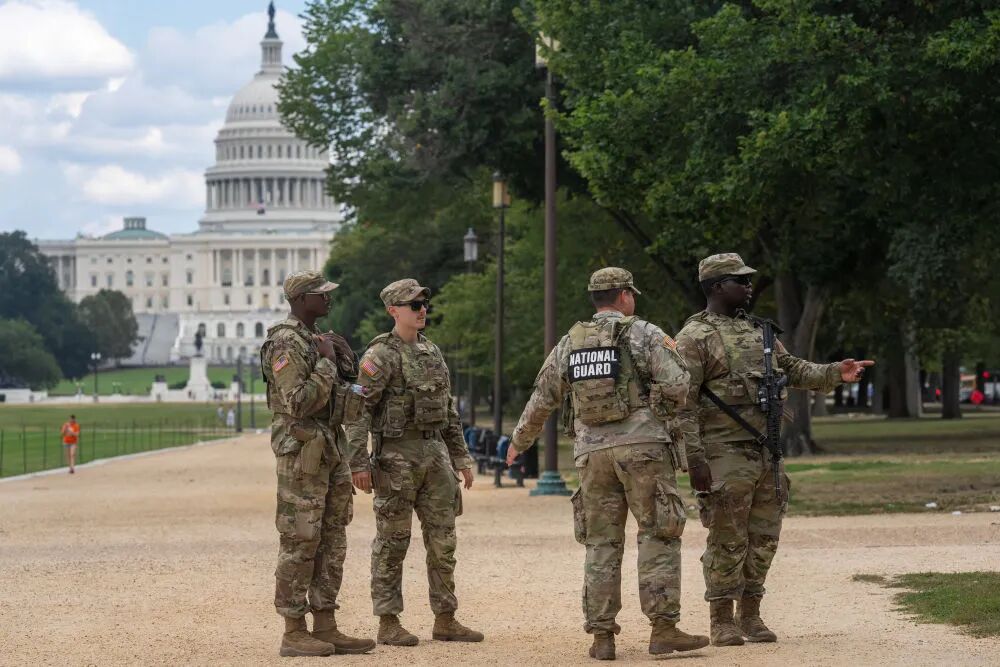
Group 1 - President Trump signed an executive order on September 5 to restore the historical name of the Department of Defense as the "Department of War," allowing it to be used as a secondary designation [5][9] - Trump stated on September 2 that he would deploy the National Guard to Chicago to combat crime, indicating that the deployment would happen but not specifying when [6][10] - The Democratic leadership in Chicago, including Mayor Johnson and Governor Pritzker, has expressed strong opposition to Trump's threats of military intervention in the city [9][12] Group 2 - Thousands of protesters gathered in Washington D.C. and Chicago on September 6 to oppose Trump's plans to deploy federal troops, with slogans condemning fascism and demanding an end to military presence [11][12] - The protests in Washington D.C. were among the largest against Trump's federal takeover of local policing, with demonstrators calling for the end of the occupation [13][14] - A recent poll indicated that Trump's overall approval rating stands at 43%, with significant disapproval regarding his handling of inflation and crime [17][20]

美国打美国?华盛顿、芝加哥,都怒了!
Xin Hua She· 2025-09-07 11:05
Core Viewpoint - Large-scale protests occurred in Washington D.C. and Chicago against President Trump's plans to deploy federal forces to manage local law enforcement, with demonstrators expressing concerns over civil liberties and the militarization of cities [1][3][6]. Group 1: Protests in Washington D.C. - Thousands of demonstrators gathered in Washington D.C. to oppose Trump's federal takeover of local police, marking one of the largest protests against his administration's actions in the capital [3]. - The protest, titled "We Are Washington D.C.," was organized by local autonomy advocates and the American Civil Liberties Union, featuring slogans like "End the Occupation of Washington D.C." and "Trump Must Go" [3][5]. - Washington D.C. Attorney General filed a lawsuit against the deployment of the National Guard, arguing it undermines public safety and impacts the local economy [5]. Group 2: Protests in Chicago - In Chicago, demonstrators protested against Trump's threats to send federal troops, holding signs that read "Stop the Fascist Regime" and "Oppose Trump, Reject Troops" [6][8]. - Organizers claimed the administration's actions were racially motivated, using crime reduction as a pretext to target immigrant communities [6]. - Illinois Governor and Chicago Mayor criticized Trump's threats, stating they undermine national dignity and could violate constitutional rights [8]. Group 3: Federal Response and Legal Context - Trump announced plans to deploy the National Guard to restore order in Washington D.C., labeling cities like Chicago as "problem cities" [5]. - The National Guard presence in Washington D.C. exceeds 2,000 personnel, reflecting a significant federal response to local unrest [5]. - Trump's recent executive order to rename the Department of Defense to "War Department" has raised concerns about the militarization of federal responses to domestic issues [6][8].
《2024年美国侵犯人权报告》发布!
证券时报· 2025-08-17 14:16
Core Viewpoint - The report reveals that under the collusion of power and capital, American-style human rights have been distorted into tools for political spectacle and chips in the power casino, deviating from the core values and essential requirements of human rights [1] Section Summaries Introduction - The report discusses the year 2024 as a critical year for American citizens to exercise political rights, but highlights that money controls politics, political manipulation of the judiciary occurs, election rules suppress voters, and political violence is rampant, leading to widespread disappointment among the American public regarding American democracy [2] American Democracy: The Carnival of Money and Power - The report emphasizes that high inflation exacerbates the wealth gap, with middle and low-income families facing catastrophic impacts, and the number of homeless individuals reaching new highs [2] Welfare of the People: Struggles of the Underprivileged - It points out that the expensive and inefficient healthcare and insurance systems have triggered public outrage, while drug abuse poses a significant threat to public health [2] Racism: The Shackles of Minority Groups - The report indicates that racist rhetoric is rampant in the U.S., with a judicial system that perpetuates systemic racism, leading to widespread discrimination and exclusion of minority groups in various aspects of life [2] Vulnerable Groups: The Helplessness of Women and Children - It highlights the significant expansion of workplace gender discrimination, persistent issues of sexual violence, escalating domestic violence, and the failure to protect women's health rights and children's rights [2] The Deadly Journey: The Tragedy of Undocumented Immigrants - The report notes the worsening humanitarian crisis at the U.S. border, where immigrants face torture and inhumane treatment, and immigrant children are exploited [3] American Hegemony: The Nightmare of Human Rights in Other Countries - It argues that the U.S. has long pursued hegemony and unilateralism, grossly violating international law and basic principles of international relations, severely threatening global peace, security, and development [3]
美国驻马来西亚大使人选争议不断!抗议者聚集美使馆外要求“换人”,马总理发声
Huan Qiu Wang· 2025-07-19 07:01
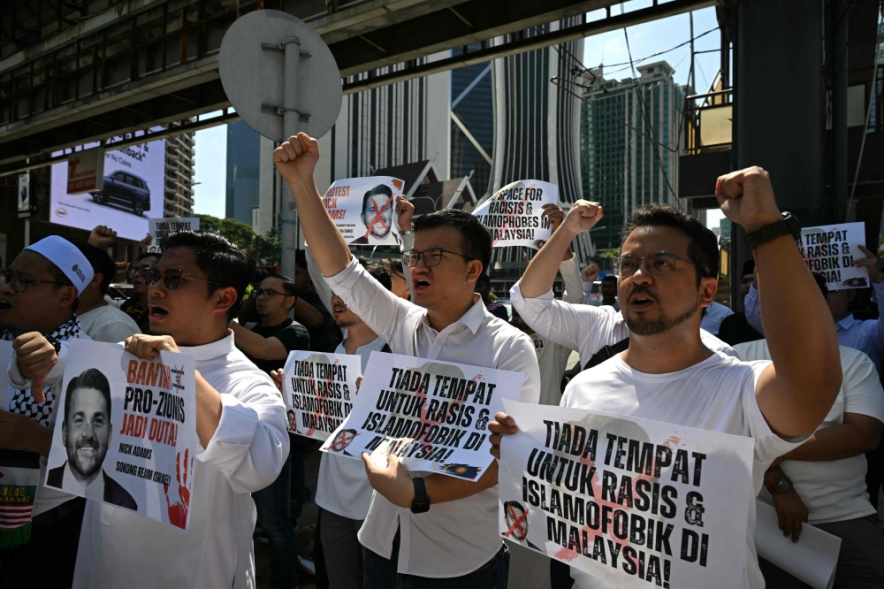
Group 1 - Protests occurred in Malaysia against the nomination of Nick Adams as the U.S. Ambassador, with demonstrators expressing concerns over his past statements and lack of diplomatic experience [1][3][4] - Protesters submitted a letter to the U.S. Embassy urging reconsideration of Adams' nomination in favor of a candidate who is more professional and focused on Southeast Asian stability [3] - Malaysian Prime Minister Anwar stated that it is too early to decide on Adams' appointment, emphasizing the need to maintain good relations with the U.S. [3] Group 2 - The nomination of Adams is controversial due to his history of anti-Islamic remarks and his self-identification as an "Alpha male," which raises concerns in a predominantly Muslim country [4] - The U.S.-Malaysia relationship is at a critical juncture, with a trade agreement deadline approaching on August 1, which, if unmet, could result in a 25% export tariff [3] - Adams, a 40-year-old who became a U.S. citizen in 2021, has a political background in Australia but faced backlash for derogatory comments about journalists [4]
20本超级棒的科技书籍
3 6 Ke· 2025-06-23 00:07
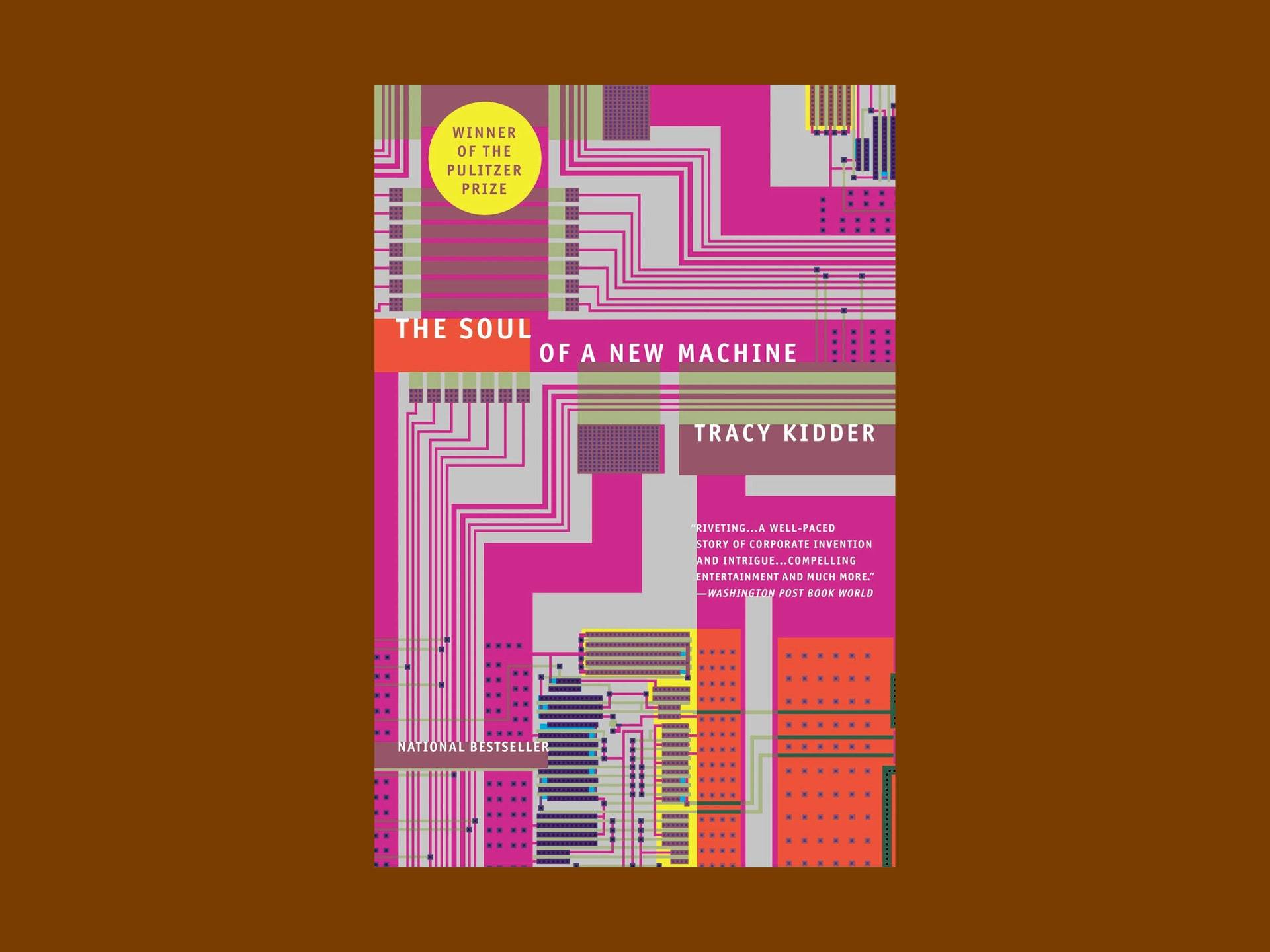
Group 1 - The article presents a list of 20 books that explore the stories behind the technology industry and major tech companies, aiming to inspire readers [1] - Each book offers unique insights into various aspects of technology, innovation, and the impact of these companies on society [1] Group 2 - "The Soul of a New Machine" by Tracy Kidder reveals the internal workings of Data General in the 1970s, highlighting the tension between management and engineers [4] - "Doppelganger: A Trip Into the Mirror World" by Naomi Klein critiques capitalism and the role of social media in fostering narcissism [7] - "Steve Jobs" by Walter Isaacson provides an in-depth look at the life of Apple co-founder Steve Jobs, detailing his passion for innovation and the rise of Apple and Pixar [10] - "So You've Been Publicly Shamed" by Jon Ronson examines the dark side of online mob mentality and the impact of social media on public shaming [13] - "In the Plex" by Steven Levy offers insights into Google's internal operations and its influence on technology and society [17] - "Bad Blood" by John Carreyrou tells the shocking story of Theranos and its founder Elizabeth Holmes, emphasizing the dangers of pretending to succeed [20] - "You Look Like a Thing and I Love You" by Janelle Shane humorously explores the limitations of artificial intelligence and machine learning [22] - "The New New Thing" by Michael Lewis discusses the shift in Silicon Valley power dynamics from wealthy individuals to innovative thinkers [24] - "The Code" by Margaret O'Mara explains how Silicon Valley has dominated technological innovation and the role of government in its rise [28] - "An Ugly Truth" by Sheera Frenkel and Cecilia Kang reveals Facebook's sacrifices of user privacy in pursuit of growth [30] - "Meme Wars" by Joan Donovan et al. investigates the role of internet memes in cultural warfare and their impact on democracy [33] - "Billion Dollar Loser" by Reeves Wiedeman chronicles the rise and fall of WeWork, highlighting the thin line between visionary leadership and deception [36] - "Sid Meier's Memoir!" by Sid Meier provides insights into the gaming industry and the creation of the Civilization series [39] - "Hatching Twitter" by Nick Bilton details the founding of Twitter and the conflicts among its creators [42] - "Race After Technology" by Ruha Benjamin discusses the biases embedded in technology and their implications for systemic racism [45] - "Amazon Unbound" by Brad Stone explores Jeff Bezos's control over Amazon and the company's strategies for dominance [48] - "Samsung Rising" by Geoffrey Cain narrates Samsung's rise in the tech industry and its relationship with the South Korean government [51] - "Against Technoableism" by Ashley Shew challenges the notion that technology should "fix" disabilities, advocating for a more inclusive approach [54] - "Elon Musk" by Ashlee Vance provides a comprehensive look at Musk's ventures, including Tesla and SpaceX, and his impact on technology [56] - "Tracers in the Dark" by Andy Greenberg investigates the rise of digital crime in the cryptocurrency era and the efforts to combat it [59]




【史海回眸】二战大西洋,2万华人为物资供应献力
Huan Qiu Shi Bao· 2025-04-17 22:47
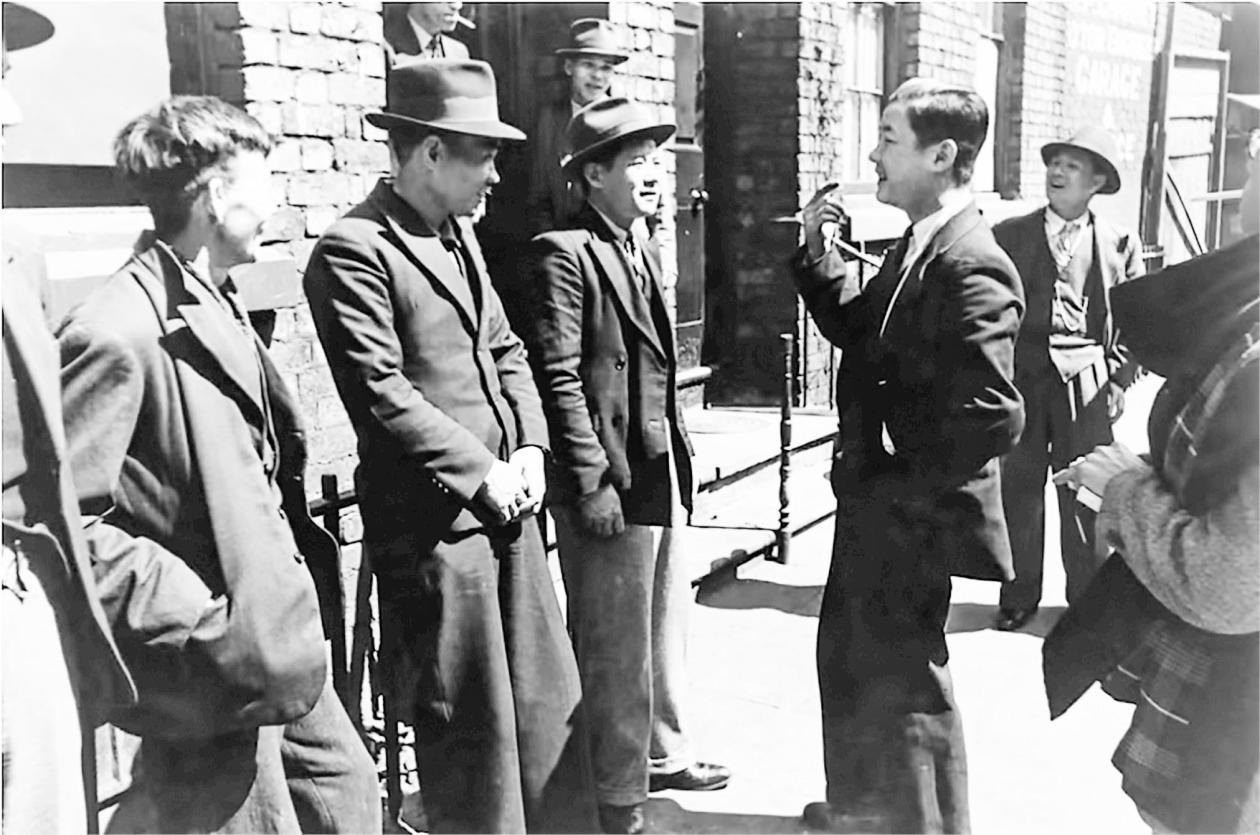
Core Viewpoint - The article highlights the significant contributions of Chinese seamen to the British merchant fleet during World War II, emphasizing their sacrifices and the historical neglect they faced post-war [1][4][8]. Group 1: Historical Context - During World War II, the British merchant fleet played a crucial role in supplying resources to the UK and its allies, with approximately 20,000 Chinese seamen contributing to the war effort [1][4]. - The British merchant fleet, consisting of around 2,000 ships, was vital for transporting essential goods such as oil and food, which were critical for sustaining the nation against Nazi Germany [1][4]. Group 2: Experiences of Chinese Seamen - Many Chinese seamen were recruited due to a shortage of local crew members, and they often worked in challenging conditions, receiving low wages and facing dangerous situations [4][5]. - Reports indicate that over 2,000 Chinese seamen lost their lives during the war, with an average age of just 35 years [4][5]. Group 3: Notable Individual Case - Pan Lian, a Chinese seaman, gained fame for surviving 133 days adrift in the Pacific after his ship was sunk, showcasing remarkable survival skills [5][7]. - After his rescue, Pan Lian received recognition, including the British Empire Medal, highlighting the contrast between his fame and the anonymity of many other Chinese seamen [5][7]. Group 4: Post-War Treatment - After the war, many Chinese seamen faced discrimination and were subjected to a secretive deportation plan by the British government, which aimed to protect local employment [7][8]. - The British government later acknowledged this discriminatory action, labeling it as a blatant act of racism [8].