科技与产业融合

Search documents
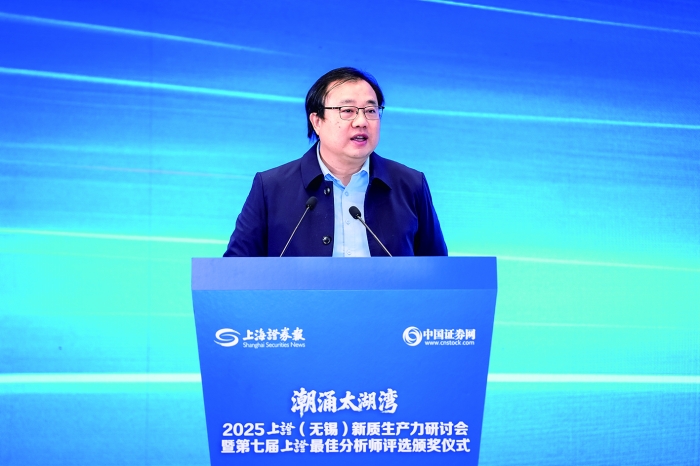
中国科学技术大学副校长傅尧:推动科技与产业深度融合助力科研成果从“书架”走向“货架”
Shang Hai Zheng Quan Bao· 2025-12-28 19:10
Core Viewpoint - The integration of technology and industry remains a challenge, and the establishment of a technology business school aims to facilitate the transition of scientific research results from "shelves" to "market" [2][4][5]. Group 1: Challenges in Technology-Industry Integration - Historical trends indicate that technology has been a crucial driver for industrial upgrades, contributing nearly 80% to economic development [3]. - Despite significant advancements in China's technology sector, challenges persist in the integration of technological innovations into industrial applications, often requiring substantial capital investment and a multi-disciplinary approach [4][5]. Group 2: Establishment of Technology Business School - The China University of Science and Technology established a technology business school in collaboration with Anhui Province and Hefei City to cultivate "five-understanding" talents who are knowledgeable in technology, industry, capital, market, and management [5][6]. - The school integrates resources from various departments, leveraging a strong alumni network and research foundation to create a systematic talent training framework [6]. Group 3: Achievements and Impact - The technology business school has supported 210 projects, resulting in the development of 249 prototypes and the establishment of 9 companies, generating over 6 million yuan in sales and securing significant investment intentions [7].

中国科学技术大学副校长傅尧:推动科技与产业深度融合 助力科研成果从“书架”走向“货架”
Shang Hai Zheng Quan Bao· 2025-12-28 19:09
Core Viewpoint - The integration of technology and industry remains a challenge, requiring financial support and comprehensive empowerment to transition scientific achievements from laboratories to the market [1][3]. Group 1: Technology and Industry Integration Challenges - Historical trends indicate that technology has been a crucial driver of industrial upgrades, contributing nearly 80% to economic development [2]. - Despite significant advancements in China's technology sector, the difficulty of integrating technology with industry persists, often requiring substantial capital investment and a multidisciplinary approach [3]. Group 2: Establishment of the Technology Business School - The University of Science and Technology of China (USTC) established the Technology Business School to cultivate "five understandings" talents—those who understand technology, industry, capital, market, and management [4]. - The school aims to promote the deep integration of innovation chains, industrial chains, capital chains, and talent chains to enhance the efficient transformation of scientific achievements [4]. Group 3: Talent Development and Resources - The Technology Business School integrates resources from various departments, creating a systematic and professional talent training framework targeting both students and industry professionals [5]. - The faculty includes both leading scientists and experienced entrepreneurs, leveraging a strong alumni network to support talent development and the transformation of research outcomes [5]. Group 4: Achievements and Impact - The Technology Business School has funded 210 projects, resulting in the development of 249 prototypes and the establishment of 9 companies, generating over 6 million yuan in sales and securing significant investment intentions [6].
潍坊:准备交一份“万亿”答卷|深度报道
Xin Lang Cai Jing· 2025-12-23 14:59
Core Insights - Weifang aims to achieve a total agricultural output value of 135.87 billion yuan by 2024, marking a 30.9% increase over five years, and is targeting to become a trillion-yuan city by 2026 [1] - The city has faced challenges in 2025 due to adverse weather conditions affecting agricultural production, yet managed to stabilize grain output at over 9 billion jin [3][4][5] - Weifang's agricultural policies and infrastructure have significantly contributed to its resilience and growth, with key industries achieving over 100 billion yuan in output during the 14th Five-Year Plan [8][9] Agricultural Production - Weifang's grain production is projected to remain stable at over 9 billion jin annually, despite facing challenges such as reduced rainfall and adverse weather during the harvest season [3][4][6] - The city has implemented a robust agricultural support system, including emergency response measures and technological assistance to farmers [5][6] - Continuous investment in agricultural infrastructure has been crucial for mitigating the impact of extreme weather on crop yields [6] Policy and Economic Development - Weifang's agricultural policies have led to significant growth in various sectors, including vegetables, livestock, and machinery, with the number of agricultural enterprises and cooperatives ranking first in the country [8][9] - The city is focusing on enhancing the value chain of agricultural products through deep processing and training programs for farmers [9][10] - The local government has allocated funds to promote Weifang's agricultural products in other cities, further supporting economic growth [9] Industrial Growth - Weifang's industrial economy is advancing towards high-end, intelligent, and green development, with significant contributions from private enterprises [10][12] - The city has established a modern marine economy framework, achieving an average annual growth of 8.57% in marine production value since the 14th Five-Year Plan [12] - Weifang's industrial output has surpassed 1.2 trillion yuan, with a focus on innovation and technology in various sectors [10][12] Research and Innovation - The establishment of research institutions, such as the Peking University Modern Agricultural Research Institute, is fostering innovation in agricultural practices and technology [17][21] - Collaboration between research entities and local industries is enhancing the application of scientific research to meet agricultural demands [20][21] - The city is building a comprehensive agricultural technology innovation system to support research and development in agriculture [21]
做好“土特产”大文章,让广东薯成“黄金薯”“幸福薯”
Nan Fang Nong Cun Bao· 2025-12-12 14:31
Core Viewpoint - The Guangdong sweet potato industry is undergoing a transformation aimed at enhancing its brand and market competitiveness through technological innovation and collaboration across the entire supply chain [9][10][16]. Group 1: Industry Overview - Sweet potatoes are the largest grain crop in Guangdong after rice, with a planting area of 2.67 million acres and a fresh sweet potato yield of 4.52 million tons in 2024 [13]. - The province is focusing on the "Hundred-Thousand-Million Project" to improve the quality of agricultural products and increase farmers' income [17][19]. Group 2: Technological Innovation - The conference featured a keynote report by an academician from the Chinese Academy of Sciences, discussing innovative technologies in the sweet potato industry, including the "potato rice" technology that transforms coarse grains into fine grains [22][23]. - The integration of technology and industry is advancing Guangdong's sweet potato production from traditional methods to large-scale, precise cultivation [24]. Group 3: Brand Development - Guangdong has established 18 key counties for sweet potato yield improvement and cultivated 35 leading enterprises in the sweet potato industry [53]. - The province has created three regional public brands and 26 product brands, enhancing the market competitiveness of Guangdong sweet potatoes [52]. Group 4: Market Expansion - The event showcased nearly 100 types of sweet potato products, attracting significant consumer interest and facilitating connections between businesses and buyers [50][52]. - Companies are innovating with sweet potato products, including sweet potato ice cream and snacks, appealing to younger consumers and expanding market opportunities [72][79]. Group 5: Future Initiatives - Six key cooperation projects were signed at the conference, focusing on the construction of a full industry chain base for purple sweet potatoes and the digital application of the industry [86][88].

倒计时4天| 揭开材料新纪元,共探科技与产业的融合路径
AMI埃米空间· 2025-12-08 10:26
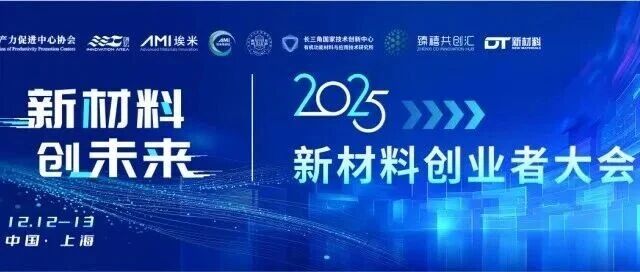
Core Viewpoint - The article emphasizes the transformative role of new materials in driving innovation across key industries such as manufacturing, energy, healthcare, and construction, highlighting the importance of material innovation in bridging research and application [2]. Group 1: Event Overview - The "New Materials Create the Future" 2025 New Materials Entrepreneurs Conference aims to foster dialogue among leaders from academia, industry, and investment sectors, focusing on macro layouts for regional innovation, collaborative models for clinical needs, and the role of public technology platforms in commercialization [2]. - The conference will feature multiple forums, including discussions on the integration of new materials in low-carbon intelligent construction and the commercialization pathways for automotive and electronic functional materials [11][24]. Group 2: Key Speakers and Their Contributions - Ren Tianbin, Director of the Organic Functional Materials and Application Technology Research Institute, will discuss the integration of new materials technology with regional innovation [4]. - Xia Min, Chief Innovation Officer at the First Affiliated Hospital of the University of Science and Technology of China, will address the collaborative innovation models driven by clinical needs [8]. - Gao Zongxian, Director of the Green Low-Carbon Institute at China State Construction Engineering Corporation, will present on material innovation demands in low-carbon construction scenarios [12]. - Yao Zhengjun, Executive Deputy Director of the Organic Functional Materials and Application Technology Research Institute, will focus on accelerating innovation and entrepreneurship in new materials [15]. - Tong Yanhui, Co-founder of Guoke Xinyan International Technology Transfer Co., will discuss strategies for securing initial funding in hard technology entrepreneurship [17]. - Wu Jie, Co-founder and Senior Vice President of Weipu Group, will highlight the role of public technology platforms in supporting material innovation and commercialization [21].
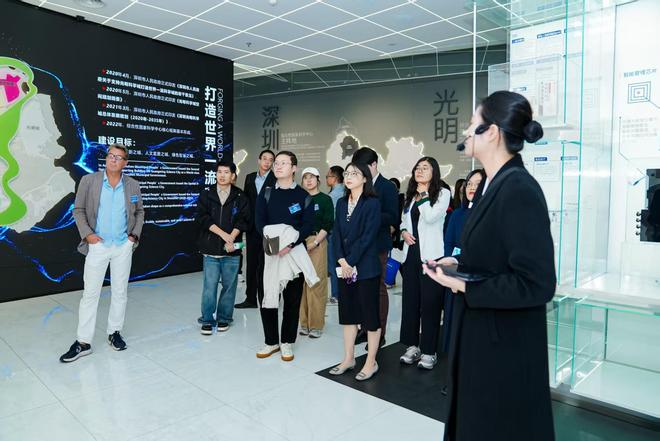
国际创新创业人才走进深圳光明,做了这些事!
Nan Fang Du Shi Bao· 2025-11-30 13:57
Core Insights - The Shenzhen Innovation and Entrepreneurship Competition (Deep Innovation Competition) has launched its ninth international competition, focusing on technology, capital, and project collaboration in the Guangming Science City [1][3]. Group 1: Event Overview - The event features nearly 10 participants from the Zurich overseas branch of the competition, who engaged in city tours, investment matching, and project roadshows to explore collaboration opportunities [1]. - Guangming Science City is highlighted as a hub for major technological infrastructure and innovation resources, with 23 significant innovation carriers established [3]. Group 2: Talent and Investment - The Global Talent Center (GTC) in Guangming has attracted 18 alumni associations from key domestic and international universities, facilitating a "green channel" for high-quality talent and potential entrepreneurial projects [3][5]. - Guangming District has established 27 sub-funds covering all stages of investment, including seed, angel, VC, and PE, showcasing its commitment to attracting talent and investment [5]. Group 3: Project Collaboration - The project roadshow featured participants from sectors such as biomedicine, green low-carbon technology, and high-end equipment manufacturing, allowing for in-depth discussions with investment experts [6]. - Representatives from various institutions, including Shenzhen Medical Academy and Guangming District People's Hospital, were invited to facilitate project negotiations and explore collaboration potential [8]. Group 4: Future Development - Guangming District aims to build a world-class science city and a globally influential industrial technology innovation center, enhancing its role as a core area for high-level talent in the Guangdong-Hong Kong-Macao Greater Bay Area [8].

“感知无锡”调研行|乔为国:向科技延伸 引领无锡制造抢占新高地
Xin Hua Cai Jing· 2025-11-07 07:21
Core Viewpoint - The event "Technology Meets Industry Innovation Dual Empowerment" highlights Wuxi's strong manufacturing foundation and its outstanding industrial innovation capabilities, emphasizing the need for continuous technological empowerment to drive industrial innovation development [1][2]. Group 1: Technological and Industrial Integration - Wuxi is positioned as a leader in the integration of technological innovation and industrial development, with a focus on deepening the fusion of basic research and industry [1]. - Key areas for Wuxi to strengthen the integration of technology and industry include promoting industry extension into technology, planning large scientific installations, and enhancing the entrepreneurial ecosystem for better technology transfer [1]. Group 2: Emphasis on Social Entrepreneurship - The potential and vitality of social entrepreneurial enterprises should be recognized, as they play a significant role in high-tech entrepreneurship [2]. - Wuxi is focusing on cultivating new growth points in sectors such as commercial aerospace, robotics, and artificial intelligence, integrating new business models with urban space renewal to create a unique regional innovation development model [2]. Group 3: Event Purpose and Collaboration - The event was organized by Xinhua News Agency and Wuxi Municipal Party Committee Propaganda Department, aiming to explore the latest practices in the deep integration of technological and industrial innovation in Wuxi [2]. - The initiative seeks to assist Wuxi in becoming a first-class domestic and internationally influential hub for industrial and technological innovation [2].
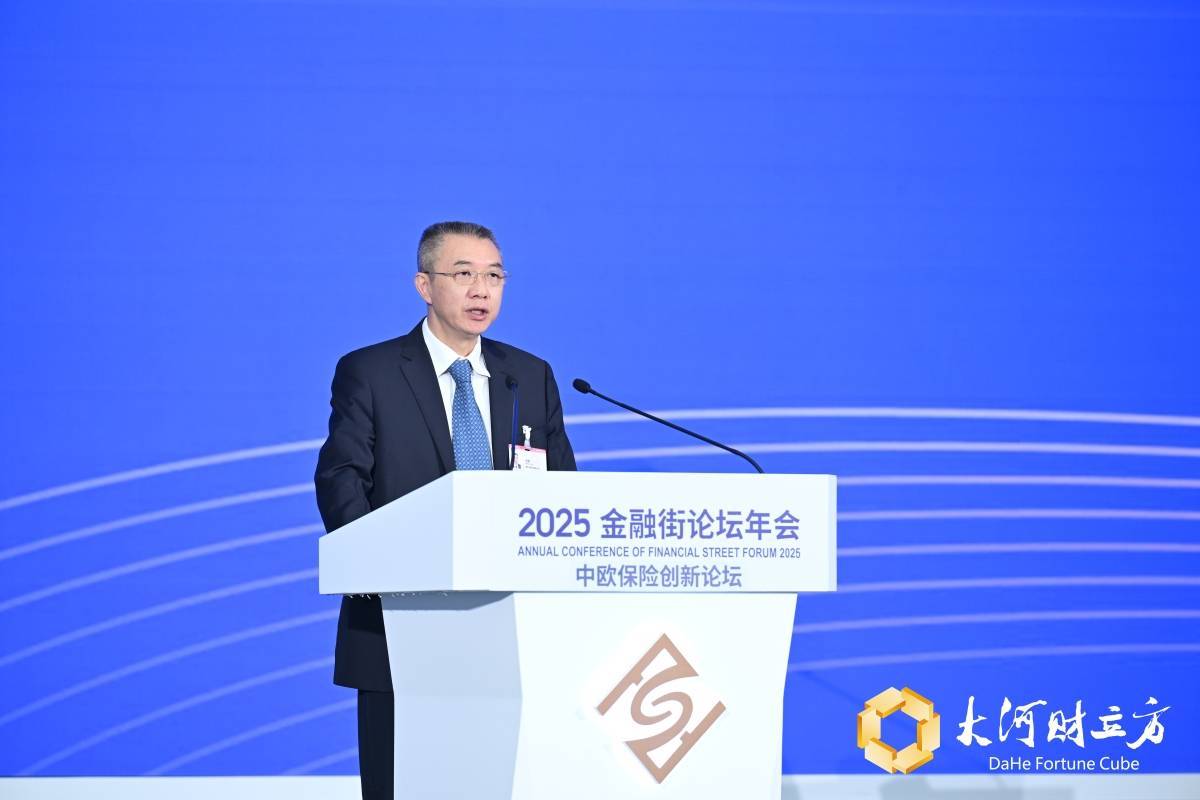
金融监管总局周亮:正联合起草保险业支持科技创新有关文件
Zhong Guo Jing Ying Bao· 2025-10-29 06:34
Core Insights - The recent China-Europe Insurance Innovation Forum highlighted the role of the insurance industry in supporting technological innovation and the construction of a strong technological nation [1][2] - The insurance sector is encouraged to align with the integration of technology and industry, providing diversified risk protection and long-term capital support for technological innovation [1] - A memorandum of cooperation between the insurance and automotive industries aims to enhance the competitiveness of both sectors through improved pricing and safety measures [1] Group 1 - The National Financial Regulatory Administration is drafting documents to support technological innovation in the insurance industry [1] - The insurance industry is seen as having significant potential to contribute to the modernization of the industrial system by offering richer and higher-quality products and services [1] - Insurance capital, characterized by its long-term and patient nature, is well-suited to meet the cyclical financing needs of technological innovation [1] Group 2 - The insurance industry should prioritize the well-being of the people, ensuring that technological applications benefit the public [2] - There is a dual focus on enhancing service quality through technology and expanding the scope of insurance services to provide more convenience to consumers [2]
金融监管总局副局长周亮:正联合起草保险业支持科创有关文件
Shang Hai Zheng Quan Bao· 2025-10-28 19:43
Group 1 - The core viewpoint is that the insurance industry can significantly support technological innovation by providing long-term capital and financing solutions tailored to the lifecycle of tech enterprises [1][2] - The average liability duration of insurance capital and the average R&D cycle of tech companies in China are both between 10 to 15 years, indicating a strong alignment for investment opportunities [1] - Insurance capital has already directly invested thousands of billions in technology-related enterprises, highlighting the industry's commitment to supporting innovation [1] Group 2 - The insurance industry is actively adapting to the integration of technology and industry, with over 40 million new energy vehicles currently insured [2] - A memorandum of cooperation between the insurance and automotive industries aims to enhance vehicle safety, improve pricing models, and boost competitiveness [2] - The use of technology in insurance services is being expanded, including the establishment of a second-hand car information service platform to address information asymmetry in transactions [2] Group 3 - The insurance sector is encouraged to leverage technology to improve service efficiency in areas such as agricultural insurance, disaster insurance, and health insurance [2] - Advanced technologies like satellites, drones, and risk models are being utilized to enhance underwriting, claims processing, and risk reduction services [2] - The application of wearable devices and AI in health and pension insurance is aimed at providing proactive health management suggestions to policyholders [2]
金融监管总局副局长周亮:助力新一轮科技创新,保险业大有可为
Sou Hu Cai Jing· 2025-10-28 17:00
Core Insights - The forum focused on the theme of "New Intelligence, New Energy, New Future," showcasing innovative cases and research findings in the insurance industry [1] Group 1: Industry Trends - The insurance industry is positioned to play a significant role in supporting technological innovation and enhancing service quality through diversified risk protection and cross-cycle capital support [3] - The recent emphasis on the integration of technology and industry presents a favorable foundation for the insurance sector to adapt and contribute effectively [3] Group 2: Regulatory Support - The National Financial Regulatory Administration is collaborating with the Ministry of Science and Technology to draft documents that support the insurance industry's role in technological innovation, aiming to contribute to the construction of a technology-driven nation [3] Group 3: Consumer Focus - The insurance industry is urged to prioritize the needs of the people, enhancing service quality through technology and expanding service offerings to provide more convenient services to consumers [4]